Search Header Logo
CA 4 Review

CA 4 Review

Assessment

Presentation

Chemistry

12th Grade

Medium

NGSS
HS-PS3-4, HS-PS1-4, HS-PS3-2

+4

Standards-aligned

Created by

Simira Carothers

Used 10+ times

FREE Resource

6 Slides • 32 Questions

1

CA 4 Review

This Review will cover:

  • Acids and Bases

  • Thermochemistry

media

2

Acids and Bases

3

4

Multiple Choice

Acids react with
1
water to produce bases and salts
2
salts to produce bases and water
3
neither bases, salts nor water
4
bases to produce salts and water

5

Multiple Choice

Which of the following statements is correct?
1
Blue litmus paper turns red when placed in a base.
2
Red litmus paper turns blue when placed in a base.
3
Blue litmus paper stays blue when placed in an acid.
4
Red litmus paper stays red when placed in a base.

6

Multiple Choice

An Arrhenius acid:

1

donates H+ to another substance

2

accepts H+ from another substance

3

produces H+

4

produces OH-

7

Multiple Choice

An Arrhenius base:

1

donates H+

2

accepts H+

3

produces H+

4

produces OH-

8

Multiple Choice

A Bronsted Lowry acid:

1

donates H+ to another substance

2

accepts H+ from another substance

3

produces H+

4

produces OH-

9

Multiple Choice

A Bronsted Lowry base:

1

donates H+ to another substance

2

accepts H+ from another substance

3

produces H+

4

produces OH-

10

Multiple Choice

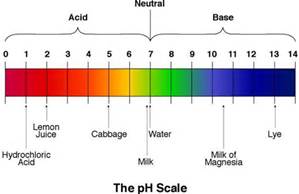
Question image

According to the pH range given in the image,which substance is more acidic than lemon juice?

1

Hydrochloric acid

2

Cabbage

3

Milk

4

Milk Of Magnesia

11

Multiple Choice

What type of reation occurs between an acid and a base?

1

Combustion

2

Synthesis

3

Neutralization

4

Double Replacement

12

Multiple Choice

Which of the following values would represent the pH of a strong base?

1

1

2

8

3

7

4

13

13

Multiple Choice

Which salt is formed in a reaction between HBr and LiOH?

1

LiBr

2

BrLi

3

NaCl

4

NaOH

14

Multiple Choice

Predict the products of this reaction.

HCl + Ca(OH)2 -->

1

NaCl

2

CaCl2

3

CaCl2 + H2O

4

H2O

15

Multiple Choice

What is the conjugate base in the following reaction?

HCO3- + HCl → H2CO3 + Cl-

1

HCO3-

2

HCl

3

H2CO3

4

Cl-

16

Multiple Choice

If the [H+] of a solution is 1.0 x 10⁻² the pH is..

Hint: Use -log [H+]

1
2
2
-2
3
1
4
12

17

Multiple Choice

What is the pH of a solution where the [H+] is 1.0 x 10⁻¹¹?

1

11

2

13

3

14

4

1

18

Multiple Select

Which of the following is true about weak acid?

Hint: There are 2 answers

1

Acids that react partially with alkalis

2

Acids that are monobasic

3

Acid that produce low concentration of H+ ions

4

Acid that dissociates partially in H+ ions

19

Multiple Choice

Which of the following is the correct definition for a strong acid?

1

Partially dissociates into ions when dissolved in water and the change is not reversible

2

Fully dissociates into ions when dissolved in water and the change is not reversible

3

Fully dissociates into ions when dissolved in water and the change is reversible

4

Partially dissociates into ions when dissolved in water and the change is reversible

20

Thermochemistry

21

22

Multiple Choice

What is the energy of the movement of particles in a substance?
1
Potential energy
2
Kinetic energy
3
Thermal energy
4
Temperature

23

Multiple Choice

At higher temperature

1

particles in an object have less kinetic energy

2

particles in an object move faster

3

a gas contracts

4

particles in ab object move slower

24

Multiple Choice

The temperature of a substance increases as

1

the substance expands

2

the substance's volume increases

3

the substance's mass increases

4

the average kinetic energy of its particles increases

25

Multiple Choice

Question image
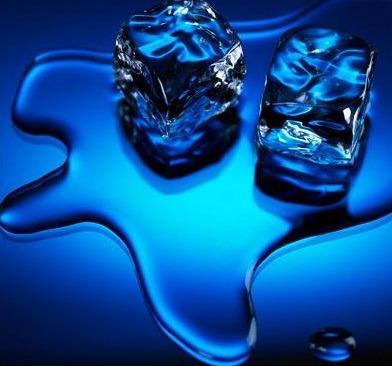
The faster molecules move, 
1
the higher the temperature
2
the less temperature
3
the same temperature
4
I don't know

26

27

Multiple Choice

Question image
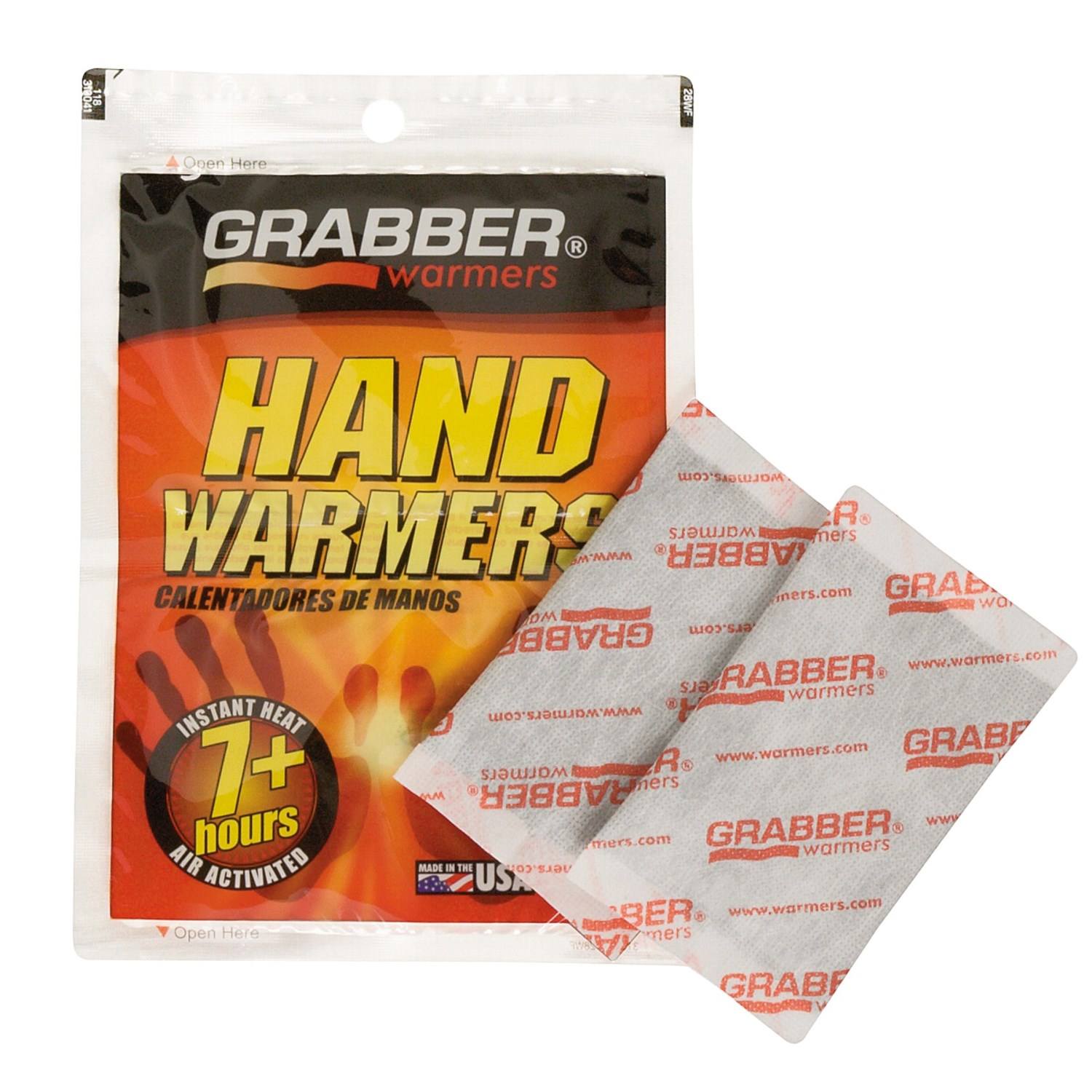
What type of reaction occurs in a hand warmer
1
exothermic
2
endothermic

28

Multiple Choice

Question image
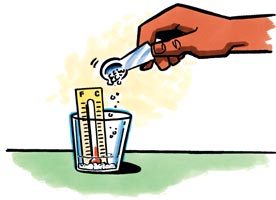
Exothermic reactions...
1
Absorb energy
2
Release energy
3
Release Color
4
Absorb Color

29

Multiple Choice

Question image
In an endothermic reaction, heat is ...
1
taken in or absorbed
2
given out or released 

30

Multiple Choice

Question image

____ reactions usually feel cold.

1

endothermic

2

exothermic

31

Multiple Choice

Question image

A 500g piece of aluminum has a temperature of 7°C. What is the heat energy produced? Specific heat of Aluminum is 0.900 J/gºC.

1

3000 J

2

3000 g

3

3150 J

4

3150 g

32

Multiple Choice

The specific heat of aluminum is 0.21 J/g°C.  How much heat(Q) is released when a 10 g piece of aluminum foil is taken out of the oven and cools from 100° to 50°?
1
105 J
2
10.5 J
3
1.05 J
4
0.105 J

33

Multiple Choice

20 g of water. specific heat of water is 4.18 J/g°C.  temperature changes from 25° C to 20° Chow much heat energy (q) moves from the water to the surroundings?
1
400 J
2
210 J
3
80 J
4
4.18 J

34

Multiple Choice

Energy can not be created or destroyed, it can only be transferred refers to the....
1
law of conservation of energy
2
law of conservation of mass
3
life facts
4
law of conservation of chemistry

35

Multiple Choice

What does temperature measure?
1
Heat
2
ºC
3
Kinetic Energy
4
Thermal Energy

36

Multiple Choice

Question image

How much heat does an aluminum block absorb if 10.00 grams is heated from 25.0oC to 50.0oC? *Specific heat of aluminum is 0.900 J/goC

1

450 J

2

-450 J

3

225 J

4

-225 J

37

Multiple Choice

What is the specific heat of an unknown substance if 100.0 g of it at 200.0 °C reaches an equilibrium temperature of 27.1 °C when it comes in contact with a calorimeter of water.  The water weighs 75. g and had an initial temperature of 20.00 °C?  (Specific heat of water is 4.18 J/g°C) (show your work)
1
0.111 J/g°C
2
1.29 J/g°C
3
0.129 J/g°C
4
22225.85 J

38

Multiple Choice

Question image

The specific heat of platinum is 0.133 J/g°C. How much heat is released when a 10 g piece of platinum cools from 100°C to 50°C?

1

66.5 J

2

665 J

3

0.0266 J

4

0.665 J

CA 4 Review

This Review will cover:

  • Acids and Bases

  • Thermochemistry

media

Show answer

Auto Play

Slide 1 / 38

SLIDE