

Formal Statements of Human Rights

Presentation
•
Other
•
11th - 12th Grade
•
Practice Problem
•
Hard

stephen_lukins@yahoo.com.au stephen_lukins@yahoo.com.au
Used 21+ times
FREE Resource
19 Slides • 22 Questions
1
Formal Statements of Human Rights

2
Creation of the UDHR
The Universal Declaration of Human Rights was created by the UN General Assembly on 10 December 1948.
The declaration was adopted on 10 December 1948 and was originally signed by 48 of the 58 states that existed in the world at that time.

3
Creation of the UDHR
The UN General Assembly proclaimed in the statement made on this day that:
"Governments of member states show their adherence to Article 56 of the charter by using every means within their power solemnly to publicize the text of the declaration and to cause it to be disseminated, displayed, read and expounded principally in schools and other educational institutions, without distinction based on the political status of countries or territories."

4
Multiple Choice
5
The need for the UDHR
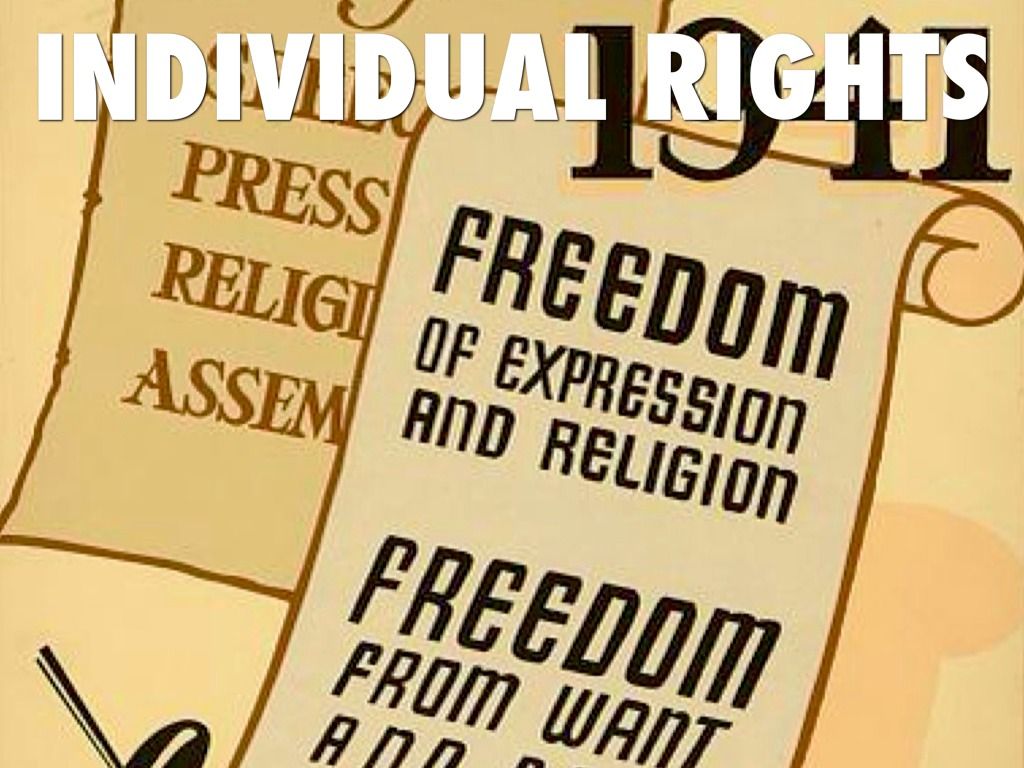
This document was important because it held that the ultimate value in the political realm
is the individual human being. For more than a century before this, the ultimate value was seen as the nation, people, culture, class, race or other group.
6
The need for the UDHR
The need for an assertion of universal human rights had become evident during the Nuremberg Trials of 1945–46, when some lawyers had argued that Nazis could be prosecuted only for the portion of the genocides they committed in occupied countries like Poland. What they did on their own territory, according to the earlier way of thinking, was none of anyone else’s business.

7
Multiple Select
8
Multiple Choice
9
The need for the UDHR
A sign that the declaration was more than hot air was that the great powers were nervous about signing it. Britain was worried about its
colonies, the United States about its black citizens, and the Soviet Union about its empire. But after Eleanor Roosevelt helped the
declaration through eighty-three meetings, it passed without opposition (though eight Soviet countries abstained from voting).

10
Open Ended
11
12
Multiple Choice

When was the Universal Declaration of Human Rights adopted?
13
Multiple Choice
14
Multiple Choice
15
Multiple Choice
16
Fill in the Blanks
17
Multiple Select
18
Multiple Choice
19
Impact of the UDHR
Even though it is not a formal treaty, it has arguably become part of international customary law. So even though it is considered soft law (not binding on signatories), it is so well accepted that in practice most member states accept it as international law.

20
Multiple Select
21
The Twin Covenants.
International Covenant on Civil and Political
Rights
International Covenant on Economic, Social
and Cultural Rights

22
The Twin Covenants
The Universal Declaration of Human Rights is an ideal standard held in common by nations around the world, but it bears no force of law. Thus, from 1948 to 1966, the UN Human Rights Commission’s main task was to create a body of international human rights law based on the Declaration, and to establish the mechanisms needed to enforce its implementation and use.

23
The Twin Covenants
The Human Rights Commission produced two major documents: the International Covenant on Civil and Political Rights (ICCPR) and the International Covenant on Economic, Social and Cultural Rights (ICESCR). Both became international law in 1976. Together with the Universal Declaration of Human Rights, these two covenants comprise what is known as the “International Bill of Human Rights.”

24
The ICCPR
The ICCPR enables people to enjoy a wide range of human rights, including those relating to:
freedom from torture and other cruel, inhuman or degrading treatment or punishment;
fair trial;
freedom of thought and protest;
religion and expression; privacy, home and family life;
equality and non-discrimination

25
Enforcing the ICCPR
The International Covenant on Civil and Political Rights (1966) contains monitoring and periodic reporting arrangements for member states.
It is overseen by the UN Human Rights Committee (a separate body from the UN Human Rights Council), which reports on compliance by member states and investigates violations.

26
Multiple Choice
27
Open Ended
28
Open Ended
29

30
The ICESCR
The UN also adopted the International Covenant on Economic, Social and Cultural Rights (ICESCR) in 1966. The ICESCR aims to promote and protect human rights in an individual’s economic, social and cultural life. This includes protecting the right to an adequate standard of living, the right to education, the right to fair wages and the right to safe working conditions.

31
The ICESCR enforcement
The ICESCR requires states to take steps, including legislative measures, to achieve the ‘progressive realisation’ of ICESCR rights. This requires states to demonstrate in good faith the fulfilment of the rights over time, within their capacities. For example, it is assumed that where states have inadequate resources to ensure free education is provided, they will work towards achieving this goal. The UN also assists states to realise these rights through their work, including the Millennium Development Goals and the Sustainable Development Goals.

32
Multiple Choice

In which treaty is the right in the image contained?
33
Multiple Choice

In which treaty is the right in the image contained?
34
Multiple Choice

In which treaty is the right in the image contained?
35
Open Ended
36
Open Ended
37
38
Open Ended
39
40
Open Ended
41
Formal Statements of Human Rights
Show answer
Auto Play
Slide 1 / 41
SLIDE

