Search Header Logo
9 weeks review 2022-2023

9 weeks review 2022-2023

Assessment

Presentation

Biology

9th - 10th Grade

Hard

L.18.1

Standards-aligned

Created by

Jessica Myers

Used 4+ times

FREE Resource

43 Slides • 36 Questions

1

Reteach Biomolecules

media

2

Biological Molecules

Bio 9°​

3

Biological Molecules

  • ​Are complex chemicals

  • Produced by cells and living organisms​

  • Have a wide range of sizes and structures and are needed by living organisms for metabolism.​

  • Can be very large often constructed of repeating sub-units.

4

​Carbon

​Hydrogen

Oxygen​

​Nitrogen

Major ​Elements that make up Biomolecules

media

5

media

6

Multiple Choice

Which of following is NOT a major element involved in making biomolecules?

1

Calcium (Ca)

2

Carbon (C)

3

Oxigen (O)

4

Nitrogen (N)

7

Multiple Choice

Which figure identifies the monomer that is used for short term energy in the cell?

1
2
3
4

8

media

​- ​​Lipids

​- Carbohydrates

​- Proteins

​- Nucleic Acids

​Types of Biomolecules​

9

media

10

Multiple Choice

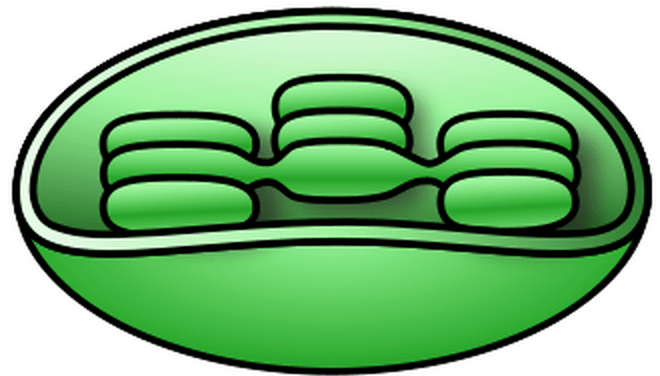
Question image

Which group of biomolecules is important in the composition of the cell membrane?

1

Protein

2

Carbohydrate

3

Lipid

4

Nucleic acid

11

​What do they do?

LIPIDS:

  • Cell membrane structure, energy storage

CARBOHYDRATES​:

  • ​Source of energy, structural component

​PROTEINS:

  • ​Building block, reactions, repair

NUCLEIC ACIDS:

  • ​Genetic material

12

Multiple Select

Which of the following statements correctly describe biological molecules? Chooses all the correct statements.

1

They all contains carbon and are described as organic molecules.

2

There are four major types namely carbohydrates, fats, proteins and nucleic acid.

3

It is produced by living organisms.

4

All biological molecules are of the same structure.

13

media

14

Multiple Choice

What is the monomer for proteins?

1

Amino acid

2

Nucleotide

3

Fatty acid

4

Monosaccharide

15

media

​​Some key terms:

16

Multiple Choice

Large food molecules are composed from smaller molecules chemically bonded

together.

1

True

2

False

17

Multiple Choice

Question image

Which of the following is a characteristic of protein?

1

Made up of amino acids and regulate cellular processes

2

Fats, oils, and waxes

3

Complex carbohydrates known as starches

4

DNA and RNA

18

media

19

​Water is important for all living organisms as many substances are able to dissolve in it (it is a solvent).

​Water is known as a polar molecule

Water

media

20

Fill in the Blank

Water is a/an ____________ solvent.

21

​Role Within Organisms

  • Dissolved substances can be easily transported around organisms –> eg xylem and phloem of plants and dissolved food molecules in the blood

  • Digested food molecules are in the alimentary canal but need to be moved to cells all over the body -> without water as a solvent this would not be able to happen

  • Toxic substances such as urea and substances in excess of requirements such as salts can dissolve in water which makes them easy to remove from the body in urine

  • Water is also an important part of the cytoplasm and plays a role in ensuring metabolic reactions can happen as necessary in cells​

22

Multiple Choice

Question image

The function of the nucleic acid is --

1

to store and transmit genetic information inherited from your parents

2

to maintain our body temperature

3

to build up muscles bones and other body parts

4

to regulate sugar in your blood and give your cells energy

23

Multiple Choice

Which monomer makes up nucleic acids?

1

Amino acid

2

Nucleotide

3

Fatty acid

4

Monosaccharide

24

media

25

media

26

media

27

media

28

media

29

media

30

media

31

media

32

media

33

media

34

media

35

media

36

media

37

Multiple Choice

Question image

The graph shows the energy of the reactants and

products of a biochemical reaction, as well as its activation energy without an enzyme. How would an enzyme affect the reaction?

1

The activation energy would become lower and the reaction will speed up

2

The activation energy would become higher and the reaction will speed up

3

The energy difference between the reactants and products would decrease

4

The products will change into different products

38

Fill in the Blank

Proteins are built up by

39

Fill in the Blank

Nucleic acids examples are ___ and ___

40

Cells

By Stacy King

41

  • ​No Nucleus

  • Cell wall

  • Cell membrane

  • ​Ribosomes

  • cytoplasm​

  • Sin Núcleo

  • Pared celular

  • Membrana celular

  • Ribosomas

  • citoplasma

Prokaryote/Bacteria

media

42

Multiple Choice

Bacterial cells are...

Las células bacterianas son...

1

Prokaryotes

2

Eukaryotes

43

  • ​Regulates what enters and leaves the cell

  • Regula lo que entra y sale de la célula

Cell Membrane

media

44

media

45

Multiple Choice

phospholipid bilayer that surrounds all cells and regulates what enters and leaves the cell.

bicapa de fosfolípidos que rodea todas las células y regula lo que entra y sale de la célula

1

nuclear membrane

2

cell membrane

3

cell wall

46

Multiple Choice

Controls what enters/leaves a cell.

1
cell membrane
2
Nuclear membrane
3
cell wall
4
cytoplasm

47

  • ​Jelly filling of the cell

    • support and structure

  • Relleno de gelatina de la celda.

    • soporte y estructura

Cytoplasm

media

48

Multiple Choice

Jelly like substance that fills the inside of the bacterial cell.

1

Flagella

2

Chromosome

3

Plasmid

4

Cytoplasm

49

  • ​Make Proteins

    • Synthesis

  • Hacer Proteínas

    • Síntesis

Ribosomes

media

50

  • ​Nucleus

  • Cell membrane

  • cytoplasm

  • ​Organelles (little organs)

  • núcleo

  • Membrana celular

  • citoplasma

  • Orgánulos (pequeños órganos)

Eukaryote

Plant/Animal/Fungi​/Protist

media

51

Multiple Choice

organism whose cells contain a nucleus and other

membrane-bound organelles; for example amoeba.

organismo cuyas células contienen un núcleo y otros orgánulos contenidos por membrana; por ejemplo ameoba

1

prokaryote

2

eukaryote

3

truekaryote

52

Multiple Choice

organelles in eukaryotic cells that are surrounded by a lipid bilayer membrane.

orgánulos en células eucariotas que están rodeados por una membrana de bicapa lipídica

1

membrane bound organelles

2

flagella

3

cilia

53

Multiple Choice

Which cell part is present in eukaryotic cells, but not in prokaryotic cells?

¿Qué parte de la célula está presente en las células eucariotas, pero no en las células procariotas?

1
cell membrane
2
cell wall
3
cytoplasm
4
nucleus

54

  • Mitochondria

    • Makes the cells energy ​ (ATP)

  • mitocondrias Produce

    • energía en las células (ATP)

Mitochondria

media

55

  • Mitochondria

    • Makes the cells energy ​ (ATP)

  • mitocondrias Produce

    • energía en las células (ATP)

Mitochondria

media

56

Multiple Choice

Question image

The diagram shows molecules that a mitochondrion uses and produces during a cellular process.

El diagrama muestra las moléculas que una mitocondria usa y produce durante un proceso celular.

1

DNA

2

RNA

3

CHO

4

ATP

57

  • ​Packaging and Shipping

    • ​UPS of the cell

  • ​Embalaje y envío

    • UPS de la celda

Golgi Apparatus

media

58

Multiple Choice

Question image

I am a protein packaging and shipping machine! Who am I?

1
vacuole
2
ribosome
3
endoplasmic reticulum
4
golgi apparatus

59

  • ​Digestive Enzymes

    • Kills bacteria

    • Breaks down molecules​

  • enzimas digestivas

    • Mata las bacterias

    • Descompone moléculas

Lysosome

media

60

Multiple Choice

Question image

You might think of me as the trash collector, but recycler is maybe more accurate. What am I?

Puede pensar en mí como el recolector de basura, pero el reciclador es quizás más preciso. ¿Qué soy yo?

1
mitochondria
2
lysosome
3
vacuole
4
ribosome

61

  • ​Storage

  • ​almacenamiento

Vacuole

media

62

Folds and Process Proteins​

  • Rough ER

    • has Ribosomes

  • Smooth ER

    • no Ribosomes​

Pliegues y Proteínas de ​

Proceso

  • Urgencias ásperas

    • tiene ribosomas

  • Urgencias lisas

    • sin ribosomas

Endoplasmic Reticulum

media

63

Multiple Choice

Question image

I store water in both plant and animal cells. What am I?

Almaceno agua tanto en células vegetales como animales. ¿Qué soy yo?

1
cytoplasm
2
ribosomes
3
vacuole
4
lysosomes

64

Multiple Choice

Question image

What is this?

¿Que es esto?

1
mitochondria
2
lysosomes
3
chloroplast
4
endoplasmic reticulum

65

  • ​Chloroplast ​

    • Solar energy to glucose​

  • Large vacuole

    • Water storage​

Plant and some Protist

media

66

Multiple Choice

collect sunlight which it converts to sugars.

recoger la luz del sol que se convierte en azúcares

1
chloroplasts
2
cytoplasm
3
cell wall
4
mitochondria

67

Multiple Choice

Question image

I am only found in a plant cell. What am I?

Sólo me encuentro en una célula vegetal. ¿Qué soy yo?

1
cell wall
2
mitochondria
3
cytoplasm
4
chloroplast

68

Multiple Choice

Question image

A student groups different types of cells as shown. Which table headings should the student use for the two groups ?

Un estudiante agrupa diferentes tipos de celdas como se muestra. ¿Qué encabezados de tabla debe usar el alumno para los dos grupos?

1

1.Animal Cells

2. Plant Cells

2

1.Prokaryotic Cells

2. Eukaryotic Cells

3

1.Mobile cells

2. Motile Cells

4

1.Fungal Cells

2. Bacterial Cells

69

  • ​Binary Fission

    • very fast

    • DNA replicates and forms new cell​

  • fisión binaria

    • muy rapido

    • El ADN se replica y forma nuevas células.

Prokaryotes Bacteria

media

70

Multiple Choice

Bacterial cells reproduce by this process.

1

Mitosis

2

Meiosis

3

Binary fission

4

Spawning

71

  • ​Interphase (longest)

    • nondividing stage

    • checkpoints (DNA mutations)

    • 3 stages

      • G1

      • S (DNA replication)

      • G2 ​

Eukaryotes

Animals and Plants​

  • ​Interfase (más larga)

    • etapa no divisoria

    • puntos de control (mutaciones de ADN)

    • 3 etapas

      • G1

      • S (replicación del ADN)

      • G2

media

72

Multiple Choice

The activities in the cell cycle occur during specific phases. In which phase of the cell cycle is DNA replicated?

Las actividades en el ciclo celular ocurren durante fases específicas. ¿En qué fase del ciclo celular se replica el ADN?

1

mitosis

2

G1 phase

3

G2 phase

4

S phase

73

Multiple Choice

The activities in the cell cycle occur during specific phases. In which phase of the cell cycle is DNA replicated?

Las actividades en el ciclo celular ocurren durante fases específicas. ¿En qué fase del ciclo celular se replica el ADN?

1

Mitosis

2

G1 phase

3

G2 phase

4

S phase

74

media
  • Particle, not a cell or made of cells​

  • Genetic material

  • ​protein coat/capsid

  • ​envelope to protect genetic material

  • protein spikes for identification to gain entry to the cell​

Read more about virus structures in the link here

Virus Structure

75

Multiple Choice

Which component of a virus protects the genetic material?

1

protein spikes

2

nucleus

3

capsid and envelope

76

Multiple Choice

Which virus reproductive cycle results in the creation of many copies of viral DNA integrated into the host DNA?

1

Lytic Cycle

2

Lysogenic Cycle

77

Multiple Choice

Which virus reproductive cycle results in the creation of many copies of viral particles bursting out of the cell?

1

Lytic Cycle

2

Lysogenic Cycle

78

Multiple Choice

Which virus reproductive cycle is virulent or causes symptoms/sickness?

1

Lytic Cycle

2

Lysogenic Cycle

79

Multiple Choice

Which virus reproductive cycle is temperate or dormant not causing symptoms?

1

Lytic Cycle

2

Lysogenic Cycle

Reteach Biomolecules

media

Show answer

Auto Play

Slide 1 / 79

SLIDE