Search Header Logo
REVIEW Grade 10_Thermal Properties

REVIEW Grade 10_Thermal Properties

Assessment

Presentation

Physics

10th Grade

Medium

Created by

Irvani Prasanti

Used 21+ times

FREE Resource

5 Slides • 57 Questions

1

REVIEW TIME!

Grade 10

media

Thermal Expansion, Specific heat capacity, Evaporation and Boiling, Transfer heat.

2

THERMAL EXPANSION

3

Multiple Choice

The liquid in the thermometer rises when it is placed in the hot water because ___________. 
1

it gains heat from the hot water and expands.

2

loses heat from the hot water and contracts. 

3

the surrounding air is too warm. 

4

the liquid is boiling. 

4

Multiple Choice

What happens to air particles when they are heated?
1

Particles move faster and expand

2

Particles move faster and become closer together.

3

Particles move slower and the air expands

4

Particles move faster become further apart

5

Multiple Choice

Jack placed his wooden baseball bat in the sun. The bat cracked open along the center. What is the most likely reason for this happening?

1

The wooden bat cools in the sun.

2

The wooden bat evaporates in the sun.

3

The sun’s heat causes the wooden bat to expand.

4

The sun’s heat causes the wooden bat to contract.

6

Multiple Choice

Which statement best describes how winter weather can damage roads?

1

Snow and ice can cause car accidents, which damage roads.

2

Rain, ice, and snow can cause the painted lines on roads to fade.

3

Cold temperatures can cause road materials to expand, creating potholes.

4

Water can get into cracks in roads, then freeze and expand, making the cracks worse.

7

Multiple Choice

Question image

The ball and the ring shown below are made up of metal. The diameter of the ball is larger than the diameter of the ring. Which of the following processes makes the ball pass through the ring?

1

Heat the ball

2

Heat the ring

3

Heat both of them

4

Cool both of them down

8

Multiple Choice

Question image

When water in the flask was heated, the water level rose because ______________.

1

the water gained heat and expanded

2

the water lost heat and expanded

3

the water gained heat and contracted

4

the water lost heat and contracted

9

Multiple Choice

Question image

When water in the flask was cooled down, the water level dropped because ______________.

1

the water gained heat and expanded

2

the water lost heat and expanded

3

the water gained heat and contracted

4

the water lost heat and contracted

10

Multiple Choice

Question image

A bottle of air is connected to a balloon. When the bottle is placed in cold water, ______________.

1

the air in the balloon gained heat and the balloon expanded

2

the air in the balloon lost heat and the balloon expanded

3

the air in the balloon gained heat and the balloon contracted

4

the air in the balloon lost heat and the balloon contracted

11

Multiple Choice

Question image

A bottle of air is connected to a balloon. When the bottle is placed in hot water, ______________.

1

the air in the balloon gained heat and the balloon expanded

2

the air in the balloon lost heat and the balloon expanded

3

the air in the balloon gained heat and the balloon contracted

4

the air in the balloon lost heat and the balloon contracted

12

Multiple Choice

Question image

When the metal ball is placed in fire, ______________.

1

the metal ball gained heat and expanded

2

the metal ball gained heat and contracted

3

the metal ball lost heat and contracted

4

the metal ball lost heat and expanded

13

Multiple Choice

Question image

When the metal ball is placed in a bowl of ice, ______________.

1

the metal ball gained heat and expanded

2

the metal ball gained heat and contracted

3

the metal ball lost heat and contracted

4

the metal ball lost heat and expanded

14

Multiple Choice

Question image

The metal plate ______________(lost / gained) heat from the heat source and _____________ (contracted / expanded).

1

gained, expanded

2

gained, contracted

3

lost, expanded

4

lost, contracted

15

Multiple Choice

Question image

The metal plate ______________(lost / gained) heat to the ice cube and _____________ (contracted / expanded).

1

gained, expanded

2

gained, contracted

3

lost, expanded

4

lost, contracted

16

Multiple Choice

Question image

Which statement is correct?

1

Block P gained heat and expanded.

2

Block P gained heat and contracted.

3

Block P lost heat and expanded.

4

Block P lost heat and contracted.

17

BOILING VS EVAPORATION

18

Multiple Choice

What do you call the temperature at which the liquid boils?

1

boiling point

2

melting point

3

evaporating point

4

freezing point

19

Multiple Choice

What is the boiling point of water?

1

100°C

2

10°C

3

101°C

4

110°C

20

Multiple Choice

When water gains heat, its temperature ..............................

1

increases

2

decreases

3

remains the same

21

Multiple Choice

When the liquid reaches its boiling point, the temperature ..............................

1

increases

2

decreases

3

remains constant

22

Multiple Choice

At which altitude does the water boil at the lowest temperature?

1

At sea level

2

At 4,400 metres above sea level

3

At 8,800 metres above sea level

4

At 1,800 metres above sea level

23

Multiple Choice

Question image

Which letter shows the steam?

1

A

2

B

3

C

24

Multiple Choice

.............................. occurs throughout the liquid.

1

Boiling

2

Evaporation

25

Multiple Choice

.............................. occurs all the time and at any temperature.

1

Boiling

2

Evaporation

26

Multiple Choice

.............................. occurs only on the surface of the liquid.

1

Boiling

2

Evaporation

27

Multiple Choice

.............................. takes place at a fixed temperature.

1

Boiling

2

Evaporation

28

Multiple Choice

The process of boiling occurs .............................. than evaporation.

1

faster

2

slower

29

SPECIFIC HEAT CAPACITY

30

Multiple Choice

The specific heat of platinum is 0.133 J/g°C. How much heat(Q) is released when a 10 g piece of platinum cools from 100°C to 50°C?

1

66.5 J

2

665 J

3

0.0266 J

4

0.665 J

31

Multiple Choice

The specific heat(c) of copper is 0.39 J/g °C. What is the temperature change(∆t) when 100 Joules of heat(Q) is added to 20 grams?

1

12.82 °C

2

24.12°C

3

1.95 °C

4

5128 °C

32

Multiple Choice

A high specific heat means...
1

It heats up quickly with energy added

2

It requires more energy to change temperature

33

Multiple Choice

The symbol for specific heat is .......
1

c

2

Q

3

m

4

t

34

Multiple Choice

What is Specific Heat?
1

The  amount of thermal energy required to increase the temperature of 1kg of a material by 1°C.

2

The  amount of radiant energy required to increase the temperature of 1kgof a material by 1°C

3

The  amount of energy required to increase the temperature of 1kgof a material by 1°C.

4

The  amount of friction  required to increase the temperature of 1kgof a material by 1°C.

35

Multiple Choice

Question image

Which material heats up quickest?

1

Aluminium

2

Concrete

3

Diamond

4

Glass

5

Water

36

Multiple Choice

Question image

Some 1kg of water and 1kg of diamond are heated to the same temperature. Which is true?

1

They both require the same amount of energy

2

The diamond needs around 8 times more energy

3

The water needs about 8 times more energy

4

The diamond heats up slower than the water

5

The water ends up colder

37

Multiple Choice

Question image

10 kg of aluminium is heated from 120C to 220C. How much energy is needed?

1

8 970 000 J

2

897 J

3

8970 J

4

89 700 J

5

897 000J

38

Multiple Choice

The temperature of a 6.0 g sample of glass changed from 20.0°C to 45.0°C when it absorbed 550 J of heat. What is the specific heat of this glass?

1

0.27 J/g °C

2

3.7 J/g °C

3

130 J/g °C

4

12 J/g °C

39

Multiple Choice

Which of the following best explains why the sand at the beach is hotter than the water?

1

Sand has a higher specific heat than water.

2

Sand has a lower specific heat than water.

3

There is more water than sand at the beach.

4

There is more sand than water at the beach.

40

Multiple Choice

Object A has a specific heat of 4.45 J/g⁰C and object B has a specific heat of 1.82 J/g⁰C. Which object will heat up faster?
1

Object A, it has a lower spefici heat

2

Object B, it has a lower specific heat

3

Object A, it has a higher specific heat

4

Object B, it has a higher specific heat

41

Multiple Choice

Given that 10 g of copper block and 10 g of clay block is heated with the same amount of heat. It is observed that the 10 g copper block is hotter than 10 g of clay block. Which of the following is accurate?

1

heat capacity of 10 g of copper block is lower than 10 g of clay block

2

specific heat capacity of 10 g copper block is lower than 10 g clay block

3

heat capacity of 10 g of copper block is higher than 10 g of clay block

4

specific heat capacity of 10 g copper block is higher than specific heat capacity of 10 g clay block

42

HEAT TRANSFER

43

Multiple Choice

Question image
You walk barefoot on the hot street and it burns your toes.  This is an example of...
1

conduction

2

convection

3

radiation

44

Multiple Choice

During a house fire, the smoke and flames rise up, but the air down near the floor is cooler and less smoky. This is an example of
1
convection
2
conduction
3
radiation

45

Multiple Choice

Question image
This picture is an example of
1

convection

2

conduction

3

radiation

46

Multiple Choice

Rising warm air currents is an example of
1

convection

2

conduction

3

radiation

47

Multiple Choice

The fact that, in general, liquids and gases expand when heated gives rise 
1

convection currents in fluids due to changing masses

2

convection currents in fluids due to changing densities

3

 heat transfer by conduction

4

convection currents in fluids due to constant temperatures

48

Multiple Choice

Question image

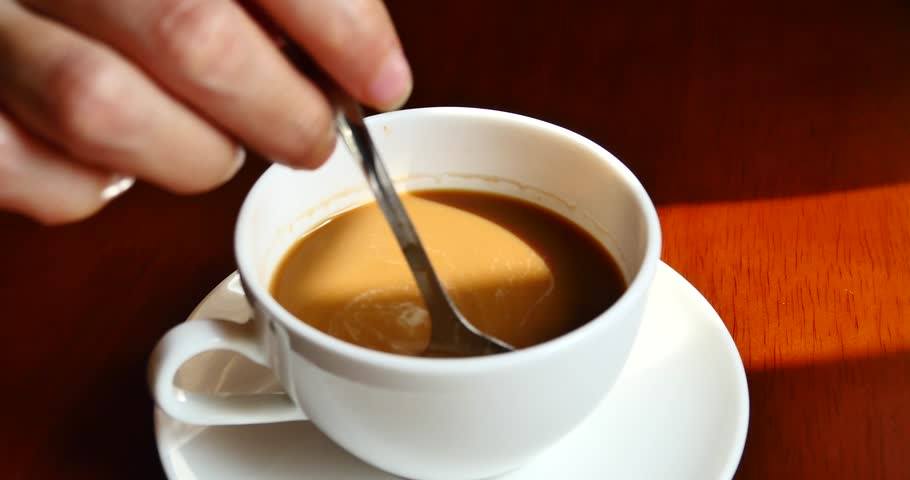
Hot coffee is stirred with a spoon, the spoon gets hot due to

1

Convection

2

Conduction

3

Radiation

49

Multiple Choice

Question image

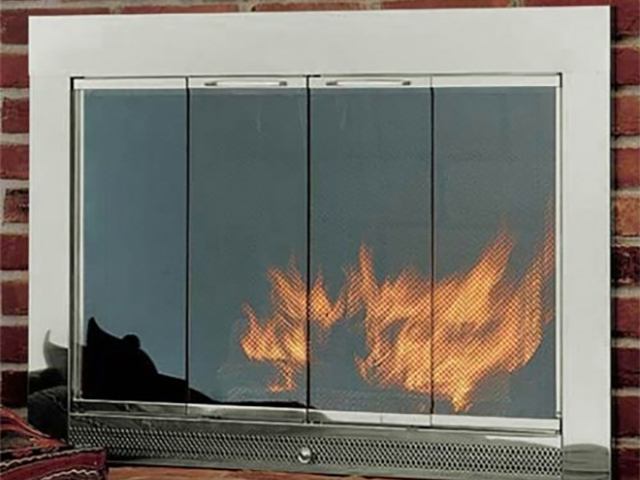
A chair is placed several feet from a fire in a fireplace. The fireplace has a glass screen. The side of the chair facing the fireplace gets warm because of

1

Convection

2

Conduction

3

Radiation

50

Multiple Choice

Question image

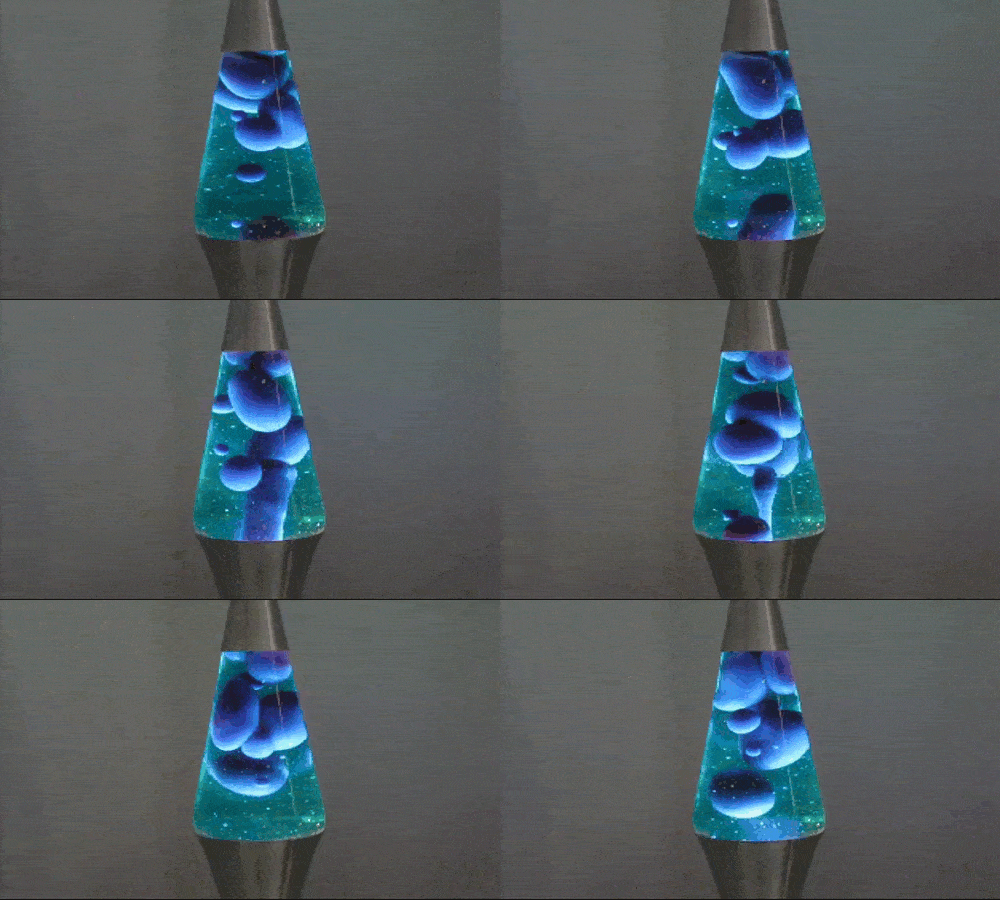
A certain type of decorative lamp contains colored liquids. These liquids form globs that break off and rise to the top of the liquid. The globs rise due to

1

Convection

2

Conduction

3

Radiation

51

Multiple Choice

Question image

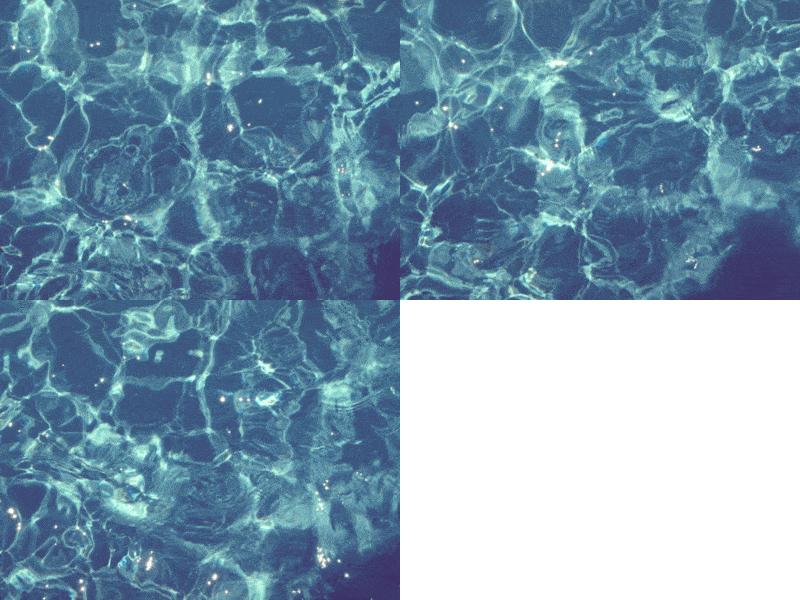
In a swimming pool, the water near the surface is slightly warmer. The warm water rises because of

1

Convection

2

Conduction

3

Radiation

52

Multiple Choice

Question image

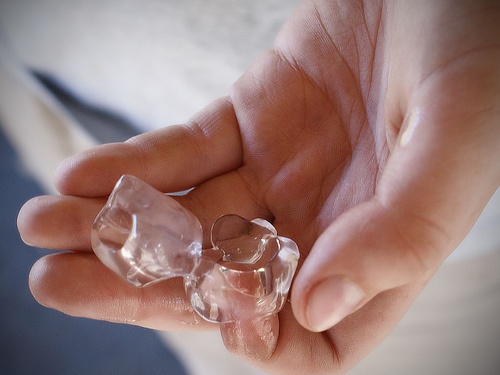
As you hold pieces of ice, they begi to melt from the warmth of you hand on them. This is because of

1

Convection

2

Conduction

3

Radiation

53

Multiple Choice

Question image

A group of friends gather around a fire to stay warm.

1

conduction

2

convection

3

radiation

54

Multiple Choice

What is the transfer of heat by movement of liquids or gases?
1

Radiation

2

Convection

3

Conduction

4

Heat

55

Multiple Choice

What are waves that can transfer heat through the vacuum of empty space?
1

Electromagnetic waves

2

Convection

3

Conduction

4

Heat

56

Multiple Choice

What is a transfer of heat energy by electromagnetic waves?
1

Radiation

2

Convection

3

Conduction

4

Heat

57

Multiple Choice

What is the transfer of heat by direct contact?
1

Convection

2

Electromagnetic waves

3

Radiation

4

Conduction

58

Multiple Choice

What is a substance that does NOT conduct heat well?
1

Conductor

2

Insulator

3

Convector

4

Radiator

59

Multiple Choice

What is a substance that DOES conduct heat well?
1

Conductor

2

Insulator

3

Convector

4

Radiator

60

Multiple Choice

In what state does the conduction occur the best?

1

Solid

2

Liquid

3

Gas

61

Multiple Choice

What is the BEST example of a conductor? 
1

A wooden block

2

A ceramic mug

3

A glass cup

4

A metal bowl

62

Multiple Choice

If I wanted to heat up a pot of water, what type of bowl should I use to best conduct the heat?
1

Plastic

2

Ceramic

3

Styrofoam

4

Glass

REVIEW TIME!

Grade 10

media

Thermal Expansion, Specific heat capacity, Evaporation and Boiling, Transfer heat.

Show answer

Auto Play

Slide 1 / 62

SLIDE