Search Header Logo
  1. Resource Library
  2. Science
  3. Biology
  4. Human Body
  5. The Human Body Part 2: The Nervous, Skeletal, & Muscle System
The Human Body Part 2: The Nervous, Skeletal, & Muscle System

The Human Body Part 2: The Nervous, Skeletal, & Muscle System

Assessment

Presentation

Science

8th Grade

Medium

NGSS
MS-ESS1-1, MS-ESS2-4, MS-LS1-3

+11

Standards-aligned

Created by

Abby Fancsali

Used 12+ times

FREE Resource

12 Slides • 21 Questions

1
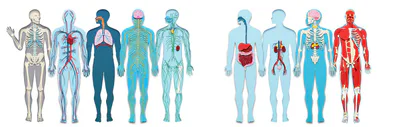
The Nervous System, The Skeletal System, and Muscles

media

2

Multiple Choice

Which of the following does NOT play a role in Maintaining Homeostasis of your body temperature?

1

Shivering

2

Sweating

3

Increasing your heart rate

4

Seeking shade

3

Multiple Choice

Question image

The ______________ is the largest part of the brain

1

cerebrum

2

cerebellum

3

thalamus

4

hypothalamus

4

Multiple Choice

A group of the same type of cells that work together for a purpose are called -
1

 a tissue

2

an organ

3

an organ system

4

an unicellular organism

5

Multiple Choice

Question image

This part of the brain coordinates movement and balance.

1

Cerebrum

2

Cerebellum

3

Brain stem

4

Spinal Cord

6

Multiple Choice

Question image
The shown figure highlights - 
1

a system of the body

2

an organ of the body

3

a tissue of the body

4

a cell of the body

7

Multiple Choice

Question image

The Yellow part of the brain is the

1

Frontal Lobe

2

Brain Stem

3

Cerebellum

4

Occipital Lobe

8

Multiple Choice

A group of different tissues working together is - 
1

an organ

2

an organ system

3

a   prokaryote

4

a cell

9

Multiple Choice

Question image

They hypothalamus controls the release of hormones but also does what?

1

moderates body functions such as sleeping and body temperature

2

checks information relayed to working memory

3

controls the excess of the emotional system

4

fine tunes our thoughts, emotions, and senses

10

Multiple Choice

The levels of organization from the simplest to the most complex are
1

Cells, tissues, organs, organ systems, organism

2

Organisms, organs, tissues, cells, organ systems

3

Cells, organs, organ systems, tissues, organism

4

Tissues, cells, organs, organism

11

media

Lesson Objectives

  • Describe the functions and parts of the nervous system

  • Identify the structure of parts of the nervous system

  • Identify the function and structures of the skeletal system

12

Introduction

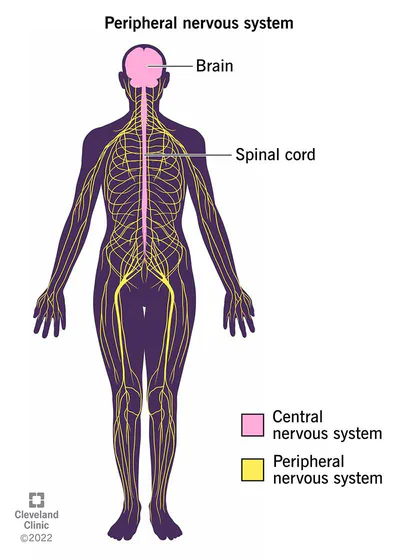
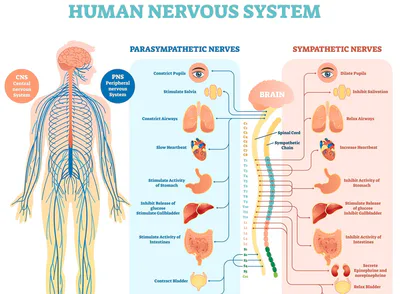
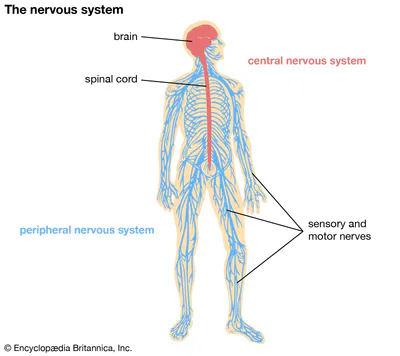
  • The Nervous System: The parts of the body that collect information about the body's internal and external environments and control the body's activities

    • Divided into two parts

      • Central Nervous System: The Brain and spinal cord

      • Peripheral Nervous System: All other nerves in the body

media

13

Nervous System Cells

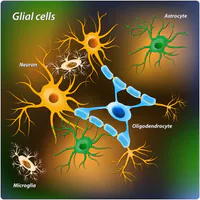
  • Two types of cells make up the nervous system

    • Neurons: Recieves and transmits electrical signals from one part of the body to another

    • Glial Cells: Support, insulate, and protect the neurons

media

14

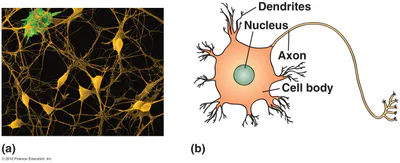
Parts of a Neuron

  • Dendrites: receive information from other neurons or cells

  • Cell body: Holds the nucleus and organelles of the cell

  • Axon: transmits information to other neurons or cells

media

15

Kinds of a Neuron

  • Sensory Neurons: Carry information from the senses to the central nervous system

  • Interneurons: Connect neurons to other neurons

    • found exclusively in the central nervous system

  • Motor Neurons: carry directions from the central nervous system to muscles or organs

    • Motor neurons are divided into two categories

      • Somatic Nervous System: Voluntary actions

      • Autonomic Nervous System: control involuntary actions

        • Breathing

16

Divisions in the Nervous System

  • The nervous system can be split into two divisions

    • Sympathetic Nervous system: prepares the body for danger

      • Fight or flight response

      • Speeds up some parts of the body while slowing down others

    • Parasympathetic Nervous System: calms the body down

media

17

Drag and Drop

The brain and spinal cord are the two parts of the ​
nervous system.
Drag these tiles and drop them in the correct blank above
Central
Peripheral
Sympathetic
Parasympathetic
Skeletal

18

Multiple Choice

Question image

You are running in the gym and notice a basketball coming toward your face. Without thinking, you dodge it. Which type of motor neurons allowed this to happen?

1

Somatic

2

Autonomic

3

Both Somatic & Autonomic

19

Multiple Select

Select all the types of Nerve Cells

1

Neurons

2

Glial

3

Axial

4

Epithelial

20

Multiple Choice

Which types of neurons control your muscle movements?

1

Sensory Neurons

2

Interneurons

3

Motor Neurons

4

All Neurons do this

21

Multiple Choice

Question image

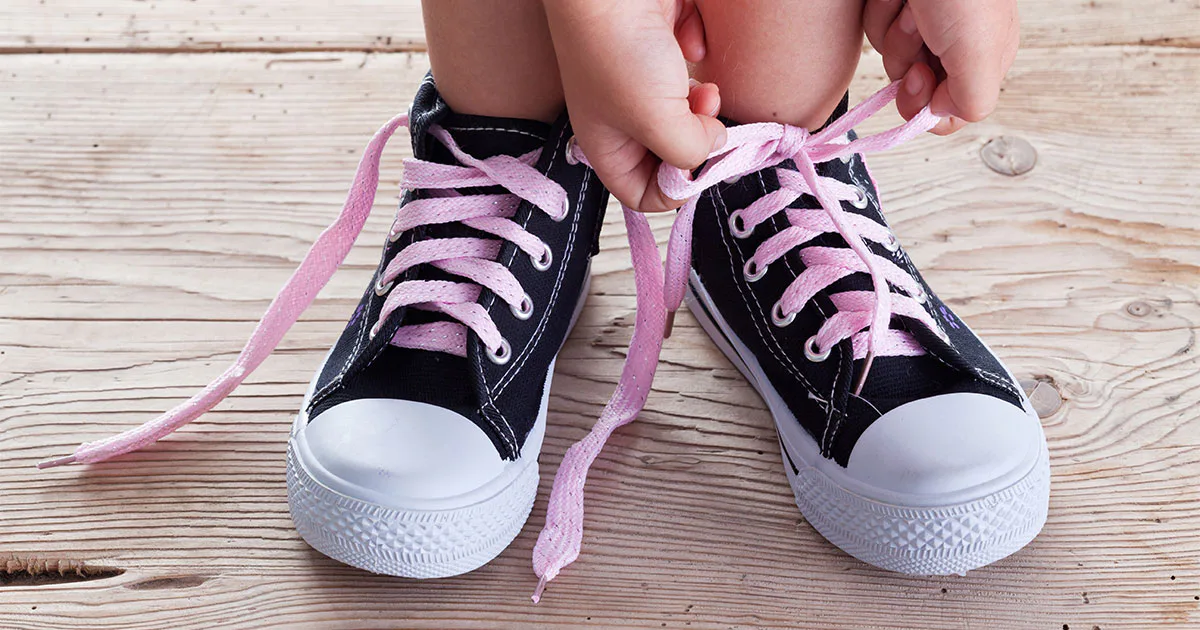
You are walking and notice your shoes are untied. You stop walking and tie your shoes. Which type of neurons allowed this to happen?

1

Somatic

2

Autonomic

3

Both Somatic & Autonomic

22

Labelling

Label the parts of the Neuron

Drag labels to their correct position on the image
Cell Body
Dendrites
Axon

23

The Skeleton

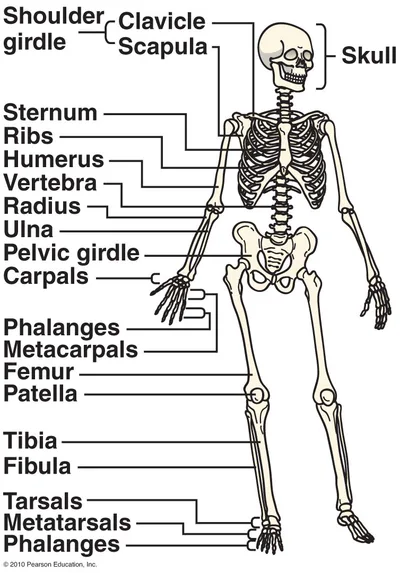
  • The human skeleton is made up of both bones and cartilage

  • Protects organs and supports the body

  • Works with muscles to allow them to move

  • Makes blood cells

  • Adults have 206 bones in total

    • Babies have more that fuse together as you age

media

24

Joints

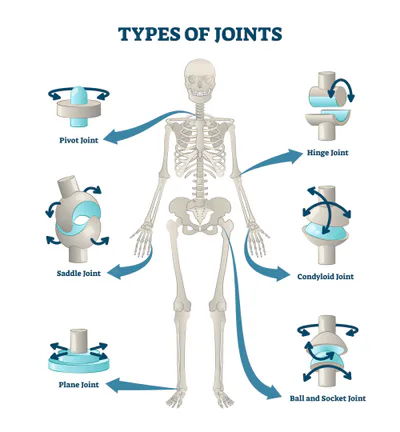
  • The skeleton works with muscles to allow the body to move

  • Joints: Movable connections between bones

    • Different types of joints move in different ways

      • Hinge Joints in your elbows and knees

      • Ball and Socket Joints in your shoulder and hips

        • Rotates almost 360 Degrees

media

25

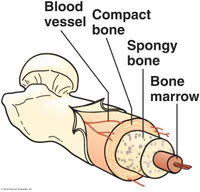
Bones

  • Bones have three layers

    • Compact Bone: The hard outermost layer, that protects the inner parts

    • Spongy Bone: A lighter and less dense middle layer that contains marrow

    • Marrow: a jelly-like substance inside bones

      • Red Marrow makes blood cells

      • Yellow Marrow stores fat

media

26

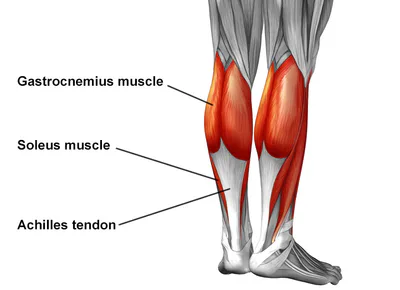
Muscles

  • Muscles directly cause parts of your body to move

    • More than 600 muscles in a human body

  • Work by contracting and pulling on bones

    • Tendons: the structures that connect muscles to bones

media

27

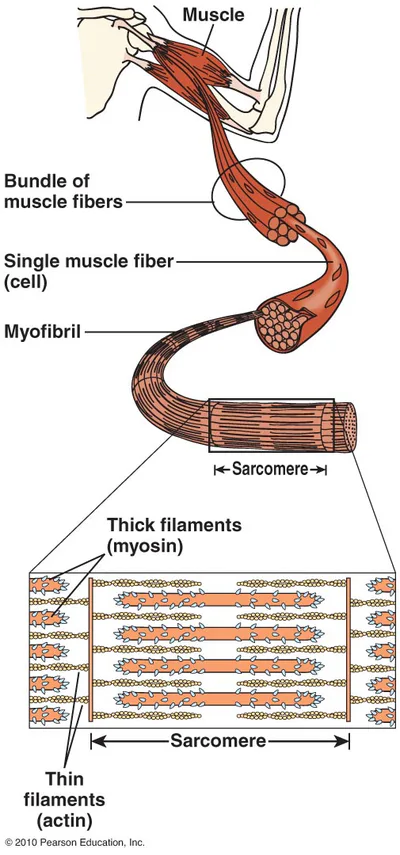
How do Muscles Move?

  • Muscles are made up of long fibers

    • each fiber is a cell with multiple nuclei

    • Contains a smaller bundle of elements called myofibrils

    • Sarcomeres: smaller sections of a myofibril

      • Receive signals from neurons that cause them to slide and contract, and then release

  • Two proteins, actin and myosin are send signals to the sacromeres

media

28

Multiple Choice

About how many bones do adults have?

1

300

2

50

3

206

4

500

29

Multiple Choice

Bones can make blood cells. True or False?

1

True

2

False

30

Multiple Select

The Skeletal System accomplishes which two functions?

1

Provides support and structure

2

Pumps blood through the body

3

Helps the body bend and move

4

Protects the body from germs

31

Multiple Choice

When your body bends down to do squats you are probably using what type of joint?

1

Ball and Socket Joint

2

Hinge Joint

32

Multiple Choice

Which joint helps bones move in all directions?

1

Ball and Socket Joint

2

Hinge Joint

3

Pivot Joint

33

Multiple Choice

What are the 2 types of bone tissue?
1

spongy bone and compact bone

2

marrow and blood vessels

3

axial and appendicular

The Nervous System, The Skeletal System, and Muscles

media

Show answer

Auto Play

Slide 1 / 33

SLIDE