8/12 - Body Systems
Presentation
•
Science
•
6th - 8th Grade
•
Easy
+2
Standards-aligned
Rebecca Keith
Used 12+ times
FREE Resource
10 Slides • 25 Questions
1
Levels of Organization and Body Systems
2
3
Match
Drag the images to match the labels.
Cell
Tissue
Organ
Organ System
Organism
Cell
Tissue
Organ
Organ System
Organism
4
Match
Drag the images to match the labels
Cell
Tissue
Organ
Organ System
Organism
Cell
Tissue
Organ
Organ System
Organism
5
Organ Structures:
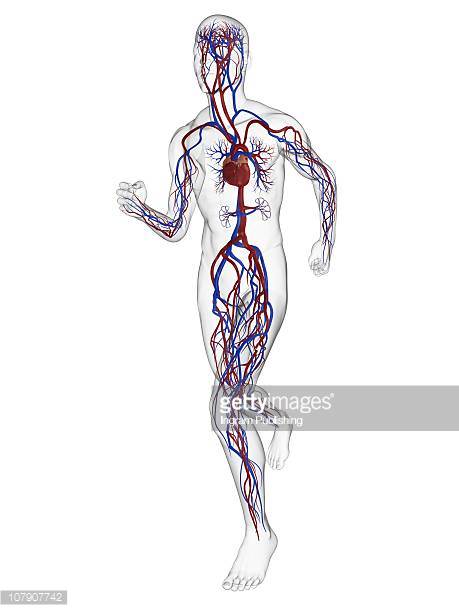
Heart and Veins
Function:
Allows blood and
nutrients to circulate
throughout the body.
6
Multiple Choice
What is the main organ of the circulatory system?
small intestine
bone
lungs
heart
7
Multiple Choice
The job of the heart is to . . .
pump blood around the body.
send food to the small intestines.
break down food.
give energy to the body.
8
Multiple Choice
Which of the following is not part of the circulatory system?
veins
heart
stomach
arteries
9
Organ Structures:
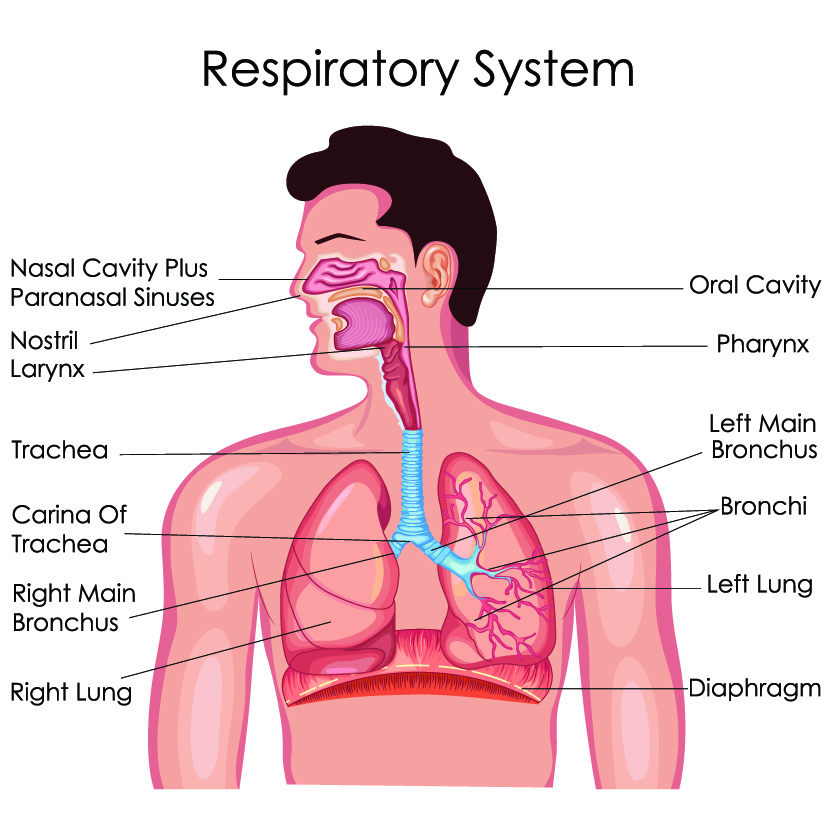
Lungs and Nose
Function:
Responsible for
taking in oxygen and
expelling carbon
dioxide.
10
Multiple Choice
lungs
nose
rib cage
trachea
11
Multiple Choice
Which body system is responsible for bringing oxygen into your body and removing carbon dioxide?
organ system
tissue
musculoskeletal system
respiratory system
12
Multiple Choice
Which shows circulatory and respiratory system working together?
Nutrients absorb into blood from intestines
Lungs expand and contract due to diaphragm
Gases exchanged in lungs are carried by blood
New red blood cells are generated in the marrow of bones
13
Organ Structures:
hair, skin, nails
Function:
Acts as a barrier to
protect the body.
Helps regulate body
temperature and
retain body fluids.
14
Multiple Select
The Integumentary System is made of ... (mark all correct answers)
Skin
Hair
Nails
Liver
15
Multiple Choice
What is the largest organ in the body?
Liver
Brain
Femur
Skin
16
Organ Structures:
Bones and Tendons
Function:
Provides support and
protects parts of the
body.
17
Multiple Choice
What is the job (function) of the cranium, or skull?
protect the heart
protect the brain
protect the feet
18
Multiple Choice
What do ribs protect?
heart,
brain
legs
19
Multiple Choice
Your skeleton
supports & shapes the body
works with muscles to help you move
helps protect important organs
makes blood
all of the above
20
Organ Structures:
muscles and blood
vessels
Function:
Allows the body to
move.
21
Multiple Choice
Which of these is NOT a function of the muscular system?
Allows for sensation
Creates body movement
Protects internal organs
Heat production
Maintain body posture and shape
22
Multiple Choice
What system does the muscular system work in conjunction with to allow our body to move?
Digestive
Respiratory
Skeletal
Circulatory
23
Multiple Choice
Keep the heart beating
Move the body
Hit the dab
Transfer oxygen
24
Organ Structures:
kidney and bladder
Function:
Allows the
elimination and filtering the blood and body of waste.
25
Multiple Choice
What are the main functions of the excretory system?
deliver oxygen to the body
deliver nutrients to the body
remove water and waste from the body
remove disease from the body
26
Multiple Choice
Which organs help to remove waste from the body?
Lungs, stomach, bladder, and kidneys
Lungs, heart, bones, and bladder
Lungs, large intestine, bladder and kidneys
Lungs, esophagus, bladder and kidneys
27
Multiple Choice
Which organ filters blood?
Kidneys
Large Intestine
Lungs
Bladder
28
Multiple Choice
What is organ is #1?
Kidney
Stomach
Bladder
Heart
29
Organ Structures:
brain and spinal cord
Function:
Responsible for
controlling all parts of
the body, by sending
and receiving
messages throughout
the whole body.
30
Multiple Select
The Central Nervous System is made up of which TWO parts?
Brain
Arms
Legs
Spine
31
Multiple Choice
The nervous system is made up of all the following EXCEPT
Brain
Nerves
Muscles
Spinal Cord
32
Organ Structures:
stomach, esophagus, small and large intestines, and mouth
Function:
Responsible for
breaking down food
and absorbing
nutrients.
33
Multiple Choice
When does digestion begin?
When the enzymes change starches into sugar.
When you begin chewing the food in your mouth.
After you swallow.
When you feel full.
34
Multiple Choice
composition
digestion
deposition
absorption
35
Multiple Choice
Breaking down food into smaller nutrients
Getting rid of waste products
Getting food into our bodies
Getting nutrients into our bloodstream, so that our cells can use them
Levels of Organization and Body Systems
Show answer
Auto Play
Slide 1 / 35
SLIDE

Similar Resources on Wayground
32 questions
Light Waves
Presentation
•
6th - 8th Grade
31 questions
Acceleration
Presentation
•
6th - 8th Grade
29 questions
Cells Unit Review
Presentation
•
6th - 8th Grade
26 questions
Nature of Science Part 3
Presentation
•
6th - 9th Grade
26 questions
Traits and Alleles
Presentation
•
7th - 8th Grade
27 questions
Evidence of Evolution
Presentation
•
6th - 8th Grade
27 questions
Plate Boundaries
Presentation
•
6th - 8th Grade
30 questions
Rock Cycle
Presentation
•
6th - 8th Grade
Popular Resources on Wayground
10 questions
5.P.1.3 Distance/Time Graphs
Quiz
•
5th Grade
10 questions
Fire Drill
Quiz
•
2nd - 5th Grade
20 questions
Equivalent Fractions
Quiz
•
3rd Grade
22 questions
School Wide Vocab Group 1 Master
Quiz
•
6th - 8th Grade
20 questions
Main Idea and Details
Quiz
•
5th Grade
20 questions
Context Clues
Quiz
•
6th Grade
20 questions
Inferences
Quiz
•
4th Grade
12 questions
What makes Nebraska's government unique?
Quiz
•
4th - 5th Grade
Discover more resources for Science
8 questions
Amoeba Sister Asexual vs Sexual Reproduction
Interactive video
•
8th Grade
19 questions
Introduction to Properties of Waves
Presentation
•
6th - 8th Grade
16 questions
Interactions within Ecosystems
Presentation
•
6th - 8th Grade
10 questions
Exploring the Layers of the Earth
Interactive video
•
6th - 10th Grade
16 questions
Photosynthesis and Cellular Respiration Review
Quiz
•
7th Grade
20 questions
Abiotic & Biotic Factors
Quiz
•
7th Grade
15 questions
Punnett Squares
Quiz
•
6th Grade
10 questions
Exploring the Evolution of Cell Theory
Interactive video
•
7th Grade