
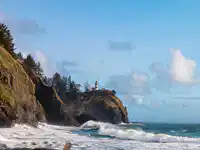
PNW Coastal Landforms

Presentation
•
Social Studies
•
7th Grade
•
Medium

Julie Grimm
Used 6+ times
FREE Resource
14 Slides • 20 Questions
1

Coastal Landforms
2
Multiple Choice
landform
geography
natural resources
environment
3

The ocean is a very powerful force. It exerts itself along the western
edge of the Pacific Northwest creating a number of landforms. A drive along the Oregon or Washington coasts takes a person past some of the most spectacular scenery in the nation. All along the coast, powerful waves throw themselves against the land.
In some places, they meet a fairly level beach. Often the beach is sandy and may have large dunes between it and the rest of the land.
On other parts of the coast, rocky headlands and cliffs rise just behind narrow beaches, or even directly from the water. Here waves smash against the coast and tear at the land, eroding away soil and rock.
4
Multiple Choice
The coast line of the Pacific Northwest is all flat and sandy.
True
False
5


Eroding the Coast
In some places, the breaking
waves find outcropping of very hard
volcanic rock. Softer materials are
worn away faster than the hard rock,
and headlands are formed. Over
thousands of years, the softer material continues to erode away, and the headlands are left reaching farther into the sea. These became prominent landmarks and have made good sites for building lighthouses. The Oregon coast has many headlands including Heceta Head.
6
Multiple Choice
What type of rock makes headlands?
Sedimentary
Volcanic
Limestone
Slate
7


Eroding the Coast
Sometimes waves are able to cut a cavern, or tunnel into
headlands. Some of these became large caves. Sea Lion Caves is an example, and has become a shelter for some of the large marine mammals living along the coast.
8


Eroding the Coast
When a tunnel is cut all the ways through a headland, a sea arch is formed. These can be found at several places along the coast. One that is often visited is
Hole-In-The-Wall, at Rialto Beach
in Olympic National Park.
9

Sea stacks
If wave action is able to carve away land behind the headland, a
sea stack is created. Sea stacks may be fairly small in size, or may seem as large as a mountain. One of the most famous is Haystack Rock, at Cannon Beach, Oregon. Sometimes many sea stacks are found close together, and look like a strange forest of rocks standing along the coast. Many sea stacks have become nesting sites, or "rookeries" for coastal birds. Because of that, most are off limits to people. Some Native American Tribes used sea stacks as fortresses to protect themselves from enemies.
10
Multiple Choice
Why are sea stacks off limits to people?
They are dangeraous to climb.
They are a turtle's favorite place to get a sun tan.
They are a nesting site to many coastal bird species.
They make a pretty backdrop for pictures.
11
Multiple Choice
How did Native tribes use sea stacks?
Protection from enemies.
A place of spiritual connection.
Used as navigation beacons.
Sea stacks were not invented yet.
12


Sea stacks
Although sea stacks have survived, while the land around them has been washed away, they are still only temporary landforms. Eventually, the pounding sea will grind them away.
Picture- (Ruby Beach, Olympic
Peninsula, WA)
13
Multiple Choice
What will eventually happen to sea stacks?
They will stay the same.
They will wash away. (erode)
They will expand.
They will continue to be a becon along the shore.
14

Building Shorelines
The waves pounding against headlands eventually grind the rock into
tiny bits of sand and silt. This is washed around in the water until it is
deposited on the shore. Waves also carry sand that has been brought to the
coast by rivers flowing from inland areas. The Columbia River carries a huge amount of silt and sand into the ocean, but even small streams do their part. Sometimes sand that is worn off rocky headlands is carried into nearby sheltered inlets. Often sandy beaches are found in the inlets between headlands.
15
Multiple Select
What creates beaches? (SELECT ALL THE APPLY!)
Rock and Silt
Waves
Rivers
16


Building Shorelines
In other places the sand is
spread along lengthy stretches of coastline. As the sand builds up, the beaches reach farther out into the water and protect sand that was deposited earlier farther inland. In some places the wind whips the sand into huge hills, or dunes that look like big waves of sand. Some of the best sand dune areas along the coast stretch from Bandon, north to Florence, Oregon.
17
Multiple Choice
Where can you find sand dunes along the coastline?
Redmond, Oregon
Bandon, Oregon
Bellingham, WA
18


Sandpits
Sometimes the sand that is deposited
becomes a barrier protecting the mouth of
a river or a bay. Such "sand spits" are
narrow, ranging from a few hundred feet
to a couple of miles wide. They are long:
Dungeness Spit, on the Olympic Peninsula,
reaches out into the Strait of Juan de Fuca
in a graceful arc enclosing a lagoon behind it.
19
Multiple Choice
Sandpits are small, 500 ft. islands.
True
False
20


Sandpits
The Long Beach Peninsula reaches
some 20 miles north from the mouth of the Columbia River and protects Willapa Bay from the sea.
21

Change
Sandy shorelines can change rather quickly. Sometimes people who
have built houses near the water are dismayed to find themselves much farther inland after a number of years and instead of stepping out onto the beach from their home, they have a long hike to the water. The opposite can happen too, of course. Sometimes a change in currents will cause sand to be washed away from a beach. Near Grays Harbor, in southwest Washington, a number of homes have been lost to the sea by erosion.
22


23
Multiple Choice
If you live in Grays Harbor, along the coastline, what is a concern that you may face?
Coastal Erosion-loosing your house
The cloudy weather.
Too mush shipping traffic.
None of the above.
24


Change
The sea, along with the other forces of nature has played an important part in shaping landforms. It continues, every minute of every day and night, to build, carve, and shape the western edge of the Pacific Northwest.
25
Multiple Choice
Will landforms continue to change along the Pacific Northwest coast?
Yes
No
26
Multiple Choice

What is this coastal landform?
Sea cave
Sea stack
Sea arch
Headland
27
Multiple Choice

What is this coastal landform?
Beach
Sea cave
Headland
Barrier Island
28
Multiple Choice

Erosion has created the following land form
Bay
Headland
Stack
Apostle
29
Multiple Choice

What is this landform?
Barrier Island
Spit
Tidal Inlet
Beach
30
Multiple Choice

Identify this landform.
Stack
Arch
Wave cut platform
Blowhole
31
Multiple Choice

Erosion has created the following land form
Headland
Arch
Bay
Stacl
32
Multiple Choice
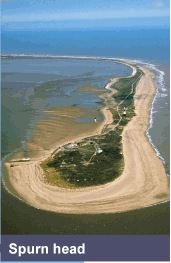
Identify this coastal landform.
Spit
Tombolo
Headland
Sandbar
33
Multiple Choice

Erosion has created the following land form
Arch
Cave
Bridge
Rainbow formation
34
Multiple Choice
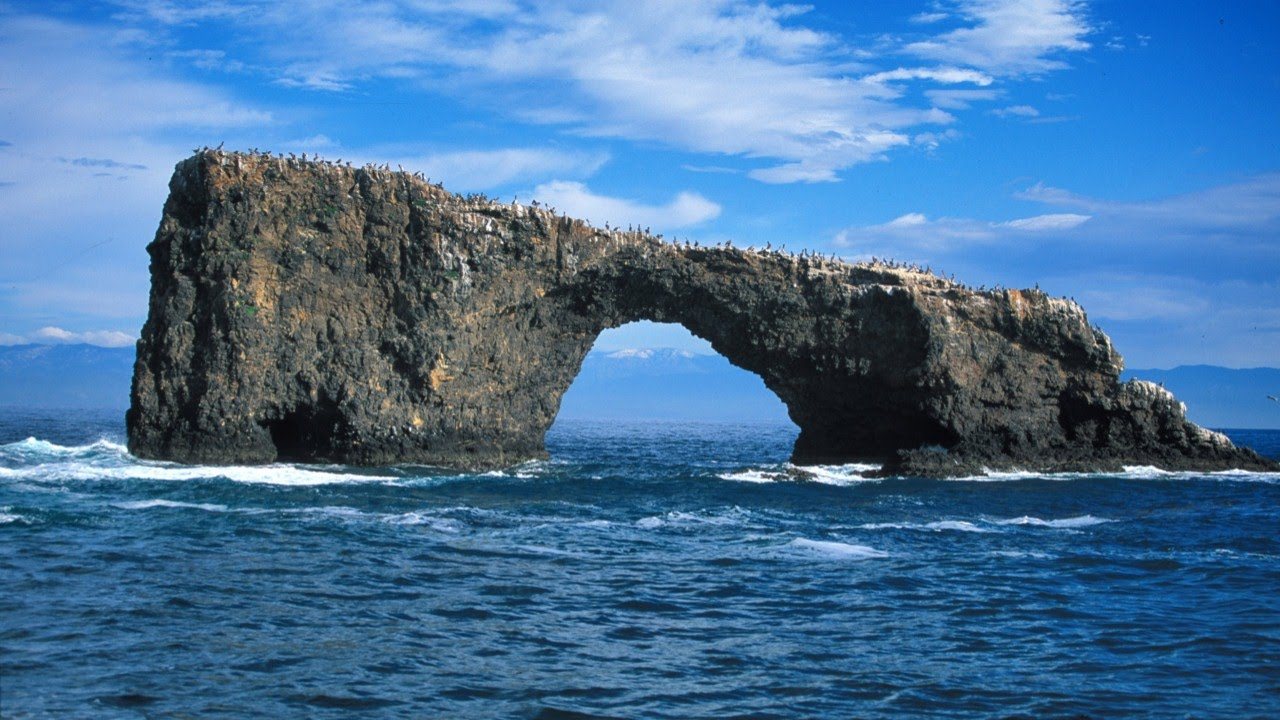
Identify the landform.
Sea arch
Tombolo
Sea Stack
Stump
Coastal Landforms
Show answer
Auto Play
Slide 1 / 34
SLIDE
Similar Resources on Wayground

26 questions
Battles of Gettysburg and Vicksburg
Presentation
•
8th Grade
27 questions
Forms of Government
Presentation
•
7th Grade
28 questions
Byzantine Empire
Presentation
•
7th Grade
30 questions
Sources/Types of Law
Presentation
•
7th - 8th Grade
27 questions
EMS Review Final 2021
Presentation
•
7th Grade
27 questions
Hinduism
Presentation
•
6th Grade
27 questions
Economic Systems
Presentation
•
6th Grade
Popular Resources on Wayground
10 questions
How much do you know about our Portrait of an Eagle?

Quiz
•
10th Grade
10 questions
Fast Food Slogans
Quiz
•
6th - 8th Grade
21 questions
Continents and Oceans
Quiz
•
6th Grade
20 questions
Parts of Speech
Quiz
•
5th Grade
16 questions
Subject & Predicate
Quiz
•
5th Grade
25 questions
Multiplication Facts
Quiz
•
5th Grade
12 questions
Map Skills
Quiz
•
3rd Grade
22 questions
Continents and Oceans
Quiz
•
5th Grade
Discover more resources for Social Studies
10 questions
Exploring the Age of Exploration: Key Events and Figures

Interactive video
•
6th - 10th Grade
13 questions
13 Colonies Map Quiz
Quiz
•
6th - 8th Grade
19 questions
Unit 3 Spanish Colonial Era
Quiz
•
7th Grade
10 questions
Pillars of Free Enterprise
Quiz
•
6th - 8th Grade
26 questions
QA 1 Review
Quiz
•
6th - 8th Grade
10 questions
Exploring the 13 Colonies Regions
Interactive video
•
6th - 10th Grade
21 questions
ss.7.cg.1.1- Ancient Influences
Quiz
•
7th Grade
21 questions
Unit 2 Age of Contact 7th gr
Quiz
•
7th Grade