Bonding lesson 1: valence electrons
Presentation
•
Science
•
7th Grade
•
Medium
+11
Standards-aligned
STEPHANIE SLUSS
Used 5+ times
FREE Resource
11 Slides • 14 Questions
1
Mission
❏Define and explain the importance of valence electrons
❏ Learn how groups have similiar properties
2
How do atoms
bond together ?
3
Elements in Group 1 all have 1 valence electron, so they will have similiar properties.
4
Valence Electrons
are electrons that in the outermost energy level. They are important because they determine how atoms will act
5
Now go back to pg 36- we will add valence to your chart
6
Now, we will add valence to your colored table (pg 36)
Group 1 Alkali metals have 1 valence electron. Place a 1 on top of this column on your periodic table
7
Now, we will add valence to your colored table (pg 36)
Group 2 Alkaline Earth metals have 2 valence electron. Place a 2 on top of this column on your periodic table
8
Transition metals are group 3-12 . These have a wide variety of valence numbers and this cannot be known by just looking at the table
9
Now add valence for Groups 13-18. Use the chart below to help you....
10
Now, carefully check your work
Pg 36 Should look like this... check your #'s
11
Now check your notes carefully
12
Multiple Choice
What are electrons in the outermost level of atoms called?
valence electrons
alkali metals
alkaline earth metals
creepy electrons
13
Multiple Choice
4
3
14
16
14
Multiple Choice
7
6
4
1
15
Multiple Choice
What are valence electrons?
The total number of electrons in an atom
The number of electrons in the outermost shell
The number of electrons in the second shell
The number of protons in the outermost shell
16
Multiple Choice
Which elements have the most similar chemical properties?
boron and carbon
oxygen and sulfur
aluminum and bromine
argon and silicon
17
Multiple Choice
Electrons farthest away from the nucleus
Electrons closest to the nucleus
Electrons that just come and go - they don't stay with the atom
Electrons in the second shell
18
Multiple Choice
When trying to identify an unknown element, a scientist determines what other elements reacts with chemically. Which property of the unknown element determines the other element it reacts with?
The total number of neutrons in the unknown element
The total number of particles in the nucleus of the unknown element
The number of protons in the nucleus of the unknown element
The number of valence electrons in the unknown element
19
Multiple Choice
What groups are the most reactive metals?
2 and 3
1 and 18
1 and 2
16 and 17
20
Multiple Choice
2
8
3
13
21
Multiple Choice
2
3
5
22
Multiple Choice
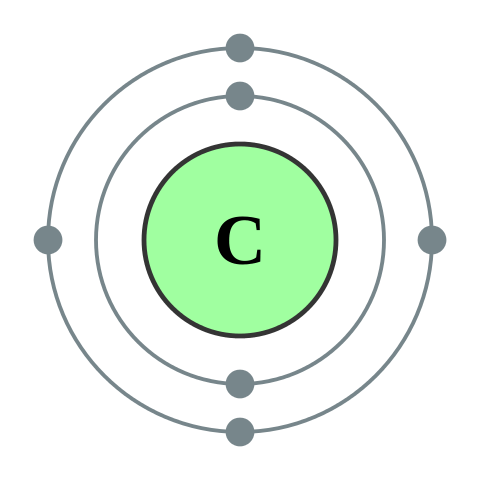
How many valence electrons does carbon have?
4
5
6
7
23
Multiple Choice
12
7
8
14
24
Multiple Choice
7
8
9
10
25
Multiple Choice
Innermost electrons
Middle electrons
Outermost electrons
Any electrons
Mission
❏Define and explain the importance of valence electrons
❏ Learn how groups have similiar properties
Show answer
Auto Play
Slide 1 / 25
SLIDE

Similar Resources on Wayground
20 questions
Pollution due to human activity
Presentation
•
7th Grade
19 questions
7.7B Forces in Organisms Lesson
Presentation
•
7th Grade
19 questions
Layers of the Earth
Presentation
•
7th Grade
19 questions
Quizziz over 7 Types of Energy
Presentation
•
7th Grade
18 questions
7.8B Weathering, Erosion, and Deposition
Presentation
•
7th Grade
18 questions
Levels of Organization
Presentation
•
7th Grade
21 questions
The Nervous System
Presentation
•
7th Grade
21 questions
FOSSILS and the FOSSIL RECORD
Presentation
•
7th Grade
Popular Resources on Wayground
10 questions
5.P.1.3 Distance/Time Graphs
Quiz
•
5th Grade
10 questions
Fire Drill
Quiz
•
2nd - 5th Grade
20 questions
Equivalent Fractions
Quiz
•
3rd Grade
22 questions
School Wide Vocab Group 1 Master
Quiz
•
6th - 8th Grade
20 questions
Main Idea and Details
Quiz
•
5th Grade
20 questions
Context Clues
Quiz
•
6th Grade
20 questions
Inferences
Quiz
•
4th Grade
12 questions
What makes Nebraska's government unique?
Quiz
•
4th - 5th Grade
Discover more resources for Science
19 questions
Introduction to Properties of Waves
Presentation
•
6th - 8th Grade
16 questions
Interactions within Ecosystems
Presentation
•
6th - 8th Grade
10 questions
Exploring the Layers of the Earth
Interactive video
•
6th - 10th Grade
16 questions
Photosynthesis and Cellular Respiration Review
Quiz
•
7th Grade
20 questions
Abiotic & Biotic Factors
Quiz
•
7th Grade
10 questions
Exploring the Evolution of Cell Theory
Interactive video
•
7th Grade
17 questions
Human body systems
Quiz
•
7th Grade
20 questions
Energy Transformations
Quiz
•
6th - 8th Grade