

Unit 1.3 - Seed dispersal - Grade 5 - Week 6

Presentation
•
Science
•
5th Grade
•
Practice Problem
•
Easy

Rafe BMIS
Used 15+ times
FREE Resource
15 Slides • 9 Questions
1
1.3 - How seeds are spread

2

3
Science Vocbulary (homework)
Explode
Seed dispersal
Seedlings
Spongy
4
Fruits and seeds
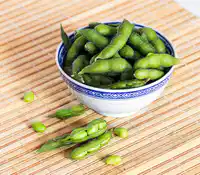
Have you ever swallowed a seed when you were eating an apple or an orange? A fruit is part of a flowering plant that contains the seeds. Fruits and seeds can be different sizes and shapes. Fruits usually have a skin on the outside, seeds inside and flesh around the seeds.
A fruit has two jobs:
- To protect the seeds inside
- To help spread the seeds.

5
Multiple Select

A fruit has two jobs
To protect the seeds
To help spread the seeds
To smell nice
To look beautiful
6
Non-edible fruits are parts of plants that might look like fruits we can eat, but they're not safe or tasty for us.
Non-edible fruits
Edible fruits are the tasty parts of plants that we can eat. They come in many shapes, colors, and flavors, like apples, bananas, and strawberries.
Edible fruits
Fruits - Can we eat them all?
7
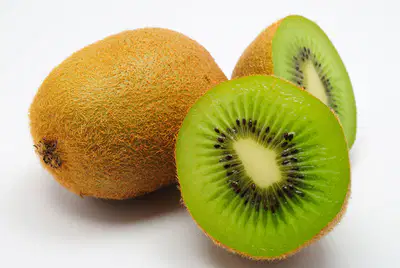
is the skin smooth or rough?
what colour is the flesh inside?
is the flesh firm or soft?
is the flesh dry or juicy?
what colour are the seeds?
How many seeds can you count?
Are the seeds big or small?
Activity: Observe and draw a fruit.
8
Categorize


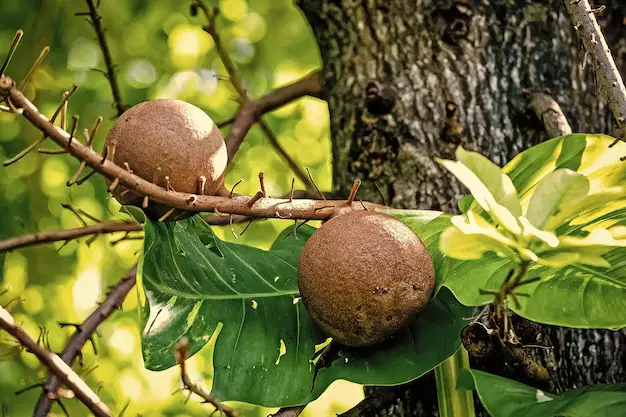

Organize these options into the right categories. Edible fruits and non-edible fruits.
9
Why seeds must be spread.
Plants need to spread their seeds away from themselves. We call this seed dispersal. Seed dispersal happens when a fruit is ripe. The seeds are ready to grow into a new plant.
Seeds grow into young plants called seedlings. Seedlings need room to grow. They also need light and water. Seedlings cannot grow to be healthy plants if they all have to share water and light in a small area. Plants are adapted to disperse their seeds in different ways.
10

11
Labelling
Identify how you think the following seeds are being dispersed.
By water
By the wind
By animals
12
Seed dispersal (pg 17 - 19)
Animals
Wind
Water
Explosion
Drop and roll
Seeds can be dispersed in many different ways
13
Colourful, juicy and tasty fruits are often dispersed by animals.
Some fruits have spines and hooks which attach to the fur of an animal.
Animals
14

15
Multiple Choice
Which of the following seed do you think will be dispersed on animals fur?
16
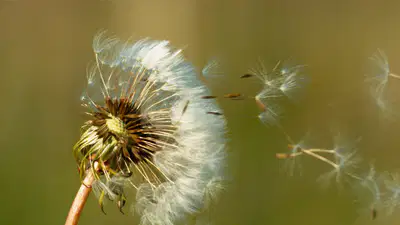
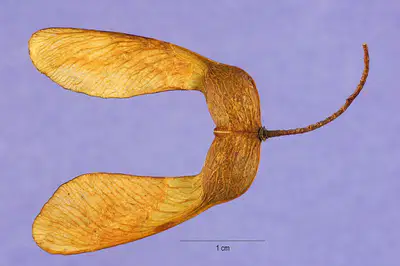
Dandelions have parachute hairs which helps them float in the air.
Some have papery wings to help them be blown easily.
Wind
17
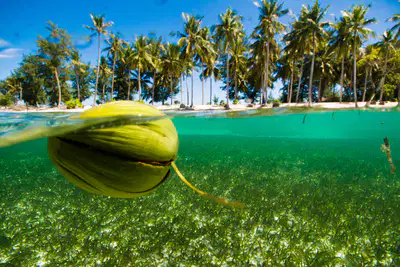
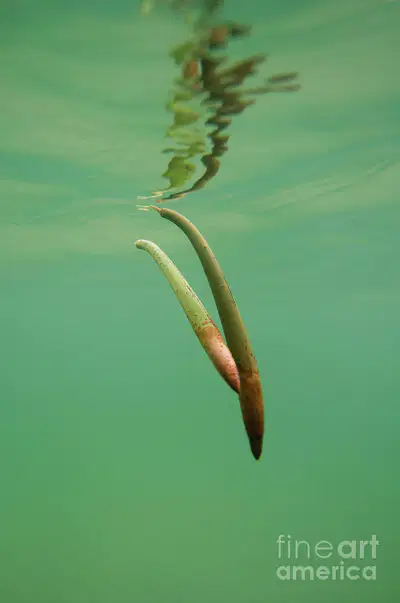
These fruits must have a spongy covering to help them float in water.
The coconut is dispersed by water. Mangrove seeds, also called 'sea pencils', float until they reach the land.
Water
18
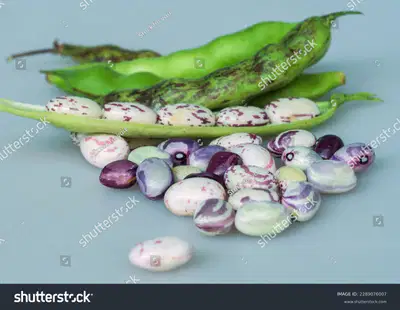
Some fruits disperse their seeds by themselves. The fruit dries out and splits open to let the seeds fall out.
Some fruits explode and shoot their seeds out.
Split open or explosion
19
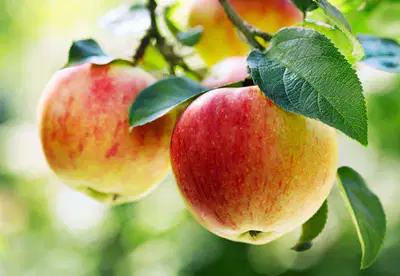
Some fruits are heavy and round. When they are ripe they fall to the ground and roll away from the parent plant.
Sometimes these fruits are eaten by animals to.
Drop and roll
20
Multiple Select
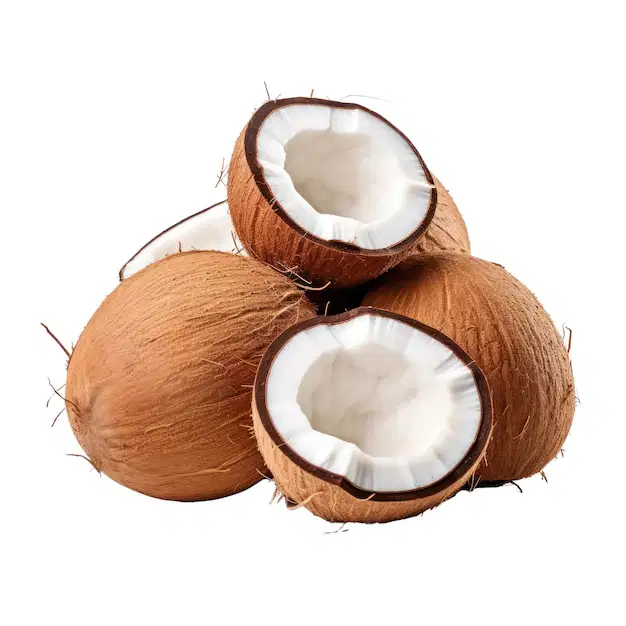
Identify how the seed is dispersed and how it is adapted to the type of dispersal.
Coconut seed
Dispersed by water
Dispersed by wind
Adaptation: Have parachute like hairs to help it float in the air.
Adaptation: The seed as a spongy covering which helps it to float.
21
Multiple Select
Identify how the seed is dispersed and how it is adapted to the type of dispersal.
Dandelion
Dispersed by water
Dispersed by wind
Adaptation: Have parachute like hairs to help it float in the air.
Adaptation: The seed as a spongy covering which helps it to float.
22
Multiple Select

Identify how the seed is dispersed and how it is adapted to the type of dispersal.
Peach
Dispersed by drop and roll
Dispersed by animals
Adaptation: They have a tough outer layering to help it roll further way
Adaptation: They are small and easy to swallow.
23
Multiple Select

Identify how the seed is dispersed and how it is adapted to the type of dispersal.
Baneberry
Dispersed by drop and roll
Dispersed by animals
Adaptation: The fruit is colourful to attract birds
Adaptation: They have parachute like hairs to help it float in the air.
24
Multiple Select
Identify how the seed is dispersed and how it is adapted to the type of dispersal.
Bean pod
Dispersed by drop and roll
Dispersed by explosion
Adaptation: Seed pod dries out and the seeds pop out.
Adaptation: They have parachute like hairs to help it float in the air.
1.3 - How seeds are spread
Show answer
Auto Play
Slide 1 / 24
SLIDE
Similar Resources on Wayground

19 questions
Convergent Plate Boundaries
Presentation
•
5th Grade
18 questions
Evaporation
Presentation
•
5th Grade
18 questions
Physical Properties
Presentation
•
5th Grade
20 questions
Science - Galaxy, Solar System, and Planets Day 1
Presentation
•
5th Grade
17 questions
Science Revision - Biomes
Presentation
•
5th Grade
17 questions
2/1 Tornadoes & Hurricanes
Presentation
•
5th Grade
17 questions
How Do Humans Impact Ecosystems?
Presentation
•
5th Grade
19 questions
5.10b Learned (acquired) vs. inherited
Presentation
•
5th Grade
Popular Resources on Wayground
19 questions
Naming Polygons

Quiz
•
3rd Grade
10 questions
Prime Factorization
Quiz
•
6th Grade
20 questions
Math Review
Quiz
•
3rd Grade
15 questions
Fast food
Quiz
•
7th Grade
20 questions
Main Idea and Details
Quiz
•
5th Grade
20 questions
Context Clues
Quiz
•
6th Grade
20 questions
Inferences
Quiz
•
4th Grade
19 questions
Classifying Quadrilaterals
Quiz
•
3rd Grade
Discover more resources for Science
12 questions
PS.5.1.1 & PS.5.2.2 EOG Practice
Quiz
•
5th Grade
48 questions
5th Grade FSA Science Review
Quiz
•
5th Grade
20 questions
Science Review
Quiz
•
5th Grade
20 questions
Food Chains and Food Webs Review
Quiz
•
5th Grade
28 questions
5th Grade Assessed Life Science Review
Quiz
•
5th Grade
29 questions
5th Grade Science EOG Review Weather/Matter/Body Systems
Quiz
•
5th Grade
20 questions
NC Science EOG Prep (5th Grade)
Quiz
•
5th Grade
22 questions
5th Grade - Science Review
Quiz
•
5th Grade