Search Header Logo
Biomes and Adaptations

Biomes and Adaptations

Assessment

Presentation

•

•

Practice Problem

•

Easy
Created by

Tiffany DeMeester

Used 1+ times

FREE Resource

8 Slides • 37 Questions

1

Multiple Choice

1. Which biomes is characterized by considerable variability in rainfall and temperature and the presence of antelope and bison.

1

Rain forest

2

Deciduous forest

3

Desert

4

grassland

2

Multiple Choice

Which biome is characterized by moderate rainfall, cold winters, and the presence of fox and deer?

1

grassland

2

deciduous forest

3

taiga

4

tundra

3

Multiple Choice

The Venus flytrap plant lives in soil with few nutrients. The plant absorbs nutrients by trapping insects inside its leaves.

The ability of the Venus flytrap to trap insects is an example of which of the following?

1

Parasitism

2

Adaptation

3

Competition

4

Producer

4

Multiple Choice

The cactus plant lives in a desert environment.

Which characteristic of this plant could be found in many other desert plants?

1

Leaves and stems that are adapted to conserve water

2

Broad leaves that protect the plants from the hot sun

3

Lush growth that serves to trap water if it rains

4

A deep root system for gathering water

5

Multiple Choice

Question image
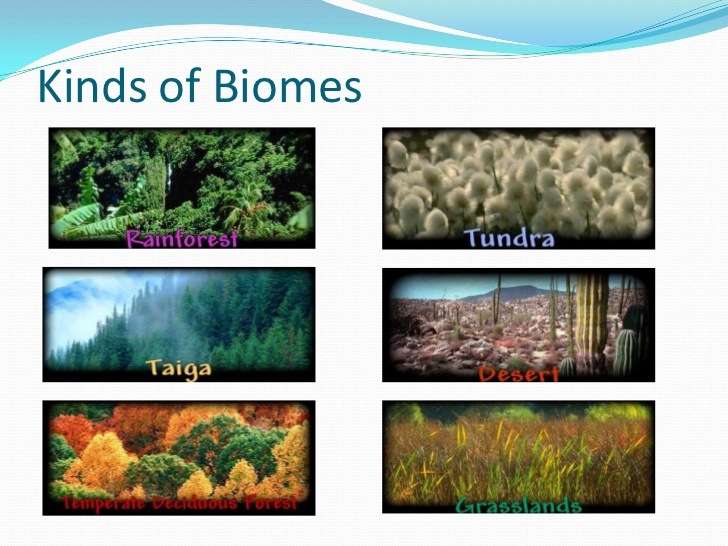
A large ecosystem is called a ______
1
Ecosystem
2
Habitat
3
Biome
4
Niche

6

Multiple Choice

Question image
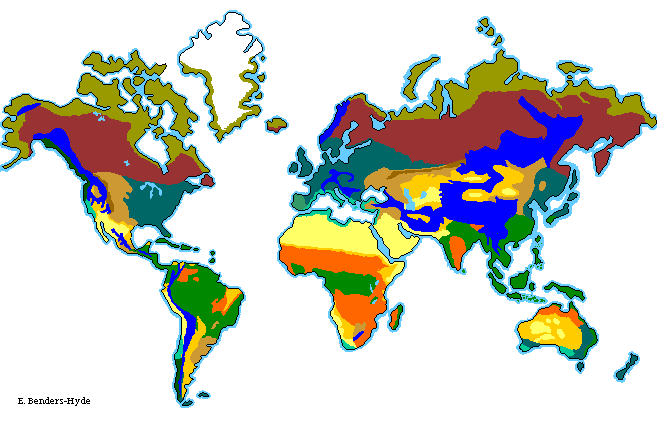
What is the main factor that separates the biomes?
1
Land
2
Water
3
Climate
4
Longitude

7

Multiple Choice

Question image
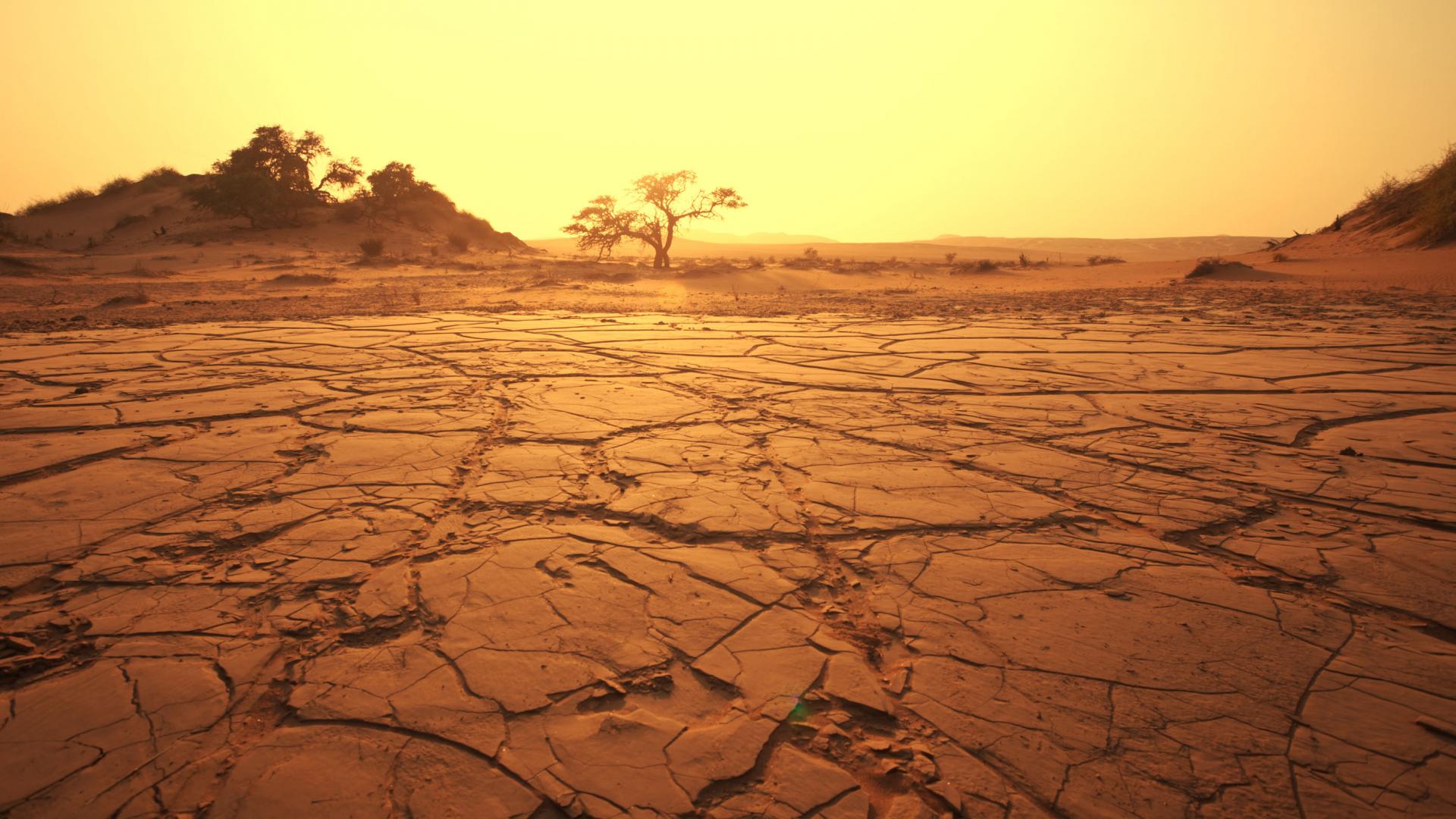
Which biome is the driest?
1
Desert
2
Tundra
3
Taiga
4
Rainforest

8

Multiple Choice

Question image
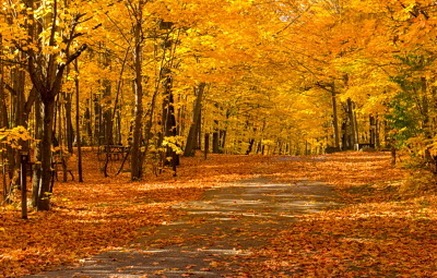
Which biome has deciduous trees (which lose their leaves)?
1
Temperate Forest
2
Rainforest
3
Grasslands
4
Taiga

9

Multiple Choice

Question image
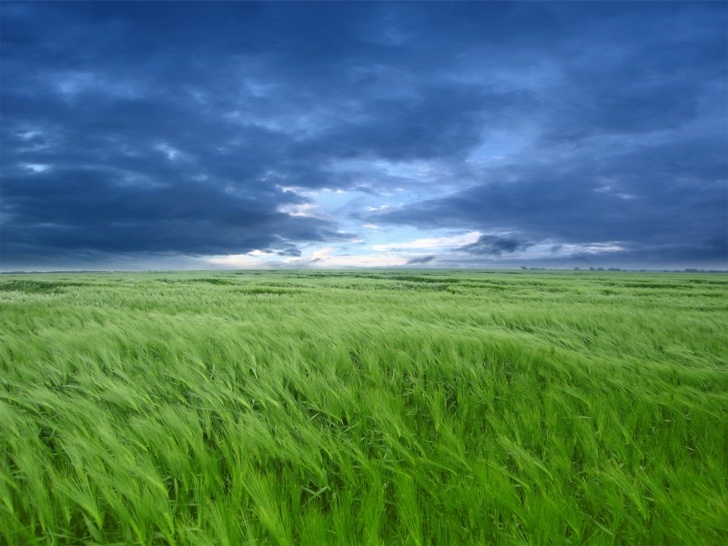
Which biome has wide-open fields of grass?
1
Taiga
2
Grasslands
3
Temperate Forest
4
Rainforest

10

Multiple Choice

Question image
Which biome has the most variety of plants and animals?
1
Temperate Forest
2
Rainforest
3
Tundra
4
Grasslands

11

Multiple Choice

Question image
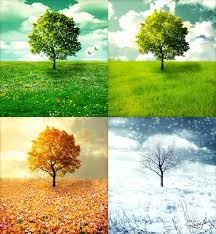
Which biome has 4 seasons?
1
Taiga
2
Tundra
3
Grasslands
4
Temperate Forest

12

Multiple Choice

Question image
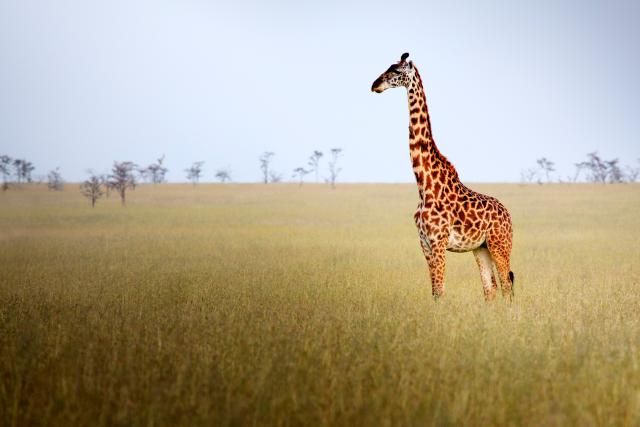
Which biome is home to lions, zebras, wildebeests, giraffes, and elephants?
1
Grasslands
2
Tundra
3
Rainforest
4
Temperate Forest

13

Multiple Choice

Question image
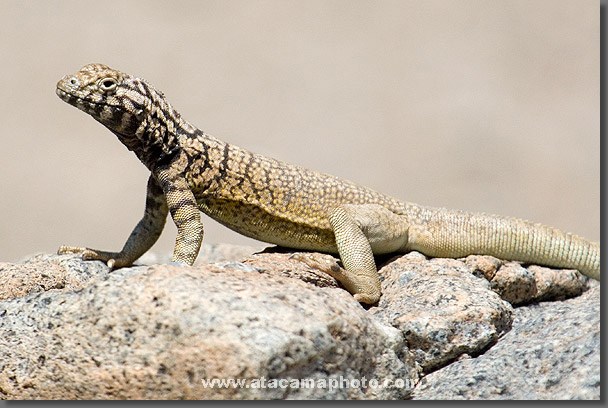
Which biome is home to cacti, scorpions, coyotes, kangaroo rats, and lizards?
1
Desert
2
Grasslands
3
Temperate Forest
4
Taiga

14

Multiple Choice

Question image
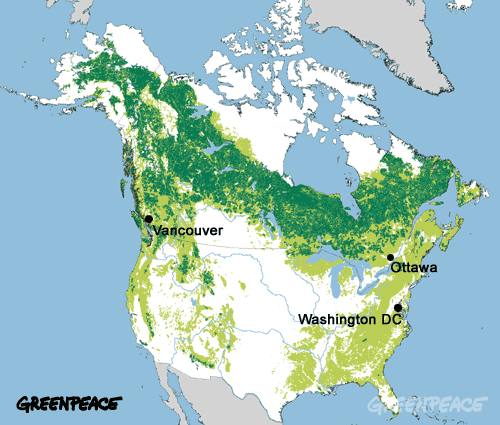
Which biome is Canada in?
1
Tundra
2
Taiga
3
Temperate Forest
4
Desert

15

Multiple Choice

Question image
Which biome is home to jaguars, anacondas, leopards, gorillas, and poisonous tree frogs?
1
Grasslands
2
Temperate Forest
3
Rainforest
4
Tundra

16

Multiple Choice

Birds have made a nest under a bridge near Sally’s house. When the temperature began to cool, the birds left to fly to warmer areas. What survival method are they using?

1

Camouflage

2

Dormancy

3

Hibernation

4

Migration

17

Multiple Choice

Question image
The polar bear's white fur allows it to hide in the cold arctic. This adaptation is called________________.
1
White on white
2
Camouflage
3
Color matching
4
behavioral adaptation 

18

Multiple Choice

Question image
Cactus have a thick, hard surface (cuticle) that prevent ______________ from evaporating.
1
Water
2
Air
3
Sugar
4
light

19

Multiple Choice

Question image
The feet of this bird tell us that this animal can...
1
Run fast
2
Swim 
3
Fly fast
4
Climb rocks 

20

Multiple Choice

Define Adaptation.
1
How an organism has NOT changed and continues to live in an environment 
2
All animals can live in any environment 
3
How an organism grows over time
4
Special features or behaviors that allow an animal to survive in an environment.

21

Biomes and Adaptations

media

22

What is a Biome?

Groups of ecosystems Characterized by similar climate (average weather conditions) and organisms living there

media

23

Multiple Choice

Question image
What is the main factor that separates the biomes?
1
Land
2
Water
3
Climate
4
Longitude

24

Multiple Choice

Question image
A large ecosystem is called a ______
1
Ecosystem
2
Habitat
3
Biome
4
Niche

25

Review: Deciduous Forest

  • Trees lose leaves in the winter

  • Trees have big, broad leaves to absorb sun in the summer

  • 4 seasons

media

26

Review: Taiga

  • Tall, Triangular Coniferous Trees

  • Very cold!

  • Lots of snow

media

27

Review: Tropical Rainforest

  • Highest biodiversity

  • Lots of rain

  • Green year round!

  • Found by equator

media

28

Multiple Choice

Question image
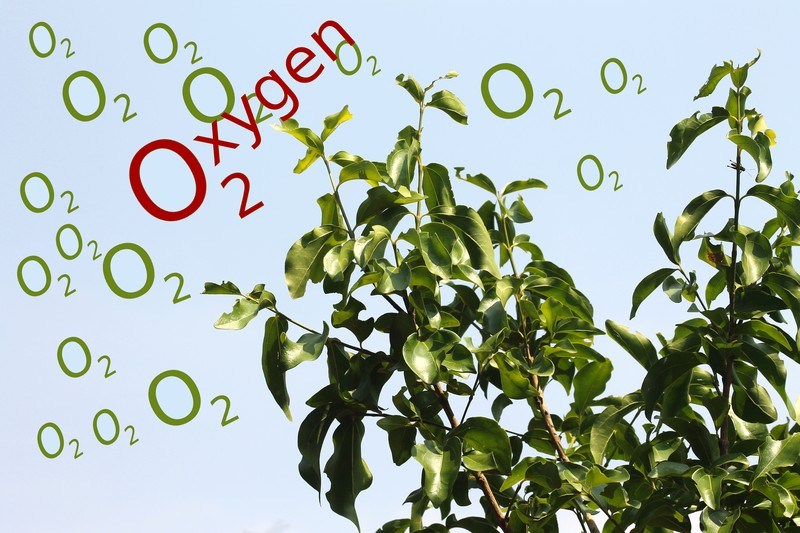
Which biome produces over 50% of the world's oxygen?
1
Rainforest
2
Temperate Forest
3
Grasslands
4
Taiga

29

Multiple Choice

Question image
Which biome has 4 seasons?
1
Taiga
2
Tundra
3
Grasslands
4
Temperate Forest

30

Multiple Choice

Question image
Which biome has the most variety of plants and animals?
1
Temperate Forest
2
Rainforest
3
Tundra
4
Grasslands

31

Multiple Choice

Question image

Which biome has deciduous trees (trees that lose their leaves)?

1

Temperate Forest

2

Rainforest

3

Grasslands

4

Taiga

32

Multiple Choice

Question image

A large ecosystem is called a/an ---

1

Ecosystem.

2

Habitat.

3

Biome.

4

Niche.

33

Review: Grassland

  • Lots of grasses

  • Soil is rich

  • Used for farmland


media

34

Multiple Choice

Question image

Which biome is home to lions, zebras, wildebeests, giraffes, and elephants?

1

Grasslands

2

Tundra

3

Rainforest

4

Temperate Forest

35

Review: Desert

  • Poor soil

  • Hot days and Cold nights

  • Water is scarce

media

36

Review: Tundra

  • COLD

  • Layer of permafrost (permanently frozen ground)

  • NO trees

media

37

Multiple Choice

Question image

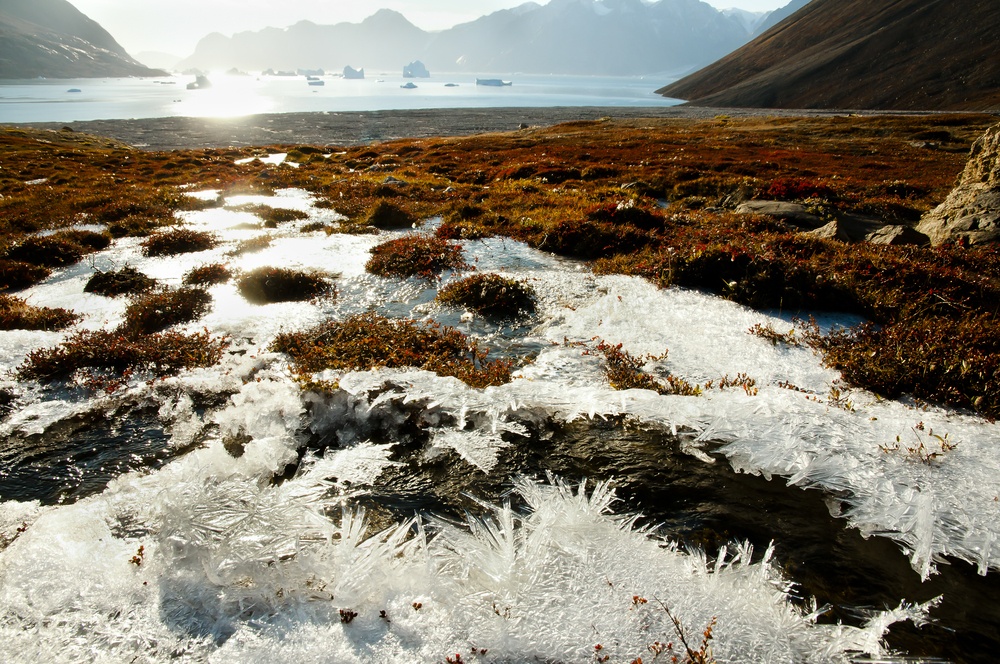
Which biome has permafrost?

1

Temperate Forest

2

Rainforest

3

Taiga

4

Tundra

38

Multiple Choice

Which biome is characterized by coniferous trees, such as spruce, fir and pine as the dominant species of plant growth?

1

taiga

2

tropical rain forest

3

tundra

4

desert

39

Multiple Choice

Some plants have spines to help protect them from predators.


Why did these plants develop this adaptation?

1

They needed sun and nutrients.

2

They needed water.

3

They needed protection.

4

They needed to reproduce.

40

Multiple Choice

Some desert plants have waxy leaves to help them retain water.


Why did these plants develop this adaptation?

1

They needed sun and nutrients.

2

They needed water.

3

They needed protection.

4

They needed to reproduce.

41

Multiple Choice

Some rainforest vines grow up the trunk of trees to get closer to the sunlight.


Why did this plant develop this adaptation?

1

It needed sun and nutrients.

2

It needed water.

3

It needed protection.

4

It needed to reproduce.

42

Multiple Choice

Traveling done by an animal to find food and water. 
Adaption: birds flying south for the winter
1
Camouflage
2
Migration
3
Hibernation
4
Locomotion

43

Multiple Choice

A resting state through the winter. 
Adaptation: Bear sleeping in a cave during the winter months
1
Locomotion
2
Hibernation
3
Migration
4
Defense

44

Multiple Choice

Plants with spines and waxy leaves are well suited for life in which environment?
1
Desert
2
Temperate forest
3
Grassland
4
Tropical Rainfroest

45

Multiple Choice

How do adaptations help animals?
1
To escape animals
2
to hunt for food
3
to survive in their habitats
4
All of these are correct

1. Which biomes is characterized by considerable variability in rainfall and temperature and the presence of antelope and bison.

1

Rain forest

2

Deciduous forest

3

Desert

4

grassland

Show answer

Auto Play

Slide 1 / 45

MULTIPLE CHOICE