

Making Inferences

Presentation
•
English
•
7th Grade
•
Practice Problem
•
Hard

Jennifer Turner
FREE Resource
27 Slides • 8 Questions
1

Welcome to
Reading AIM
Making Inferences
2


Click RECORD!
3

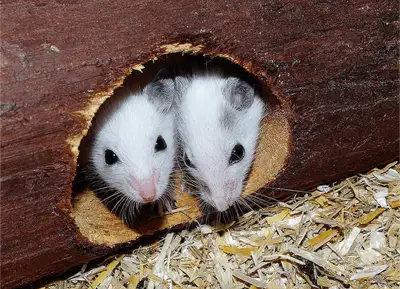
Joke of the Day
What did the mouse say to the other mouse when he tried to steal his cheese?
4


Joke of the Day
NACHO cheese!
5

Learning Target
Today we are…
Reading a text about potatoes
So we can…
Make inferences based on key details and examples in an informational text
We’ll know we get it when we…
Can understand the author’s ideas about the topic and share them in a sentence or more.
6

What are inferences?
7

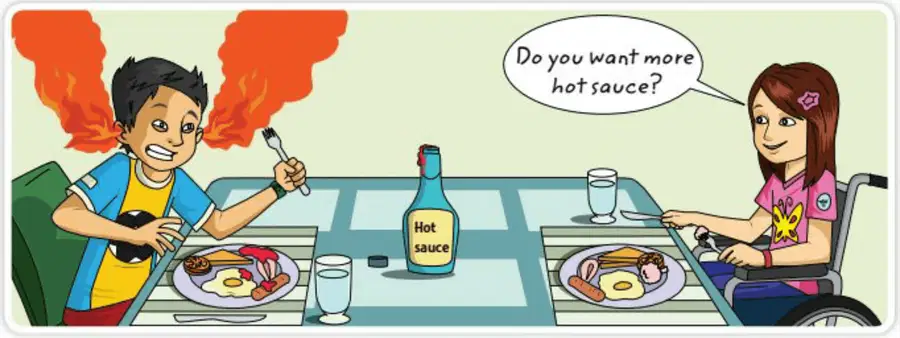
Warmup:
Make an inference about the boy
8


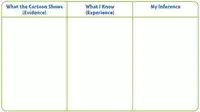
Using a Chart to Make Inferences
Image
Chart
9

Inferences
When you read informational texts, you
can learn important information about a
topic. Often, a text will state facts,
examples, and other details directly.
Other times, however, you must figure
out an important idea on your own. To do
this, use text evidence and what you
already know from experience to make
an inference, or a “sensible guess.”
10
Close Reading
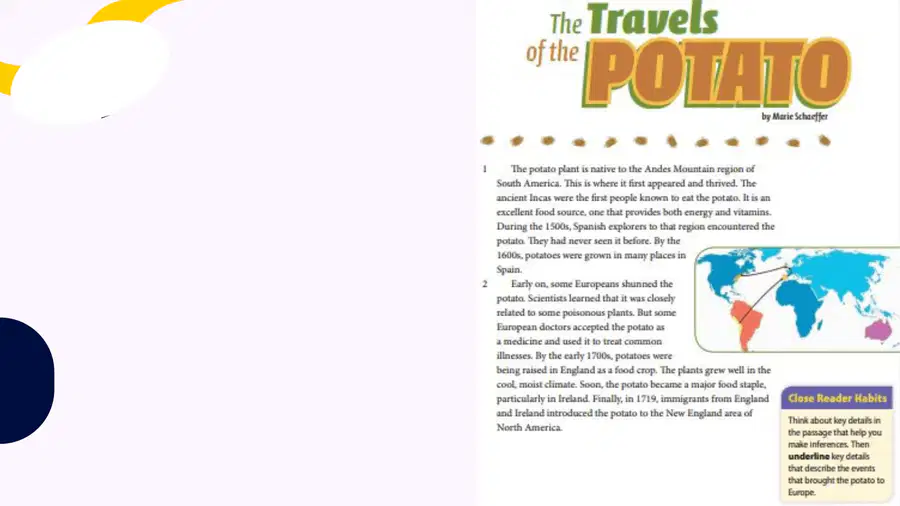
How do the details in the article help you
make inferences about why the potato
came to be used in Europe and
elsewhere?
11
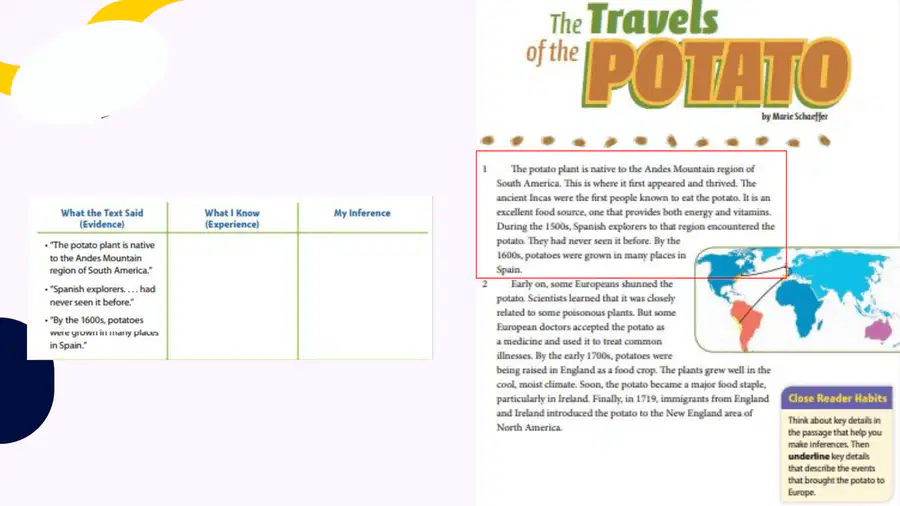
Close Reading
12
Multiple Choice
What I know:
People who travel often must eat new foods.
The potato originated in North America.
Europeans were the first people to eat potatoes.
13
Multiple Choice
My Inference:
Potatoes are best eaten as french fries.
Spanish explorers decided that potatoes were good to eat.
Doctors warned that potatoes were dangerous to eat.
14
Close Reading
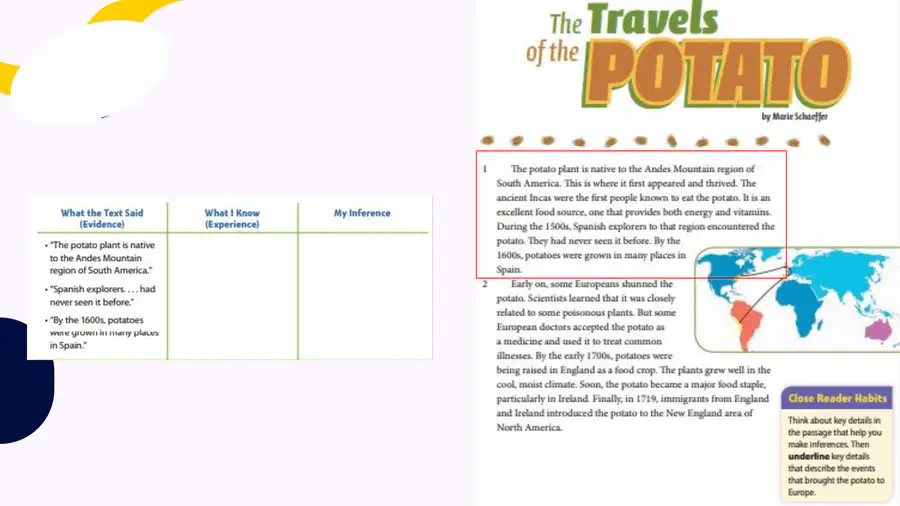
Spanish
explorers
decided that
potatoes were
good to eat.
People who travel often must eat new foods.
15


Check for Understanding
What is the best inference we can make using what the text says and what we know columns of the chart below:
“Spanish explorers…had
never seen it before.”
People who travel bring
things home with them.
a.Spanish explorers
brought the potato
back to Spain.
b. People in Spain refused to grow potatoes.
16
Multiple Choice
My inference:
a. Spanish explorers
brought the potato
back to Spain.
b. People in Spain refused to grow potatoes.
17

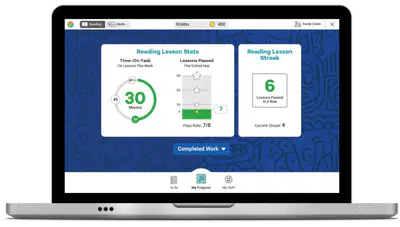
iReady Breakout Rooms and Data Chats
❏
Complete two lessons
❏
Complete 45 minutes
18

Closing Question
What two things combine to make an inference. Choose two answers.
A.Answers to the questions
B.What the text says
C.Punctuations
D.What I already know
E.Grammar
19
Multiple Select
What two things combine to make an inference. Choose two answers.
What the text says
Punctuation
What I already know
Grammar
20


21

Welcome to
Reading AIM
Making Inferences
22


Click RECORD!
23

Joke of the Day
Why did the chicken go to jail?
24


Joke of the Day
Because he was using FOWL language!
25
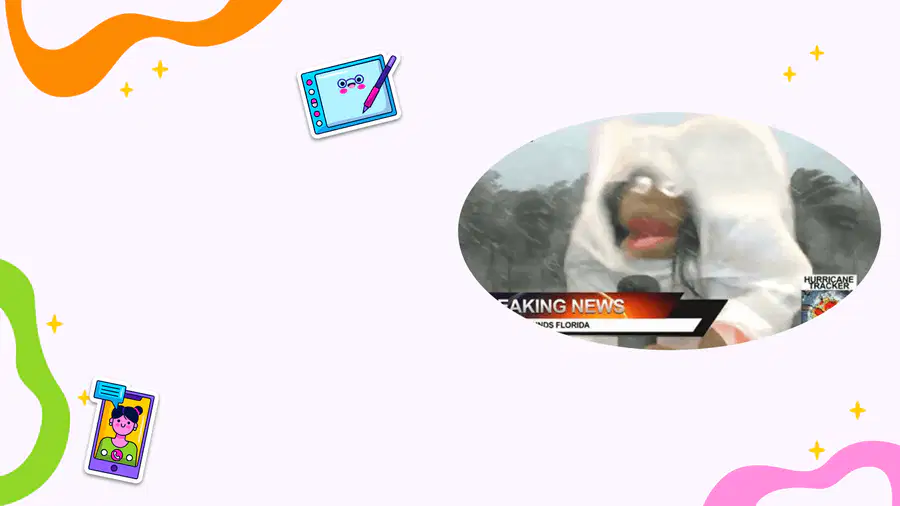
Warm Up
Close your eyes and imagine that
you are outside when a clear blue
sky suddenly gets dark and gray, the wind starts blowing, and trees
start swaying. What can you guess about the weather?
26
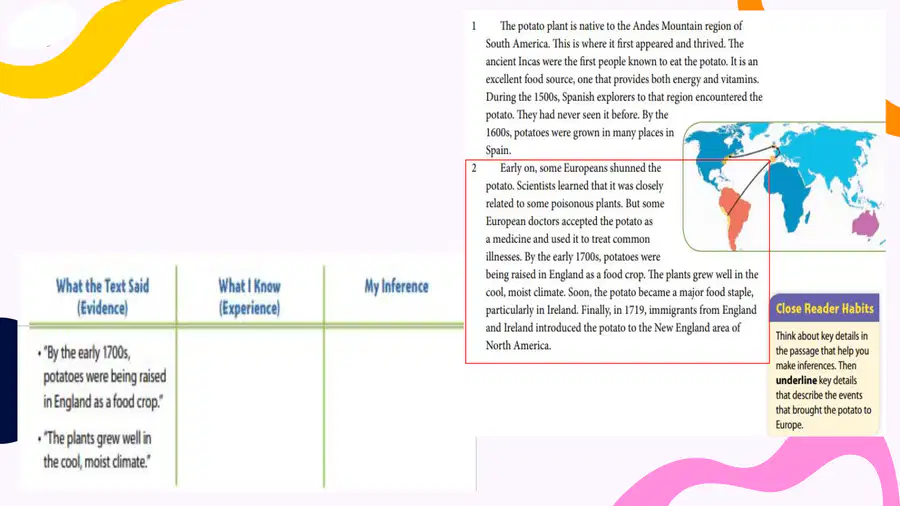
Guided Practice: read
paragraph two again. Note key
details that describe the events that brought the potato to Europe. Then complete the chart below.
27
Multiple Choice
What I know:
Potatoes are poisonous.
Plants need
specific
conditions so
they will grow
well.
Potatoes are only eaten in the Andes Mountains.
28
Multiple Choice
My Inference:
The weather of
the Andes, Spain,
England and
other places must
be similar for the
plant to grow and
become popular.
The weather in Europe is too hot.
The potato is difficult to grow.
29
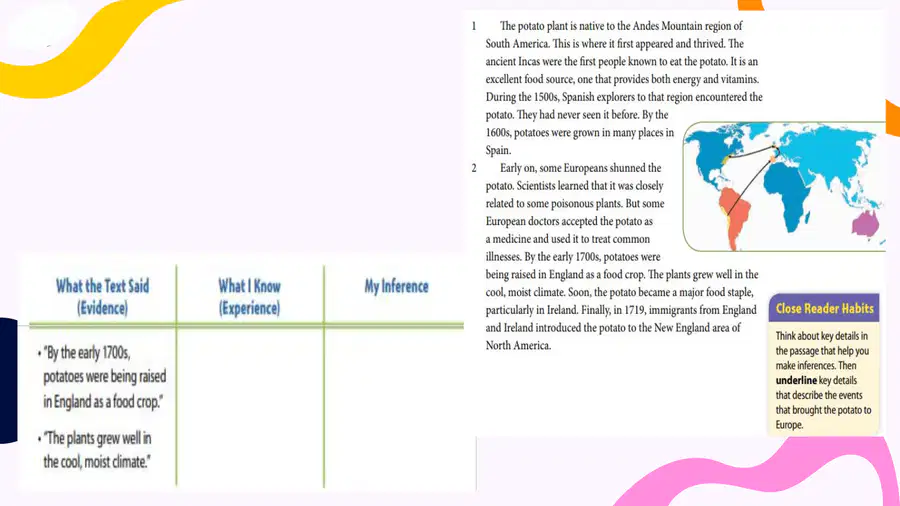
Guided Practice: read
paragraph two again. Underline key
details that describe the events that brought the potato to Europe. Then complete the chart below.
Plants need
specific
conditions so
they will grow
well.
The weather of
the Andes, Spain,
England and
other places must be similar for the plant to grow and become popular.
30

Check for Understanding
31
Open Ended
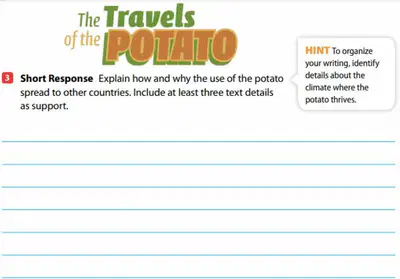
Explain how and why the use of the potato spread to other countries. Include text details to support.
32

iReady Breakout Rooms and Data Chats
❏
Complete two lessons
❏
Complete 45 minutes
33

Closing Question
How can using details from a text to support their inferences help readers?
34
Open Ended
How can using details from a text to support their inferences help readers?
35


Welcome to
Reading AIM
Making Inferences
Show answer
Auto Play
Slide 1 / 35
SLIDE
Similar Resources on Wayground

27 questions
MCAS tutorial and review
Presentation
•
7th Grade
25 questions
Independent and Dependent Clauses
Presentation
•
7th Grade
27 questions
Introduction: Monsters are Due on Maple Street
Presentation
•
6th - 7th Grade
26 questions
S1-Action and Linking Verbs
Presentation
•
7th Grade
28 questions
Narrative Elements
Presentation
•
6th Grade
28 questions
Infinitives, Gerunds, and Participles
Presentation
•
6th - 8th Grade
30 questions
Argumentative Text
Presentation
•
7th - 8th Grade
30 questions
Argumentative Writing Review
Presentation
•
6th - 8th Grade
Popular Resources on Wayground
10 questions
How much do you know about our Portrait of an Eagle?

Quiz
•
10th Grade
10 questions
Fast Food Slogans
Quiz
•
6th - 8th Grade
21 questions
Continents and Oceans
Quiz
•
6th Grade
20 questions
Parts of Speech
Quiz
•
5th Grade
16 questions
Subject & Predicate
Quiz
•
5th Grade
25 questions
Multiplication Facts
Quiz
•
5th Grade
12 questions
Map Skills
Quiz
•
3rd Grade
22 questions
Continents and Oceans
Quiz
•
5th Grade
Discover more resources for English
25 questions
Making Inferences
Quiz
•
6th - 8th Grade
12 questions
Chemical Reactions

Interactive video
•
7th Grade
15 questions
Thank You Ma'am
Quiz
•
7th Grade
16 questions
Theme Practice
Quiz
•
7th Grade
30 questions
Central Idea practice Grade 7-8
Quiz
•
6th - 8th Grade
17 questions
Figurative Language
Quiz
•
7th Grade
20 questions
Point of View
Quiz
•
6th - 7th Grade
20 questions
Simple, Compound, and Complex Sentences
Quiz
•
7th Grade