Search Header Logo
Classification

Classification

Assessment

Presentation

Science

6th - 8th Grade

Easy

NGSS
MS-ESS1-1, K-ESS3-3, MS-LS4-2

+19

Standards-aligned

Created by

Brenda Zarate

Used 18+ times

FREE Resource

43 Slides • 21 Questions

1

media

2

media

3

media

4

media

5

media

6

Multiple Choice

All living things are made of

1

cells

2

prokaryotes

3

autotrophs

4

heterotrophs

7

8

media

9

media

10

Multiple Choice

Biologist group living things based on ____.

1

Habitat

2

Size

3

Colors

4

Shared Characteristics

11

media

12

Multiple Choice

Question image

What comes before Kingdom?

1

Family

2

Class

3

Order

4

Domain

13

Multiple Choice

Question image

What classification comes after Order?

1

Family

2

Class

3

Species

14

Multiple Choice

The correct order of classification from the BROADEST group to the most narrow is:

1

Species, Genus, Family, Order, Class, Phylum, Kingdom

2

Kingdom, Phylum, Class, Family, Order, Genus, Species

3

Domain, Kingdom, Family, Order, Phylum, Class, Genus, Species

4

Domain, Kingdom, Phylum, Class, Order, Family, Genus, Species

15

media

16

media

17

media

18

Multiple Choice

Question image

Who is this father of Taxonomy?

1

Carl Linneaus 


2

Gregor Mendel 

3

Charles Darwin

19

TAXONOMY

-branch of science that deals with naming and grouping organisms

-binomial nomenclature: the naming system used for organisms. Consists of the genus & species.


20

Multiple Choice

Question image

The scientific study of how living things are classified?

1

Taxon 

2

Taxonomy 

3

Binomial Nomenclature

21

media

22

media

23

media

24

media

25

Binomial Nomenclature

  • Two name naming system

  • Genus and Species name

media

26

Multiple Choice

Question image

How do you explain the correct way of identifying an animal?

1

Class and Order  

2

Order and Species     

3

Genus and Species

27

media

28

media

29

Multiple Choice

The 3 domains are Eukarya, Archaea, and

1

Fungi

2

Plantae

3

Animalia

4

Bacteria

30

media

31

media

32

media

33

media

34

35

media

36

Multiple Choice

Where are bacteria found

1

in very few places

2

only in the air

3

all over the place

4

only in cow intestines

37

38

media

39

Multiple Choice

True or False: Thermophiles are examples of bacteria.

1

True

2

False

40

Multiple Choice

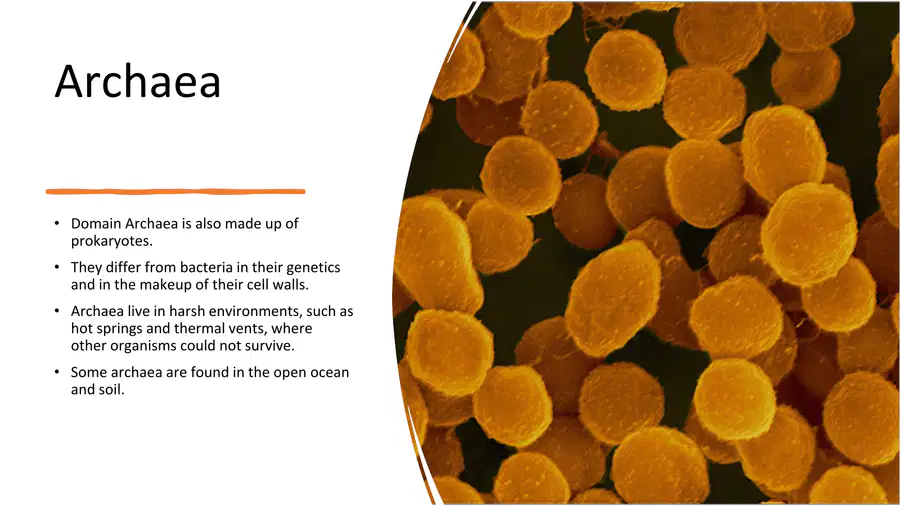
Which organisms can you find living in extreme places such as salt lakes, hot springs and deep sea trenches

1

bacteria

2

Plantae

3

Archea

4

Protists

41

media

42

media

43

44

Multiple Choice

A heterotroph

1

cannot make its own food.

2

is able to make its food.

45

Multiple Choice

Which of these is an autotroph?

1

mushroom

2

rose

3

seal

4

tiger

46

media

47

48

media

49

media

50

media

51

Drag and Drop

Protists can be classified as ​
and ​
.
Drag these tiles and drop them in the correct blank above
autotrophs
heterotrophs
fungus
plants
chemotrophs

52

media

53

media

54

media

55

Multiple Choice

Question image

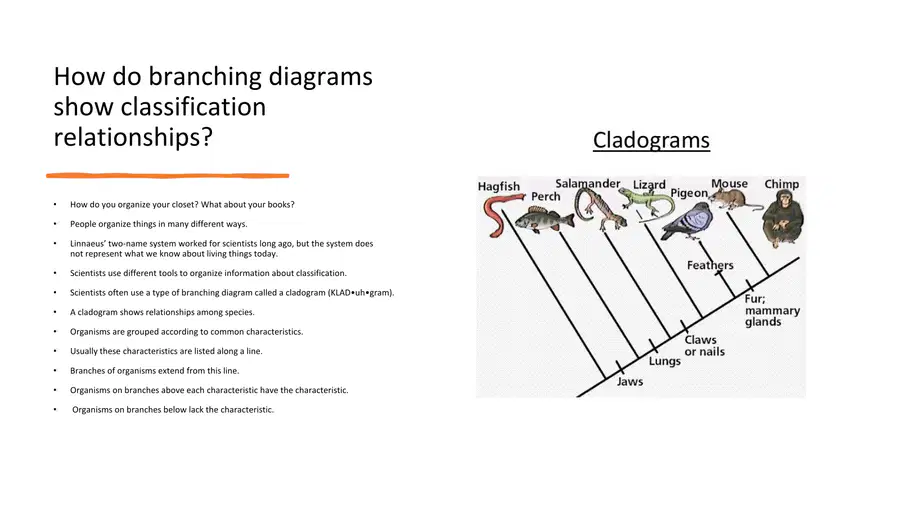
What is this called?

1

Family Tree 

2

Cladogram 

3

 Clado Tree

56

Multiple Choice

Question image

What does this chart do?

1

Shows relationships in real time

2

Shows species

3

Shows relationships of species overtime.

57

Multiple Choice

Question image
Do salamanders have claws?
1
Yes
2
No
3
Maybe

58

media

59

media

60

media

61

media

62

Multiple Choice

Question image
What species is bird C?
1
Dunliin
2
Osprey
3
Bald Eagle
4
Baird's Sparrow

63

Multiple Choice

What statement would NOT be good for a dichotomous key?
1
The organism has 1 dorsal fin
2
The organism is ugly
3
The organism has leaves in groups of three
4
The organism has 6 legs

64

Multiple Choice

Which Domain/Kingdom is capable of living in EXTREME ENVIRONMENTS like hot springs, geysers, or very salty waters?

1

Bacteria

2

Eukarya

3

Archaea

media

Show answer

Auto Play

Slide 1 / 64

SLIDE