

Southwest Asia Oil & Water

Presentation
•
Social Studies
•
6th Grade
•
Practice Problem
•
Easy

April Venzor
Used 47+ times
FREE Resource
13 Slides • 12 Questions
1

Oil and Water
North Africa and
Southwest Asia
2

Instructions
Topic: Middle East Economy.
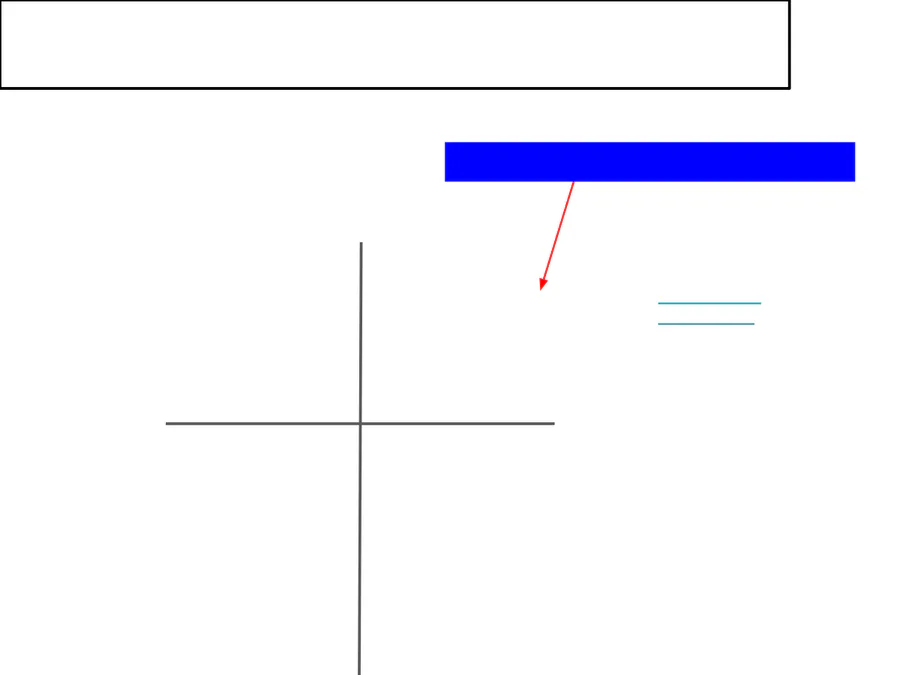
Directions: Draw a 4 square in your journal and write the questions, JUST LIKE MINE!
As you follow along with the slides you will record your answers for the questions in your 4 squares.
This will count as a daily grade! 25pts each square!
3. OIL- where
are the largest
reserves
located?
2. What is
desalination?
4. What is OPEC?
1. How does
access to
water create
conflict?
Oil and water
presentation
(* Hint… MOST answers are highlighted!!)
(Hydropolitics)
3
Poll
Have you completed your 4 square on your notebook paper?
YES
NO :(
WORKING ON IT
I DON'T HAVE A PENCIL :(
4

Water
• Water is a natural resource that is distributed
unevenly in the Middle East. Water scarcity is when
water is not available or distributed evenly.
• Some countries, like Turkey and Iraq, have major
rivers that provide enough
drinking water for farming
communities.
• These two countries share
the Tigris and Euphrates
river systems.
• Israel, Syria, and Jordan
share the Jordan River.
5
Multiple Select
Which two countries share the Tigris and Euphrates Rivers?
Turkey
Syria
Jordan
Iraq
6
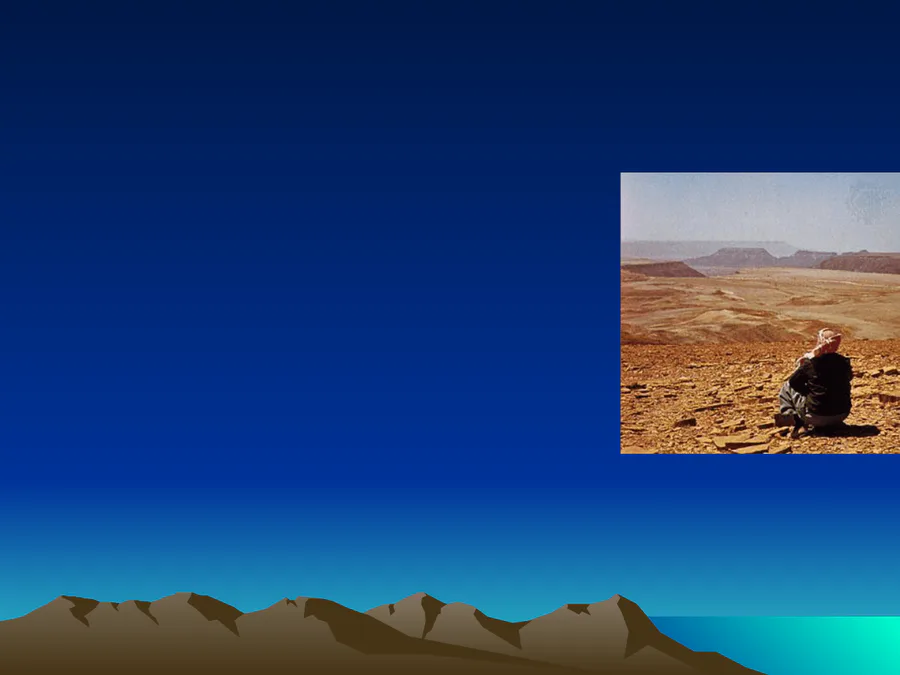
• Others, like Saudi Arabia, have
almost no water. Saudi Arabia
relies on desalination.
• They are mostly made up of desert.
• Others, like Iran, have areas with
access to rivers and areas that are
made up of deserts.
• Because water is in short supply in
so many parts of Southwest Asia,
irrigation has been necessary for
those who want to farm and raise
animals for market.
7
Word Cloud
What does desalination mean in 2 words or less?
8

Irrigation methods
• Many types of irrigation can be found in SW Asia as
farmers struggle to bring water to their fields from local
rivers and underground aquifers (layers of
underground rock where water runoff from rains and
streams is trapped.)
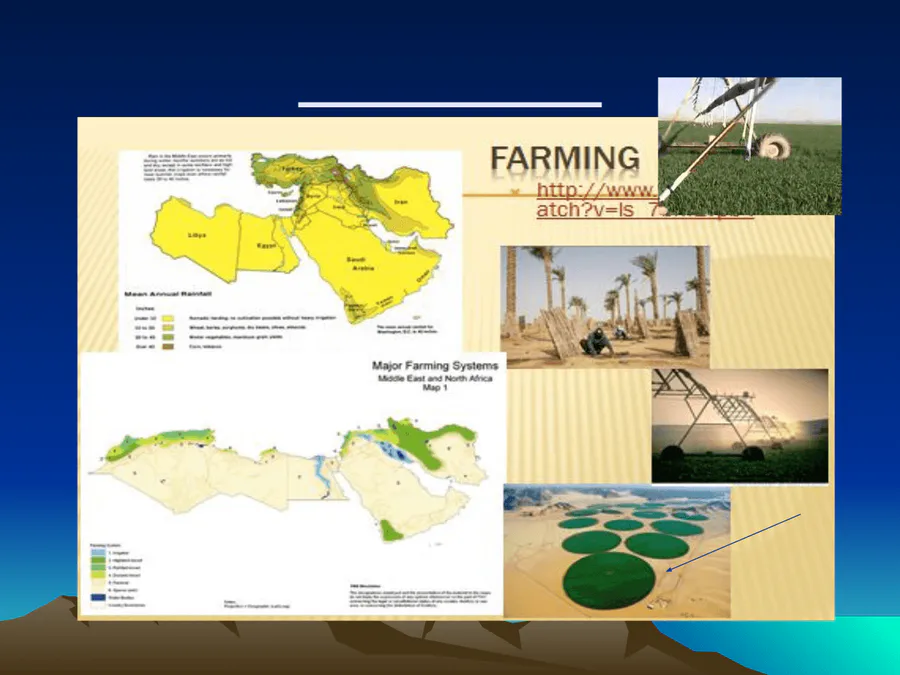
• Some farmers use water from wells that tap into fossil
water (water that has been underground for centuries).
• Rains and streams do not
replace this water, and
once it is used, is gone
forever.
9
Open Ended
Please explain the difference between fossil water and aquifers, in your own words! You may include a picture.
10
Fossil Water
Fossil Water
11

• Farmers in very rural areas still use methods
used by their ancestors to irrigate their fields,
including water wheels, irrigation ditches and
canals, as well as animal power to lift water
from underground wells.
• Farmers in countries with more technology use
modern irrigation techniques.
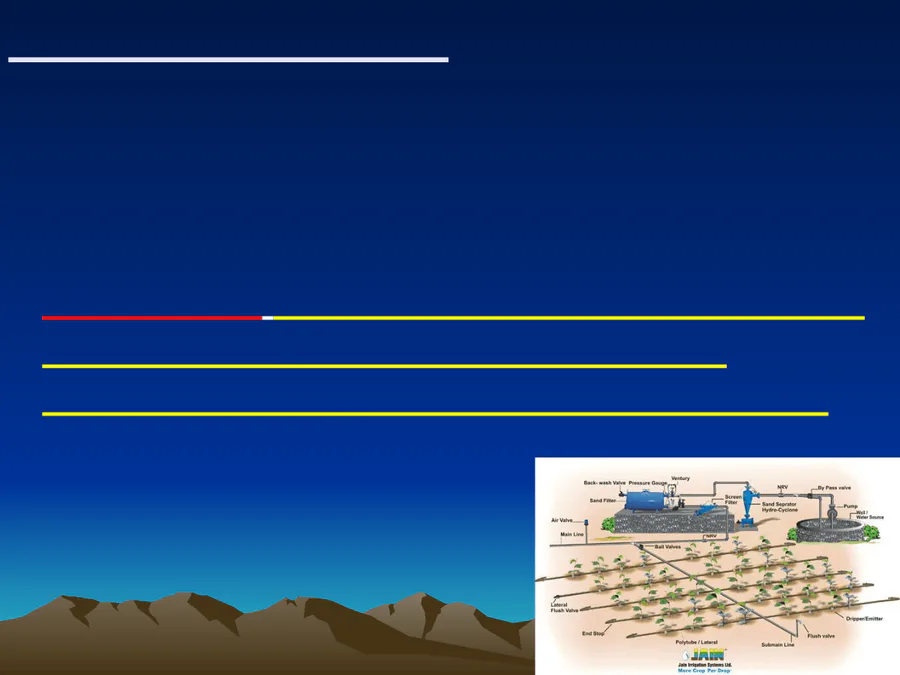
• Israel and Saudi Arabia have developed
systems of drip irrigation using computers that
measure out how much water each plant
receives.
Irrigation methods
12
• There has also been a lot of work done to learn
how to take water from the ocean and
desalinate it to use for drinking and irrigation.
• Desalination(the process of removing salt and
other chemicals from seawater) is very
expensive and requires complex technology.
Irrigation methods
13
Draw
SKETCH! Draw ONE form of irrigation you learned about.
14
Open Ended
TELL DESCRIBE in your words the method of irrigation you just drew on the previous slide.
15

Water Problems
• Pollution
• Overuse of rivers and streams
• Contamination from fertilizers and pesticides
• Build up of salt in soil from chemicals = ruined soil
16

• Access to water is also a source of conflict, especially
among countries that share a river system.
• Dams built along a river to create lakes for irrigation
and the production of hydroelectric power (electricity
produced from the energy of running water) one
country can reduce the amount of water available
to other countries located further downstream
(= conflict).
Conflict
17
Open Ended
Please EXPLAIN how hydroelectric power can create conflict for these countries?
18

Oil in the Middle East
• Two of the most important natural resources found in North
Africa and Southwest Asia are natural gas and oil.
• Bring wealth into the region because they are needed for
much of the world’s economy.
• ½ world’s oil
• Has made some
countries extremely
rich and gave them
a lot of control over
the global economy.
• The majority of the
oil is located around
the Persian Gulf!
19
Open Ended
Based on the map of the previous page, which country generates the MOST oil?
20

Who has the oil?
● Greatest oil reserves: Saudi
Arabia, Iraq, Iran, Kuwait,
Libya, Algeria
● Some other countries have
smaller reserves, especially
those found around the
Persian Gulf
● Tremendous growth in
national wealth and an
improved standard of living in
the past fifty years.
● Those countries without oil reserves have a much harder time
improving living conditions for their populations.
● This difference in wealth in some of the Middle East has led to
conflicts among the nations = conflict.
21
Open Ended
BASED on the chart on the previous slide, which country is the GREATEST consumer of refined oil?
22

• In the 1960s, several of these SW Asian countries joined with
other oil-rich countries around the world to create the
Organization of Petroleum Exporting Countries (OPEC) in
order to have more control over the price of oil on the world
market.
• OPEC has called for an embargo, or a slow-down or temporary
halt, to oil supplies at different times in the past to get political
and economic agreements from the other countries in the world.
• While some countries in the
Middle East have grown very
rich due to their oil production,
others have struggled to help
their populations make a
decent
living.
OPEC
23
Open Ended
What does OPEC stand for?
24
Word Cloud
WRITE 1-2 WORDS that stood out the MOST to you for this entire presentation.
25
Draw
SKETCH ONE key IDEA OR FACT you learned from this presentation.
Oil and Water
North Africa and
Southwest Asia
Show answer
Auto Play
Slide 1 / 25
SLIDE
Similar Resources on Wayground

21 questions
Ancient Rome
Presentation
•
6th Grade
19 questions
Moses
Presentation
•
6th Grade
16 questions
Bill of Rights
Presentation
•
6th Grade
16 questions
BC/AD and BCE/CE
Presentation
•
6th Grade
20 questions
Aztec Civilization
Presentation
•
6th Grade
20 questions
Religion, Philosophy, and the Arts in Ancient Greece
Presentation
•
5th Grade
20 questions
US Conflicts in SW Asia Crash Course
Presentation
•
7th Grade
18 questions
The Han Dynasty (23)
Presentation
•
6th Grade
Popular Resources on Wayground
10 questions
Safety Day 2026 – Student Review

Quiz
•
9th Grade
21 questions
Continents and Oceans
Quiz
•
6th Grade
20 questions
Parts of Speech
Quiz
•
5th Grade
16 questions
Subject & Predicate
Quiz
•
5th Grade
25 questions
Multiplication Facts
Quiz
•
5th Grade
12 questions
Map Skills
Quiz
•
3rd Grade
22 questions
Continents and Oceans
Quiz
•
5th Grade
15 questions
Rounding Decimals
Quiz
•
5th Grade
Discover more resources for Social Studies
19 questions
Foundations of America
Quiz
•
6th - 8th Grade
5 questions
Mesopotamia Video Quiz

Interactive video
•
6th Grade
10 questions
Exploring the Age of Exploration: Key Events and Figures
Interactive video
•
6th - 10th Grade
15 questions
Middle Ages of the Middle East Vocab List (CFA #2)
Quiz
•
6th - 8th Grade
13 questions
Ancient Egypt
Interactive video
•
6th Grade
17 questions
Timelines
Quiz
•
6th Grade
11 questions
SWANA Unit test
Quiz
•
6th Grade
13 questions
Canada Map
Quiz
•
6th Grade