Search Header Logo
Cycle 3 Benchmark Review

Cycle 3 Benchmark Review

Assessment

Presentation

•

Science

•

9th - 12th Grade

•

Hard

Created by

David Kornitzer

FREE Resource

0 Slides • 106 Questions

1

Multiple Choice

What is the difference between immigration and emigration?

1

Immigration is the movement of individuals into a population, while emigration is the movement of individuals out of a population

2

Emigration is the movement of individuals into a population, while immigration is the movement of individuals out of a population

3

Immigration is the movement of individuals within a population, while emigration is the movement of individuals between populations

4

Emigration is the movement of individuals within a population, while immigration is the movement of individuals between populations

2

Multiple Choice

Which type of data involves descriptions that cannot be counted or measured?
1

qualitative

2

quantitative

3

Multiple Choice

A reaction caused by adrenaline that prepares one to either fight the stressor or take flight and escape.
1
courtship
2
fight or flight
3
trial and error
4
habituation

4

Multiple Choice

The interaction between animals of the same species.

1

innate behavior

2

response

3

reflex

4

social behavior

5

Multiple Choice

Which equation is the correct balanced equation for photosynthesis?

1

C6H12O6 + 6O2 → 6CO2 + 6H2O

2

6CO2 + 6H2O → C6H12O6 + 6O2

3

C6H12O6 + O2 → CO2 + H2O

4

6O2 + H2O → C6H12O6 + 6CO2

6

Multiple Choice

What is a main product of Photosynthesis?

1

Oxygen

2

Glucose

3

ATP

4

NADPH

7

Multiple Choice

What is the name of the pigment molecule that absorbs light energy and makes plants green?

1

chloroplast

2

glucose

3

mitochondria

4

chlorophyll

8

Multiple Choice

Where does photosynthesis occur?

1

mitochondria

2

chloroplast

3

animal cells

4

ribosomes

9

Multiple Choice

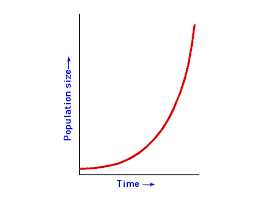
Type of growth that occurs when disease and parasites are present...
1
exponential
2
J-shaped
3
predator-prey
4
logistic

10

Multiple Choice

Question image
Which type of growth is best illustrated by this rabbit population?
1
exponential
2
logistic
3
S-shaped
4
predator-prey

11

Multiple Choice

Which limiting factor would increase due to the number of individuals in a population?
1
Unusual weather
2
Natural disaster
3
Disease

12

Multiple Choice

Question image
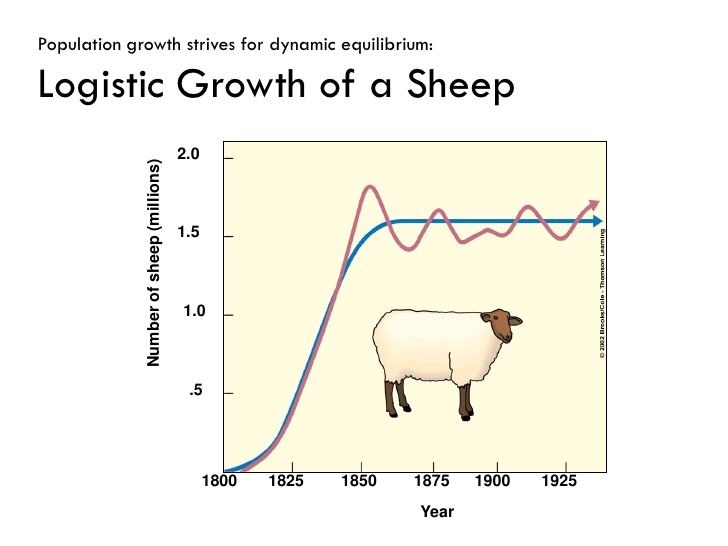
What is the carrying capacity for this sheep population?
1
1.8 million
2
1.25 million
3
1.6 million
4
1.o million

13

Multiple Choice

The root ¨bio¨ means...

1

living

2

nonliving

3

rocks and plants

4

water and animals

14

Multiple Choice

Which organelle belongs in both plant and animal cells?
1
Chloroplast
2
Cell Wall
3
Large Central Vacuole
4
Cell Membrane

15

Multiple Choice

Question image
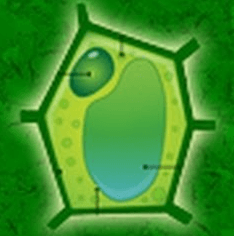
A rigid layer that lies outside the cell's  membrane is...
1

Cytoskeleton

2

Cilia

3

Cell Wall

4

Flagella

16

Multiple Choice

Mitocondria

1

Is known as the powerhouse of the cell or power outlet. This is where all the energy is created.

2

Shaped like small spheres. Make protein. Can be found in the cytoplasm or attached to rough E.R. look like small polka dots.

3

Storage containers that hold water, chemicals, or food for the cell. They are larger in plant cells and smaller in animal cells.

17

Multiple Choice

To convert the energy of glucose into the usable form of ATP is a function of _________.

1

Cell Wall

2

Cytoplasm

3

Nucleus

4

Mitochondria

18

Multiple Choice

What happens in the Golgi apparatus?

1

Proteins are created

2

Proteins are sorted, packaged, and tagged

3

Stores proteins and other substances

4

Deposits contents outside of the cell

19

Multiple Choice

Which organelles are filled with enzymes that aid in intra-cellular digestion, breaking down wastes and old organelles?
1
mitochondria
2
Golgi body
3
lysosomes
4
ribosomes

20

Multiple Choice

how many types of ER are there?

1

1

2

2

3

3

4

4

21

Multiple Choice

Rough ER are found in the cells which are actively synthesizing..

1

Lipids

2

Cholesterol

3

Proteins

4

Nucleic acids

22

Multiple Choice

Question image

Where are the ribosome's sub-units created?

1

outside of the cell

2

in the cytoplasm

3

in the nucleolus

4

in the endoplasmic reticulum

23

Multiple Choice

Question image

What important material is contained in the nucleus?

1

Jeans

2

Digestive enzymes

3

DNA

4

Nuclear ladders

24

Multiple Choice

Question image

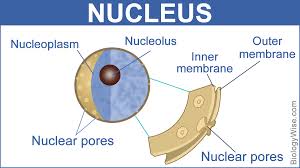
Tiny holes in the nuclear membrane that allow different cellular materials to come in and go out of the cell.

1

nucleus

2

nucleoplasm

3

nucleolus

4

nuclear pores

25

Multiple Choice

Question image

Monomers of Proteins are

1

Nucleic Acids

2

Proteins

3

Amino Acids

4

Peptide Bonds

26

Multiple Choice

What is the purpose  of an enzyme?
1
give permission for the reaction
2
raise activation energy
3
speed up reactions
4
control how many reactions occur

27

Multiple Choice

DNA and RNA are examples of...
1
proteins
2
nucleic acids
3
carbohydrates
4
lipids

28

Multiple Choice

Which of the following is true for ALL living things? 
1

All living things eat other organisms to survive.

2

All living things have muscle fibers.

3

All living things need oxygen.

4

All living things reproduce.

29

Multiple Choice

Question image

Which type of cell?

1

Prokaryote

2

Eukaryote

3

Mixed

30

Multiple Choice

What do plant cells have that animal cells do not?
1

Phospholipid and bi-layer

2

Chloroplasts and cell walls

3

Mitochondria and flagella

4

cell wall and cell membrane

31

Multiple Choice

The Greenhouse Effect __________________________.

1

Traps all of the heat from the Sun

2

Repels sunlight away from the atmosphere

3

Traps some heat and releases some heat back to space

4

only works in the summer months

32

Multiple Choice

All of the following are known as heat-trapping gases, EXCEPT:

1

Carbon Dioxide

2

Methane

3

Water Vapor

4

Oxygen

33

Multiple Choice

___________________ is the average long-term (30+ years) atmosphere conditions for a specific region. It includes temperature, air pressure, humidity, precipitation, sunshine, cloudiness, and winds.

1

Weather

2

Climate

3

Forecast

4

Global Warming

34

Multiple Choice

Which kind of organisms are decomposers?

1

Bacteria and Fungi

2

Fungi and Insects

3

Bacteria and Insects

4

Fungi and fruit trees

35

Multiple Choice

Carbon is used by plants during which process?

1

Photosynthesis

2

respiration

3

combustion

4

none of the above

36

Multiple Choice

What does not produce carbon dioxide?

1

Animal respiration

2

Burning fossil fuels

3

Photosynthesis

4

Decaying plants

37

Multiple Choice

Combustion is another word for _______________.

1

Growing trees

2

burning

3

a fast train

4

when water goes into the air

38

Multiple Choice

What is one of the reactants of cellular respiration?
1
energy
2
glucose
3
carbon dioxide
4
water

39

Multiple Choice

Cellular Respiration's goal is to
1
make water
2
make ATP
3
make glucose
4
make  oxygen

40

Multiple Choice

Please select who performs cellular respiration: 
1
Animals 
2
Both animals and plants 
3
plants 

41

Multiple Choice

Cellular respiration is...
1
the process by which cells break down glucose into energy. 
2
the process by which cells break light down into energy. 
3
the process by which cells communicate with other cells. 

42

Multiple Choice

Which type of organism would MOST likely benefit directly from increased levels of CO2?

1

mushroom

2

tree

3

bird

4

fish

43

Multiple Choice

True or False:

Only eukaryotic cells have DNA.

1

True

2

False

44

Multiple Choice

Question image

What do you see?

1

a white blood cell

2

an eukaryotic cell

3

DNA

4

a prokaryotic cell

45

Multiple Select

Question image

Check the boxes that tell the cell theory.

1

all organisms are composed of one or more cells

2

all cells are the basic unit of life

3

All cells are plant cells

4

All cells come from pre-existing cells

46

Multiple Choice

What type of cells do animals have?

1

prokaryotic cells

2

bacteria cells

3

eukaryotic cells

4

none of the above

47

Multiple Choice

1) All the following elements are contained in carbohydrates EXCEPT:

1

A: Carbon

2

B: Nitrogen

3

C: Hydrogen

4

D: Oxygen

48

Multiple Choice

2) All the following statements are TRUE EXCEPT:

1

A: Simple sugars can be found in nutritious foods.

2

B: Complex sugars are often found in nutritious foods.

3

C: Complex carbohydrates can also be called sugars.

4

D: Vitamins and minerals are needed for good health.

49

Multiple Choice

3) Complex carbohydrates can be found in all the following foods EXCEPT:

1

A: Past

2

B: Bread

3

C: Crackers

4

D: Candy

50

Multiple Choice

5) Which of the following hormones is released by the pancreas?

1

A: Carbs

2

B: Insulin

3

C: Starch

4

D: Sugar

51

Multiple Choice

6) Which of the following food is least likely to be healthy for the body?

1

A: Oatmeal

2

B: Vegetables

3

C: White rice

4

D: Whole-grain wheat bread

52

Multiple Choice

Question image

Populations that are introduced to an area and “take over.”

1

Abiotic Population

2

Biotic Potential

3

Native Species

4

Invasive species

53

Multiple Choice

Question image
A population of an organism will only grow exponentially if:
1
The resources are unlimited
2
They want to
3
The resources are limited
4
They do not like to compete

54

Multiple Choice

What is formed during primary succession that doesn't need to be formed during secondary succession?
1
pioneer species
2
soil
3
climax community
4
lichens

55

Multiple Choice

Question image
What type of succession is shown going from figure A to figure B?
1
primary succession
2
eutrophication
3
secondary succession
4
intermediate

56

Multiple Choice

Question image
After a forest fire, an ecosystem would start regrowth through -
1
primary succession
2
secondary succession
3
climax community
4
limiting factors

57

Multiple Choice

Which catastrophic event will most likely have the effect of returning an ecosystem to primary succession?
1
A tornado
2
A volcanic eruption
3
A flood
4
A drought

58

Multiple Choice

succession that occurs in an area with no soil
1
ecological succession 
2
primary succession 
3
secondary succession
4
pioneer speciles

59

Multiple Choice

If farmers use a controlled burn to prevent forest fires, what would most likely be the first plants to return?

1

trees

2

shrubs

3

mosses

4

grasses

60

Multiple Choice

How do lichens contribute to primary succession?
1
Lichens decompose organic matter from animals and plants
2
Lichens begin to break down rock to form soil
3
Lichens are nitrogen fixing bacteria
4
Lichens convert carbohydrates into fossil fuels.

61

Multiple Choice

Question image
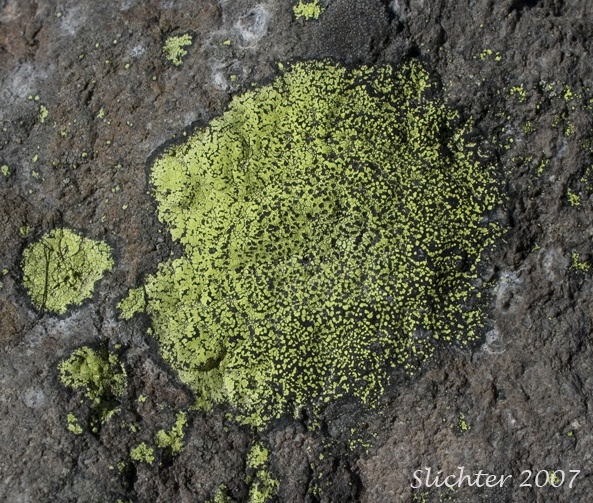
What is the name given to lichen or algae after a primary succession?
1
pioneer species
2
volunteer species
3
founder species
4
conqueror species

62

Multiple Choice

After a volcanic eruption, lava covers the land. What is the order that plants grow to repopulate the area?

1

Lichens → Shrubs → Grasses → Trees

2

Lichens → tree → shrubs→Grasses

3

Grasses → Lichens → Shrubs → Trees

4

Lichens → Grasses → Shrubs → Trees

63

Multiple Choice

Passive transport is called "passive" because it occurs WITHOUT
1
cause.
2
energy.
3
a concentration gradient.
4
a cell wall.

64

Multiple Choice

Osmosis is the diffusion of _____ across a membrane
1
glucose
2
NaCl
3
proteins
4
water

65

Multiple Choice

Which of the following is NOT a type of passive transport?
1
Osmosis
2
Diffusion
3
Endocytosis

66

Multiple Choice

Question image
Active transport allows a cell to move molecules from an area of low concentration to an area of high concentration.
1
True
2
False

67

Multiple Choice

Question image
_____________ allows some things to enter and leave cells, while keeping other things out of the cell.
1

Nucleus control center of the cell

2

Selectively Permeable golgi apparatus

3
A selectively permeable membrane
4

Non Permeable membrane

68

Multiple Choice

Question image
Cells sometimes use energy to transport materials across the cell membrane.  This is called
1

Simple Diffusion

2
osmosis
3

Facilitated diffusion

4
active transport

69

Multiple Choice

Question image

When the concentration of solutes on both sides of a membrane is the SAME, the solution is

1
isotonic
2
hypertonic
3
hypotonic

70

Multiple Choice

Question image
A process for removing large quantities toxins and waste from the cell is
1
exorcism
2
exocytosis
3
endocytosis
4
endoplasmic reticulum

71

Multiple Choice

Facilitated diffusion involves movement of molecules across a membrane when they bond to 
1
channel proteins
2
lipid proteins
3
a protein pump (carrier protein)
4
sticky proteins

72

Multiple Choice

A cell contains 25% NaCl and is placed in a solution that has 5% NaCl.  Which of the following is correct about what will happen to the cell?
1
The solution is hypotonic and the cell will swell.
2
The solution is hypotonic and the cell will shrink
3
The solution is hypertonic and the cell will swell
4
The solution is hypertonic and the celll will shrink.

73

Multiple Choice

An animal cell placed in a hypertonic (salty) solution will
1
Shrink
2
Swell
3
Stay the same

74

Multiple Choice

Silverfish live and hunt with army ants. They share the prey.  They neither help nor harm the ants. 
1
Mutualism 
2
Parasitism 
3
Commensalism 

75

Multiple Choice

A wrasse fish feeds on the parasites found on the black sea bass's body. Both species benefit. 
1
Mutualism 
2
Parasitism 
3
Commensalism 

76

Multiple Choice

Mistletoe extracts water and nutrients from the spruce tree to the tree's detriment (harm). 
1
Mutualsim 
2
Parasitism 
3
Commensalism 

77

Multiple Choice

Barnacles create home sites by attaching themselves to whales. This neither harms nor benefits the whales.
1
Mutualsim 
2
Parasitism 
3
Commensalism 

78

Multiple Choice

A tick and a dog have this type of relationship.
1
mutualism
2
commensalism
3
neutralism
4
parasitism

79

Multiple Choice

Which of the following describes the cell membrane?

1

controls what enters and exits the cell

2

protects and provide structure to the cell

3

provides energy for the cell

4

transports proteins and lipids throughout the cell

5

helps the cell to move around

80

Multiple Choice

The maintenance of an organism’s internal environment is called:
1
compensating
2
homeostasis
3
balancing
4
routine

81

Multiple Choice

Homeostasis in the human body is often maintained by a: 
1

the brain only

2
solar feedback loop
3

the muscles

4
negative feedback loop

82

Multiple Choice

The "cause" for something to happen is the
1
response
2
effect
3
stimulus
4
homeostasis

83

Multiple Choice

What is carrying capacity in an ecosystem?

1

The maximum number of individuals an ecosystem can support

2

The minimum number of individuals an ecosystem can support

3

The average number of individuals in an ecosystem

4

The number of individuals that immigrate to an ecosystem

84

Multiple Choice

How does an invasive species affect other species in an ecosystem?

1

It competes with native species for resources

2

It preys on native species

3

It disrupts the natural balance of the ecosystem

4

All of the above

85

Multiple Choice

Which of the following are all abiotic?

1

Temperature, Light, Rain, Gravity, Heat

2

Water, Fish, Insects, Lily Plants

3

Dogs, Meat, Cats, Catnip

4

Lion, Pride Rock, Warthog, Meerkat

86

Multiple Choice

Which definition best fits the term biotic?

1

The study of the interactions between animals and their environment

2

Factors in the environment that are considered not alive

3

the environment in which an organism lives.

4

Factors in the environment that are considered living or the remains of living things

5

The role a species plays in the ecosystem.

87

Multiple Choice

Which definition best fits the term community?

1

A group or organisms of the same species that live in the same area and interact with one another.

2

A group of many populations (of different species) that live and interact with one another

3

A group of populations of many different species that live and interact with both one another and all of the abiotic factors in their environment.

4

A set of different ecosystems that acer connected by similar geographic features and share the same or similar climate.

5

Anywhere on earth that life exists.

88

Multiple Choice

Which definition best fits the term ecosystem?

1

A group or organisms of the same species that live in the same area and interact with one another.

2

A group of many populations (of different species) that live and interact with one another

3

A group of populations of many different species that live and interact with both one another and all of the abiotic factors in their environment.

4

A set of different ecosystems that acer connected by similar geographic features and share the same or similar climate.

5

Anywhere on earth that life exists.

89

Multiple Choice

Question image

Which level of organization is depicted in this image?

1

Population

2

Community

3

Ecosystem

4

Biome

5

Biosphere

90

Multiple Choice

Question image

Which level of organization is depicted in this image?

1

Population

2

Community

3

Ecosystem

4

Biome

5

Biosphere

91

Multiple Choice

The biotic and abiotic factors that work together in an area

1

Community

2

Ecosystem

3

Organism

4

Population

92

Multiple Choice

Question image
What type of growth is shown in the diagram?
1
exponential growth
2
logistic growth 
3
predator-prey cycle
4
boom-bust curve

93

Multiple Choice

What growth pattern describes a population whose growth rate slows or stops following a period of exponential growth?
1
logistic growth
2
population growth
3
exponential growth
4
predator-prey cycle

94

Multiple Choice

Largest number of individuals of a population that the environment can support...  
1
carrying capacity
2
population crash
3
lag phase
4
mutualism

95

Multiple Choice

Question image
What is the carrying capacity for this sheep population?
1
1.8 million
2
1.25 million
3
1.6 million
4
1.o million

96

Multiple Choice

Limiting factors are sometimes helpful because they can keep the population from getting too large.
1
True
2
False

97

Multiple Choice

Any thing or organism that regulates the size of a population of another organism is known as __________.
1
a limiting measure
2
a limiting factor
3
factorization
4
materialization of precipitation

98

Multiple Choice

Question image

Which statement best explains section X?

1

competition does not occur between members of different species in the same habitat

2

energy is used for interbreeding between members of different species

3

the population has reached the carrying capacity of its environment

4

a predator recycles the remains of dead organisms

99

Multiple Choice

Question image
What is the carrying capacity of this population?
1
100
2
200
3
300
4
400

100

Multiple Choice

Question image
If the carrying capacity of a predator decreases, what will happen to the carrying capacity of the prey?
1
Will Increase
2
Will Decrease
3
Will stay the same
4
Will fluctuate

101

Multiple Choice

The graph of logistic growth can be described as...
1
S-shaped
2
J-shaped
3
U-shaped

102

Multiple Choice

The term ecologists use to describe the number of individuals moving away from a population is

1

Emigration

2

Immigration

103

Multiple Choice

A species form that supports an entire ecosystem.

1

Keystone Species

2

Herbivores

3

Umbrella Species

4

Predators

104

Multiple Choice

Question image
If a blue catfish is introduced and eats the large fish who eat the smaller fish, what will happen to the population of the smaller fish?
1
Increase
2
Decrease
3
Stay the same
4
No affect on smaller fish

105

Multiple Choice

What is a native specie?
1
A specie that is local and has lived in the same place
2
A specie who has come from another state or country
3
A specie that has no "home" and travels for its whole life
4
None of the above

106

Multiple Choice

What is an invasive species?

1

A native (naturally found) species which are added to an area

2

An organism that is new to an environment and has a negative effect on that environment.

3

A keystone species in an environment

4

none of the above

pattern-tertiary

What is the difference between immigration and emigration?

1

Immigration is the movement of individuals into a population, while emigration is the movement of individuals out of a population

2

Emigration is the movement of individuals into a population, while immigration is the movement of individuals out of a population

3

Immigration is the movement of individuals within a population, while emigration is the movement of individuals between populations

4

Emigration is the movement of individuals within a population, while immigration is the movement of individuals between populations

Show answer

Auto Play

Slide 1 / 106

MULTIPLE CHOICE