

Unit 3: Adult in Society Quizizz Lesson

Presentation
•
Social Studies
•
11th Grade
•
Practice Problem
•
Easy

Samantha Ruiz
Used 13+ times
FREE Resource
17 Slides • 13 Questions
1
Unit 3 Lesson 4


2
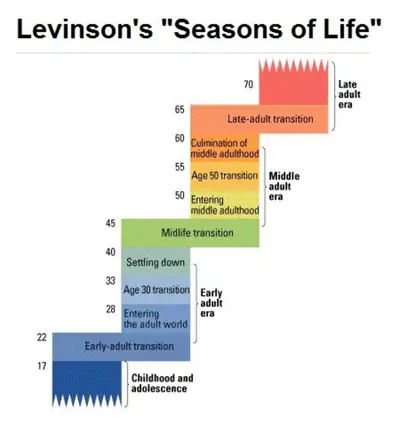
Levinson's developmental stages
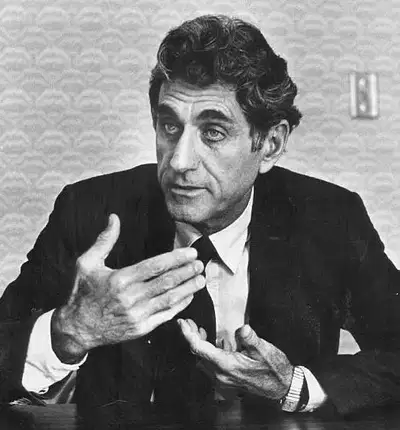
Psychologist Daniel Levinson
Conducted in depth interviews of 40 men, 35-45 years of age
Determined each man's life structure - combination of statuses, roles, activities, goals, values, beliefs, and life circumstances that characterize an individual
Identified 3 basic eras of adulthood
Early adulthood
Middle Adulthood
Late adulthood
3
Adult male development
Early Adult Transition - Ages 17-22
Most important task is leaving home, both physically and psychologically
Entering the Adult World - Ages 23-27
Expected to explore a variety of relationships and career opportunities
Become a responsible member of society and form stable life structure
Development of a dream of adult accomplishment
4
Adult male development
Age 30 Transition - Ages 28-32
Involves shifts in direction
Sound choices provide basis for future development
Divorces common as individuals examine commitments
These first three phases are known as the novice phase collectively
Men preparing for entry into full adulthood

5
Adult male development
Settling Down Period - Ages 33-39
Major task: "Making it" in the adult world
Individuals try and establish themselves in society, advance in occupation
Commit to things that are important
Begin conscious effort to form own identity
Separate oneself from mentor
6
Adult male development
Midlife Transition - Ages 40 - 44
Question life structures
Escape pressure of unattainable dreams
Period of moderate to severe crisis
Many become a mentor during this phase

7
Reorder
Reorder the following
Early Adult Transition
Entering the Adult World
Age 30 Transition
Settling Down Period
Midlife Transition
8
Fill in the Blanks
The Psychologist who undertook an intensive long-term study to determine adult male developmental stages
Type answer...
9
Match
Match each description to the appropriate phase of adult male development
Most important task is leaving home, physically and psychologically
Explore relationships and career opportunities
Evaluate one's choices, involves potential shifts in direction
Adult establishes self in society, commit to things that are important, work to fulfill dreams
Question life structures, accept some dreams are beyond fulfillment
Early Adult Transition
Entering the Adult World
Age 30 Transition
Settling Down Period
Midlife Transition
Early Adult Transition
Entering the Adult World
Age 30 Transition
Settling Down Period
Midlife Transition
10
Adult Female Development
Levinson claimed findings apply to women
Repeated his life structure study with women, similar findings but...
Men and women differ greatly in terms of social roles and identities
Irene Frieze and Esther Sales conducted further research and identified three phases in female development:
Leaving the family
Entering the adult world
Re-entering the adult world

11
Adult Female Development
Leaving the Family
Physical and psychological break from family
Develop life plan - marriage vs. career
Entering the Adult World
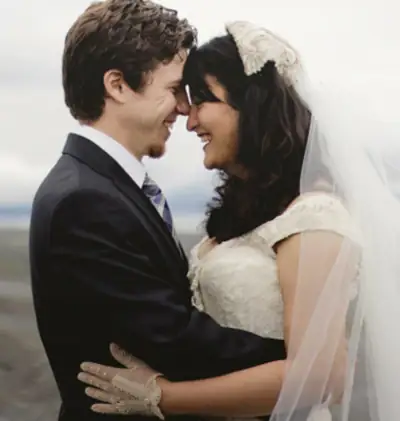
Most women marry and become mothers in 20s
Temporary break in employment
Dual roles (motherhood/career) add potential strain
About 79% of new mothers return to labor force before child reaches 1 year

12
Adult Female Development
Re-entering the World of Work
Mothers return to labor force once children reach school age
Actively pursue/commit to career goals
Men are questioning career choices at this time
New data suggests Americans are delaying marriage or abstaining altogether
Has dropped more than 44%
Also delaying parenting
13
Dropdown
14
Fill in the Blanks
Type answer...
15
Multiple Choice
Most women marry and become mothers in their:
20s
Early 30s
Late 30s
40s
16
The labor force
Work - performing all of the tasks necessary to produce goods and provide services that meet human needs
Basis for the economy
Outlet for individual passion, source of self-esteem, avenue for personal achievement
You typically spend about 47 years in the labor force - all individuals age 16 and older who are employed in paid positions or who are seeking paid employment

17
Labor composition
Number of women growing. More than half with professional jobs
Profession - high status occupation that requires specialized skills and knowledge obtained through formal education
Engineer, lawyer, TEACHER, dentist, etc
Rise in minority workers as percentage of total labor force
Hispanics are fastest growing
Higher level of education attained
90% high school degree (1940 - 8th grade)

18
Unemployment
When a person does not have a job but is actively seeking employment
Varies depending on age, gender, race, cultural background
In the United States, an acceptable level of unemployment is typically about 5%
There will always be people seeking employment
Full employment - 95%

19
Fill in the Blanks
How many years does an individual typically spend in the labor force?
20
Multiple Choice
What is considered to be full employment?
5%
95%
100%
80%
21
Categorize
Teacher
Engineer
Lawyer
Food Service
Plumber
Sales Clerk
Sort the following:
22
Changes in Late adulthood
Improved healthcare -> Longer lifespans
People 65+ are fastest growing population
Gerontology - scientific study of the processes and phenomena of aging
Social Gerontology - study of nonphysical aspects of aging process
Three basic age groups in gerontology
Young-old: 65 - 74
Middle-old: 75 - 84
Old-old: 85 and older

23
Changes in Late adulthood
Young-Old
Age Range: 65-74
Population: 19,352,149
Percentage: 6.4%
Major Concerns:
Adjustment to retirement
Maintaining social networks
Pursuing new opportunities
Positive mental health
Middle-Old
Age Range: 75-84
Population: 13,023,511
Percentage: 4.3%
Major Concerns:
Physical health
Mental functioning
Dependency
Death issues
Old-old
Age Range: 85+
Population: 5,512,298
Percentage: 1.8%
Major Concerns:
Physical health
Mental functioning
Dependency
Death issues
24
adjustment to retirement
People have difficulty adjusting to retirement, especially for those who strongly identify with their job
Level of adjustment reflects a person's earlier attitudes and behaviors
People who are happy and well adjusted in working life tend to enjoy retirement
Income, health, social networks, and identify also affect adjustment to retirement

25
Physical and Mental Functioning
Studies suggest that most elderly people retain intellectual abilities throughout life
Intelligence, learning, and memory often decline with aging but not as much as previously thought
Some aspects of intelligence/learning improve
Vocabulary increases
For some, age is marked by mental decline, or dementia - most common form is Alzheimer's disease (about 13%)

26
Dependency and Death
Dependency - shift from being an independent adult to being dependent on others for physical or financial assistance
Necessitates new roles/behaviors
Child takes over role of caregiver/authority figure
Can strain parent-child relationship
Elderly people don't appear to fear death as much as dependency
Fewer prospects for the future
Less to lose

27
Fill in the Blanks
The most common form of mental decline, or dementia, is known as:
28
Multiple Select
What age group(s) in gerontology are associated with concerns over physical health, mental functioning, dependency, and death
Young-old
Middle-Old
Old-old
29
Multiple Choice
The percentage of Americans 65 and older is:
Increasing
Decreasing
Relatively Constant
30
Multiple Choice
As elderly individuals become dependent, who most typically takes over the role of caregiver/authority figure
Offspring
Sibling
Spouse
Extended Family
Unit 3 Lesson 4
Show answer
Auto Play
Slide 1 / 30
SLIDE
Similar Resources on Wayground

21 questions
Cold War Intro
Presentation
•
KG
20 questions
How to Budget
Presentation
•
11th - 12th Grade
20 questions
The Nervous System
Presentation
•
11th - 12th Grade
25 questions
Maslows Hierarchy of Needs
Presentation
•
12th Grade
21 questions
Art of Manifest Destiny
Presentation
•
11th - 12th Grade
24 questions
2-13 Solving Systems of Linear Inequalities
Presentation
•
11th Grade
23 questions
Unit 8 Review
Presentation
•
11th Grade
21 questions
Obama (pt. five)
Presentation
•
11th Grade
Popular Resources on Wayground
10 questions
How much do you know about our Portrait of an Eagle?

Quiz
•
10th Grade
10 questions
Fast Food Slogans
Quiz
•
6th - 8th Grade
21 questions
Continents and Oceans
Quiz
•
6th Grade
20 questions
Parts of Speech
Quiz
•
5th Grade
16 questions
Subject & Predicate
Quiz
•
5th Grade
25 questions
Multiplication Facts
Quiz
•
5th Grade
12 questions
Map Skills
Quiz
•
3rd Grade
22 questions
Continents and Oceans
Quiz
•
5th Grade
Discover more resources for Social Studies
17 questions
1.3 Review
Presentation
•
11th Grade
8 questions
Smith Unit 5 Quick Check #1 Big Business, Monopolies &Technology
Quiz
•
11th Grade
46 questions
Unit 1 Test REVIEW Ancient Greece and Rome
Quiz
•
9th - 12th Grade
36 questions
Unit 5 Key Terms
Quiz
•
11th Grade - University
63 questions
Progressive Common Assessment
Quiz
•
11th Grade
12 questions
supply and demand shifters
Quiz
•
9th - 12th Grade
10 questions
0.6 Statistics in Psychology
Quiz
•
11th Grade
16 questions
Unit 3 Personal Finance Guided Notes
Presentation
•
9th - 12th Grade