

Senior Chapter 13

Presentation
•
Hospitality and Catering
•
11th Grade
•
Easy

Courtney Post
Used 11+ times
FREE Resource
43 Slides • 18 Questions
1
© Copyright 2017 by the National Restaurant Association Educational Foundation (NRAEF). All rights reserved.
2

SUSTAINABILITY AND CONSERVATION
•U.S. Congress created national parks
•Audubon Society and Sierra Club
oPreserve natural environment and wildlife
•U.S. Environmental Protection Agency (EPA)
oFederal agency
oProtect human health and environment
oConserve water, energy, natural resources
oResearch new technology
oPromote practices that use energy
2
3
Multiple Choice
The federal agency with the mission of protecting human health and the environment is
FDA
EPA
CCP
USDA
4

SUSTAINABILITY AND CONSERVATION
Sustainability:
•Meet current resource needs
•Does not compromise ability to meet future needs
Conservation:
•Limiting use of resources
3
5
Multiple Choice
What is the practice of limiting the use of a resource, such as water, forests, or wild-caught seafood?
Conservation
Sustainability
Recycling
Preservation
6
Multiple Choice
Practices that meet current resource needs without compromising the ability to meet future needs is known as
Conservation
Sustainability
Recycling
Composting
7

SUSTAINABILITY AND CONSERVATION
Foodservice operations:
•Natural resources
oWater
oNatural gas
oLand
oInfrastructure—electricity
4
8

LAND-BASED PROTEINS
•Demand for animal products increased
•Industrialized farming transformed
oAmount of product available
oPrice of meat
oWorldwide availability
7
9

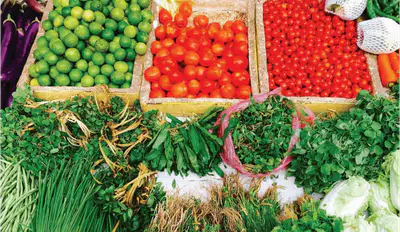
ORGANIC FOOD
Organic food:
•Produced without pesticides or synthetic fertilizers
•Conserve oil and water
•No antibiotics or growth hormones
•Regulated by U.S. Department of Agriculture (USDA)
oThrough National Organic Program
9
10
Multiple Choice
What does the term "natural mean when applied to fresh produce?
The term is legally meaningless
Natural indicates organic ingredients
The food provides better nutrition
The produce is 100% sustainable.
11
Multiple Choice
Food products that are produced without pesticides or synthetic fertilizers are
Local sourcing
Aquaculture
Organic
All naturual
12

COFFEE
Environmental effects:
•Sun coffee
oForest cleared or thinned
oRoom for more crops
oRequire strict management
oFertilizers and pesticides
oMeets global demand
oIncreases farmer’s profits
13
13
Multiple Choice
Coffee that is grown in the sun in densely planted farms that require fertilizers and pesticides is known as
Greenhouse coffee
Sun tea
Sun coffee
shade grown
14
Multiple Choice
By this traditional method, coffee trees grow under taller rain forest trees whose larger leaves shade the crop. This is
Sun coffee
Shade coffee
Sun tea
Shade tea
15

SEAFOOD
The Food and Agriculture Organization (FAO):
•75% of world’s fish species
oFished, overfished, depleted
•Demand for seafood increases
16
16

AVAILABLE OPTIONS
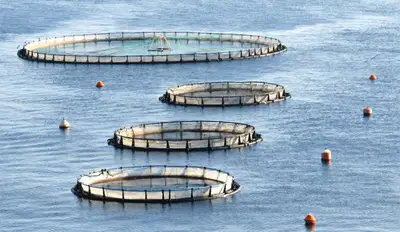
Aquaculture:
•Farming of seafood
•Controlled conditions
•50% of fish eaten globally
17
17
Multiple Choice
The farming of seafood under controlled conditions is called
Over fishing
Water conservation
Aquaculture
Controlled environment
18

WATER CONSERVATION
Surface water:
•Water on top of earth’s surface
•Lakes and oceans
•Snow on mountain caps
Groundwater:
•Freshwater beneath earth’s surface
•Public and private wells
•Pump from aquifers
18
19
Multiple Choice
All of the water that is on top of the earth's surface, from lakes and oceans to the snow on the mountain caps is called
Surface water
Ground water
Hydropower
Organic
20
Multiple Choice
Freshwater (not salty) found beneath the earth's surface and has been absorbed by the earth is called
Surface water
Ground water
aquaculture
Organic water
21


GROUNDWATER PROCESS
19
22

WATER CONSERVATION
Effects of water shortage:
•Limit food supply and prices rise
•Businesses and farms close
•Unemployment rises
•Brushfires and dust storms increase
•Residents may leave
20
23

WHAT THE INDUSTRY CAN DO
Limit usage:
•Options to reduce water
•Plan ahead for thawing
•Scrape and soak dishes
•Sweep outdoor areas
•Use timers on sprinklers
21
24

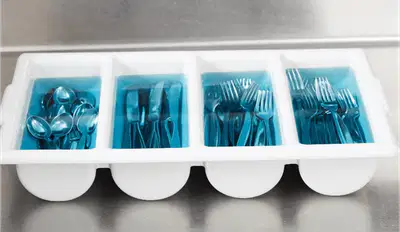
WHAT THE INDUSTRY CAN DO
Follow best practices:
•High-efficiency sprayers
•Load dishwasher correctly
•Repair leaks
22
25

WHAT THE INDUSTRY CAN DO
Train employees to conserve:
•Ensure policies are followed
Encourage guests to conserve:
•Do not automatically serve water
23
26
Multiple Choice
An efficient and safe way to reduce water unsafe in an operation is to
Make sure that the dishwasher loads are full
leave faucets running on a very low level.
remove sink aerators.
use cold water for dishwashing.
27

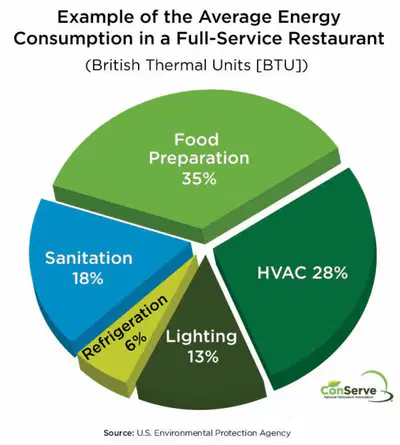
ENERGY CONSERVATION
•Energy efficiency
oReduce use
oReduce cost
•Energy used and wasted
oKeep costs down
24
28

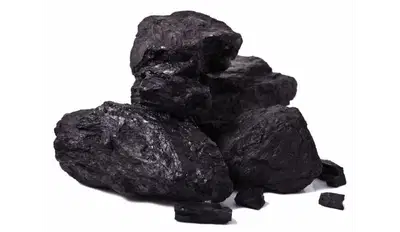
THE IMPORTANCE OF ENERGY EFFICIENCY
•Renewable energy
oElectricity
oRun out eventually
•Nonrenewable energy
oFossil fuels—natural gas, coal, propane, crude oil
oPlant or animal resources
oBuried deep in earth
25
29
Multiple Choice
Energy that could eventually run out is called
Renewable energy
Nonrenewable energy
Conserved energy
Green energy
30

THE IMPORTANCE OF ENERGY EFFICIENCY
Greenhouse gases:
•Burning fossil fuels
•Carbon dioxide and water vapor
•Trap sun’s heat in atmosphere
•Could raise earth’s temperature
26
31
Multiple Choice
Gasses in the atmosphere that contribute to the greenhouse effect by trapping heat around the earth are Greenhouse Gases
True
False
32

THE IMPORTANCE OF ENERGY EFFICIENCY
Water (hydropower):
•Directing, harnessing, or channeling moving water
•Determined by how quickly water moves
•Large amounts of energy
•Most common renewable energy
27
33


THE IMPORTANCE OF ENERGY EFFICIENCY
Wind:
•Wind flows over blades
•Lift—causes blades to turn
•Connected to drive shaft
•Turns generator—produce electricity
28
34

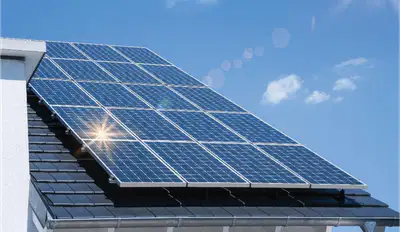
THE IMPORTANCE OF ENERGY EFFICIENCY
Solar:
•Photovoltaic (PV)
o“Solar cells”
oChange sunlight into electricity
•Solar power plants
oSolar collectors—heat fluid
oProduce steam—power generator
29
35

THE IMPORTANCE OF ENERGY EFFICIENCY
Geothermal:
•Heat inside earth
oContinuously produced
•Water replenished by rainfall
30
36

THE IMPORTANCE OF ENERGY EFFICIENCY
Biomass:
•Stored energy from sun through photosynthesis
•Wood
•Crops
•Manure
•Some garbage
•When burned—released as heat
31
37

WHAT THE INDUSTRY CAN DO
Energy efficiency plan:
•Based on usage needs
•Enables management to make changes
•Online tracking programs
32
38

WHAT THE INDUSTRY CAN DO
Saving energy—guidelines:
•Limit usage
oTurn lights off
oSet timers—parking lots
•Keep exterior doors closed
oAvoid losing heat or air-conditioning
33
39

WHAT THE INDUSTRY CAN DO
Saving energy—guidelines:
•Buy energy-efficient options
oENERGY STAR
oCertified to save energy
oLight bulbs
▪Compact fluorescents (CFLs)
▪LED bulbs
34
40

WHAT THE INDUSTRY CAN DO
Saving energy—guidelines:
•Follow best practices
oPower-up and power-down equipment schedules
oUse timers
oRegular cleaning and maintenance
•Train employees to conserve
oEnsure policies are followed
35
41

BUILDING FOR EFFICIENCY
Commercial buildings:
•17% of greenhouse gas emissions
•$100 billion/year
ENERGY STAR–certified buildings:
•35% less energy
•35% less emissions
36
42

BUILDING FOR EFFICIENCY
Green building:
•Conserves energy more efficiently
•Reduces overall impact on environment
37
43

NEW CONSTRUCTION
LEED (Leadership in Energy and Environmental Design):
•Contractors and architects certified
•Comply with natural standards for green construction
•Sustainable site development
•Water savings
•Materials selection
•Indoor environmental quality
38
44

WASTE MANAGEMENT
Landfills:
•Take up space
•Produce methane gas
•34% of all methane emissions
Foodservice operations:
•Reduce
•Reuse
•Recycle
44
45

REDUCING
•Benefits to environment
•Benefits to bottom line
•Smart planning
oAccurate production forecasting
oPurchase correctly
oSuppliers—consolidate packing and shipping
45
46

REUSING
Repurposed food:
•Guests did not eat
•Prepared in advance
•Not sold
•Cannot reuse served food
Controlled environment:
•Safe from cross-contamination
•Safe from time-temperature abuse
46
47
Multiple Choice
Food that customers did not eat but has been prepared, cooked, cooled, and held safely in order to be used again is
Leftovers
Recycled food
Renewed food
Repurposed food
48

REUSING
Reuse food in three ways:
1. Serve in original format
2. Repurpose food into another format
3. Donate food to local food rescue program
47
49


OPPORTUNITIES FOR REUSE IN THE OPERATION
•Salvaged or recycled materials
oFlooring, furniture, countertops
•Used furniture and equipment
•Recycled paper
oMenus, signs, stationery
•Compostable utensils and dinnerware
48
50

DONATIONS
•Uniforms, furniture, appliances
•Unwanted computers and electronic equipment
•Old cell phones
•Used cooking oil
49
51


RECYCLING
•Waste changed into valuable resources
oPaper
oMetal
oBottles and containers
oPlastics
50
52

RECYCLING
•Fluorescent light bulbs
•Cooking oil and grease
•Cell phones
•Acid and NiCad (nickel-cadmium) batteries
•Uniforms
•Used furniture and appliances
•Computer equipment and ink cartridges
51
53

RECYCLING
Environmental and operational benefits:
•Prevents pollution
•Reduces greenhouse gases
•Saves energy
•Can generate additional revenue
52
54
Multiple Choice
What is the process whereby waste is transformed into valuable resources called?
Reusing
Renewing
Recyling
Repurposing
55

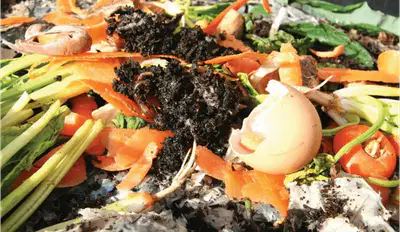
COMPOSTING
•Biological decomposition
•Natural form of recycling
•Organic material decomposes
oOrganic fertilizer
53
56
Multiple Choice
Biological decomposition, a natural form of recycling where organic material decomposes to form organic fertilizer is
Composting
Recycling
Reusing
Renewing
57

COMPOSTING
Compost:
•Organic waste
oFood leftovers
oYard trimmings
oCompostable products
•Proper ratios
•Add bulking agents
oAccelerate breakdown
54
58

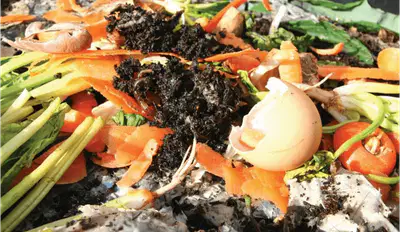
COMPOSTING
Improve the environment:
•Enhances soil
•Helps reduce pollution
•Improves soil’s water-holding capacity
•Removes tons of waste
oWaste stream
oWater treatment plants
•Diverts reusable organic matter from landfills
55
59

COMPOSTING
56
Do compost
Do not compost (generally)
Cardboard rolls and clean paper
Dairy products
Coffee grounds and filters
Fats, grease, or oils
Food scraps
Meat, fish bones, or related scraps
Fruits and vegetables
Paper with noncompostable inks
Kitchen trimmings
Leftover bakery goods
Paper napkins or other paper
products soiled with food
Salt, pepper, sugar, and straw
paper wrappers
Soiled boxboard, paper bags, and
paper tray liners
Tea bags, egg shells, and nut shells
60
Multiple Choice
Materials that are desirable for composting include
coffee grounds and paper napkins.
coffee grounds and fish bones.
fish bones and leftover baked goods.
leftover baked goods and oils.
61
Multiple Choice
The process of breaking down organic material to form fertilizer is known as
conserving
controlling
culturing
composting
© Copyright 2017 by the National Restaurant Association Educational Foundation (NRAEF). All rights reserved.
Show answer
Auto Play
Slide 1 / 61
SLIDE
Similar Resources on Wayground

54 questions
Revision c1-c9 Biology Form 4 KSSM
Presentation
•
11th Grade
55 questions
Pato P1
Presentation
•
KG
56 questions
The Great War
Presentation
•
11th Grade
56 questions
PA- Letters and Sounds PRACTICE
Presentation
•
KG
57 questions
Plant Cell Types
Presentation
•
11th Grade
53 questions
Cell Cycle
Presentation
•
11th Grade
58 questions
Q1W4 ES Fossil Fuels
Presentation
•
11th Grade
52 questions
Tema 10. El equilibrio macroeconómico
Presentation
•
11th Grade
Popular Resources on Wayground
21 questions
Continents and Oceans

Quiz
•
6th Grade
20 questions
Parts of Speech
Quiz
•
5th Grade
16 questions
Subject & Predicate
Quiz
•
5th Grade
25 questions
Multiplication Facts
Quiz
•
5th Grade
12 questions
Map Skills
Quiz
•
3rd Grade
22 questions
Continents and Oceans
Quiz
•
5th Grade
15 questions
Rounding Decimals
Quiz
•
5th Grade
20 questions
Brand Labels
Quiz
•
5th - 12th Grade
Discover more resources for Hospitality and Catering
20 questions
Brand Labels
Quiz
•
5th - 12th Grade
10 questions
Exploring the 4 Major Macromolecules and Their Functions

Interactive video
•
9th - 12th Grade
20 questions
Cell Transport
Quiz
•
9th - 12th Grade
20 questions
Metric Conversions
Quiz
•
11th Grade
20 questions
Budgeting
Quiz
•
9th - 12th Grade
20 questions
Investing
Quiz
•
9th - 12th Grade
25 questions
Spanish Speaking Countries Map Quiz Review
Quiz
•
9th - 12th Grade
15 questions
PRESENTE CONTINUO
Quiz
•
9th - 12th Grade