Animal Classification Lesson
Presentation
•
Science
•
5th Grade
•
Medium
+2
Standards-aligned
Carili Rubiera
Used 16+ times
FREE Resource
12 Slides • 22 Questions
1
2
3
4
5
6
7
Multiple Choice
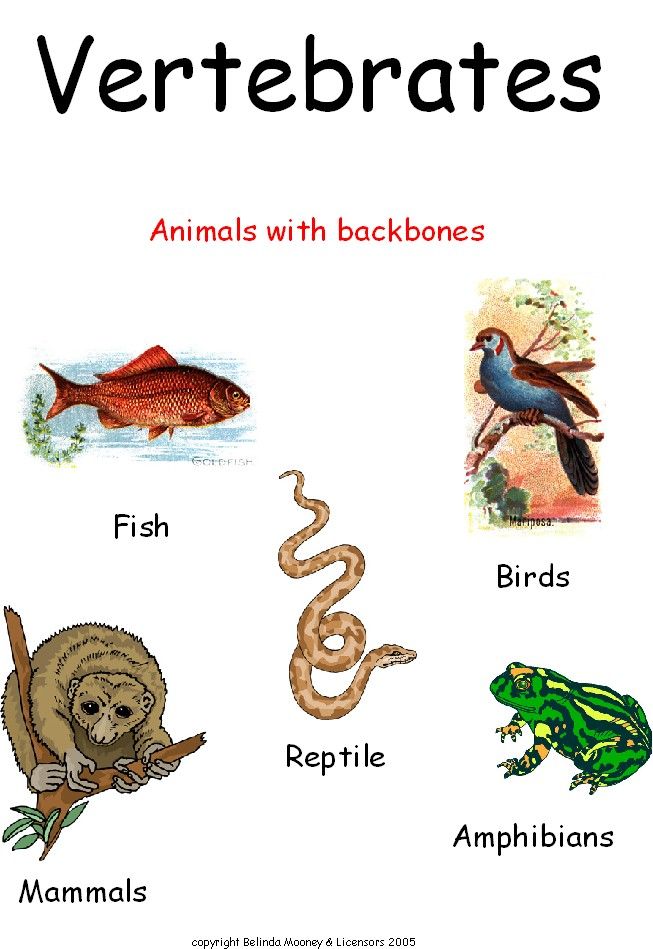
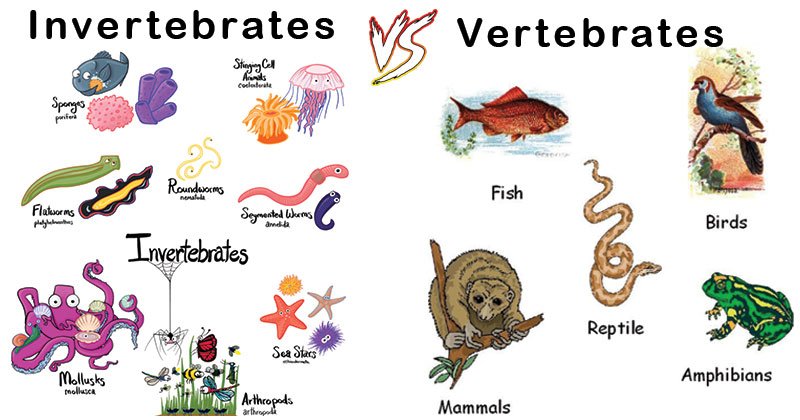
What is the major difference between vertebrates and invertebrates?
Vertebrates have a backbone and invertebrates do not.
Invertebrates live in water and vertebrates do not.
Invertebrates have a backbone and vertebrates do not.
Invertebrates are smaller than vertebrates.
8
Multiple Choice
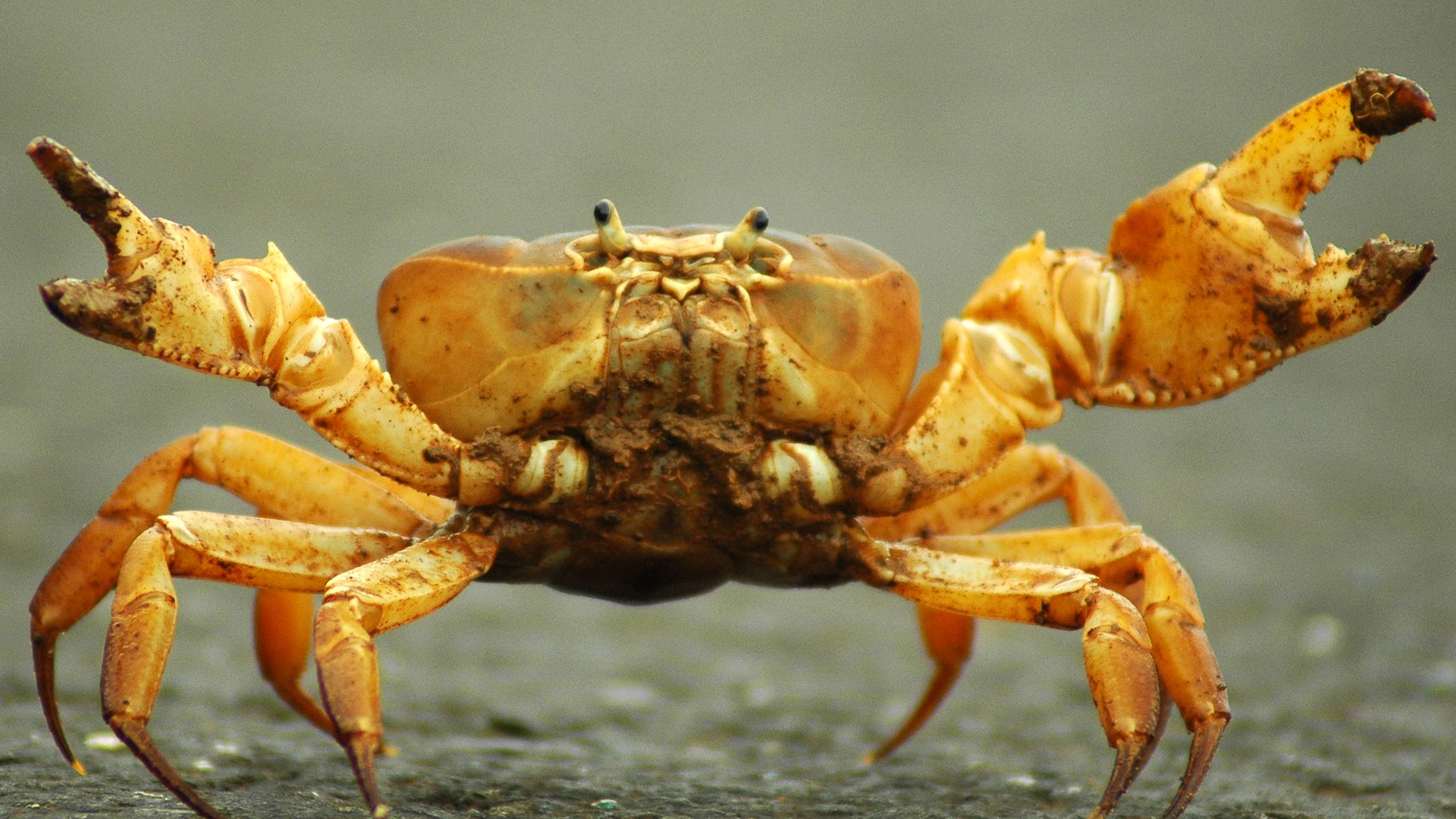
Which is not a characteristic of an arthropod's body?
backbone
jointed legs
segmented bodies
exoskeleton
9
10
11
12
13
14
15
Multiple Choice
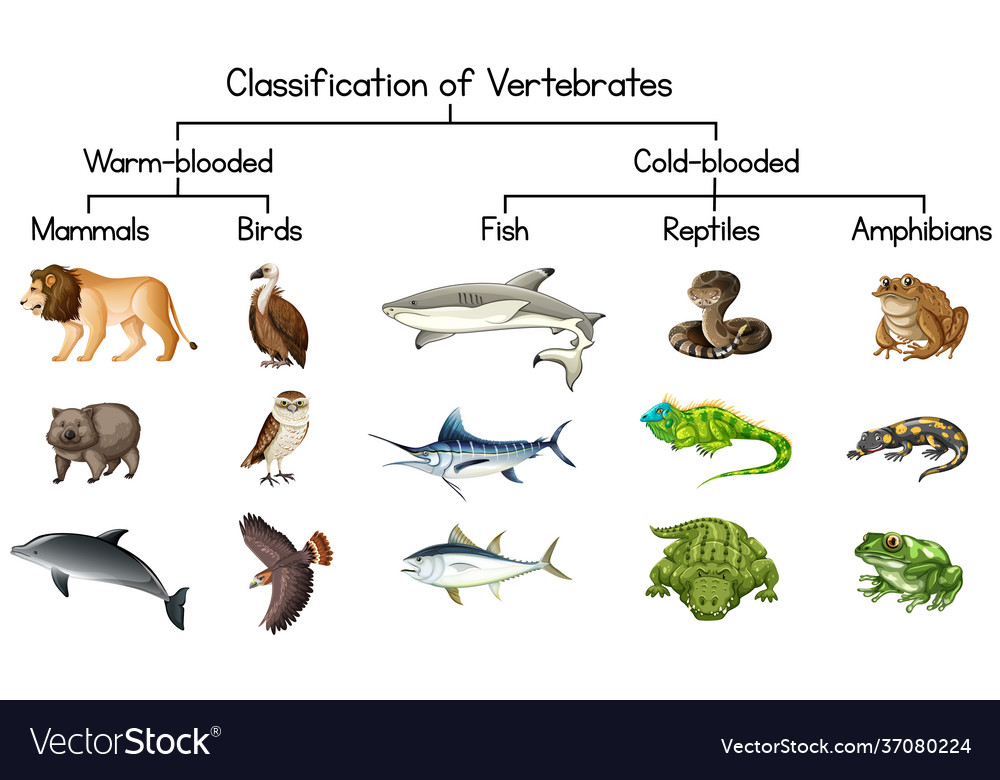
These animals are warm-blooded. They lay eggs and take care of their young.
mammals
reptiles
amphibians
birds
fish
16
Multiple Choice
These animals are warm-blooded. They have hair or fur on their bodies. Their young do not hatch from eggs.
mammals
reptiles
amphibians
birds
fish
17
Multiple Choice
These animals are cold-blooded. They breathe with gills
when young, but they grow lungs when they become
adults.
mammals
reptiles
amphibians
birds
fish
18
Multiple Choice
These animals are cold-blooded. They breathe with gills throughout their lives.
mammals
reptiles
amphibians
birds
fish
19
Multiple Choice
These animals are cold-blooded. They have dry, scaly skin, and breathe air through lungs.
mammals
reptiles
amphibians
birds
fish
20
Multiple Choice
Some but not all invertebrates
have backbones.
have shells.
have no backbones.
can make their own food.
21
Multiple Choice
Which describes a relationship between a consumer and a producer?
A fox eats a chipmunk
A mouse eats corn
Small fish eaten by a larger fish
Bacteria break down a dead snake
22
Multiple Choice
Which of these is NOT a vertebrate?
Grasshopper
Penguin
Salamander
Mouse
23
Multiple Choice
The following are all correct definitions of how organisms are classified into groups by various characteristics except:
animals that eat mostly meat are called carnivores
animals that can control their body temperature are called warm blooded
animals without backbones are called vertebrates
animals that eat both over animals and plants are called omnivores
24
Multiple Choice
How would you classify the following organism?
1. They breathe with lungs
2. Their babies hatch from eggs
3. They are cold blooded
4. They have dry and tough skin
fish
reptile
amphibian
bird
25
Multiple Choice
How are birds similar to mammals?
their babies hatch from eggs
they are warm blooded
they give birth to live young
26
Multiple Choice
How are reptiles and amphibians different?
reptile babies hatch from eggs
amphibians are cold blooded
reptiles have scales
27
Multiple Choice
Is an octopus a fish or an invertebrate?
fish
invertebrate
28
Multiple Choice
Which vertebrate class consists of animals that are warm blooded, lay eggs, and breathe with lungs.
reptiles
mammals
amphibians
birds
29
Multiple Choice
Which vertebrate class consists of animals that are warm blooded, give birth to live young, and breathe with lungs.
reptiles
mammals
amphibians
birds
30
Multiple Choice
Which vertebrate class consists of animals that are cold blooded, lay eggs, breathe with gills then lungs, and have smooth, moist skin.
reptiles
mammals
amphibians
birds
31
Multiple Choice
Which list contains only invertebrates?
fish, snake, snail, and jellyfish
bee, worm, spider, snake
butterfly, snail, turtle, snake
spider, worm, bee, jellyfish
32
Multiple Choice
Which statement is true?
Birds and reptiles are both cold blooded.
Mammals and amphibians are both warm blooded.
Reptiles and amphibians are both cold blooded and lay eggs.
Reptiles and amphibians are both covered with scales.
33
Multiple Choice
Which lists only vertebrates?
tiger, fish, shark, crab
worm, snake, frog, turtle
bee, crab, spider, fly
turtle, eagle, shark, snake
34
Multiple Choice
Vertebrates and invertebrates
Mammals and reptiles
Amphibians and reptiles
Reptiles and fish
Show answer
Auto Play
Slide 1 / 34
SLIDE

Similar Resources on Wayground
29 questions
Organs and Structures of Plants and Animals Day 2
Presentation
•
5th Grade
25 questions
Topic 8 History of Earth
Presentation
•
6th Grade
21 questions
5.9A Ecosystems and Interdependence
Presentation
•
5th Grade
21 questions
Nonfiction Summary
Presentation
•
5th Grade
31 questions
All the world's a Stage
Presentation
•
5th Grade
26 questions
Author's Perspective
Presentation
•
5th Grade
31 questions
Class 5
Presentation
•
5th Grade
32 questions
Practice FSA Science 5th grade
Presentation
•
5th Grade
Popular Resources on Wayground
10 questions
5.P.1.3 Distance/Time Graphs
Quiz
•
5th Grade
10 questions
Fire Drill
Quiz
•
2nd - 5th Grade
20 questions
Equivalent Fractions
Quiz
•
3rd Grade
22 questions
School Wide Vocab Group 1 Master
Quiz
•
6th - 8th Grade
20 questions
Main Idea and Details
Quiz
•
5th Grade
20 questions
Context Clues
Quiz
•
6th Grade
20 questions
Inferences
Quiz
•
4th Grade
12 questions
What makes Nebraska's government unique?
Quiz
•
4th - 5th Grade
Discover more resources for Science
10 questions
5.P.1.3 Distance/Time Graphs
Quiz
•
5th Grade
20 questions
Food Chains and Food Webs Review
Quiz
•
5th Grade
15 questions
Force and Motion
Presentation
•
5th Grade
20 questions
Food Webs
Quiz
•
5th Grade
20 questions
The Water Cycle
Quiz
•
4th - 5th Grade
45 questions
5th Science STAAR Review
Quiz
•
5th Grade
20 questions
Mixtures and Solutions Practice
Quiz
•
5th Grade
18 questions
Acquired Trait and Inherited Trait
Quiz
•
5th Grade