

Temperate

Presentation
•
Science
•
12th Grade
•
Hard

Joseph Anderson
FREE Resource
16 Slides • 11 Questions
1

Terrestrial Biomes
2

Large group of plants and animals occupying a major habitat
a distinct biological community that has formed in response to a shared physical climate.
Definition of a Biome
3
Reorder
Re order these systems from largest to smallest
Biosphere
biome
ecosystem
community
population
4
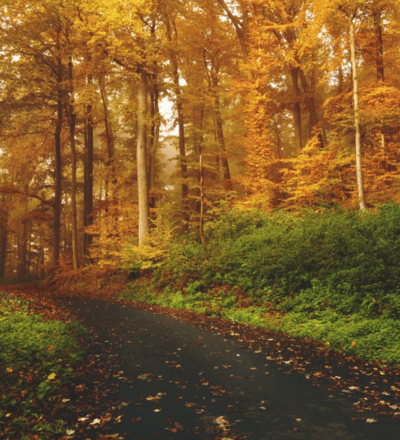
Boreal forest Coniferous forest
Chaparral
Desert
Freshwater
Grasslands
Marine
Savanna
Temperate rain forest
Temperate dry forest deciduous
Tropical rainforest
Tropical dry forest
Tundra
Types of biomes
5
Boreal forest Coniferous forest
Chaparral
Desert
Freshwater
Grasslands
Marine
Savanna
Temperate rain forest
Temperate dry forest deciduous
Tropical rainforest
Tropical dry forest
Tundra
Types of Terrestrial biomes
6

Mission: Biomes
You can open this webpage in a new tab.
7
360 Virtual Reality Biomes | Ask A Biologist
You can open this webpage in a new tab.
8
Named after its vegetation
the biotic community of a large - scale ecosystem
encompases numerous smaller - scale ecosystms.
Biome
9

Complete the dry biomes assignment in OTUS
10
Multiple Choice

Identify the biome based on the picture!
Boreal forest
Chaparral
desert
grasslands
11
Multiple Choice

Identify the biome based on the picture!
Boreal forest
Chaparral
desert
grasslands
12
Multiple Choice

Identify the biome based on the picture!
Boreal forest
Chaparral
Tundra
grasslands
13
Multiple Choice

Identify the biome based on the picture!
Boreal forest
Chaparral
Tundra
grasslands
14
Multiple Choice

Identify the biome based on the picture!
Boreal forest
Chaparral
Tundra
grasslands
15
Terrestrial biomes are either wet or dry
dru biomes receive some ran, just less than average and only in certain seasons.
they can be hot or cold, but typically exist in subtropical, temperate, and polar regions.
16

savannah
temperate rain forest
temperate dry forest
tropical rain forest
tropical dry forest
Wet biomes
17

Savanna has a wet and a dry season
slightly wetter than grasslands
savanna = tropical grasslands (grasslands, like prairie, are temperate)
Savanna
18

temperate rain forests get snow and rain
cooler than tropical locales
examples : coastal Alaska, Washington state
Mosses, ferns, shrubs, and conifers
Temperate Rain forests
19

Tropical forests are the most diverse
can get 80 - 400 inches of rain!
Tropical
20

A.K.A. Deciduous forests have all 4 seasons!
'Deciduous' refers to the shedding of leaves every year. (ever greens and tropical trees do not do this!)
Temperate dry forests
21
they have shorter trees and more open canopy compared to their rainforest relations
have more of a wet and a dry season (as compared to wet year round rainforests.)
Tropical dry forests
22
Labelling
Label the layers of the forest!
Litter
forb
shrub
Over story
Under story
23
Categorize
very noticeable 2 season changes wet and dry versus 4 seasons
wet and hot year round
typically 4 seasons with leaf color change in autumn
some types rely on forest fires to refresh soil
wet and mild to cool year round
What characteristics fit which biome?
24
Categorize
wet and dry seasons
more open canopy not as dense understory
trees lose leaves, are not evergreen
exist in tropical regions near equator
dense vegetation
receive lots of rain
rain year round
trees dont lose their leaves
very wet and humid
dense canopy and undergrowth
lots of tall trees
tall trees
exists outside the tropics between polar and subtropical regions
What characteristics do these biomes share?
25
Multiple Select
all of these biomes share these characteristics
Trees are the dominant vegitation
receive enough rain to support large plants
are completely dry and barren
have little to no rainfall
26
Categorize
temperate rain forest
temperate dry forest wet season
savanna dry season
tropical dry forest wet season
tropical rainforest
savanna wet season
tropical dry forest dry season
temperate dry forest dry season
Categorize them by rainfall
27
terrestrial biomes are either wet or dry
wet / tropical biomes receive lots of rain, either year round or during the wet season
wet biomes typically exist in tropical and subtropical regions.
most have tall trees and plants, only savanna is very open with predominantly grass
Terrestrial Biomes
Show answer
Auto Play
Slide 1 / 27
SLIDE
Similar Resources on Wayground

19 questions
First Quarter Article Analysis
Presentation
•
11th Grade
20 questions
LATIHAN PSAJ BAHASA INGGRIS 2024
Presentation
•
12th Grade
22 questions
Week 5 of Oceanography
Presentation
•
University
20 questions
2.2 Personal Hygiene
Presentation
•
12th Grade
22 questions
Tornado.
Presentation
•
KG - 12th Grade
22 questions
Ecosystem_INTEX_QA
Presentation
•
12th Grade
20 questions
Gravity and Newton's Second Law, II
Presentation
•
11th - 12th Grade
24 questions
18-2 Volcanic Eruptions
Presentation
•
12th Grade
Popular Resources on Wayground
10 questions
HCS SCI 03 Summer School Assessment 1

Quiz
•
3rd Grade
15 questions
HCS SCI 05 Summer School Assessment 1 Review
Quiz
•
5th Grade
22 questions
Day 9 Equations and Inequalities Review
Quiz
•
9th Grade
10 questions
Writing and Identifying Ratios Practice
Quiz
•
5th - 6th Grade
7 questions
PYRAMID PERSPECTIVES part 1
Presentation
•
9th - 12th Grade
12 questions
Understanding the Fourth of July
Quiz
•
9th Grade
15 questions
Soccer World Cup Quiz Questions
Quiz
•
7th Grade