
Law of Conservation of Mass - Lesson 7.2.1

Presentation
•
Science
•
7th Grade
•
Practice Problem
•
Medium
Standards-aligned

Laura O'Neill
Used 5+ times
FREE Resource
13 Slides • 4 Questions
1
Law of Conservation of Mass
Lesson 7.2.1
By Laura O'Neill
2
Dropdown
3
chemical - a substance with a specific composition
equation - math statement that shows two sides are equal
A model of a chemical reaction that uses element symbols to show what happens.
Chemical Equation
Law - a sta2tement about a phenomenon that implies a cause and effect between observed objects. Many times it is mathematical like: E=mc
conservation - conserve - save or prevent
Mass - amount of matter in an object
A scientific principle stating that mass cannot be created or destroyed.
Law of Conservation of Mass
4
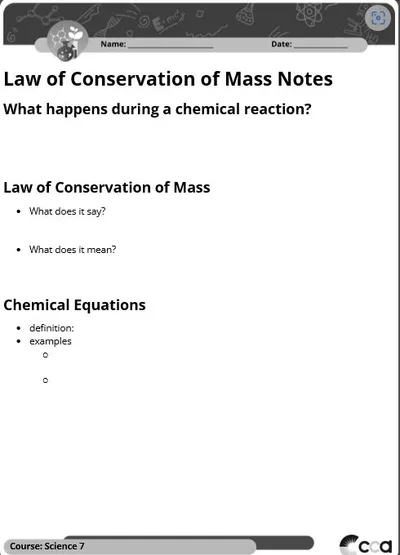
Notebook
Page 146
5
Open Ended
What happens during a chemical reaction?
6
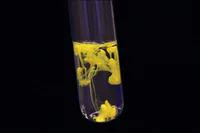
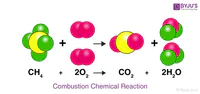
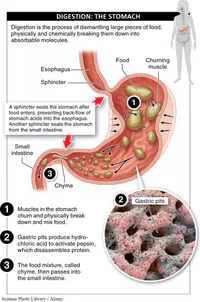
A chemical change occurs and creates a new substance.
During the chemical reaction, the atoms get rearranged to form something new.
It can happen anywhere!
Even your stomach.
7
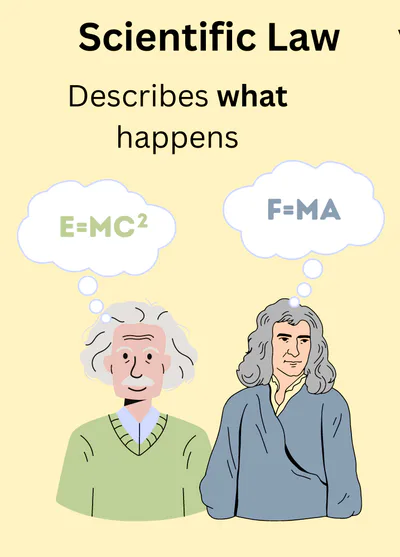
A scientific Law is:
- something in nature that scientists notice
- it always seems to be true
- it is supported by lots of observations
Remember....
8
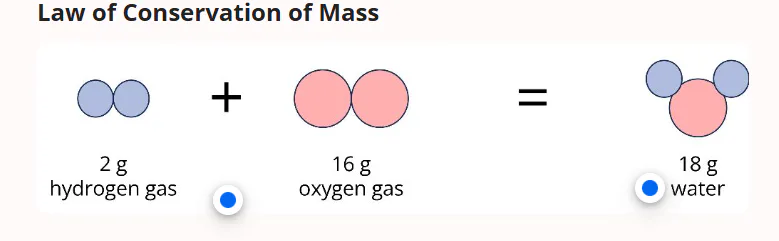
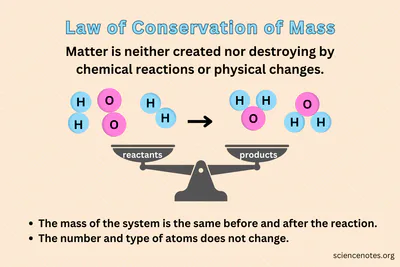
Matter cannot be created or destroyed.
The amount of matter in a system stays constant during a chemical change.
See formation of water below!
Law of Conservation of Mass
Notice that there is 2g of H and 16g of O that forms 18g of water.
2 + 16 = 18
9
Multiple Choice
Sometimes mass is created during a chemical reaction.
True
False
10

C4H8O2
How many?
Carbon =
Hydrogen =
Oxygen =
Let's Review Formulas
11
NO2
Al2(SO4)3
Formulas
How Many?
Nitrogen =
Oxygen =
How many?
Aluminum =
Sulfur =
Oxygen =
12
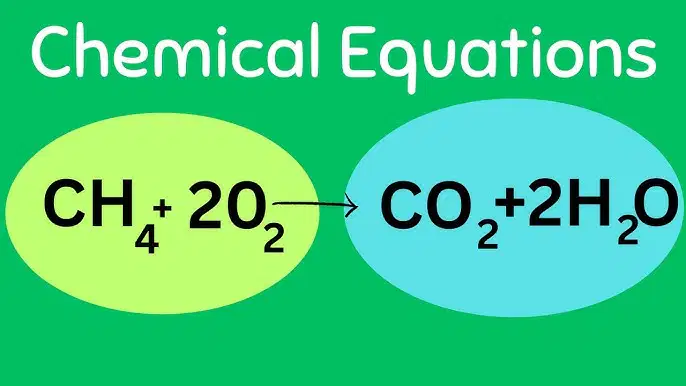
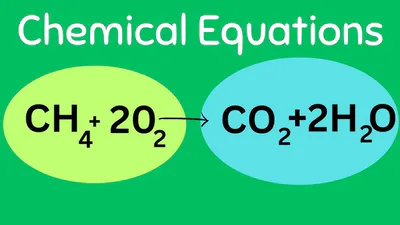
IF we put these formulas together, they form chemical equations.
13
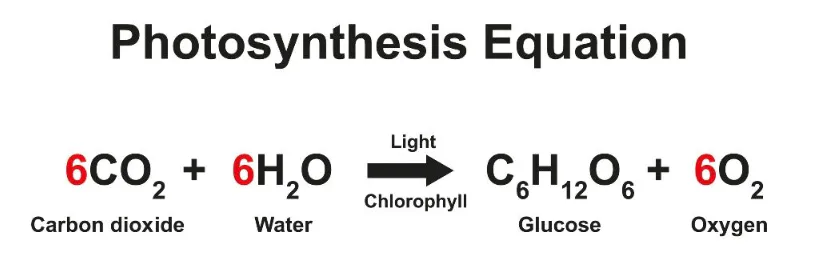
We use chemical equations to model the way atoms are rearranged during a chemical reaction.
14
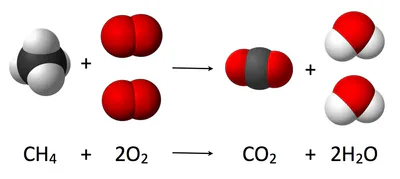
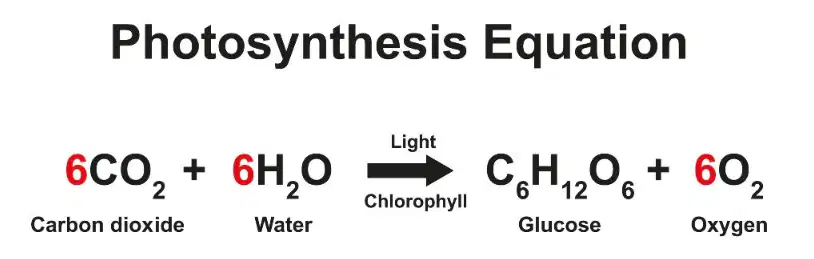
The arrow is like the equal sign in a math equation.
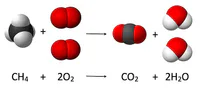
There are Carbon, Oxygen, and Hydrogen atoms on BOTH sides of the arrow.
They are remixed to form new compounds but there are no new elements added.
This supports the Law of Conservation of Mass!
15
16
Multiple Choice
The beginning of the chemical equation is: 6CO2 + 6H2O -> ___
There are 6 atoms of carbon in the first half of the equation, so how many will be on the right?
2
3
6
12
17

See you Monday for Chemical Equations!
Law of Conservation of Mass
Lesson 7.2.1
By Laura O'Neill
Show answer
Auto Play
Slide 1 / 17
SLIDE
Similar Resources on Wayground

11 questions
Dichotomous Key
Presentation
•
7th Grade
13 questions
Domains and Kingdoms of Life
Presentation
•
7th Grade
13 questions
Mutations & the Environment
Presentation
•
7th Grade
14 questions
Endangered Animals
Presentation
•
7th Grade
14 questions
Plate Tectonics
Presentation
•
7th Grade
10 questions
MS-ESS2-3 Plate Tectonics and Seafloor Spreading
Presentation
•
7th Grade
12 questions
Characteristics of Life
Presentation
•
7th Grade
13 questions
evolution and natural selection
Presentation
•
7th Grade
Popular Resources on Wayground
10 questions
Impact of 9/11 and the War on Terror

Interactive video
•
10th - 12th Grade
21 questions
Continents and Oceans

Quiz
•
6th Grade
5 questions
9/11
Interactive video
•
9th Grade
20 questions
Parts of Speech
Quiz
•
5th Grade
16 questions
Subject & Predicate
Quiz
•
5th Grade
10 questions
Riddles Riddles fun Riddles
Quiz
•
6th - 12th Grade
21 questions
Lab Safety
Quiz
•
10th Grade
6 questions
PRIDE in the Hallways and Bathrooms
Presentation
•
12th Grade
Discover more resources for Science
20 questions
Lab Safety
Quiz
•
5th - 8th Grade
17 questions
7.6D Aqueous Solutions
Quiz
•
7th Grade
14 questions
Science Variables
Quiz
•
7th Grade
20 questions
Claim, Evidence and Reasoning (CER)
Quiz
•
6th - 8th Grade
18 questions
Counting Atoms
Quiz
•
7th - 8th Grade
10 questions
Exploring Chemical and Physical Changes
Interactive video
•
6th - 10th Grade
20 questions
Food Webs + Energy Pyramids
Quiz
•
7th Grade
10 questions
Exploring the Evolution of Cell Theory
Interactive video
•
7th Grade