Search Header Logo
CH 11 - PT2- Cardiovascular cont., Lymphatic, and Immune

CH 11 - PT2- Cardiovascular cont., Lymphatic, and Immune

Assessment

Presentation

Professional Development

Vocational training

Practice Problem

Hard

Created by

Cameo Hoyle

FREE Resource

32 Slides • 19 Questions

1
media

2

media

3

Multiple Choice

Which of the following best describes systolic blood pressure?

1

The pressure when ventricles contract

2

The pressure when ventricles relax

3

The pressure in the arteries during rest

4

The pressure in the veins

4

media

5

Multiple Choice

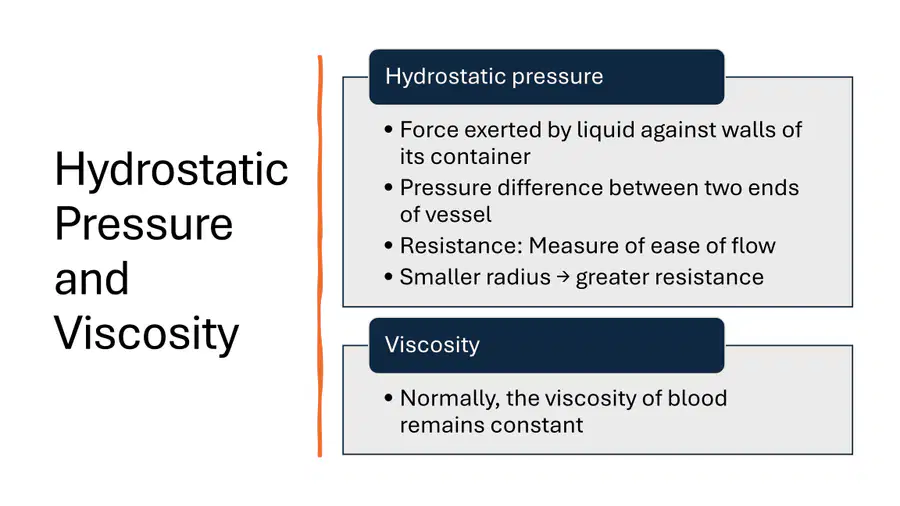
Which of the following statements about hydrostatic pressure and viscosity is correct?

1

Hydrostatic pressure is the force exerted by a liquid against the walls of its container.

2

Viscosity refers to the pressure difference between two ends of a vessel.

3

Smaller radius leads to less resistance in a vessel.

4

Normally, the viscosity of blood changes frequently.

6

media

7

media

8

Fill in the Blanks

Type answer...

9

media

10

Multiple Choice

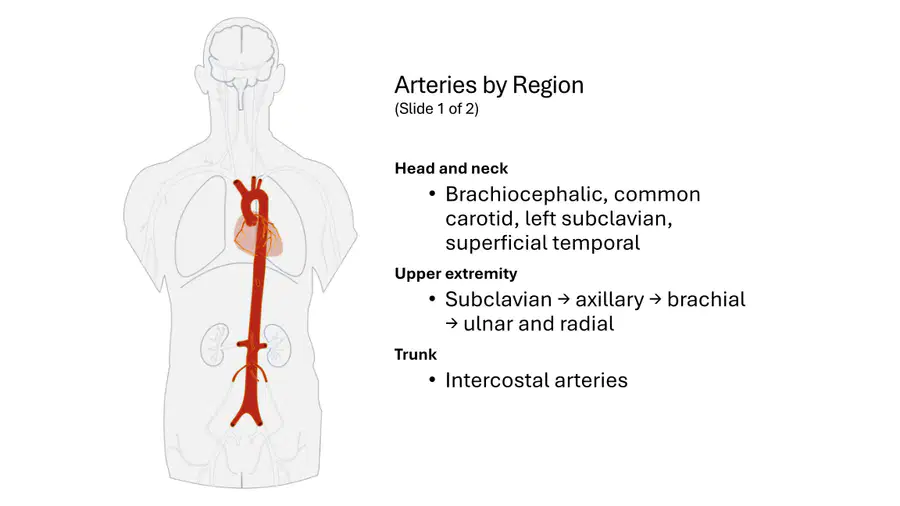
Which arteries supply the head and neck region?

1

Brachiocephalic, common carotid, left subclavian, superficial temporal

2

Subclavian, axillary, brachial, ulnar, radial

3

Intercostal arteries

4

Femoral, popliteal, tibial

11

media

12

Multiple Select

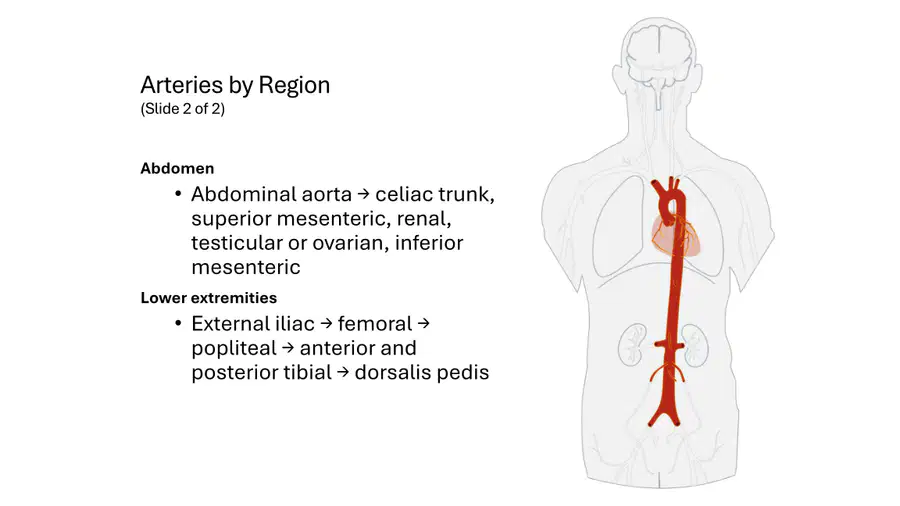
Select all arteries that are found in the lower extremities.

1

External iliac

2

Femoral

3

Popliteal

4

Subclavian

13

media

14

media

15

Multiple Choice

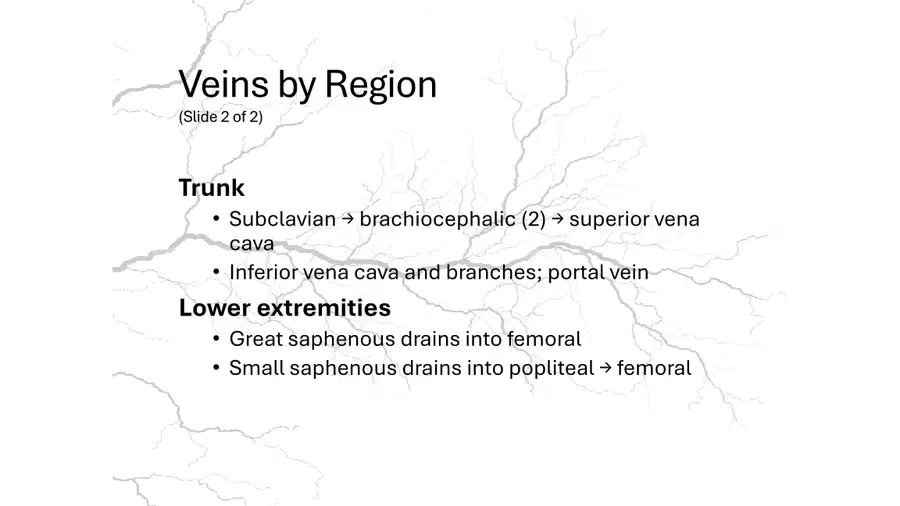
Which vein does the great saphenous vein drain into?

1

Femoral vein

2

Popliteal vein

3

Inferior vena cava

4

Portal vein

16

media

17

Open Ended

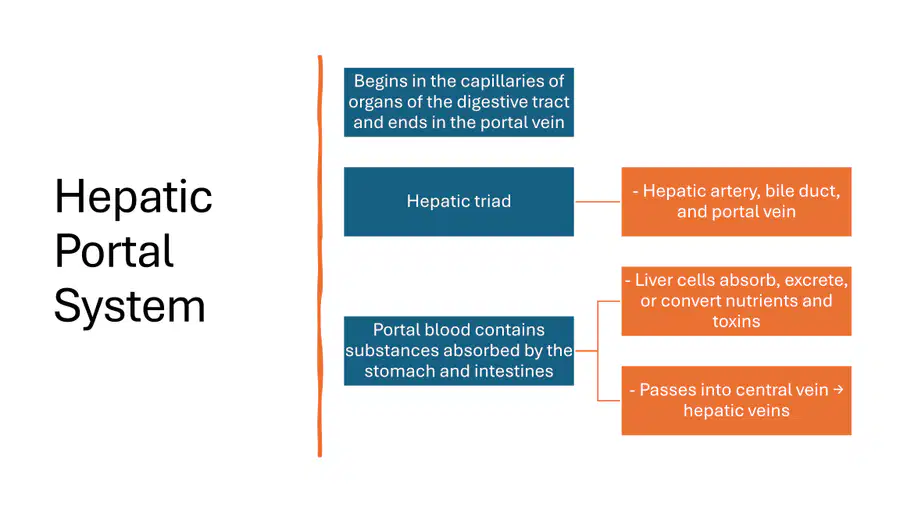
Explain the function of the hepatic portal system and why it is important for nutrient processing in the body.

18

media

19

Fill in the Blanks

Type answer...

20

media

21

media

22

media

23

media

24

media

25

Multiple Select

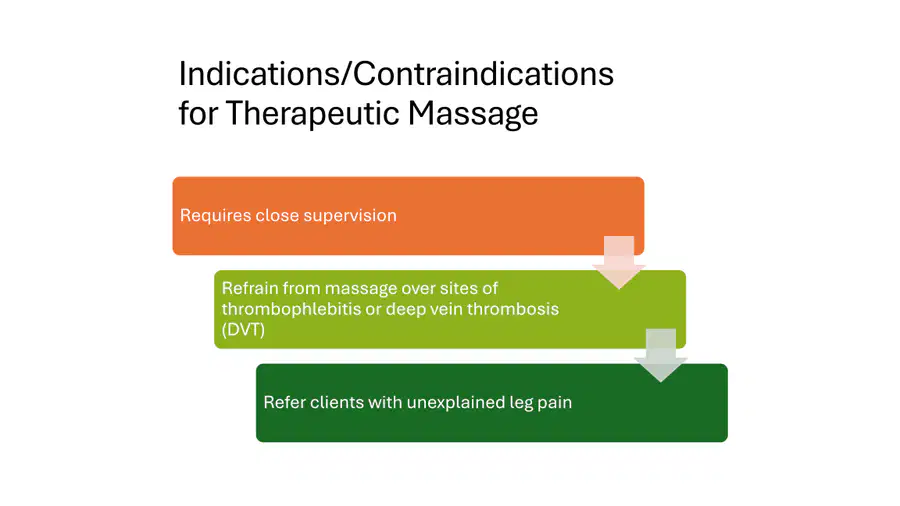
Which of the following are contraindications for therapeutic massage according to the slide?

1

Requires close supervision

2

Massage over sites of thrombophlebitis or DVT

3

Refer clients with unexplained leg pain

4

Massage over healthy tissue

26

media

27

media

28

Fill in the Blanks

Type answer...

29

Open Ended

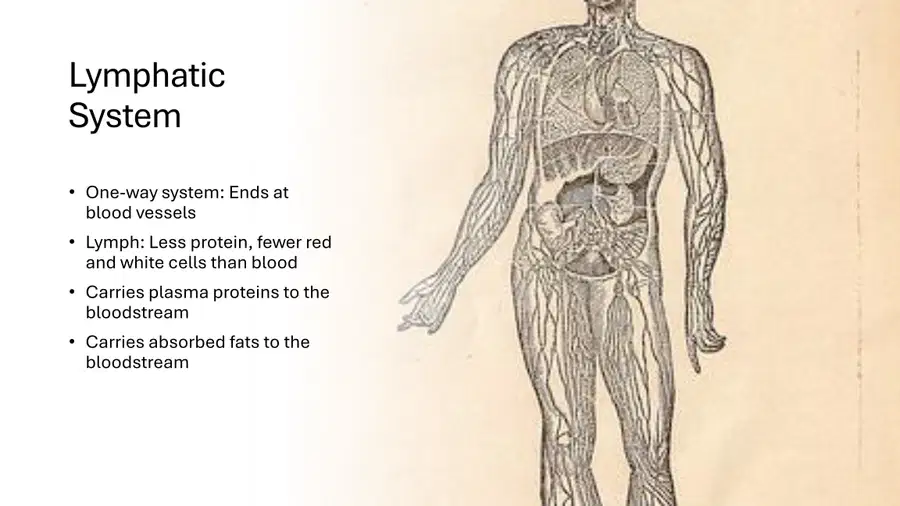
Explain how the lymphatic system differs from the blood circulatory system in terms of structure and function.

30

media

31

Open Ended

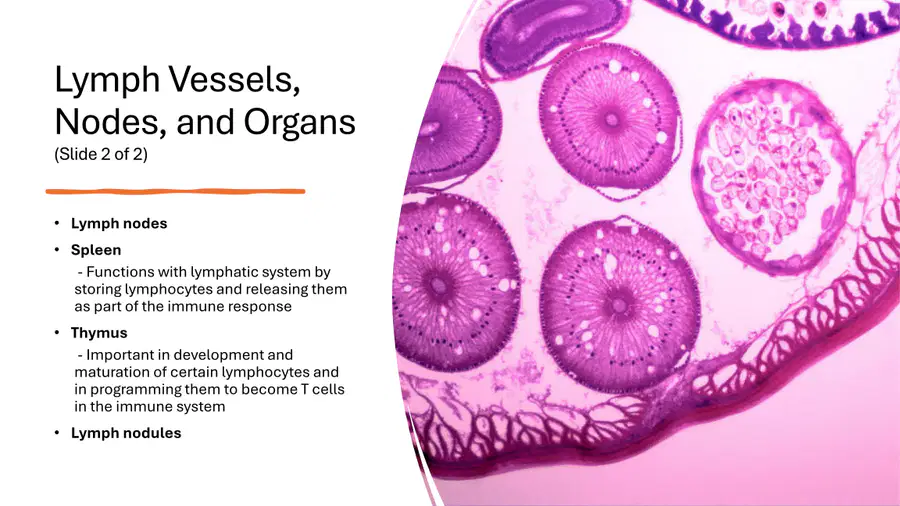
Describe the role of the thymus in the immune system and its importance in lymphocyte development.

32

Multiple Choice

Which organ is responsible for storing lymphocytes and releasing them as part of the immune response?

1

Thymus

2

Spleen

3

Liver

4

Kidney

33

media

34

Multiple Choice

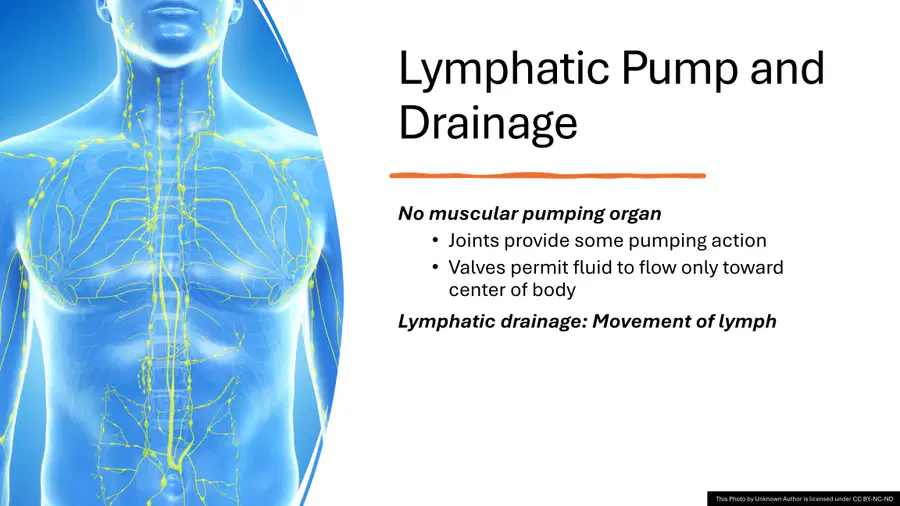
Which of the following statements about lymphatic drainage is correct?

1

The lymphatic system has a muscular pumping organ.

2

Joints provide some pumping action for lymph movement.

3

Valves allow fluid to flow in both directions in the lymphatic system.

4

Lymphatic drainage refers to the movement of blood.

35

media

36

media

37

media

38

Fill in the Blanks

Type answer...

39

Multiple Choice

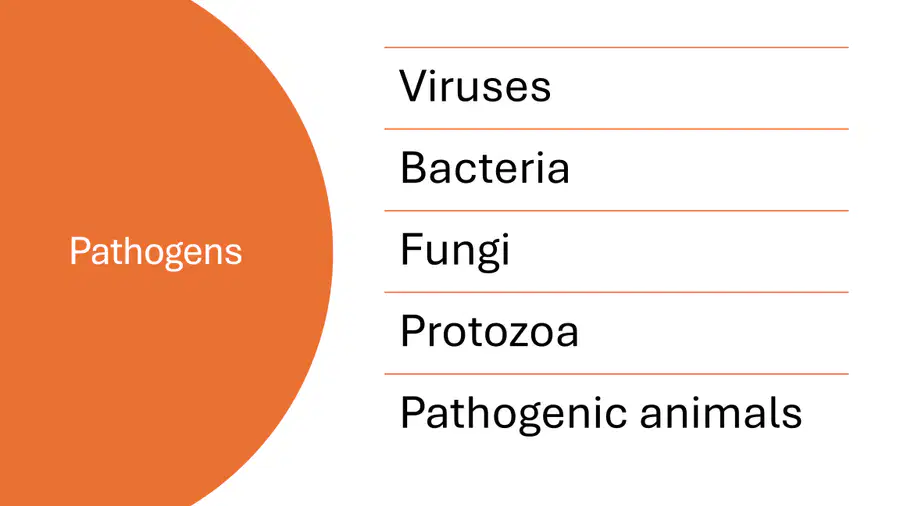
Which of the following are considered pathogens?

1

Viruses

2

Bacteria

3

Fungi

4

All of the above

40

media

41

Multiple Select

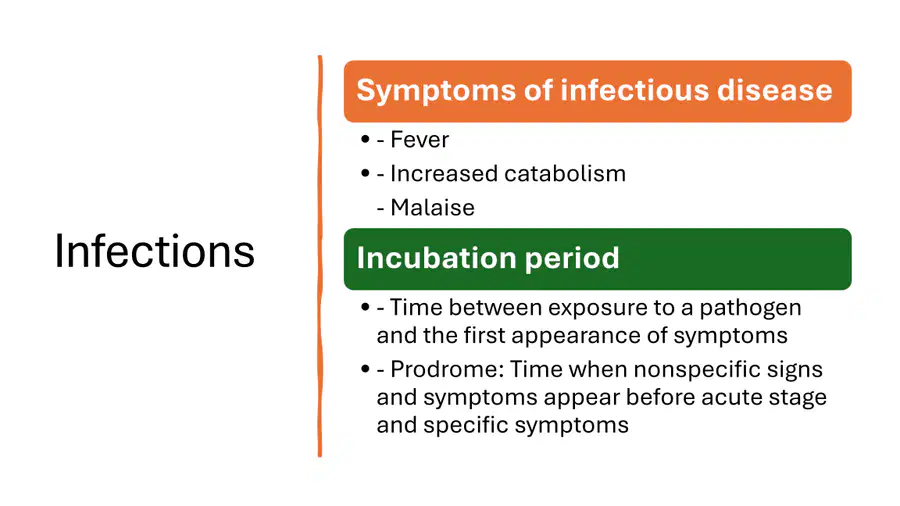
Select all symptoms that may indicate an infectious disease.

1

Fever

2

Increased catabolism

3

Malaise

4

Rash

42

media

43

media

44

media

45

Multiple Choice

Which of the following are types of lymphocytes involved in specific immunity?

1

Platelets, monocytes, and T cells

2

T cells, B cells, and natural killer cells

3

Basophils, eosinophils, and monocytes

4

Red blood cells, white blood cells, and platelets

46

media

47

media

48

media

49

Multiple Choice

HIV is a retrovirus that works by "reverse-writing" DNA, and AIDS is an autoimmune disease where the body attacks itself.

1

True

2

False

50

media

51

media
media

Show answer

Auto Play

Slide 1 / 51

SLIDE