Untitled Lesson
Presentation
•
Biology
•
9th - 12th Grade
•
Hard

Lawrence Shearer
FREE Resource
47 Slides • 27 Questions
1
2
3
Open Ended
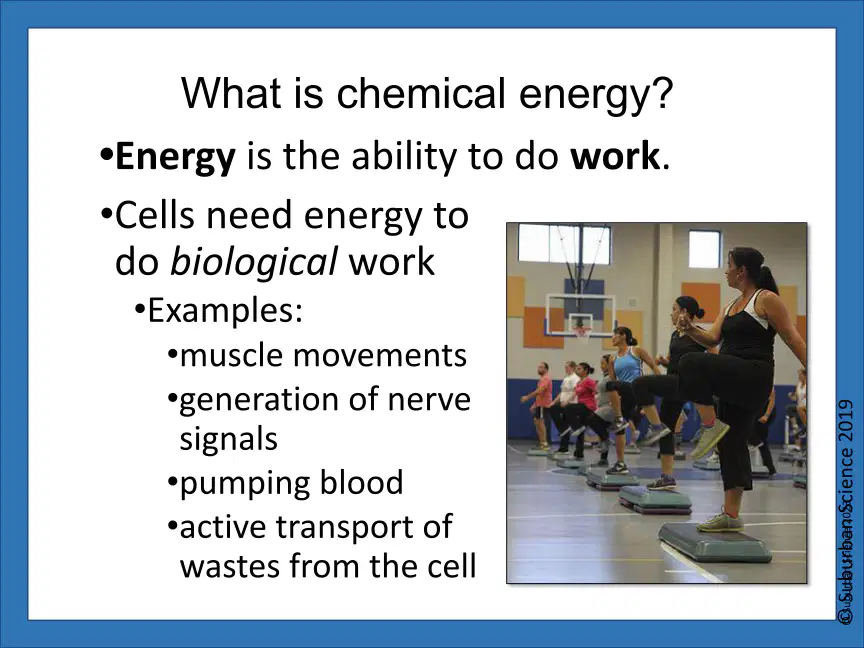
Why is energy important for cells to perform biological work?
4
5
Multiple Choice
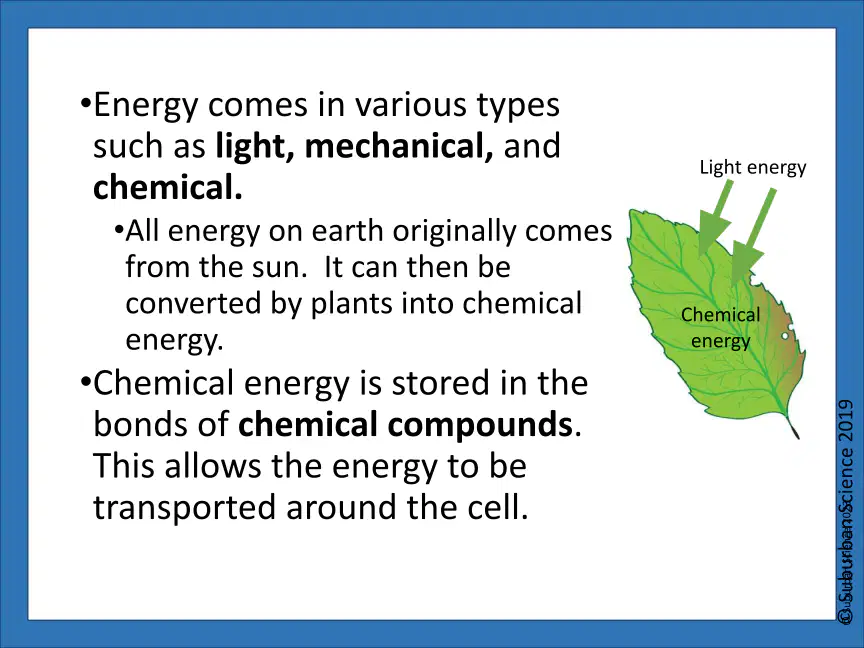
Which of the following is NOT a type of energy mentioned in the lesson?
Light energy
Mechanical energy
Chemical energy
Thermal energy
6
7
Fill in the Blanks
Type answer...
8
Open Ended
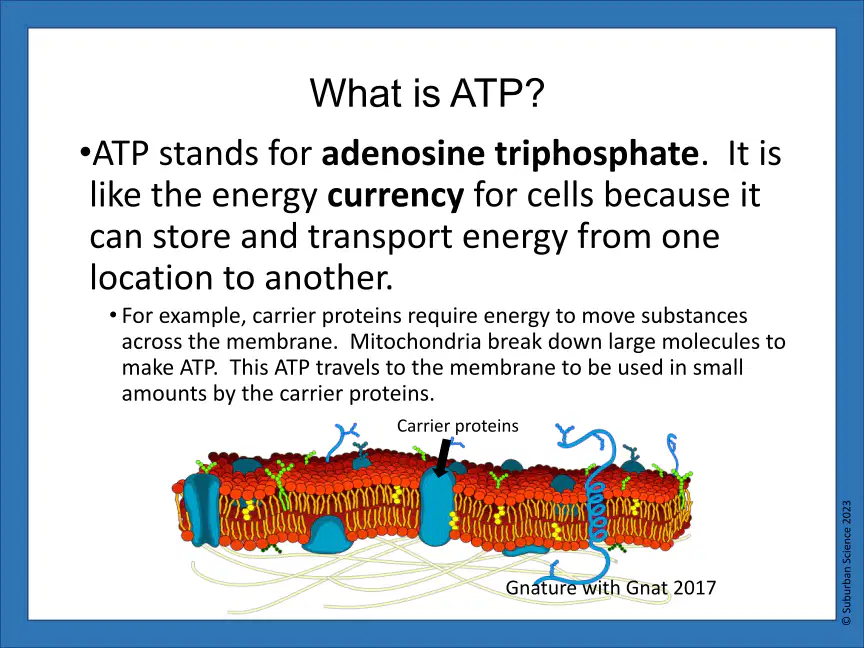
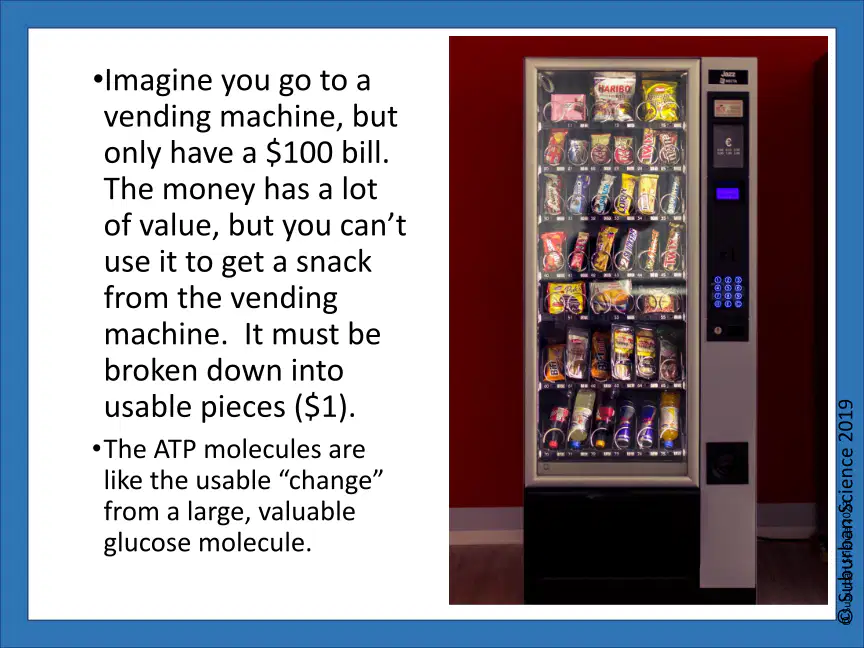
Explain why ATP is often referred to as the 'energy currency' of the cell. Use examples from the lesson to support your answer.
9
10
11
Multiple Select
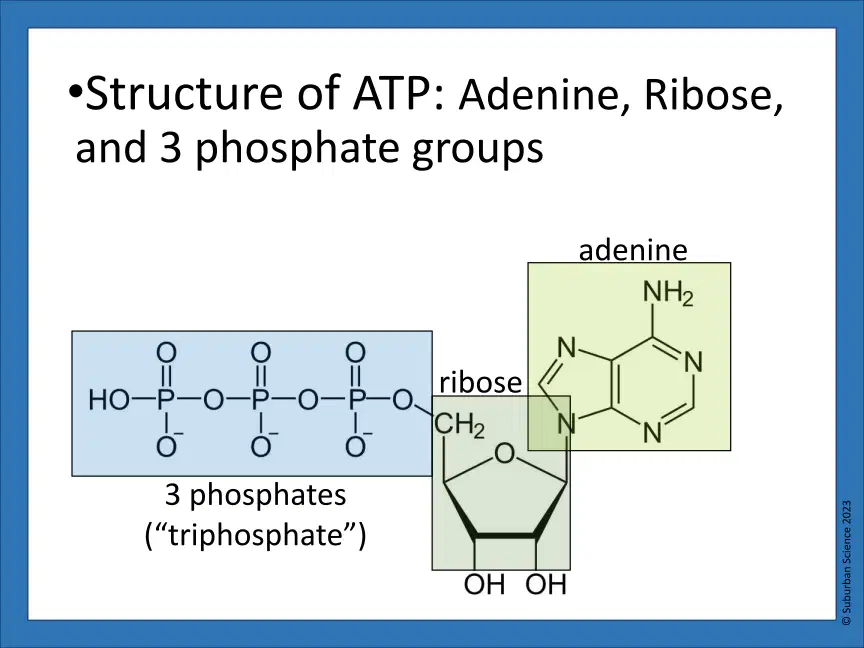
Which of the following are components of an ATP molecule?
Adenine
Ribose
Three phosphate groups
Glucose
12
13
Multiple Choice
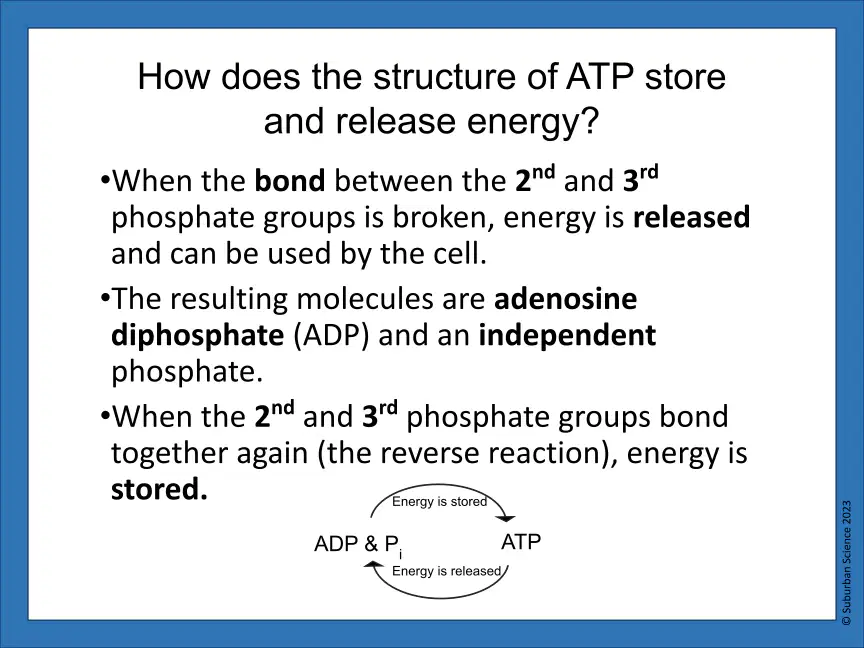
What happens when the bond between the 2nd and 3rd phosphate groups in ATP is broken?
Energy is stored
Energy is released
ATP is formed
Glucose is produced
14
15
Multiple Select
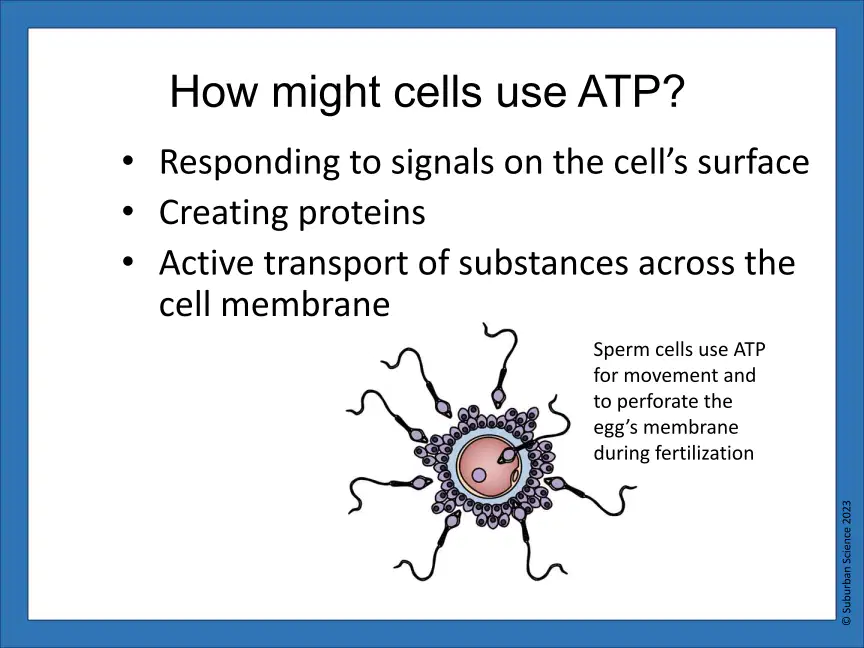
Cells use ATP for which of the following processes?
Responding to signals on the cell’s surface
Creating proteins
Active transport of substances across the cell membrane
Photosynthesis
16
17
Multiple Choice
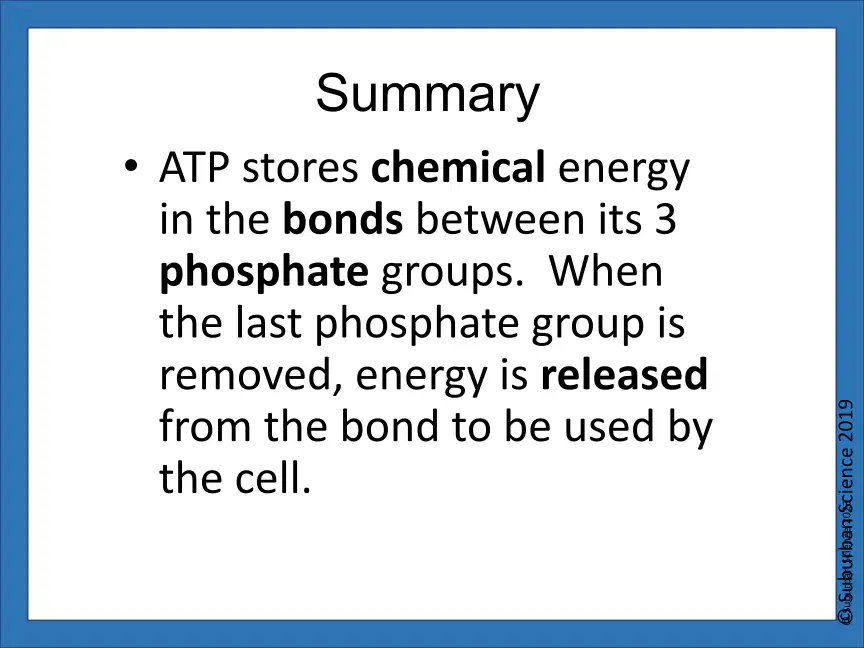
What happens when the last phosphate group is removed from ATP?
Energy is released for the cell to use
ATP is destroyed
ATP becomes a protein
No change occurs
18
19
Open Ended
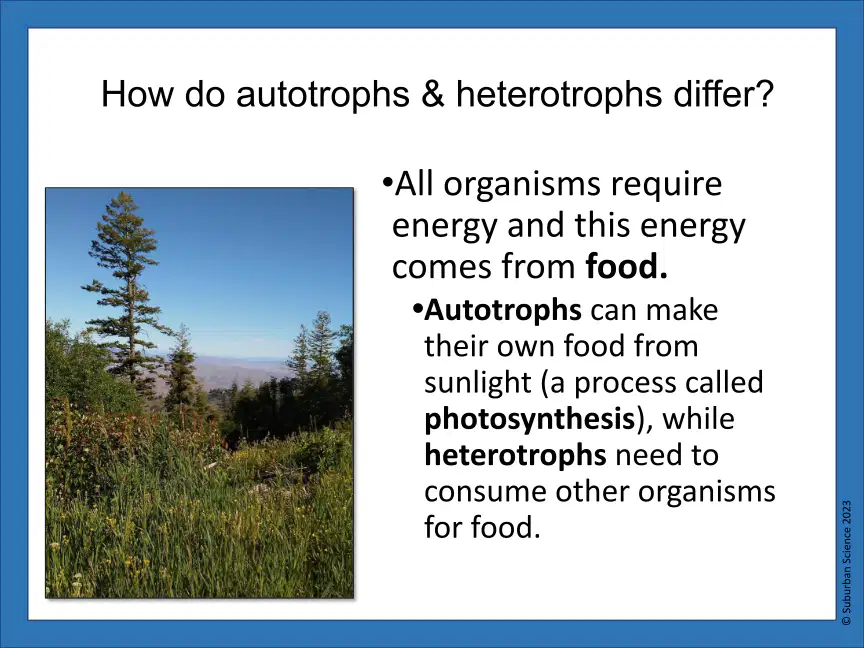
Explain how autotrophs and heterotrophs obtain their energy differently.
20
21
Multiple Select
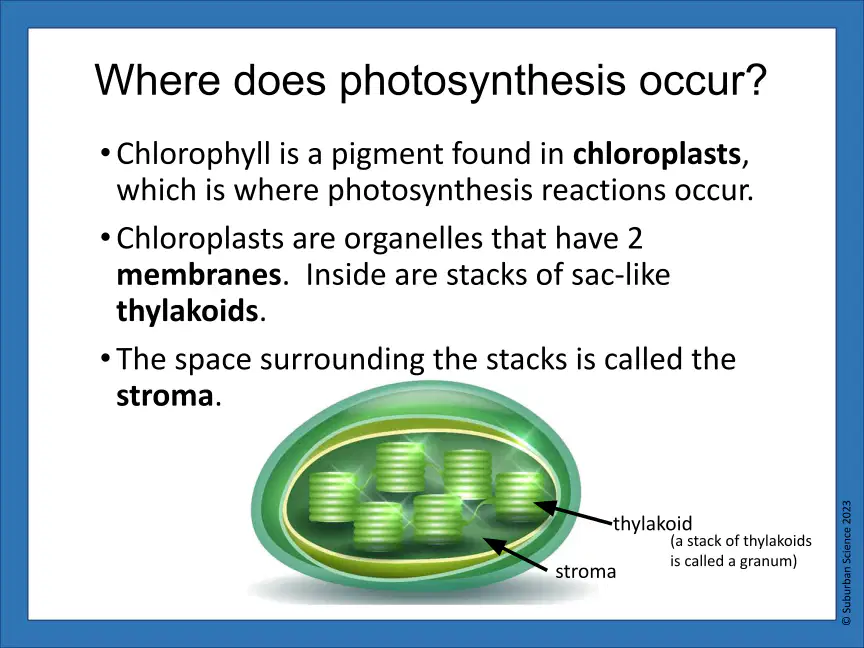
Which of the following are true about chloroplasts?
They contain chlorophyll
They have two membranes
They are found in animal cells
They contain stacks of thylakoids
22
23
Fill in the Blanks
Type answer...
24
25
Multiple Choice
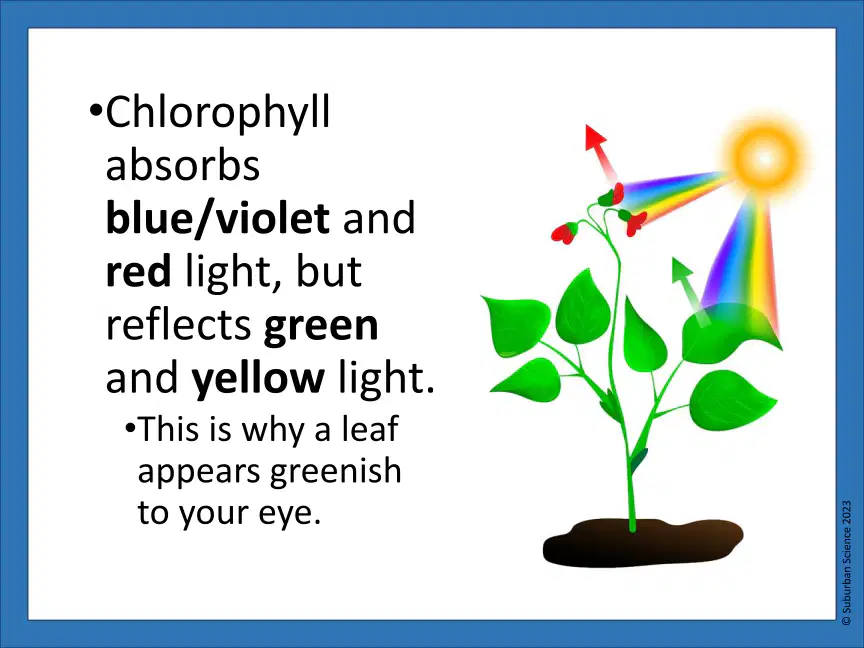
Why do leaves appear green to our eyes?
Chlorophyll reflects green light
Chlorophyll absorbs green light
Leaves contain green pigments only
Green light is absorbed by the soil
26
27
Open Ended
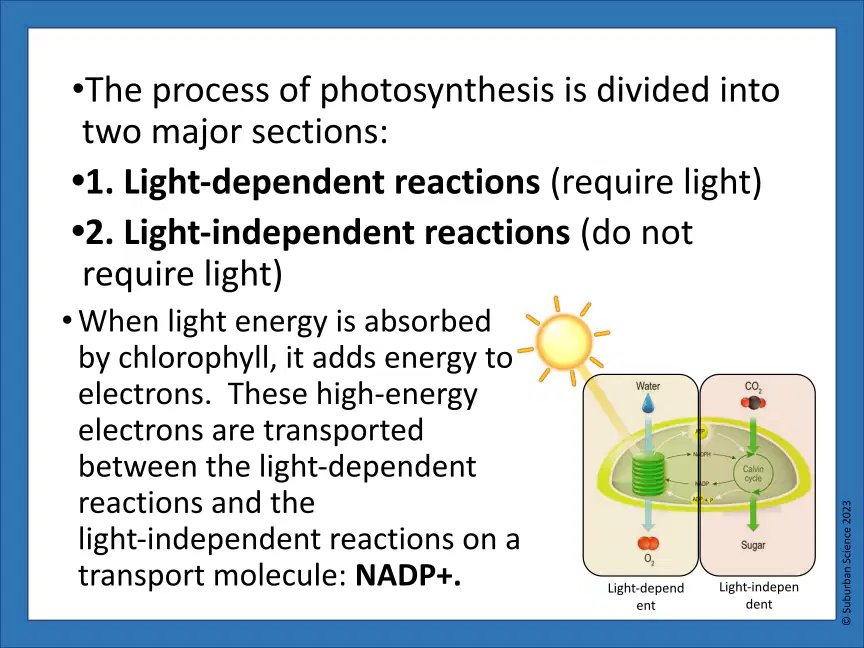
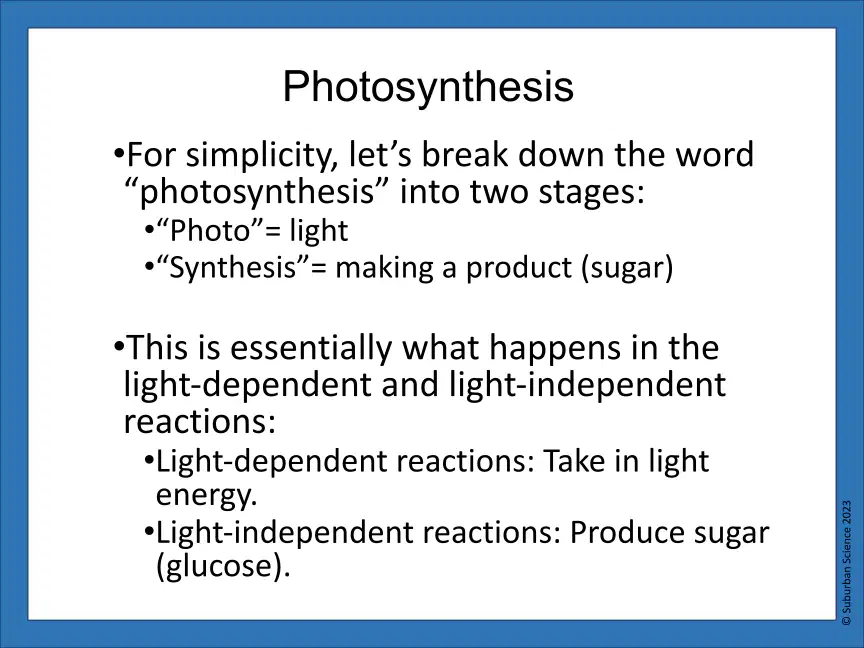
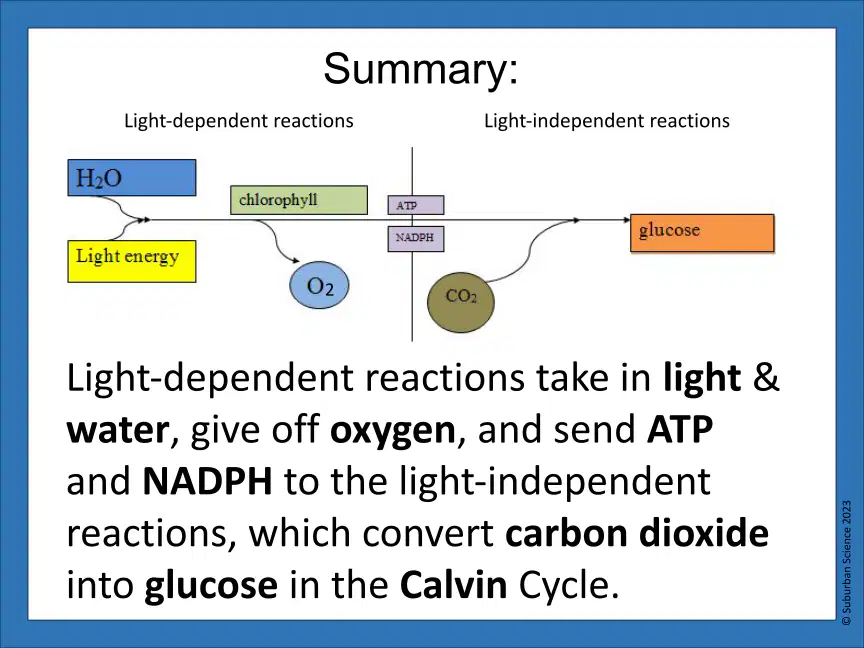
Describe the difference between light-dependent and light-independent reactions in photosynthesis.
28
29
Multiple Choice
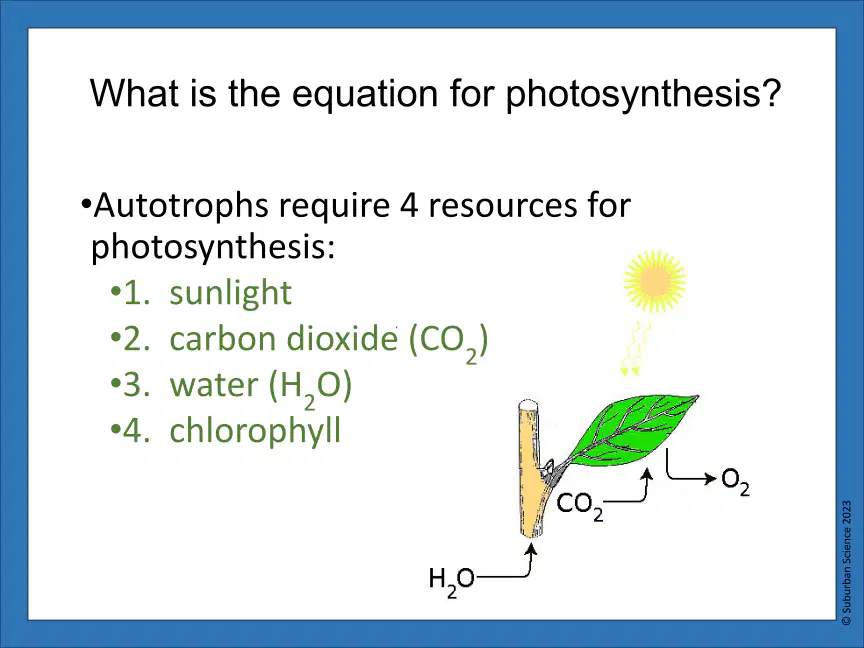
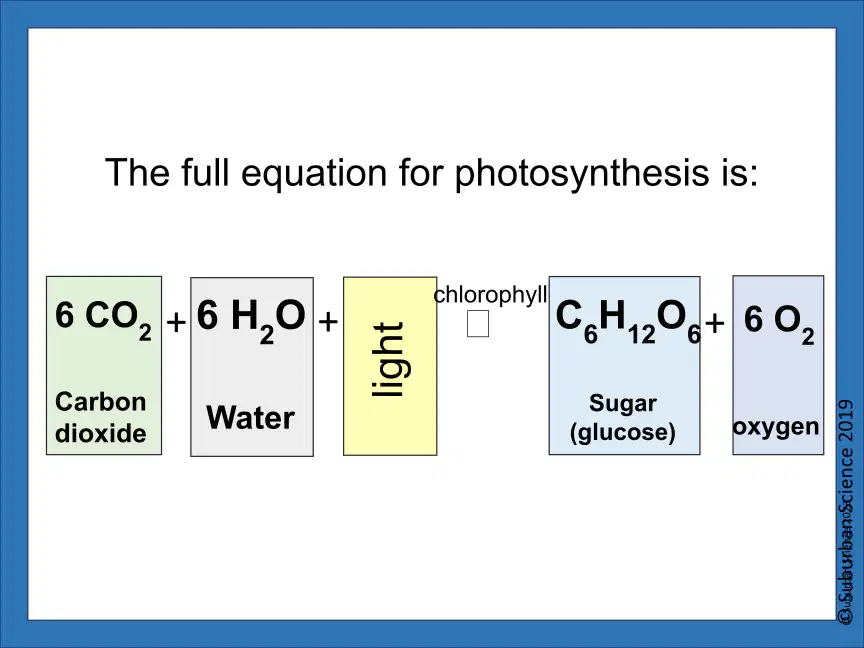
Which of the following are required resources for photosynthesis?
Sunlight, carbon dioxide, water, chlorophyll
Oxygen, glucose, sunlight, nitrogen
Water, oxygen, ATP, glucose
Chlorophyll, nitrogen, glucose, carbon dioxide
30
31
Fill in the Blanks
Type answer...
32
33
34
Open Ended
Explain the difference between light-dependent and light-independent reactions in photosynthesis.
35
36
Open Ended
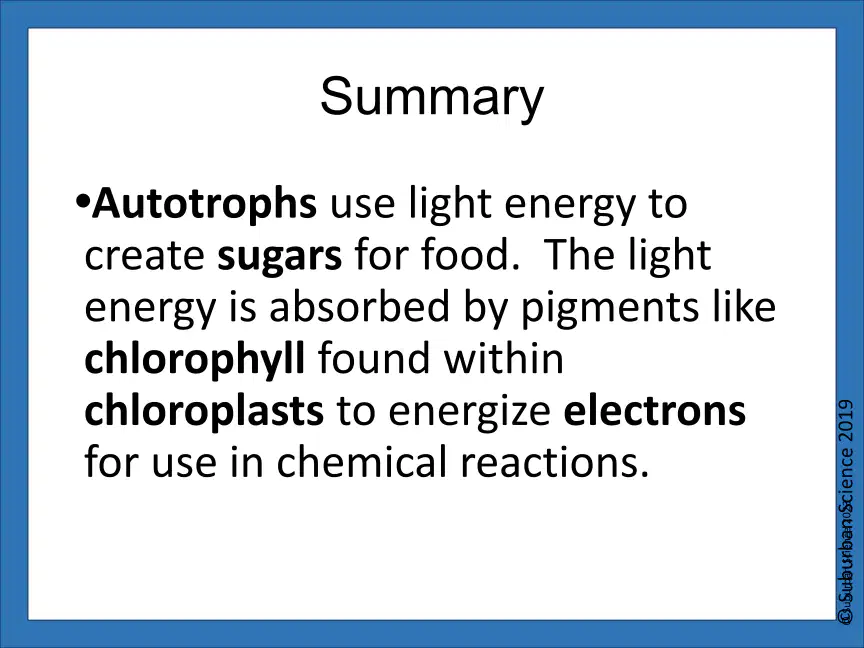
Describe the role of chlorophyll in the process of photosynthesis.
37
Multiple Choice
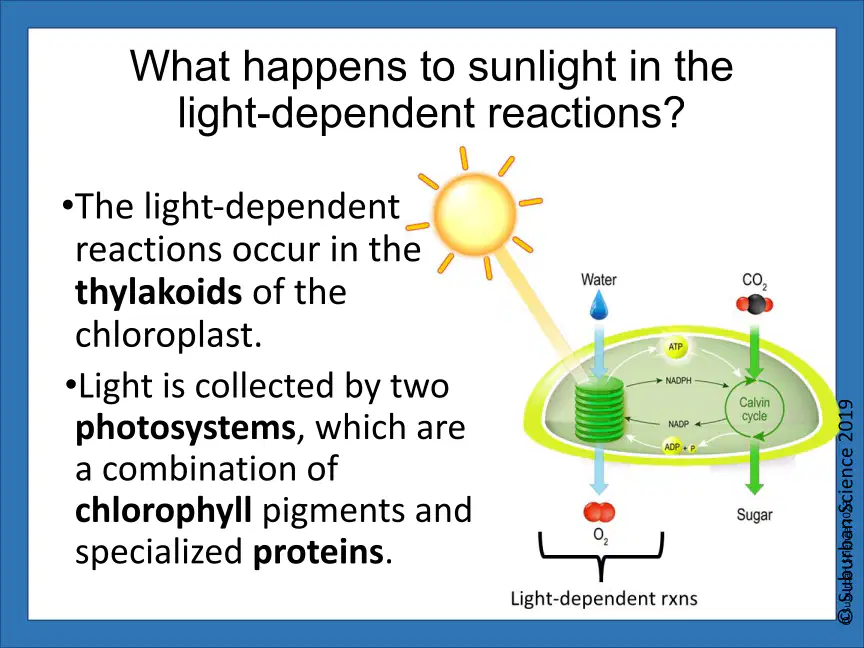
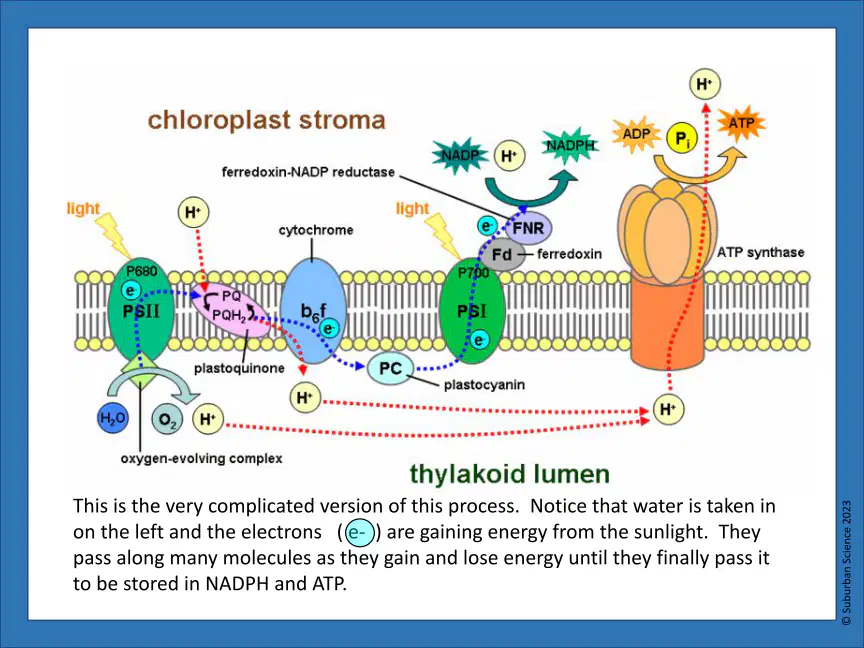
Where do the light-dependent reactions of photosynthesis occur, and what is their main function?
In the thylakoids; to collect light and produce ATP and NADPH
In the stroma; to produce glucose
In the mitochondria; to generate ATP
In the cytoplasm; to break down glucose
38
39
Fill in the Blanks
Type answer...
40
41
Multiple Choice
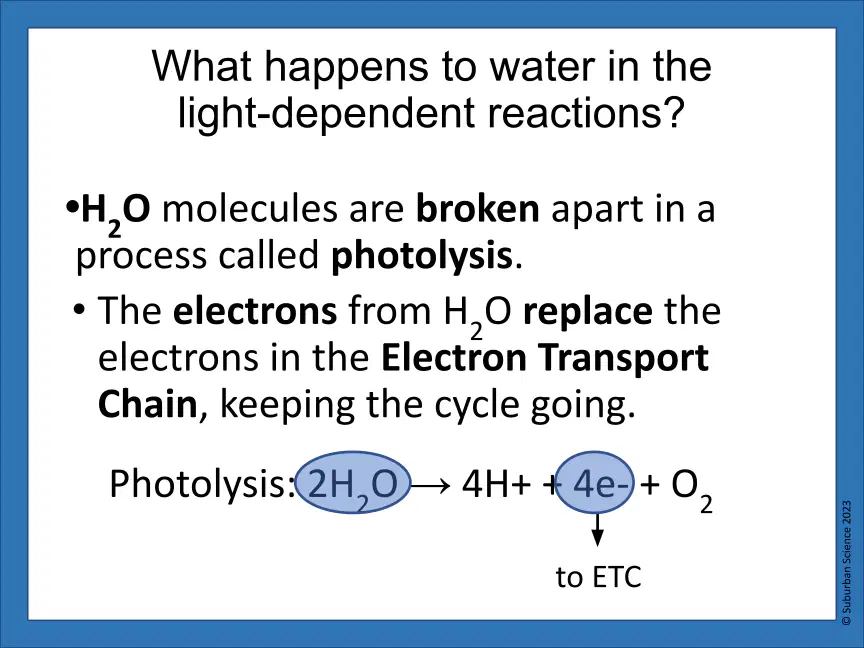
What is the main purpose of photolysis in the light-dependent reactions of photosynthesis?
To break down water and provide electrons for the electron transport chain
To produce glucose directly
To absorb sunlight and convert it to ATP
To release carbon dioxide from the plant
42
43
Fill in the Blanks
Type answer...
44
45
Multiple Select
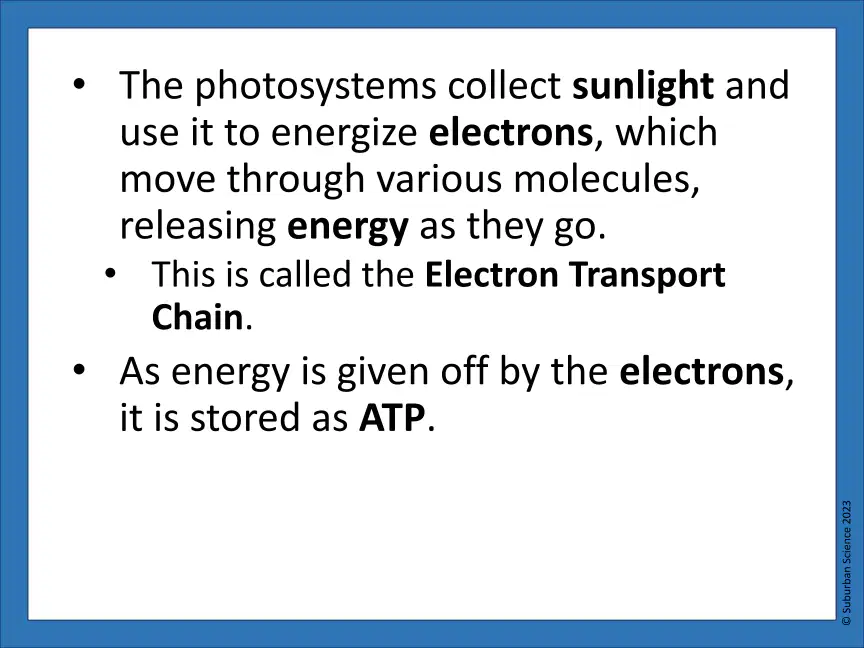
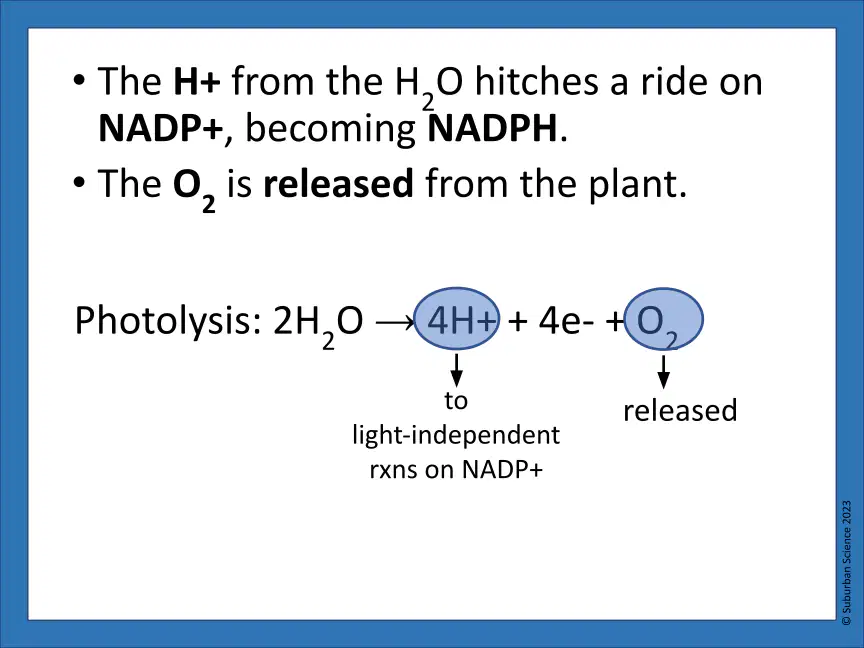
Which of the following are products of the light-dependent reactions of photosynthesis?
ATP
NADPH
Glucose
Oxygen
46
47
Open Ended
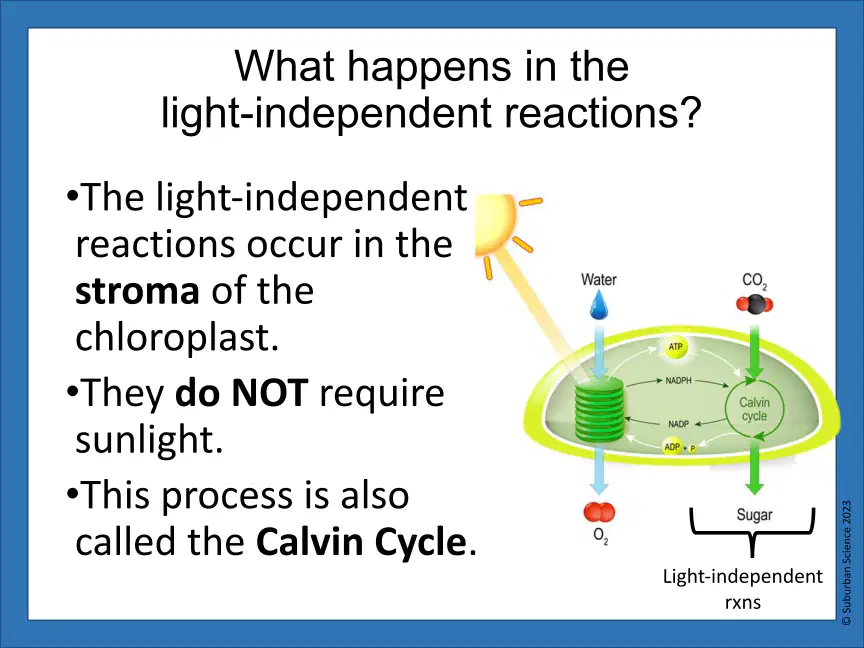
Explain why the light-independent reactions do not require sunlight and describe where they occur within the chloroplast.
48
49
Multiple Choice
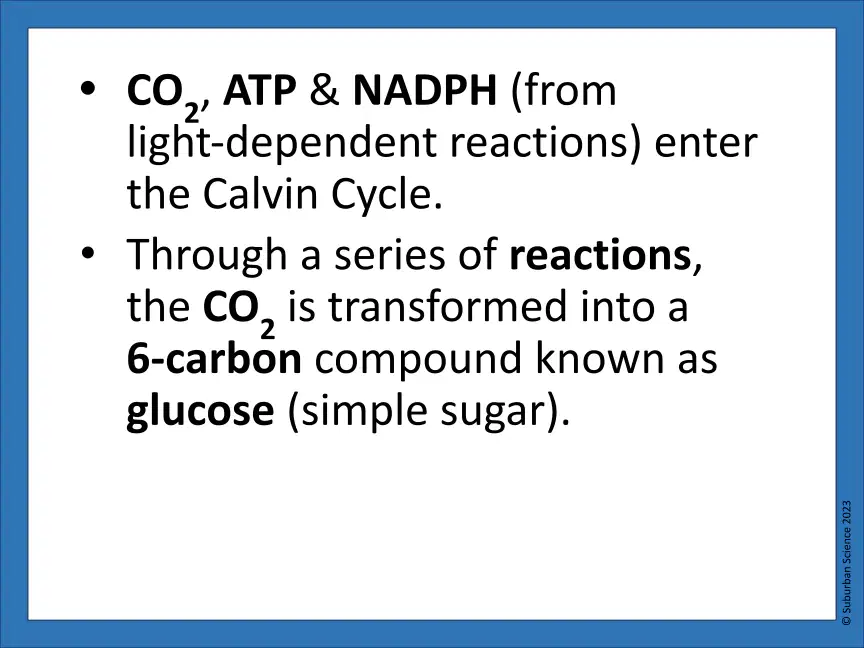
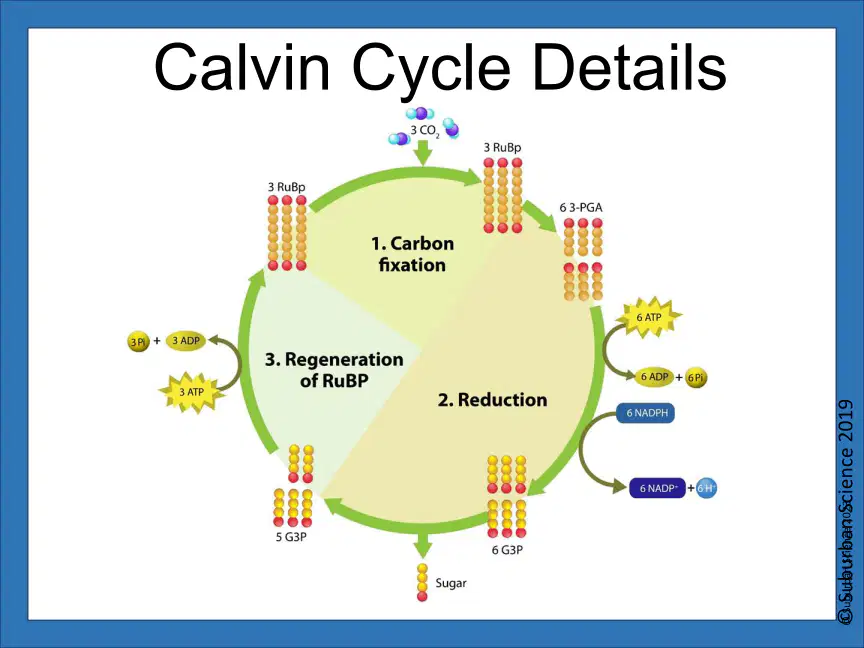
Which molecules enter the Calvin Cycle to help produce glucose?
CO2, ATP, and NADPH
O2, ATP, and NADPH
CO2, ADP, and NADP+
Glucose, ATP, and NADPH
50
51
Fill in the Blanks
Type answer...
52
53
54
55
56
57
58
59
60
61
62
63
64
65
66
67
68
69
70
71
72
73
Multiple Choice
Which of the following is NOT an example of biological work that requires energy in cells?
Muscle movements
Generation of nerve signals
Pumping blood
Passive diffusion of oxygen into the cell
74
Open Ended
Summarize one way in which cells use energy for biological work, and explain why this is important for living organisms.
Show answer
Auto Play
Slide 1 / 74
SLIDE

Similar Resources on Wayground
72 questions
Natural Selection and Artificial Selection
Presentation
•
9th - 12th Grade
69 questions
Waves
Presentation
•
8th - 11th Grade
70 questions
Biomolecules and Nutrition
Presentation
•
9th - 12th Grade
72 questions
Natural Selection, Artificial Selection, Speciation, Ecology
Presentation
•
9th - 12th Grade
66 questions
Biomes: Terrestrial
Presentation
•
9th - 12th Grade
67 questions
The Nitrogen Cycle and the Phosphorus Cycle
Presentation
•
9th - 12th Grade
70 questions
Avancemos 1 U3L2 Lesson
Presentation
•
10th - 12th Grade
65 questions
Digestive System
Presentation
•
10th - 12th Grade
Popular Resources on Wayground
15 questions
Grade 3 Simulation Assessment 1
Quiz
•
3rd Grade
22 questions
HCS Grade 4 Simulation Assessment_1 2526sy
Quiz
•
4th Grade
16 questions
Grade 3 Simulation Assessment 2
Quiz
•
3rd Grade
19 questions
HCS Grade 5 Simulation Assessment_1 2526sy
Quiz
•
5th Grade
17 questions
HCS Grade 4 Simulation Assessment_2 2526sy
Quiz
•
4th Grade
20 questions
Equivalent Fractions
Quiz
•
3rd Grade
24 questions
HCS Grade 5 Simulation Assessment_2 2526sy
Quiz
•
5th Grade
20 questions
Math Review
Quiz
•
3rd Grade
Discover more resources for Biology
35 questions
Biology EOC Review
Quiz
•
9th Grade
16 questions
AP Biology: Unit 1 Review (CED)
Quiz
•
9th - 12th Grade
50 questions
Biology EOC Review
Quiz
•
9th Grade
20 questions
Cladogram Practice
Quiz
•
10th Grade
20 questions
AP Biology: Unit 3 Review (CED)
Quiz
•
9th - 12th Grade
21 questions
AP Biology: Unit 6 Review (CED)
Quiz
•
9th - 12th Grade
14 questions
AP Biology: Unit 4 Review (CED)
Quiz
•
9th - 12th Grade
15 questions
Biology EOC Review P2
Quiz
•
10th Grade