Search Header Logo
  1. Resource Library
  2. Science
  3. Earth & Space Science
  4. Weather Fronts
  5. Air Masses And Weather Fronts
Air Masses and Weather Fronts

Air Masses and Weather Fronts

Assessment

Presentation

•

Science

•

9th - 12th Grade

•

Medium

•
NGSS
MS-ESS2-5, MS-ESS2-6, MS-PS1-4

+4

Standards-aligned

Created by

Amanda Burns

Used 13+ times

FREE Resource

18 Slides • 21 Questions

1
media

2

media

3

Multiple Choice

Which of the following best describes the difference between weather and climate?

1

Weather refers to short-term atmospheric events, while climate refers to long-term average weather patterns.

2

Weather is the same as climate and both refer to daily conditions.

3

Climate refers to short-term changes, while weather refers to long-term averages.

4

Weather and climate are unrelated concepts.

4

media

5

Multiple Choice

What happens when two different air masses with different temperatures, humidity, and density meet just above the Earth's surface?

1

A weather front forms

2

A tornado forms

3

A hurricane forms

4

The air masses mix evenly

6

media

7

Multiple Select

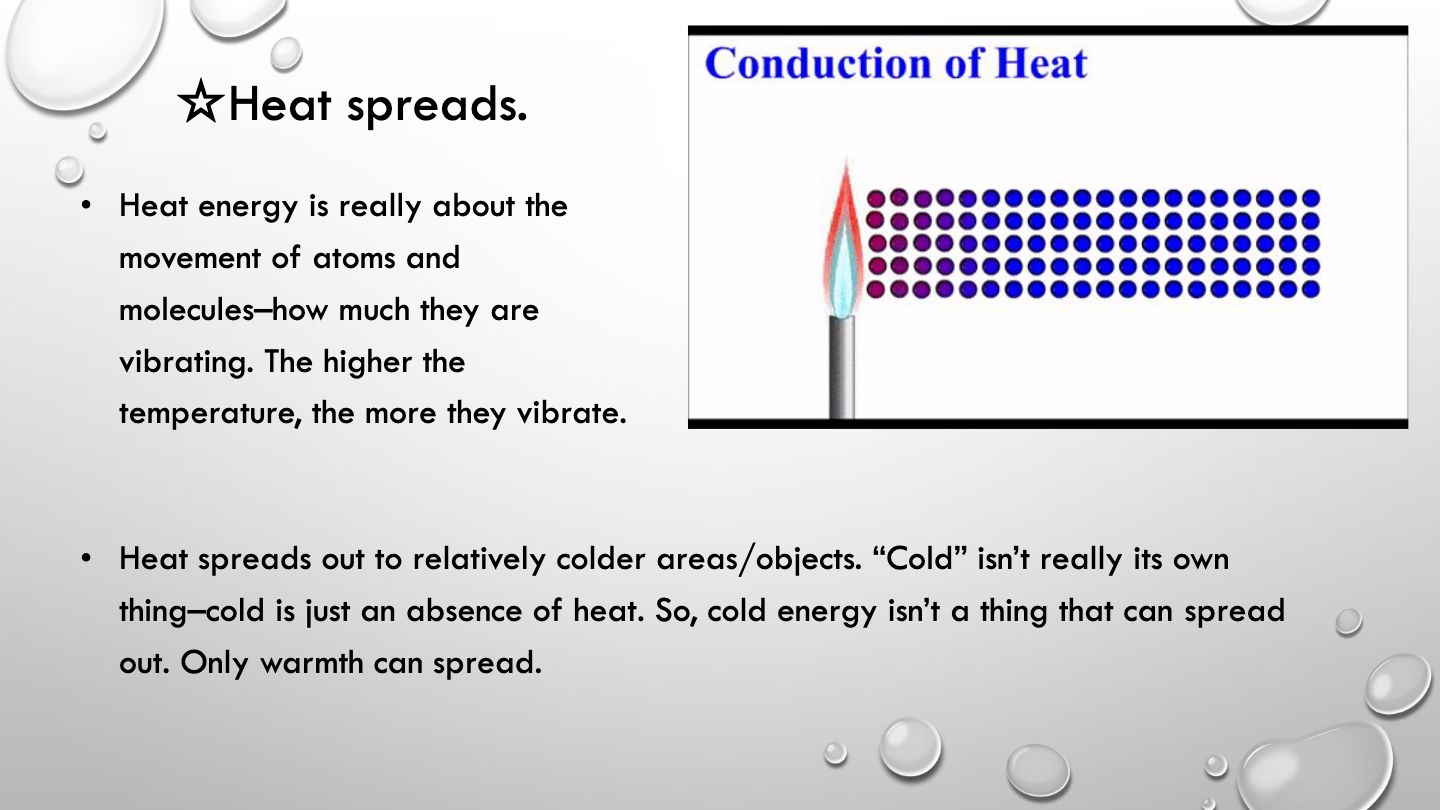
Which of the following are methods of heat transfer? Select all that apply.

1

Radiation

2

Conduction

3

Convection

4

Evaporation

5

Condensation

8

Dropdown

Question image
Boiling Water cycling inside a pot is an example of

9

Dropdown

Question image
One of your friends added chocolate chips to some popcorn. When the chocolate chips touched the hot popcorn, they melted because of
.

10
media

11

Fill in the Blank

Heat spreads from areas of higher temperature to areas of lower ___ .

12

media

13

media

14

Multiple Choice

Question image

Which property of the air is MOST DIRECTLY responsible for the formation of convection currents?

1

chemical composition

2

cohesion and adhesion of water vapor

3

density differences

4

specific heat

5

wind

15

Multiple Choice

Why do areas near the equator receive more direct solar radiation than areas near the poles?

1

Because the sun's rays hit the equator at a more direct angle

2

Because the equator is closer to the sun

3

Because the poles have more clouds

4

Because the earth spins faster at the equator

16

media

17

media

18

Multiple Choice

What causes wind to be created?

1

Air from adjacent areas flows in to fill the space left by rising warm air

2

The earth's rotation only

3

The sun's gravity

4

Mountains blocking air movement

19

Multiple Choice

What happens to wind speed when the difference in air pressure increases?

1

The wind blows faster

2

The wind stops blowing

3

The wind blows slower

4

The wind changes direction

20

media

21

media

22

media

23

Multiple Choice

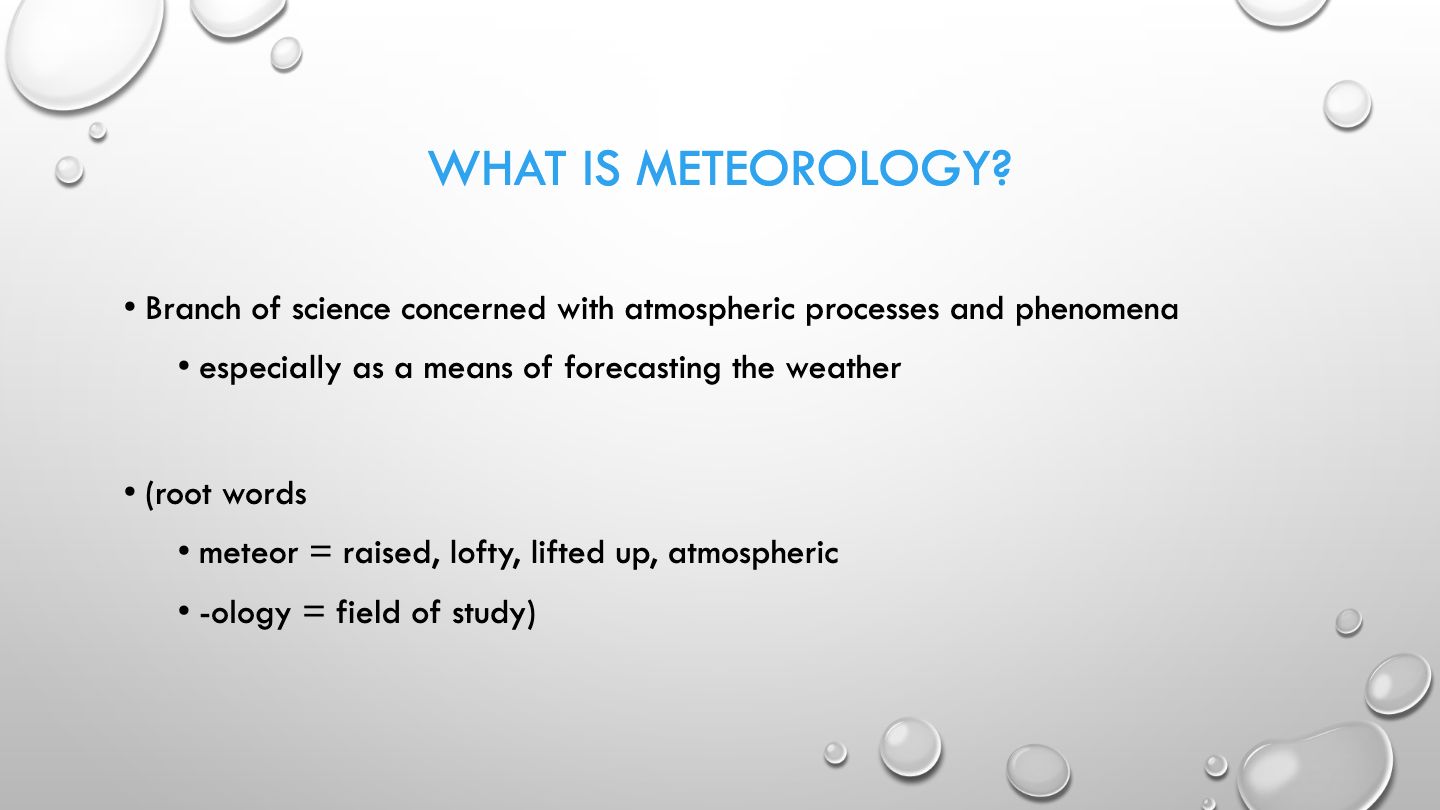
Which of the following statements about warm fronts is correct?

1

Warm fronts move slower than cold fronts.

2

Warm fronts bring heavy storms and rain.

3

Warm fronts are symbolized by blue triangles.

4

Warm fronts occur when cold air replaces warm air.

24

media

25

media

26

media

27

Multiple Select

Select ALL the correct characteristics of a stationary front.

1

Can occur when a warm or cold front stops moving

2

Tends to produce cloudy skies and precipitation

3

Moves rapidly across regions

4

Winds blowing parallel encourage the front to stay in place

28

Multiple Choice

An ____________ front occurs when a warm front is overtaken from behind by a cold front.

1

cold

2

warm

3

stationary

4

occluded

29

Multiple Choice

A occluded front is represented by ______________.

1

triangles only

2

half circles only

3

triangles and half circles pointing in the opposite direction

4

triangles and half circles pointing in the same direction

30

Multiple Choice

During an occluded front, the warm air ______________.

1

moves up

2

moves down

31

media

32

media

33

Multiple Choice

What is the main difference between weather and climate?

1

Weather refers to short term events and conditions, while climate refers to the long term average weather of a region.

2

Weather is always colder than climate.

3

Climate changes daily, but weather stays the same.

4

Weather only happens in the summer.

34

Fill in the Blank

Warm air ___, cold air sinks.

35

media

36

Multiple Select

Select all statements that are true about cold fronts and warm fronts.

1

Cold fronts move faster than warm fronts.

2

Warm fronts tend to bring prolonged, light precipitation.

3

Cold fronts tend to bring heavy, brief precipitation.

4

Warm fronts move faster than cold fronts.

37

Multiple Choice

Which type of front is typically associated with heavy, brief precipitation?

1

Cold front

2

Warm front

3

Stationary front

4

Occluded front

38

Match

Question image

Match the following front to its description

Warm Front

Cold Front

Stationary Front

Occluded Front

When warm, less dense air replaces cold, more dense air.

When cold, more dense air replaces warm, less dense air.

When neither cold or warm air are strong enough to replace the other

When two cold air masses converge on a warm air mass forcing it to quickly rise.

39

Match

Match the following

Low Pressure

High Pressure

Cold Front

Warm Front

Stationary Front

media

Show answer

Auto Play

Slide 1 / 39

SLIDE