Earth's Seasons
Presentation
•
Science
•
8th Grade
•
Practice Problem
•
Easy
Standards-aligned
Emma Figueroa
Used 2+ times
FREE Resource
24 Slides • 13 Questions
1
2
3
4
5
6
Open Ended
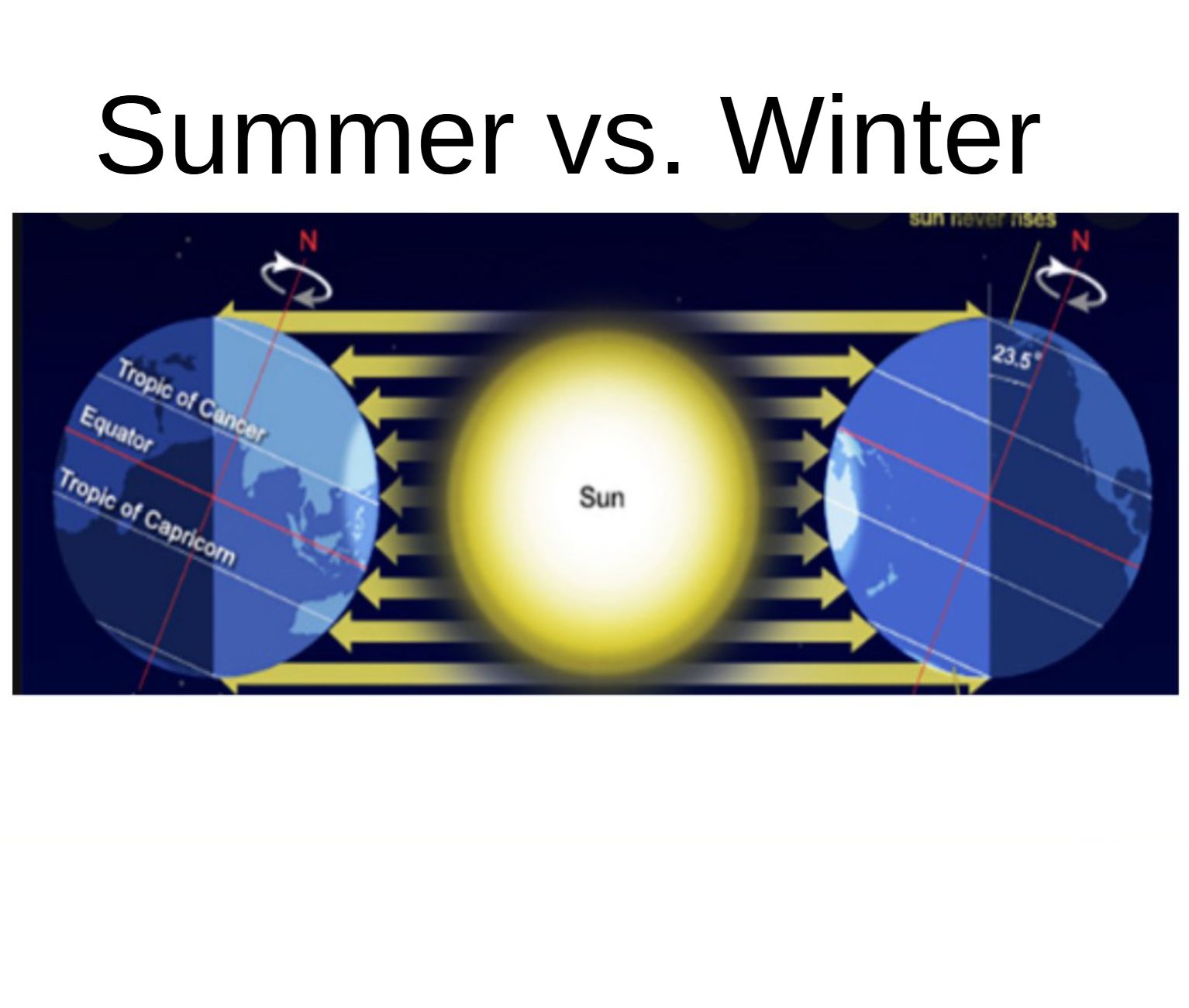
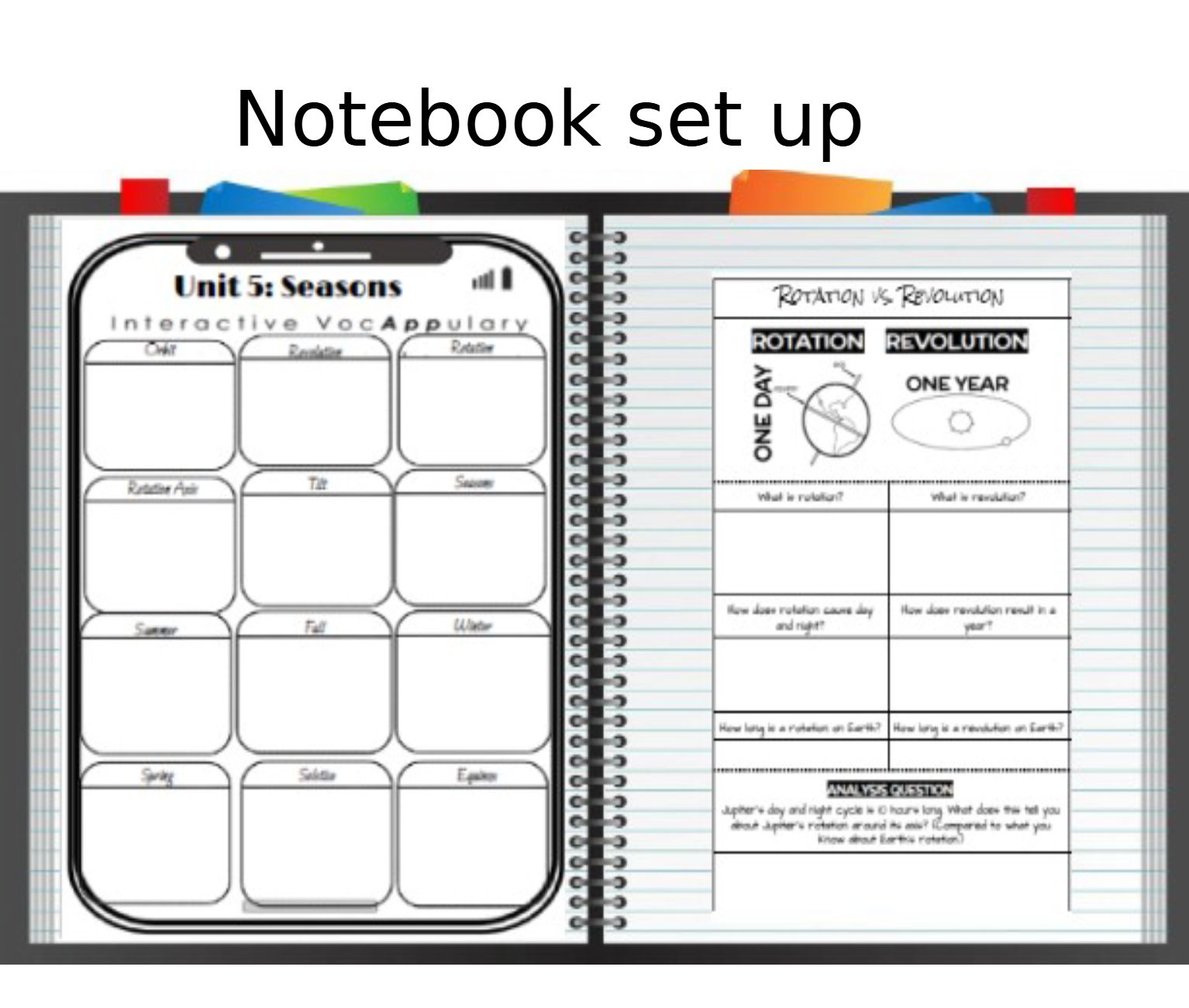
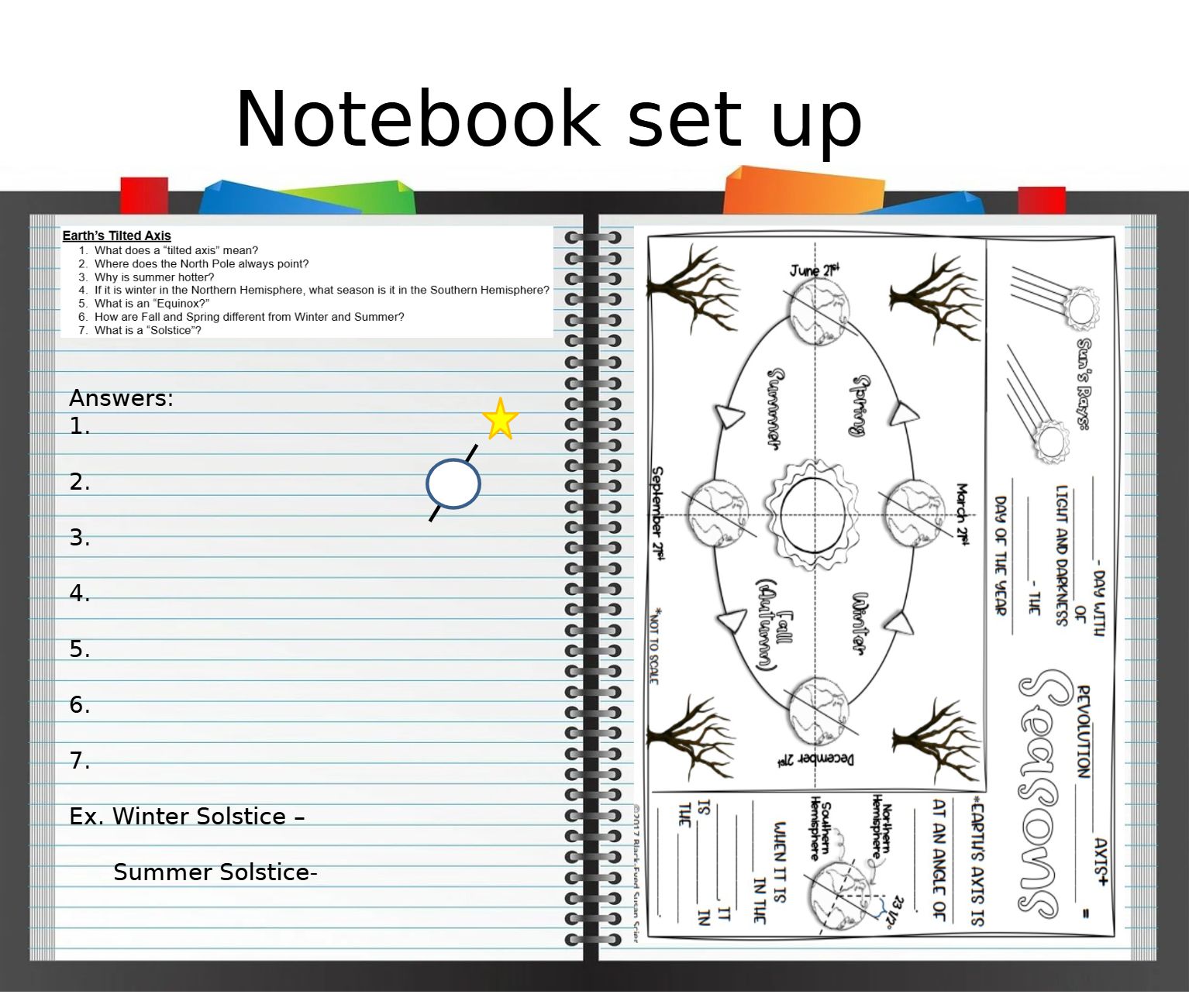
Explain how Earth's tilted axis affects the seasons experienced in different hemispheres.
7
8
9
10
11
12
13
14
Multiple Choice
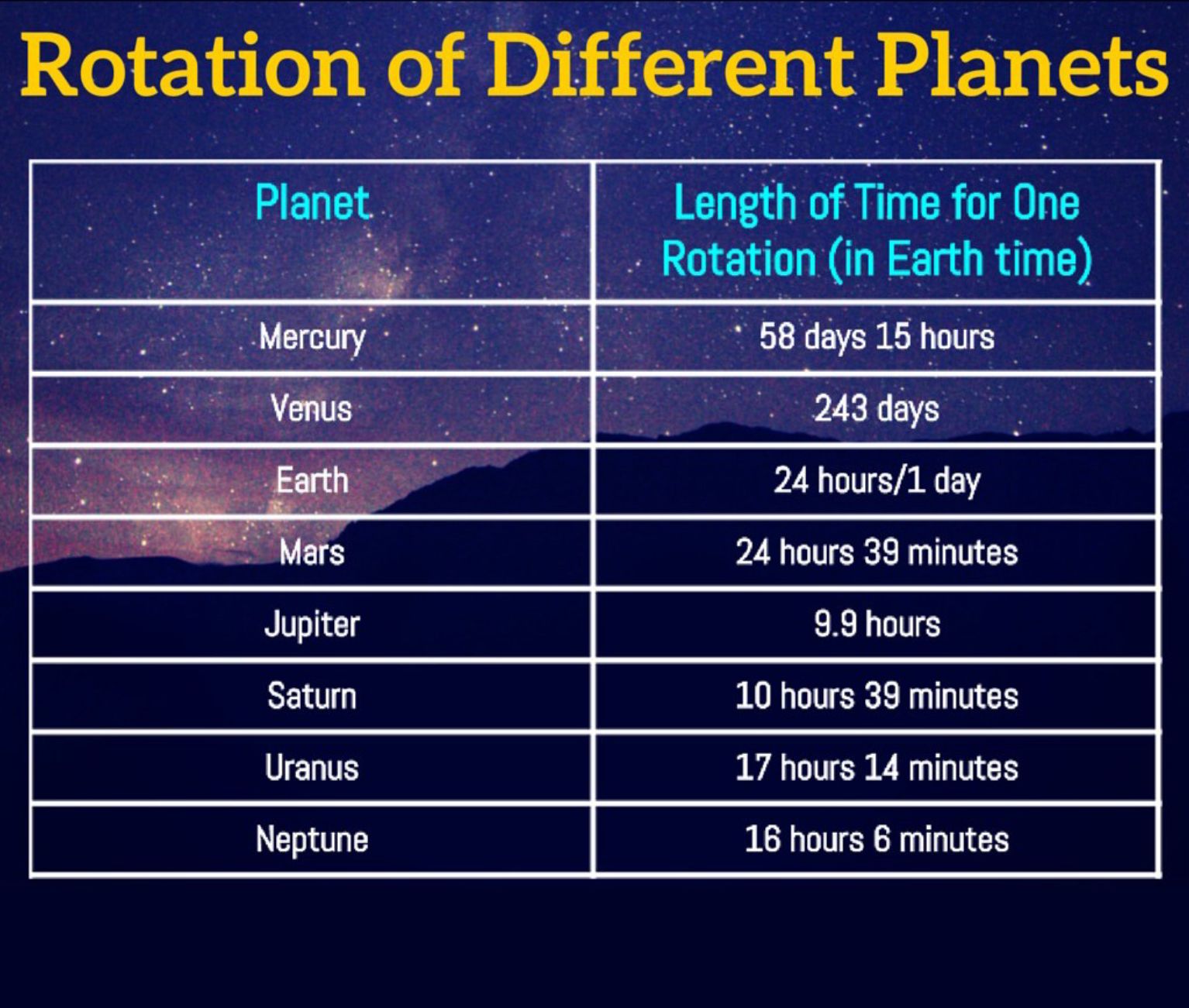
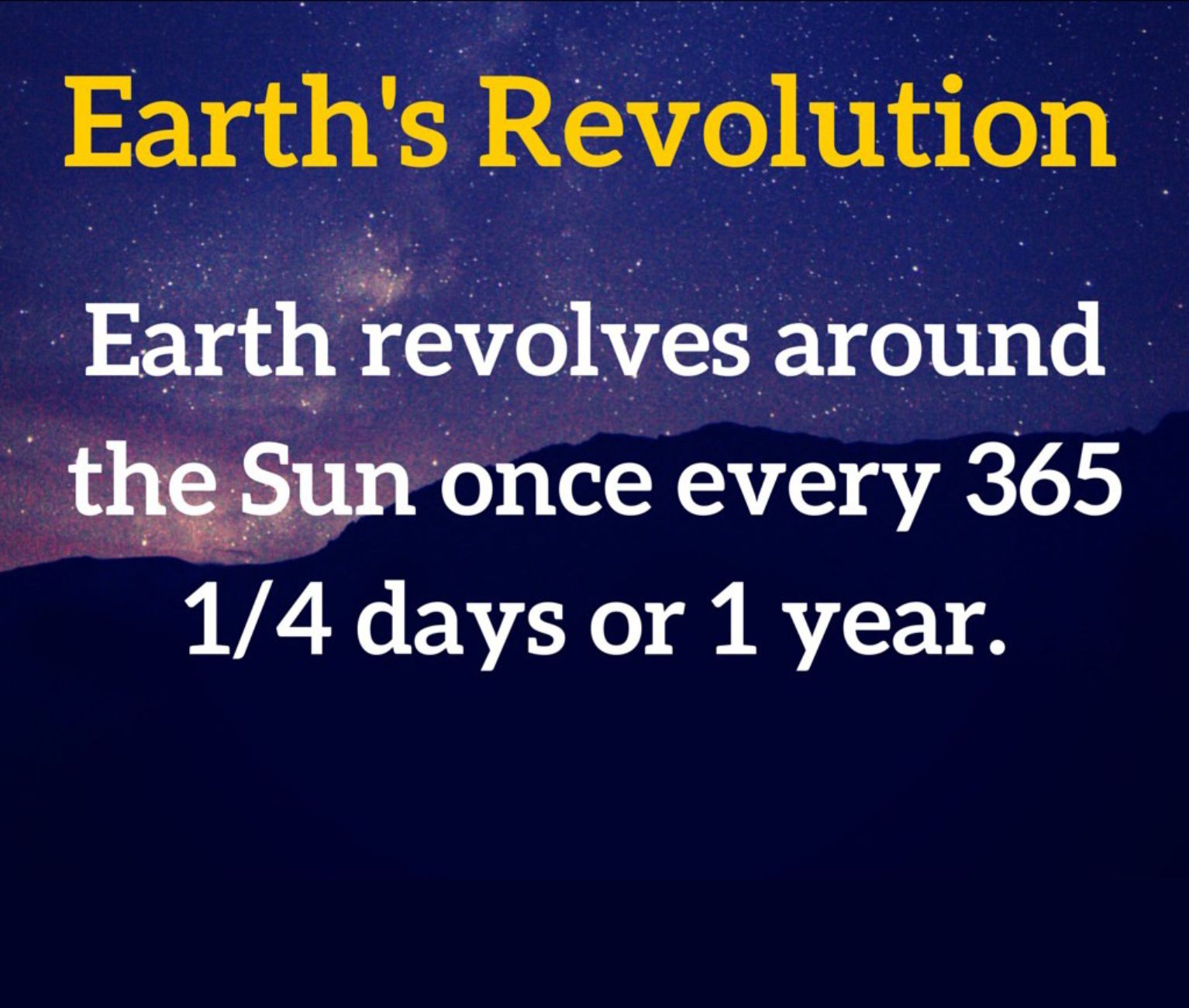
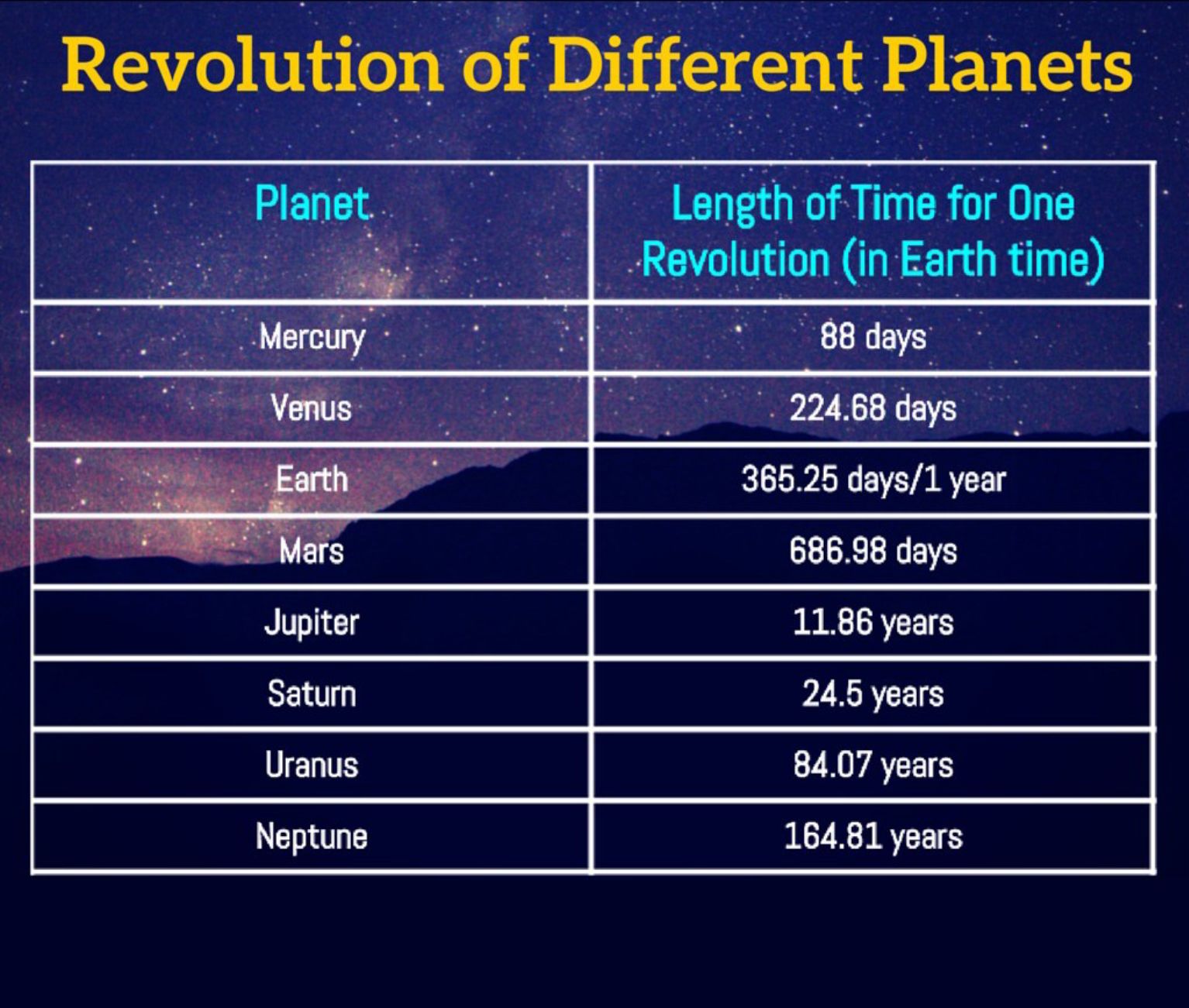
How long does it take for Jupiter to complete one revolution around the Sun?
11.86 years
24.5 years
365.25 days
88 days
15
16
17
18
19
20
21
22
Multiple Choice
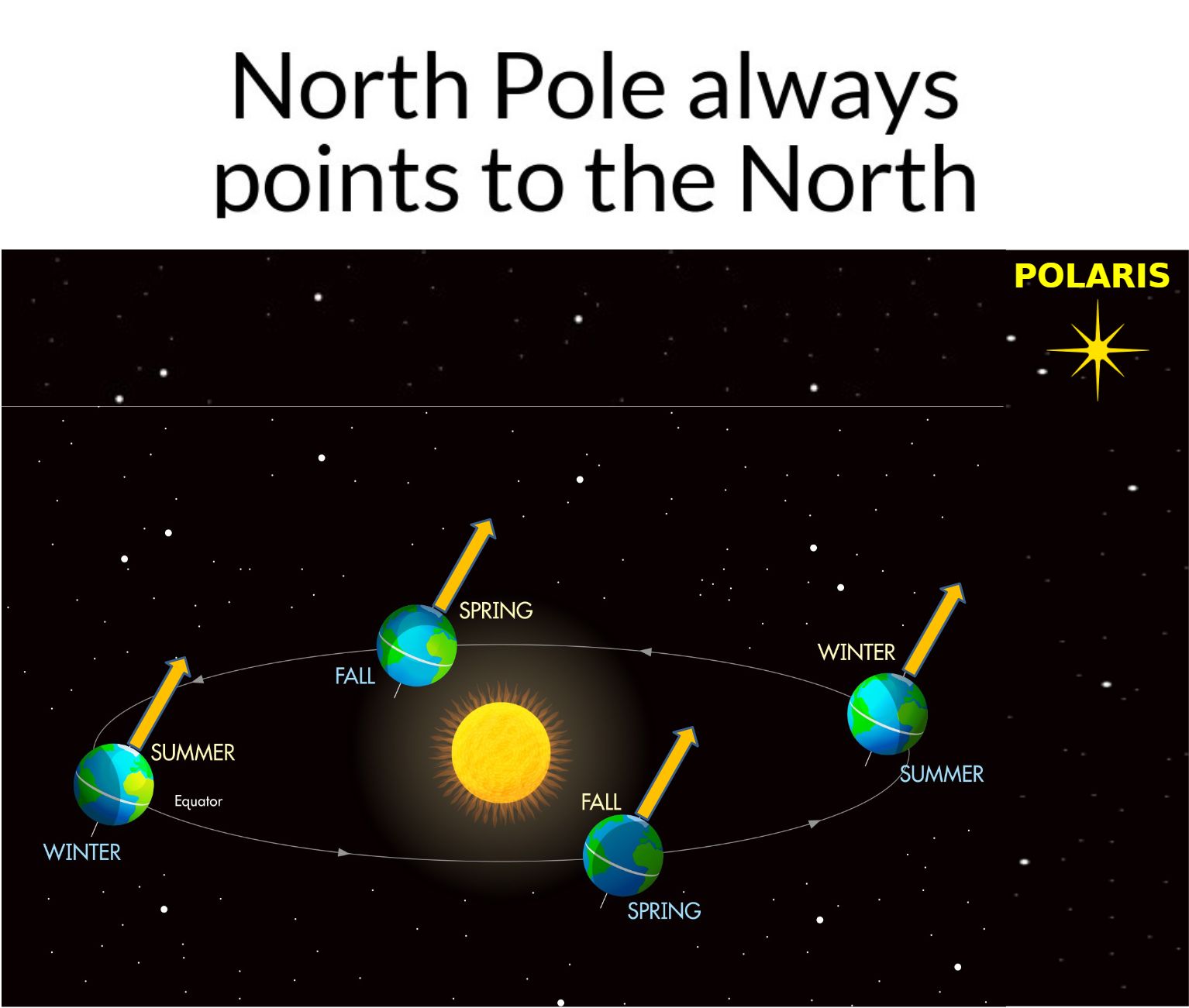
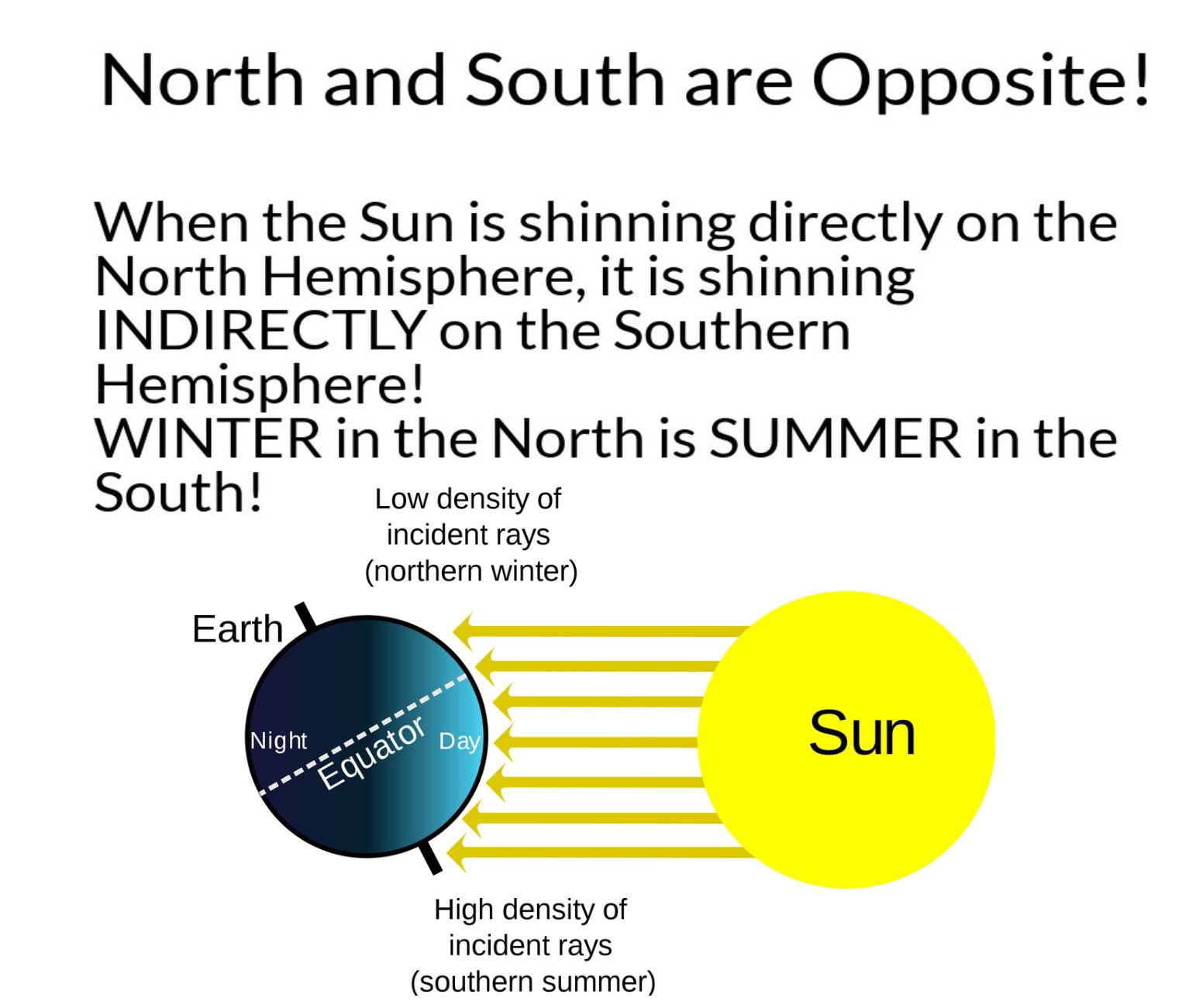
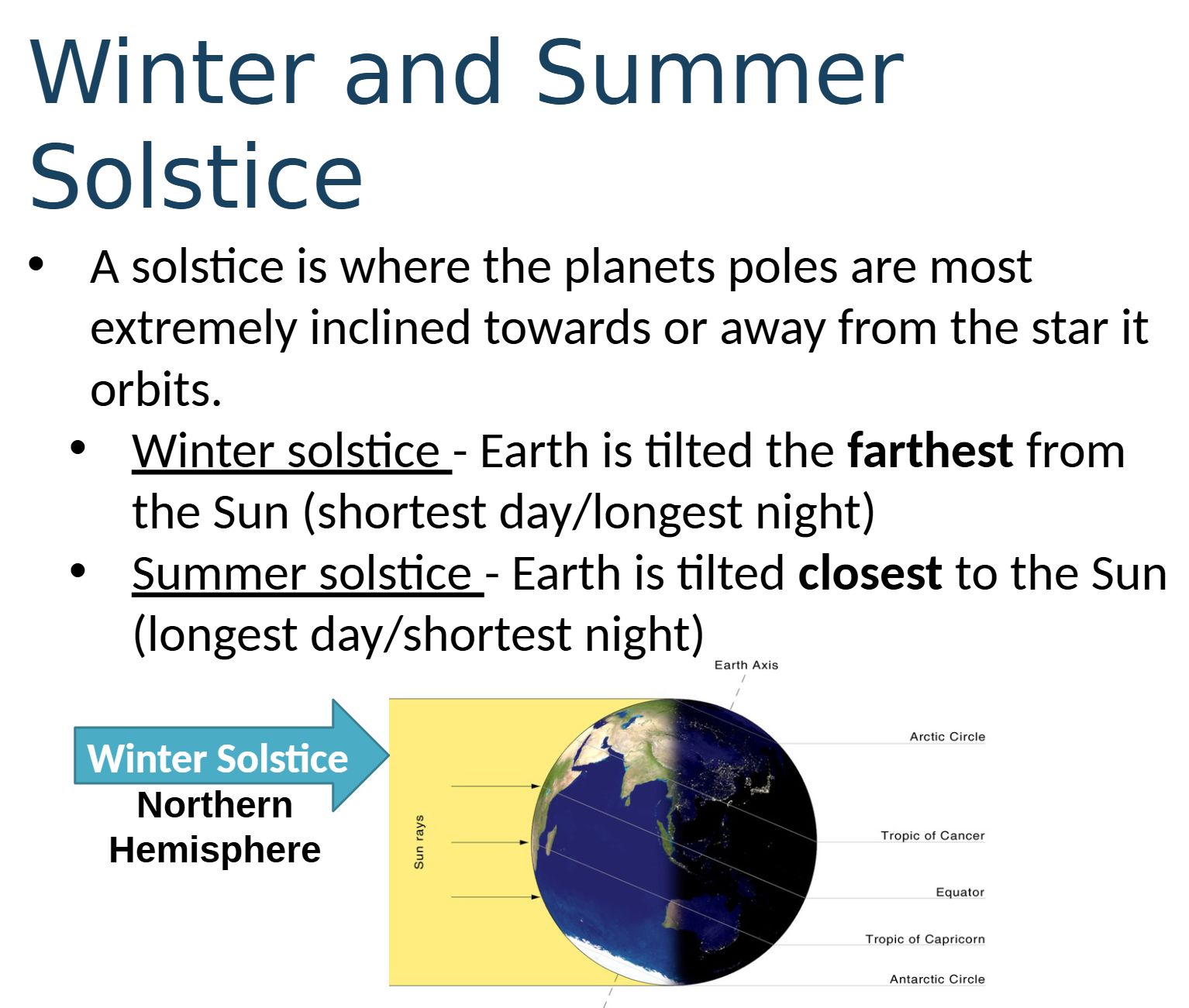
When it is winter in the Northern Hemisphere, what season is it in the Southern Hemisphere?
Summer
Winter
Spring
Fall
23
24
25
Fill in the Blanks
During an equinox, the length of day and night is approximately
26
27
28
Multiple Choice
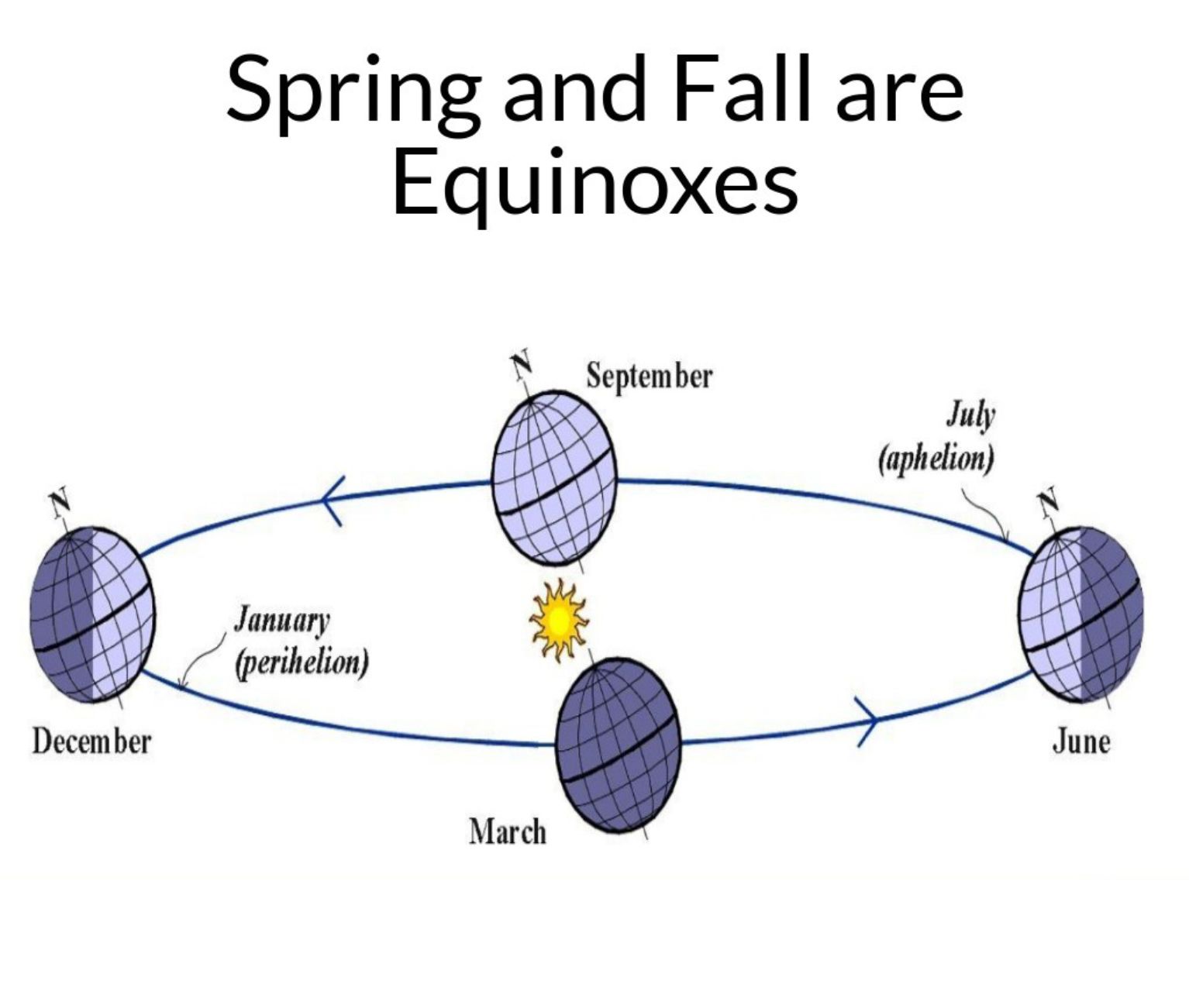
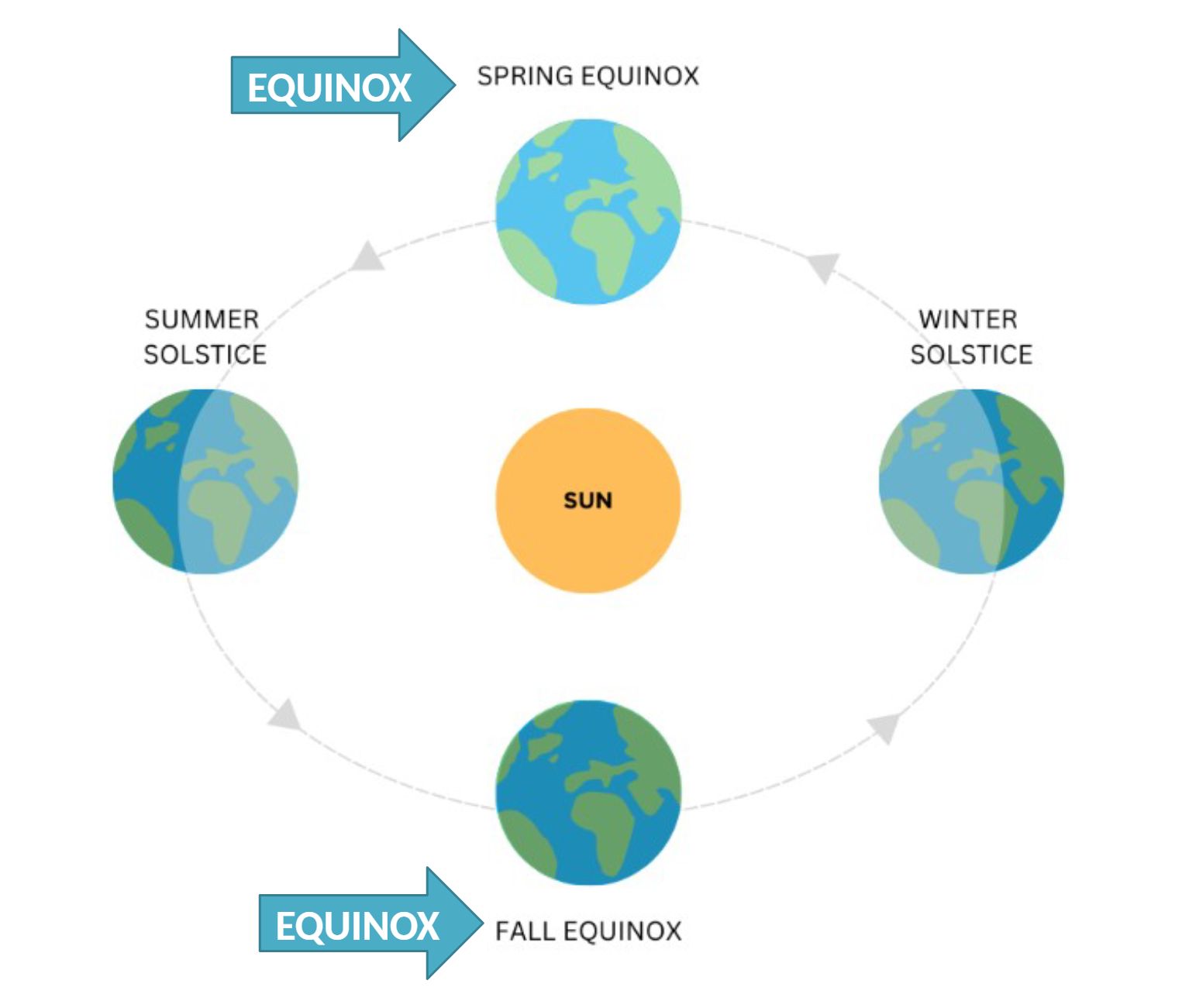
According to the diagram, which positions of the Earth in its orbit correspond to the equinoxes?
March and September
June and December
January and July
April and October
29
30
Multiple Choice
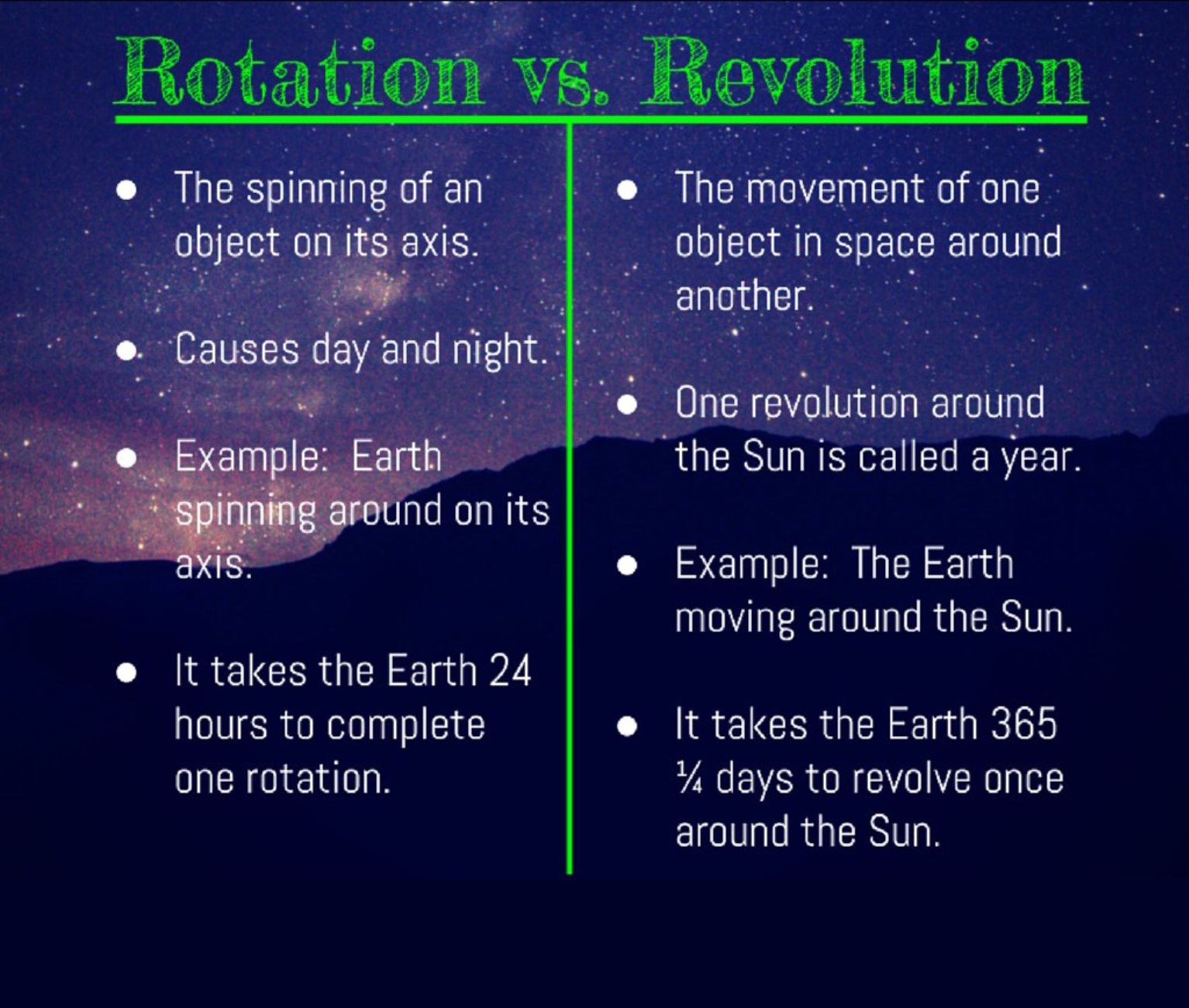
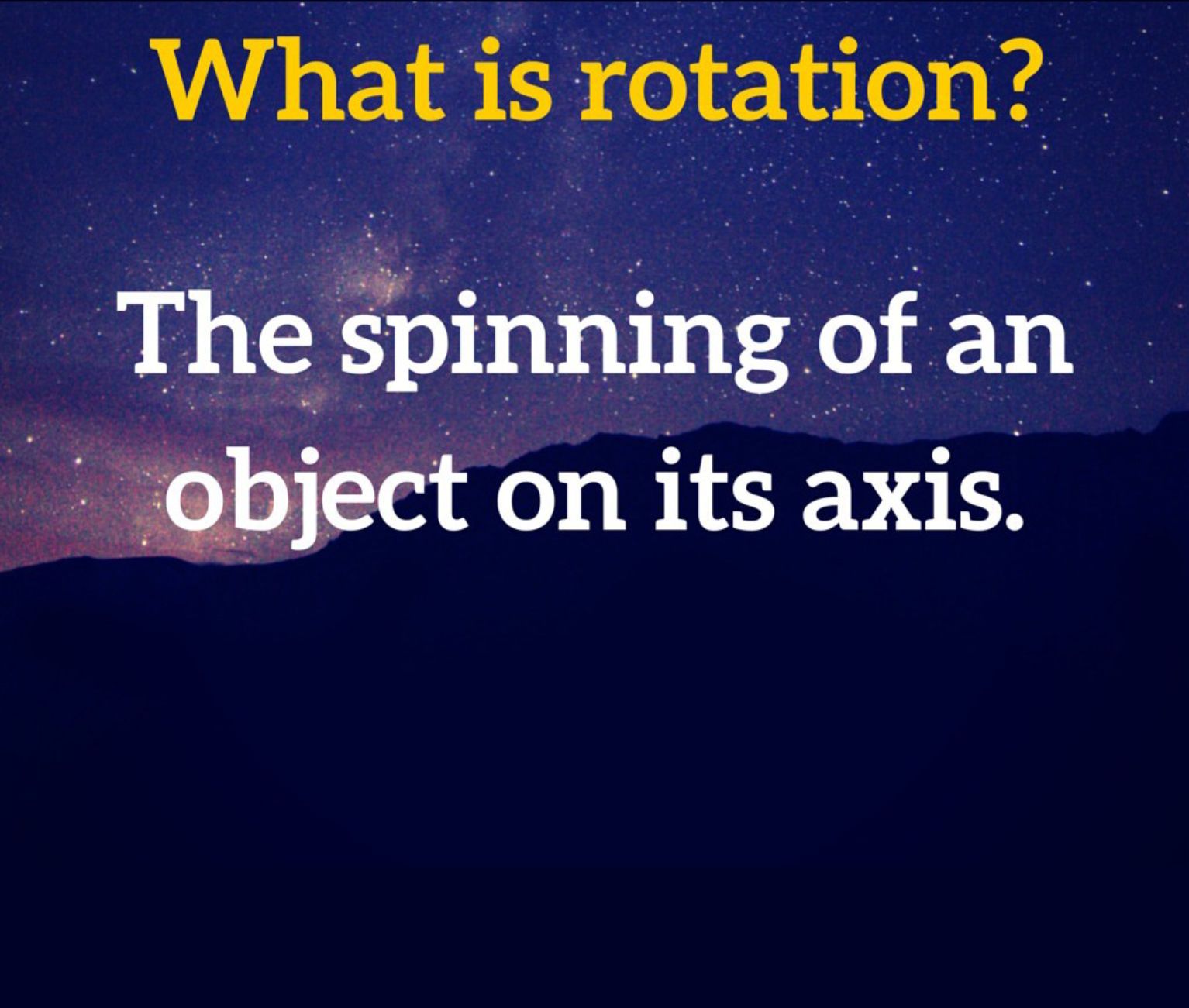
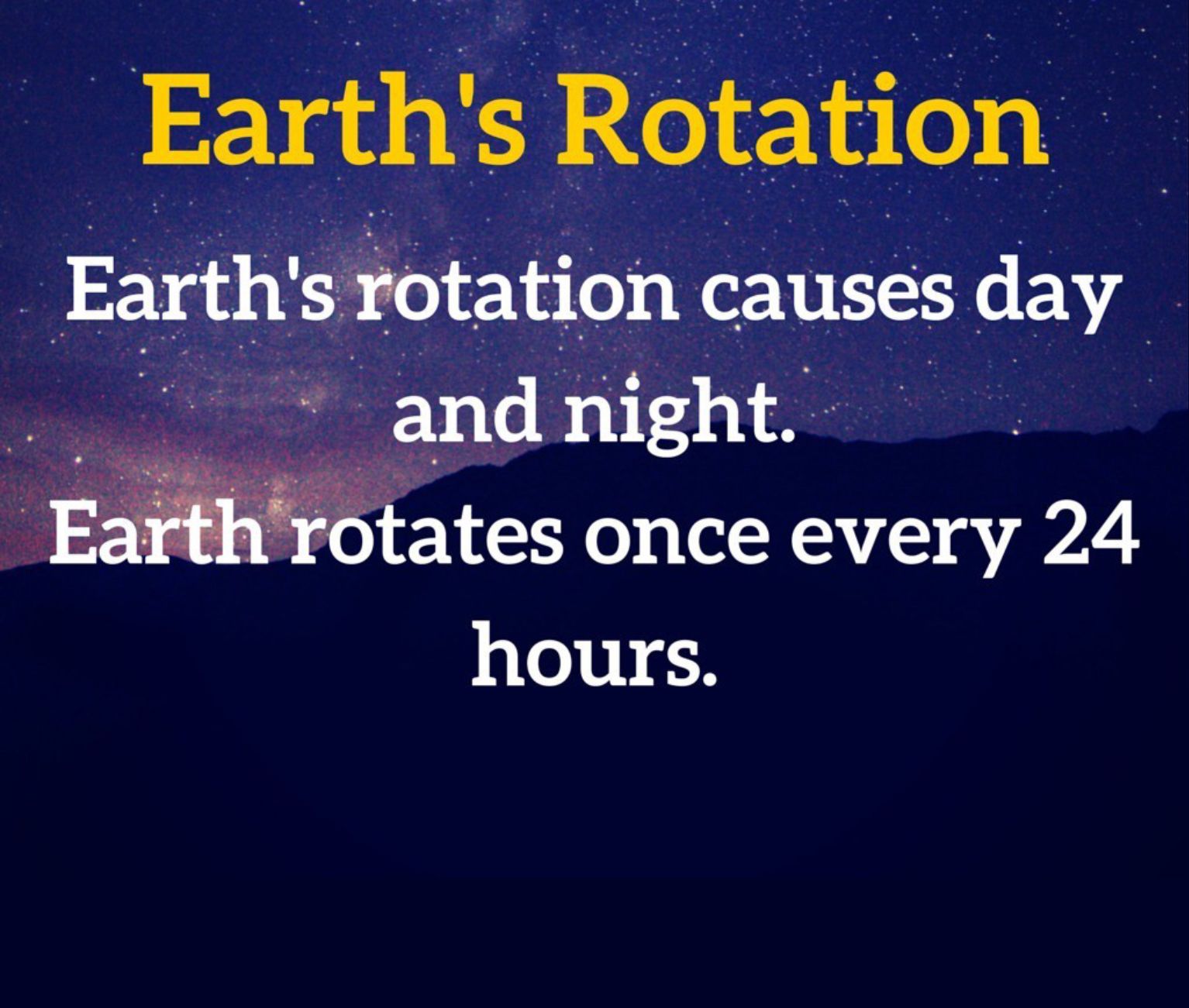
What is rotation?
The spinning of an object on its axis.
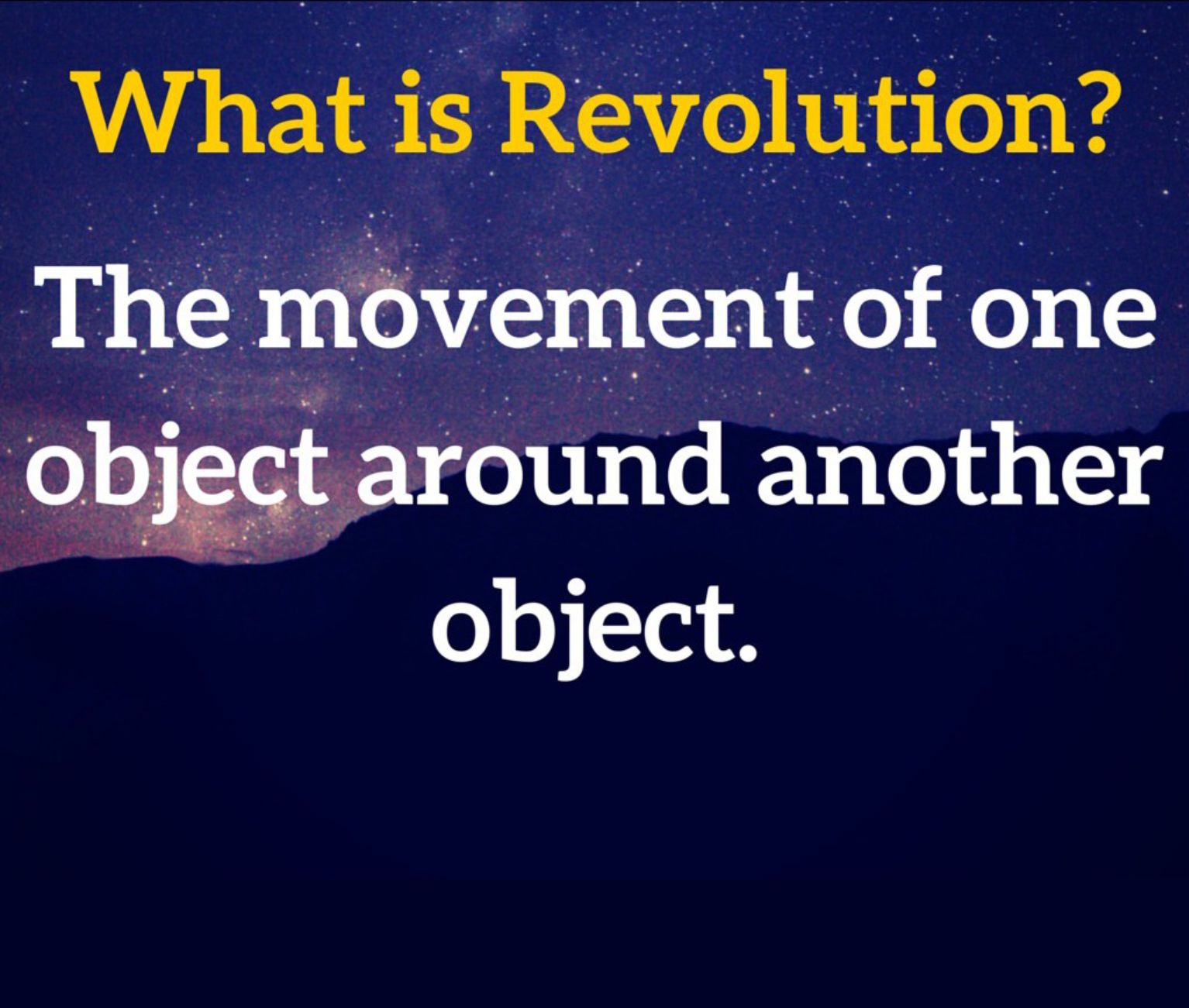
The movement of the Earth around the Sun.
The change in seasons.
The orbit of the Moon around the Earth.
31
Multiple Choice
What is the main difference between Earth's rotation and Earth's revolution?
Rotation causes day and night, revolution causes seasons.
Rotation takes one year, revolution takes one day.
Rotation happens around the Sun, revolution happens around the axis.
Rotation causes seasons, revolution causes day and night.
32
Multiple Select
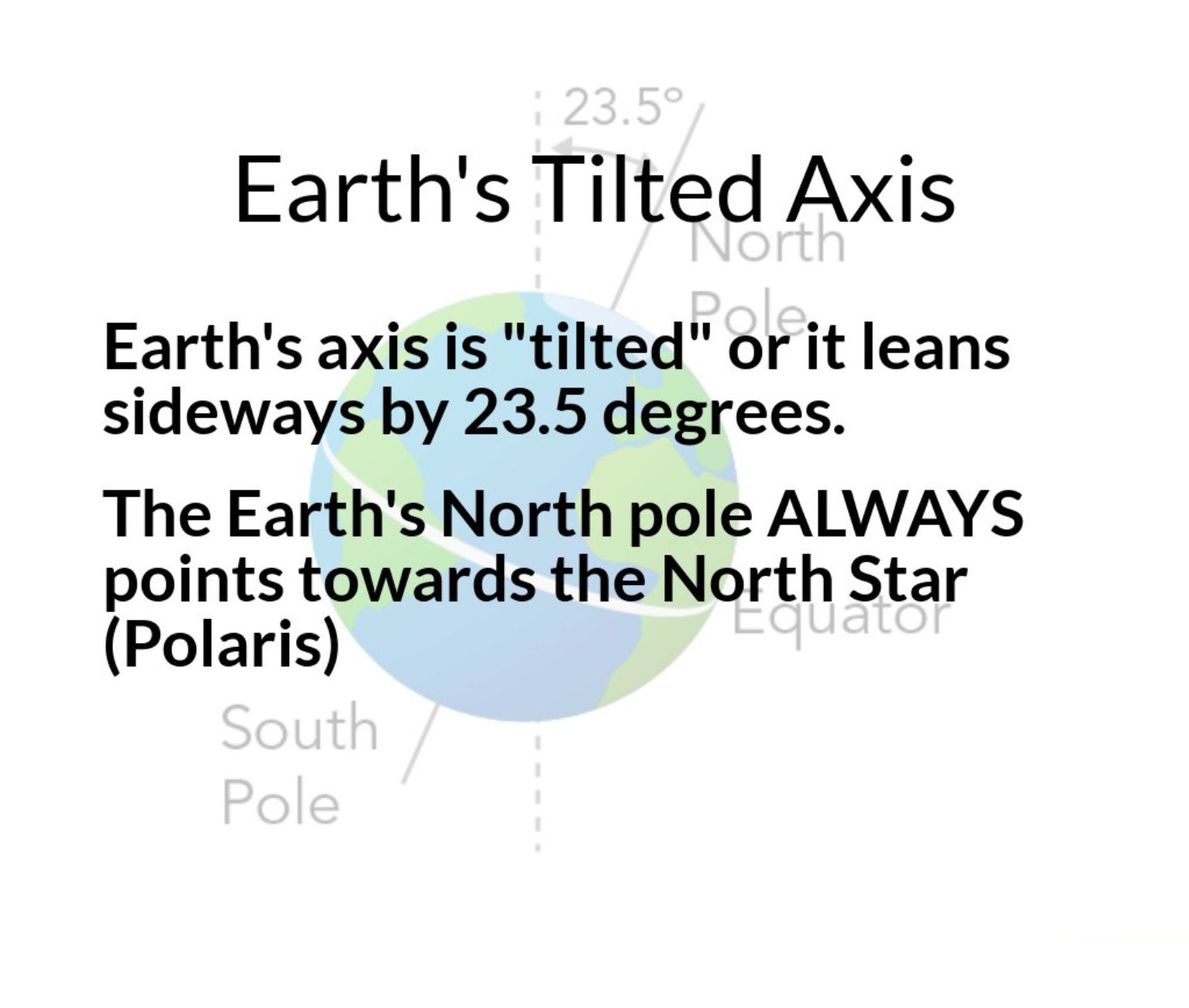
Which of the following statements are true about Earth's axis and the North Star?
Earth's axis is tilted by 23.5 degrees.
The North Pole always points towards Polaris.
Earth's axis is not tilted.
The North Pole sometimes points away from Polaris.
33
Fill in the Blanks
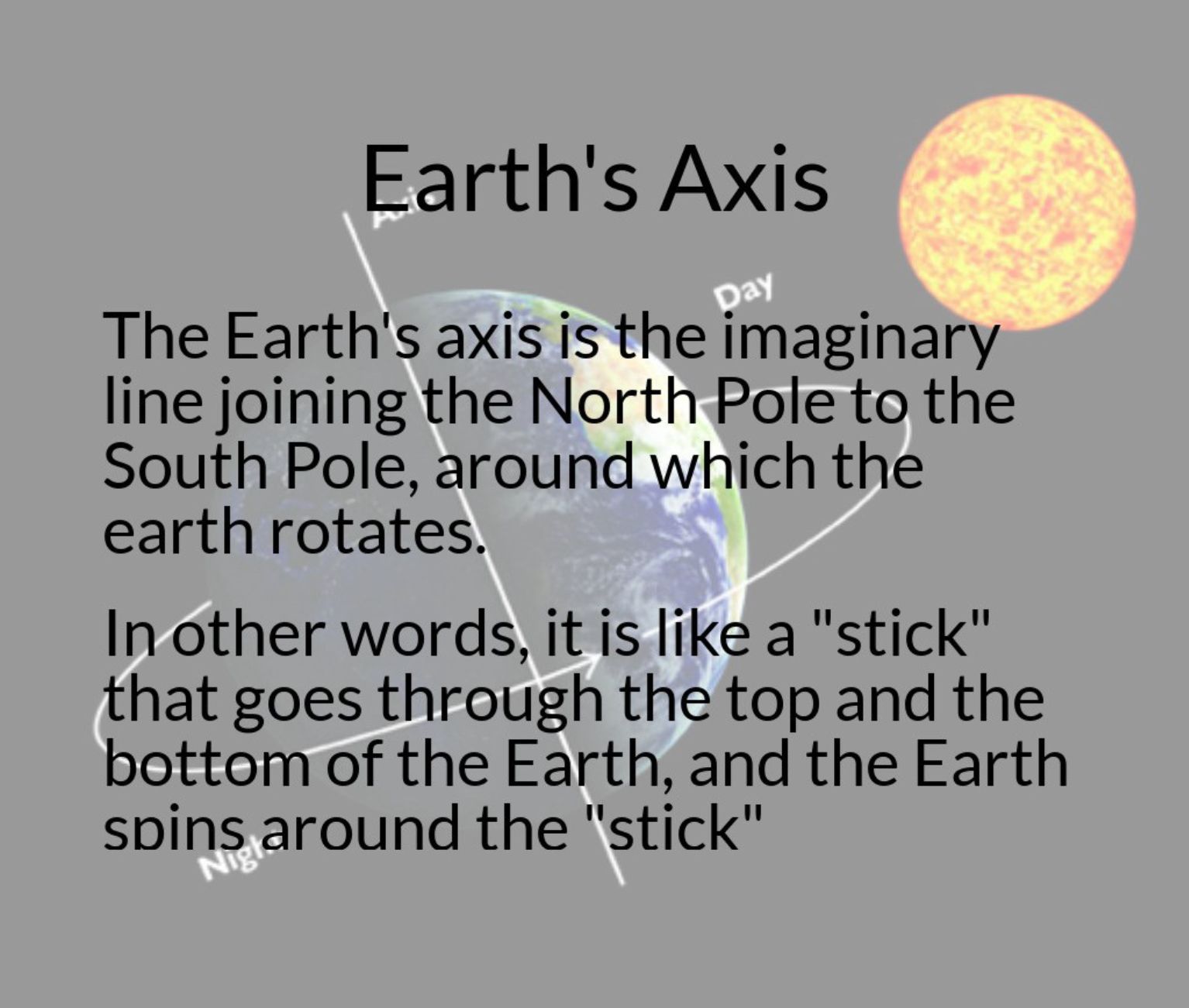
The imaginary line joining the North Pole to the South Pole, around which the Earth rotates, is called the
Type answer...
34
Multiple Choice
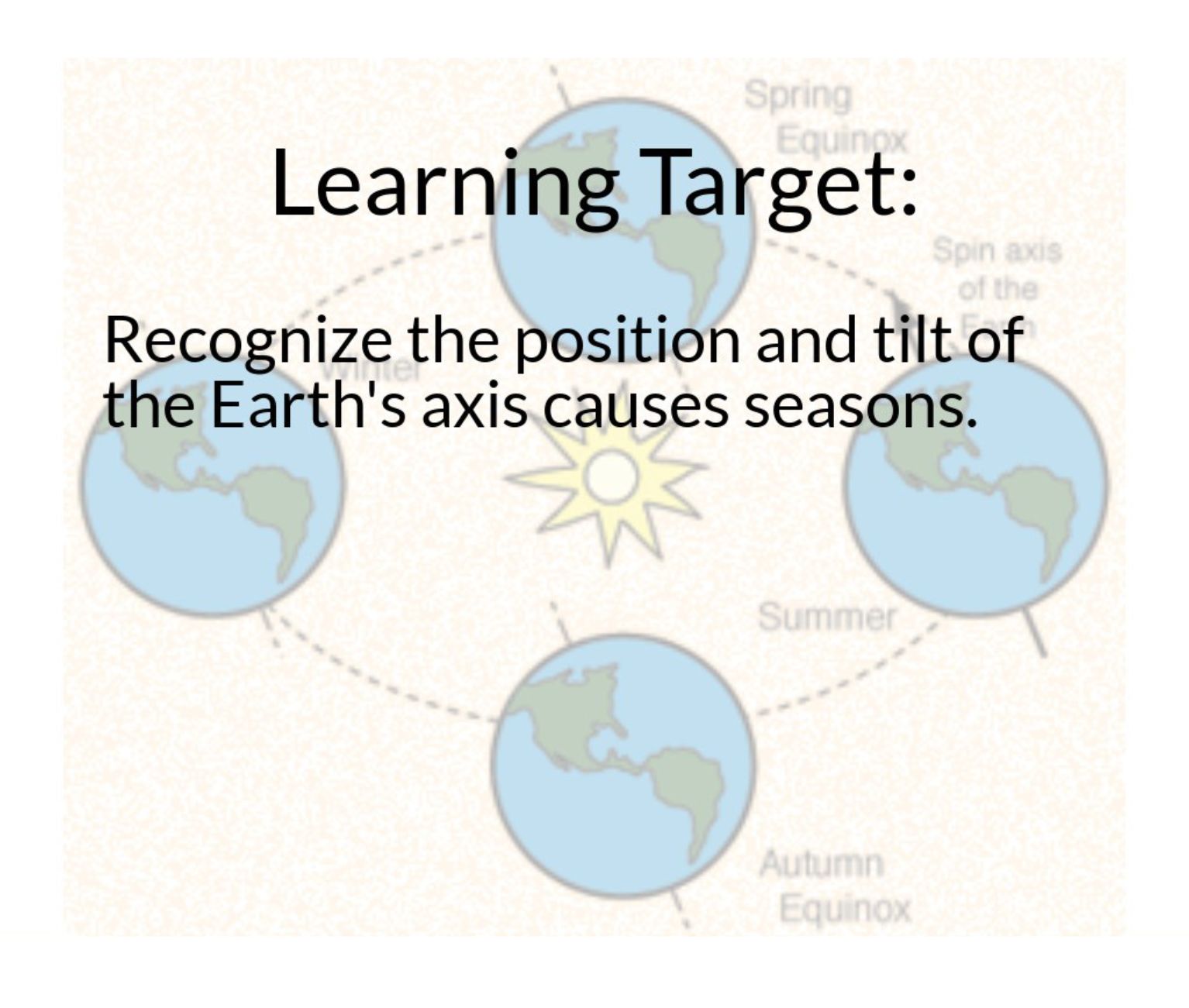
What is the main factor that causes the different seasons on Earth?
The distance of Earth from the Sun
The position and tilt of Earth's axis
The speed of Earth's rotation
The amount of rainfall each year
35
Multiple Choice
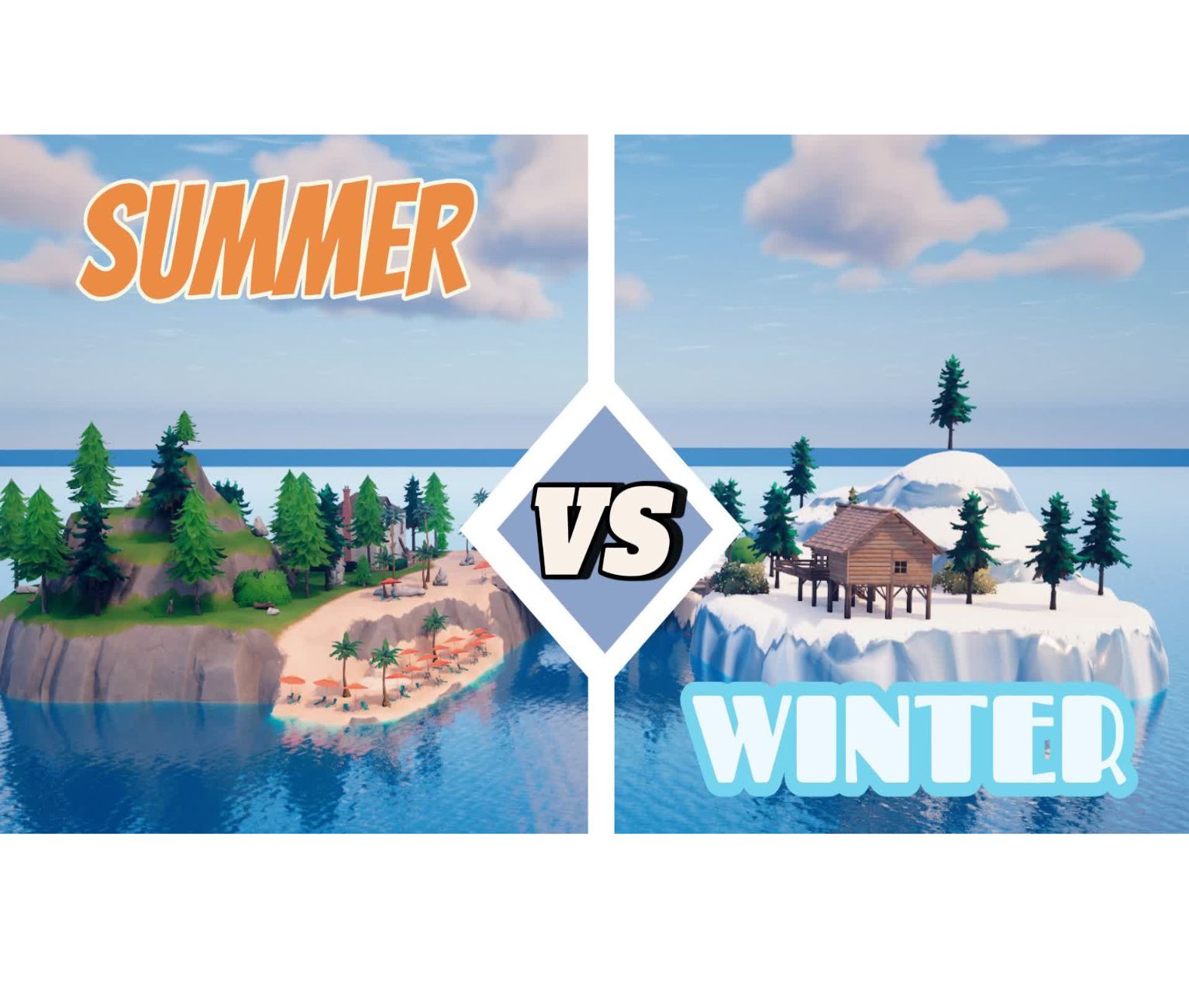
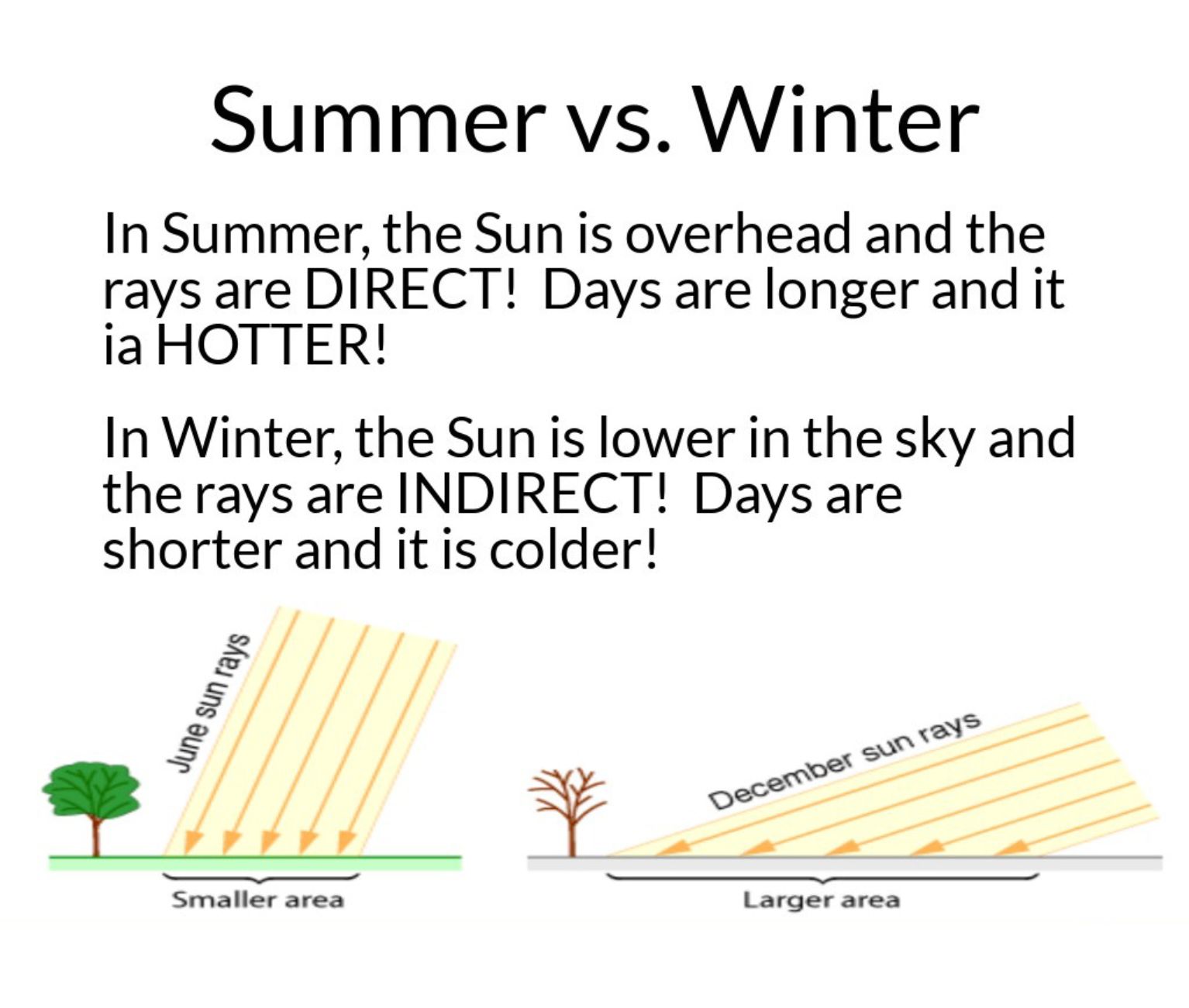
Why are days longer and hotter in summer compared to winter?
The Sun is overhead and rays are direct in summer.
The Sun is farther from Earth in summer.
The Earth spins faster in summer.
There are more clouds in winter.
36
Multiple Choice
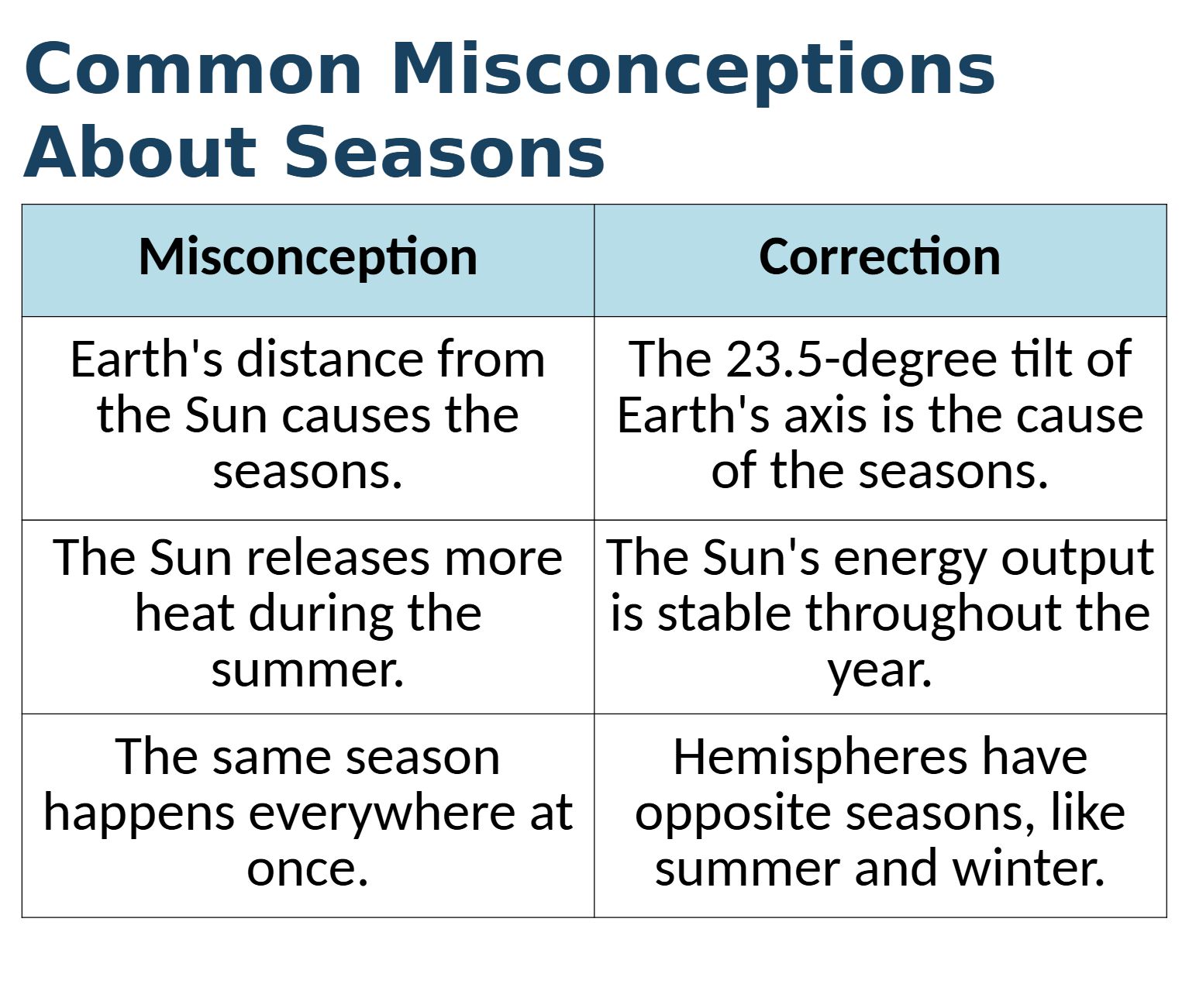
Which of the following statements best explains why we experience different seasons on Earth?
The Earth's distance from the Sun changes throughout the year.
The Sun releases more heat during the summer.
The 23.5-degree tilt of Earth's axis causes the seasons.
The same season happens everywhere at once.
37
Multiple Select
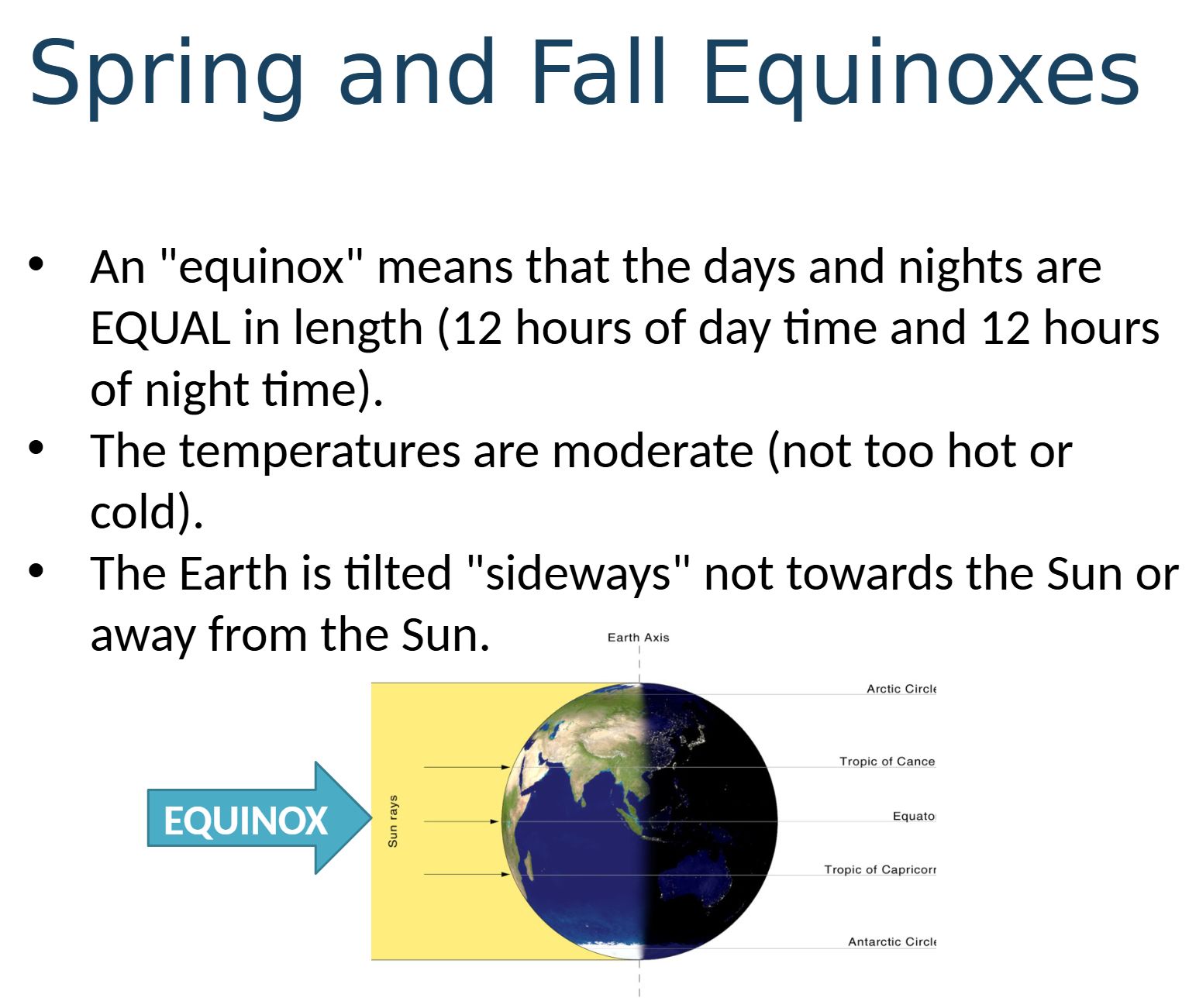
Which of the following are true about the spring and fall equinoxes?
Days and nights are of equal length.
Temperatures are extremely hot or cold.
Earth is tilted directly toward the Sun.
Temperatures are moderate.
Show answer
Auto Play
Slide 1 / 37
SLIDE

Similar Resources on Wayground
27 questions
Introduction to Waves
Presentation
•
8th Grade
27 questions
Balanced and Unbalanced Forces
Presentation
•
8th Grade
32 questions
Moon Phases and Tides
Presentation
•
8th Grade
30 questions
5/24 - BLITZ - 8.11A Ecosystems
Presentation
•
8th Grade
30 questions
Seafloor Spreading + Layers of the Earth
Presentation
•
8th Grade
34 questions
Mirrors and Lenses
Presentation
•
8th Grade
28 questions
Levels of Ecology Lesson
Presentation
•
8th Grade
31 questions
Catch the Wave What are Waves
Presentation
•
8th Grade
Popular Resources on Wayground
6 questions
PRIDE Always and Everywhere
Presentation
•
12th Grade
20 questions
Lab Safety Quiz
Quiz
•
6th Grade
26 questions
KOR Review Kahoot Questions
Quiz
•
8th Grade
21 questions
Continents and Oceans
Quiz
•
6th Grade
12 questions
Unit Zero lesson 2 cafeteria
Presentation
•
9th - 12th Grade
20 questions
Parts of Speech
Quiz
•
5th Grade
10 questions
Riddles Riddles fun Riddles
Quiz
•
6th - 12th Grade
16 questions
Subject & Predicate
Quiz
•
5th Grade
Discover more resources for Science
20 questions
Lab Safety
Quiz
•
5th - 8th Grade
20 questions
Scientific Method and Variables
Quiz
•
8th Grade
20 questions
Scientific method and variables
Quiz
•
8th Grade
27 questions
Counting Atoms - Subscripts
Quiz
•
8th Grade
22 questions
Scientific Method and Variables
Quiz
•
8th Grade
18 questions
Counting Atoms
Quiz
•
7th - 8th Grade
10 questions
Exploring Chemical and Physical Changes
Interactive video
•
6th - 10th Grade
18 questions
Elements, Compounds, and Mixtures
Quiz
•
8th Grade