Search Header Logo
Study Guide

Study Guide

Assessment

Presentation

Science

7th Grade

Easy

NGSS
MS-LS1-6, MS-LS2-3, MS-ESS1-1

+18

Standards-aligned

Created by

Emmet O'Melia

Used 1+ times

FREE Resource

66 Slides • 52 Questions

1

​Study Guide

By Emmet O'Melia

2

3

Vocabulary

  • Biotic vs Abiotic

  • Population

  • Community

  • Ecosystem

  • Autotroph vs Heterotroph

  • Habitat vs Niche

media

4

Multiple Choice

If a scientist in New Zealand was studying how a group of herbivores interacted with a group of omnivores, and all of their abiotic surroundings, what level of ecology would she be studying?

1

Community

2

Population

3

Species

4

Ecosystem

5

Biome

5

media

6

Food Webs

  • Be able to take organisms and construct an accurate food web

  • Be able to accurately show the flow of energy throughout an ecosystem

media

7

Multiple Choice

What is the PRODUCT of the process used by producers that is passed on as energy throughout an ecosystem?

1

photosynthesis

2

Sun

3

glucose

4

carbon dioxide

5

water

8

Trophic Pyramids

  • Be able to accurately place and label organisms that belong at each level

  • Be able to use the Rule of 10% to calculate energy available at each level 

media

9

Abiotic and Biotic factors

Description. Biotic and abiotic factors are what make up ecosystems. Biotic factors are living things within an ecosystem; such as plants, animals, and bacteria, while abiotic are non-living components; such as water, soil and atmosphere.

Subject | Subject

Some text here about the topic of discussion

10

media

11

Multiple Choice

The non-living parts of the environment such as rocks, air, temperature, sunlight, and water

1

Abiotic

2

Biotic

3

Habitat

4

Community

12

Multiple Select

Below is a list of factors in an ecosystem. Select all the abiotic factors.

1

Shelter

2

Water

3

Protists

4

Sunlight

5

Prokaryotes

13

Multiple Choice

All of the water in earth is in the hydrosphere

1

True

2

False

14

Multiple Choice

"The rivers holds most of the water of our planet"

1

True

2

False

15

Multiple Choice

Put the levels of organization in order from smallest to largest:

1

Population, organism, ecosystem, biosphere, community

2

Ecosystem, population, organism, community, biosphere

3

Organism, population, ecosystem, biosphere, community

4

Organism, population, community, ecosystem, biosphere

16

Multiple Choice

Which of the following is an example of a hawksbill interacting with an abiotic factor?

1

Hawksbill digs a nest in the sand

2

Hawksbill eats a sea sponge

3

Hawksbill mates with another hawksbill

4

Hawksbill gets attacked by a shark

17

Multiple Choice

A community is different from a population by having what?

1

Communities have biotic and abiotic factors

2

Communities have one species living together

3

Communities have many different species living together

4

Community begins with one individual

18

Population Ecology

media

19

media

20

media

21

media

22

media

23

media

24

media

25

media

26

media

27

media

28

media

29

media

30

media

31

media

32

media

33

media

34

media

35

Multiple Choice

Question image

A lichen is a combination of two organisms, an alga and a fungus. The fungus gets its food from the alga while the alga gets water from the fungus. This is an example of which relationship?

1

competition

2

mutualism

3

commensalism

4

parasitism

36

Multiple Choice

Question image
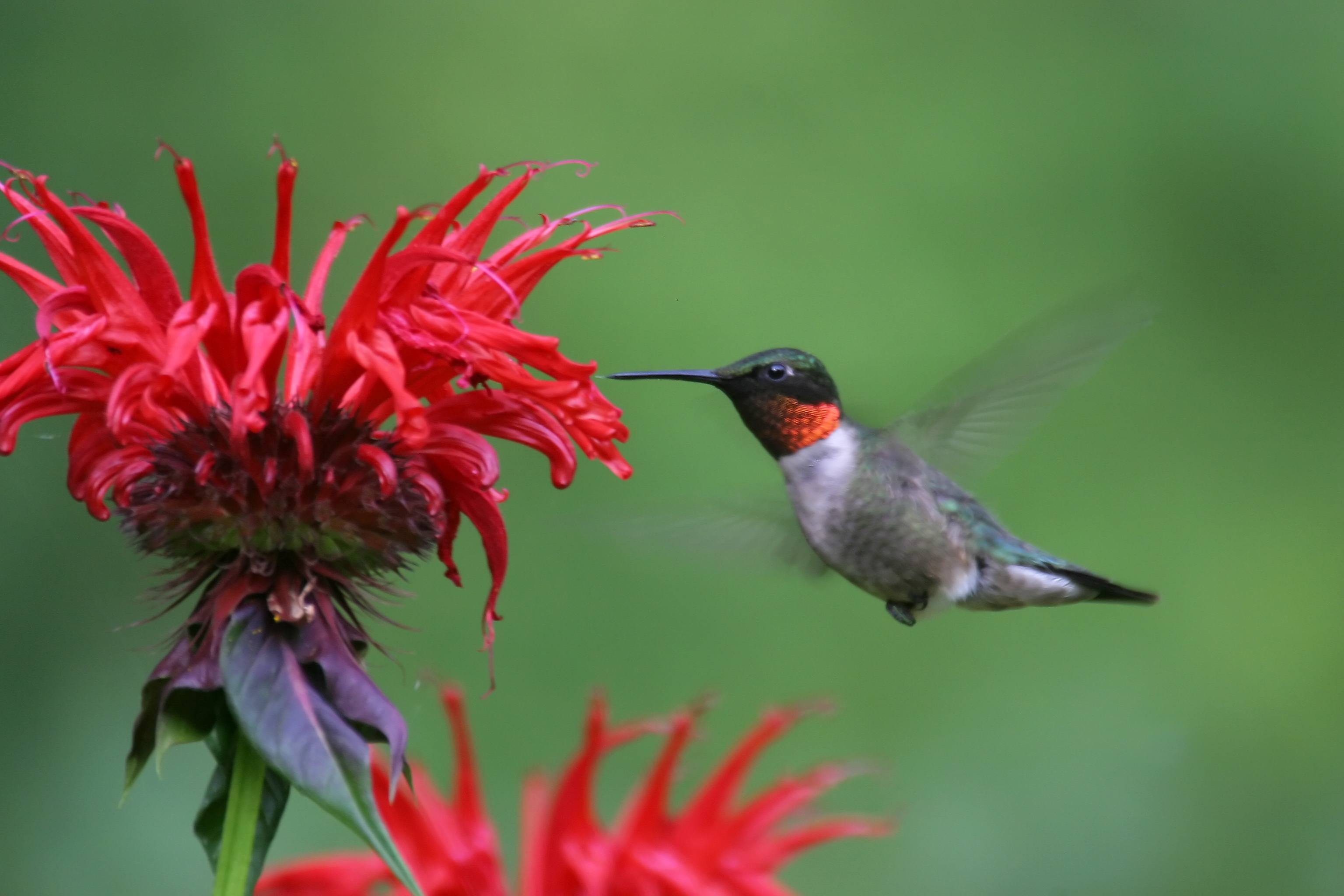
What type of symbiosis?  Hummingbirds feed on nectar from flowers.  The flowers are pollinated by hummingbirds as they move from flower to flower.
1
commensalism
2
mutualism
3
parasitism
4
predation

37

Multiple Choice

Question image
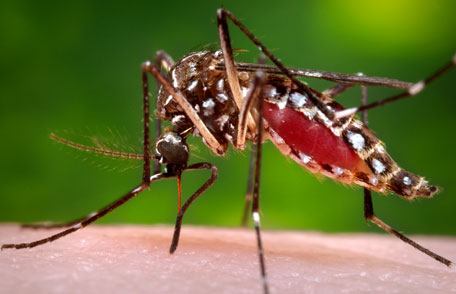
When a mosquito bites you, you are the __________ and the mosquito is the  ____________.
1
host, hostess
2
parasite, host
3
host, parasite
4
prey, predator

38

media

39

media

40

media

41

media

42

media

43

media

44

media

45

media

46

Multiple Choice

Question image

A lion stalks a herd of antelope wading in a pond. A flock of water birds on the shore become startled by the sound of the lion’s approach and fly away with a great deal of noise. The birds’ sudden departure gives warning to the antelope, and they are also able to escape safely. What type of relationship exists between the birds and the antelope?

1

competition

2

mutualism

3

commensalism

4

parasitism

47

Multiple Choice

Question image

A lichen is a combination of two organisms, an alga and a fungus. The fungus gets its food from the alga while the alga gets water from the fungus. This is an example of which relationship?

1

competition

2

mutualism

3

commensalism

4

parasitism

48

Multiple Choice

Question image
What type of symbiosis?  Hummingbirds feed on nectar from flowers.  The flowers are pollinated by hummingbirds as they move from flower to flower.
1
commensalism
2
mutualism
3
parasitism
4
predation

49

Multiple Choice

Question image
When a mosquito bites you, you are the __________ and the mosquito is the  ____________.
1
host, hostess
2
parasite, host
3
host, parasite
4
prey, predator

50

Multiple Choice

Which is represented by all of the bullfrogs living around a pond?
1
community
2
habitat
3
population

51

Multiple Choice

Which is an example of a parasitic relationship?
1
a bee pollinates a flower
2
a tapeworm takes nutrients from a dog
3
an orchid lives in a tree but does not harm the tree

52

Multiple Choice

In which type of relationship do both species benefit?
1
parasitism
2
mutualism
3
commensalism

53

​- Unicellular = one celled organism

- Multicellular = more than one celled organism​

Single-celled organism vs multi-celled organism

media

54

media
  • No true nucleus (Pro rhymes with no)

  • Contains DNA

  • Is a single-celled organism​

Prokaryotes​

55

Multiple Choice

What is a prokaryote?

1

A multi-celled organism with no nucleus

2

A single-celled organism with no nucleus

3

A multi-celled organism with a true nucelus

4

A multi-celled organism with no nucleus

56

media
  • blue-green algae

  • bacteria

  • mycoplasma

Examples of prokaryotes

57

media
  • Bacteria are prokaryotic cells

  • Bacteria are classified according shape

  • Bacteria are round (coccus), rod (bacillus) or spiral shaped (spirillum)

bacteria

58

Multiple Choice

Which of these is not a form of classification for bacteria?

1

Round-shaped "coccus"

2

Rod-shaped "bacillus"

3

Spiral-shaped "spirillum"

4

Color of the bacteria

59

media
  • True nucleus (Eu rhymes with True)

  • DNA is inside a membrane

  • Contains other membrane-bound organelles

eukaryotes

60

media
  • Animal Cells

  • Plants Cells​

Examples of eukaryotes

61

A Tale of Two Cells: Prokaryotic & Eukaryotic Cells

media

62

Multiple Select

Eukaryotic DNA is...

1

Large

2

Kept in a nucleus

3

Circular

4

Linear

63

Multiple Choice

Prokaryotic DNA is...

1

circular

2

in a nucleus

3

tightly packed

4

small

64

media

65

Multiple Choice

Prokaryotes are...

1

Newer, Smaller, Complicated

2

Older, Smaller, and Simpler

3

Newer, Larger, and Simpler

4

Older, Larger, and Simpler

66

Multiple Choice

Which of the following are reactants of photosynthesis?

1

water (H2O) and glucose (C6H12O6)

2

glucose (C6H12O6) and carbon dioxide (CO2)

3

carbon dioxide (CO2) and water (H2O)

4

oxygen (O2) and water (H2O)

67

Cellular Respiration

media

When cells take that glucose made during photosynthesis and use the energy to make ATP​

68

Multiple Choice

Which of the following are products of photosynthesis?

1

water (H2O) and glucose (C6H12O6)

2

glucose (C6H12O6) and carbon dioxide (CO2)

3

carbon dioxide (CO2) and water (H2O)

4

oxygen (O2) and glucose (C6H12O6)

69

So here is the overall reaction for Cellular Respiration

Glucose + Oxygen --> Carbon dioxide + Water + Energy

C6H12O6 + 6 O2 --> 6 CO2 + 6 H2O + ATP​

Subject | Subject

Some text here about the topic of discussion

70

Multiple Choice

Which type of organism would MOST likely benefit directly from increased levels of CO2?

1

mushroom

2

tree

3

bird

4

fish

71

Multiple Choice

Cellular respiration occurs in

1

chloroplasts

2

mitochondria

3

golgi aparatus

4

thylakoid

72

Multiple Choice

In which way are photosynthesis and cellular respiration different?

1

Cellular respiration stores ATP, while photosynthesis releases ATP.

2

Cellular respiration produces oxygen, while photosynthesis uses oxygen.

3

Photosynthesis releases energy, while cellular respiration stores energy.

4

Photosynthesis uses carbon dioxide, while cellular respiration produces carbon dioxide.

73

media

74

media

75

media

76

Multiple Choice

Question image
Which of these is NOT AN IMPACT photosynthesis has on an ecosystem:
1
Oxygen for animals and humans to breathe
2
Food for us to eat
3
Taking CO2 out of the air
4
Taking oxygen out of the air

77

media

78

media

79

Multiple Choice

What % of freshwater on Earth is drinkable and easy to get?

1

97%

2

1%

3

20%

4

5%

80

Multiple Choice

Most of the freshwater on Earth is trapped .....

1

Oceans

2

Lakes and Rivers

3

Groundwater

4

Glaciers

81

media

82

media

83

media

84

media

85

Multiple Choice

Question image

The process in which water vapor is released into the atmosphere through plants.

1

evaporation

2

transpiration

3

condensation

4

precipitation

86

media

87

media

88

media

89

Open Ended

Question image

What are some differences you see between Prokaryotic and Eukaryotic cells

90

media

91

media

92

Multiple Choice

Prokaryotic cells have a nucleus.

1

True

2

False

93

Fill in the Blank

Type answer...

94

Multiple Choice

Prokaryotes are...

1

Newer, Smaller, Complicated

2

Older, Smaller, and Simpler

3

Newer, Larger, and Simpler

4

Older, Larger, and Simpler

95

Multiple Choice

Eukaryotic cells have a nucleus.

1

True

2

False

96

media

97

media

98

Multiple Choice

Prokaryotic DNA is...

1

circular

2

in a nucleus

3

tightly packed

4

small

99

Open Ended

An example of a prokaryote is...

100

media

​4

​4. Eukaryotes include animal and plant cells

101

Multiple Select

Eukaryotic DNA is...

1

Large

2

Kept in a nucleus

3

Circular

4

Linear

102

Open Ended

An example of a eukaryote is...

103

media

104

media

105

​How were eukaryotic cells created?

​Click on the YouTube link to watch the video about the Endosymbiosis theory

https://www.youtube.com/watch?v=8oSqXAwLsZc

106

Open Ended

Describe a prokaryotic cell and give an example. Describe a eukaryotic cell and give an example.

107

Multiple Choice

Question image

What is the percentage of the Nitrogen in the air ?

1

1%

2

21%

3

78%

108

Multiple Choice

Question image

Based on the picture, what is the chemical formula for atmospheric nitrogen?

1

N

2

N2

3

NH3

4

NO3

109

media

110

Multiple Choice

Which of these nitrogen cycle processes converts atmospheric nitrogen to a soil form of nitrogen that is usable by plants?

1

nitrogen fixation

2

nitrification

3

denitrification

4

ammonification

111

Multiple Choice

How nitrogen is "fixed" into useable form for plants...

1

Through action of bacteria only

2

Through lightning only

3

Through action of bacteria & lightning

112

media

113

media

114

Multiple Choice

Why is the nitrogen cycle important for the survival of organisms in an ecosystem?

1

The nitrogen cycle recycles nitrogen through an ecosystem, making it available to all organisms.

2

The nitrogen cycle allows all organisms in an ecosystem to consume nitrogen instead of consuming each other.

3

The nitrogen cycle stores nitrogen in safe places, keeping it from entering an ecosystem.

4

The nitrogen cycle keeps organisms from consuming nitrogen in their ecosystem.

115

Drag and Drop

The nitrogen cycle take place ​
Drag these tiles and drop them in the correct blank above
upper atmosphere
in the digestive track of animals
outer space
in the soil

116

Multiple Choice

Which stage of the nitrogen cycle involves changing nitrites to nitrates?

1

nitrogen fixation

2

ammonification

3

nitrification

4

denitrification

117

Multiple Choice

Which stage of the nitrogen cycle involves changing atmospheric nitrogen into ammonium ions?

1

nitrogen fixation

2

ammonification

3

nitrification

4

denitrification

118

Multiple Choice

Which stage of the nitrogen cycle involves changing nitrates into atmospheric nitrogen?

1

nitrogen fixation

2

ammonification

3

nitrification

4

denitrification

​Study Guide

By Emmet O'Melia

Show answer

Auto Play

Slide 1 / 118

SLIDE