

Game Design

Presentation
•
Arts
•
6th - 8th Grade
•
Practice Problem
•
Easy

Sarah Gross
Used 2+ times
FREE Resource
29 Slides • 5 Questions
1
Front of Blue Card
Make sure it's filled out.
Your name
Your street address
Your city
Your troop
Your district
Council: Minsi Trails Council

2
Game Design Merit Badge
By Sarah Gross
3
Req. 1a

4
What did you like or dislike about the game you chose?

5
Do the following:
Describe four types of play value and provide an example of a game built around each concept. Discuss with your counselor other reasons people play games.
Req. 1b

6
refers to reasons that a player chooses to play a particular game
Play Value

7
2. Discuss with your counselor FIVE of the following 17 game design terms.
Req. 2
Difficulty
Pace
Replay Value
Single Player vs. Multiplayer
Strategy vs. Reflex vs. Chance
8
What is difficulty?
How does it relate to games?
Raise Your Hand

9
What is Pace?
How does it relate to games?
Raise Your Hand

10
What is Replay Value?
How does it relate to games?
Raise Your Hand

11
What is Single Player vs. Multiplayer?
How does it relate to games?
Raise Your Hand

12
Categorize

Chess

Solitaire
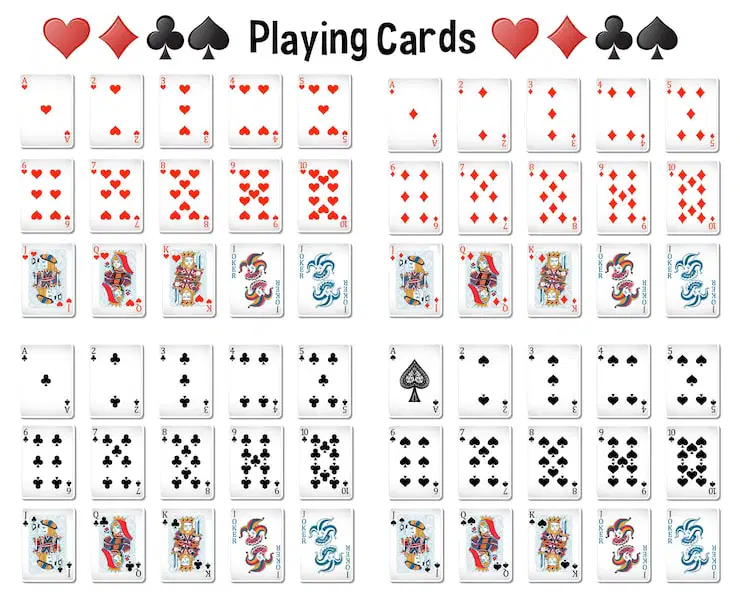
Rummy

Merge games

Uno

1 player video games
Organize these options into the right categories
13
What is Strategey vs. Reflex vs. Chance?
How does it relate to games?
Raise Your Hand

14
Categorize
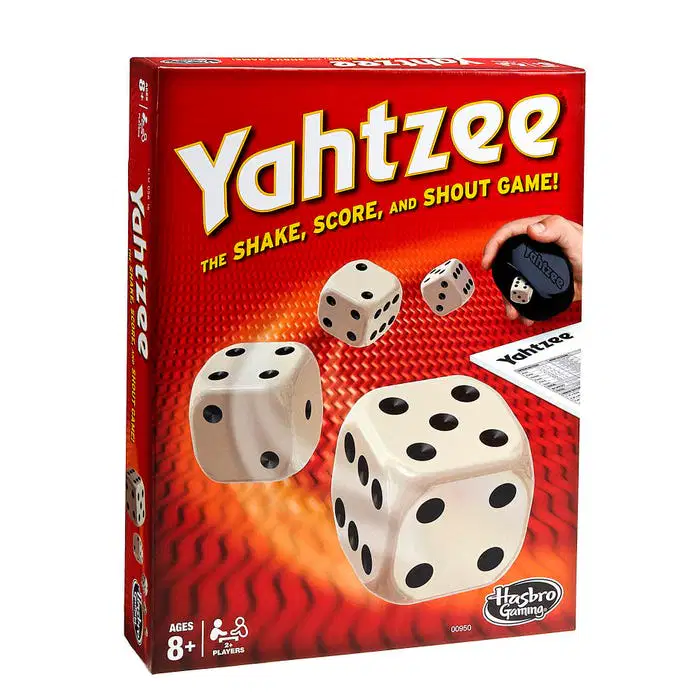
Dice Games
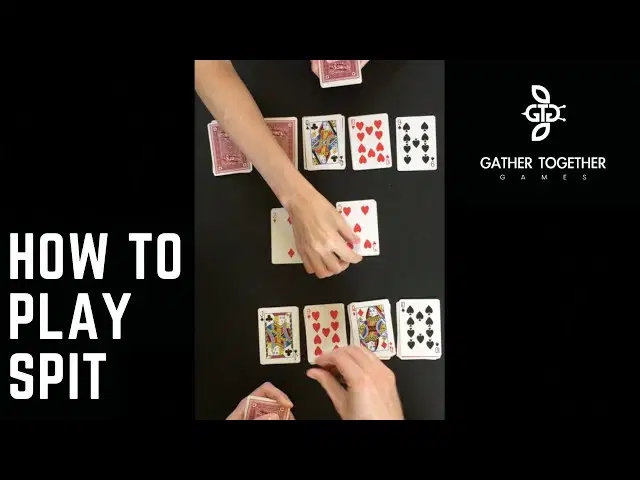
Spit

Chess
Game with a spinner

Drop tube game

Checkers
Organize these options into the right categories
15
3. Define the term intellectual property. Describe the types of intellectual property associated with the game design industry. Describe how intellectual property is protected and why protection is necessary. Define and give an example of a licensed property.
Req. 3
16
Intellectual Property
Intellectual property (IP) refers to creations of the mind, such as inventions; literary and artistic works; designs; and symbols, names and images used in commerce.
IP is protected in law by, for example, patents, copyright and trademarks, which enable people to earn recognition or financial benefit from what they invent or create. By striking the right balance between the interests of innovators and the wider public interest, the IP system aims to foster an environment in which creativity and innovation can flourish.
17
Word Cloud
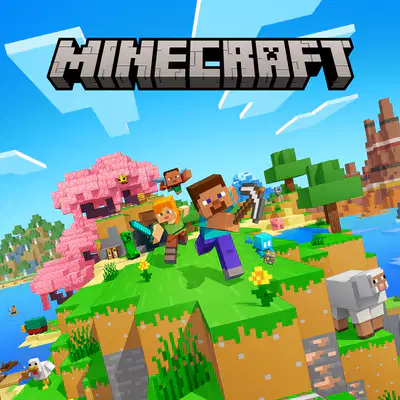
Give an example of a licensed property.
18
4. Do the following:
(a) Pick a game where the players can change the rules or objectives (examples: basketball, hearts, chess, kickball). Briefly summarize the standard rules and objectives and play through the game normally.
(b) Propose changes to several rules or objectives. Predict how each change will affect gameplay.
(c) Play the game with one rule or objective change, observing how the players' actions and emotional experiences are affected by the rule change. Repeat this process with two other changes.
(d) Explain to your counselor how the changes affected the actions and experience of the players. Discuss the accuracy of your predictions.
Req. 4

19
In other words
Let's review tic-tac-toe
What are the rules, objective, and gameplay?
Play one game with a buddy

20
In other words
What's a rule you can change?
How will it affect the game?
Play the game with this change.

21
In other words
What's another rule you can change?
How will it affect the game?
Play the game with this change.
22
In other words
What's another rule you can change?
How will it affect the game?
Play the game with this change.

23
Raise Your Hand
How did the change affect the game?
Did it affect it the way you thought it would?

24
8. Do ONE of the following:
(b) Meet with a professional in game development education and discuss the skills they emphasize in the classroom.
Skip to Rec. 8

25
Poll
Have you ever had a teacher use game elements in a lesson?
Yes
No
Maybe
26
Open Ended
Why do teachers use games in class?
27
Decide on a type of game, objectives, and end goal first.
Consider setting and storyline as well.
Will it be single player, or multiplayer?
Plan, plan, plan
28
Give an advantage opportunity for every disadvantage.
Make it challenging but not impossible.
Make it Fair

29
Once you have it all planned out, you can start on making the game itself.
Finally Work on How to Play

30
Test it many times with different groups to make sure it works well and is fun.
Get feedback from players on how to improve the game.
Test it and Test Again

31
Design a new game. Any game medium or combination of mediums is acceptable. Record your work in a game design notebook.
(a) Write a vision statement for your game. Identify the medium, player format, objectives, and theme of the game. If suitable, describe the setting, story, and characters.
(b) Describe the reason that someone would want to play your game.
(c) Make a preliminary list of the rules of the game. Define the resources.
(d) Draw the game elements.
Req. 5
Do as a team, in pairs, or individually.

32
Note: You must have your counselor's approval of your concept before you begin creating the prototype.
(a) Prototype your game from requirement 5. If applicable, demonstrate to your counselor that you have addressed player safety through the rules and equipment. Record your work in your game design notebook.
(b) Test your prototype with as many other people as you need to meet the player format. Compare the play experience to your descriptions from requirement 5(b). Correct unclear rules, holes in the rules, dead ends, and obvious rule exploits. Change at least one rule, mechanic, or objective from your first version of the game, and describe why you are making the change. Play the game again. Record in your game design notebook whether or not your change had the expected effect.
(c) Repeat 6(b) at least two more times and record the results in your game design notebook.
Req. 6
Do as a team, in pairs, or individually.
33
Blind test your game. Do the following:
(a) Write an instruction sheet that includes all of the information needed to play the game. Clearly describe how to set up the game, play the game, and end the game. List the game objectives.
(b) Share your prototype from requirement 6 with a group of players that has not played it or witnessed a previous playtest. Provide them with your instruction sheet(s) and any physical components. Watch them play the game, but do not provide them with instruction. Record their feedback in your game design notebook.
(c) Share your game design notebook with your counselor. Discuss the player reactions to your project and what you learned about the game design process. Based on your testing, determine what you like most about your game and suggest one or more changes.
Req. 7
Do as a team, in pairs, or individually.

34
Contact Information
Please do not contact until after the New Year

Back of Blue Card
Merit Badge: Game Design
Name of Counselor: Sarah Gross
Address of Counselor:
3540 Fireline RD
Palmerton, PA, 18071
Telephone: 610-349-1795
Date: 12/13/2025
Front of Blue Card
Make sure it's filled out.
Your name
Your street address
Your city
Your troop
Your district
Council: Minsi Trails Council
Show answer
Auto Play
Slide 1 / 34
SLIDE
Similar Resources on Wayground

28 questions
Syncopation Lesson and Quiz
Presentation
•
6th - 8th Grade
27 questions
Unit 5.1: The Poles Apart
Presentation
•
6th - 8th Grade
27 questions
Interactions within Ecosystems
Presentation
•
6th - 8th Grade
28 questions
Ancient Rome - The End of the Republic
Presentation
•
6th - 8th Grade
26 questions
Tides
Presentation
•
6th - 8th Grade
26 questions
Flag Football Rules and Regulations
Presentation
•
6th - 8th Grade
26 questions
States of Matter
Presentation
•
6th - 8th Grade
29 questions
Instruments of the Orchestra
Presentation
•
5th - 8th Grade
Popular Resources on Wayground
10 questions
HCS SCI 03 Summer School Assessment 1

Quiz
•
3rd Grade
15 questions
HCS SCI 05 Summer School Assessment 1 Review
Quiz
•
5th Grade
22 questions
Day 9 Equations and Inequalities Review
Quiz
•
9th Grade
10 questions
Writing and Identifying Ratios Practice
Quiz
•
5th - 6th Grade
7 questions
PYRAMID PERSPECTIVES part 1
Presentation
•
9th - 12th Grade
12 questions
Understanding the Fourth of July
Quiz
•
9th Grade
15 questions
Soccer World Cup Quiz Questions
Quiz
•
7th Grade