

Lesson 5.10

Presentation
•
Social Studies
•
6th Grade
•
Easy

Katie Haubrick
Used 2+ times
FREE Resource
12 Slides • 6 Questions
1
The European Union
Lesson 5.10
2
Dropdown
3
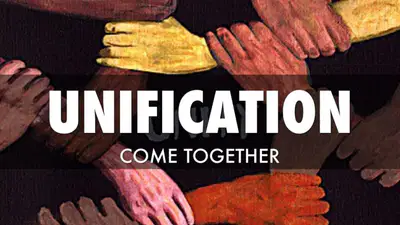
Smaller kingdoms/states with similar cultures, ways of life, or agendas will join together to become more powerful.
Unification
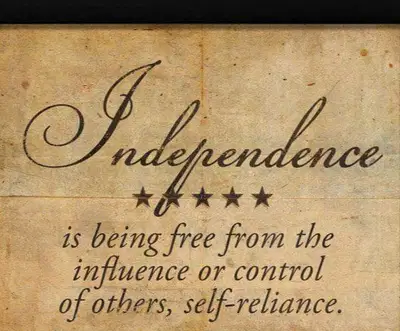
Nations (groups of people with a shared cultural identity) will break away from a larger country and form their own nation-state or country.
Independence
4
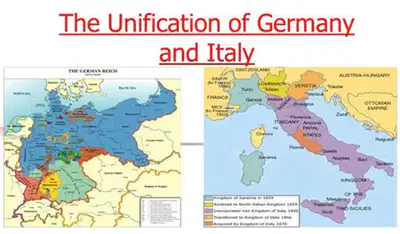
Nationalism: Italy and Germany
Remember:
Italy and Germany were both formed because of nationalism. The smaller kingdoms, or states, decided to join together to become much larger, more powerful countries.
They did this because they had things in common with each other.
5
Cooperation
Unification requires cooperation.
Would countries join together or work together if they did not agree with each other? It is really had to work together when you don't get along.
In Europe, cooperation between countries helped them meet their goals.
6
Open Ended
In your own words, what does it mean to cooperate?
7
The European Union
After WWII, many European countries needed rebuilt, both the infrastructure and the economy. These countries chose to work together to bounce back from war.
They started with 6 countries, and today there are 27 member states.
They worked together in many ways. Let's explore more!
8

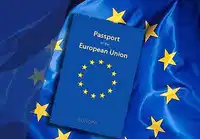
They reduced trade barriers between countries. Goods could move across Europe without facing heavy taxes. This helped keep prices low for the buyers.
Trade
Each state in the European union has one form of currency (or money). This makes it cheaper to do business across multiple countries.
Central Bank
Any person who lives in a European Union state is also a citizen of the EU. This means they can live and work in any country they want. They can also travel freely.
Citizenship
9
Why do they work together?
They share the same goals and values for their country: they aim to promote peace, freedom, equality, cultural diversity, and scientific progress.
Only states with democratic governments and a respect for human rights are allowed to join.
10
Currency
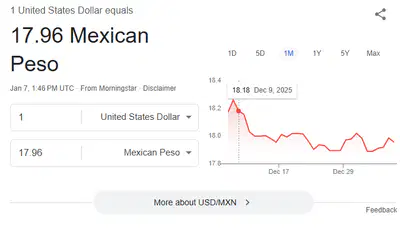
To go from the United States to Mexico, you would need to exchange US Dollars for the Mexican Peso. During this exchange, you would pay a small fee to have the money exchanged.
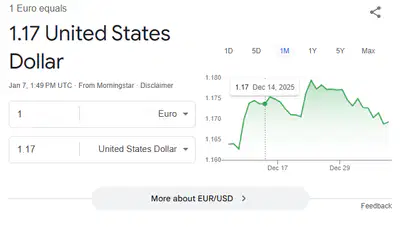
The euro is the currency in the EU. Someone can travel to almost any country within the EU without having to exchange currencies or pay a fee. These countries are called the eurozone.
11
Multiple Select
How does the euro help member of the European Union
it lowers the cost of goods from other countries
it makes conducting business in other countries cheaper
it makes it easier to travel between countries
it cannot be used anywhere but Germany
12
Time to review!
You will see three open ended responses on your test. We will now review and practice each one of them.

Question 1: How have the seas and oceans near Europe affected the people in Europe?
Hint: why would it be good to live near an ocean? What is easier because they have access to the ocean? Why might people choose to live near water (this is a question you have had before!)
13
Open Ended
Question 1: How have the seas and oceans near Europe affected the people in Europe? Please use a complete sentence.
14
Time to review!
You will see three open ended responses on your test. We will now review and practice each one of them.

Question 2: What are two examples of the movement of ideas in Europe?
Hint: movement of ideas means that an idea, concept, or invention started in Europe and became popular in other places. Name 2 of those ideas that became popular beyond Europe.
15
Open Ended
Question 2: What are two examples of the movement of ideas in Europe? Please answer in a complete sentence.
16
Time to review!
You will see three open ended responses on your test. We will now review and practice each one of them.
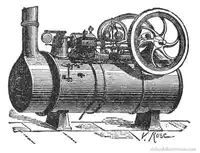
Question 3: How did the Industrial Revolution change life for many people in Europe?
Hint: the Industrial Revolution was a shift from farming communities to city life, factory work, and the rise of the machine. Think about how the first "technology" changed the world, both in positive and negative ways.


17
Open Ended
Question 3: How did the Industrial Revolution change life for many people in Europe? Please answer in a complete sentence.
18
Tomorrow: we will review for your test on Friday! Please work through the Wayground test review BEFORE tomorrow's class.

The European Union
Lesson 5.10
Show answer
Auto Play
Slide 1 / 18
SLIDE
Similar Resources on Wayground

14 questions
Physical Geography of Central America
Presentation
•
6th Grade
14 questions
Migration Review and Redo
Presentation
•
6th Grade
14 questions
6th Grade Q2 ELA Review
Presentation
•
6th Grade
15 questions
Unit 4A-Napoleon Bonaparte
Presentation
•
6th Grade
15 questions
Types of Economies
Presentation
•
6th Grade
16 questions
Guess that Government
Presentation
•
6th Grade
16 questions
Geography of the United States and Canada
Presentation
•
6th Grade
12 questions
The Geography of Greece
Presentation
•
6th Grade
Popular Resources on Wayground
10 questions
Factors 4th grade

Quiz
•
4th Grade
10 questions
Cinco de Mayo Trivia Questions

Interactive video
•
3rd - 5th Grade
13 questions
Cinco de mayo
Interactive video
•
6th - 8th Grade
20 questions
Math Review
Quiz
•
3rd Grade
20 questions
Main Idea and Details
Quiz
•
5th Grade
20 questions
Context Clues
Quiz
•
6th Grade
20 questions
Inferences
Quiz
•
4th Grade
19 questions
Classifying Quadrilaterals
Quiz
•
3rd Grade
Discover more resources for Social Studies
15 questions
Quiz Sub-Sahara Africa Culture
Quiz
•
6th Grade
20 questions
Australia
Quiz
•
6th Grade
10 questions
Exploring the 50 States and Capitals of the USA
Interactive video
•
6th - 10th Grade
25 questions
Civics EOC Review
Quiz
•
6th - 8th Grade
10 questions
History of Oceania
Presentation
•
6th Grade
11 questions
Specialization and Trade - Australia
Presentation
•
6th Grade
40 questions
2012 Civics SOL Release Test
Quiz
•
6th - 8th Grade
40 questions
Rise of Civilizations: Ancient Mesopotamia Unit Test Review
Quiz
•
6th - 8th Grade