

muscle

Presentation
•
Science
•
12th Grade
•
Practice Problem
•
Medium
Standards-aligned

Joniqua Taylor
Used 12+ times
FREE Resource
30 Slides • 28 Questions
1
2
3
Multiple Choice
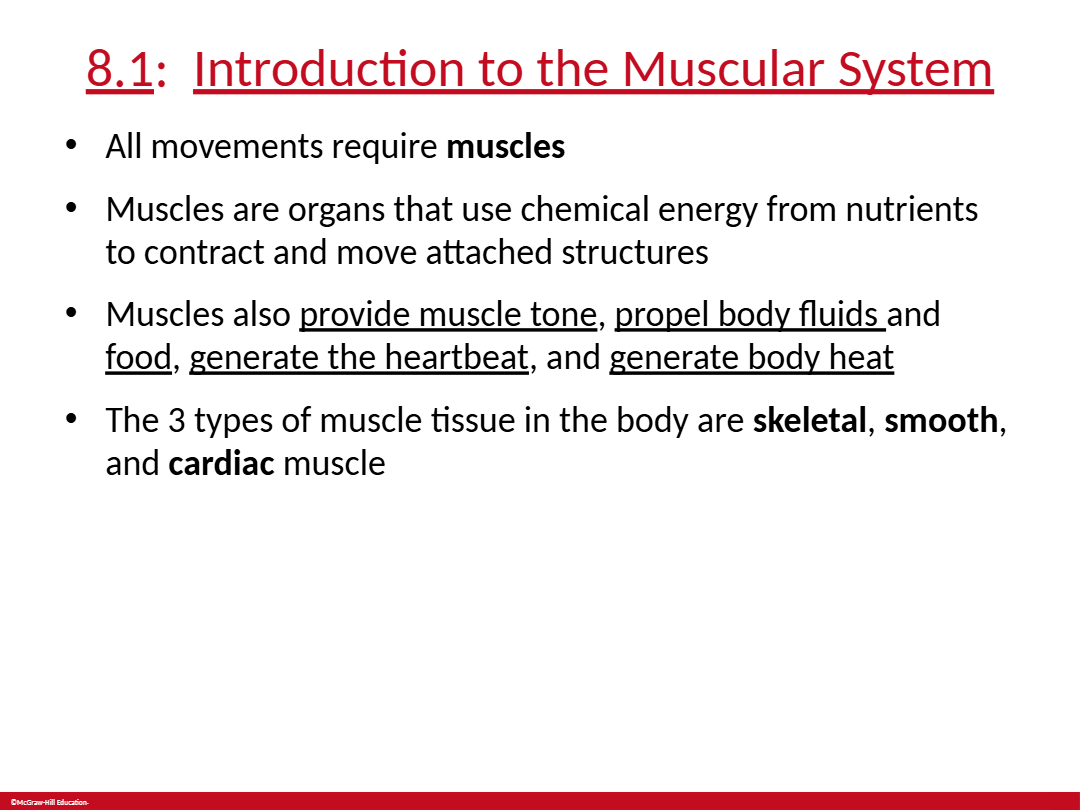
Which of the following is NOT a function of muscles in the human body?
Generating the heartbeat
Providing muscle tone
Producing hormones
Propelling body fluids
4
Open Ended
Why is the muscular system essential for the functioning of the human body?
5
6
7
Multiple Choice
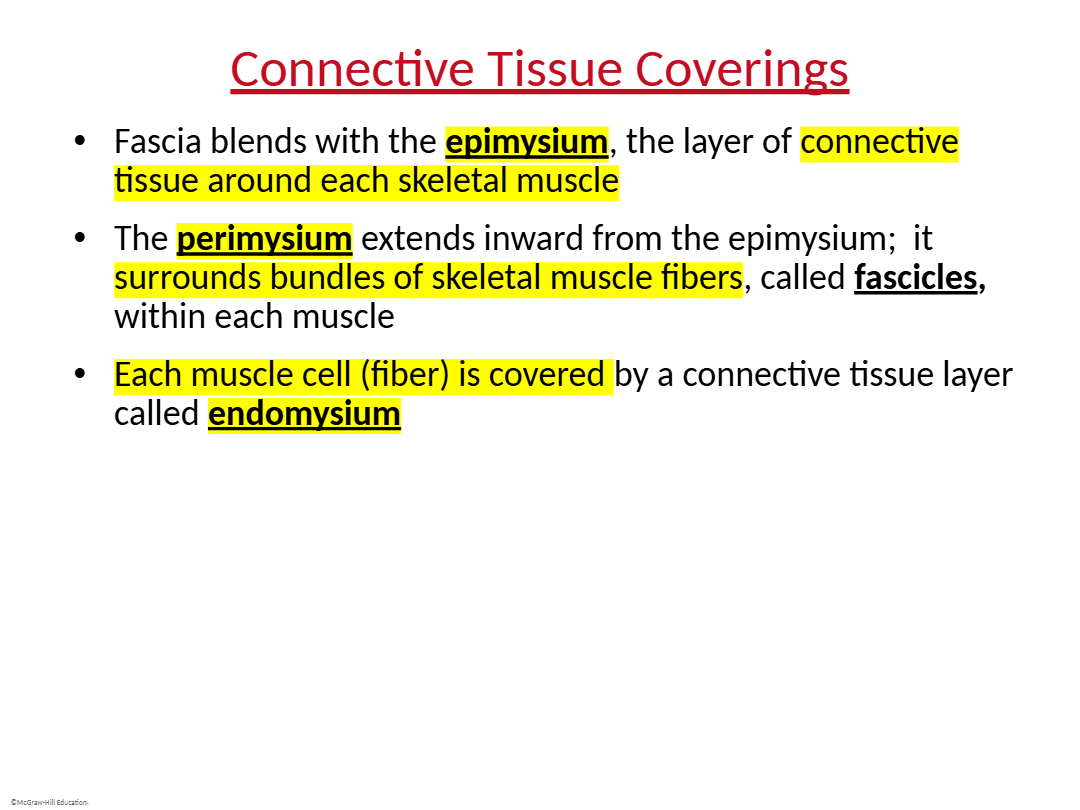
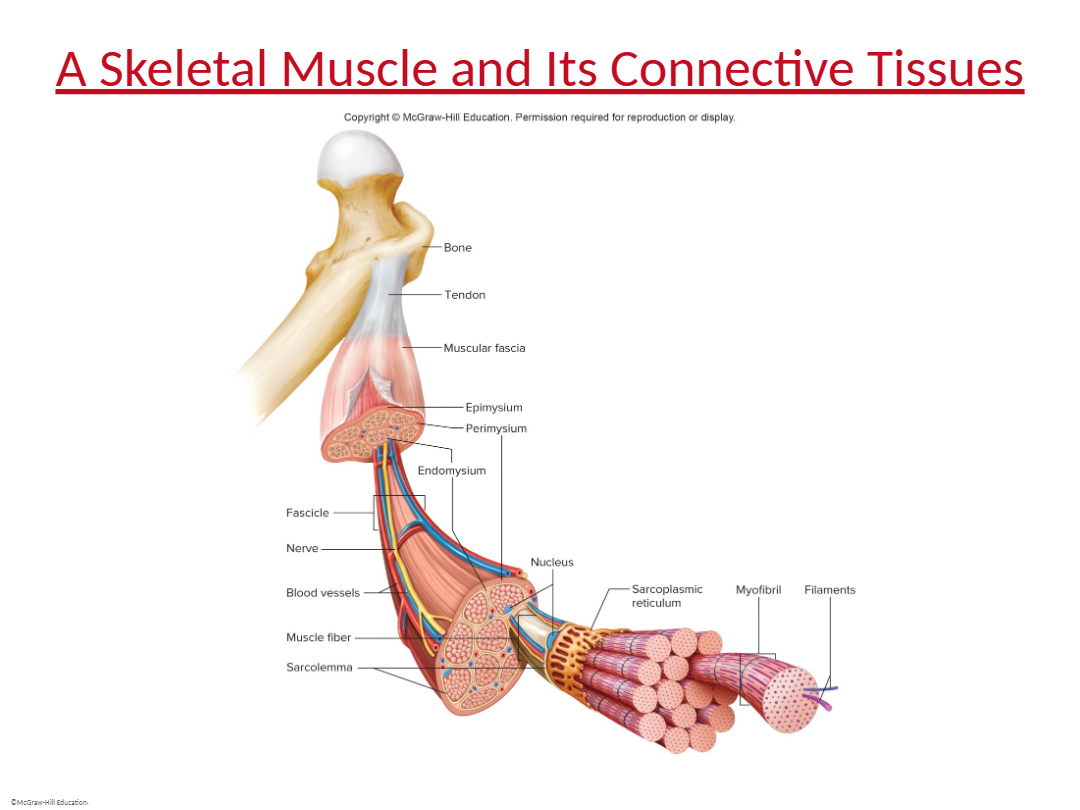
Which connective tissue covering surrounds each individual muscle fiber?
Epimysium
Perimysium
Endomysium
Fascia
9
Open Ended
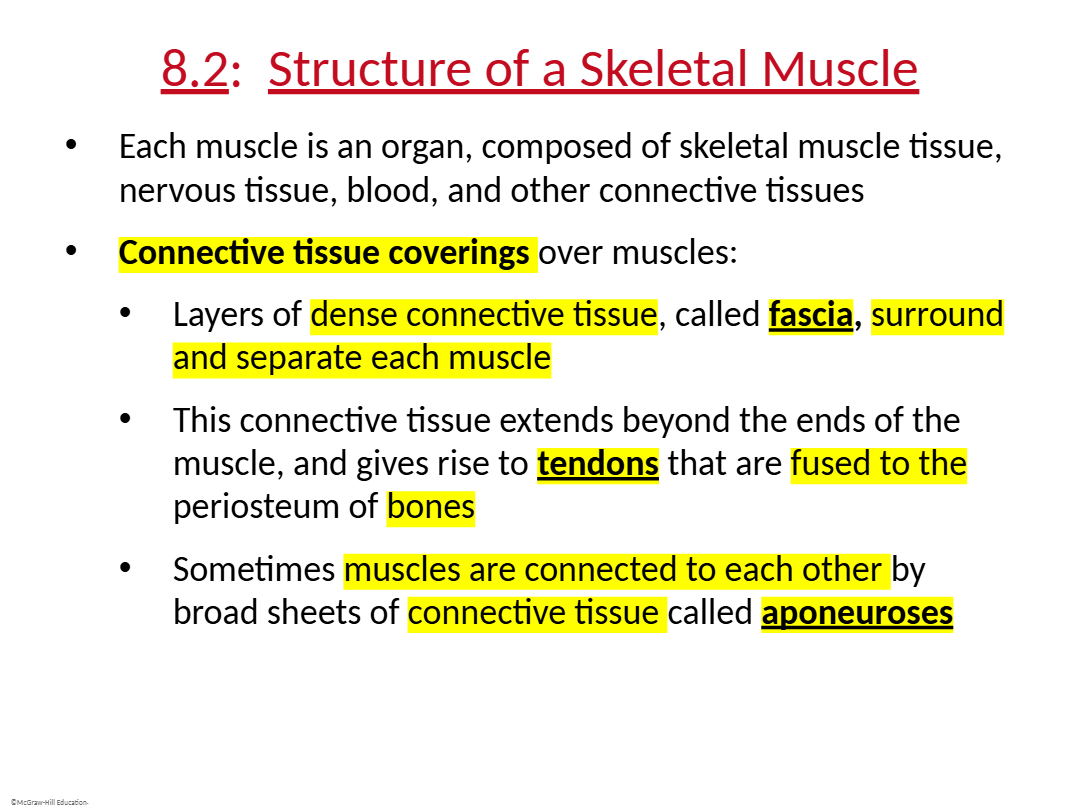
Explain the relationship between tendons, bones, and connective tissue coverings in skeletal muscles.
10
11
Open Ended
Describe the structural organization of a skeletal muscle fiber from the outermost connective tissue to the innermost components.
12
Fill in the Blanks
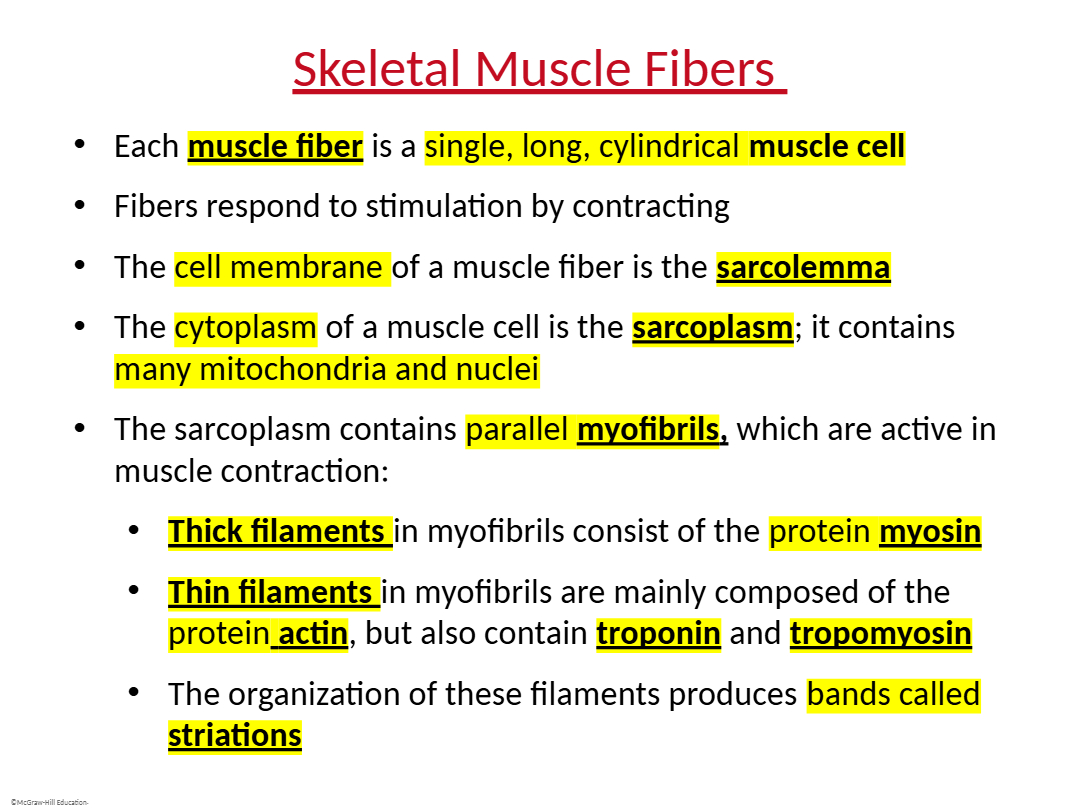
The cell membrane of a muscle fiber is called the
Type answer...
13
Multiple Select
Which of the following structures are found within a skeletal muscle fiber?
Nucleus
Sarcoplasmic reticulum
Myofibril
Perimysium
14
15
16
Multiple Choice
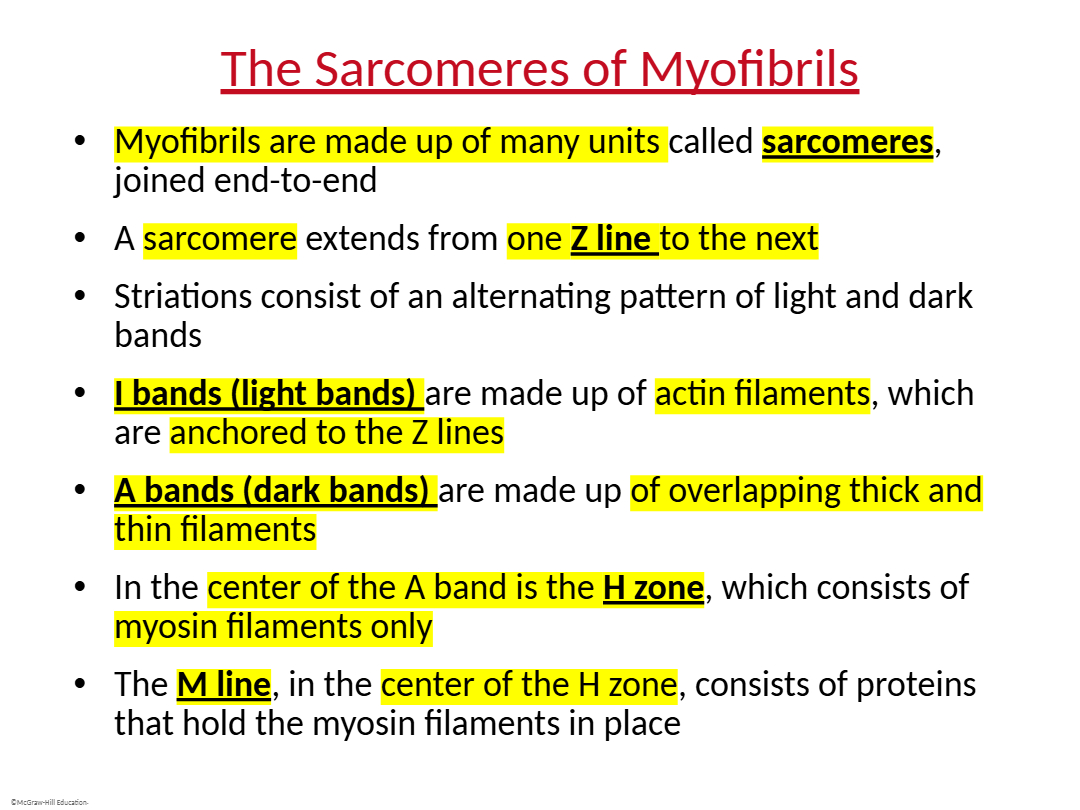
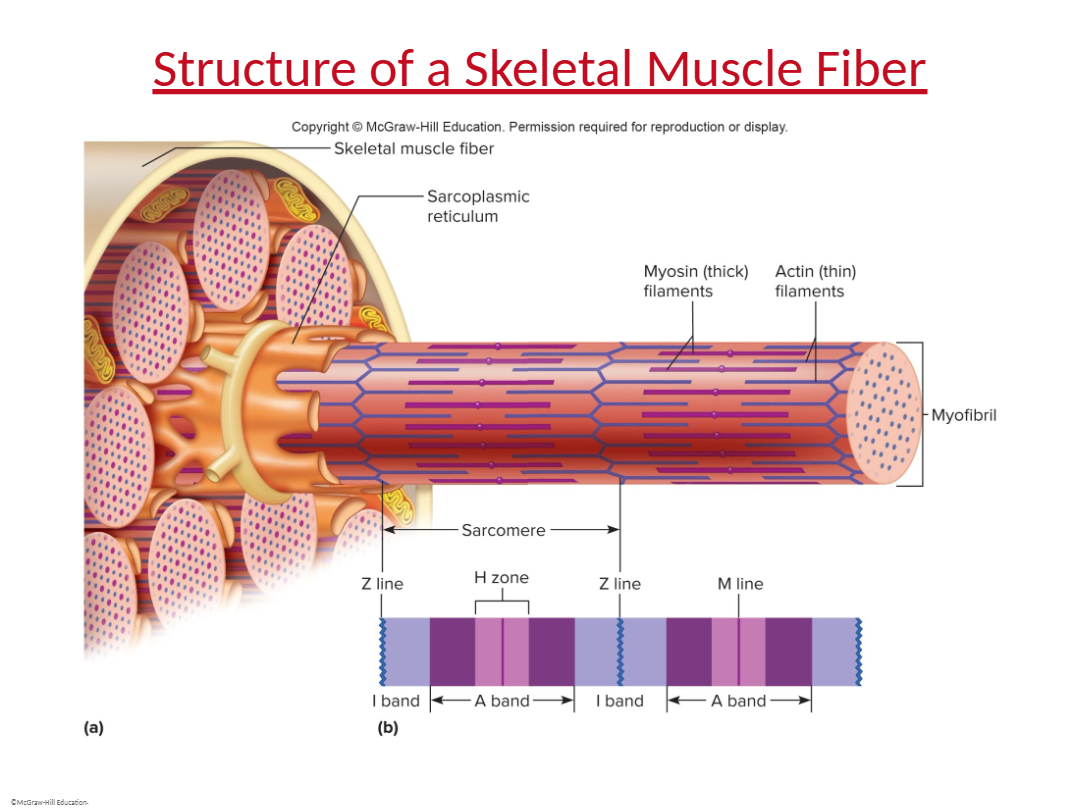
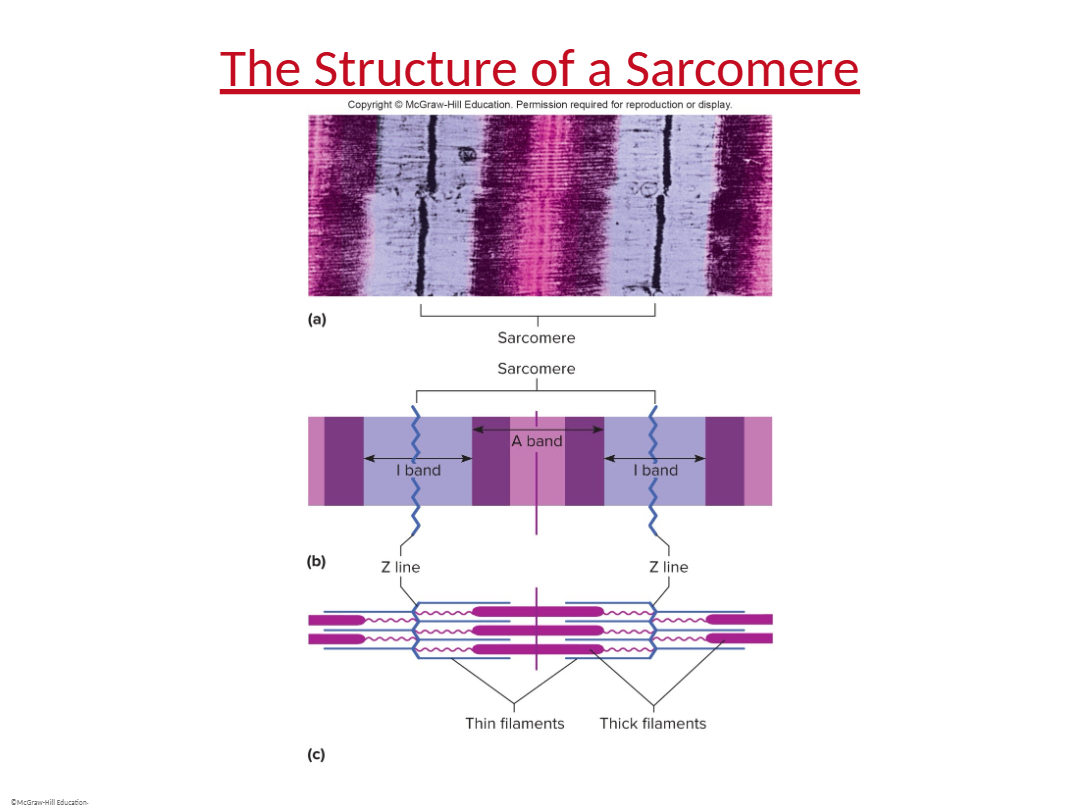
What is the main difference between I bands and A bands in a sarcomere?
I bands contain only actin filaments, while A bands contain overlapping thick and thin filaments.
I bands contain only myosin filaments, while A bands contain only actin filaments.
I bands are found at the center of the H zone, while A bands are found at the edges of the sarcomere.
I bands are made up of overlapping thick and thin filaments, while A bands contain only actin filaments.
17
18
Multiple Choice
Which structure within a sarcomere is responsible for the separation of I bands and A bands?
Z line
Thin filament
Thick filament
Sarcolemma
19
20
21
Multiple Select
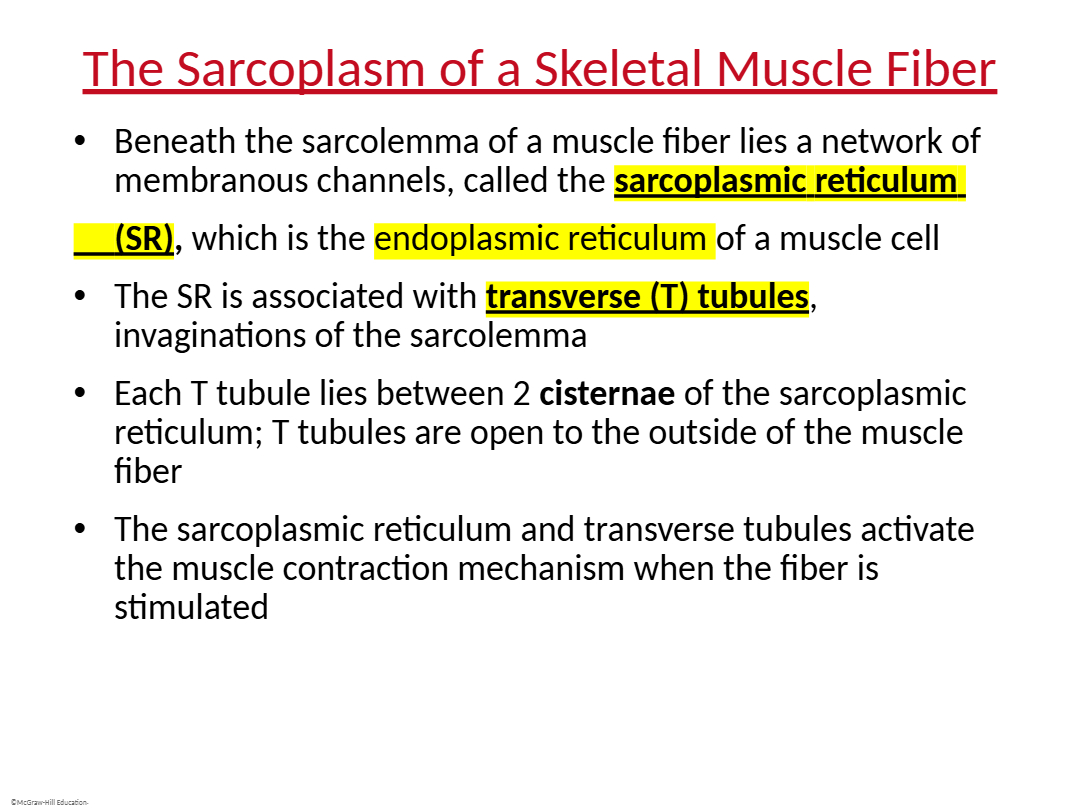
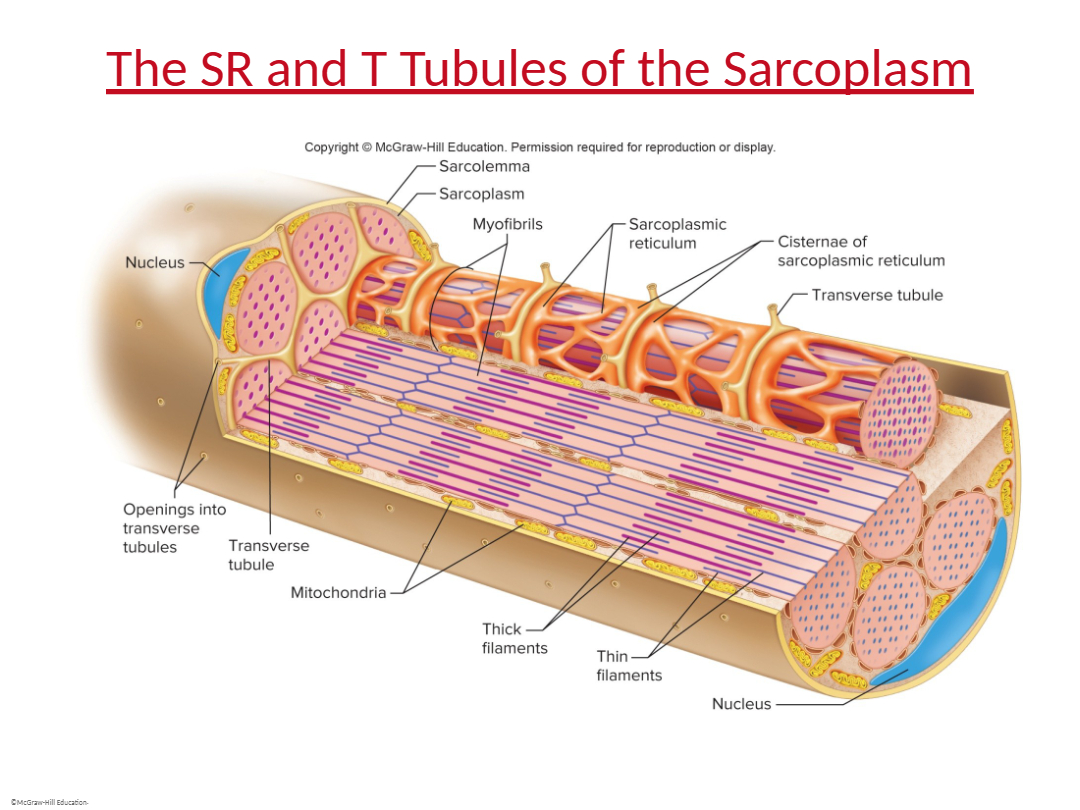
Which of the following are components found within the sarcoplasm of a skeletal muscle fiber?
Nucleus
Sarcoplasmic reticulum
Transverse tubule
Myofibrils
22
Open Ended
Explain the role of the sarcoplasmic reticulum and transverse (T) tubules in muscle contraction.
23
24
Fill in the Blanks
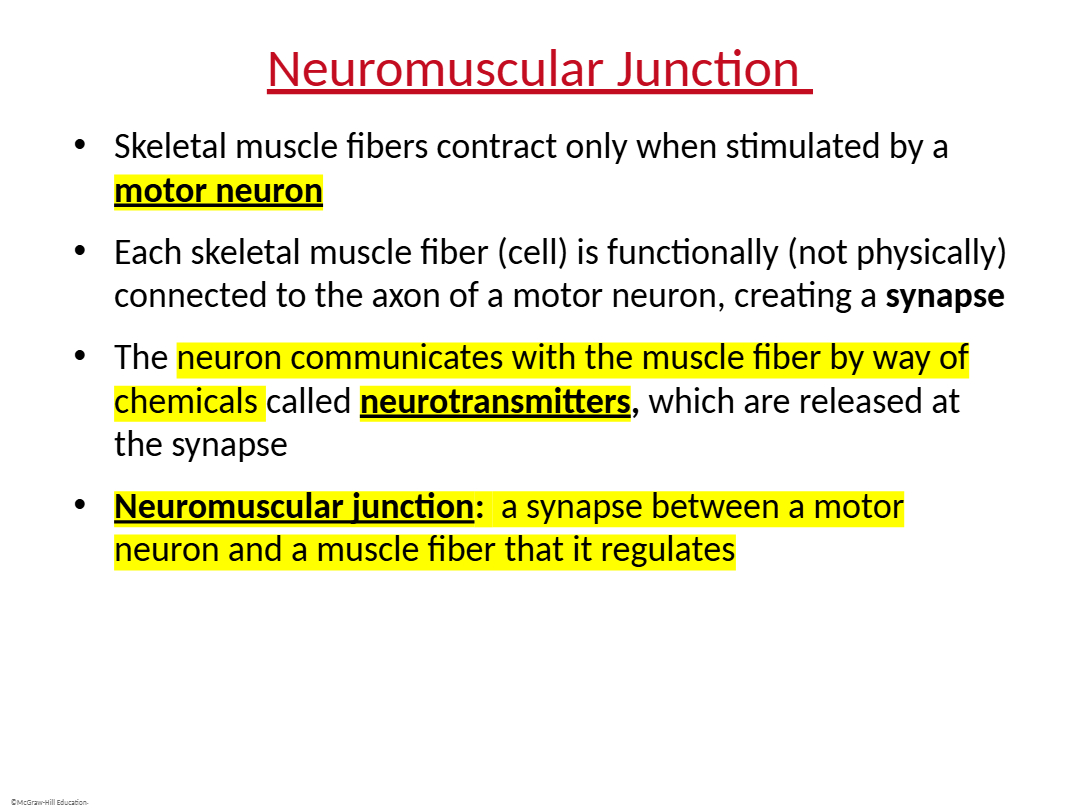
The neuron communicates with the muscle fiber by releasing
Type answer...
25
26
27
Multiple Choice
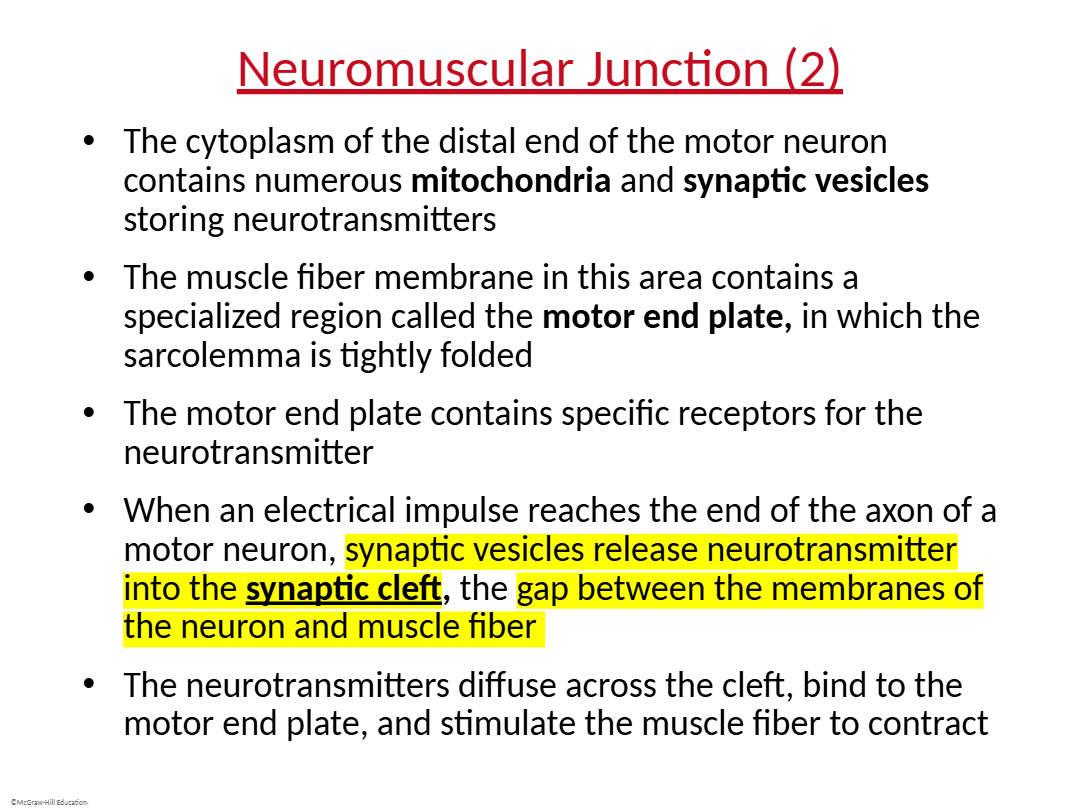
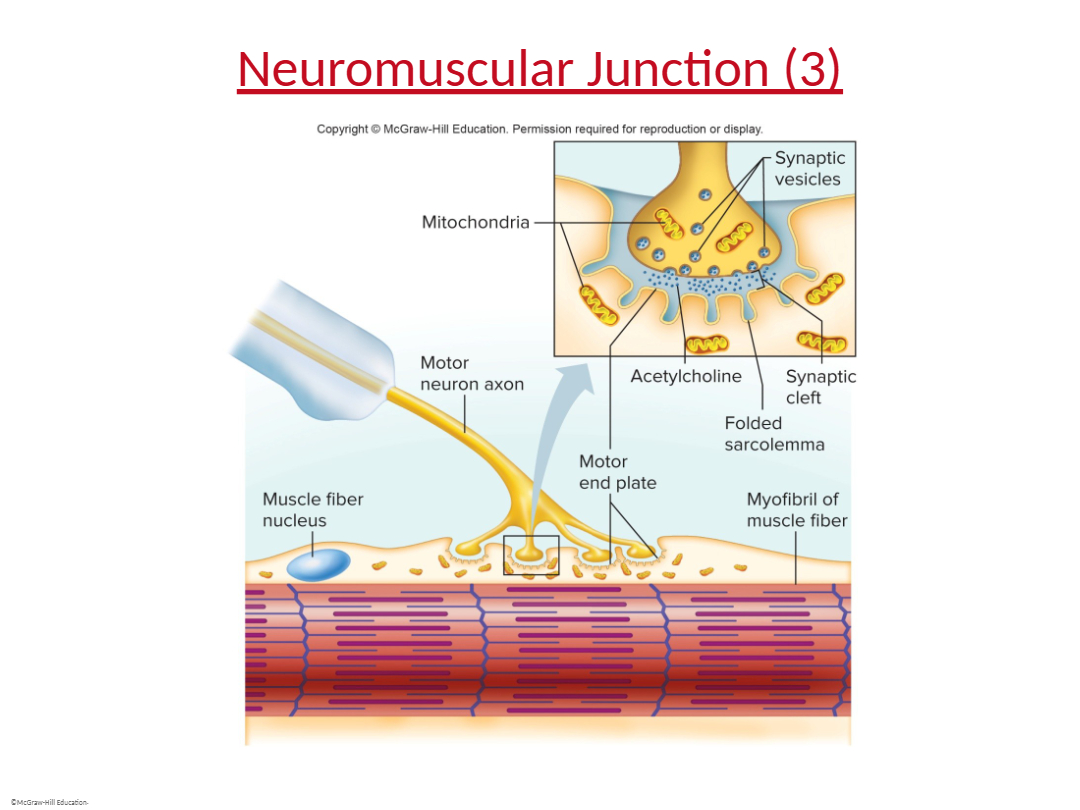
Which of the following correctly describes the sequence of events at the neuromuscular junction when an electrical impulse reaches the end of a motor neuron?
Neurotransmitters are released into the synaptic cleft, bind to receptors on the motor end plate, and stimulate muscle contraction.
Neurotransmitters are released into the sarcoplasmic reticulum, bind to mitochondria, and stimulate muscle contraction.
Neurotransmitters are released into the nucleus, bind to myofibrils, and stimulate muscle contraction.
Neurotransmitters are released into the transverse tubule, bind to Z lines, and stimulate muscle contraction.
28
Open Ended
What is the function of the synaptic cleft at the neuromuscular junction?
29
30
Multiple Choice
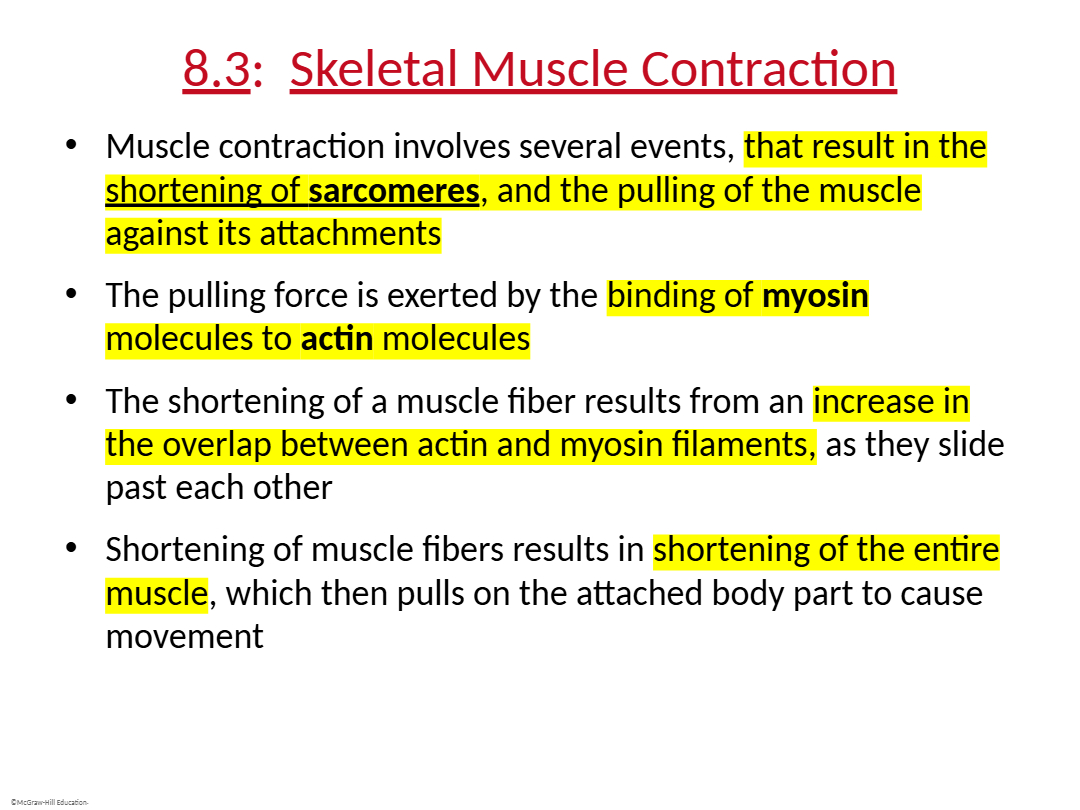
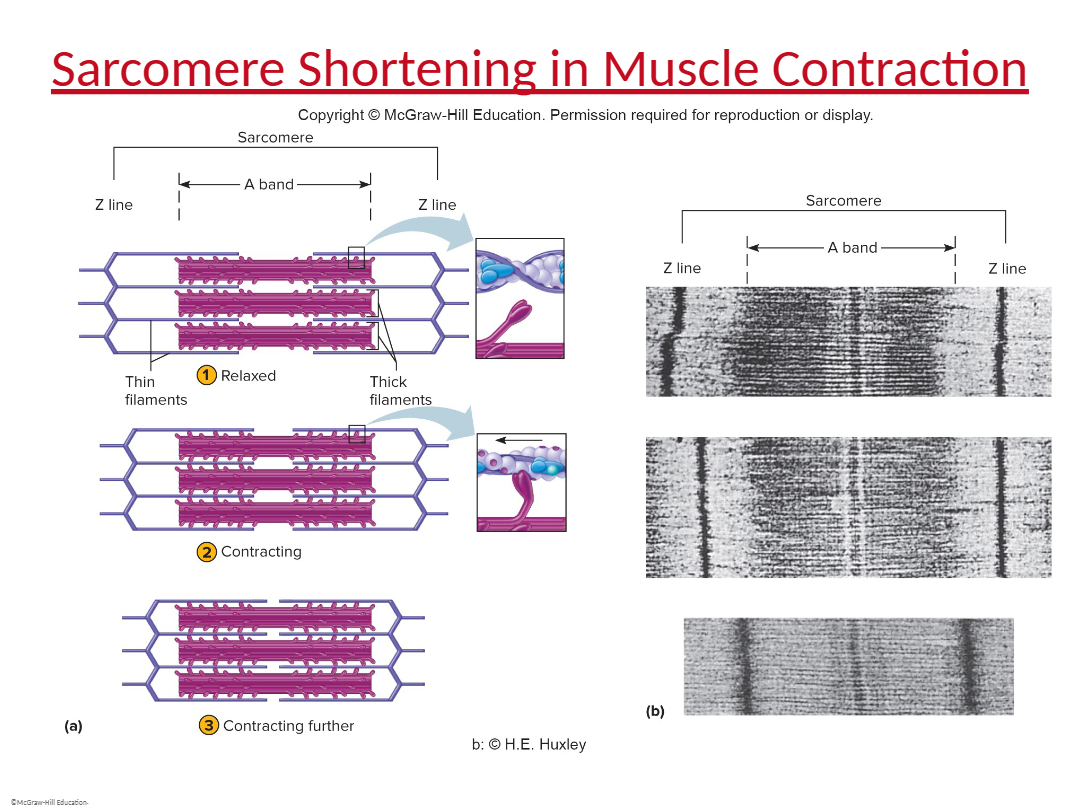
Which event directly causes the shortening of sarcomeres during skeletal muscle contraction?
Binding of myosin molecules to actin molecules
Release of calcium ions
Breakdown of ATP
Relaxation of muscle fibers
31
32
Open Ended
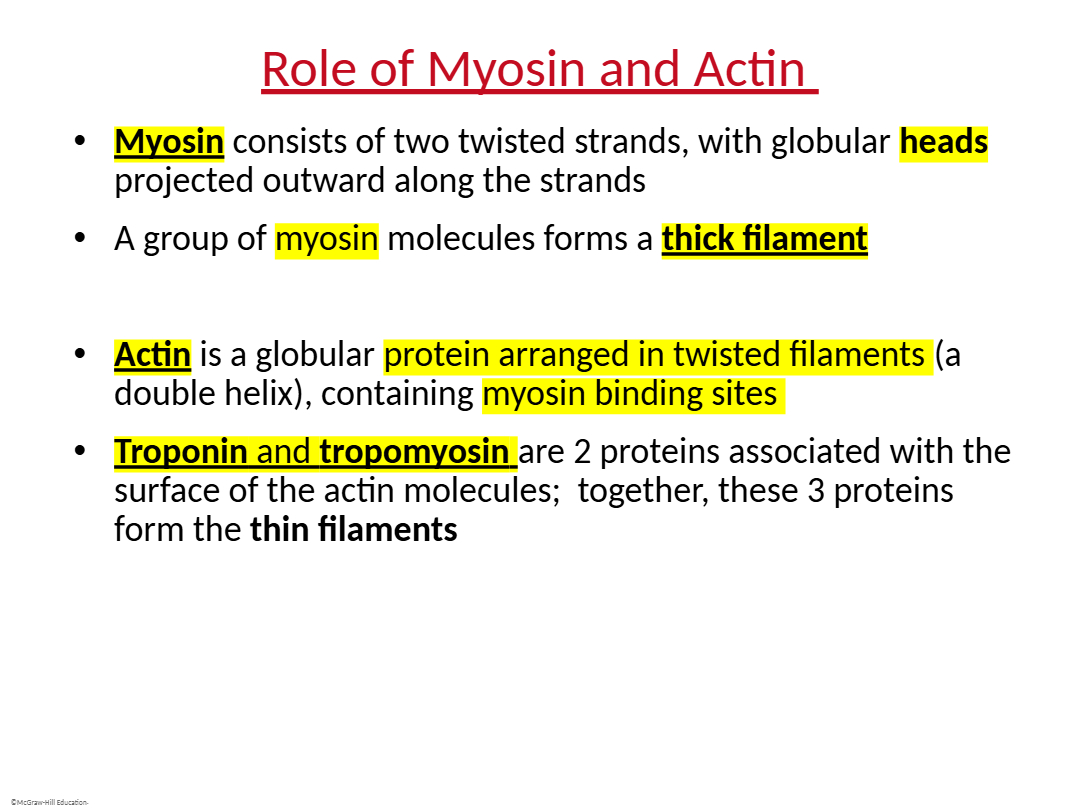
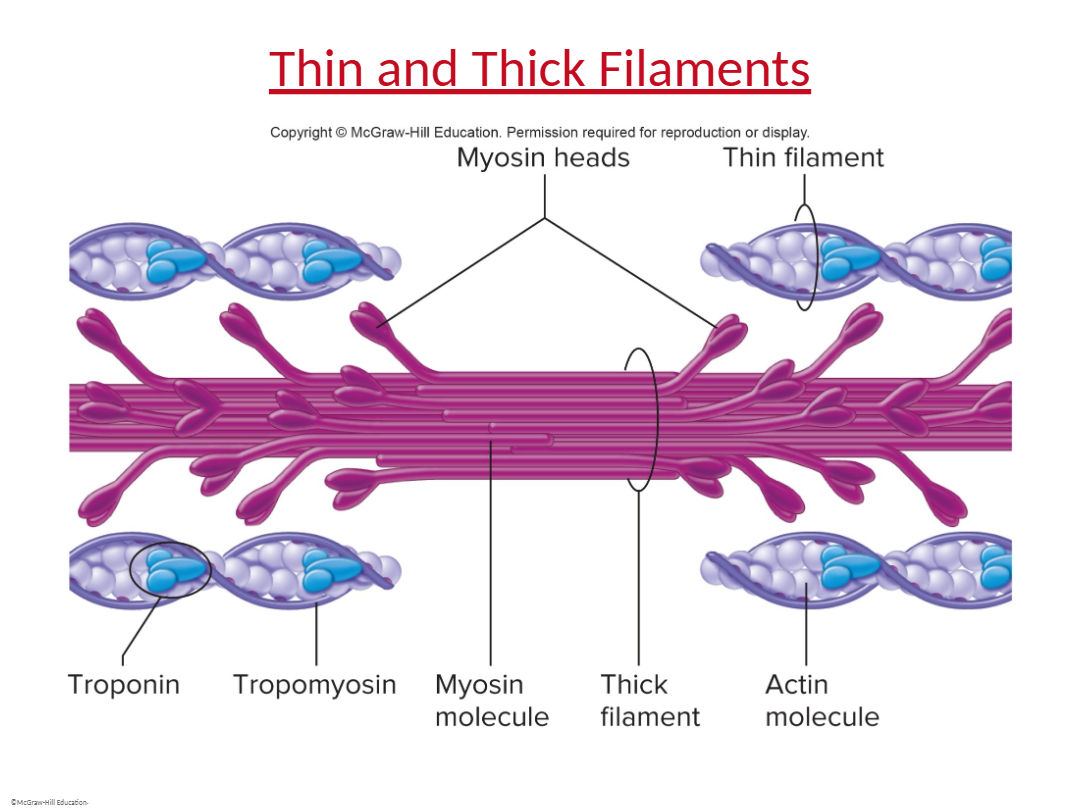
Explain the structural differences between thick and thin filaments in skeletal muscle, and describe the role of associated proteins.
33
34
Multiple Select
Which of the following are components of thin filaments in skeletal muscle?
Actin
Troponin
Tropomyosin
Myosin
35
36
Multiple Choice
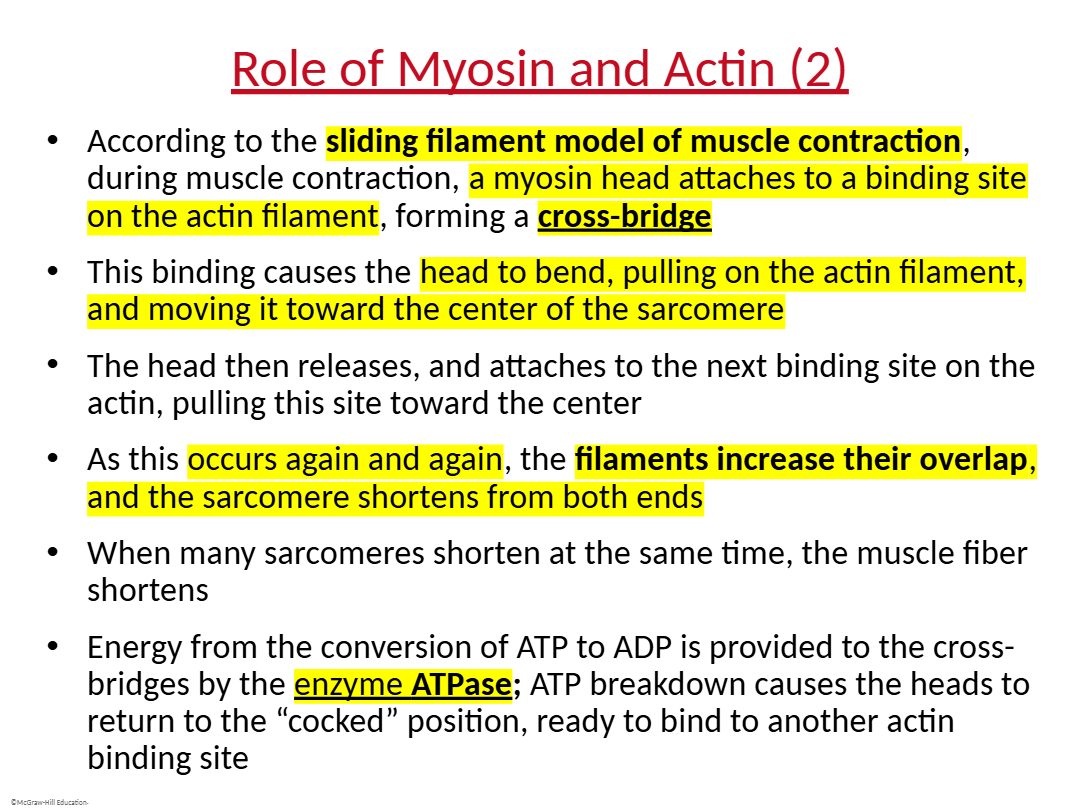
According to the sliding filament model, what is the function of the enzyme ATPase during muscle contraction?
Provides energy for cross-bridge cycling
Breaks down actin filaments
Synthesizes myosin
Stores calcium ions
37
38
Fill in the Blanks
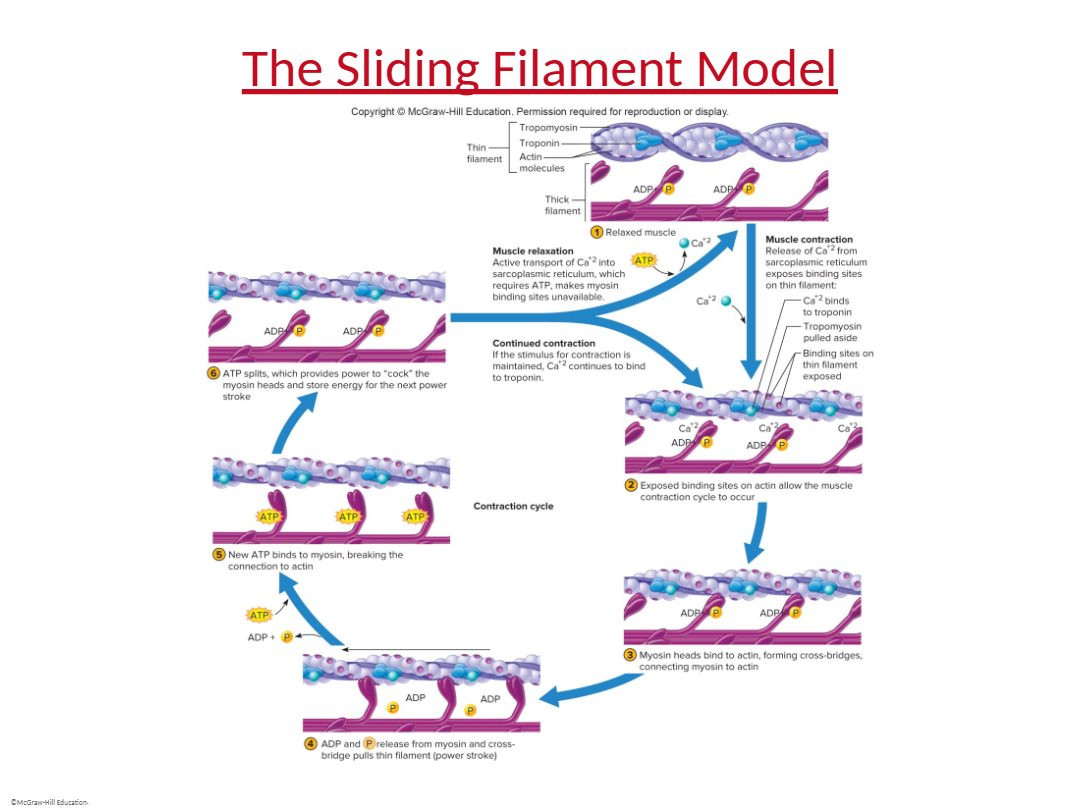
During muscle contraction, myosin heads bind to
Type answer...
39
40
Open Ended
Describe how the structure of the sarcomere changes during muscle contraction, referencing the changes in the A band and Z lines.
41
42
Multiple Choice
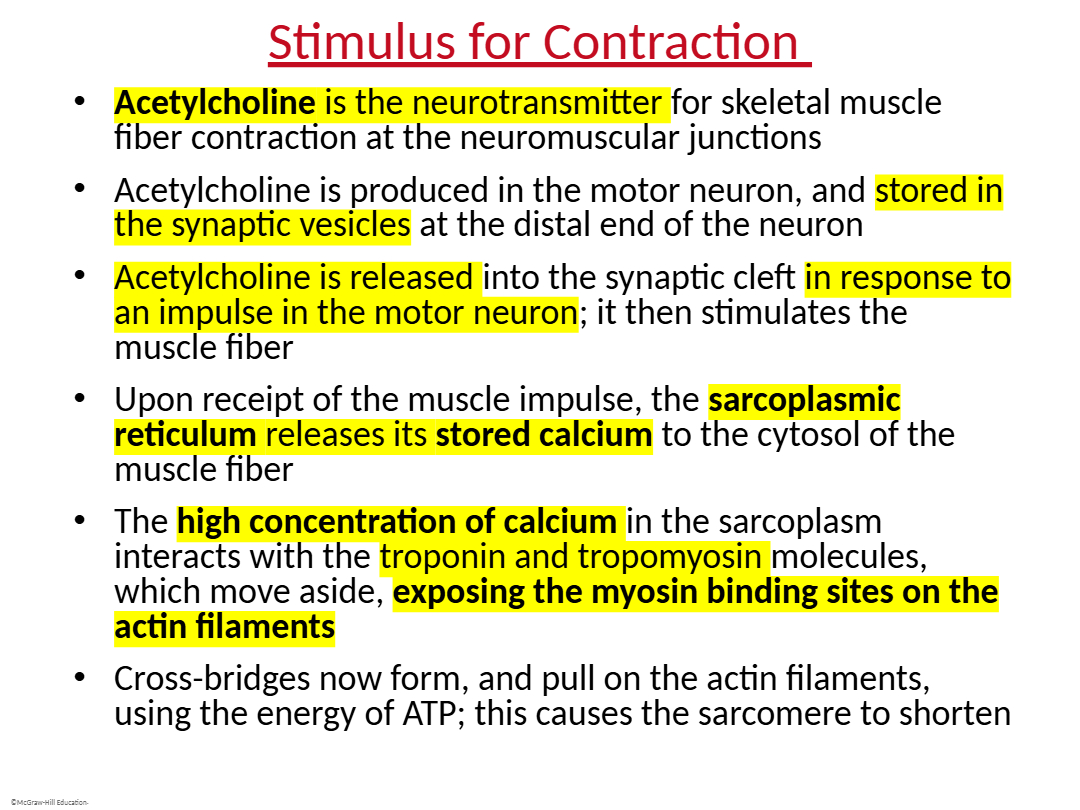
Which molecule acts as the neurotransmitter at the neuromuscular junction to stimulate skeletal muscle contraction?
Acetylcholine
Calcium
ATP
Creatine phosphate
43
44
45
Open Ended
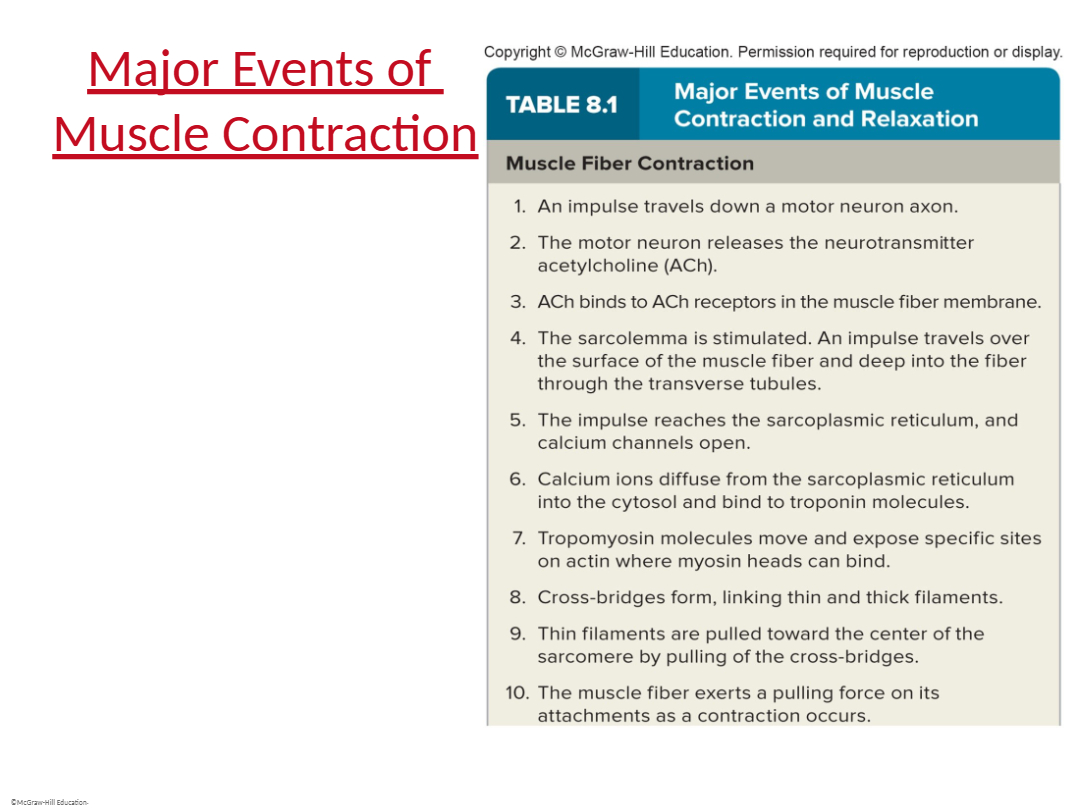
Describe the sequence of events that occur in a muscle fiber from the arrival of a nerve impulse to the formation of cross-bridges.
46
47
Multiple Select
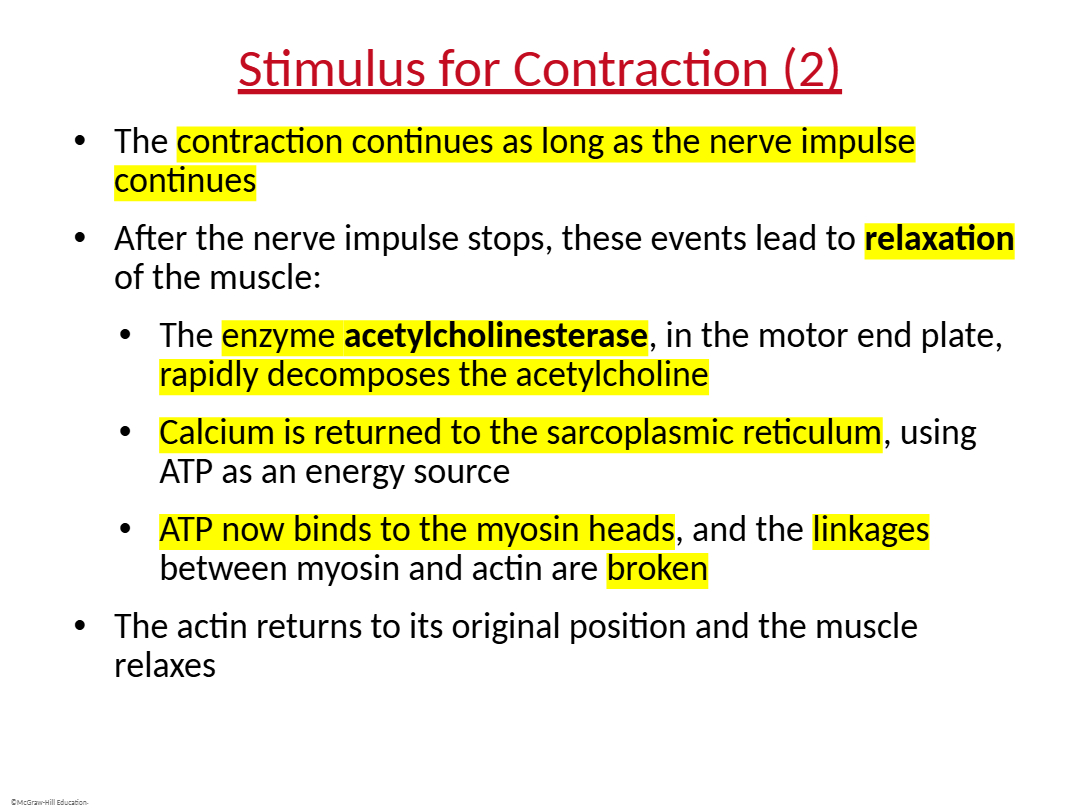
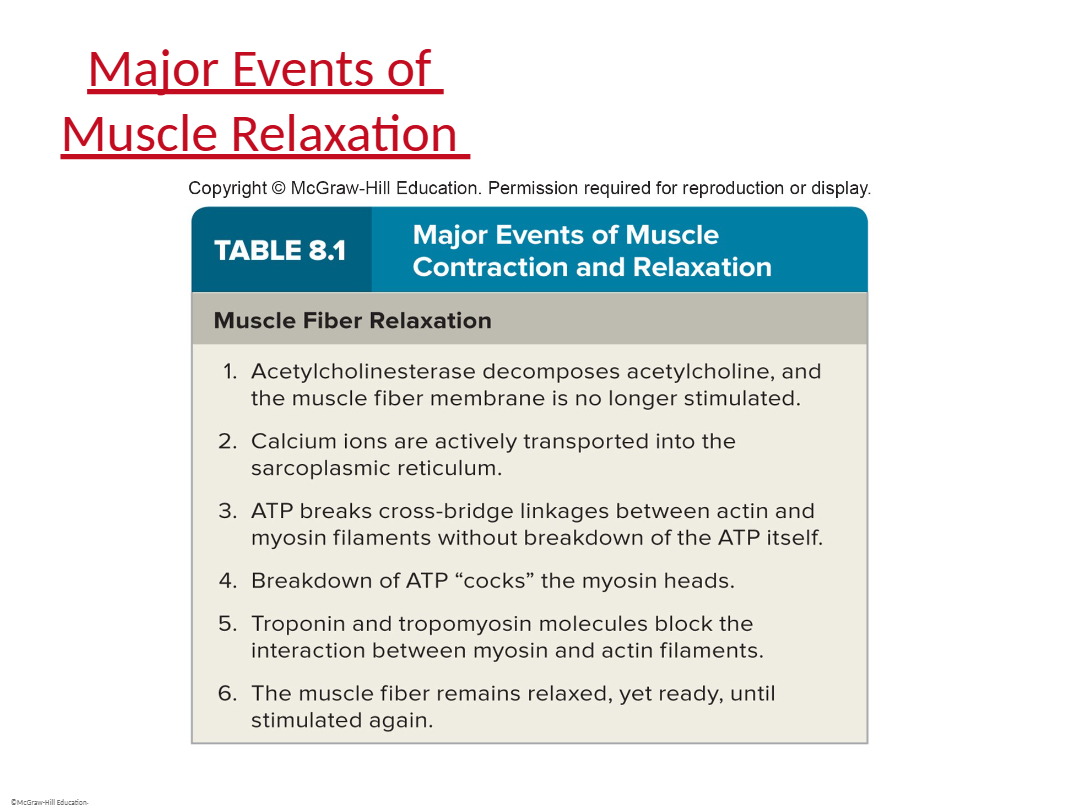
Which of the following are involved in the relaxation of a muscle fiber after contraction?
Acetylcholinesterase decomposes acetylcholine
Calcium ions are actively transported into the sarcoplasmic reticulum
ATP breaks cross-bridge linkages
Troponin and tropomyosin block myosin-actin interaction
48
49
Fill in the Blanks
Energy for muscle fiber contraction comes from molecules of
Type answer...
50
51
Multiple Select
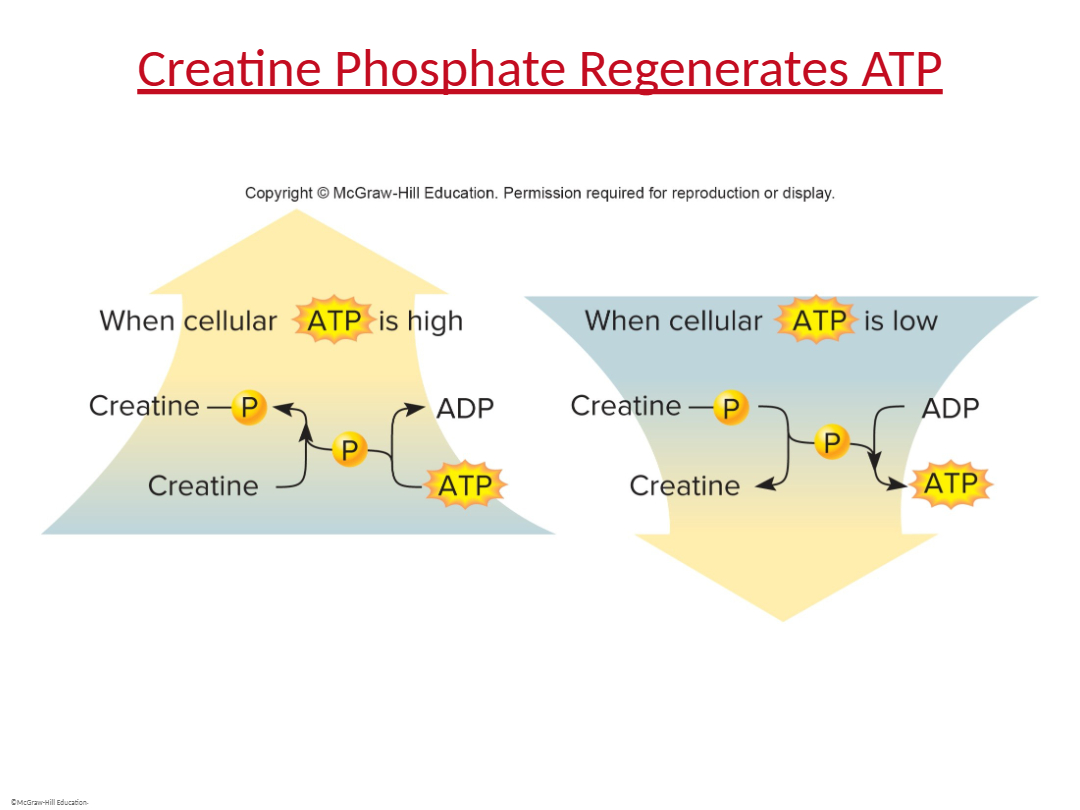
Which of the following statements about creatine phosphate are correct?
It helps regenerate ATP from ADP and phosphate
It is rapidly used up during muscle contraction
Its supply is promoted by creatine phosphokinase
It is the initial source of energy for muscle contraction
52
Open Ended
Explain the role of creatine phosphate in muscle contraction and how it interacts with ATP and ADP.
53
54
55
56
57
Open Ended
Reflecting on today's lesson, how do muscles contribute to movement and other functions in the body beyond just movement?
58
Multiple Choice
What are the three types of muscle tissue found in the human body?
Skeletal, smooth, and cardiac
Skeletal, connective, and cardiac
Smooth, connective, and nervous
Cardiac, epithelial, and skeletal
Show answer
Auto Play
Slide 1 / 58
SLIDE
Similar Resources on Wayground

50 questions
Presentasi Tanpa Judul
Presentation
•
KG - University
54 questions
Simple Harmonic Motion
Presentation
•
11th Grade
52 questions
1 - Atmospheric Composition - ES
Presentation
•
12th Grade
51 questions
Motivation science presentation
Presentation
•
KG
53 questions
Environmental Systems- CH6 Biomes
Presentation
•
12th Grade - University
53 questions
05 Wonders of the Sky-Eclipses
Presentation
•
12th Grade - University
53 questions
Present Perfect Subjunctive
Presentation
•
11th - 12th Grade
54 questions
Community Health Week 1 FA 25
Presentation
•
University
Popular Resources on Wayground
10 questions
Safety Day 2026 – Student Review

Quiz
•
9th Grade
21 questions
Continents and Oceans
Quiz
•
6th Grade
20 questions
Parts of Speech
Quiz
•
5th Grade
16 questions
Subject & Predicate
Quiz
•
5th Grade
25 questions
Multiplication Facts
Quiz
•
5th Grade
12 questions
Map Skills
Quiz
•
3rd Grade
22 questions
Continents and Oceans
Quiz
•
5th Grade
15 questions
Rounding Decimals
Quiz
•
5th Grade
Discover more resources for Science
7 questions
Newton's Laws Video Quiz

Interactive video
•
9th - 12th Grade
35 questions
Cell Transport/Enzyme/Cell/Macro Review
Quiz
•
9th - 12th Grade
13 questions
Explore Enzyme Functions and Interactions
Quiz
•
9th - 12th Grade
10 questions
Fact or Fiction: Microbes
Quiz
•
9th - 12th Grade
10 questions
Understand Cell Functions and Organelles
Quiz
•
9th - 12th Grade
19 questions
Explore Macromolecules in Living Organisms
Quiz
•
9th - 12th Grade
15 questions
Layers of Atmosphere passage

Passage
•
9th - 12th Grade
22 questions
Quiz Review Day 5 Water and Macromolecules
Quiz
•
9th - 12th Grade