

Periodic Table of Elements

Presentation
•
Science
•
6th - 8th Grade
•
Practice Problem
•
Medium
+1
Standards-aligned

Shellie Koski
Used 1+ times
FREE Resource
28 Slides • 30 Questions
1
2
Multiple Choice
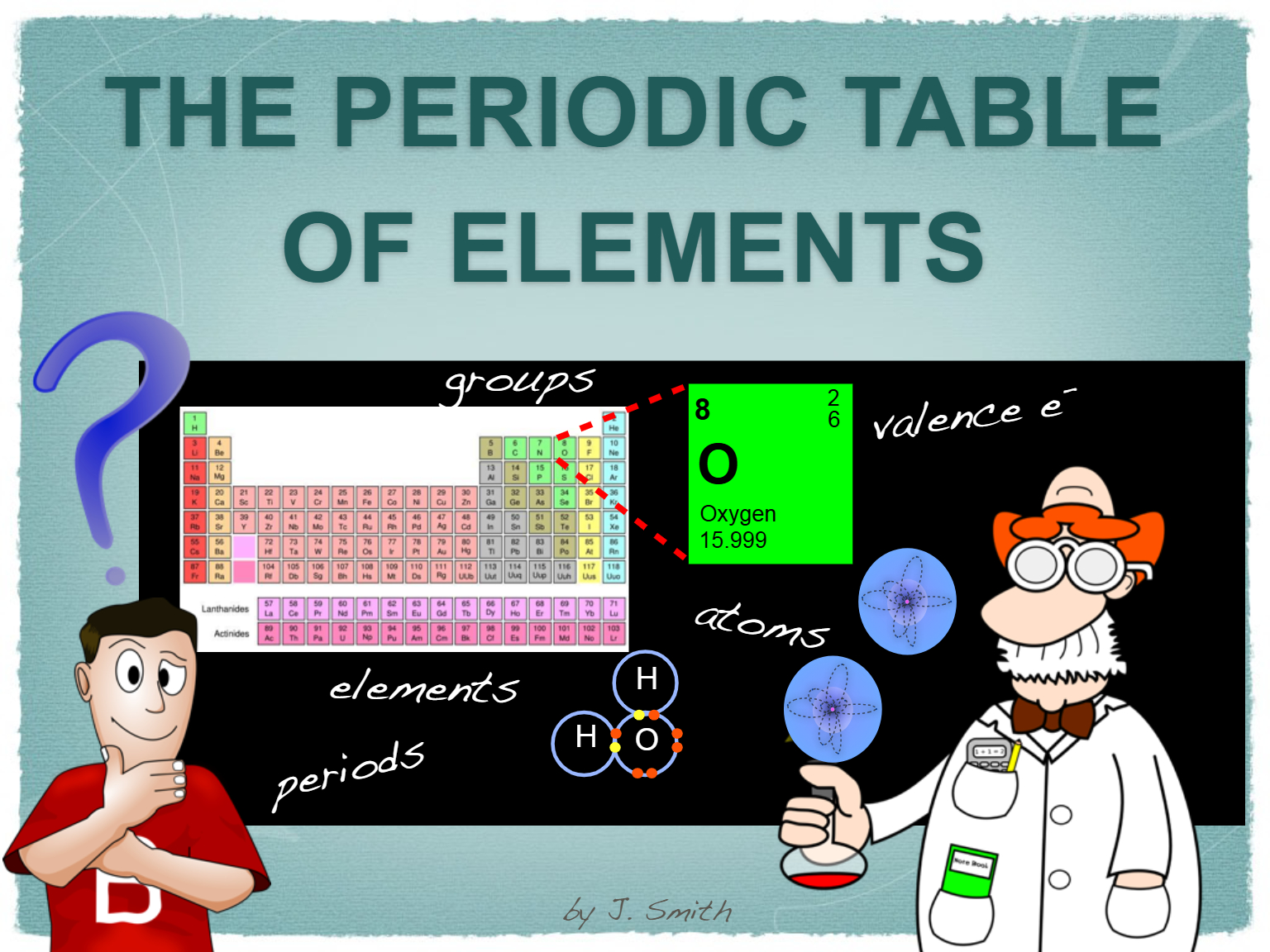
Why is the periodic table of elements important in understanding chemistry?
It helps organize chemical reactions
It shows the structure of atoms
It helps predict properties of elements
It is only used for decoration
3
4
Open Ended
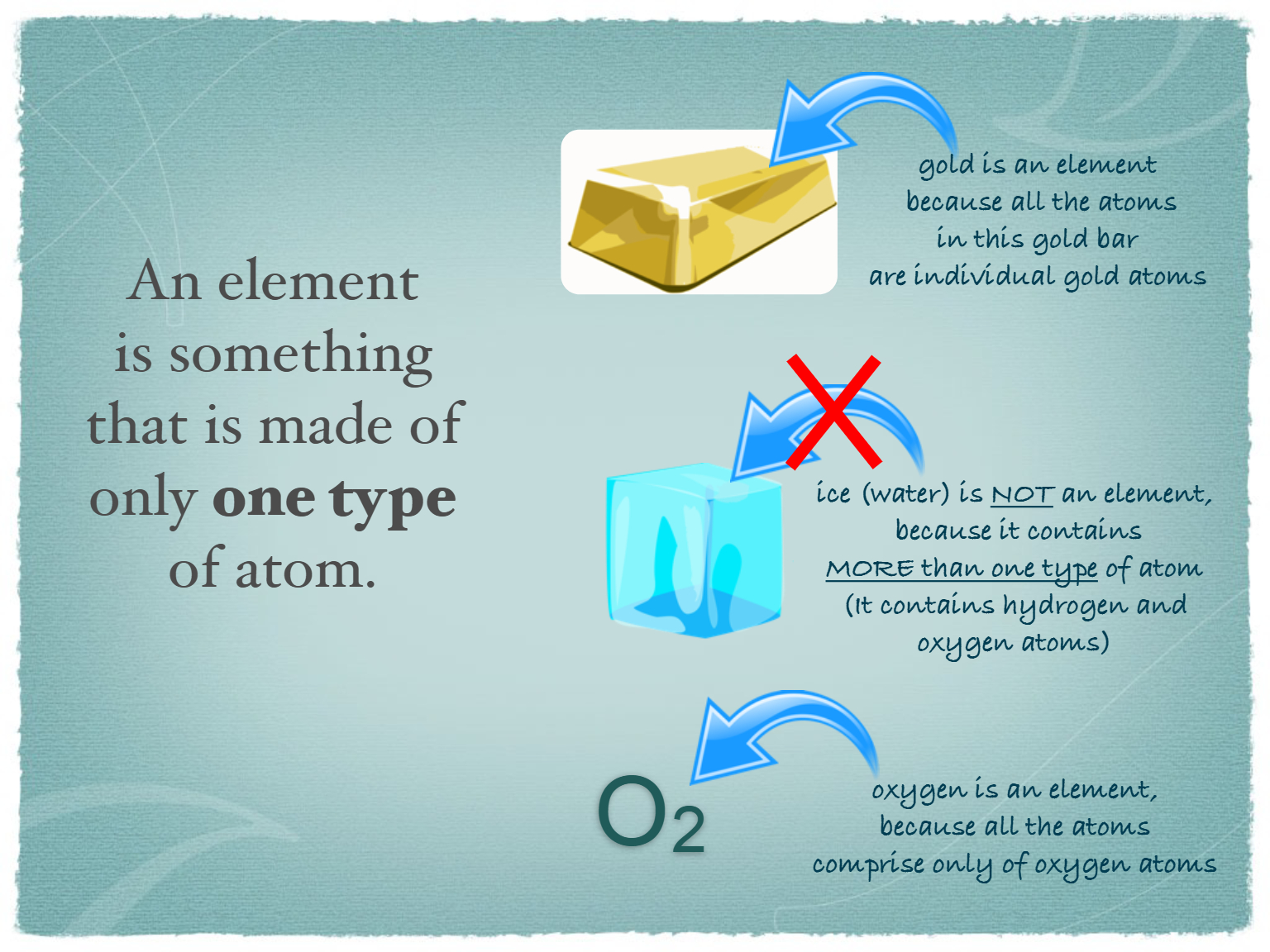
What is an element?
5
6
Multiple Choice
Which of the following is an element?
Gold
Ice (water)
Salt
Sugar
7
8
Fill in the Blanks
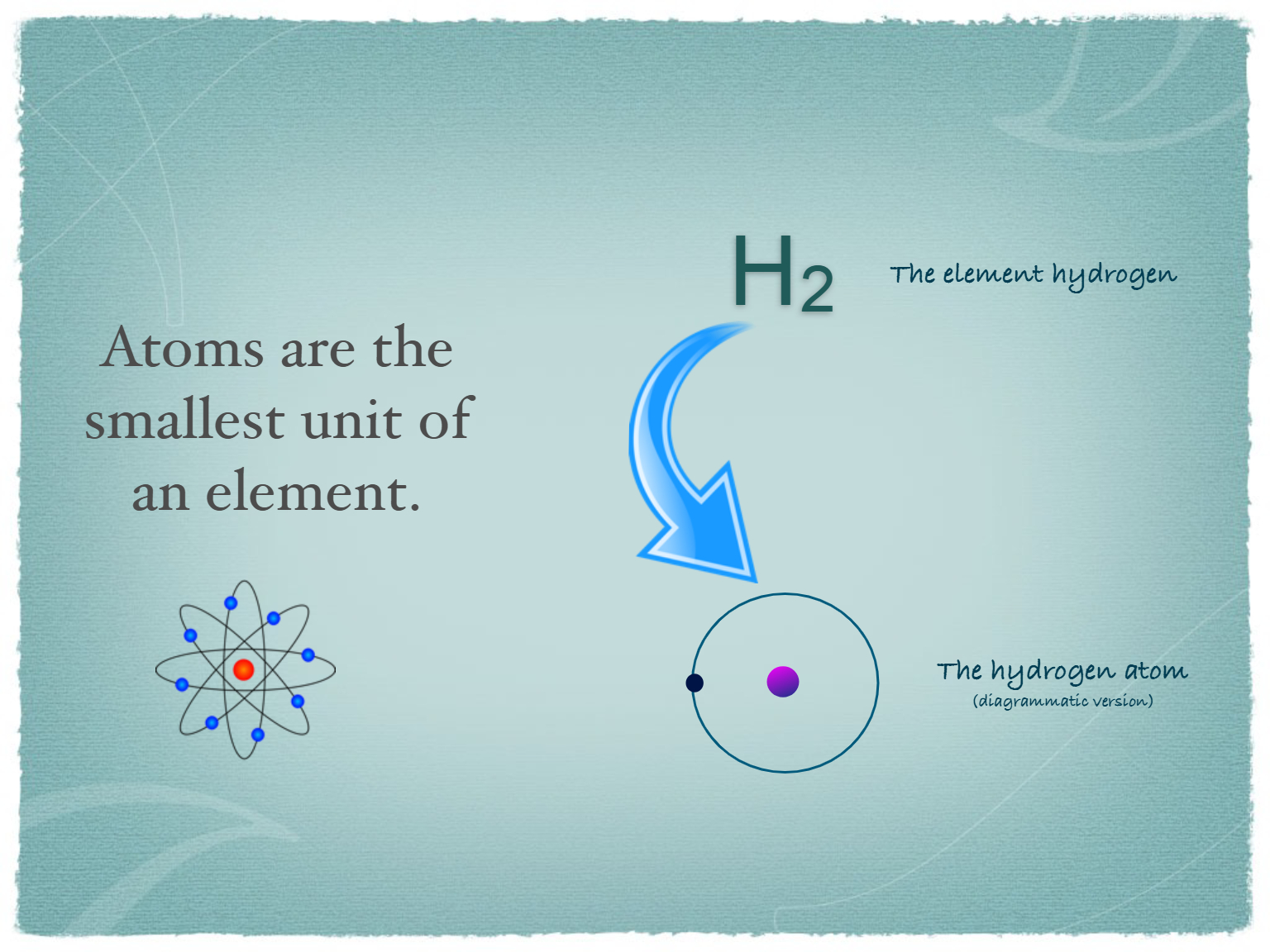
Atoms are the smallest unit of an
Type answer...
9
Open Ended
Explain why ice (water) is not considered an element, using information from the images.
10
11
Open Ended
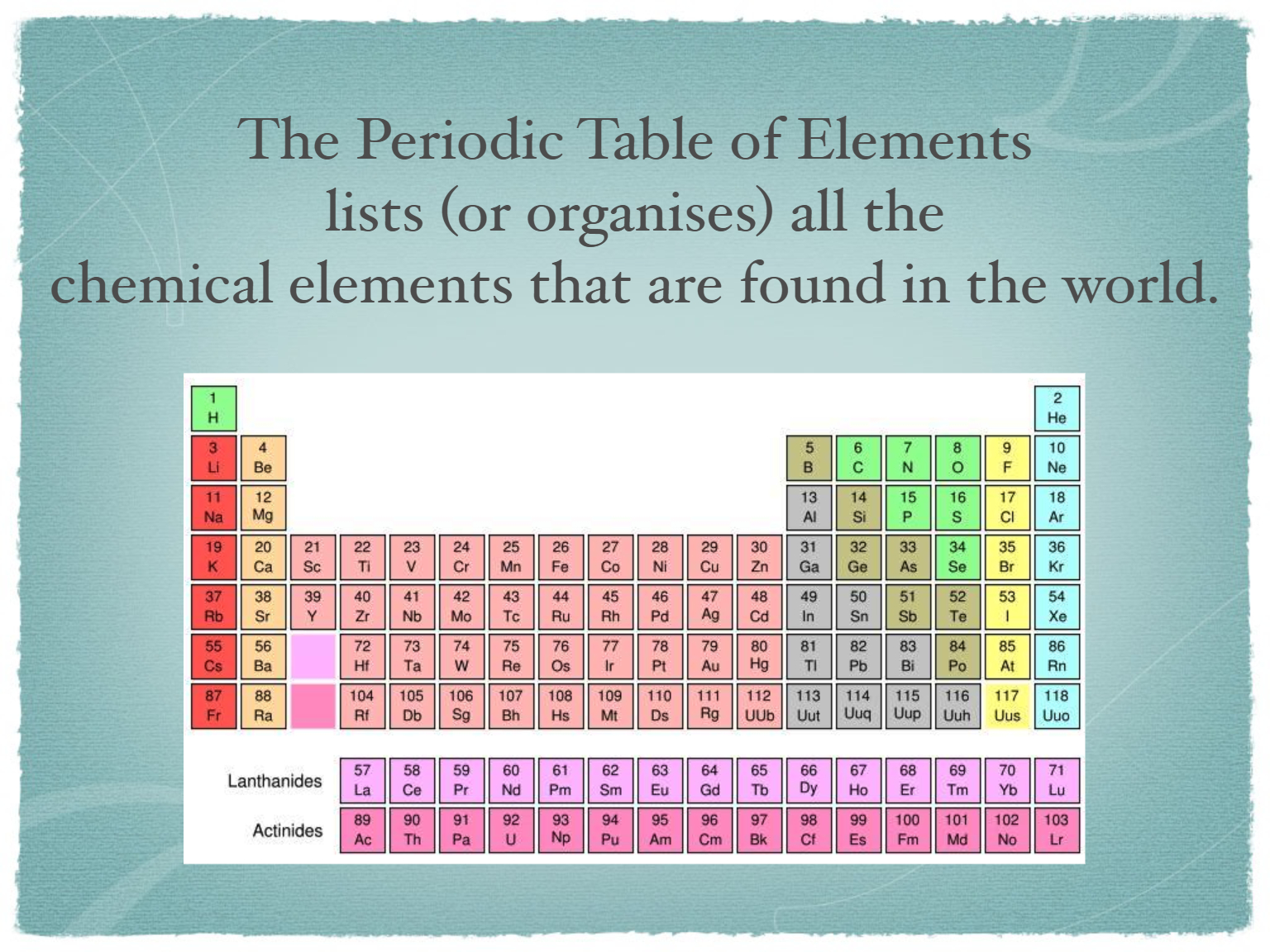
What is the Periodic Table of Elements?
12
13
Multiple Choice
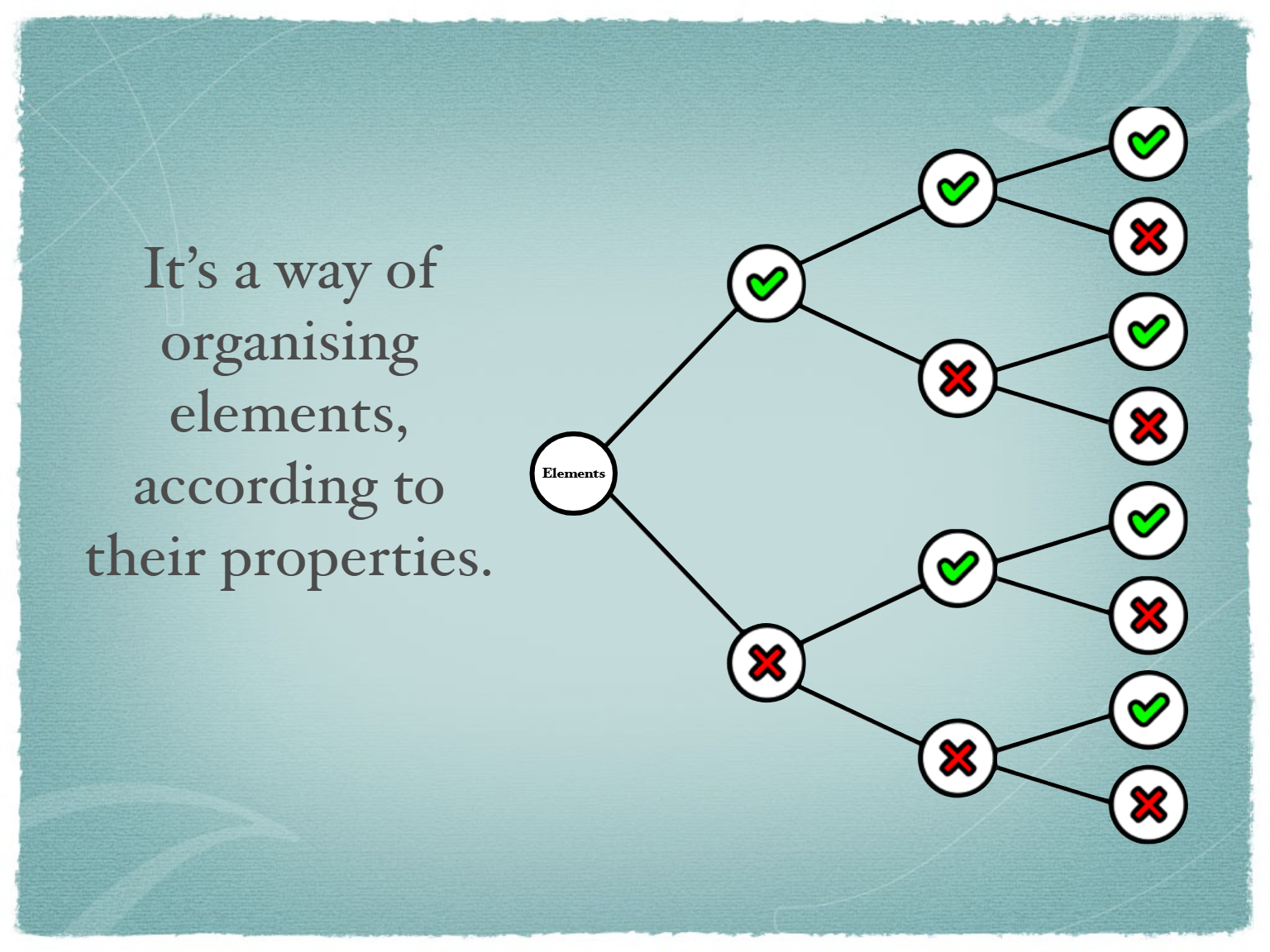
Which statement best describes the purpose of the periodic table?
It organizes elements according to their properties.
It lists elements in alphabetical order.
It shows the chemical reactions of elements.
It displays the atomic structure of elements.
14
15
16
Multiple Select
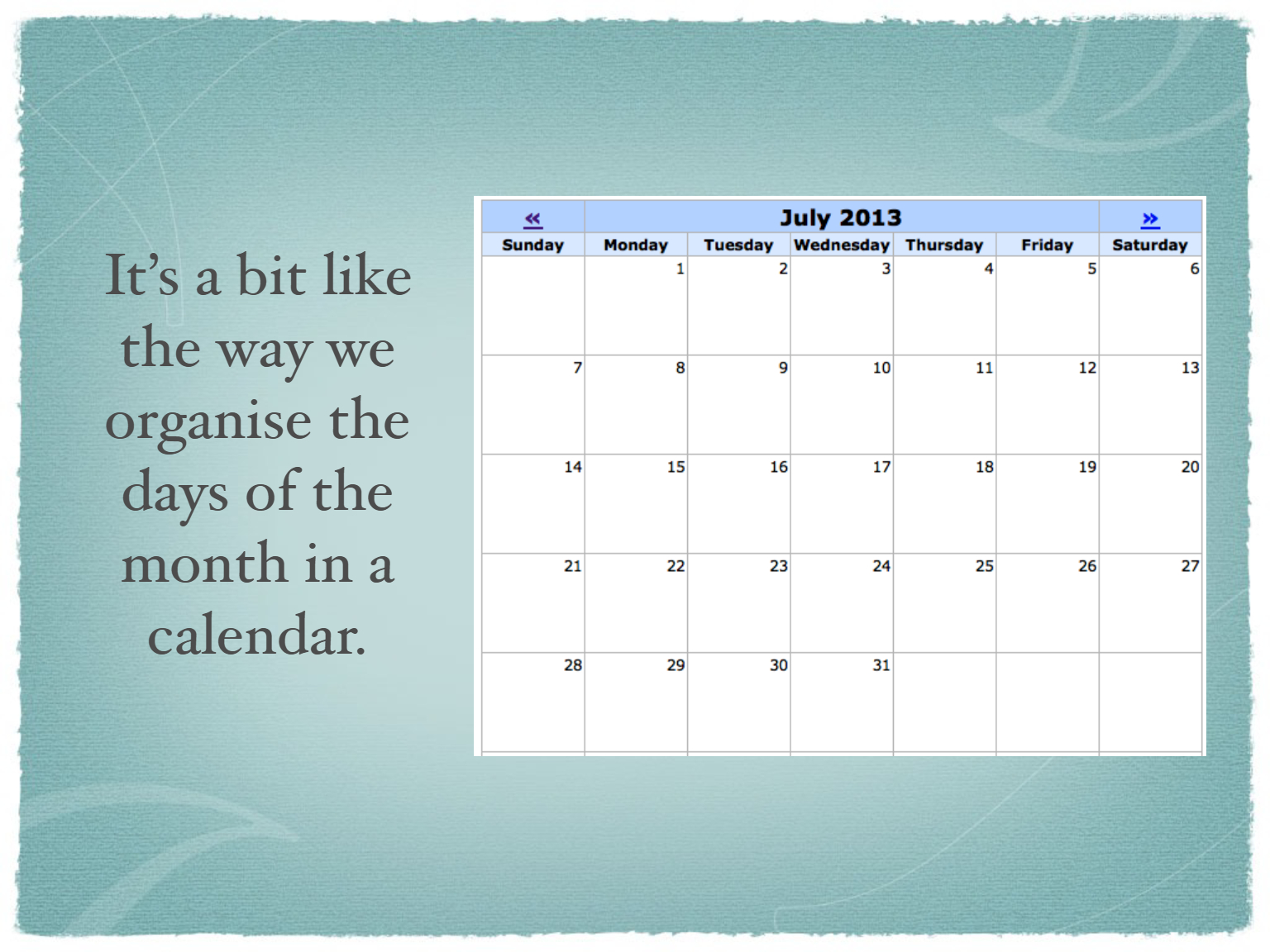
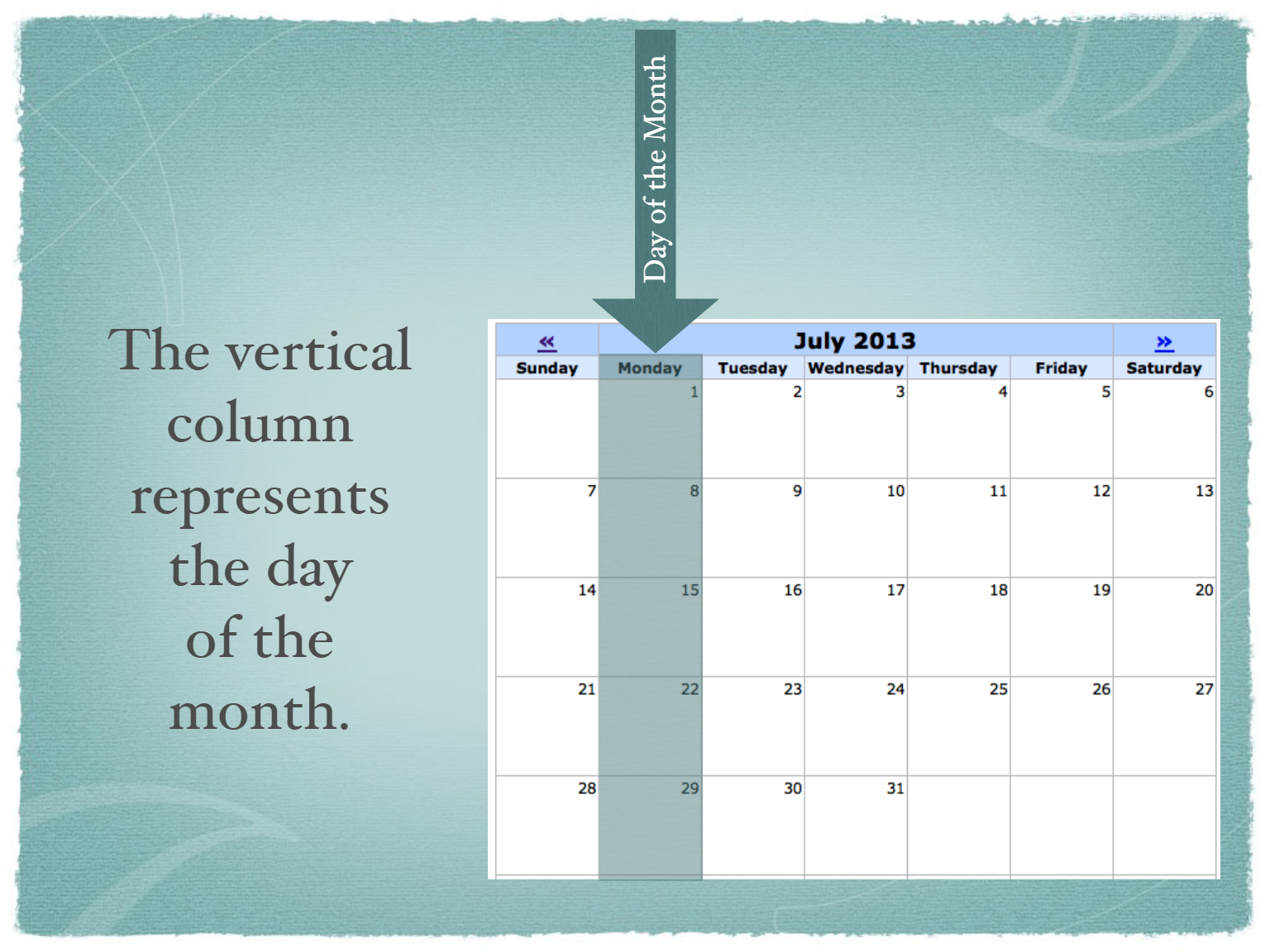
How is organizing elements in the periodic table similar to organizing days in a calendar?
Both use columns to represent groups.
Both arrange items based on properties.
Both use rows to show periods.
Both are used to track time.
17
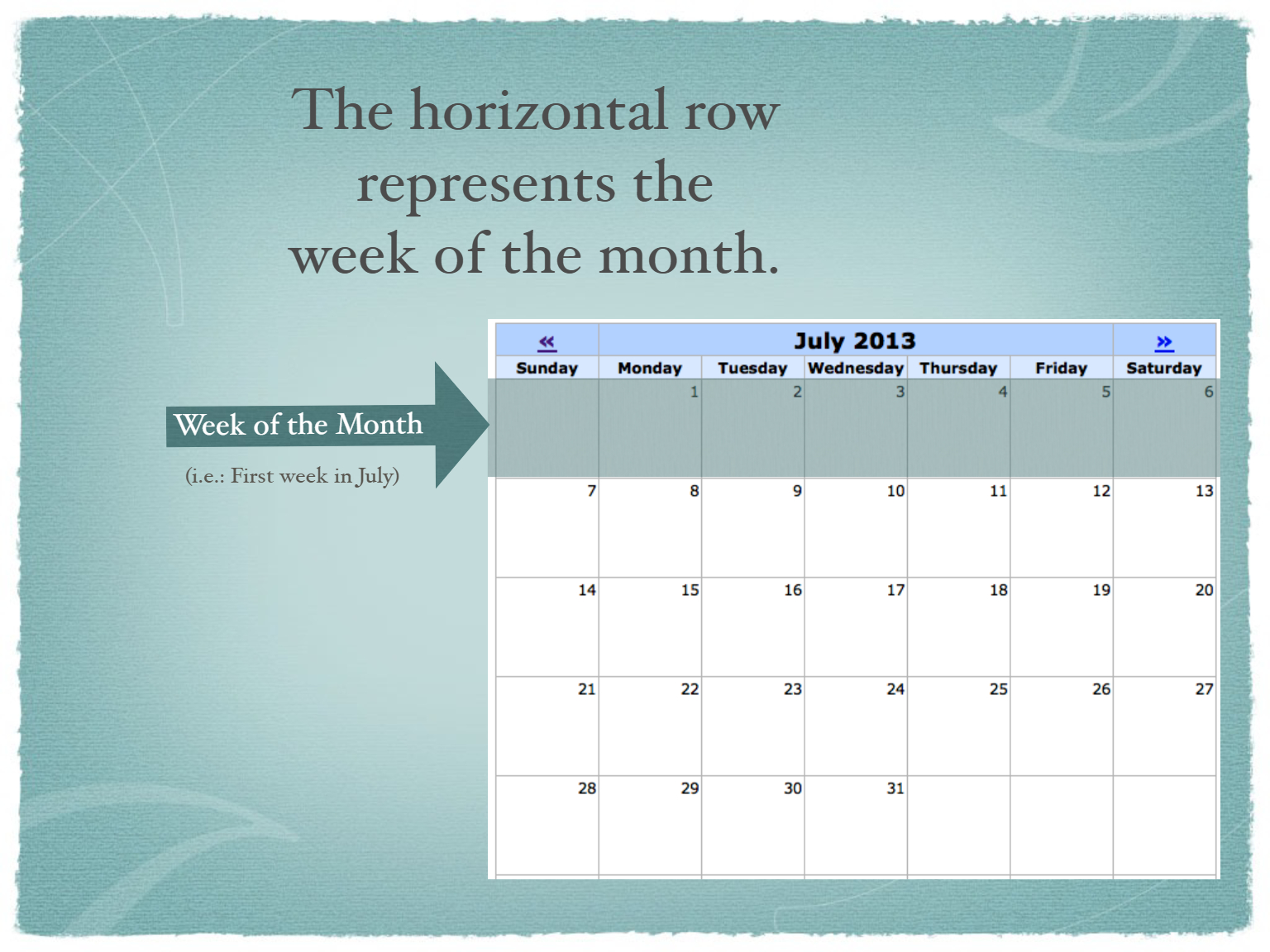
18
Multiple Choice
What does each horizontal row in a calendar typically represent?
A day of the week
A week of the month
A month of the year
A season of the year
19
20
21
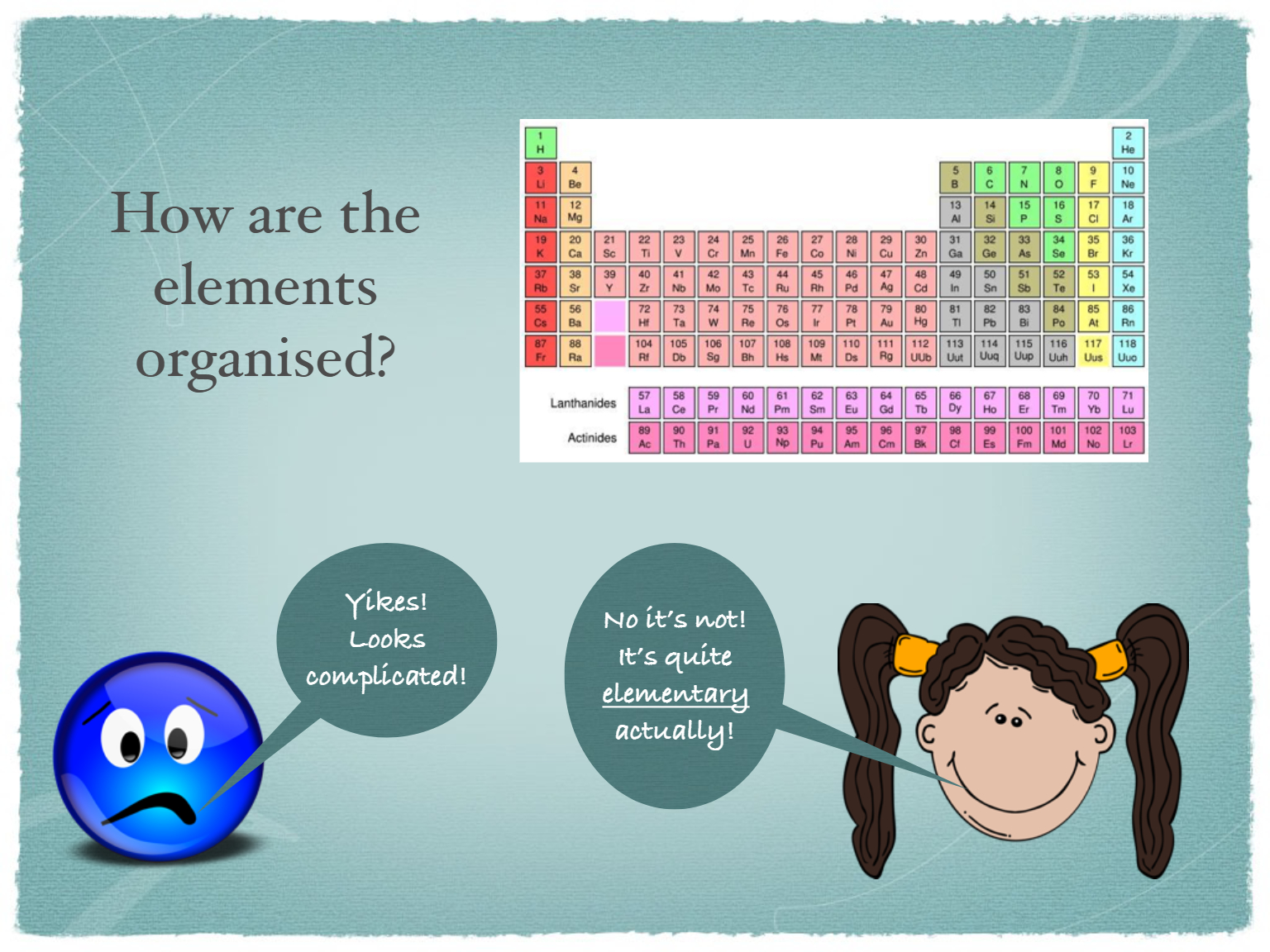
Open Ended
How are the elements organised?
22
23
Multiple Choice
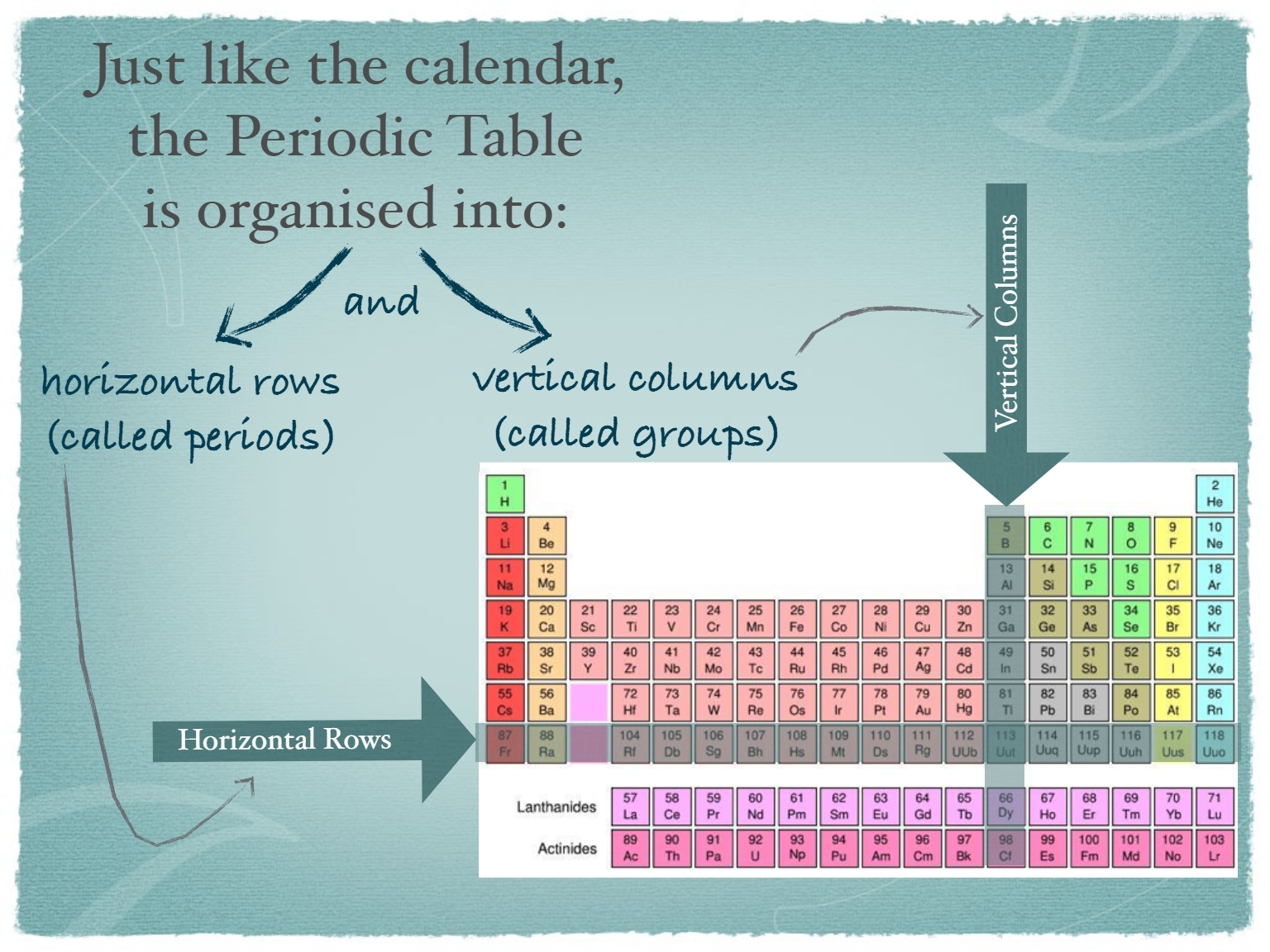
How does the organization of the periodic table of elements compare to the organization of a calendar?
Both use horizontal rows and vertical columns to organize information.
The periodic table uses only vertical columns, while calendars use only horizontal rows.
Calendars are organized by seasons, while the periodic table is organized by element type.
Both are organized randomly without any pattern.
24
25
Open Ended
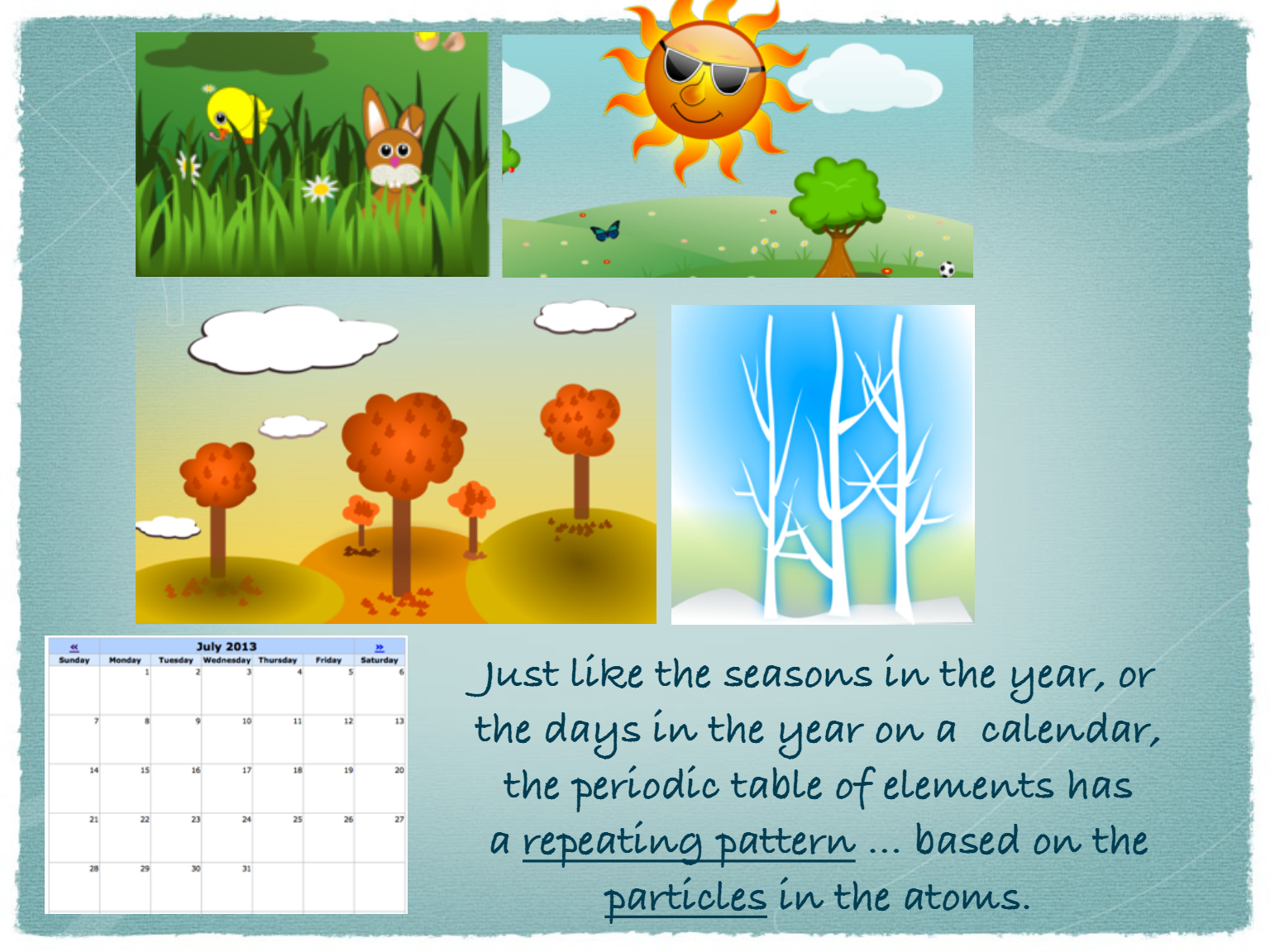
Explain how the periodic table shows a repeating pattern similar to the seasons or days in a calendar.
26
27
Fill in the Blanks
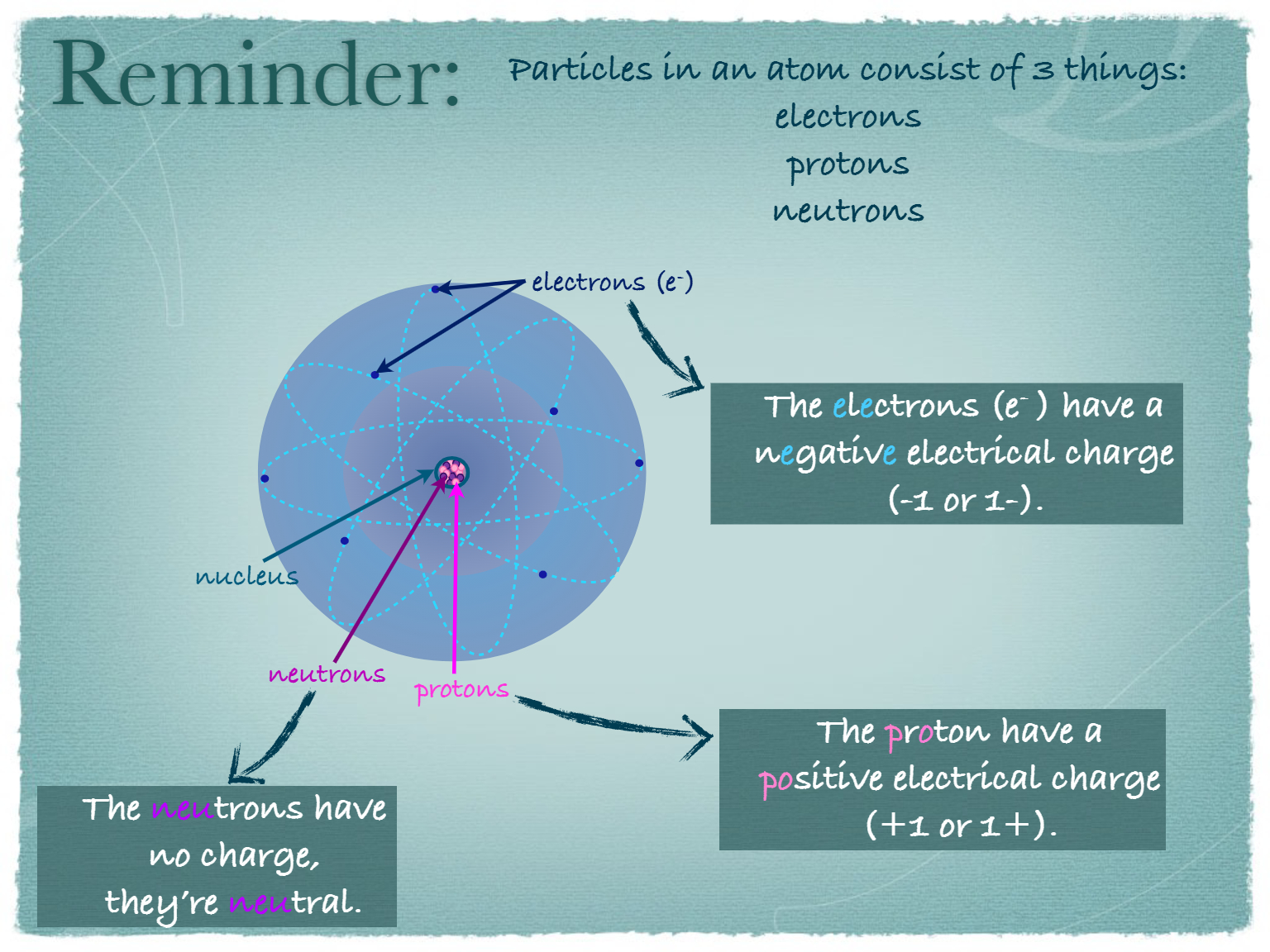
The electrons in an atom have a
Type answer...
28
Multiple Select
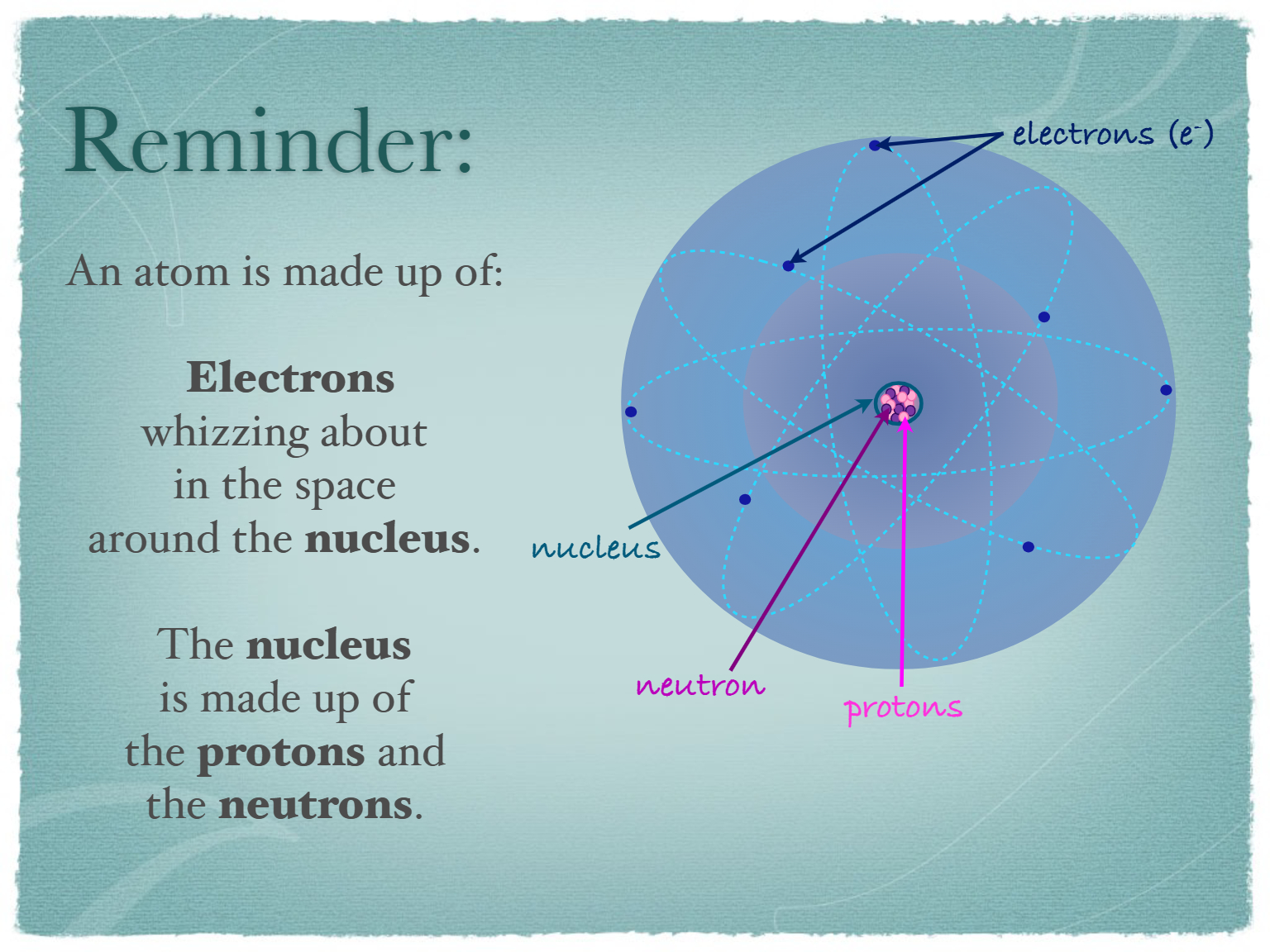
Which of the following are particles found in an atom?
Electrons
Protons
Neutrons
Photons
29
30
Multiple Choice
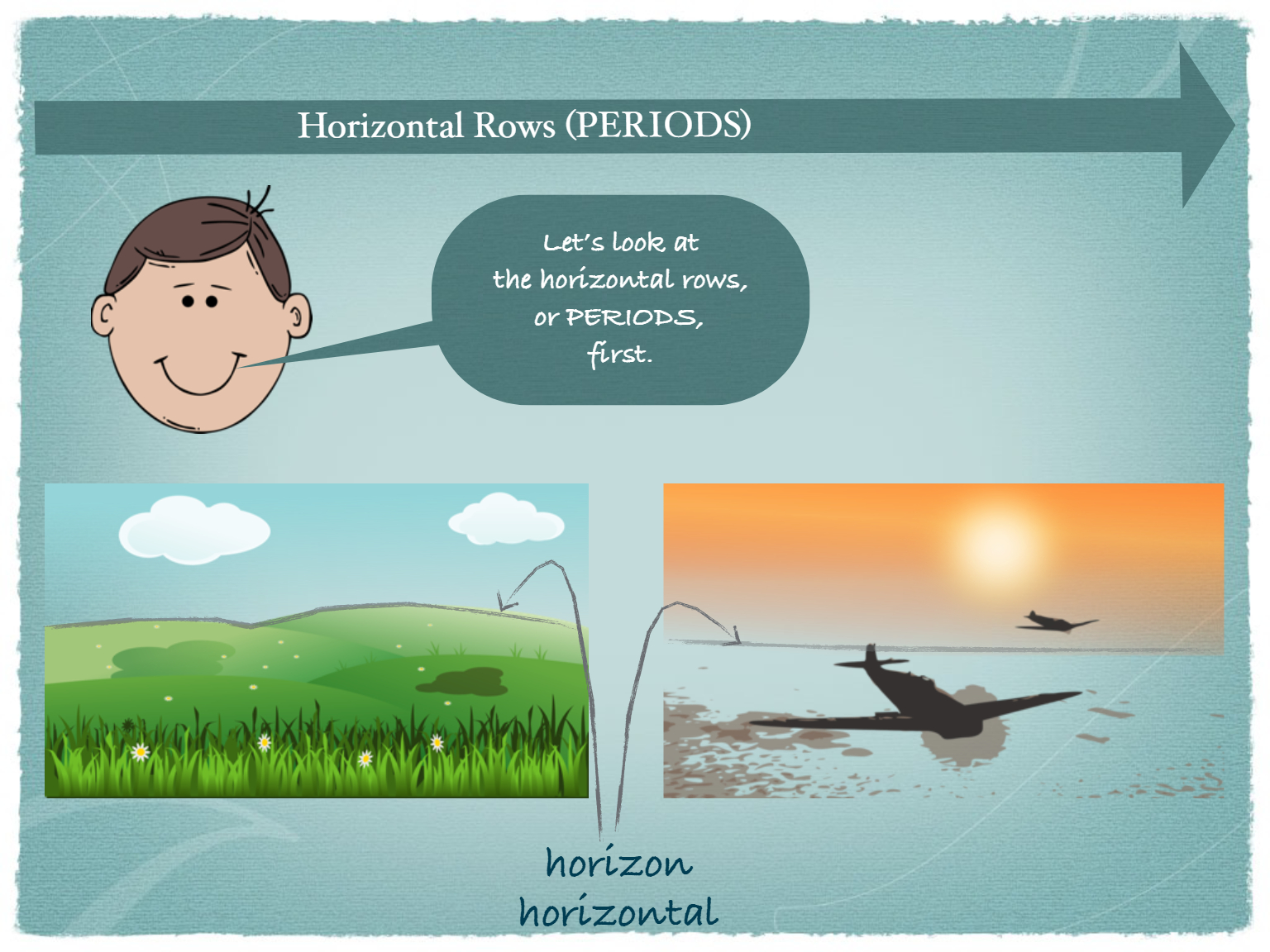
What does the term 'periods' refer to in the context of the periodic table?
Vertical columns
Horizontal rows
Groups of elements
Atomic weights
31
32
Multiple Choice
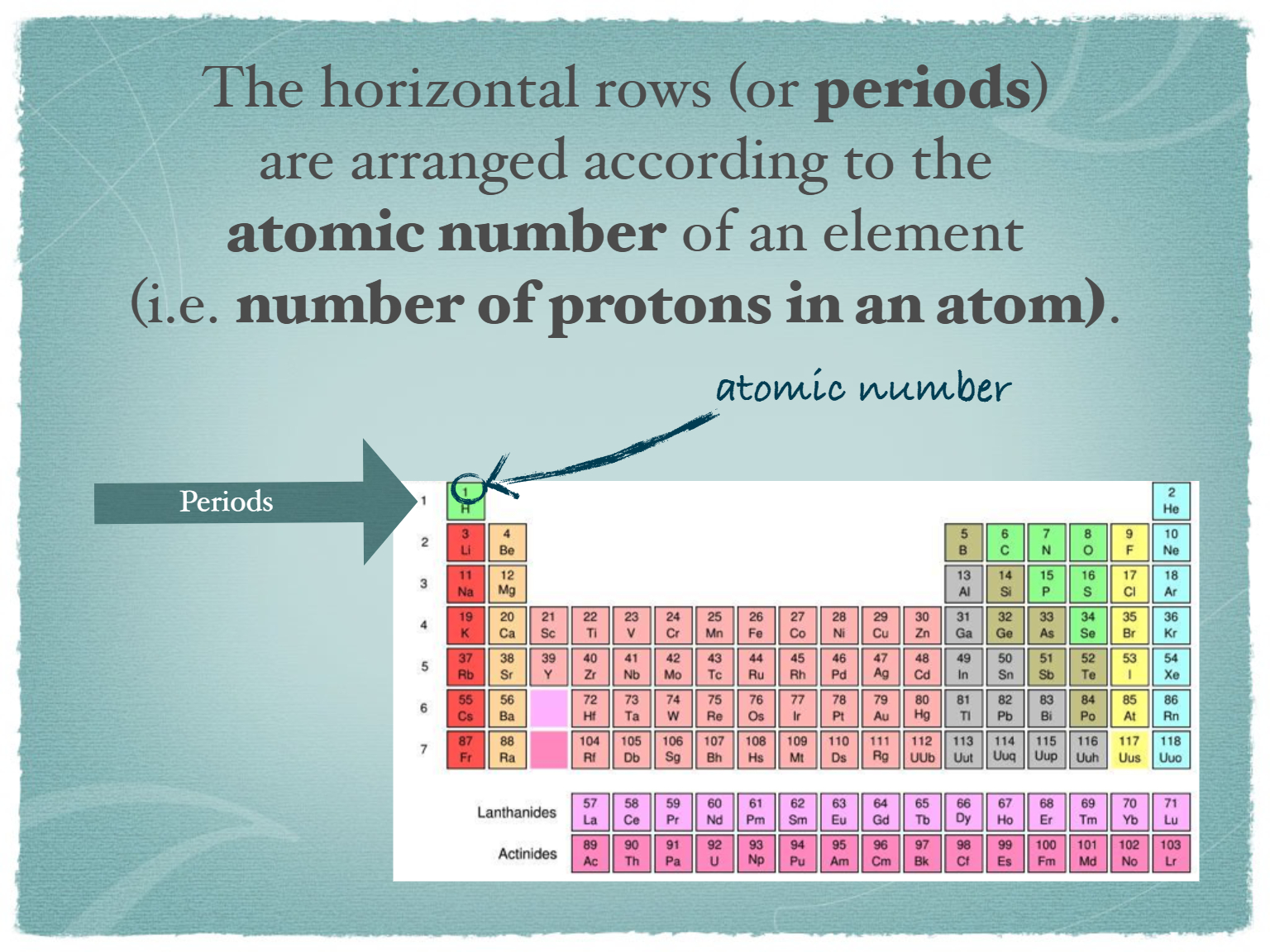
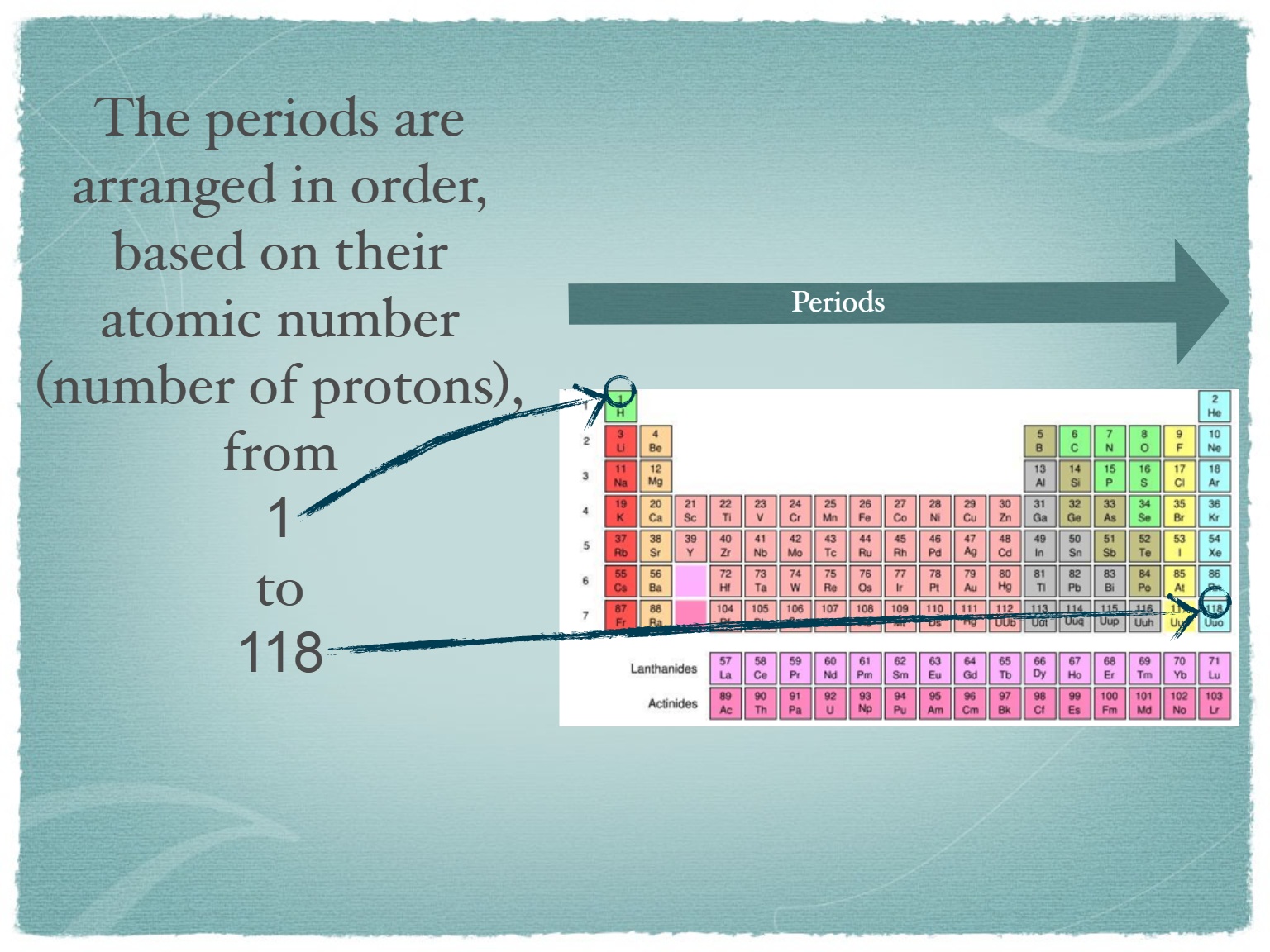
How are the horizontal rows (periods) in the periodic table arranged?
By atomic mass
By atomic number
By number of neutrons
By chemical reactivity
33
34
35
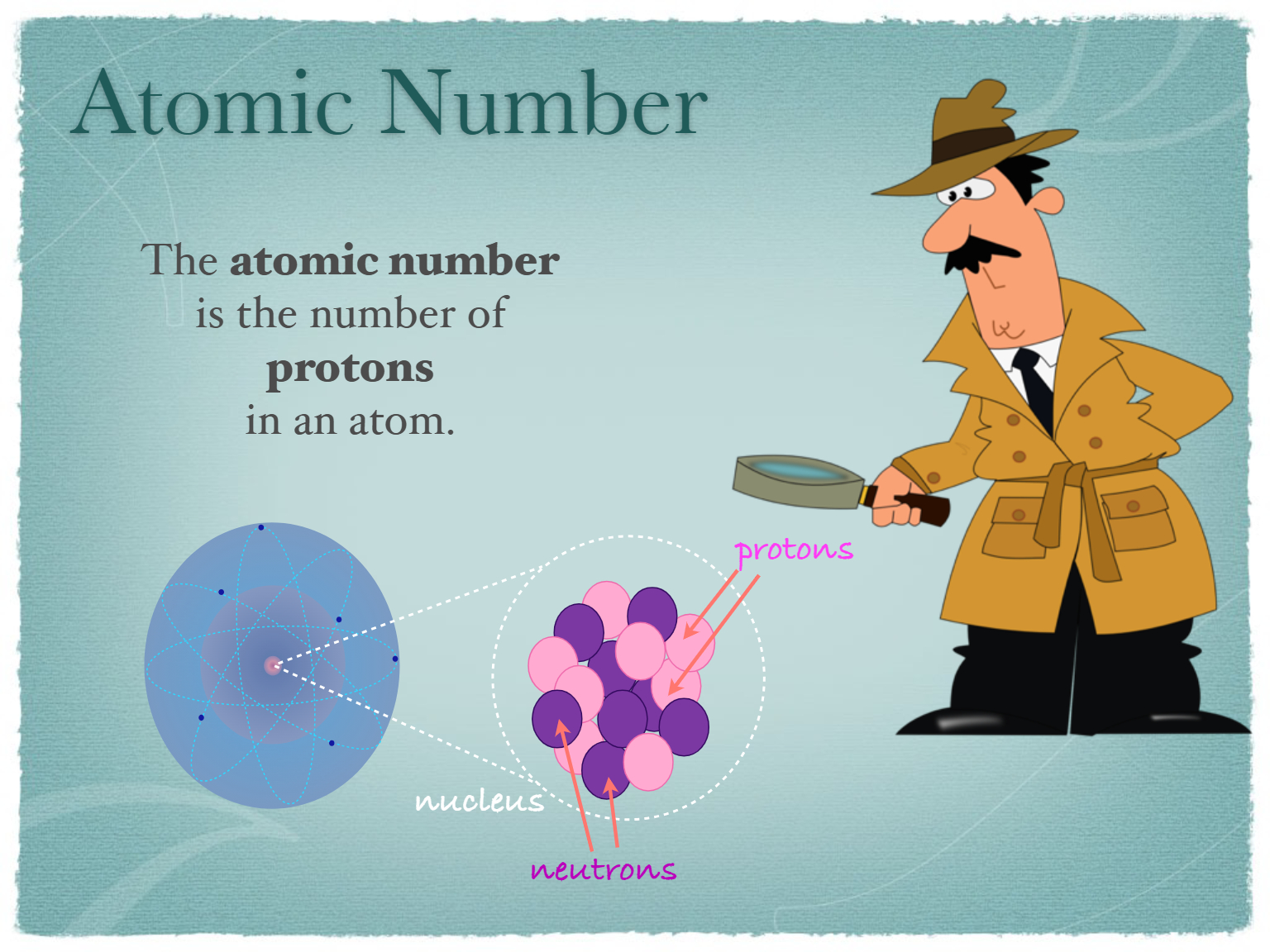
Fill in the Blanks
The atomic number of an element is determined by the number of
Type answer...
36
Open Ended
Explain the relationship between protons, neutrons, and electrons in an atom.
37
38
Multiple Select
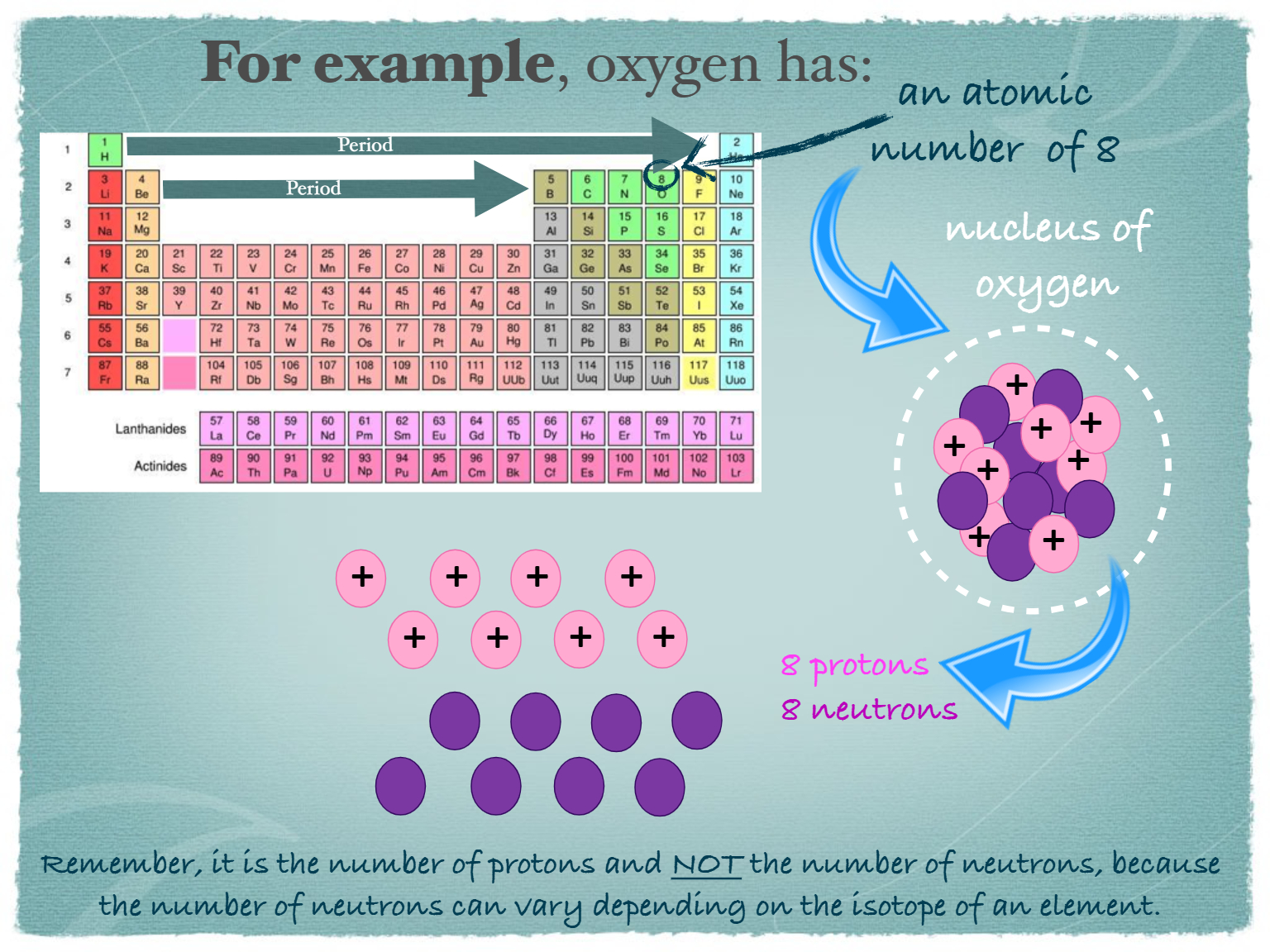
Which of the following statements are true about oxygen, based on the periodic table and atomic structure?
Oxygen has 8 protons.
Oxygen has 8 neutrons.
Oxygen's atomic number is 8.
Oxygen's atomic number is determined by its neutrons.
39
40
Open Ended
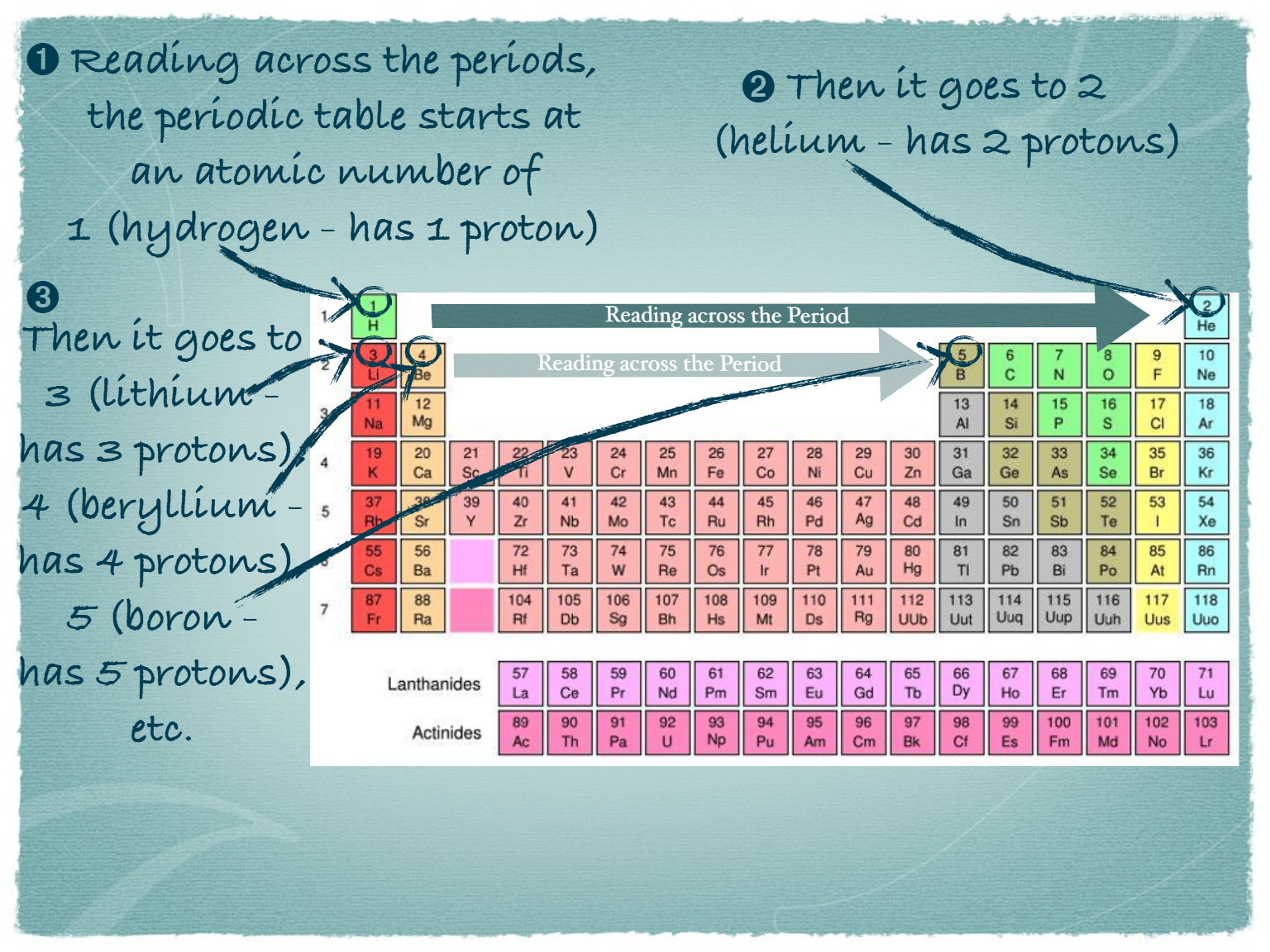
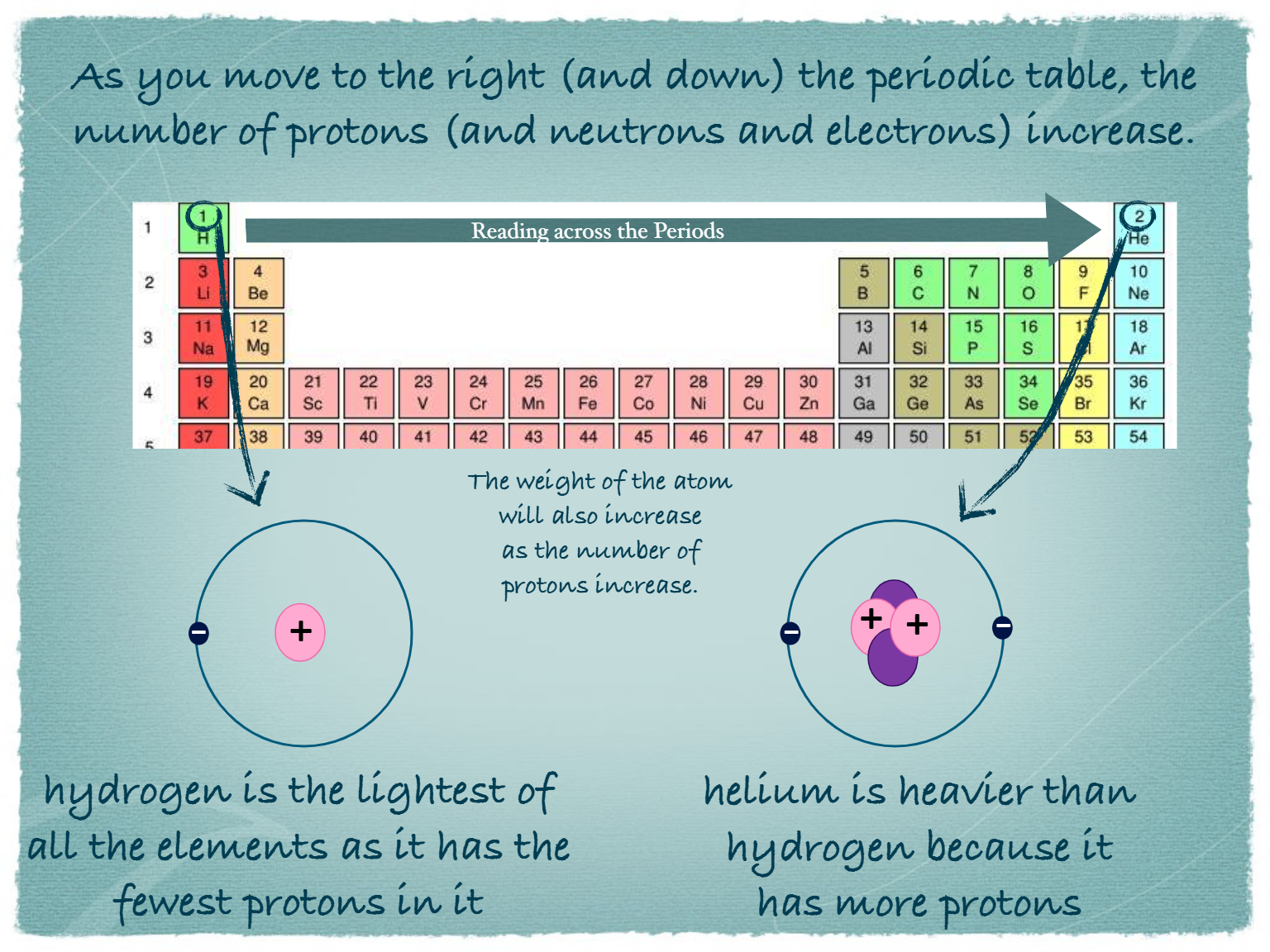
Describe how the atomic number changes as you move across a period in the periodic table. Use examples from the first period.
41
42
Multiple Choice
As you move to the right across a period in the periodic table, what happens to the number of protons in the atoms?
It increases
It decreases
It stays the same
It first increases then decreases
43
44
45
Fill in the Blanks
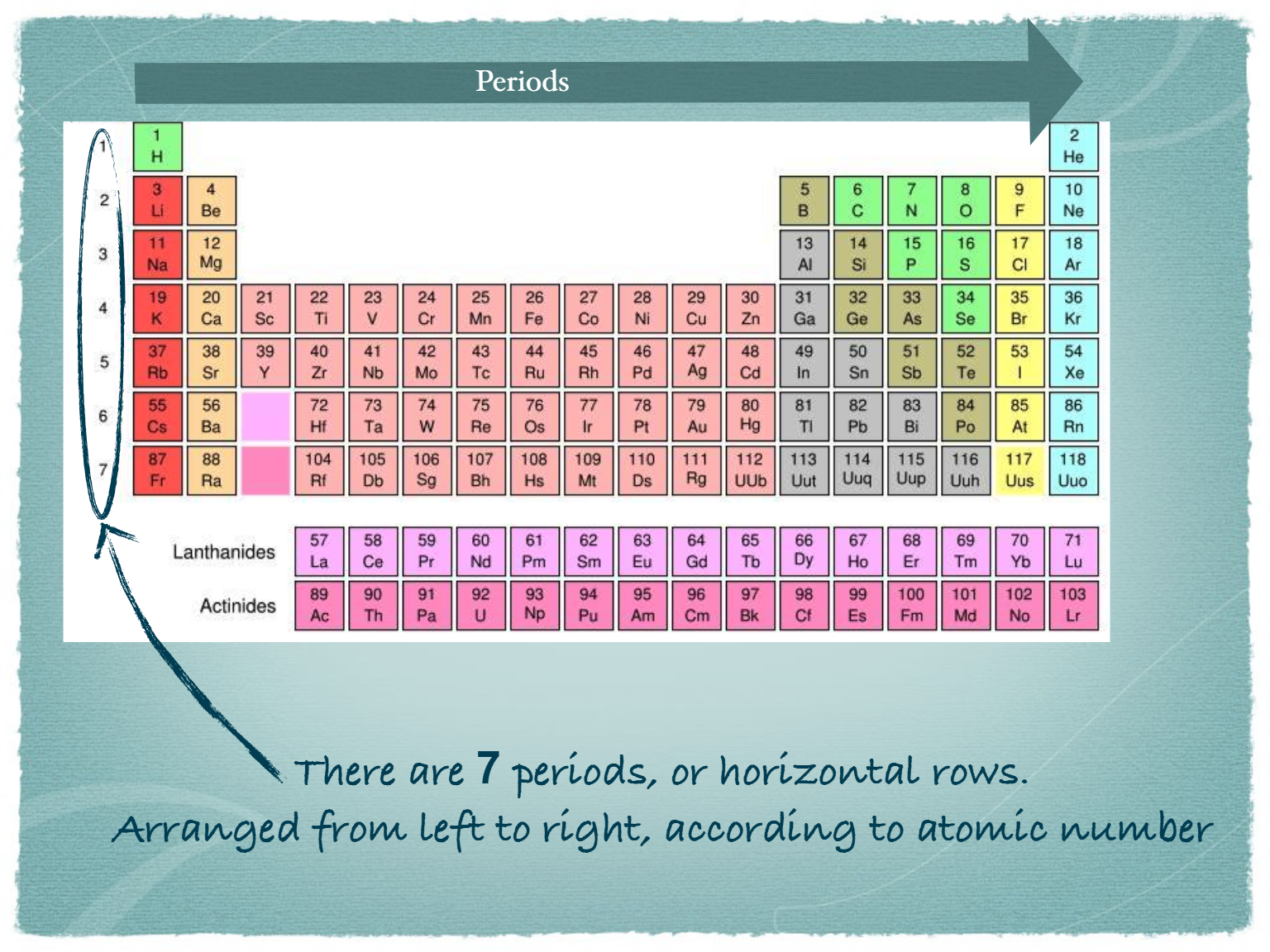
The number of periods in the periodic table is
Type answer...
46
Open Ended
Explain how the arrangement of periods in the periodic table relates to the atomic number of elements.
47
48
Multiple Select
Which of the following statements about periods in the periodic table are correct?
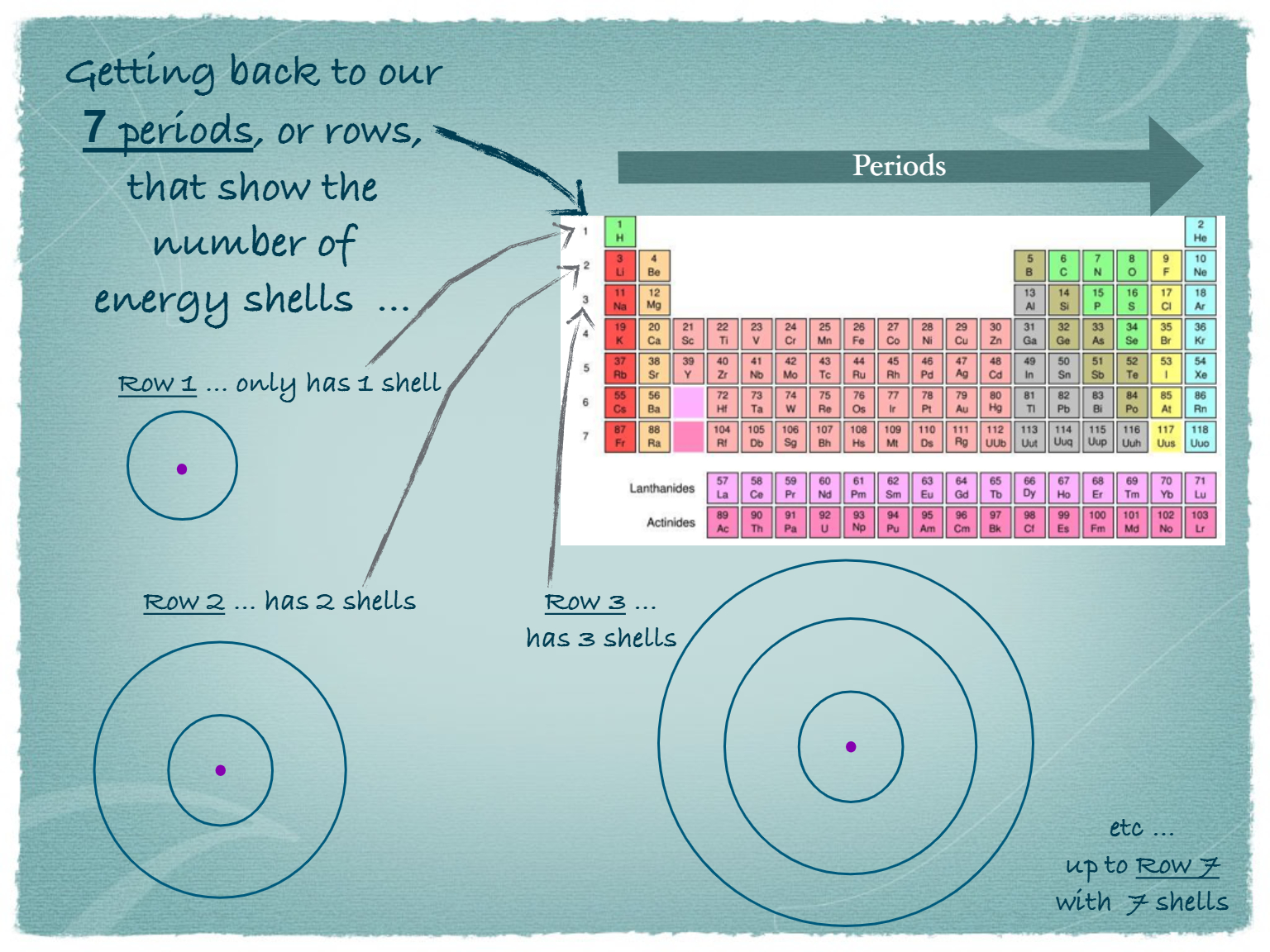
There are 7 periods in the periodic table.
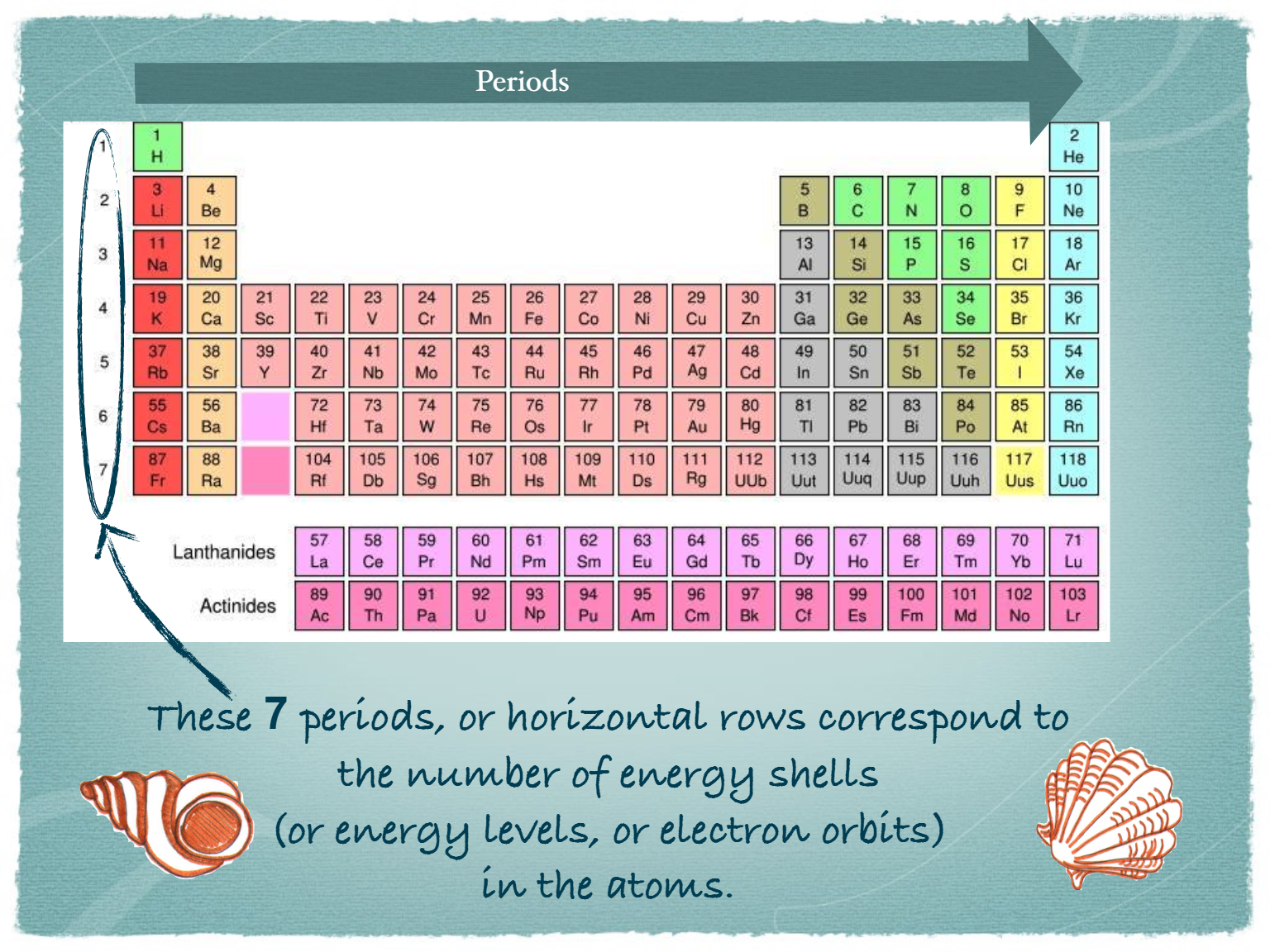
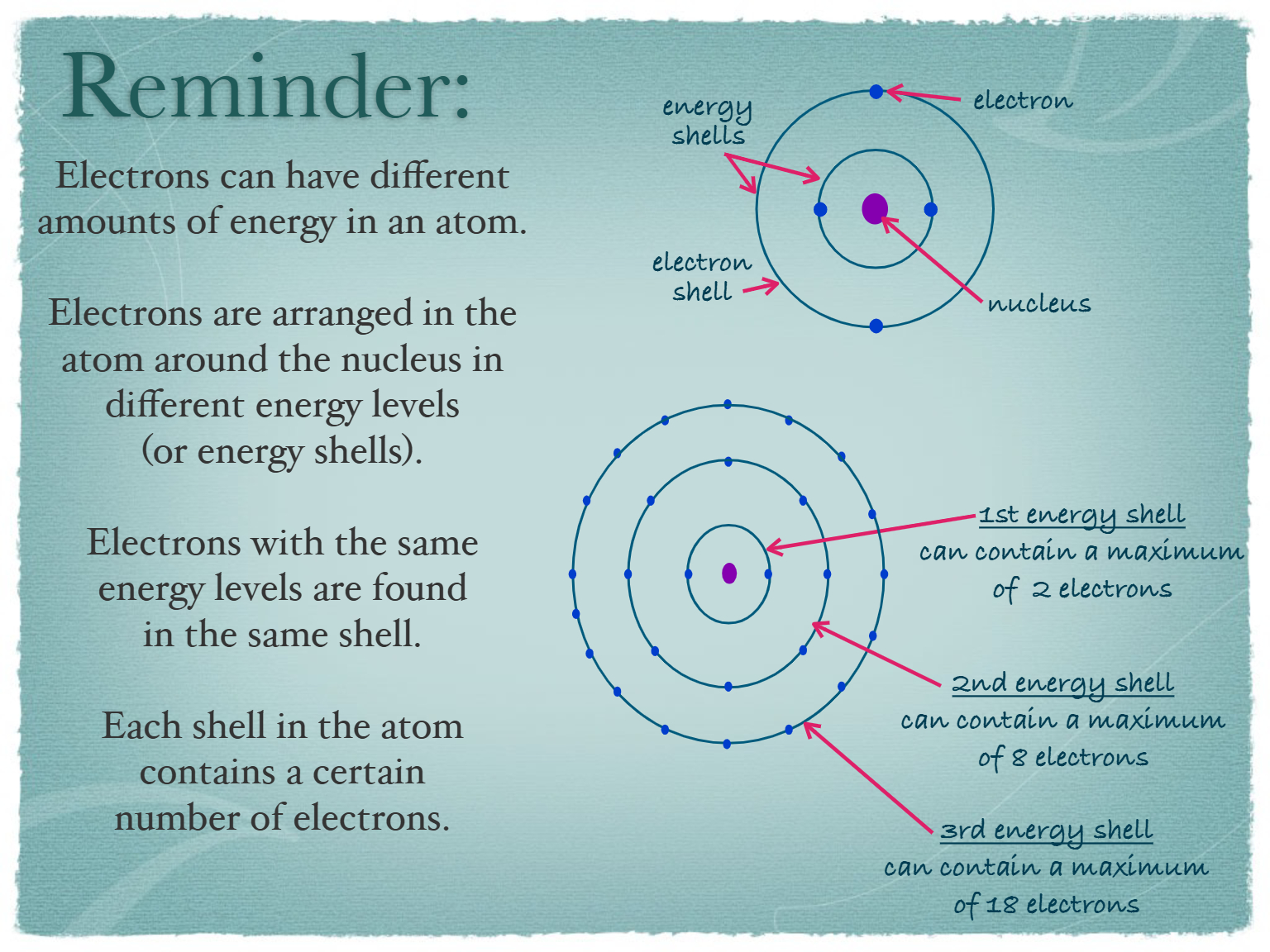
Each period corresponds to a different number of energy shells.
Periods are arranged vertically in the periodic table.
The number of energy shells increases as you move down the periods.
49
50
Multiple Choice
What is the maximum number of electrons that can be found in the 2nd energy shell of an atom?
2
8
18
32
51
52
Open Ended
Describe how the number of energy shells in an atom is related to its position in the periods of the periodic table.
53
54
55
Open Ended
Explain how the arrangement of elements in the periodic table helps predict their chemical properties.
56
Multiple Choice
What is the difference between a group and a period in the periodic table?
Groups are horizontal rows and periods are vertical columns.
Groups are vertical columns and periods are horizontal rows.
Groups and periods both refer to vertical columns.
Groups and periods both refer to horizontal rows.
57
Open Ended
After learning about elements and the periodic table, what questions do you still have or what would you like to know more about?
58
Open Ended
Summarize what you learned about the periodic table of elements and its importance in understanding atoms and molecules.
Show answer
Auto Play
Slide 1 / 58
SLIDE
Similar Resources on Wayground

51 questions
Energy Review OL 24-25
Presentation
•
6th - 8th Grade
52 questions
SOL Review: Earth and Space Systems
Presentation
•
6th - 8th Grade
55 questions
Geologic Change over Time
Presentation
•
6th - 8th Grade
55 questions
Big Idea 17: Interdependence (CS1)
Presentation
•
6th - 8th Grade
50 questions
Semester Test 1 - Test Day
Presentation
•
7th Grade
55 questions
Planet Motion/Seasons/Eclipses Review
Presentation
•
6th - 8th Grade
47 questions
Understanding Plate Tectonics
Presentation
•
6th - 8th Grade
53 questions
Law of Conservation of Mass
Presentation
•
8th Grade
Popular Resources on Wayground
10 questions
Safety Day 2026 – Student Review

Quiz
•
9th Grade
21 questions
Continents and Oceans
Quiz
•
6th Grade
20 questions
Parts of Speech
Quiz
•
5th Grade
16 questions
Subject & Predicate
Quiz
•
5th Grade
25 questions
Multiplication Facts
Quiz
•
5th Grade
12 questions
Map Skills
Quiz
•
3rd Grade
22 questions
Continents and Oceans
Quiz
•
5th Grade
15 questions
Rounding Decimals
Quiz
•
5th Grade
Discover more resources for Science
20 questions
Newton's Laws of Motion
Quiz
•
8th Grade
20 questions
Elements, compounds, and mixtures
Quiz
•
6th Grade
10 questions
6.6D - Relative Density Review
Quiz
•
6th Grade
15 questions
potential and kinetic energy
Quiz
•
8th Grade
21 questions
Newton's Laws of Motion
Quiz
•
8th Grade
20 questions
Elements, Compounds and Mixtures
Quiz
•
8th Grade
10 questions
Exploring Chemical and Physical Changes

Interactive video
•
6th - 10th Grade
20 questions
CONDUCTION,CONVECTION AND RADIATION
Quiz
•
6th Grade