
Section 12.1 - Evaluating Evidence of Common Ancestry
Authored by Markedlee Nelson
Biology, Science
7th - 12th Grade
Used 2+ times


AI Actions
Add similar questions
Adjust reading levels
Convert to real-world scenario
Translate activity
More...
Content View
Student View
15 questions
Show all answers
1.
MULTIPLE CHOICE QUESTION
2 mins • 1 pt
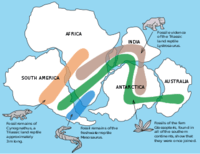
Which evidence of common ancestry is being studied in this visual?
biogeography
fossil record
anatomical homology
molecular homology
2.
MULTIPLE CHOICE QUESTION
2 mins • 1 pt
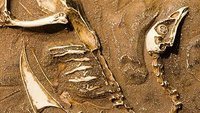
Which evidence of common ancestry is being studied in this visual?
biogeography
fossil record
anatomical homology
3.
MULTIPLE CHOICE QUESTION
2 mins • 1 pt
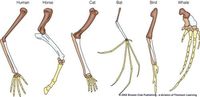
Which evidence of common ancestry is being studied in this visual?
biogeography
fossil record
anatomical homology
4.
MULTIPLE CHOICE QUESTION
2 mins • 1 pt
Scientists compare the limbs of organisms to look for evidence of common ancestry. These limbs provide evidence of common ancestry because they -
perform the same function
are the same size
have the same basic structure
are parts of the same animal
5.
MULTIPLE CHOICE QUESTION
2 mins • 1 pt

Which evidence of common ancestry is being studied in this visual?
developmental homology
molecular homology
anatomical homology
6.
MULTIPLE CHOICE QUESTION
2 mins • 1 pt

What conclusions can be made based on this table shown?
the American black bear and the giant panda are most closely related
the giant panda and the red panda are most closely related
the red panda and the racoon are the most closely related
7.
MULTIPLE CHOICE QUESTION
2 mins • 1 pt
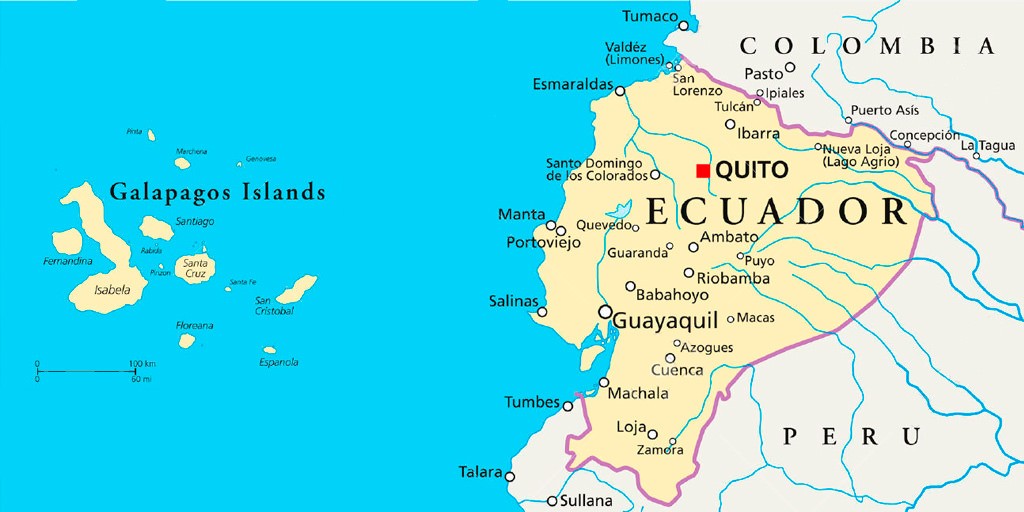
The Galapagos Islands, a small group of islands off the coast of Ecuador, is home to reptiles such as the giant tortoise and the iguana. The eastern islands are much older than the islands to the west. Which statement about the origin of these reptiles is best supported by this information?
The ancestor of each species came from different continents at different times.
The common ancestors of the reptiles probably came from Equador.
The common ancestor of each species evolved in Peru and came to the islands at the same time.

Access all questions and much more by creating a free account
Create resources
Host any resource
Get auto-graded reports

Continue with Google

Continue with Email

Continue with Classlink

Continue with Clever
or continue with

Microsoft
%20(1).png)
Apple

Others
Already have an account?


