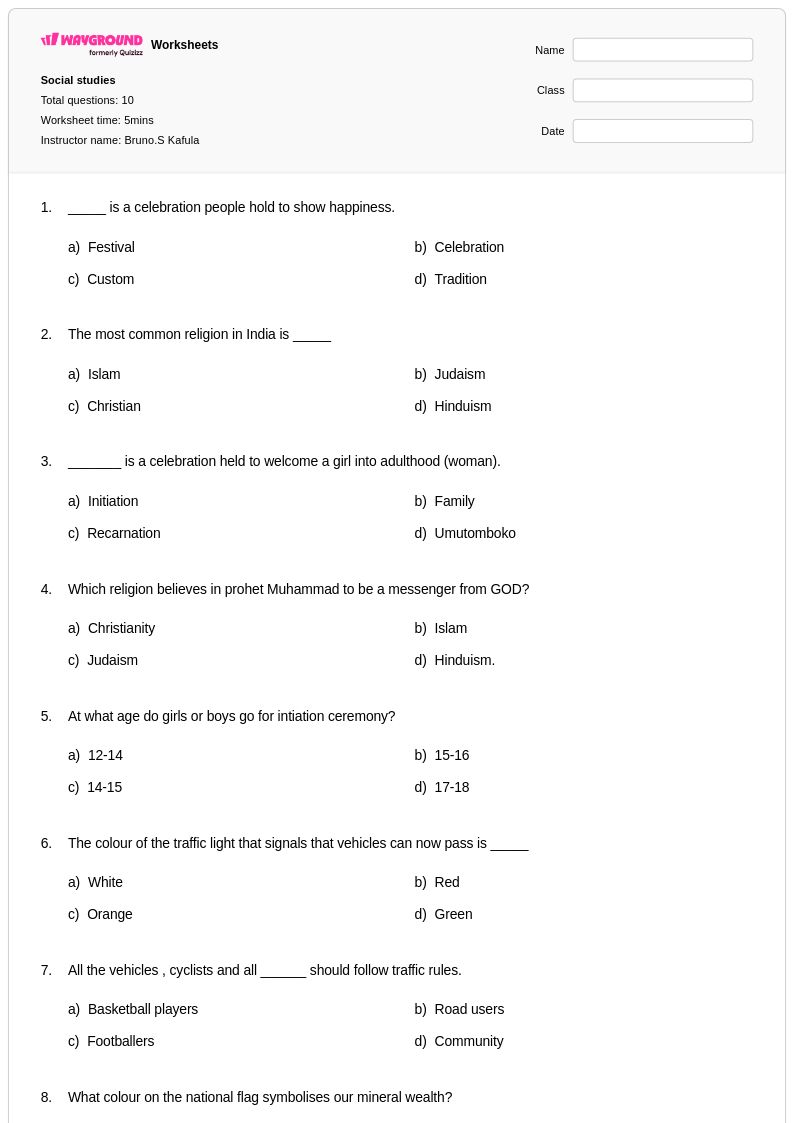
Year 6 adulthood worksheets from Wayground help students explore adult responsibilities and life transitions through engaging printables, practice problems, and comprehensive answer keys for effective social studies learning.
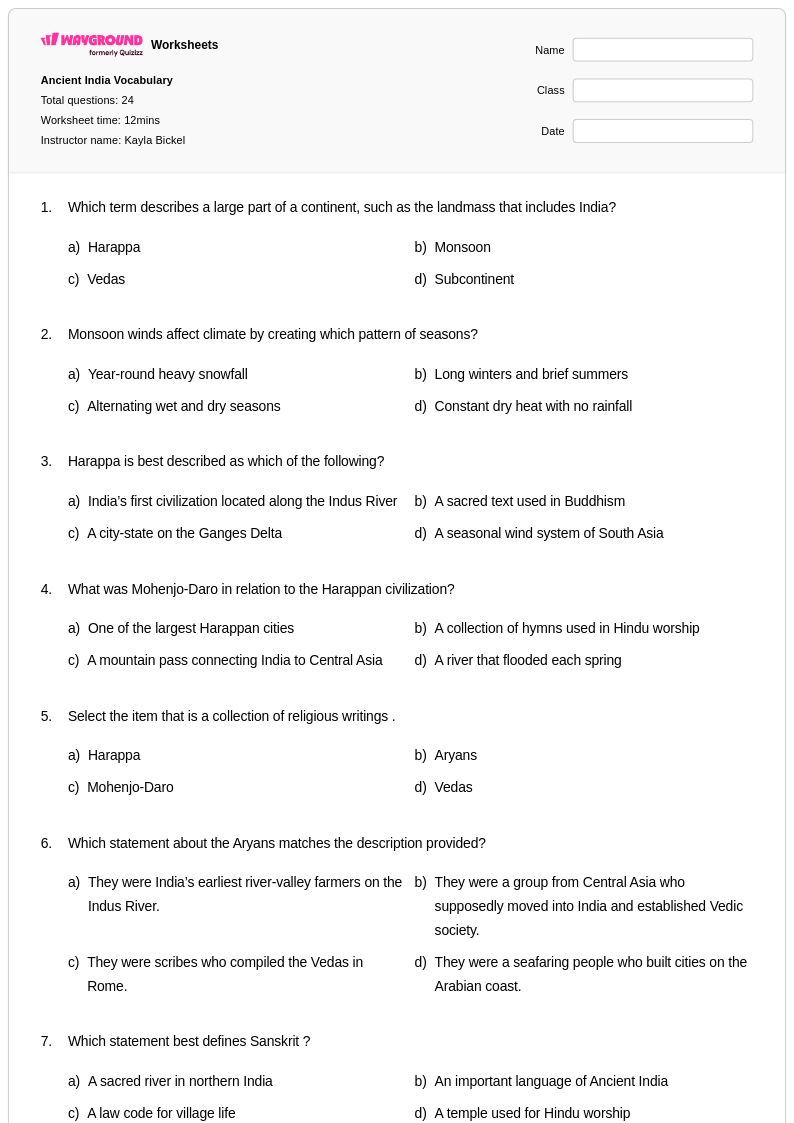
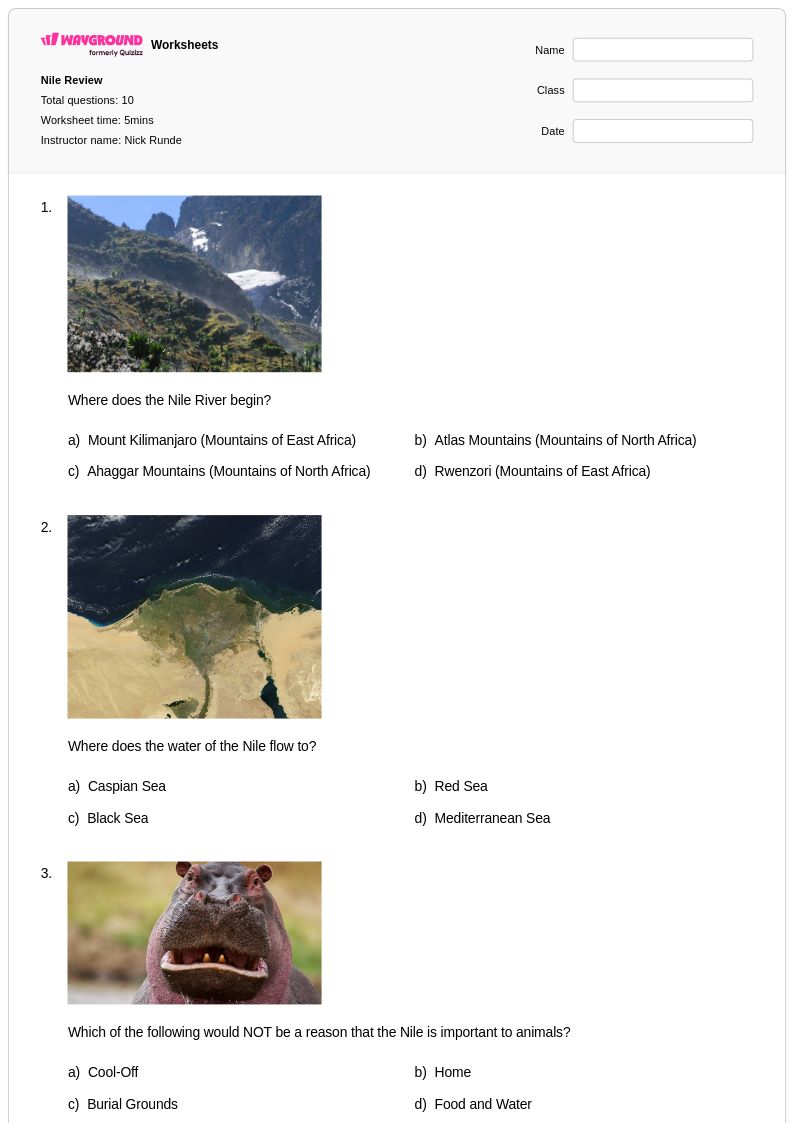
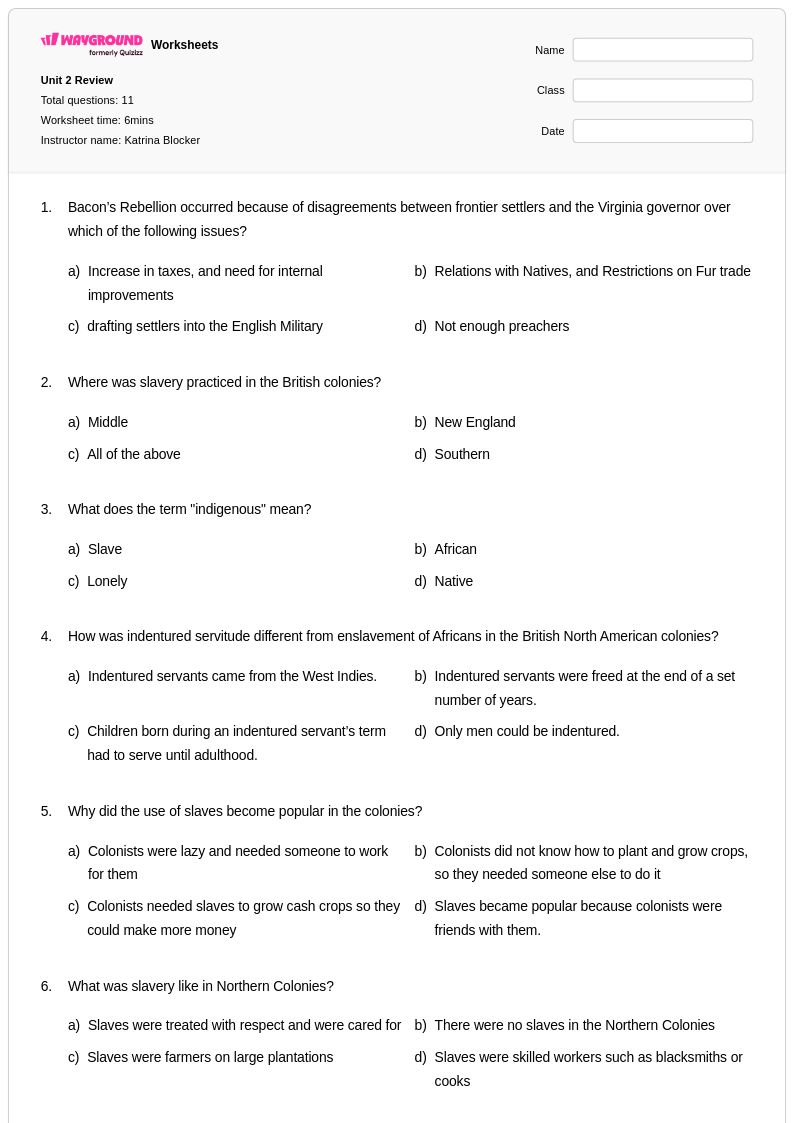
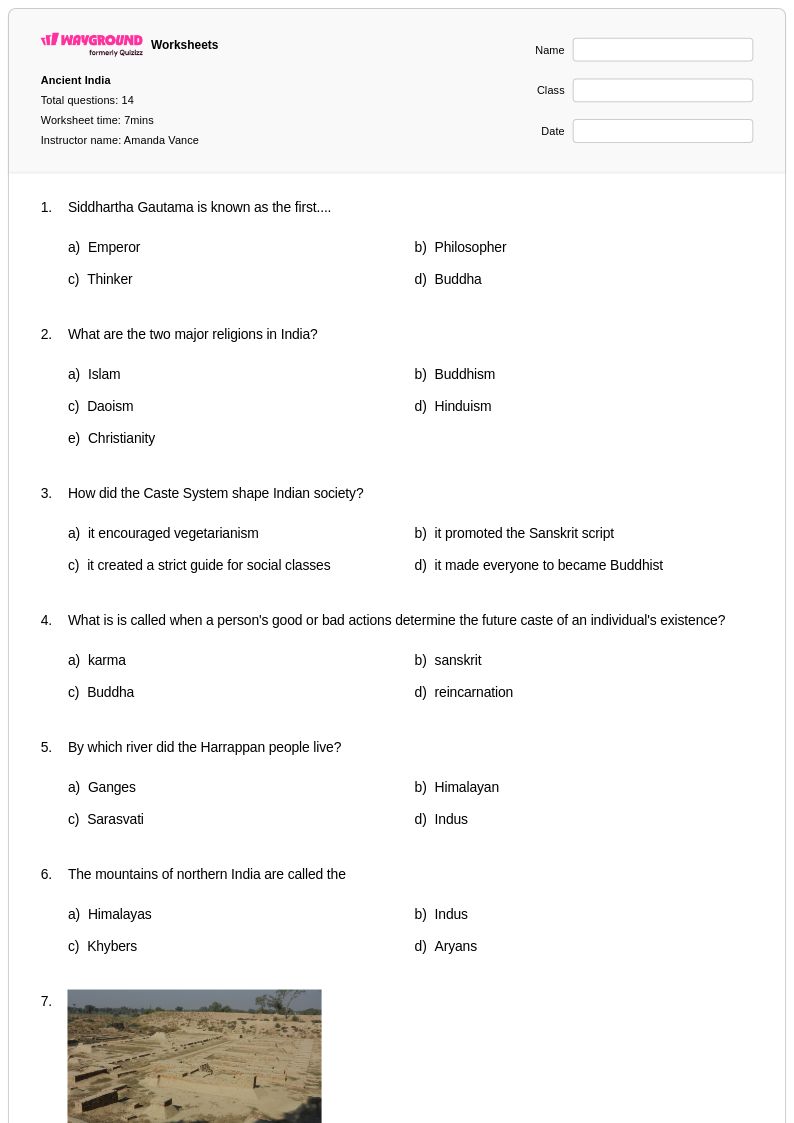
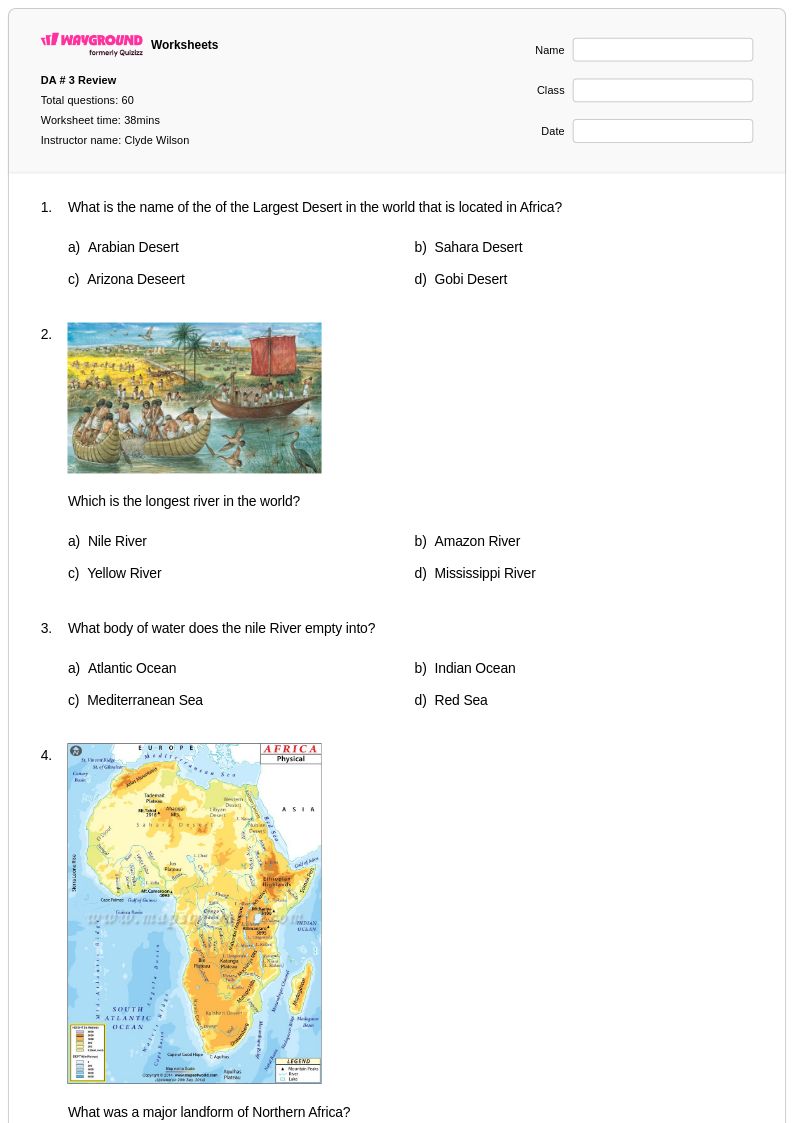
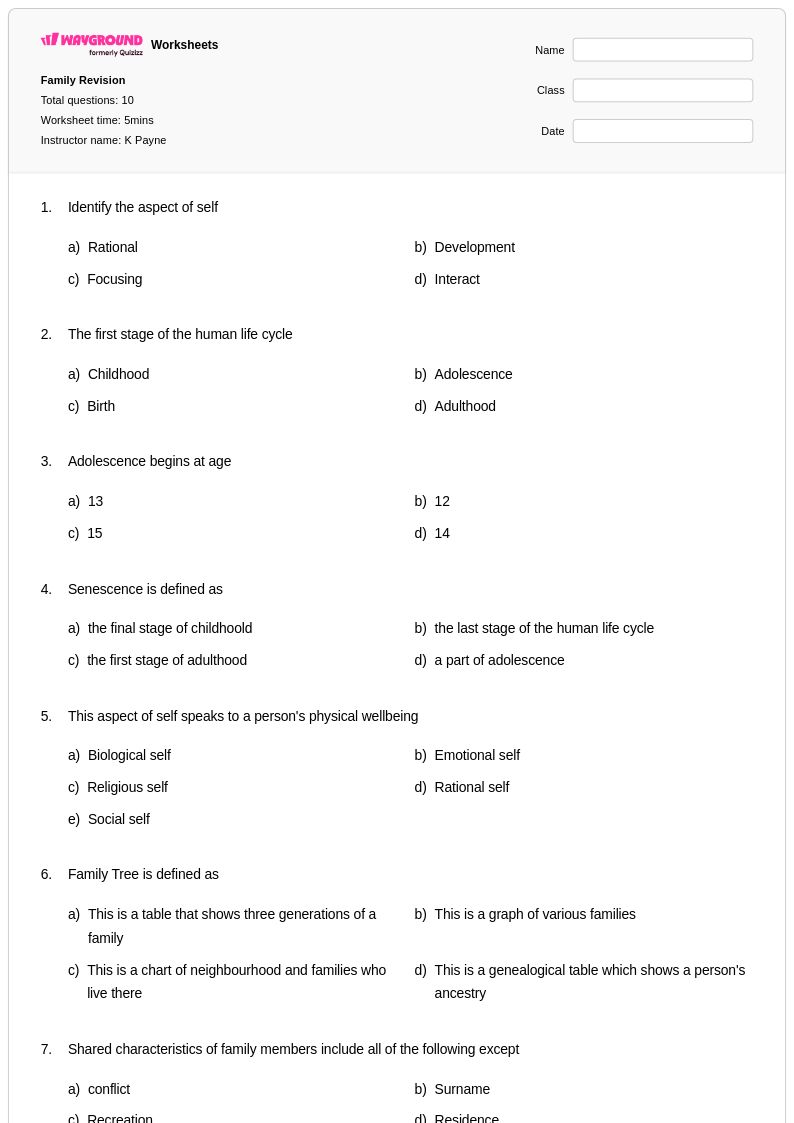
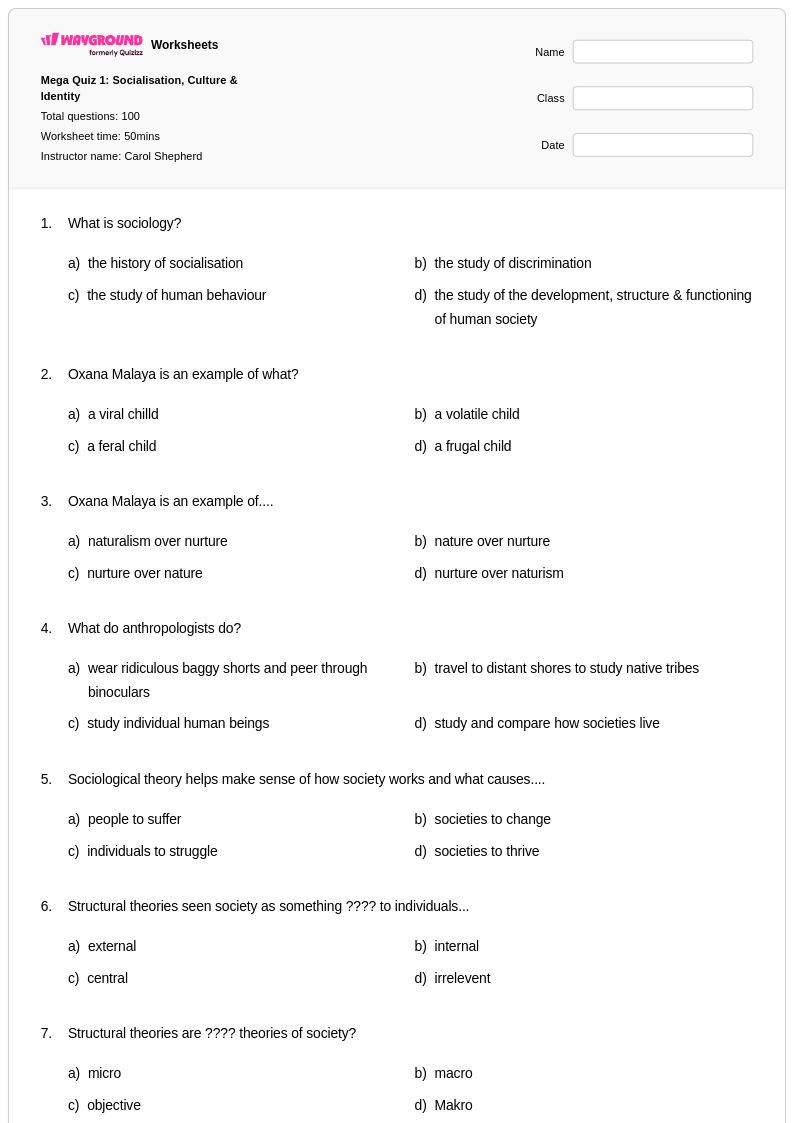
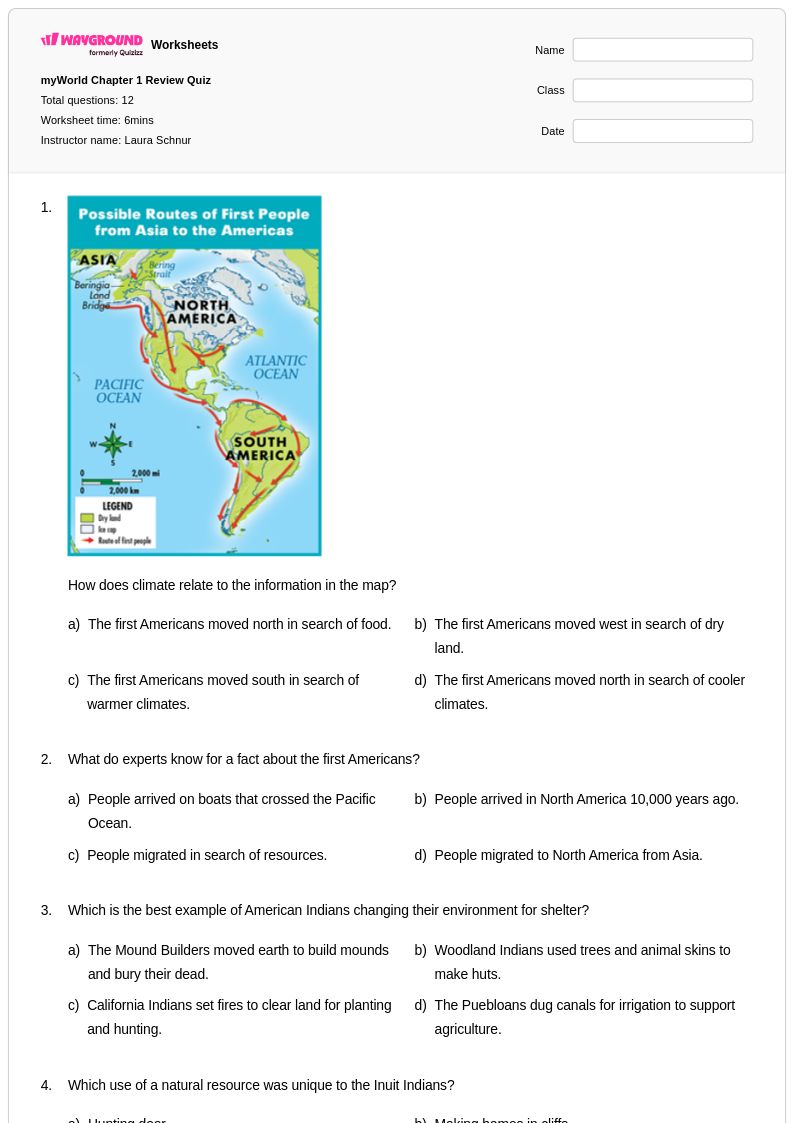
Adulthood worksheets for Year 6 students through Wayground (formerly Quizizz) provide comprehensive resources that help young learners explore the transition from childhood to adult responsibilities and expectations. These carefully designed materials focus on developing essential life skills, understanding adult roles in society, and preparing students for future independence through age-appropriate scenarios and practice problems. The worksheets strengthen critical thinking abilities as students analyze different aspects of adult life including career choices, financial responsibility, civic duties, and personal relationships. Each resource includes detailed answer keys and is available as free printable pdf downloads, making it easy for educators to implement meaningful social skills instruction that bridges classroom learning with real-world applications.
Wayground (formerly Quizizz) supports teachers with an extensive collection of millions of teacher-created resources specifically tailored to adulthood education at the Year 6 level. The platform's robust search and filtering capabilities enable educators to quickly locate worksheets that align with curriculum standards and match their students' specific learning needs. Teachers benefit from built-in differentiation tools that allow customization of content difficulty and format, ensuring that both struggling learners and advanced students can engage meaningfully with adulthood concepts. Available in both printable and digital pdf formats, these resources streamline lesson planning while providing flexible options for skill practice, remediation activities, and enrichment opportunities that help students develop a mature understanding of adult responsibilities and social expectations.
FAQs
How do I teach adulthood and life skills in a social studies classroom?
Teaching adulthood skills works best when instruction connects directly to real-world scenarios students will encounter after graduation. Anchoring lessons around concrete situations, such as reading a lease agreement, completing a job application, or interpreting a pay stub, gives abstract concepts immediate relevance. Pairing scenario-based activities with structured reflection helps students internalize civic responsibilities and independent living competencies rather than treating them as isolated facts.
What topics should be covered in an adulthood or life skills unit?
A comprehensive adulthood unit typically covers financial literacy (budgeting, banking, taxes), civic responsibilities (voting procedures, jury duty, civic engagement), workplace readiness (job interview preparation, workplace rights), and independent living skills (lease agreements, consumer rights, health insurance basics). Covering these areas ensures students leave with a functional understanding of the systems they will navigate as adults.
What exercises help students practice adulthood and life skills?
Practice exercises that simulate real decisions, such as building a monthly budget on a starting salary, role-playing a job interview, or analyzing a sample lease for key clauses, are the most effective for building adulthood competencies. Structured worksheets with practical scenarios give students a low-stakes environment to work through adult responsibilities before they face them in real life. Answer-key-supported practice also allows students to self-check and correct misconceptions independently.
What misconceptions do students commonly have about adulthood topics like budgeting or voting?
Students frequently underestimate fixed costs like rent, insurance, and utilities when building a budget, leading to unrealistic income-to-expense ratios. On civic topics, a common error is conflating registration with eligibility to vote, or misunderstanding that certain rights (like jury duty) are also legal obligations. Addressing these misconceptions explicitly during instruction, rather than assuming prior knowledge, significantly improves student outcomes on assessments.
How can I differentiate adulthood worksheets for students with different skill levels or learning needs?
Differentiation for adulthood topics can include scaffolding complex documents (like a lease or tax form) with guided annotation tasks for struggling learners, while advanced students analyze unscaffolded versions and evaluate trade-offs. On Wayground, teachers can apply individual accommodations such as extended time, read-aloud support, and reduced answer choices, allowing all students to access the same content at an appropriate challenge level without drawing attention to individual modifications.
How do I use Wayground's adulthood worksheets in my classroom?
Wayground's adulthood worksheets are available as printable PDFs for traditional classroom use and in digital formats for technology-integrated environments, including the option to host them as a quiz directly on Wayground. Teachers can use the platform's search and filtering tools to locate worksheets aligned to specific learning objectives, whether focusing on financial literacy, workplace readiness, or civic responsibilities. Each worksheet includes a complete answer key, making them suitable for independent practice, formative assessment, or targeted remediation sessions.