
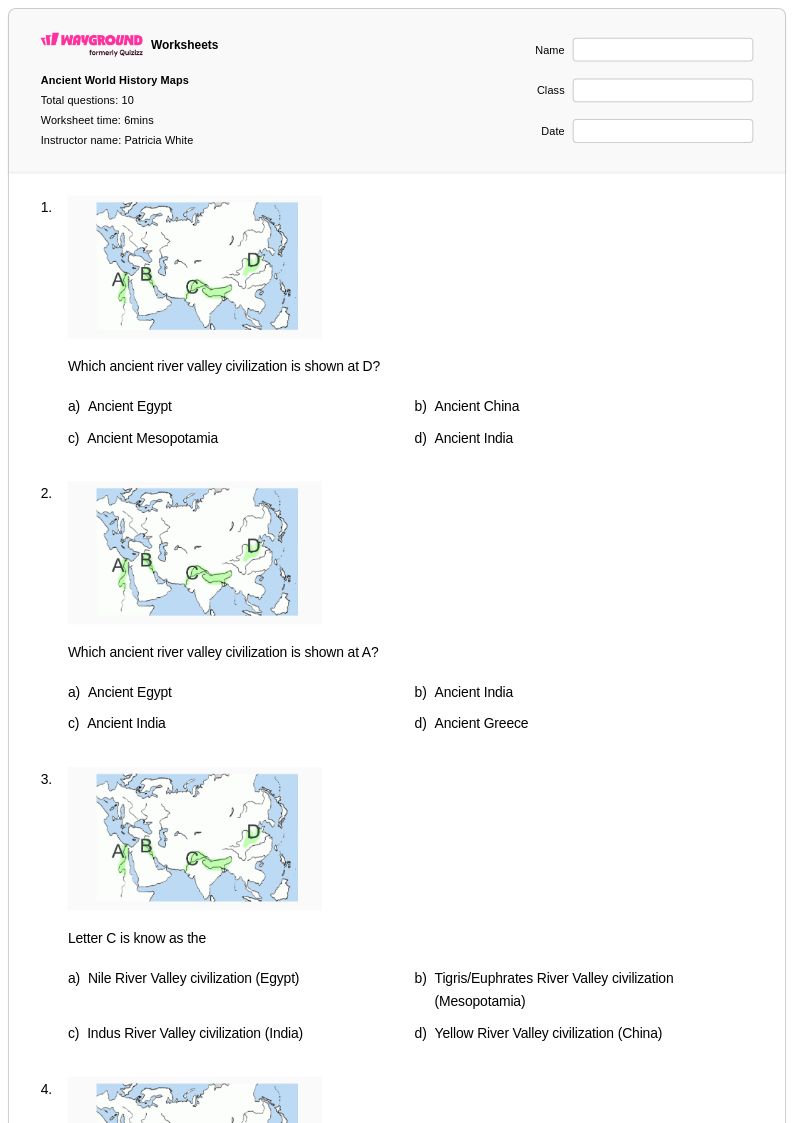
10 Q
8th - 10th
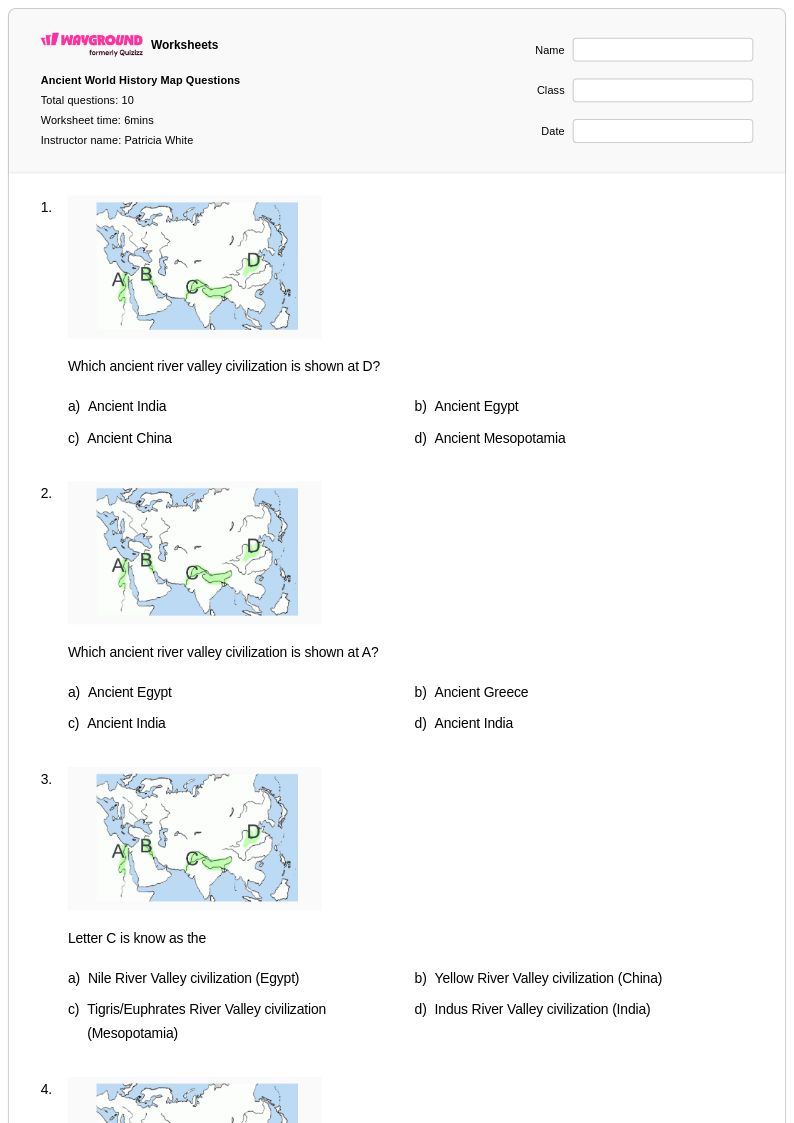
10 Q
8th - 10th
25 Q
10th - Uni
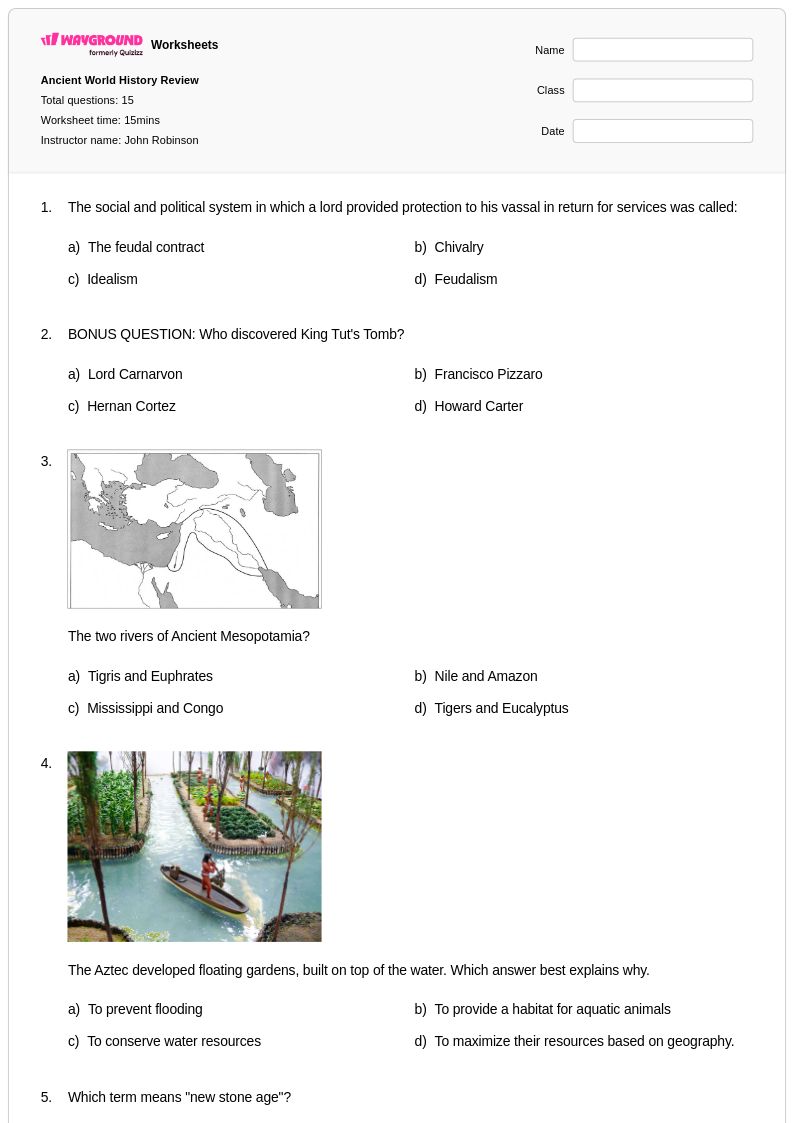
15 Q
9th - Uni
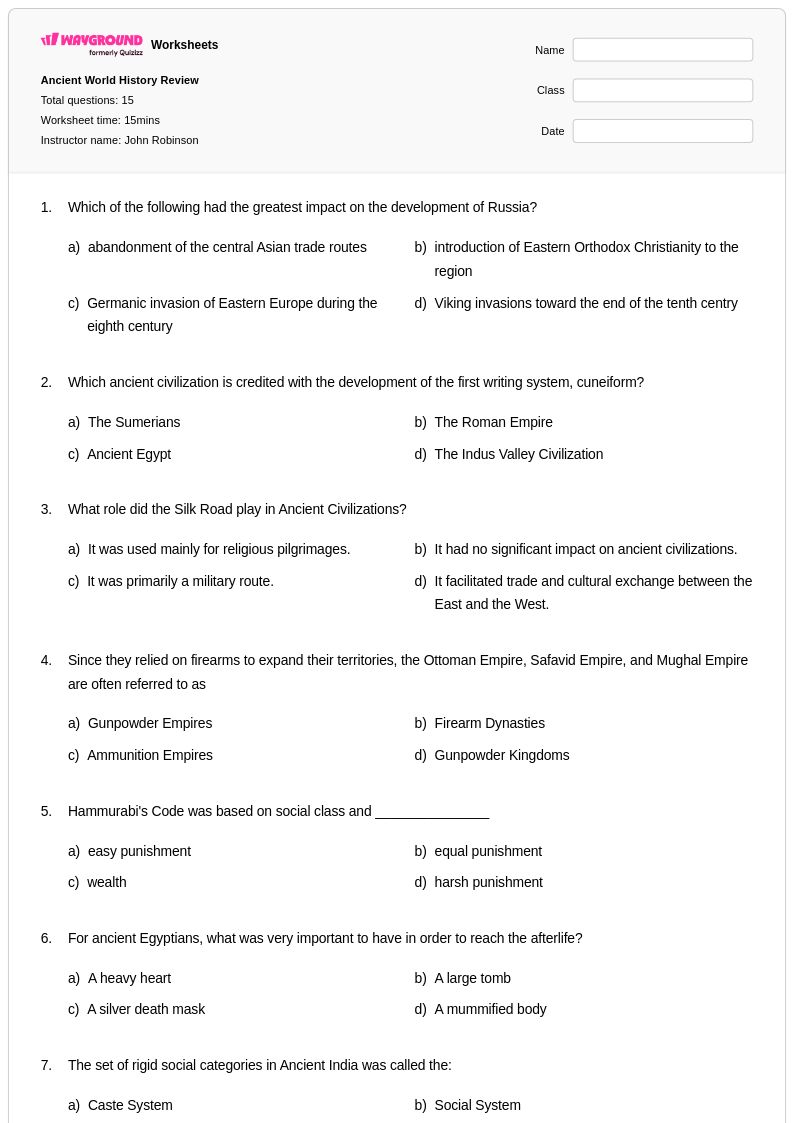
15 Q
9th - Uni
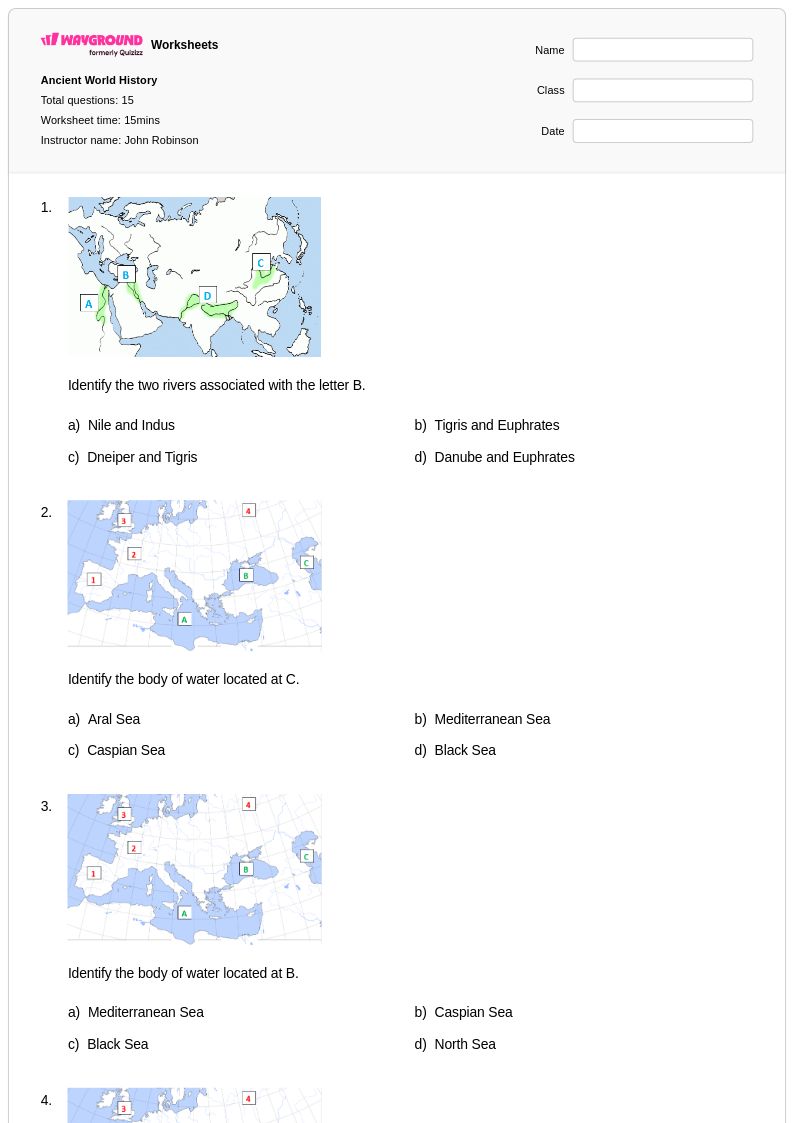
15 Q
10th - Uni
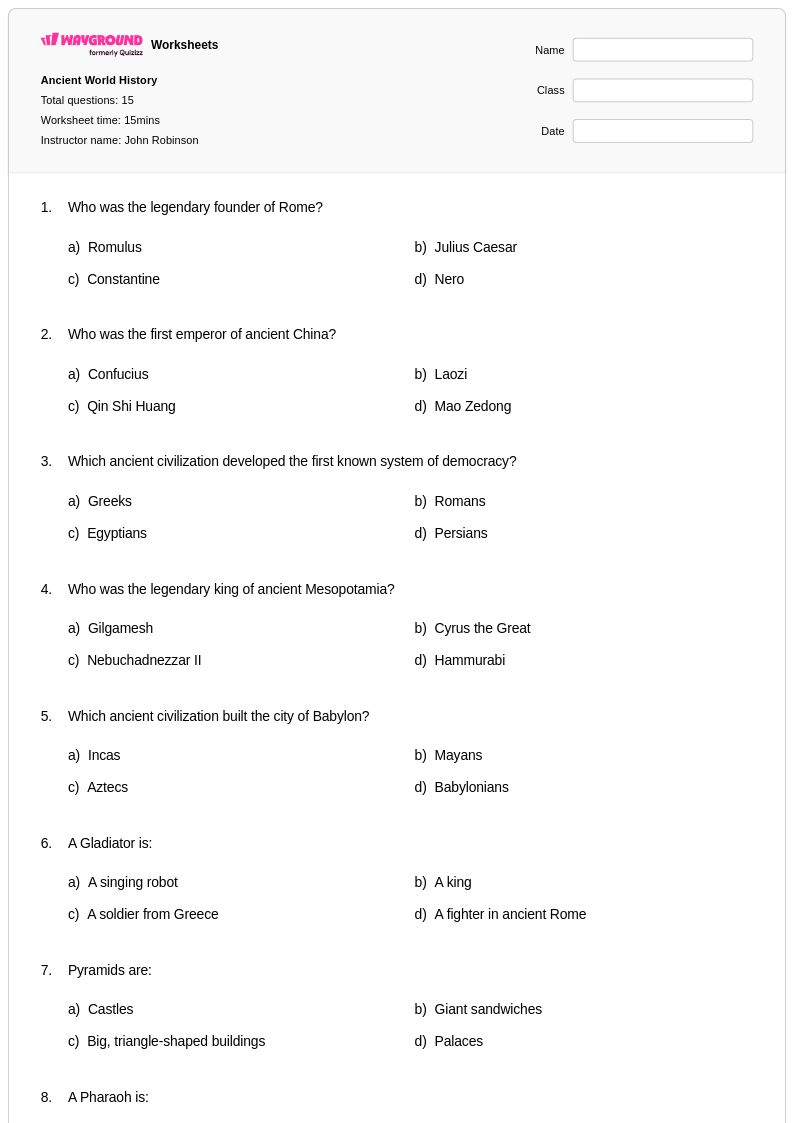
15 Q
10th - Uni
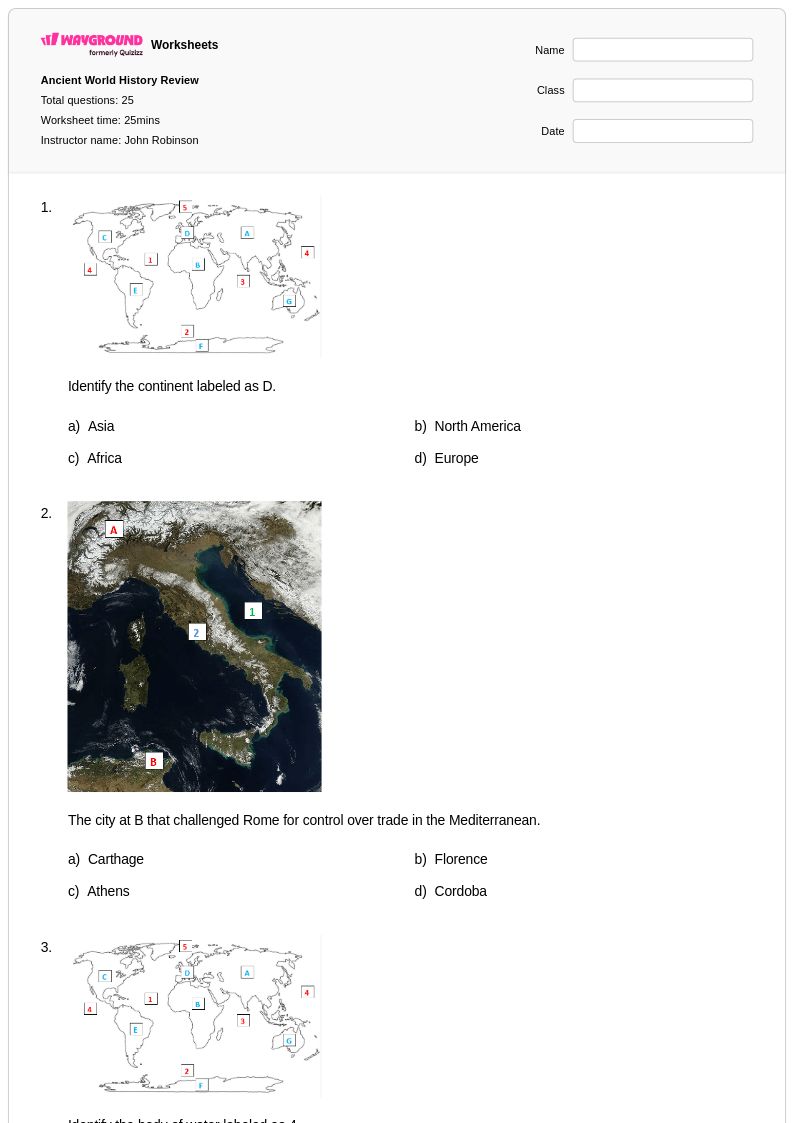
25 Q
9th - Uni
12 Q
9th - 12th
15 Q
6th - Uni
20 Q
9th - 12th
15 Q
7th - Uni
15 Q
7th - Uni
15 Q
7th - Uni
15 Q
7th - Uni
15 Q
10th - Uni
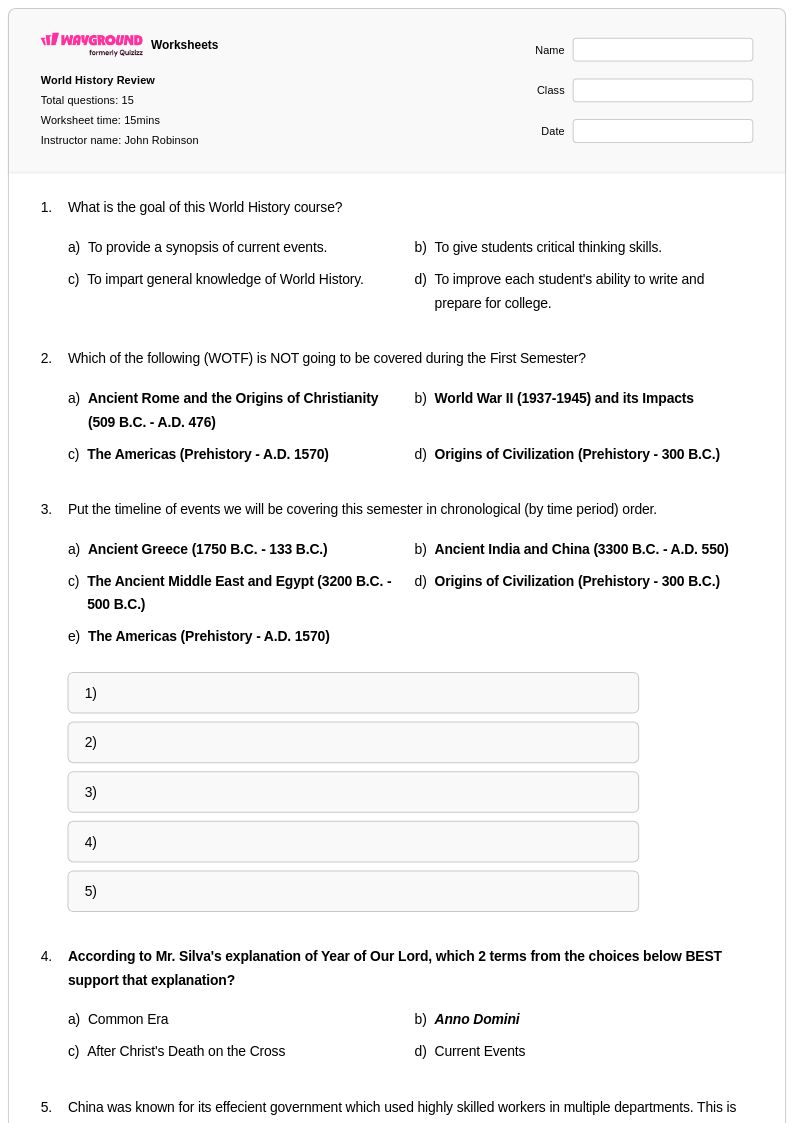
15 Q
10th - Uni
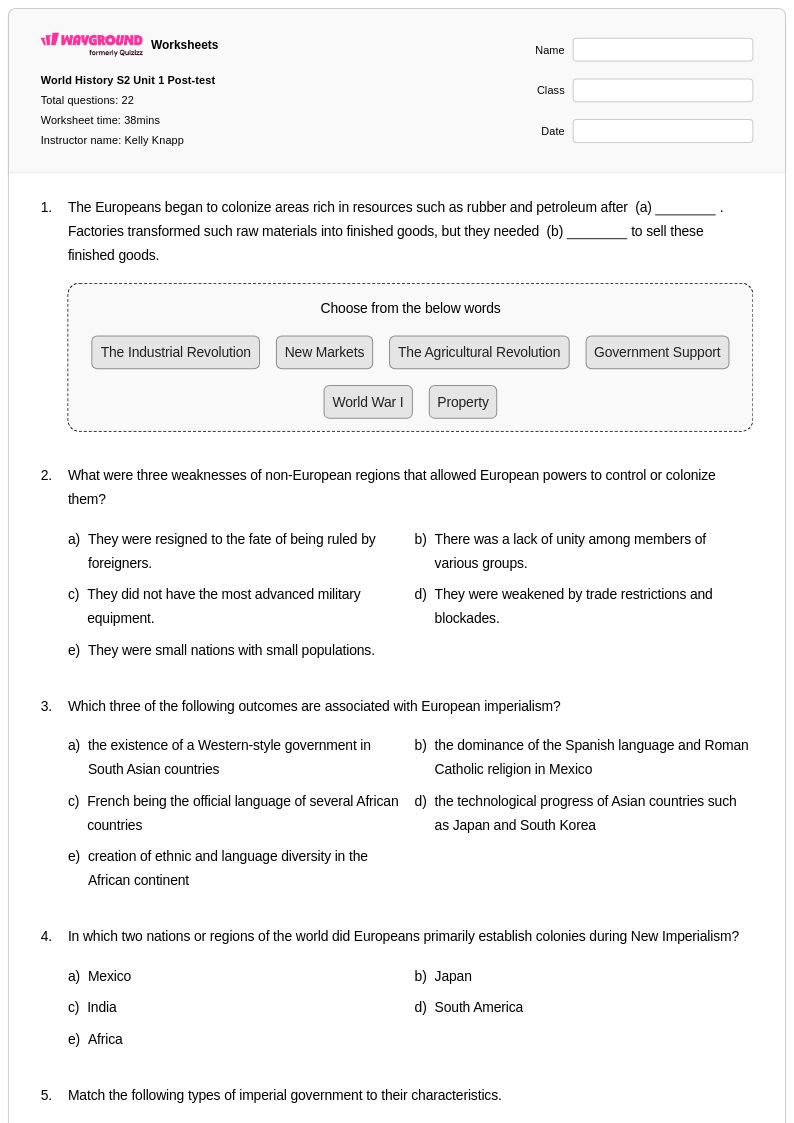
22 Q
9th - 12th
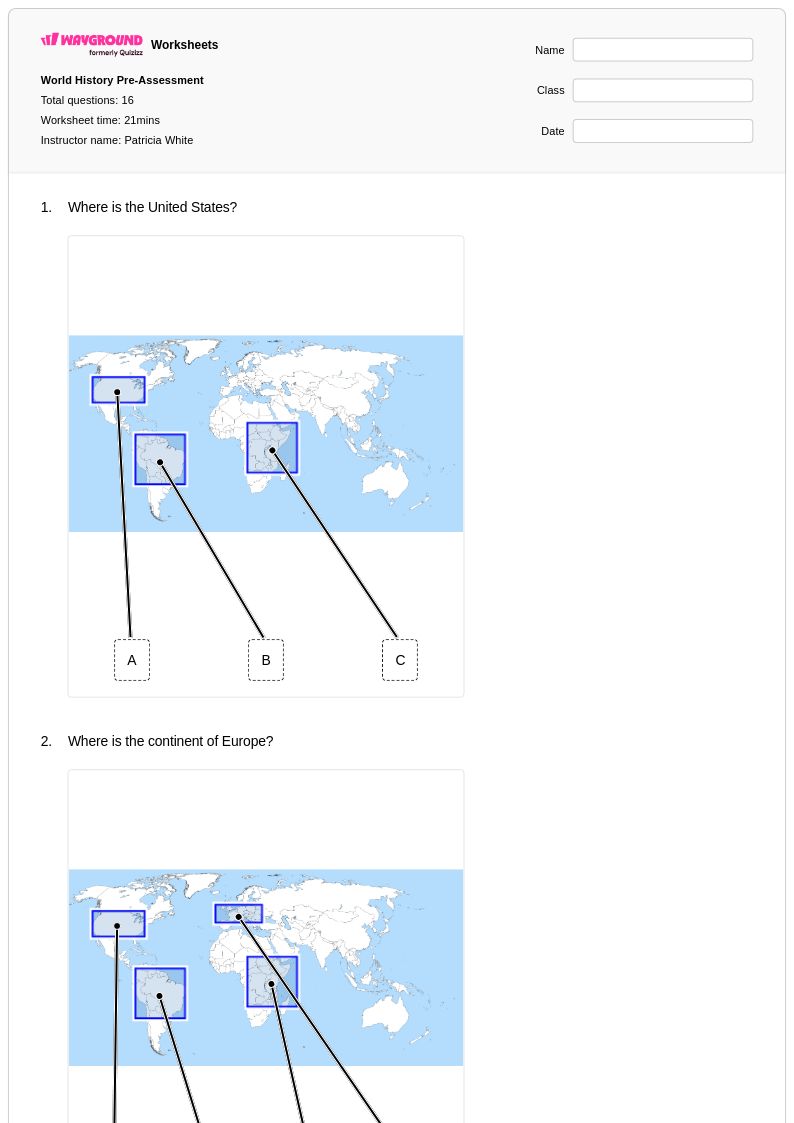
16 Q
10th
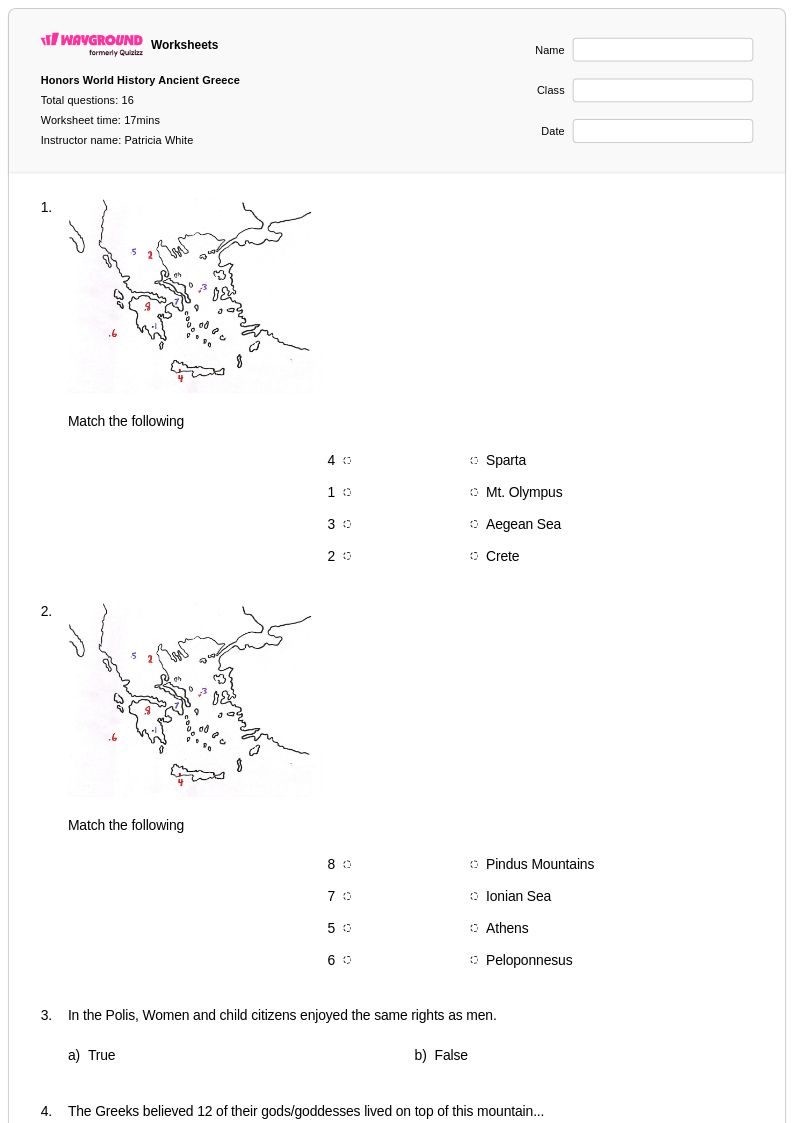
16 Q
9th - Uni
22 Q
10th - Uni
20 Q
10th
30 Q
10th - Uni
20 Q
10th
Explore Ancient World History Worksheets by Grades
Explore Other Subject Worksheets for year 10
Explore printable Ancient World History worksheets for Year 10
Ancient World History worksheets for Year 10 students available through Wayground (formerly Quizizz) provide comprehensive coverage of early civilizations, empires, and foundational historical developments that shaped human society. These expertly designed educational resources strengthen critical analytical skills including chronological reasoning, source interpretation, comparative analysis of civilizations, and understanding of cause-and-effect relationships in historical contexts. Students engage with practice problems that explore topics such as Mesopotamian innovations, Egyptian dynasties, Greek philosophy and democracy, Roman imperial expansion, ancient trade networks, and the rise and fall of classical civilizations. Each worksheet collection includes detailed answer keys to support independent learning and self-assessment, while printable pdf formats ensure accessibility across diverse classroom environments. These free educational materials emphasize primary source analysis, map interpretation, timeline construction, and the development of evidence-based historical arguments essential for advanced social studies coursework.
Wayground (formerly Quizizz) empowers educators with millions of teacher-created Ancient World History resources specifically curated for Year 10 instruction, featuring robust search and filtering capabilities that allow precise alignment with curriculum standards and learning objectives. The platform's differentiation tools enable teachers to customize worksheet difficulty levels, modify content complexity, and adapt materials for diverse learning needs, supporting both remediation for struggling students and enrichment opportunities for advanced learners. These versatile resources are available in both printable and digital formats, including downloadable pdf versions that facilitate seamless integration into lesson planning, homework assignments, test preparation, and formative assessment strategies. Teachers can efficiently locate standards-aligned materials covering specific ancient civilizations, historical periods, or skill-building exercises, while the platform's flexible customization features allow for targeted practice in areas such as historical thinking skills, geographic literacy, and cultural analysis that are fundamental to Year 10 social studies mastery.
FAQs
How do I teach ancient world history to students who struggle with chronology?
What are good exercises for practicing ancient world history concepts?
What mistakes do students commonly make when studying ancient civilizations?
How can I use primary sources effectively in an ancient world history unit?
How do I use Wayground's Ancient World History worksheets in my classroom?
How do I differentiate ancient world history instruction for students at different skill levels?