Free Printable The Industrial Revolution Worksheets for Year 10
Explore comprehensive Year 10 Industrial Revolution worksheets and printables that help students master key historical concepts through engaging practice problems, free PDF resources, and detailed answer keys.
Explore printable The Industrial Revolution worksheets for Year 10
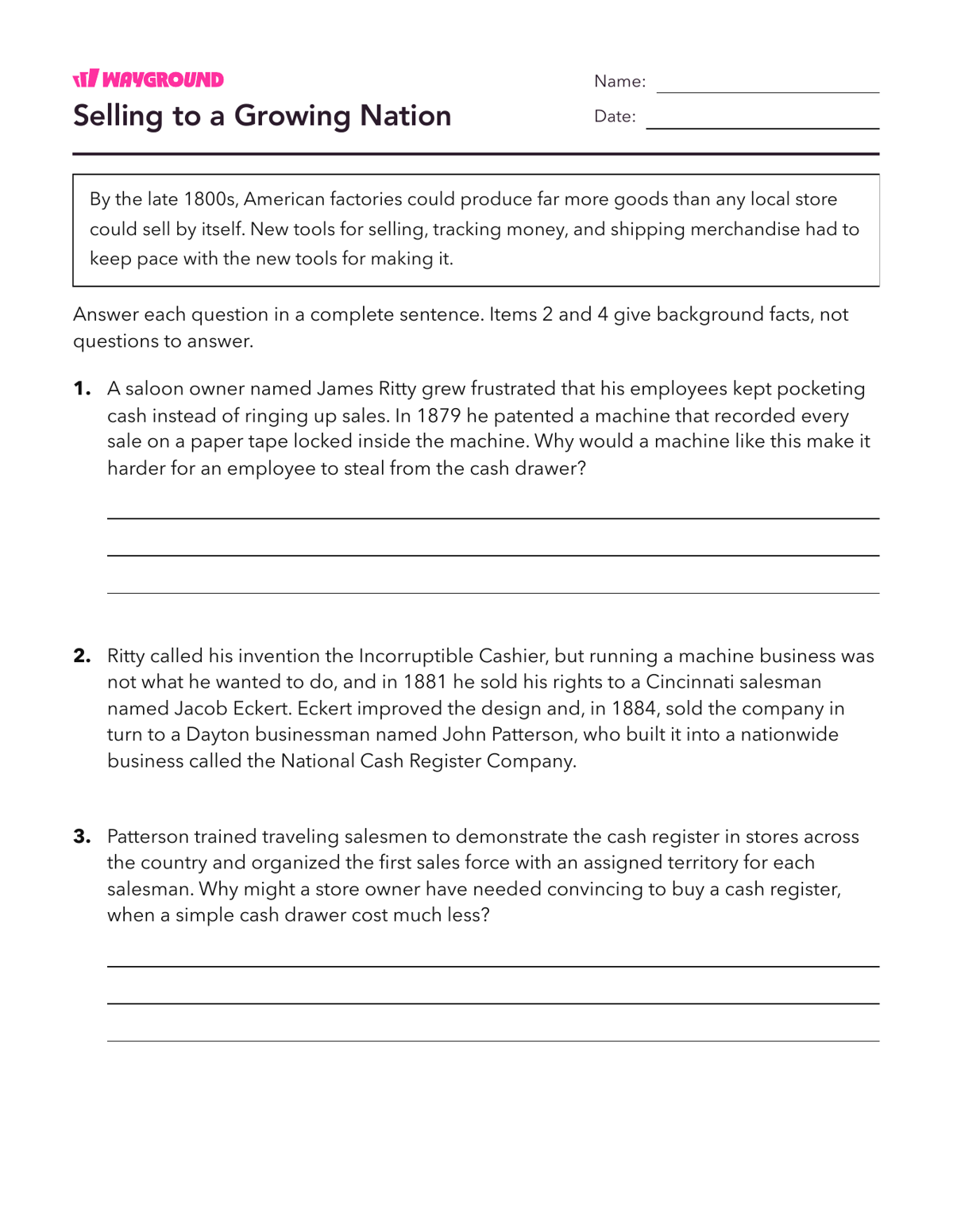
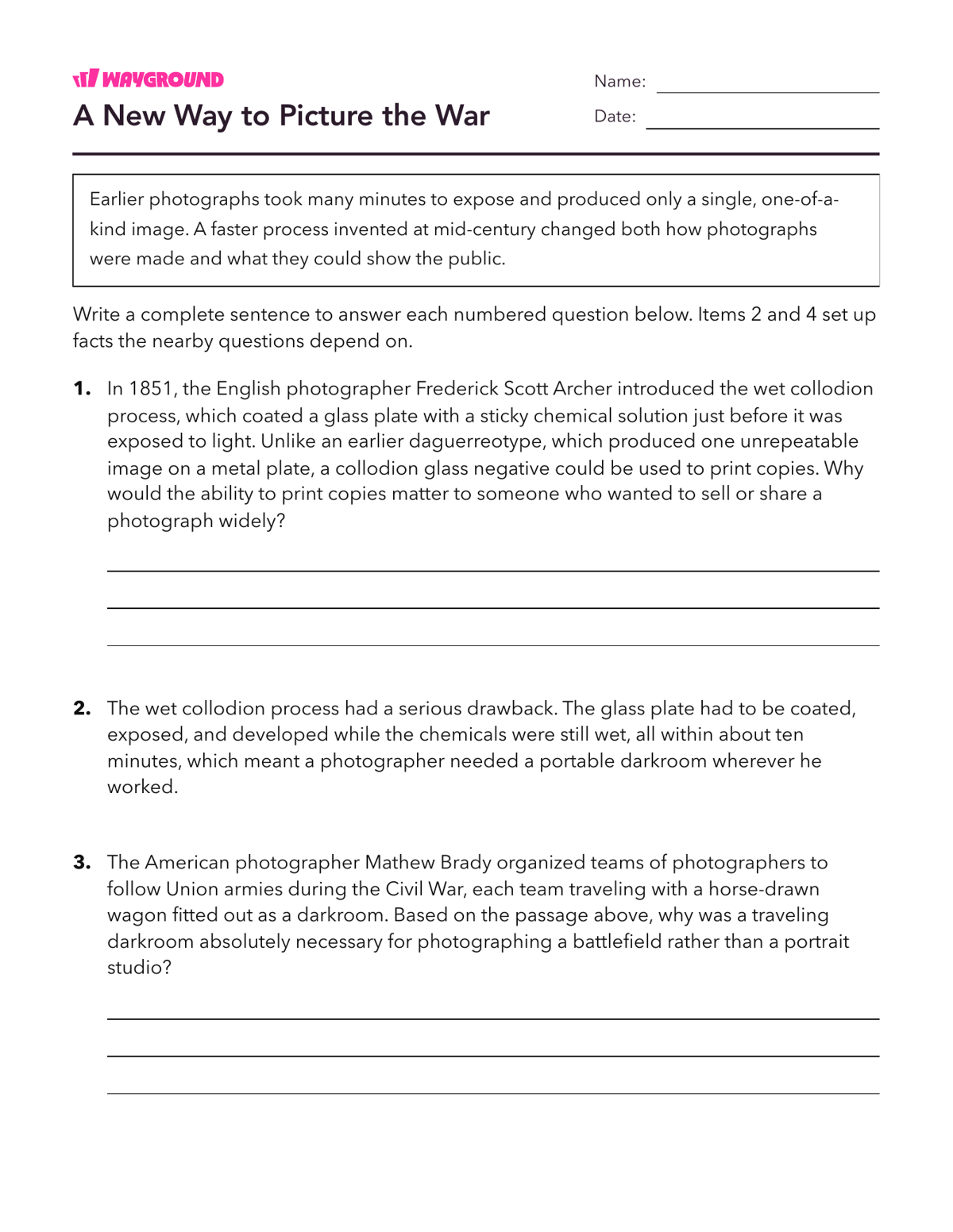
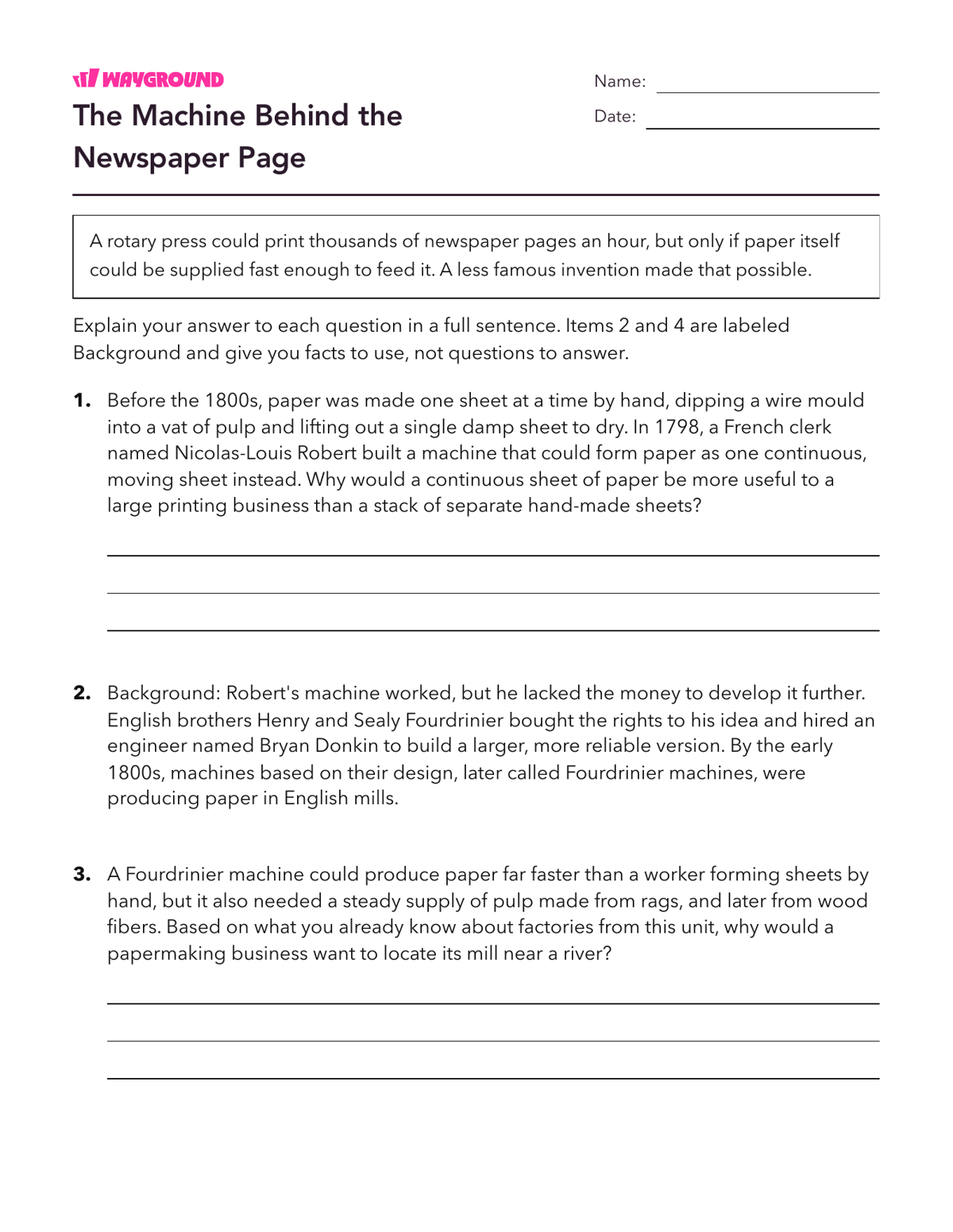
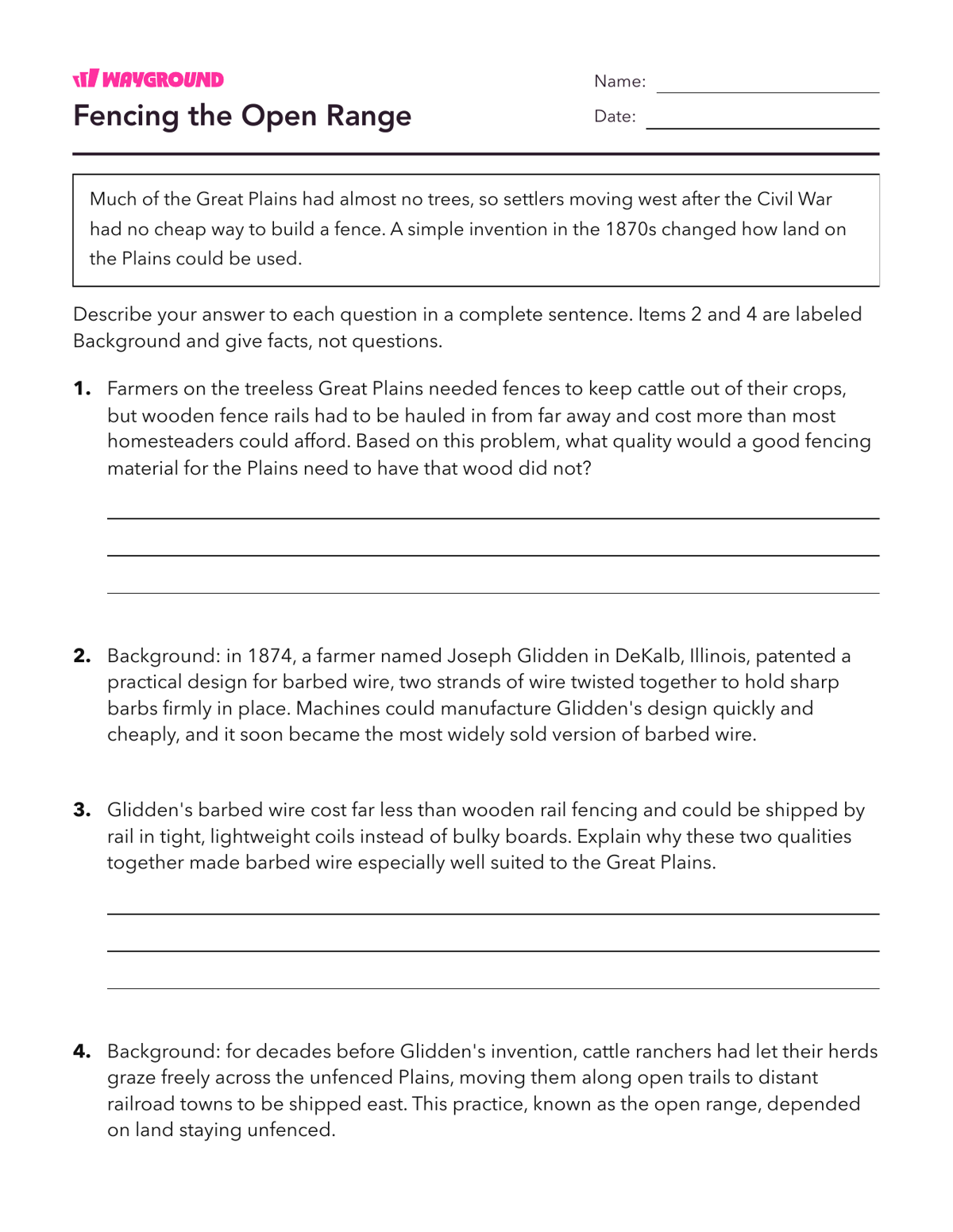
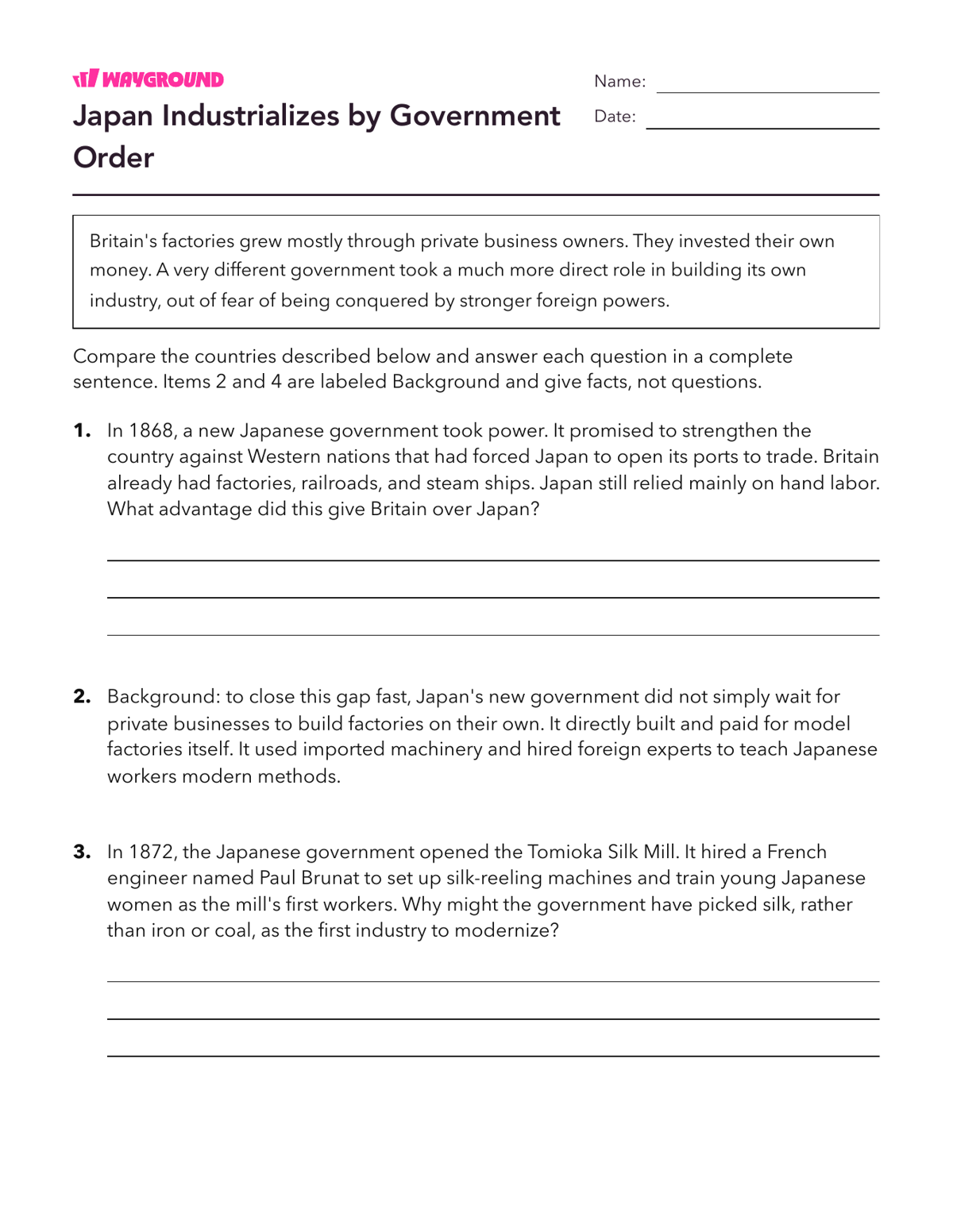
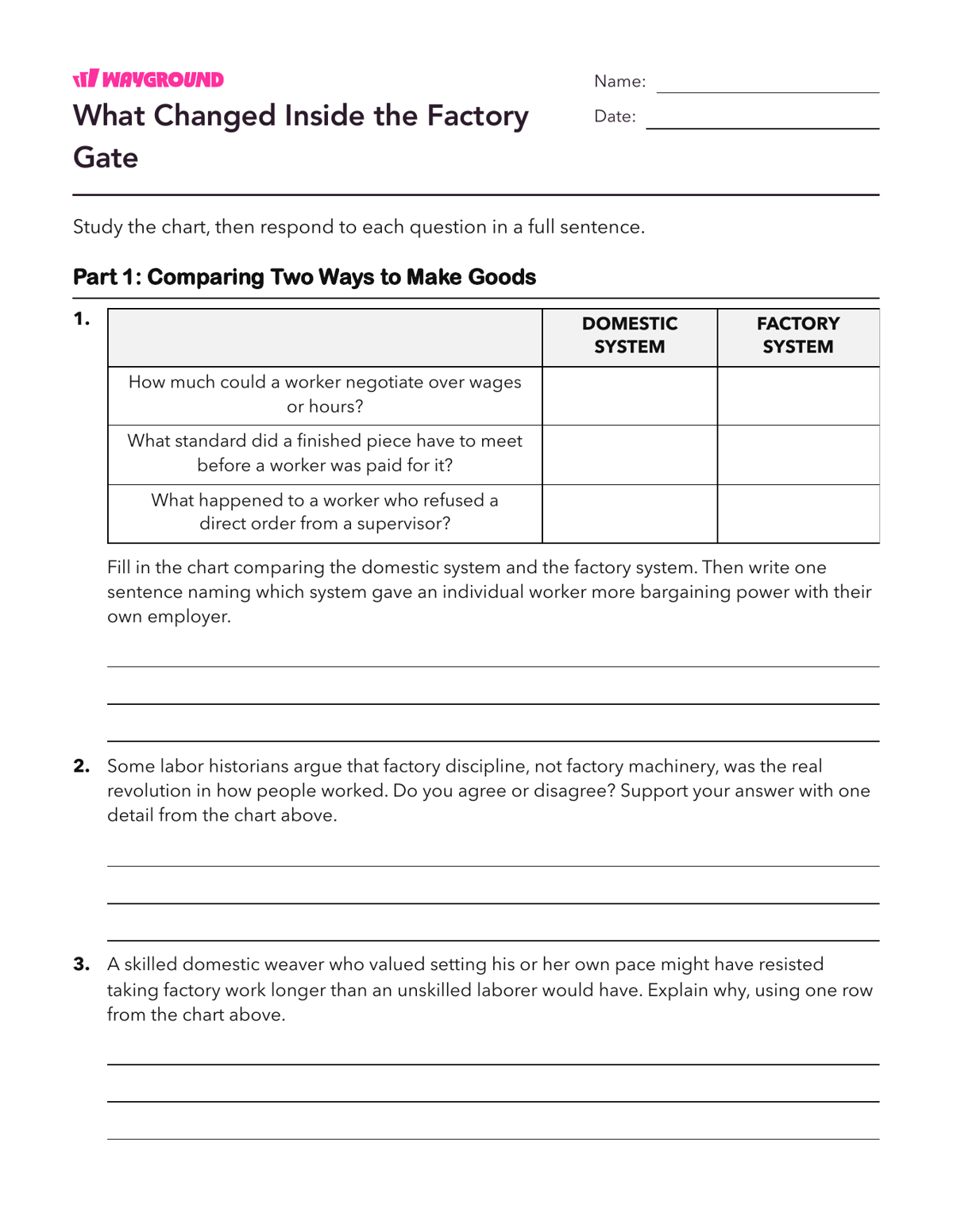
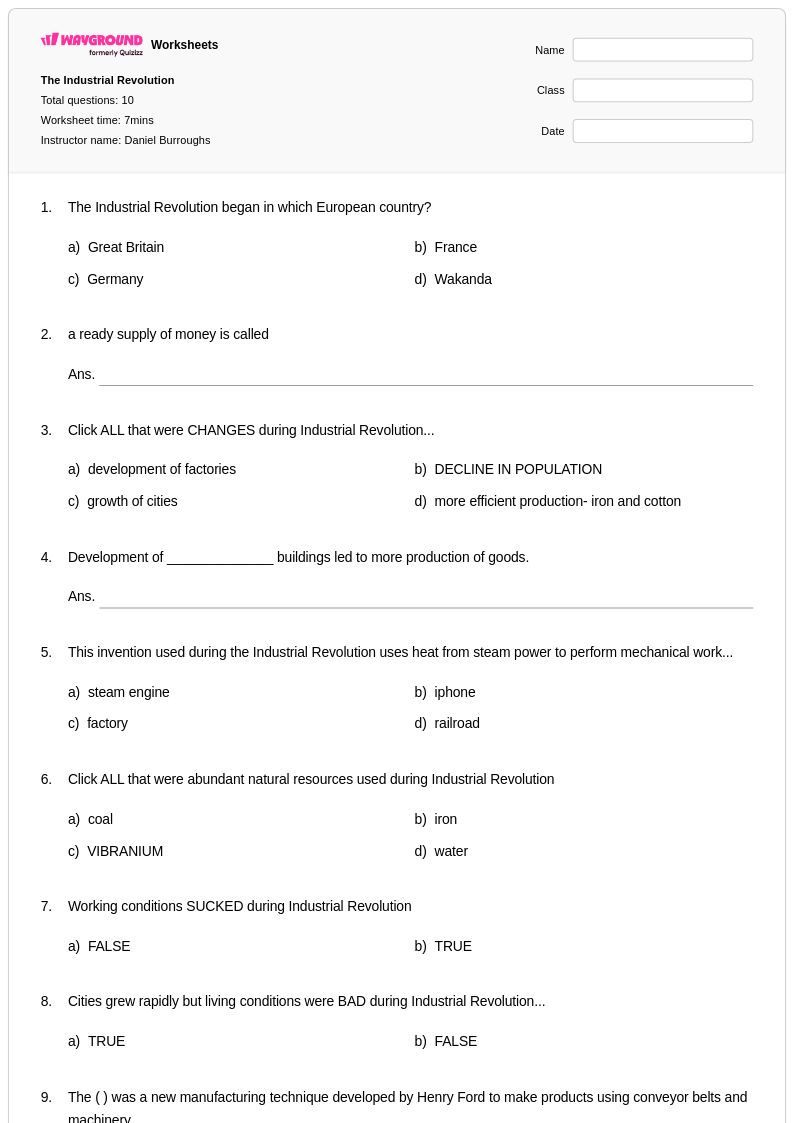
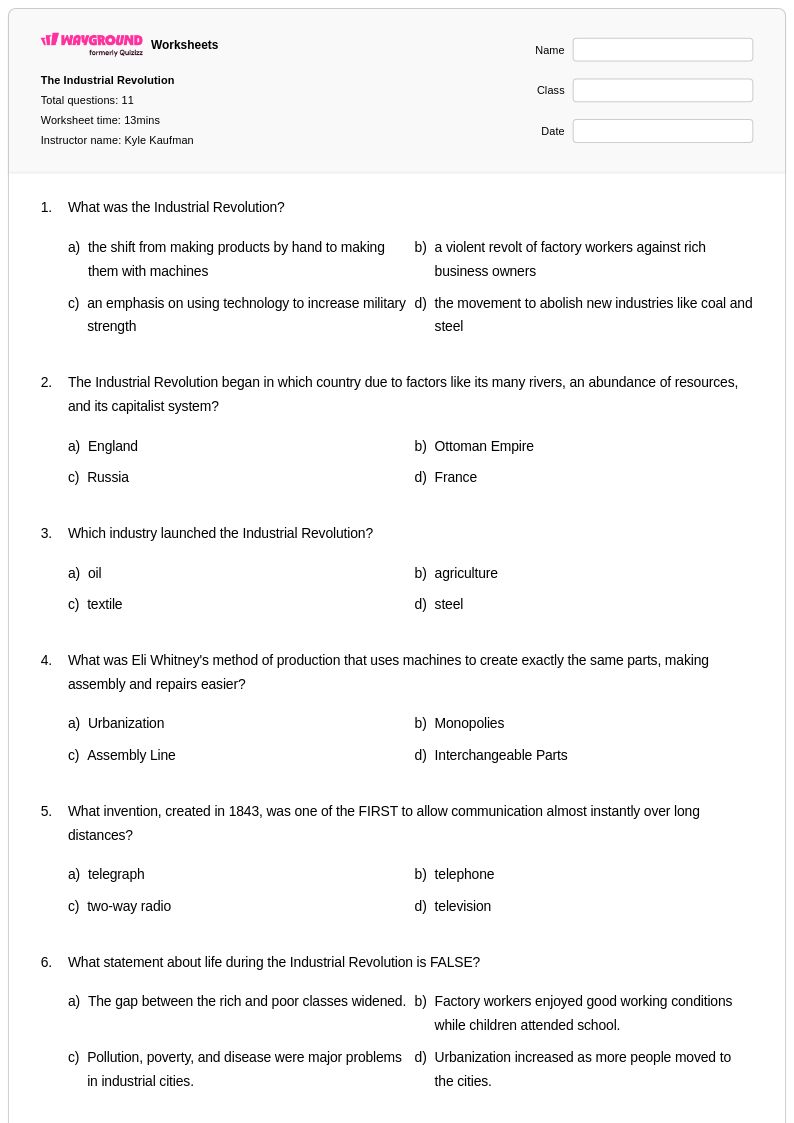
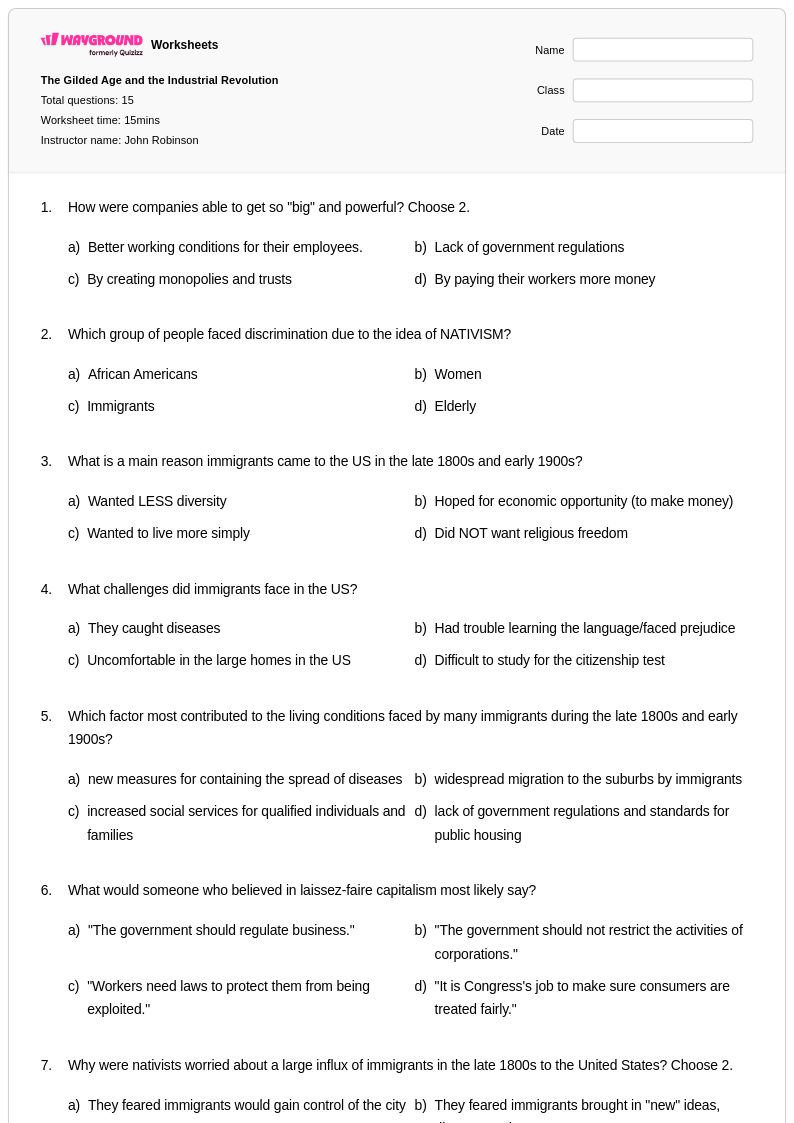
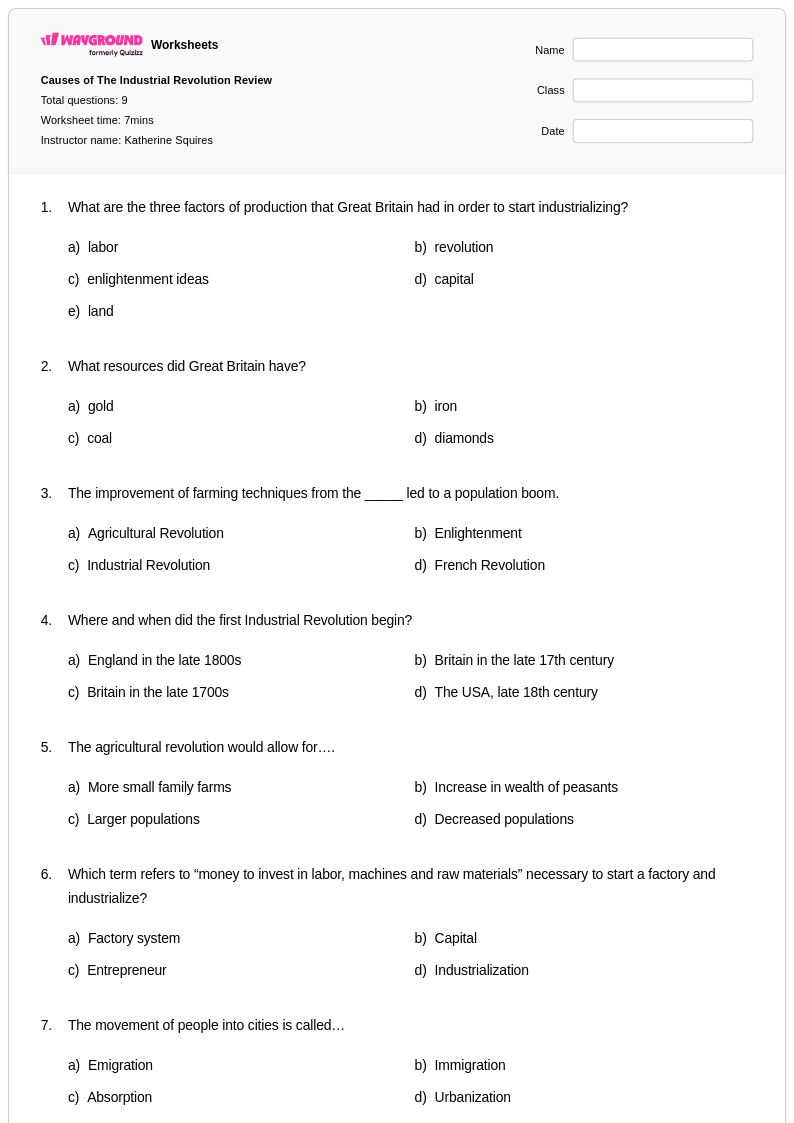
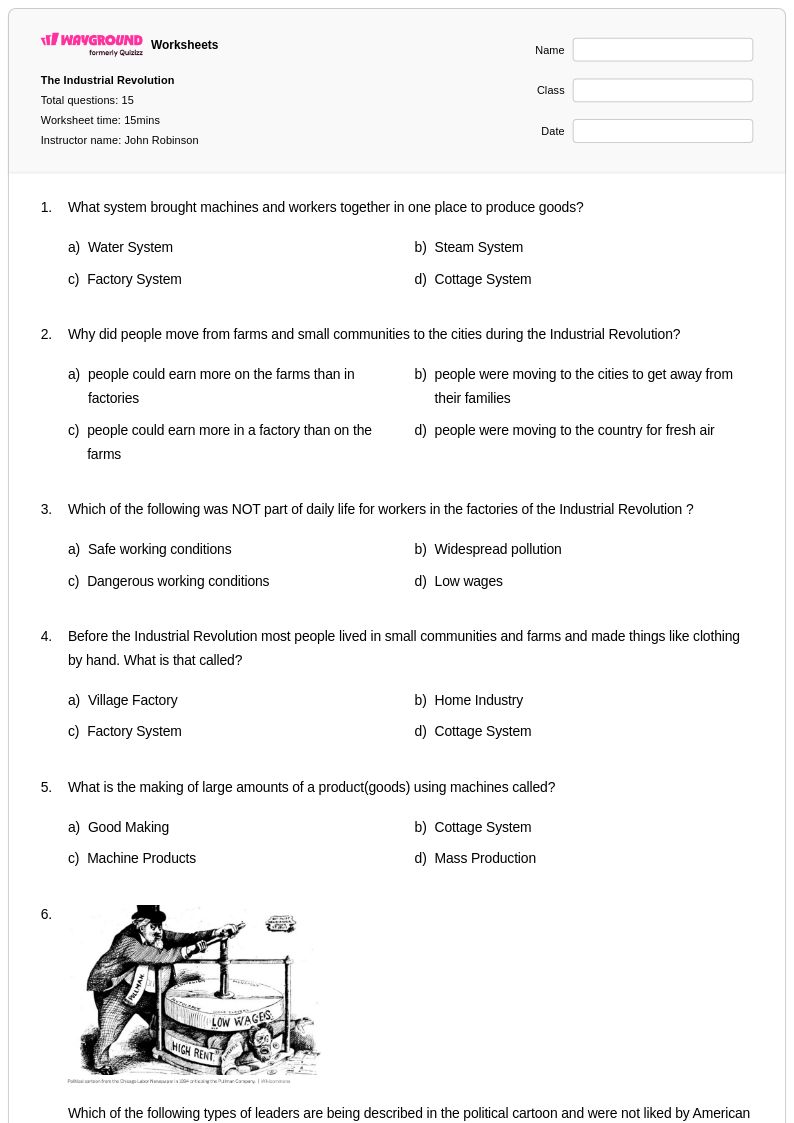
The Industrial Revolution worksheets available through Wayground (formerly Quizizz) provide Year 10 students with comprehensive practice materials that explore this pivotal period of economic and social transformation from the late 18th to early 19th centuries. These expertly designed resources strengthen critical thinking skills by examining the shift from agricultural economies to mechanized manufacturing, the rise of factory systems, and the profound changes in labor, urbanization, and social structures. Students engage with primary source documents, analyze cause-and-effect relationships, and evaluate the long-term impacts of industrialization on society through varied practice problems that include document-based questions, timeline activities, and comparative analysis exercises. Each worksheet comes with a detailed answer key to support independent learning and includes free printables in pdf format that make historical concepts accessible and engaging for high school learners.
Wayground (formerly Quizizz) empowers educators with millions of teacher-created Industrial Revolution resources that streamline lesson planning and differentiated instruction for Year 10 Social Studies courses. The platform's robust search and filtering capabilities allow teachers to quickly locate materials aligned with specific curriculum standards, whether focusing on technological innovations, labor movements, or the global spread of industrialization. These versatile worksheet collections support both remediation for struggling students and enrichment opportunities for advanced learners through customizable difficulty levels and varied question formats. Available in both printable and digital formats including downloadable pdf versions, these resources facilitate flexible classroom implementation while providing teachers with the tools needed to assess student understanding of complex historical processes and their lasting significance in shaping the modern world.
FAQs
How do I teach the Industrial Revolution to middle or high school students?
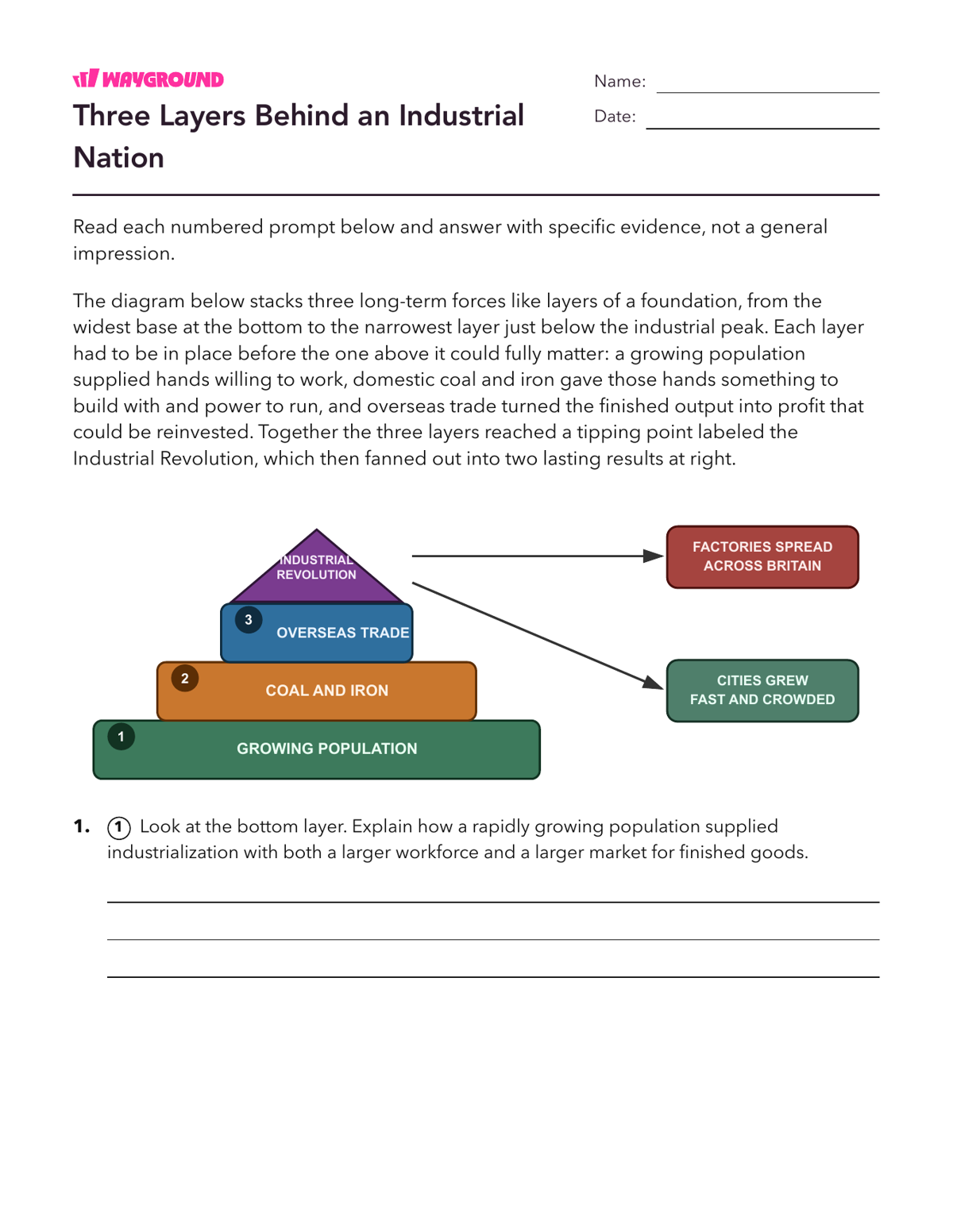
Teaching the Industrial Revolution effectively means grounding students in the economic shift from agrarian to manufacturing economies before moving into specific developments like factory systems, steam power, and urbanization. Start with cause-and-effect framing so students understand why industrialization began in Britain and how it spread. Primary source analysis, including firsthand accounts from factory workers, is especially effective for building historical empathy and critical thinking. Connecting technological innovations to social consequences, such as child labor, class stratification, and urban poverty, helps students see the period as a system of change rather than a list of inventions.
What are the most important concepts students need to understand about the Industrial Revolution?
Students should understand the transition from agricultural economies to factory-based manufacturing as the central driver of the Industrial Revolution. Key concepts include the role of steam power and mechanized textile production, the growth of industrial cities, and the emergence of a wage-labor working class. Students should also be able to analyze how industrialization created new social hierarchies and transformed daily life for ordinary people. Connecting these developments to long-term outcomes, including the rise of industrial capitalism and labor reform movements, gives students a complete picture of the period's historical significance.
What exercises help students practice Industrial Revolution content?
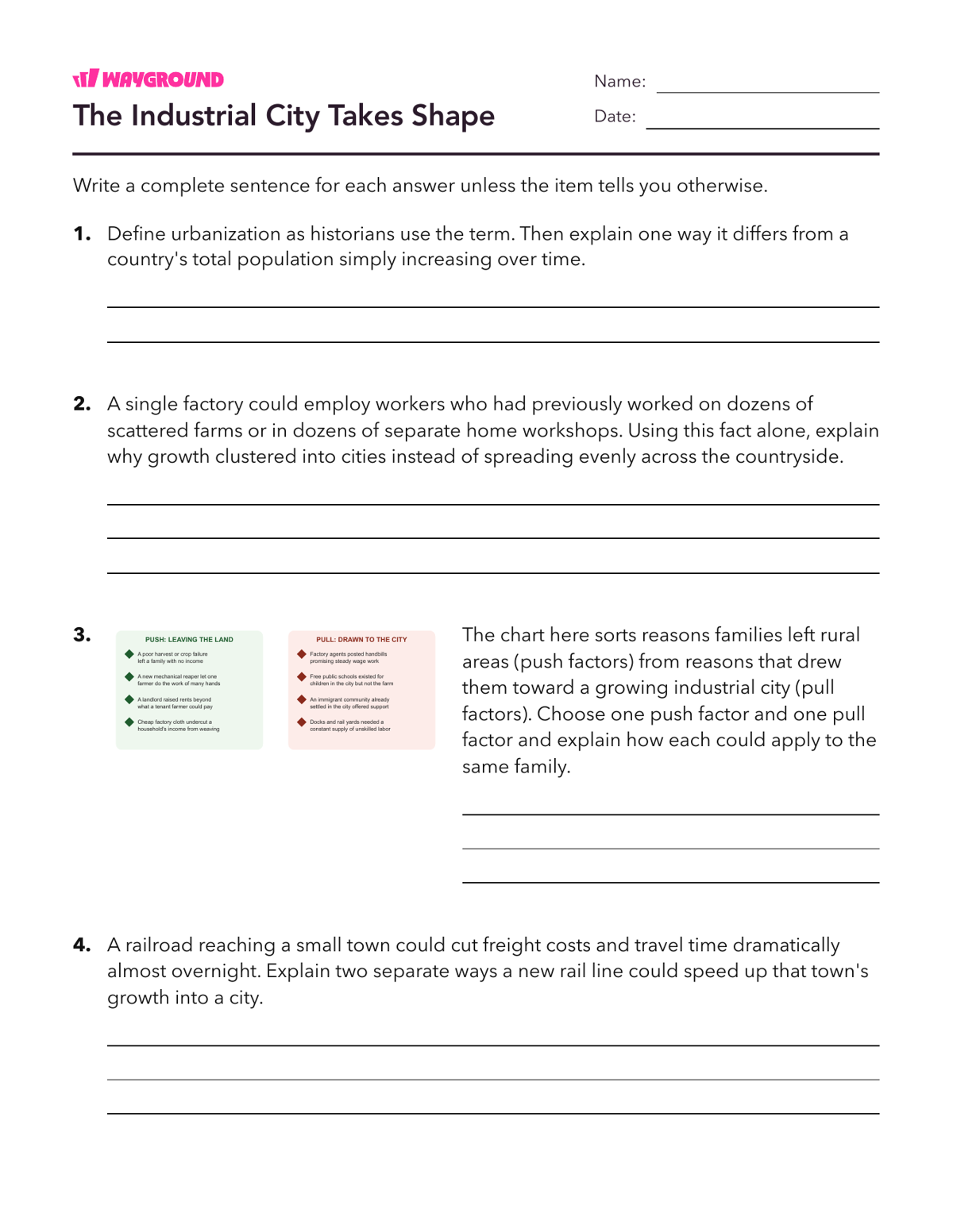
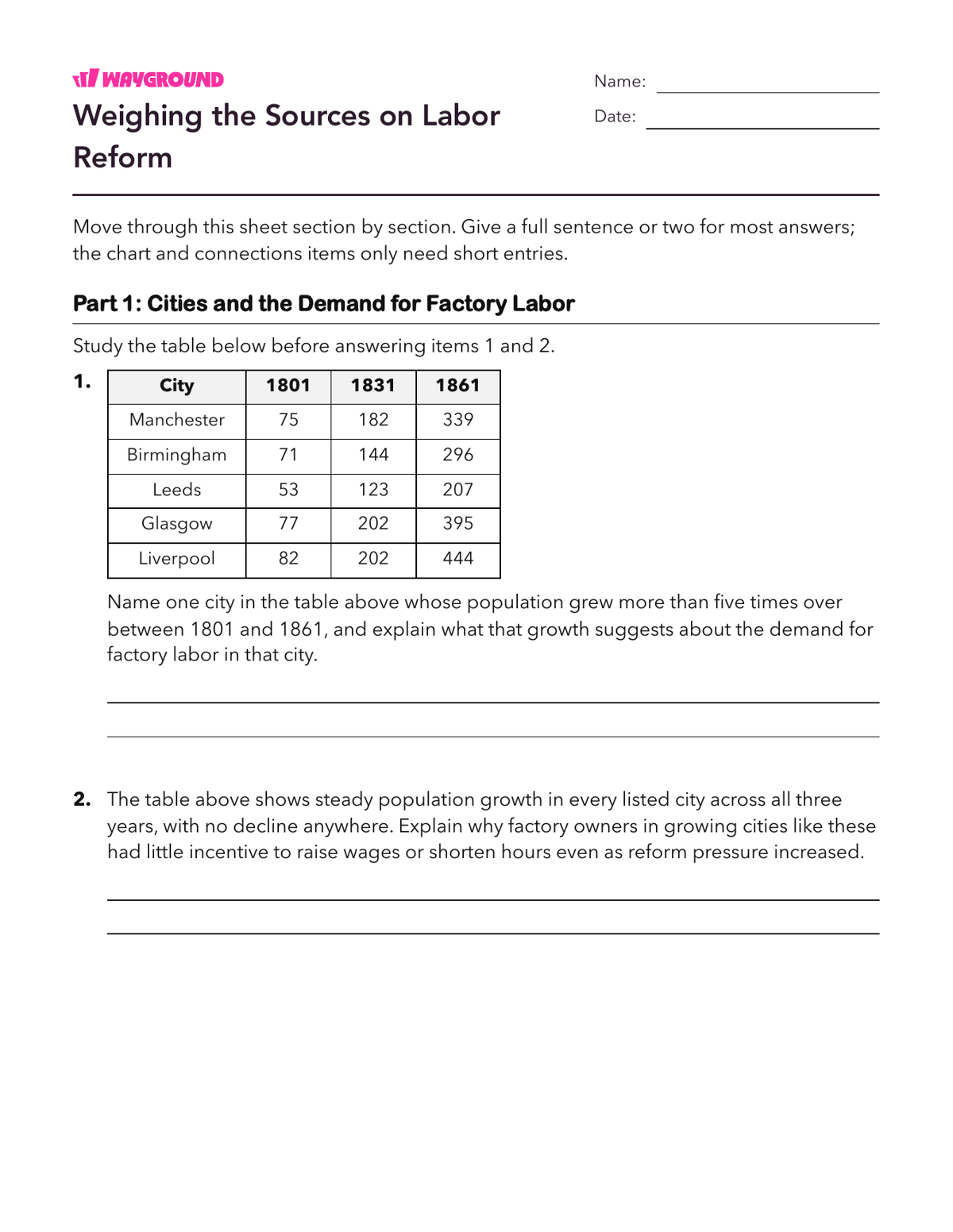
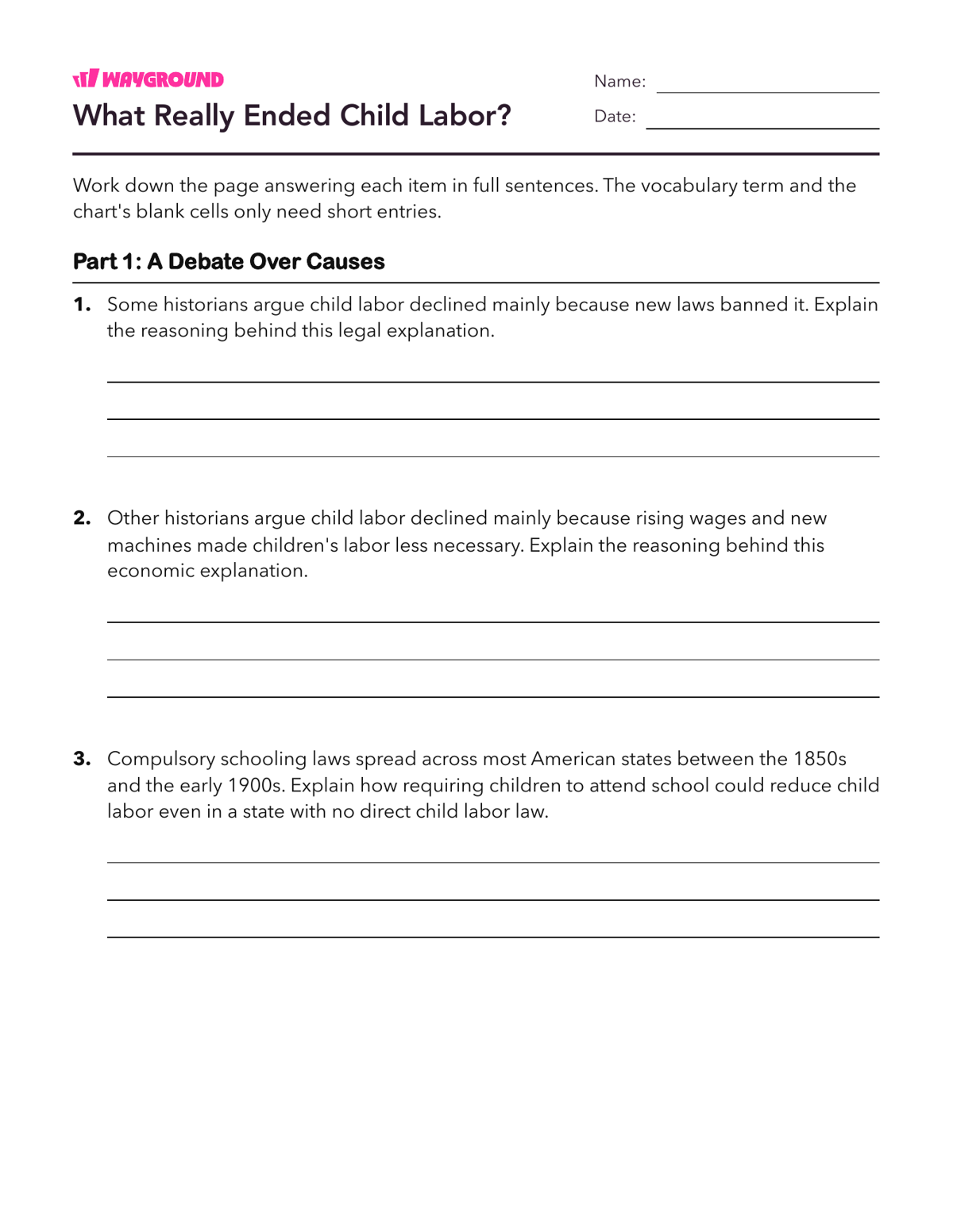
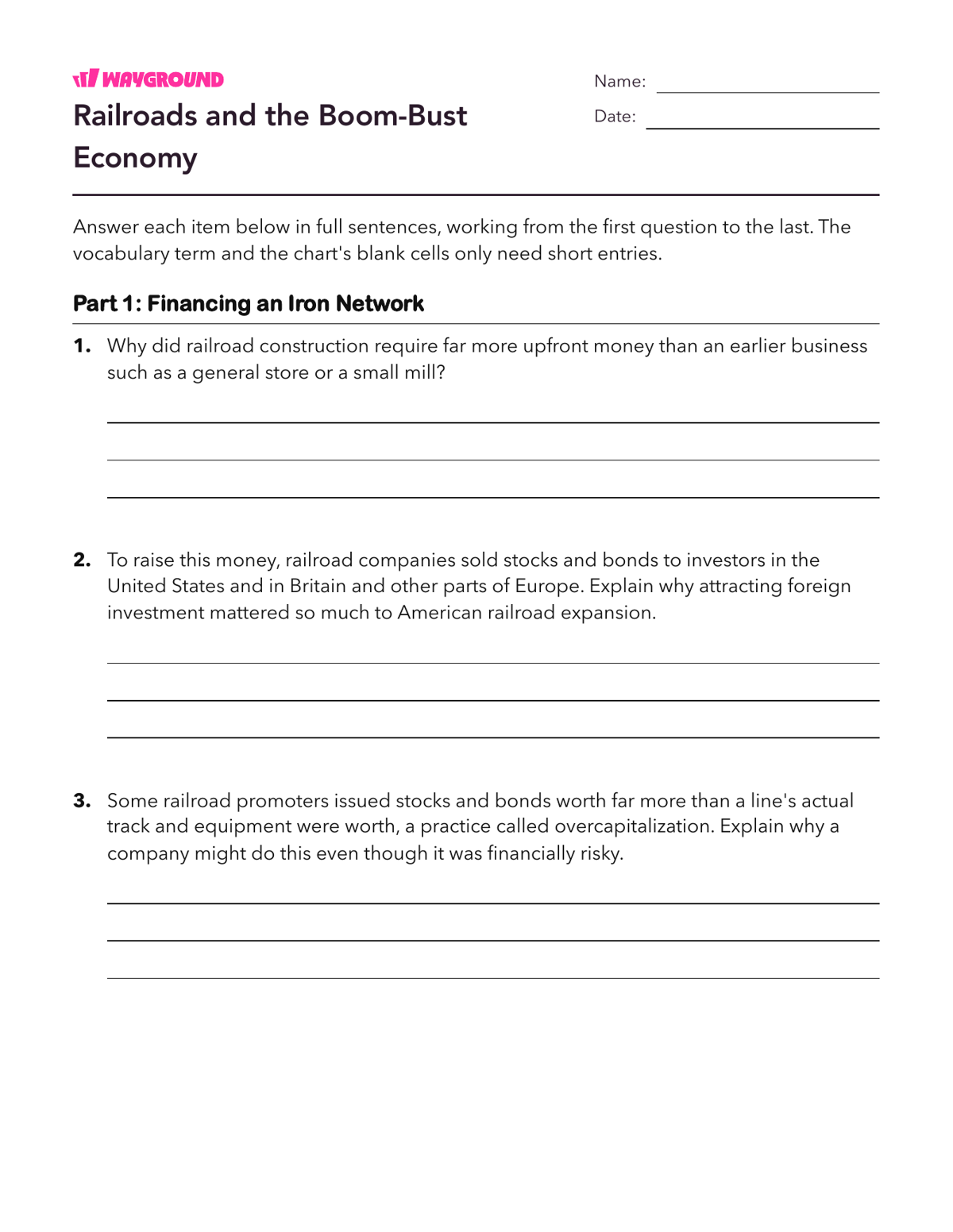
Cause-and-effect exercises are particularly effective for the Industrial Revolution because so many developments, such as urbanization, child labor, and transportation expansion, flowed directly from industrialization. Primary source analysis tasks, where students interpret documents from factory workers, reformers, or inventors, build both content knowledge and historical reasoning skills. Matching inventions to their social or economic impacts reinforces the connection between technological change and broader transformation. Sequencing timelines and compare-and-contrast activities between pre- and post-industrial life also help students internalize the scale of change.
What mistakes do students commonly make when learning about the Industrial Revolution?
A common misconception is that the Industrial Revolution was uniformly positive, driven by the emphasis on famous inventors and technological progress. Students often overlook the harsh working conditions, child labor, and economic inequality that accompanied industrialization. Another frequent error is treating the Industrial Revolution as a single event rather than a gradual, overlapping process spanning decades and multiple regions. Students also sometimes conflate the causes of industrialization with its effects, so explicit instruction on sequencing and causality is important for building accurate historical understanding.
How can I use Industrial Revolution worksheets to support different learners in my classroom?
Industrial Revolution worksheets work well across ability levels when paired with differentiation strategies. For struggling readers, worksheets that chunk primary sources into shorter excerpts or pair text with visual aids lower the access barrier without reducing rigor. On Wayground, teachers can enable Read Aloud for students who need audio support, reduce answer choices to decrease cognitive load, and set extended time for individual students, all without signaling accommodations to the rest of the class. These settings are reusable across sessions, making it practical to maintain consistent support throughout a unit.
How do I use Wayground's Industrial Revolution worksheets in my classroom?
Wayground's Industrial Revolution worksheets are available as printable PDFs for traditional classroom use and in digital formats for technology-integrated learning environments. Teachers can assign digital versions directly to students or host them as a quiz on Wayground to track responses and review results. Printable versions can be used for independent practice, guided notes, or formative assessment without requiring student devices. Both formats include complete answer keys, so teachers can use the materials for instruction, self-checking, or graded review with minimal preparation time.