
Recommended Topics for you
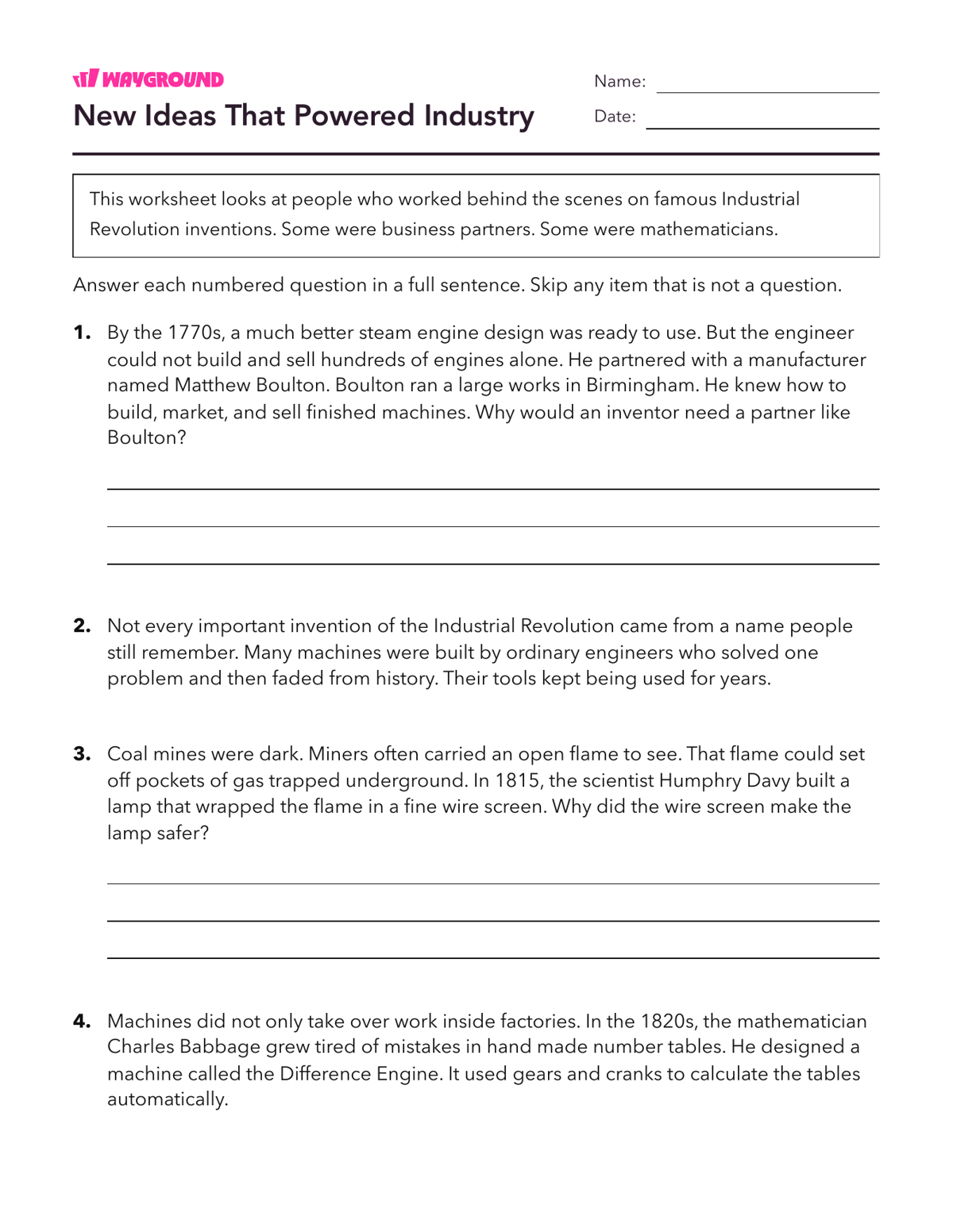
11 Q
7th
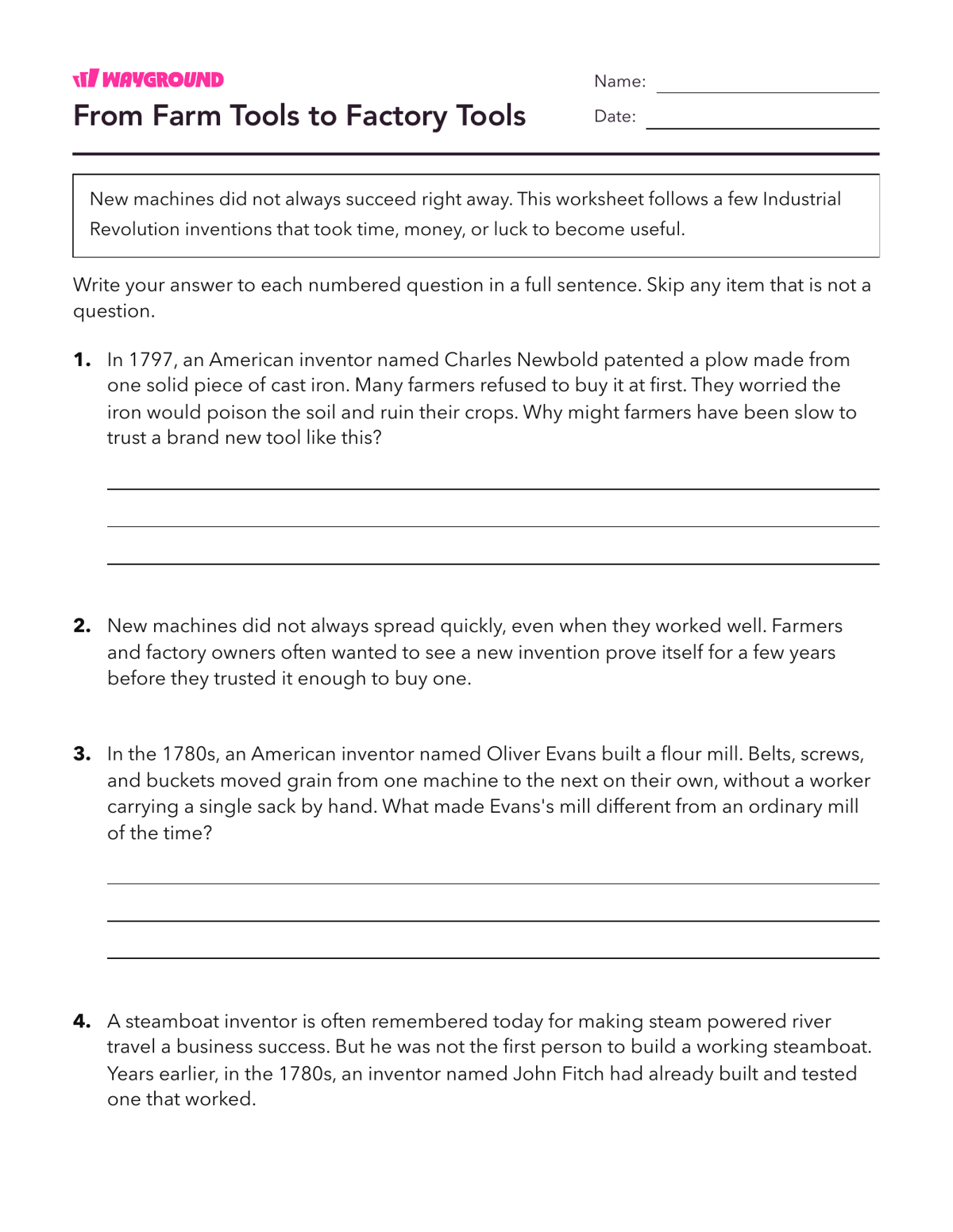
11 Q
7th
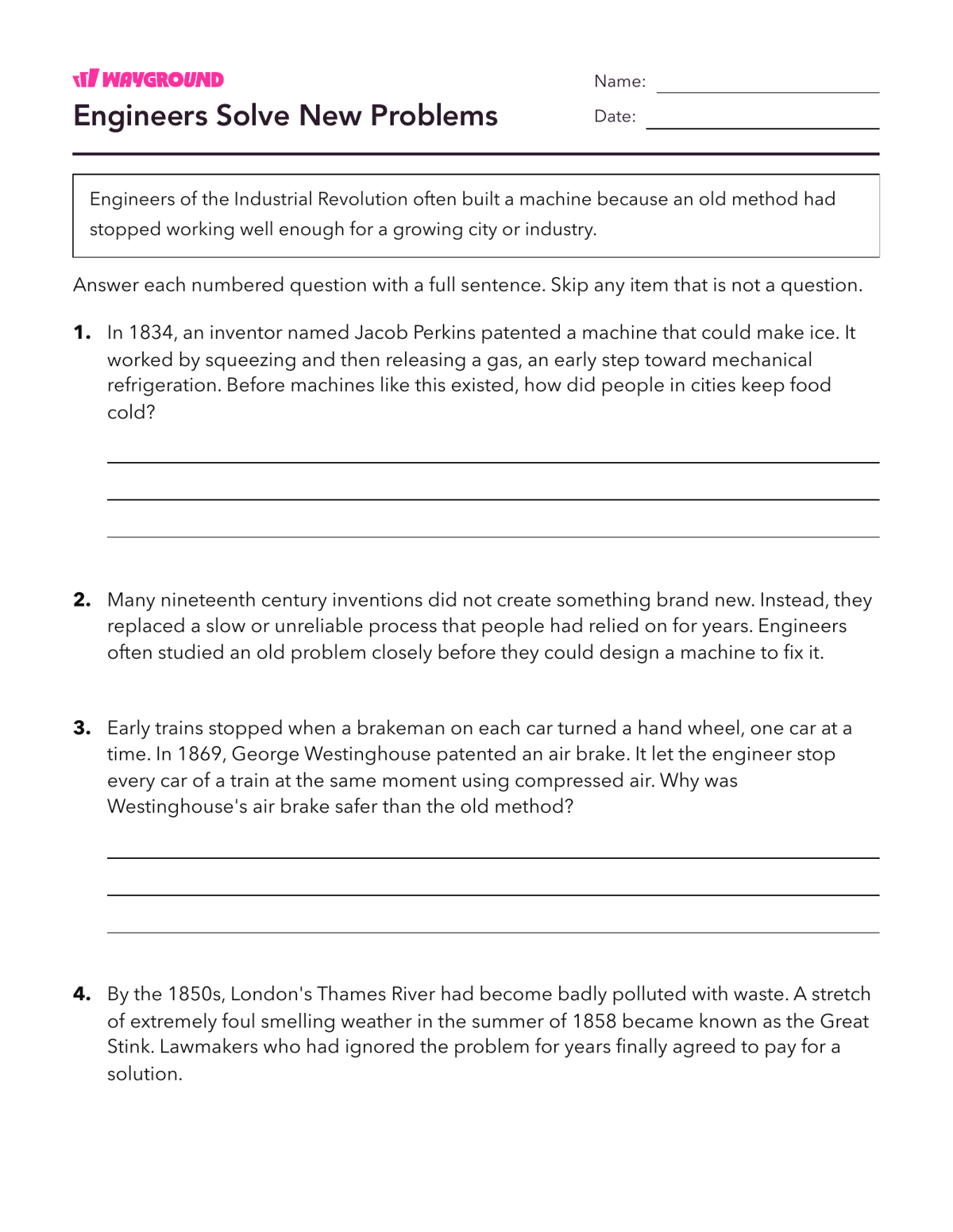
11 Q
7th
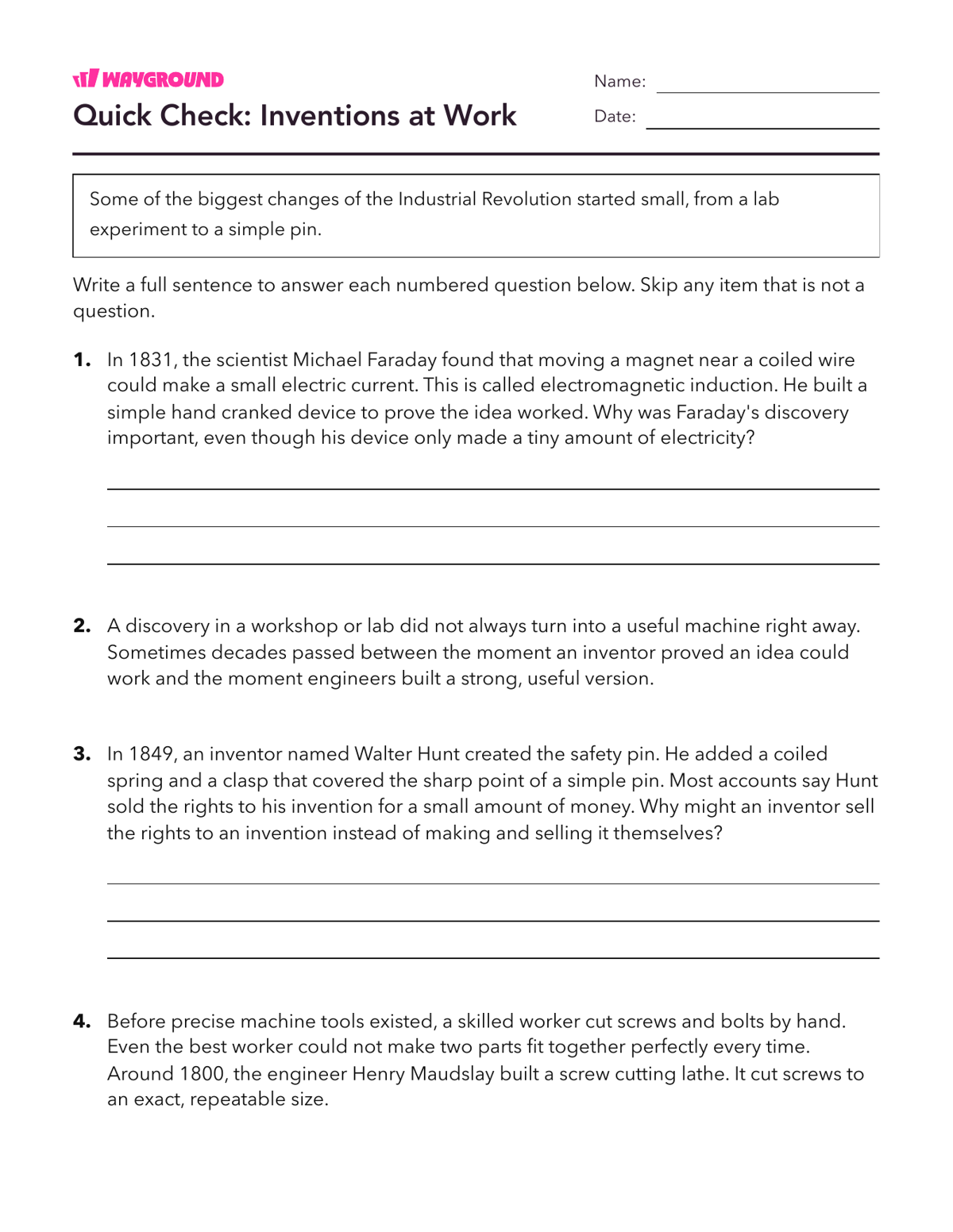
11 Q
7th
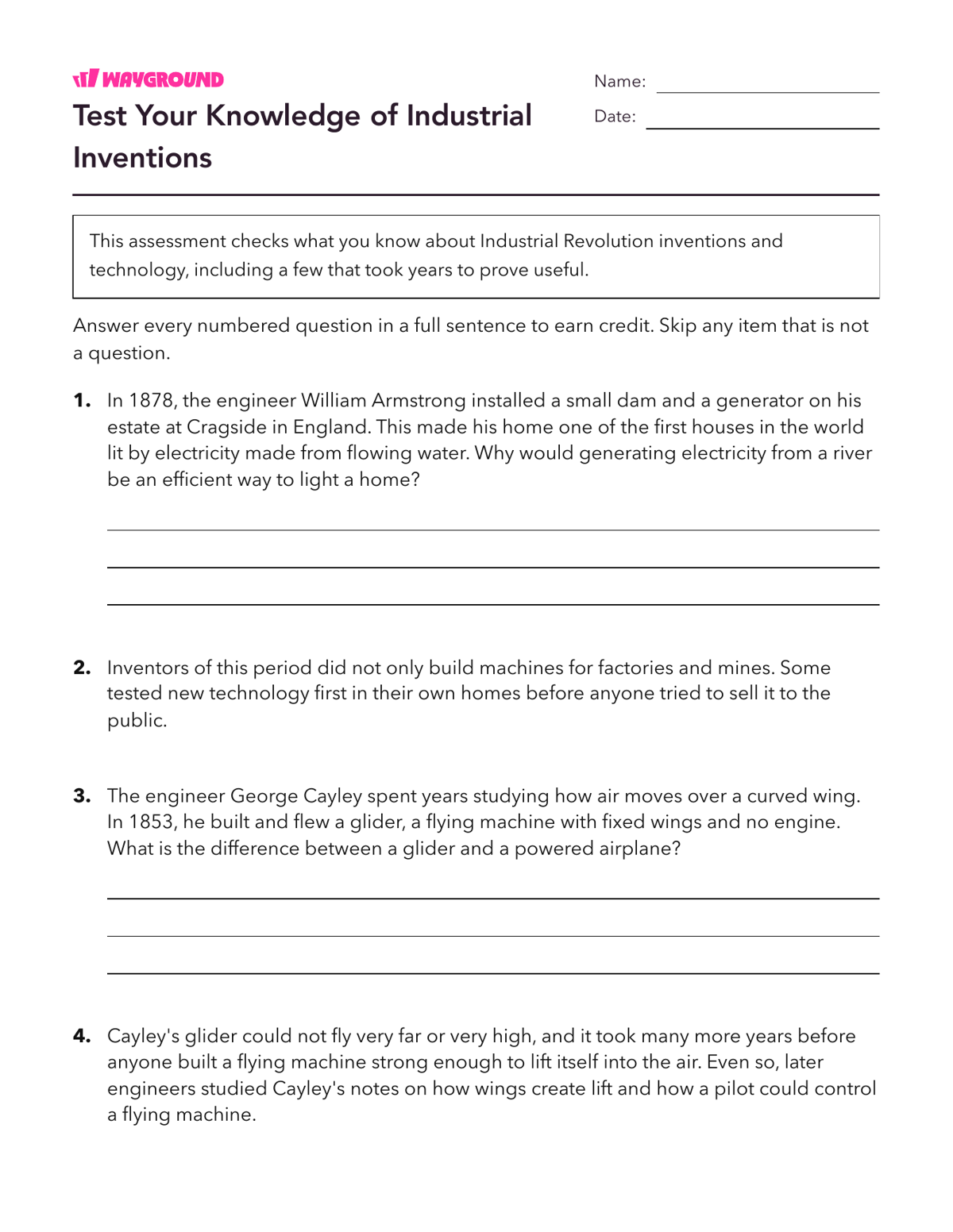
11 Q
7th
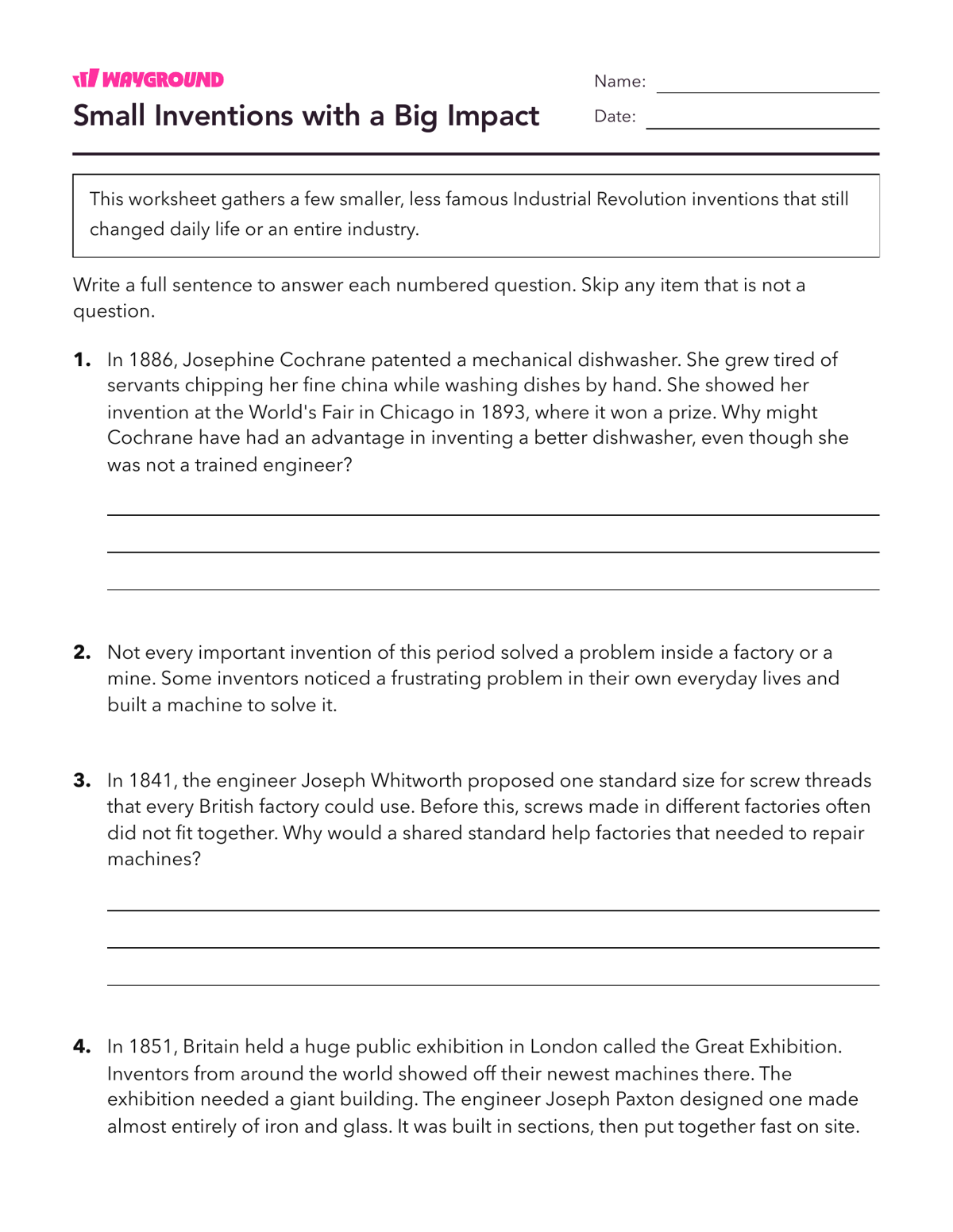
11 Q
7th
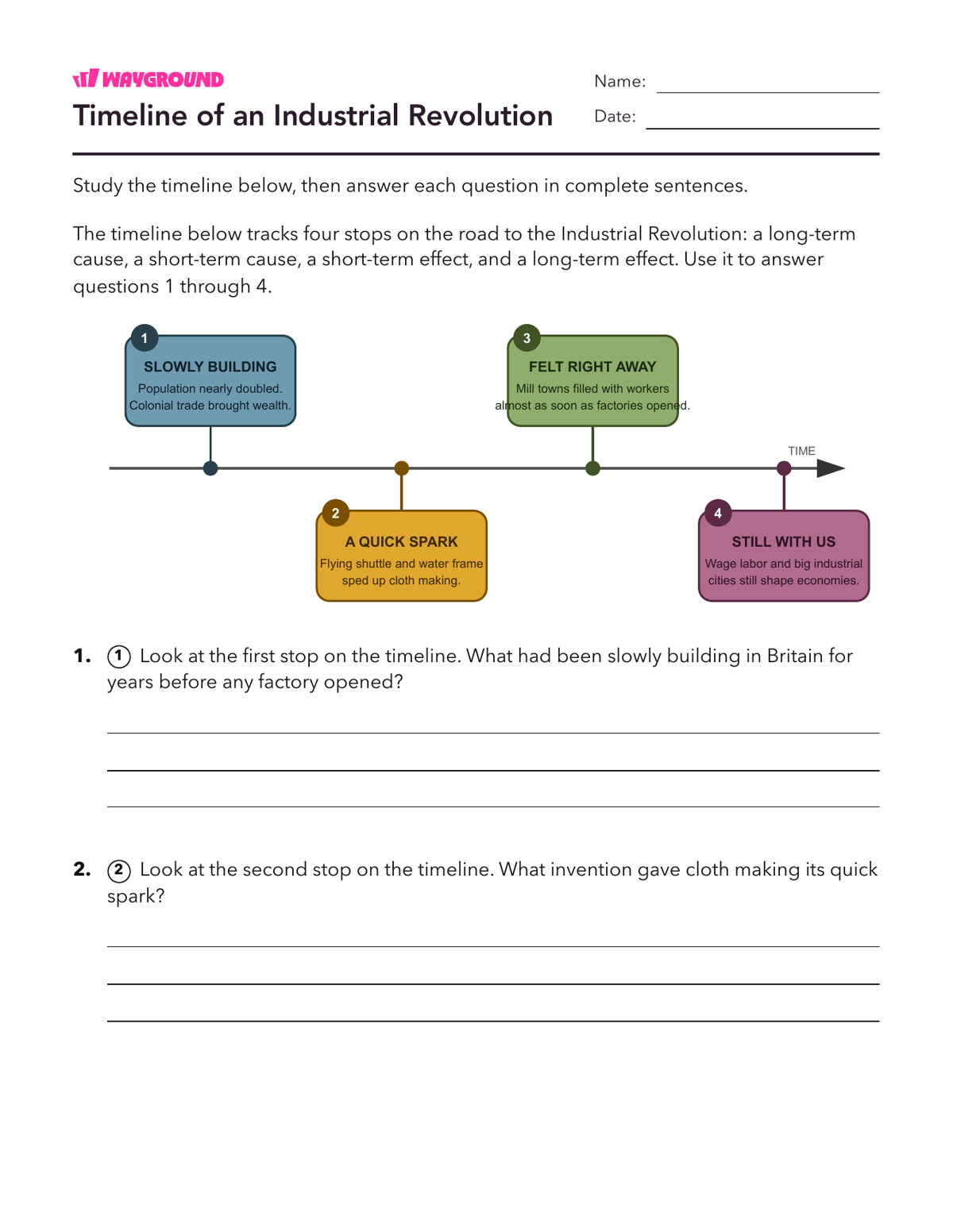
20 Q
7th
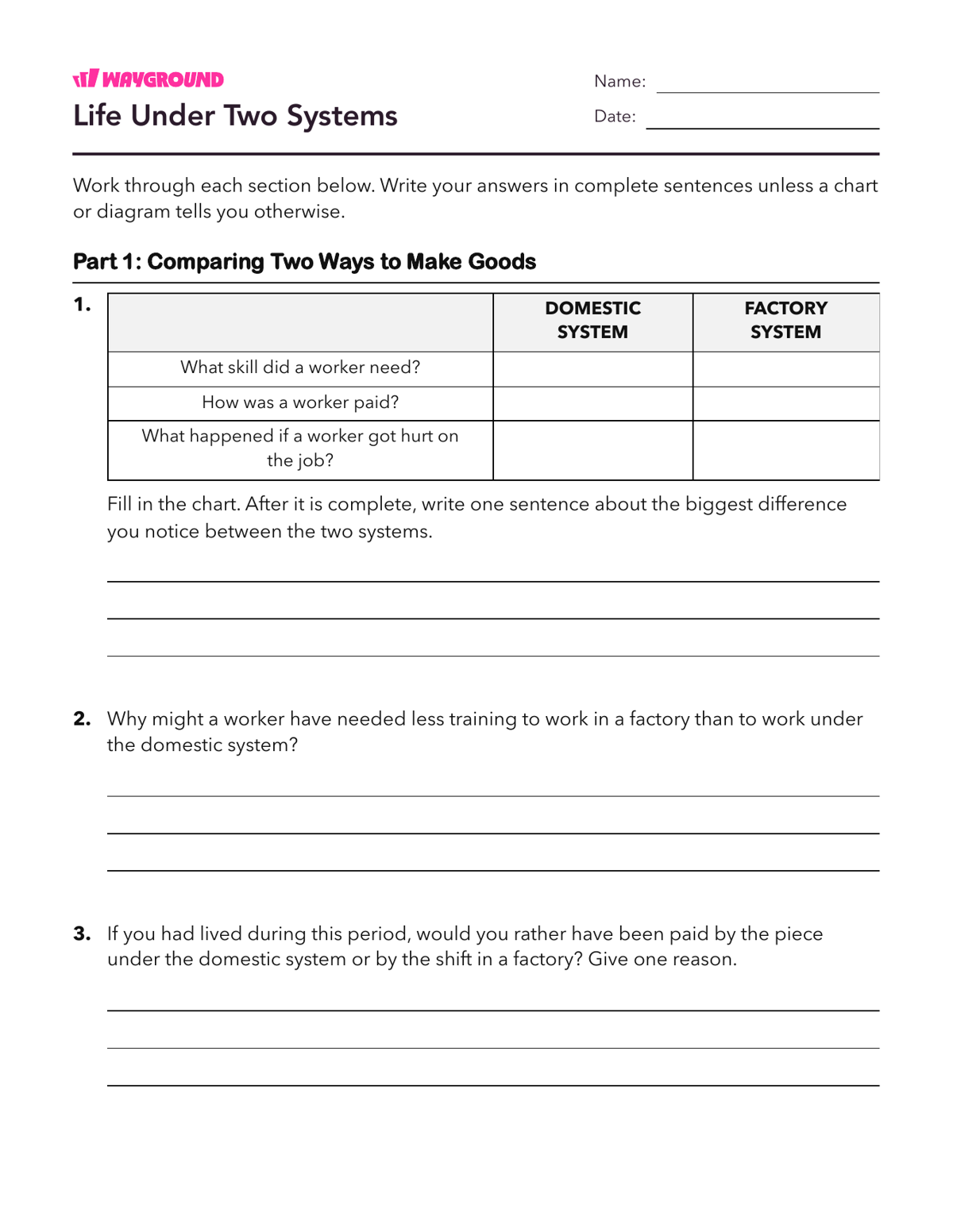
7 Q
7th
19 Q
7th
20 Q
7th
8 Q
7th
9 Q
7th
15 Q
7th - Uni
16 Q
5th - 8th
15 Q
6th - 8th
15 Q
7th - Uni
32 Q
6th - 8th
12 Q
7th
18 Q
7th
17 Q
7th

9 Q
6th - 8th
13 Q
7th - 9th
25 Q
7th - Uni
12 Q
7th
30 Q
5th - 8th
20 Q
6th - 8th
12 Q
6th - 8th
14 Q
6th - 8th
9 Q
7th
18 Q
7th
11 Q
6th - 8th
18 Q
7th
21 Q
5th - Uni
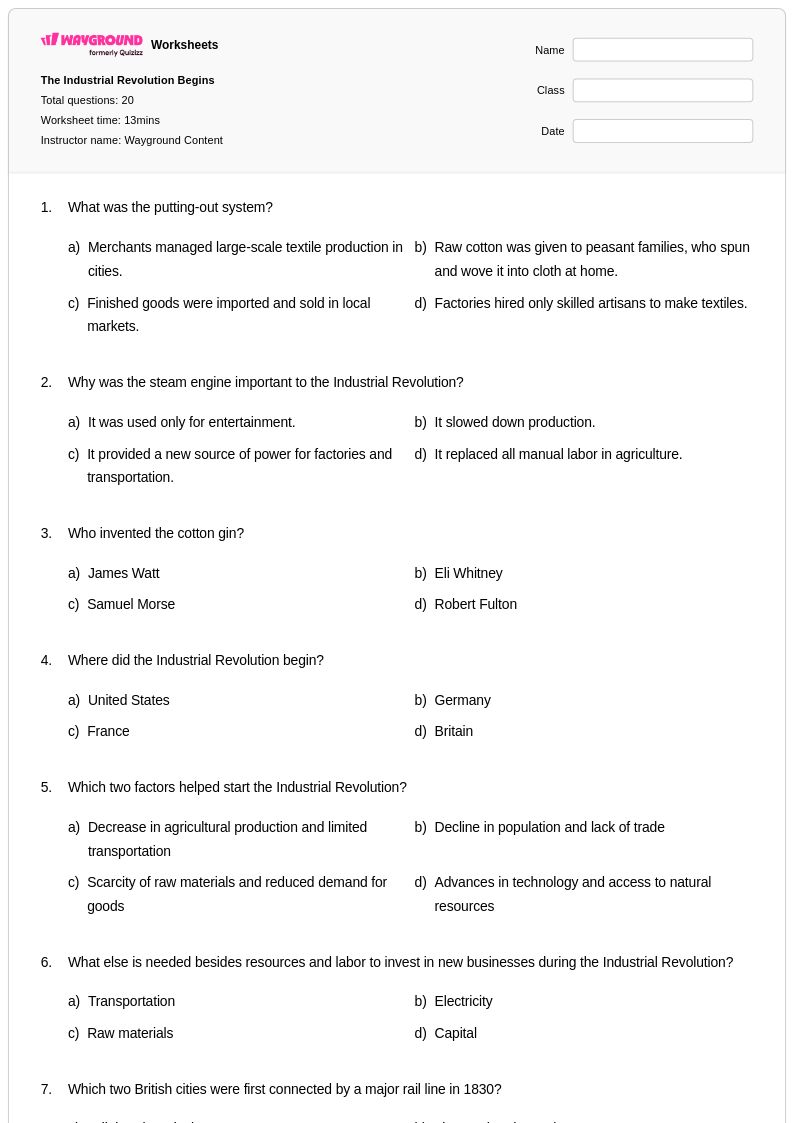
20 Q
5th - Uni
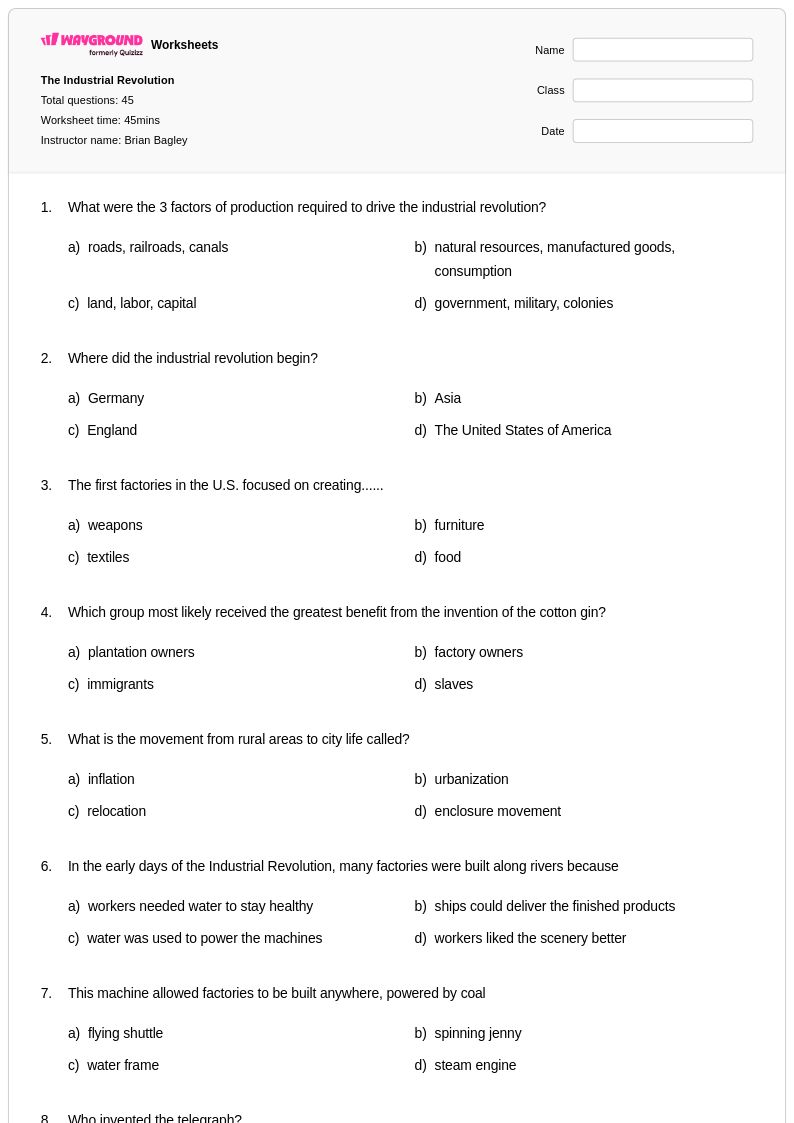
45 Q
7th
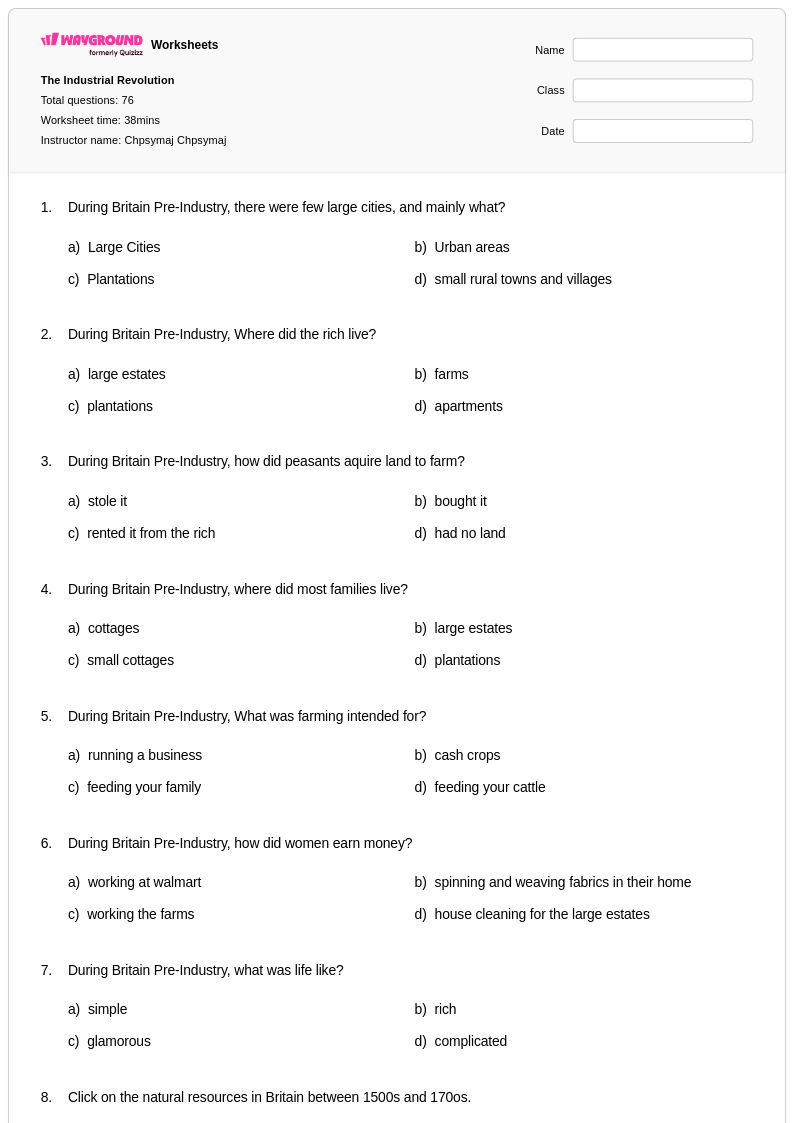
76 Q
7th
Explore The Industrial Revolution Worksheets by Grades
Explore The Industrial Revolution Worksheets for year 7 by Topic
Explore Other Subject Worksheets for year 7
Explore printable The Industrial Revolution worksheets for Year 7
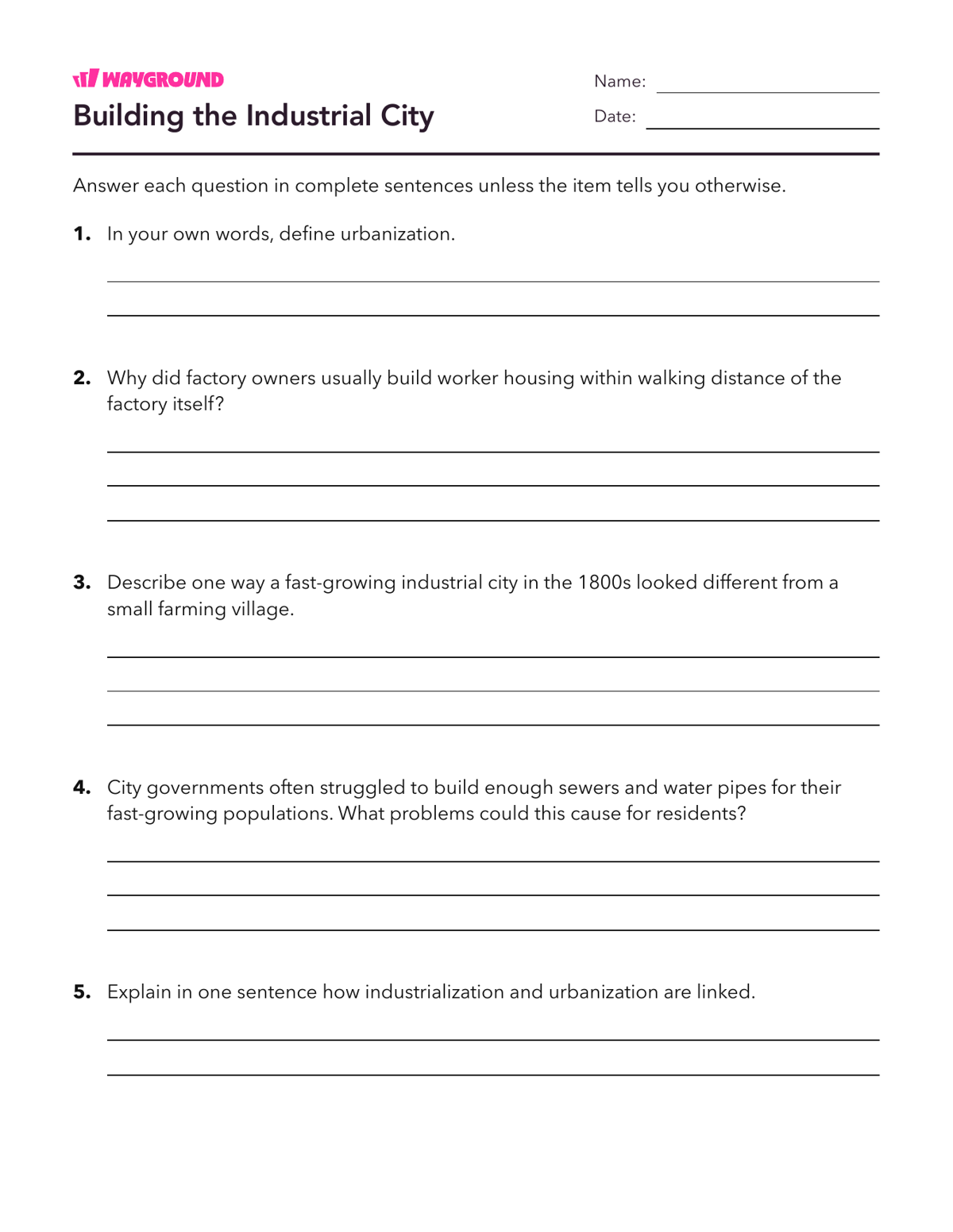
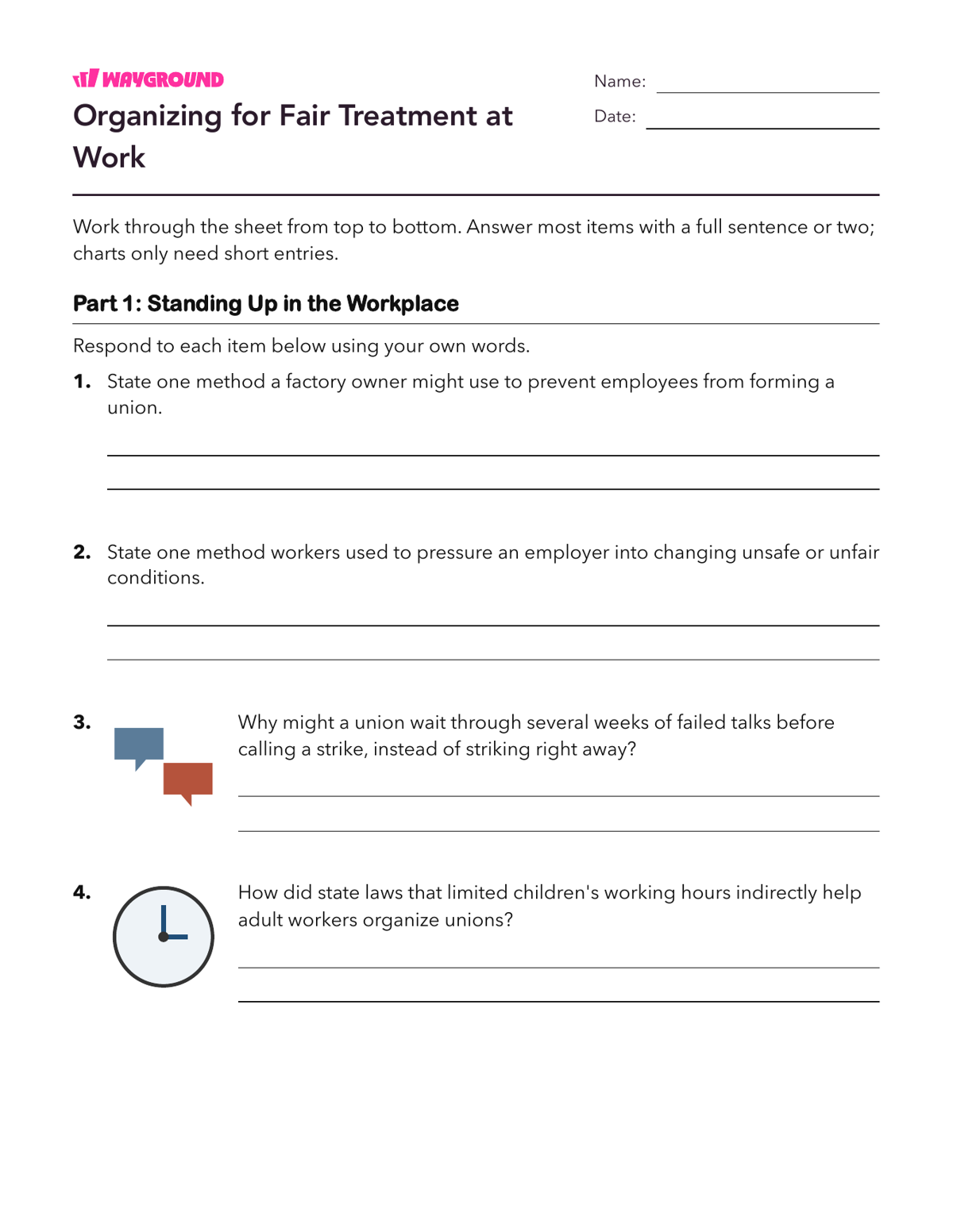
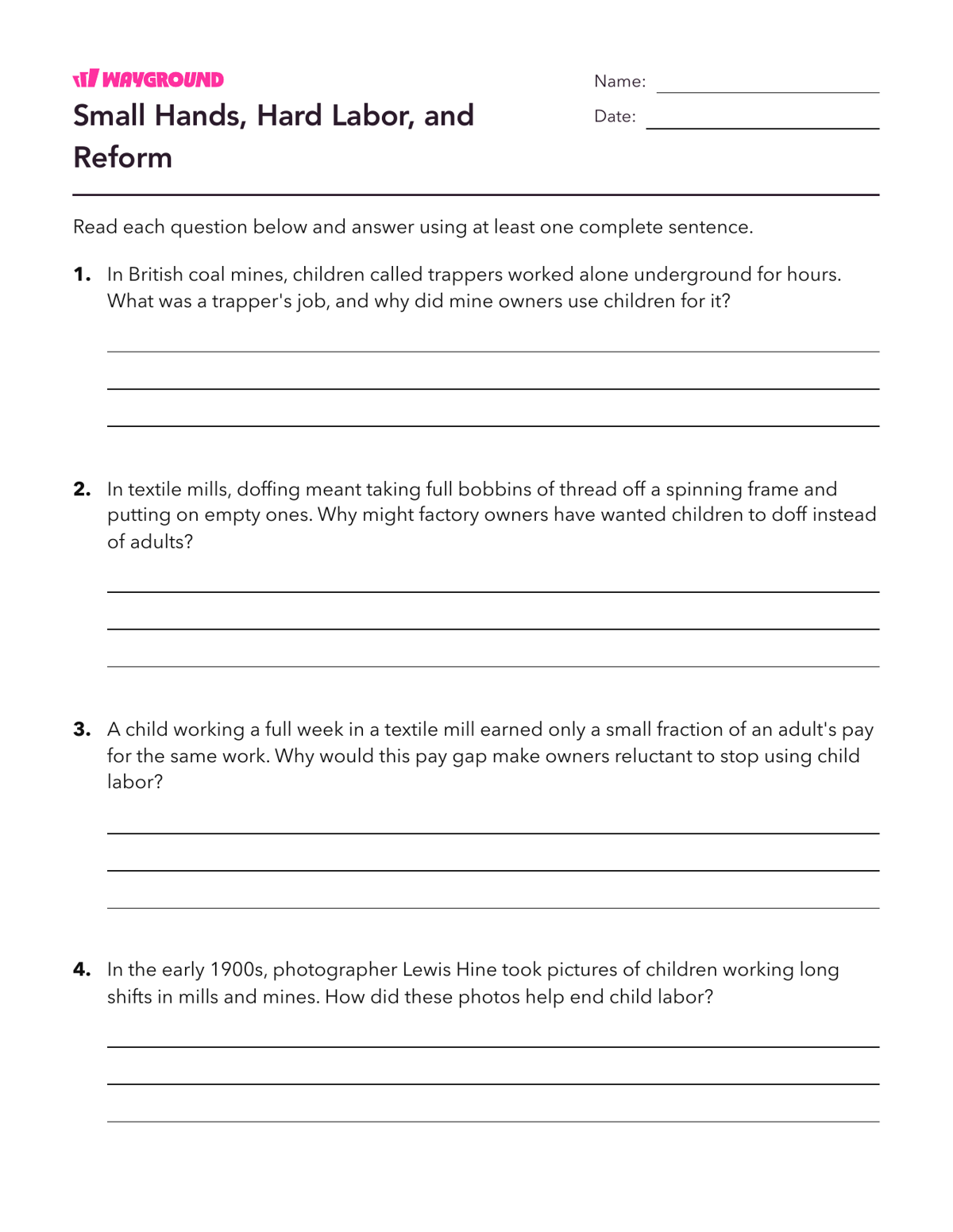
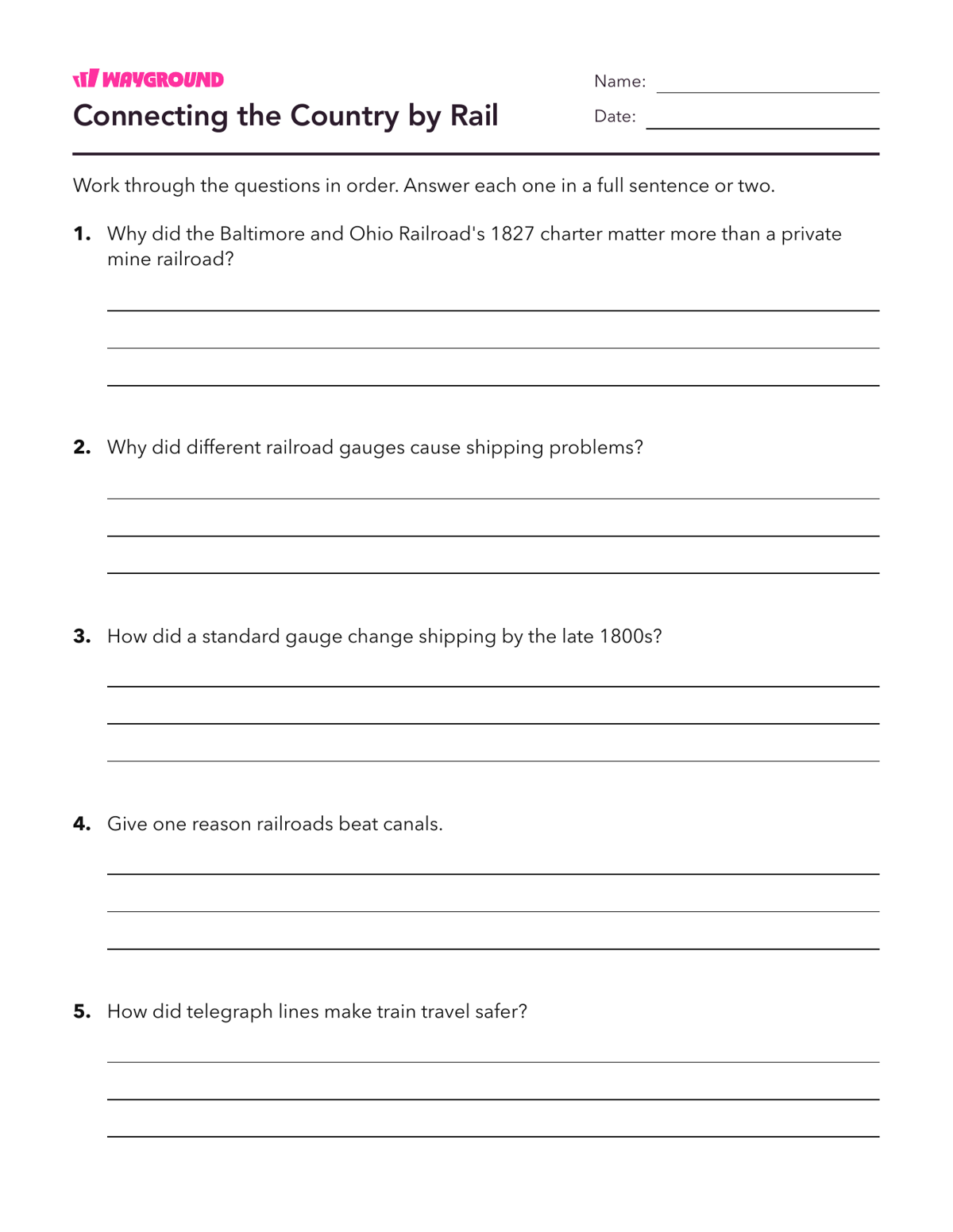
The Industrial Revolution worksheets available through Wayground (formerly Quizizz) provide Year 7 students with comprehensive resources to explore this pivotal period in world history when manufacturing, transportation, and social structures underwent dramatic transformation. These expertly crafted materials strengthen critical thinking skills as students analyze primary sources, examine cause-and-effect relationships between technological innovations and societal changes, and evaluate the impact of industrialization on different social classes. Each worksheet collection includes detailed answer keys and covers essential topics such as the transition from agricultural to industrial economies, the rise of factory systems, urbanization patterns, and the emergence of new labor movements. Students engage with practice problems that require them to interpret historical data, compare pre-industrial and industrial societies, and assess how innovations like the steam engine and textile machinery revolutionized production methods. These free printables and pdf resources help students understand complex historical processes while developing skills in document analysis, timeline construction, and historical argumentation.
Wayground (formerly Quizizz) supports educators with millions of teacher-created Industrial Revolution resources that can be easily located through robust search and filtering capabilities aligned with state and national social studies standards. Teachers benefit from differentiation tools that allow them to modify content complexity, adjust reading levels, and provide multiple entry points for students with varying abilities and learning styles. The platform's flexible customization options enable educators to adapt existing worksheets or create targeted materials that address specific curriculum requirements, whether focusing on economic changes, social reform movements, or technological innovations of the era. Available in both printable and digital formats including downloadable pdfs, these resources streamline lesson planning while providing versatile options for classroom instruction, homework assignments, and assessment preparation. Teachers can efficiently implement these materials for remediation with struggling learners, enrichment activities for advanced students, and regular skill practice that reinforces understanding of how the Industrial Revolution shaped modern society.
FAQs
How do I teach the Industrial Revolution to middle or high school students?
What are the most important concepts students need to understand about the Industrial Revolution?
What exercises help students practice Industrial Revolution content?
What mistakes do students commonly make when learning about the Industrial Revolution?
How can I use Industrial Revolution worksheets to support different learners in my classroom?
How do I use Wayground's Industrial Revolution worksheets in my classroom?