Free Printable Character Traits Worksheets for Year 3
Year 3 character traits worksheets and printables help students analyze fictional characters through engaging practice problems, free PDF resources, and comprehensive answer keys to strengthen reading comprehension skills.
Explore printable Character Traits worksheets for Year 3
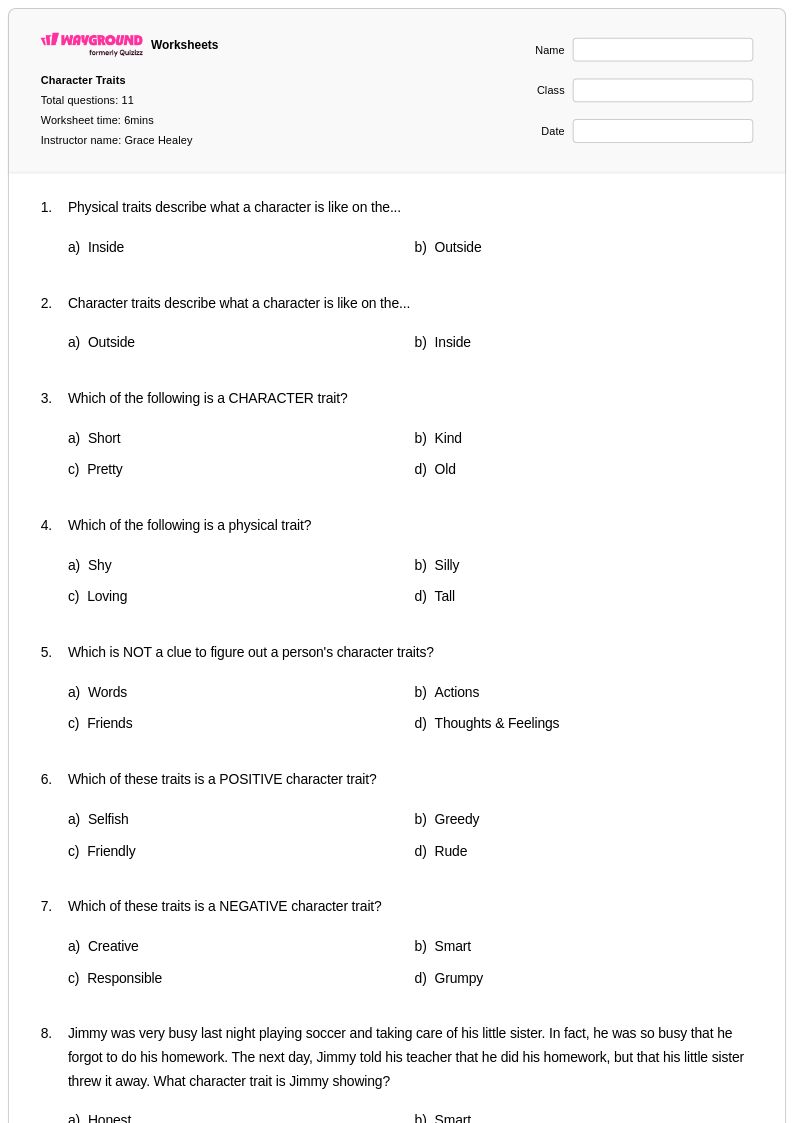
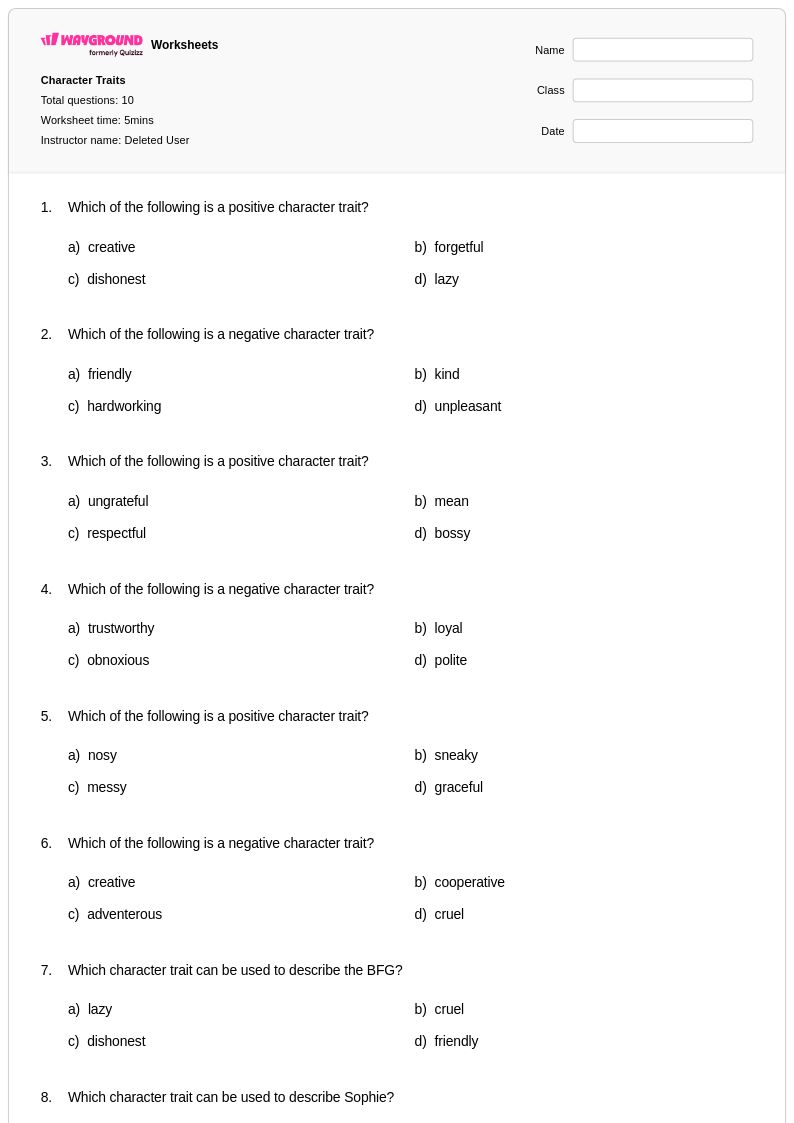
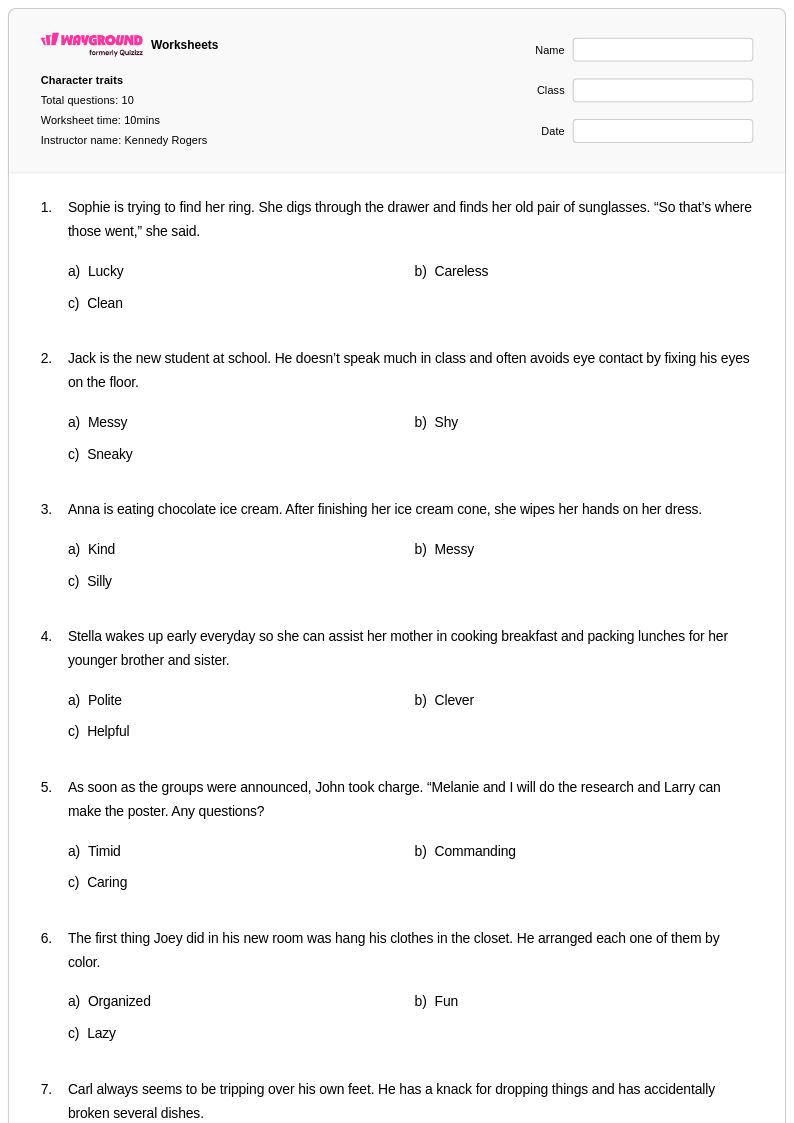
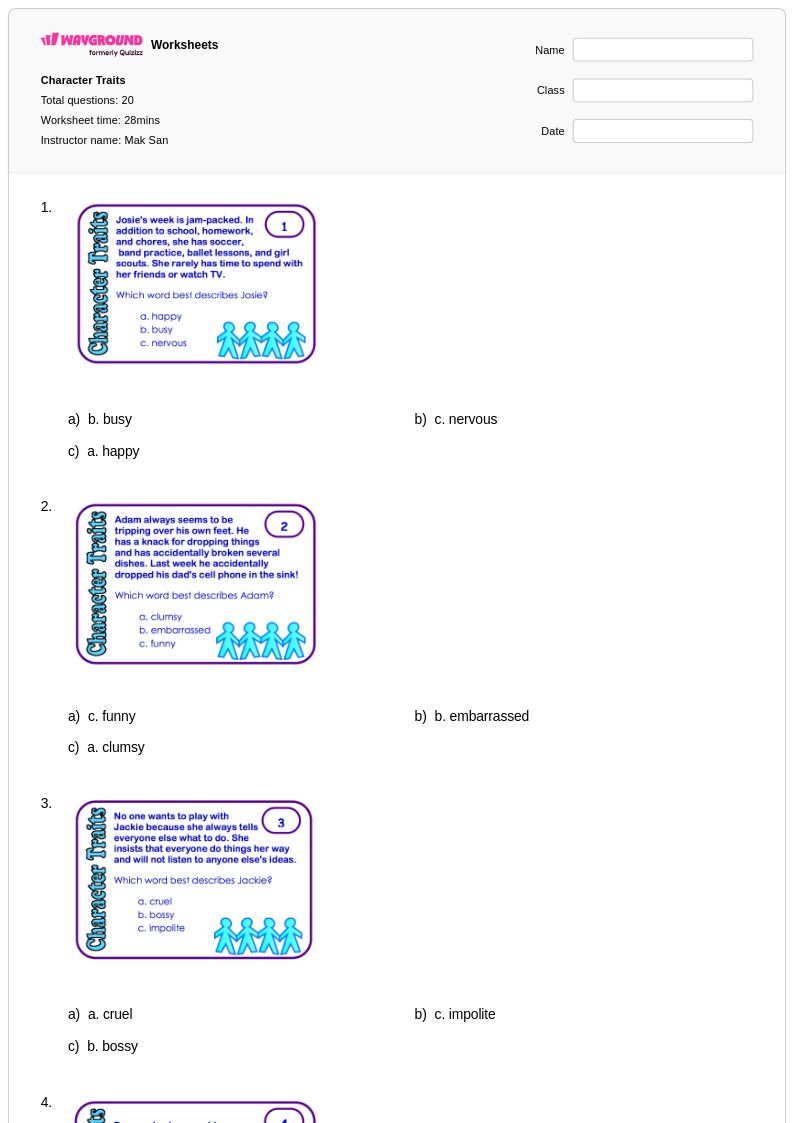
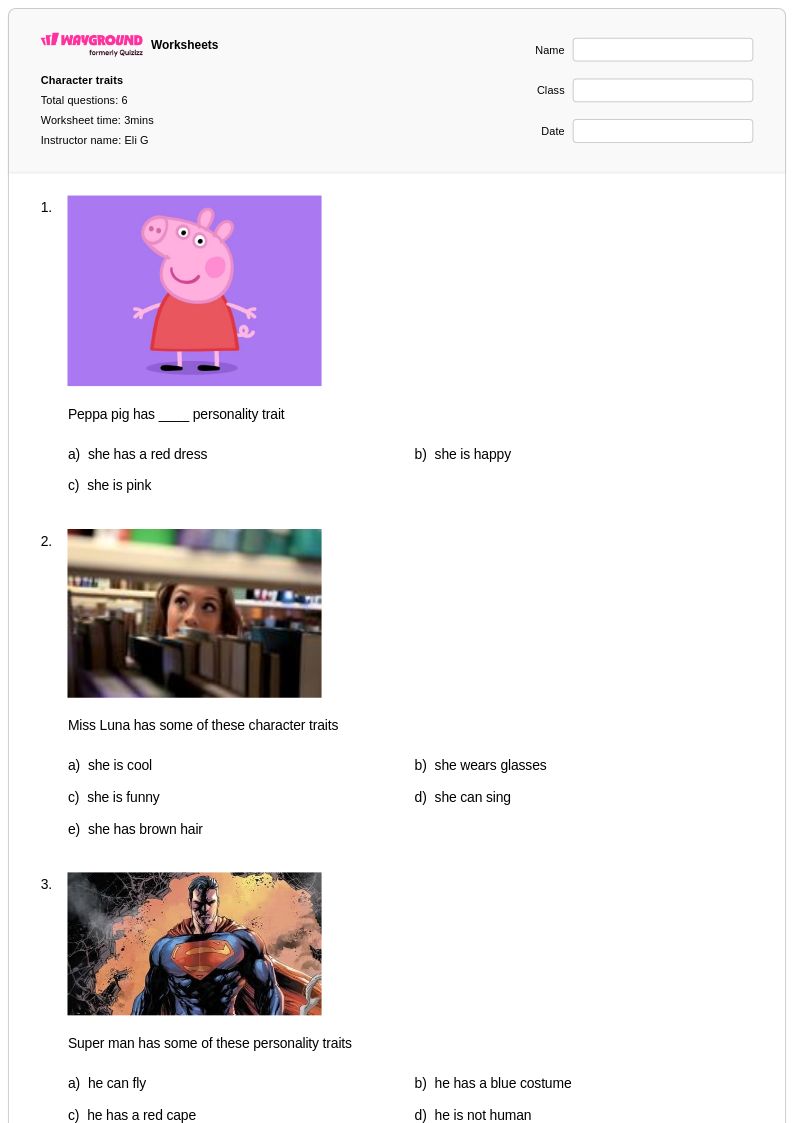
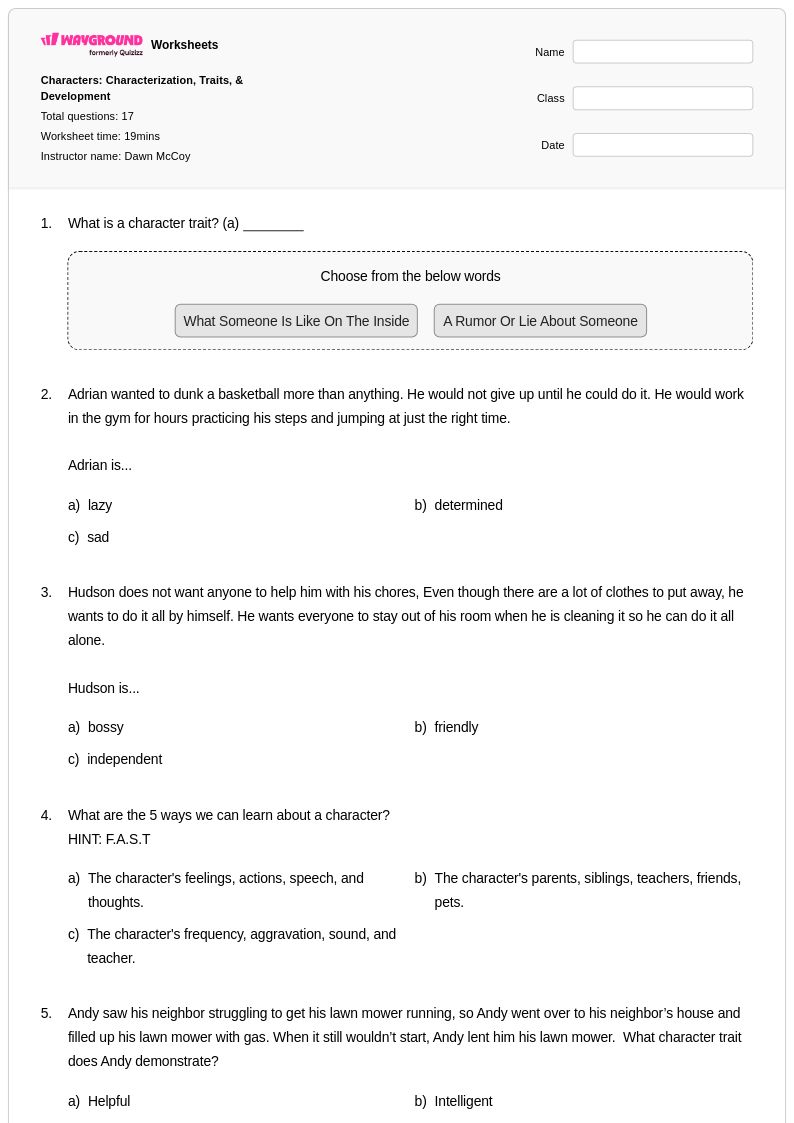
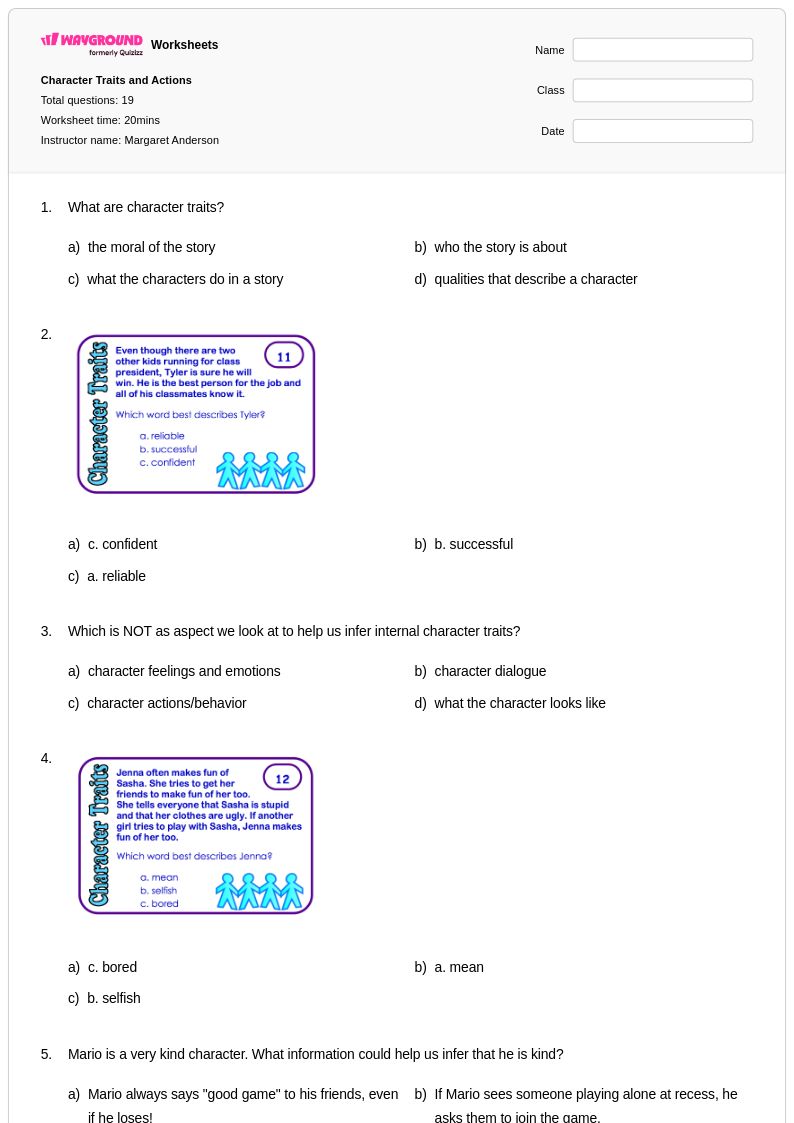
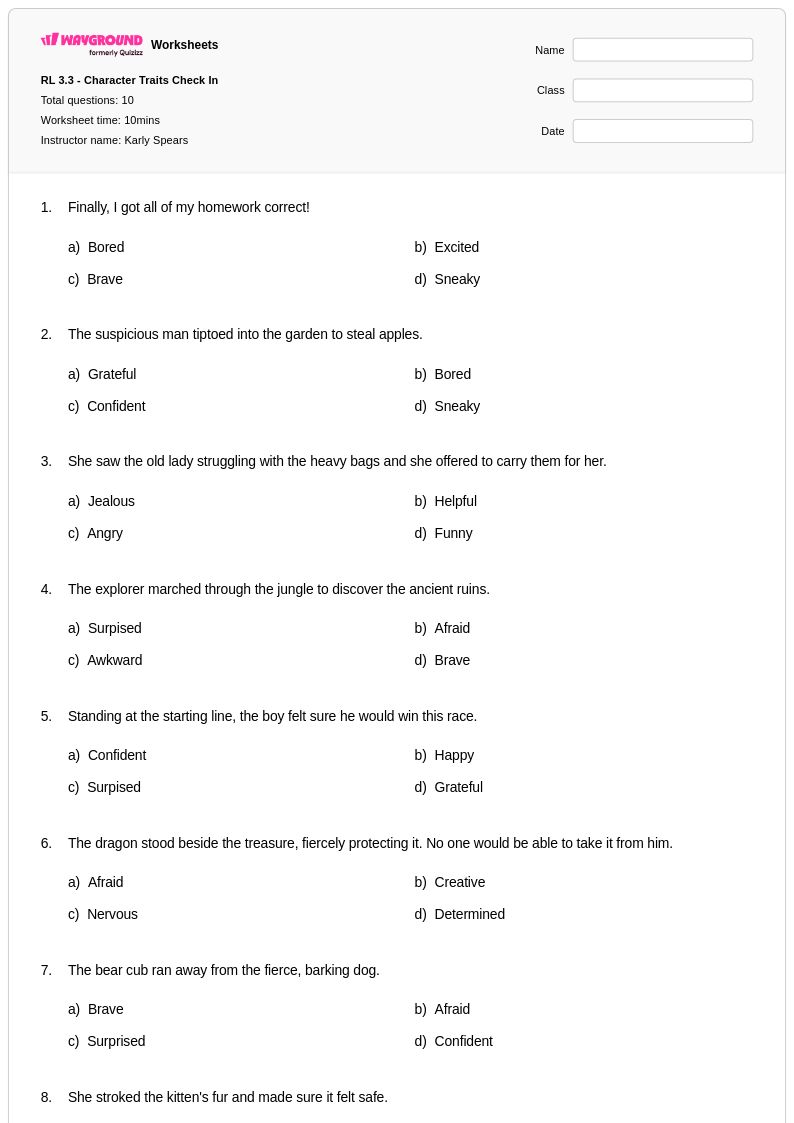
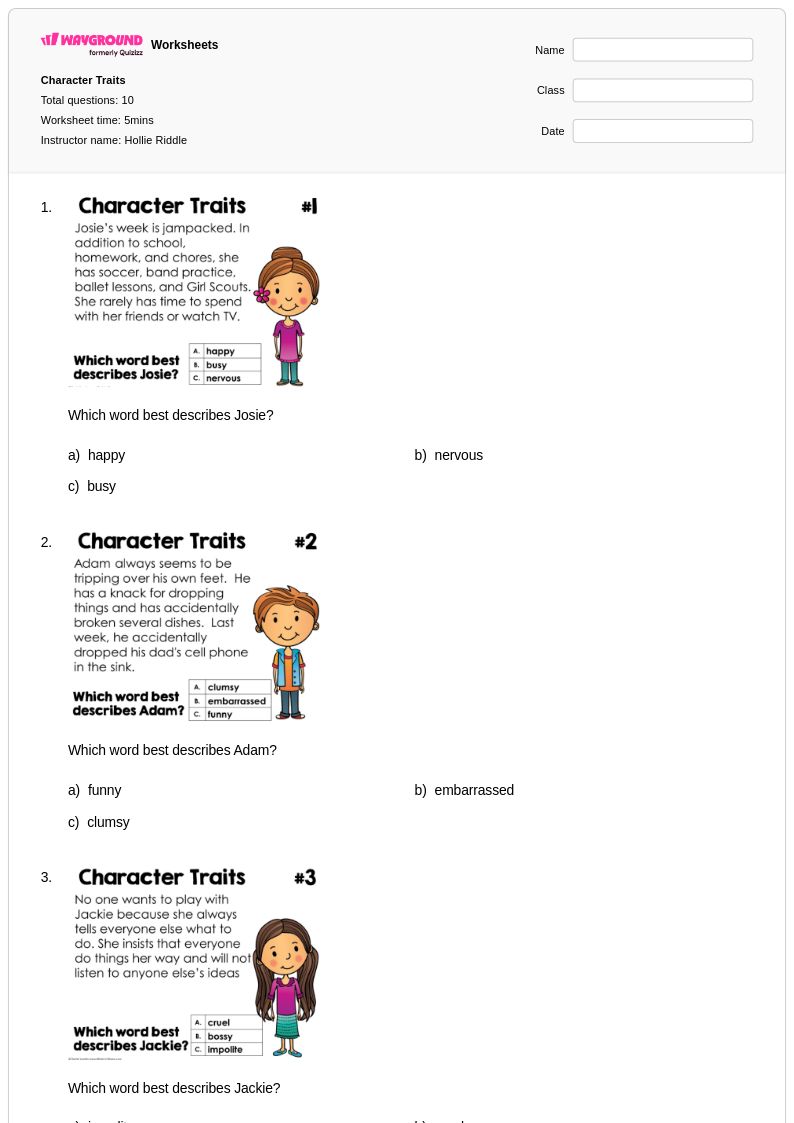
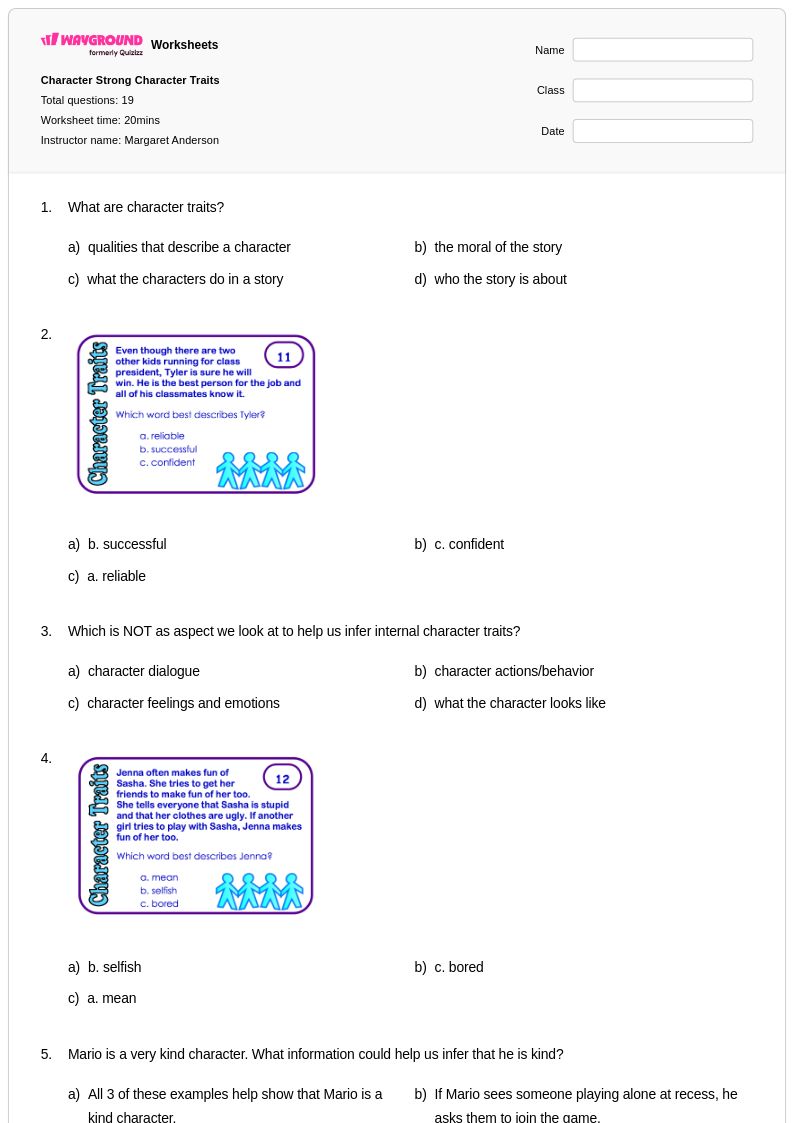
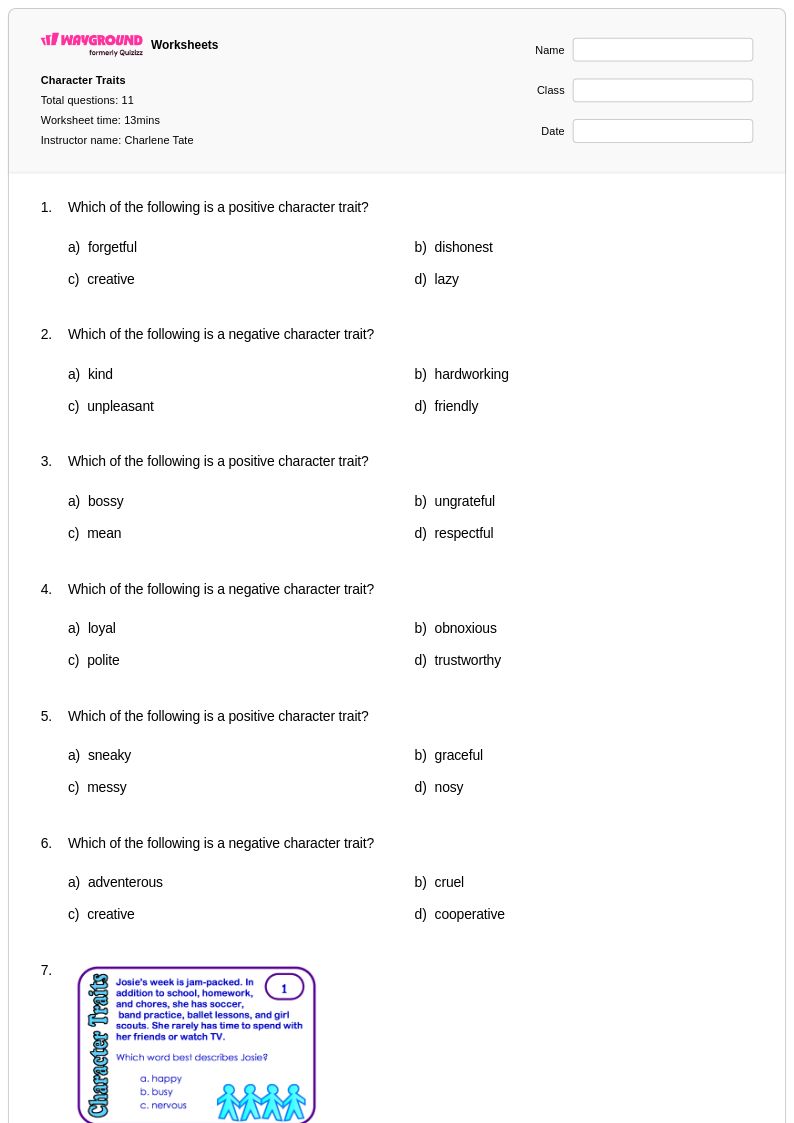
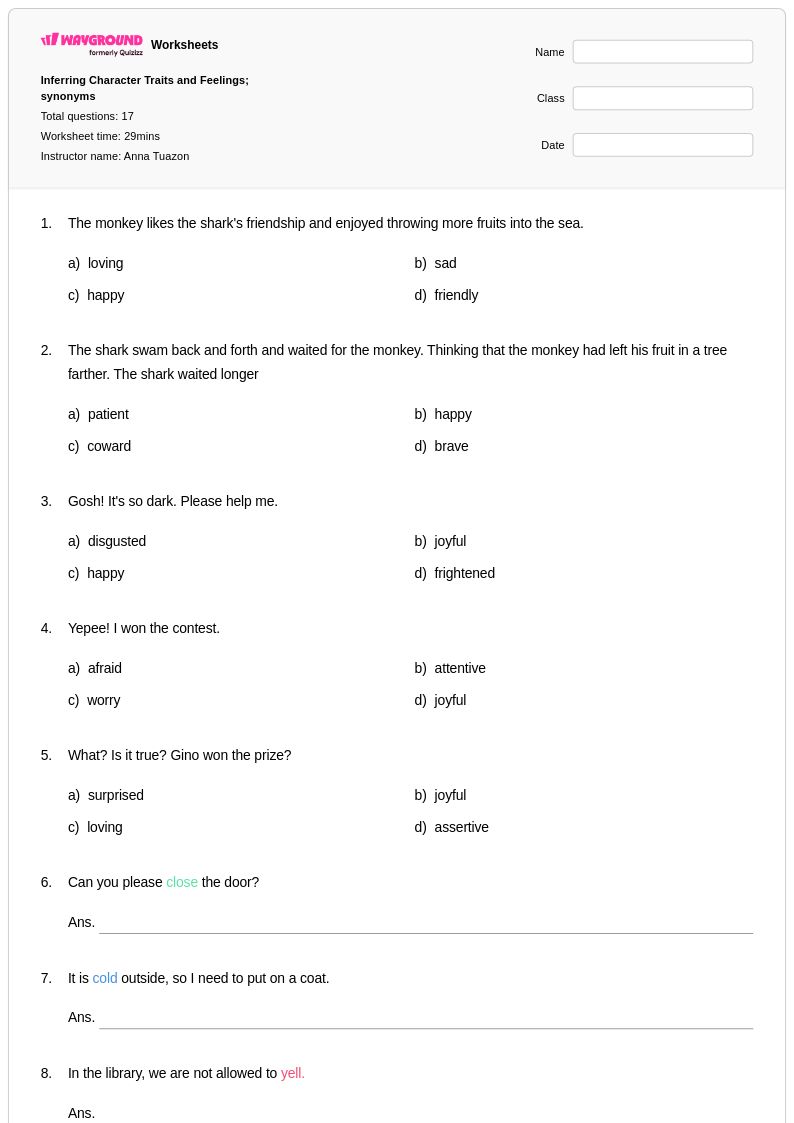
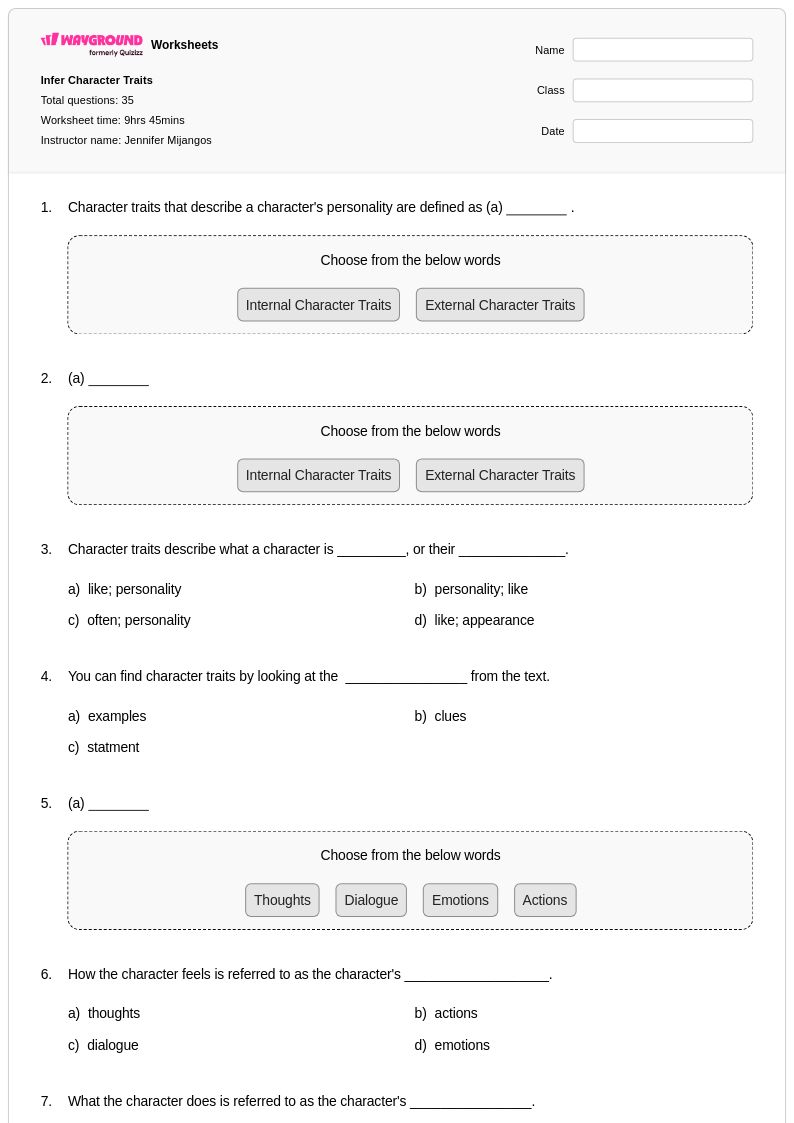
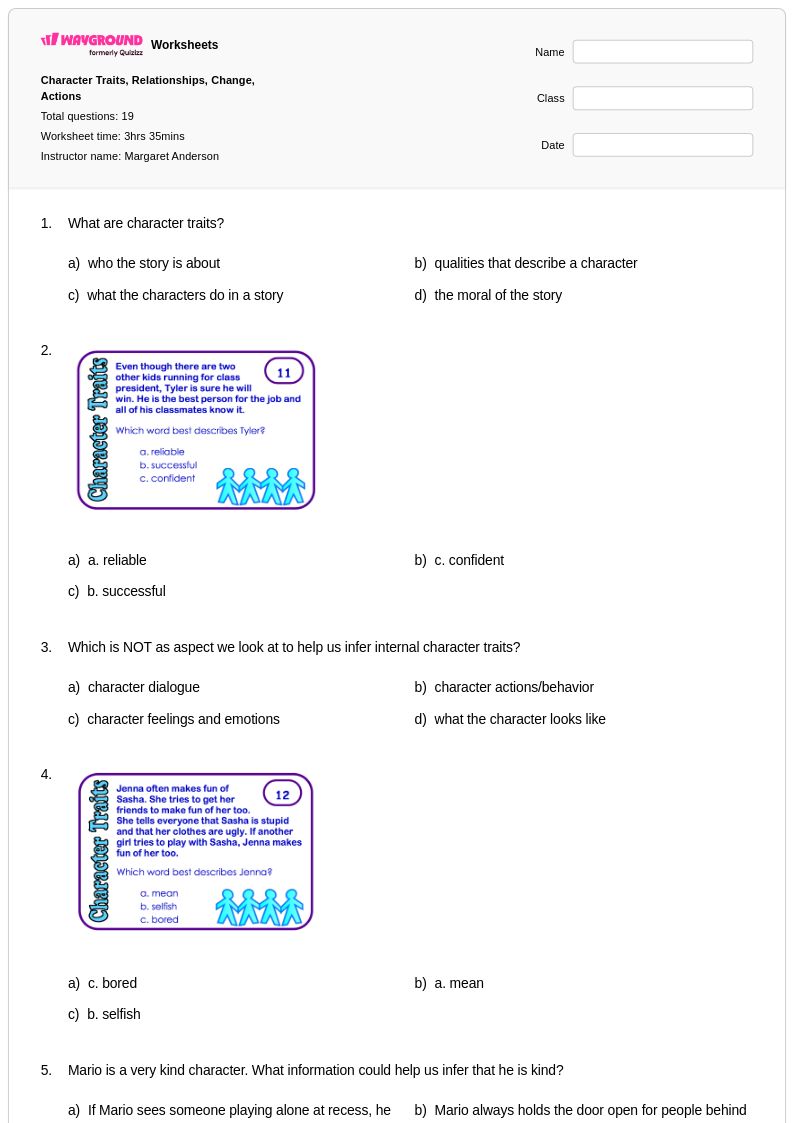
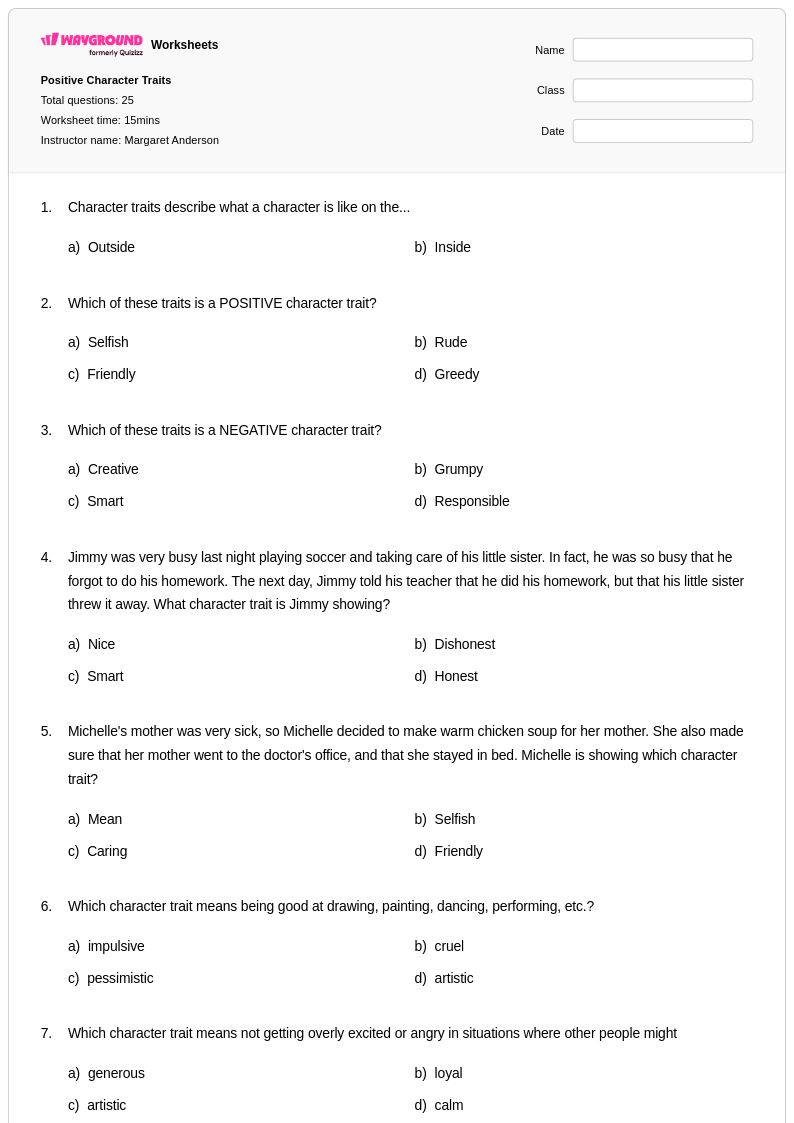
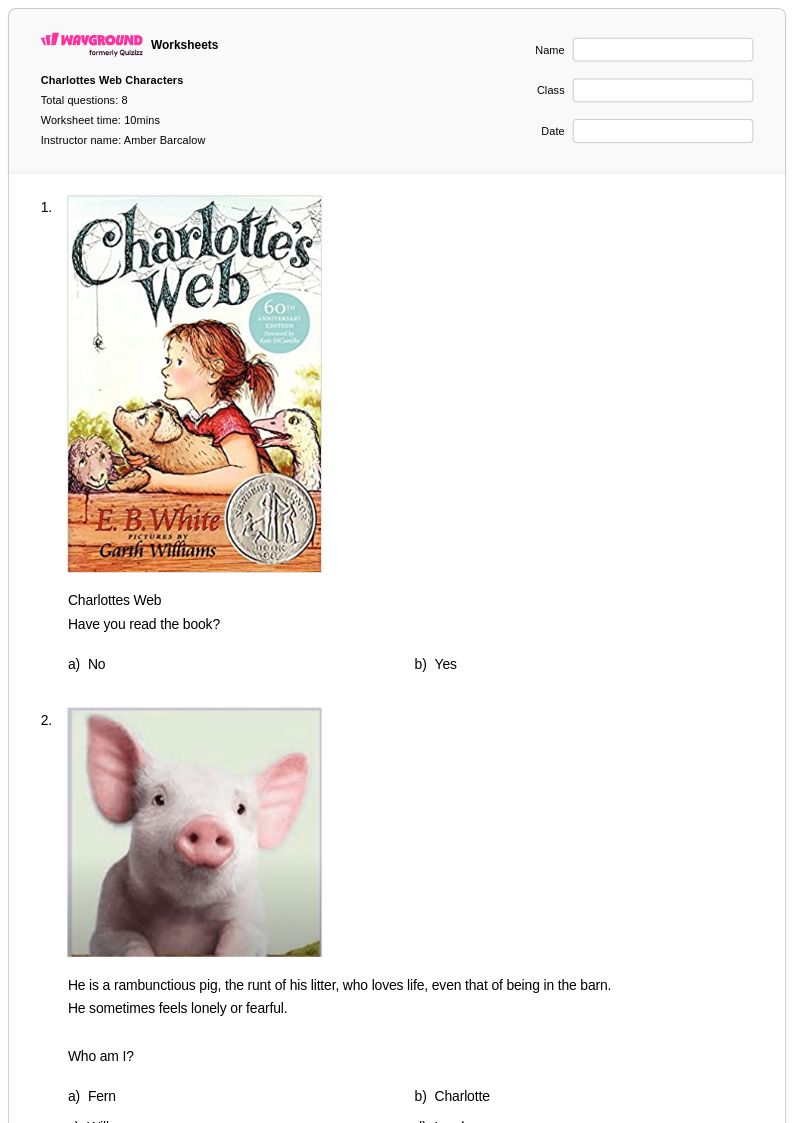
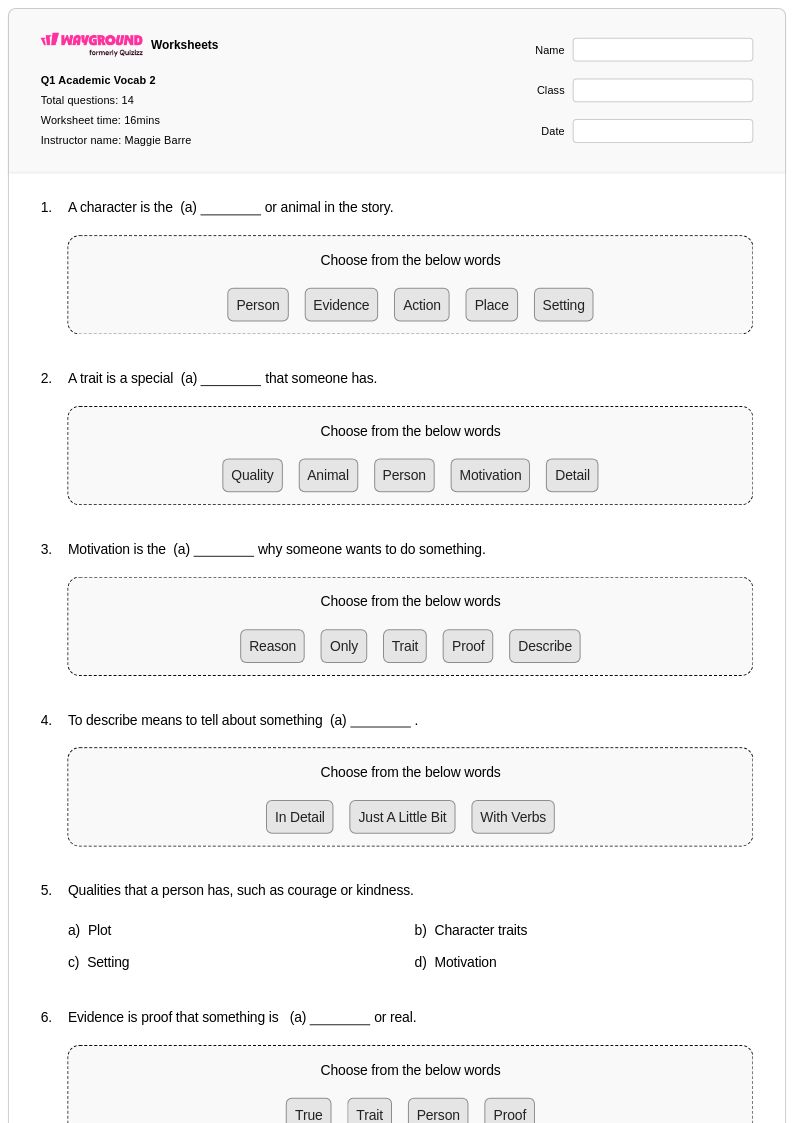
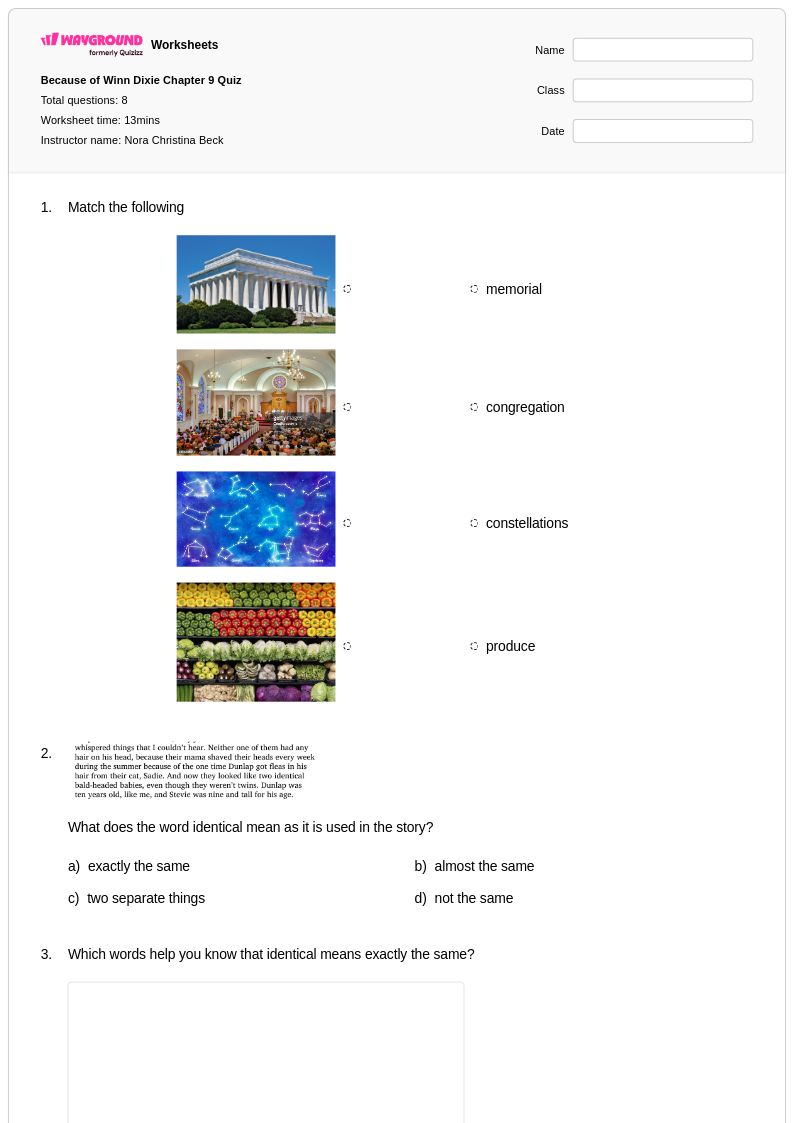
Character traits worksheets for Year 3 students available through Wayground (formerly Quizizz) provide essential reading comprehension practice that helps young learners develop critical analytical skills for understanding literature. These comprehensive resources guide third-grade students through the process of identifying, analyzing, and describing both physical and personality characteristics of fictional characters using evidence from the text. The worksheets feature age-appropriate passages followed by targeted practice problems that require students to distinguish between what characters say, do, think, and feel, while also recognizing how authors reveal character information through dialogue, actions, and descriptive details. Each worksheet collection includes detailed answer keys and is available as free printable PDF resources, making them accessible tools for building the foundational comprehension strategies that Year 3 students need to become proficient readers.
Wayground (formerly Quizizz) supports educators with millions of teacher-created character traits worksheets specifically designed for Year 3 reading comprehension instruction, offering robust search and filtering capabilities that allow teachers to quickly locate materials aligned with specific learning standards and student needs. The platform's differentiation tools enable instructors to customize worksheets for varying reading levels within the same classroom, while the availability of both printable and digital PDF formats provides flexibility for different teaching environments and learning preferences. These comprehensive resources prove invaluable for lesson planning, targeted remediation for struggling readers, enrichment activities for advanced students, and regular skill practice sessions that reinforce character analysis techniques. Teachers can easily integrate these materials into guided reading groups, independent practice time, or whole-class instruction to ensure all Year 3 students develop strong character trait identification skills that support deeper reading comprehension across all literary texts.
FAQs
How do I teach character traits to students?
Start by distinguishing between direct characterization, where an author explicitly states a character's traits, and indirect characterization, where traits are revealed through a character's actions, dialogue, thoughts, and how others respond to them. Anchor instruction in specific texts and model how to cite textual evidence to support trait inferences. As students grow more confident, move from identifying single traits to analyzing how traits drive character motivation and shape plot outcomes.
What exercises help students practice identifying character traits?
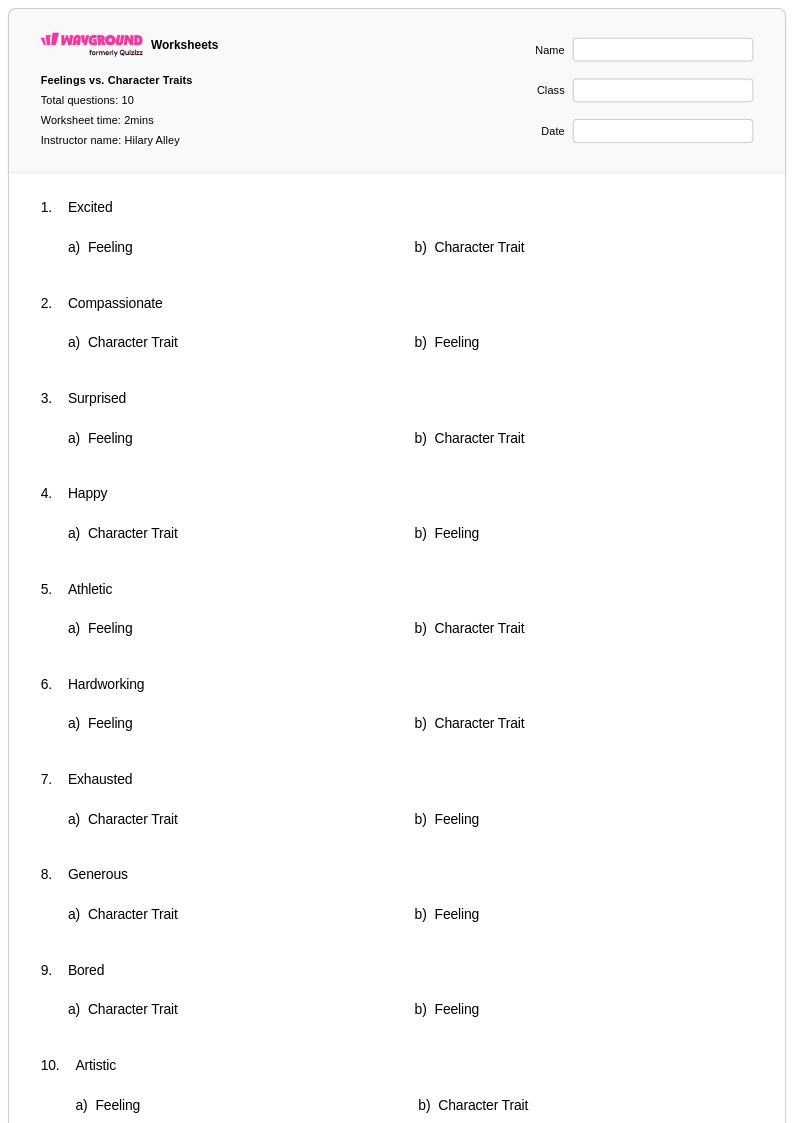
Effective practice exercises include citing textual evidence to justify a trait label, comparing and contrasting two characters within the same text, and tracking how a character's traits evolve across a narrative. Categorization tasks that ask students to sort traits as physical versus personality-based also reinforce definitional understanding before moving to deeper analysis. Worksheets that combine multiple question formats, such as short answer, graphic organizers, and multiple choice, provide varied entry points for different skill levels.
What mistakes do students commonly make when analyzing character traits?
A common error is confusing a character's temporary emotional state with a stable personality trait, for example labeling a character as 'sad' rather than identifying the underlying trait of 'empathy' or 'sensitivity.' Students also frequently state traits without grounding them in textual evidence, which weakens their literary analysis. Another frequent misconception is treating all character information as direct characterization, missing the inferential work required to interpret indirect clues like dialogue choices or behavioral patterns.
How do I help struggling readers engage with character trait analysis?
For struggling readers, scaffolding is essential. Provide a word bank of trait vocabulary before the activity so students can focus their cognitive effort on analysis rather than word retrieval. Breaking the task into steps, first identifying the behavior, then inferring the trait it suggests, reduces the complexity of the inference process. On Wayground, teachers can enable Read Aloud so questions and text passages are read to students who need support, and Reduced Answer Choices to lower cognitive load for students who need additional scaffolding.
How do I use Wayground's character traits worksheets in my classroom?
Wayground's character traits worksheets are available as printable PDFs for traditional paper-based instruction and in digital formats for technology-integrated classrooms, so teachers can assign them in whatever environment works best. Each worksheet includes a complete answer key, supporting both teacher-led correction and student self-assessment. Teachers can also host worksheets as a quiz directly on Wayground, giving students an interactive experience while automatically tracking responses.
How do I differentiate character traits instruction for advanced students?
Advanced students benefit from tasks that go beyond trait identification toward analysis of how specific traits create conflict, drive thematic development, or reflect cultural or historical context. Assigning compare-and-contrast work across multiple texts or characters, or asking students to evaluate whether a character's traits are consistent or contradictory, pushes higher-order thinking. Wayground's differentiation tools allow teachers to assign more complex question formats and higher-complexity worksheets to individual students without disrupting the rest of the class.