Free Printable Circles of Support Worksheets for Year 2
Explore Year 2 circles of support printables and free worksheets that help students identify their trusted networks through engaging practice problems with comprehensive answer keys and downloadable PDFs.
Explore printable Circles of Support worksheets for Year 2
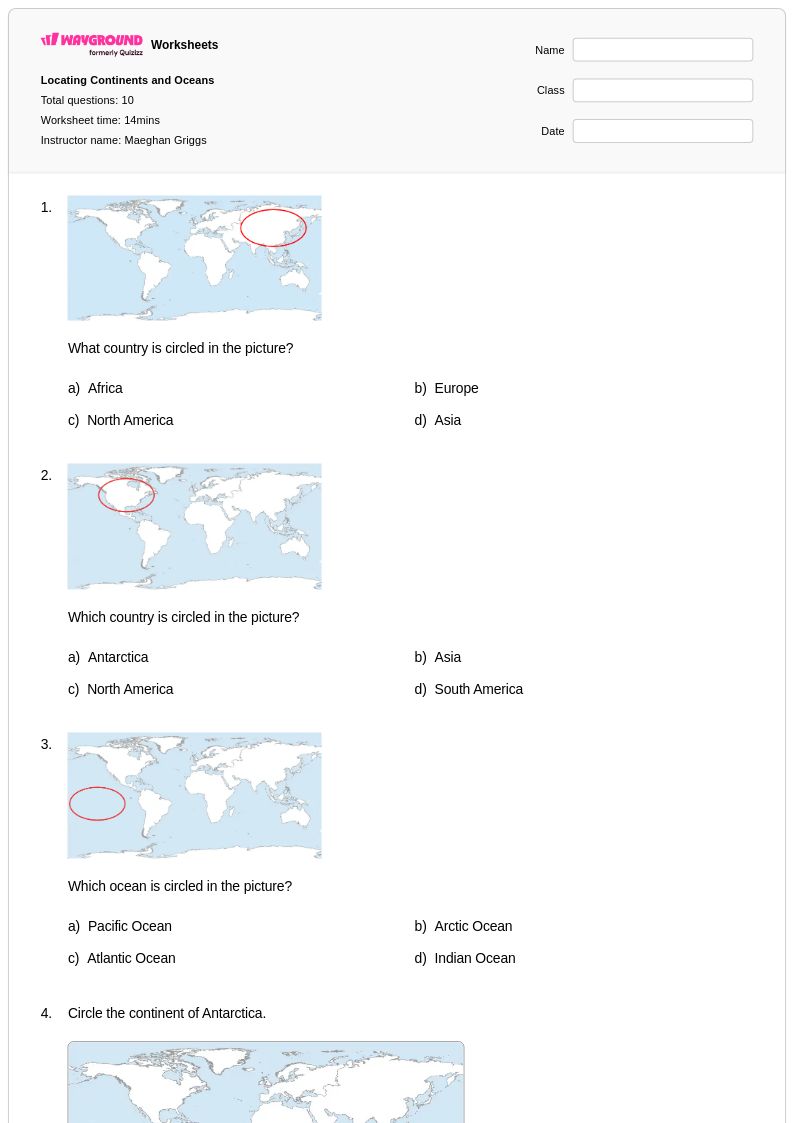
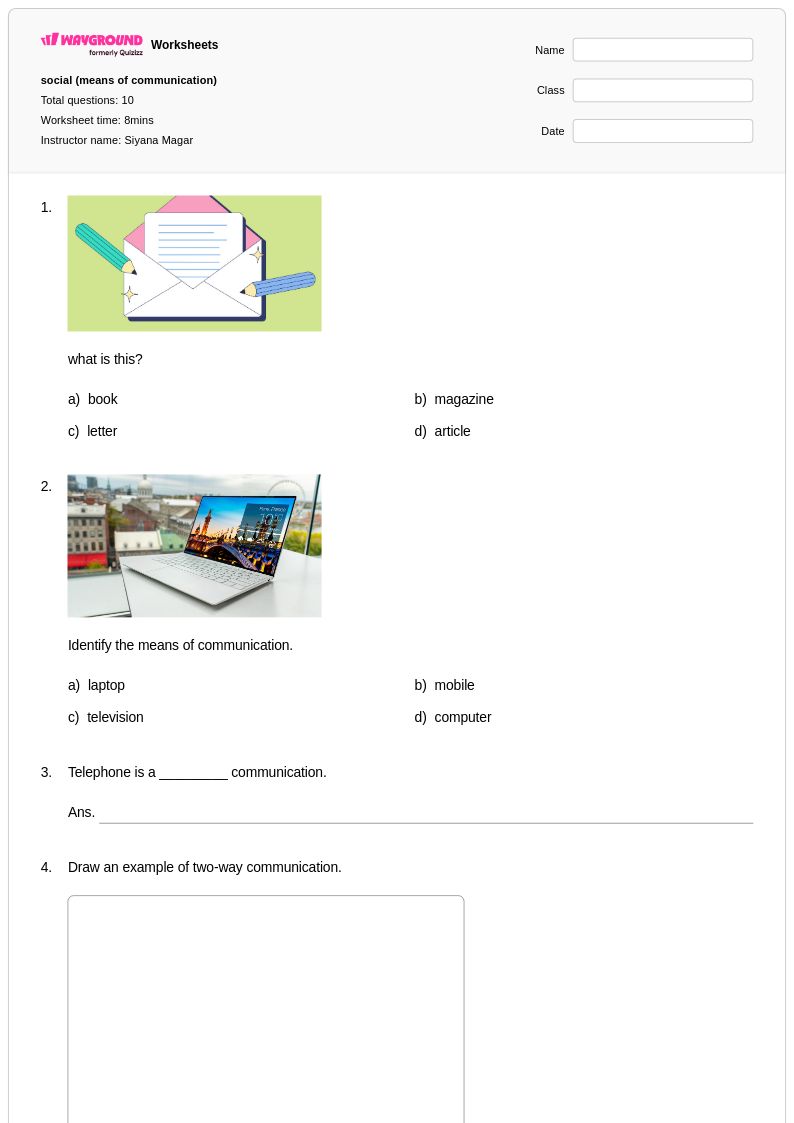
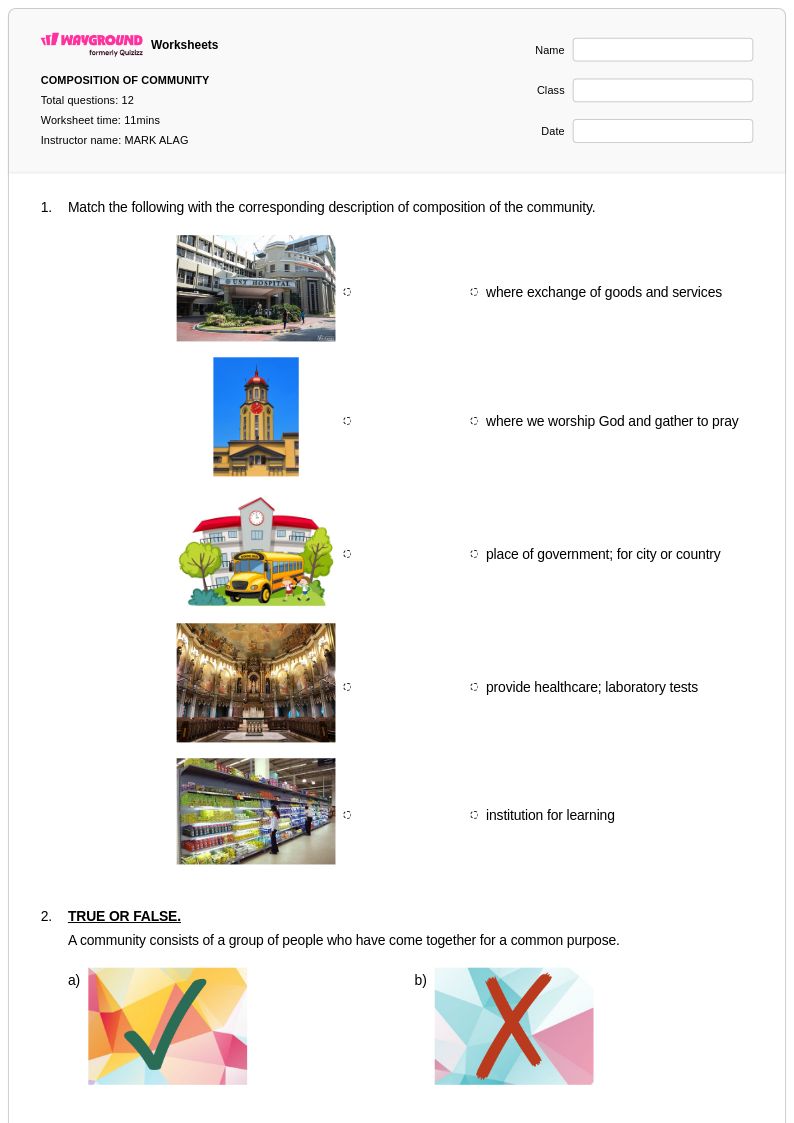
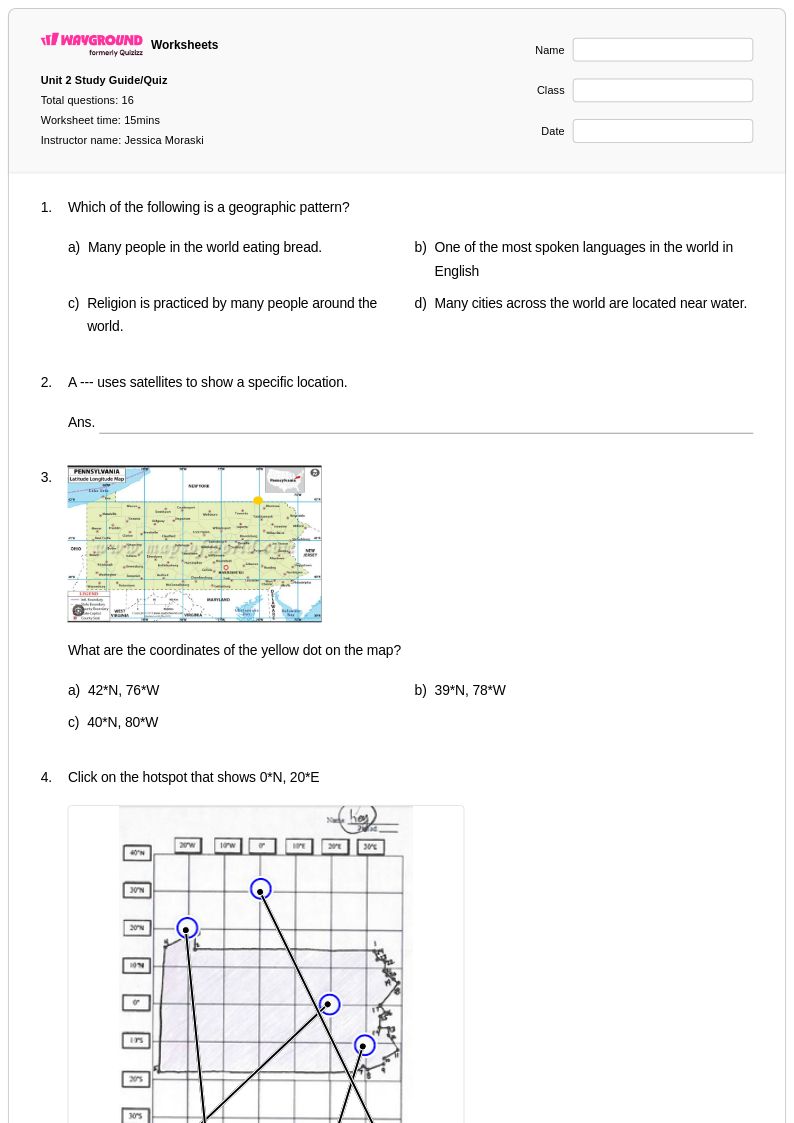
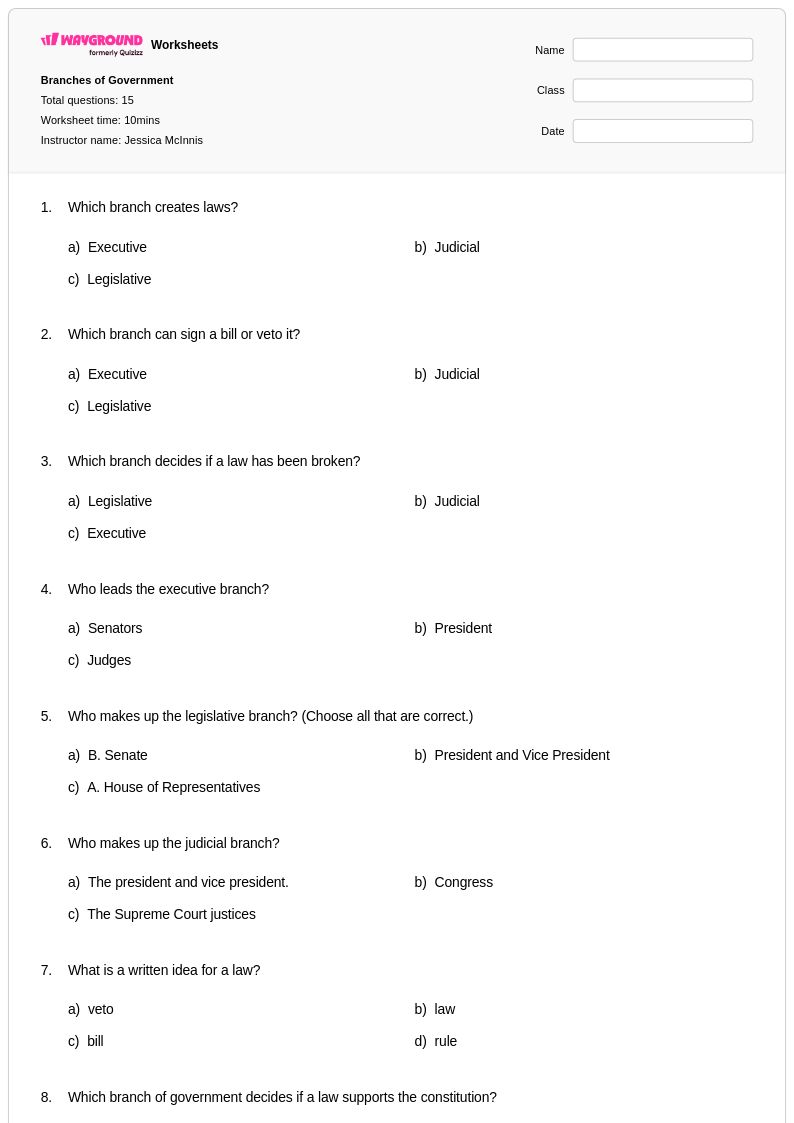
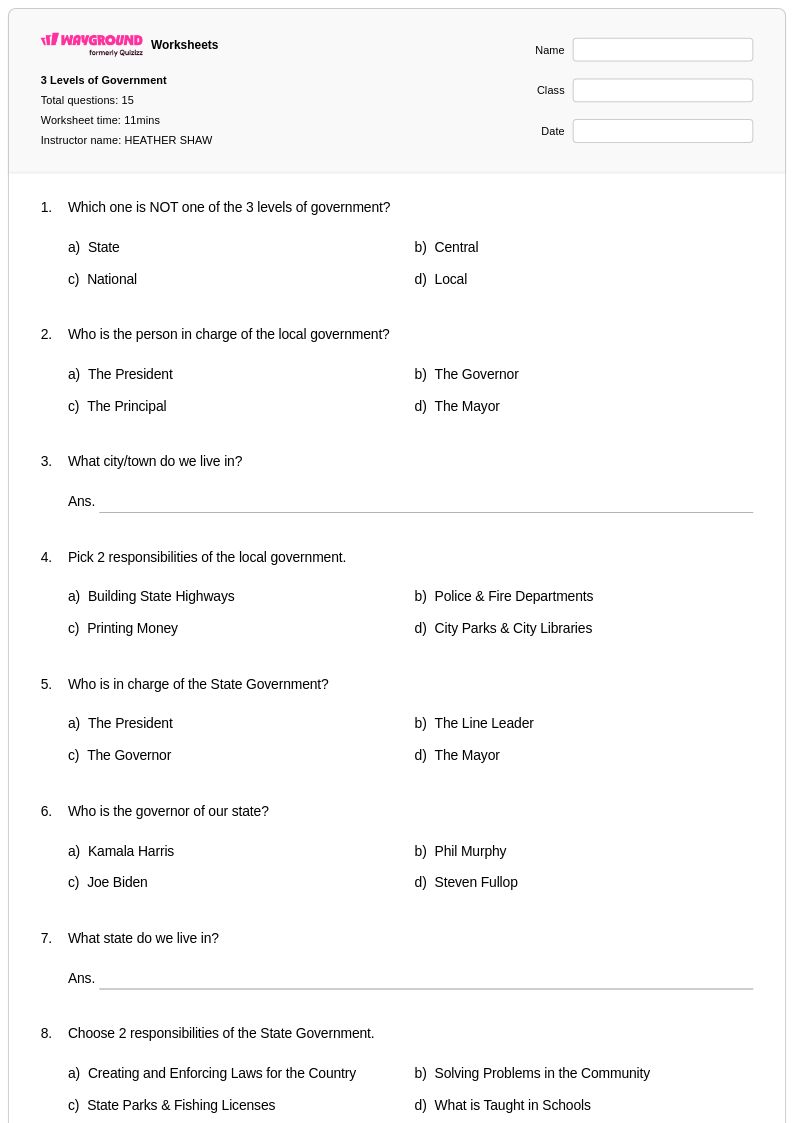
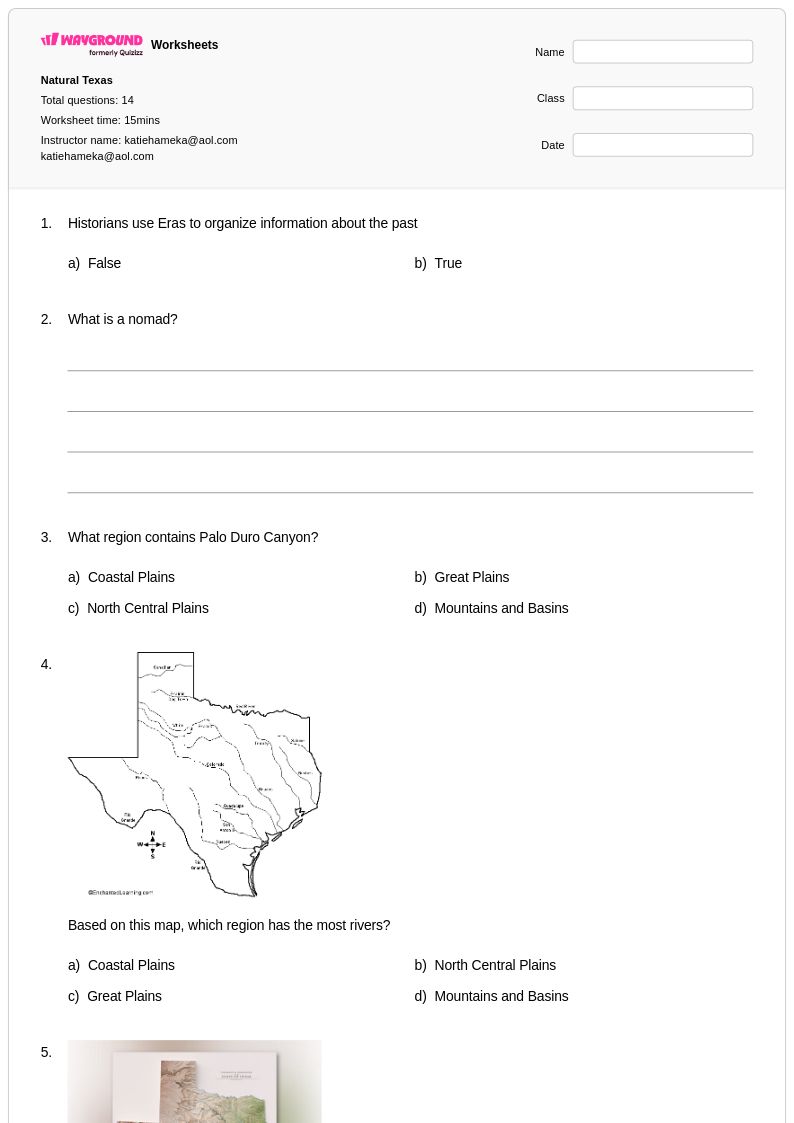
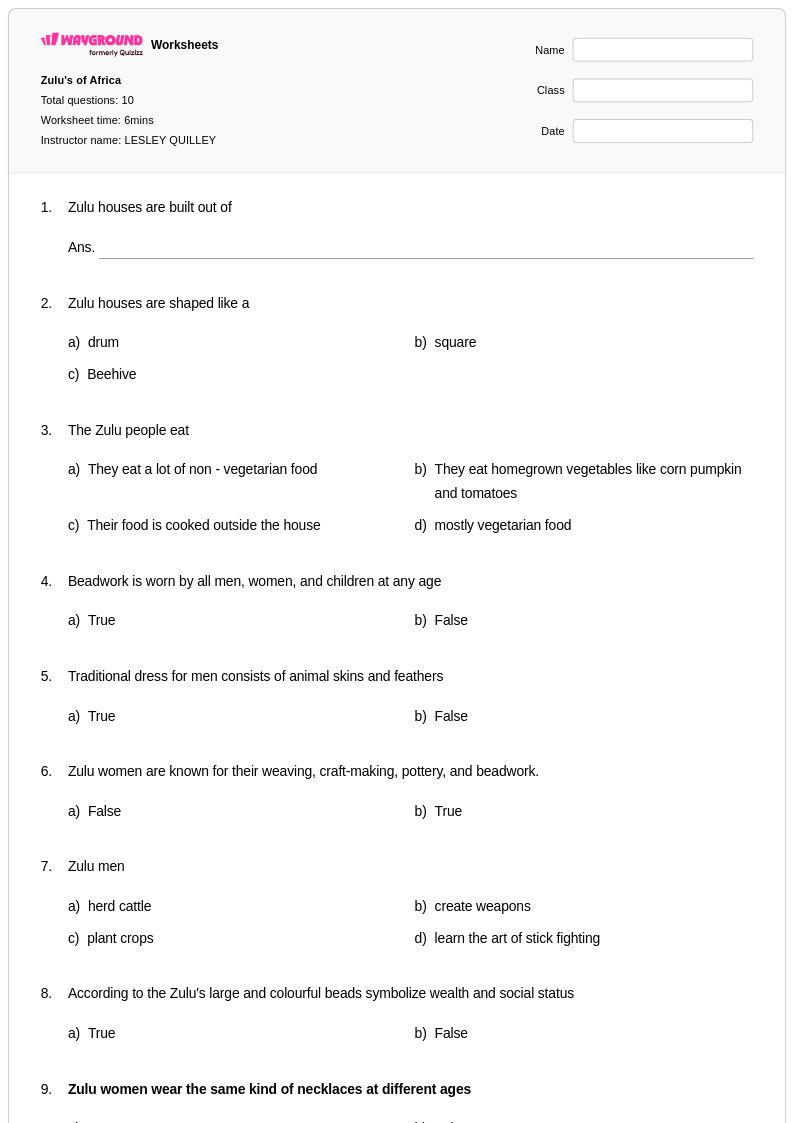
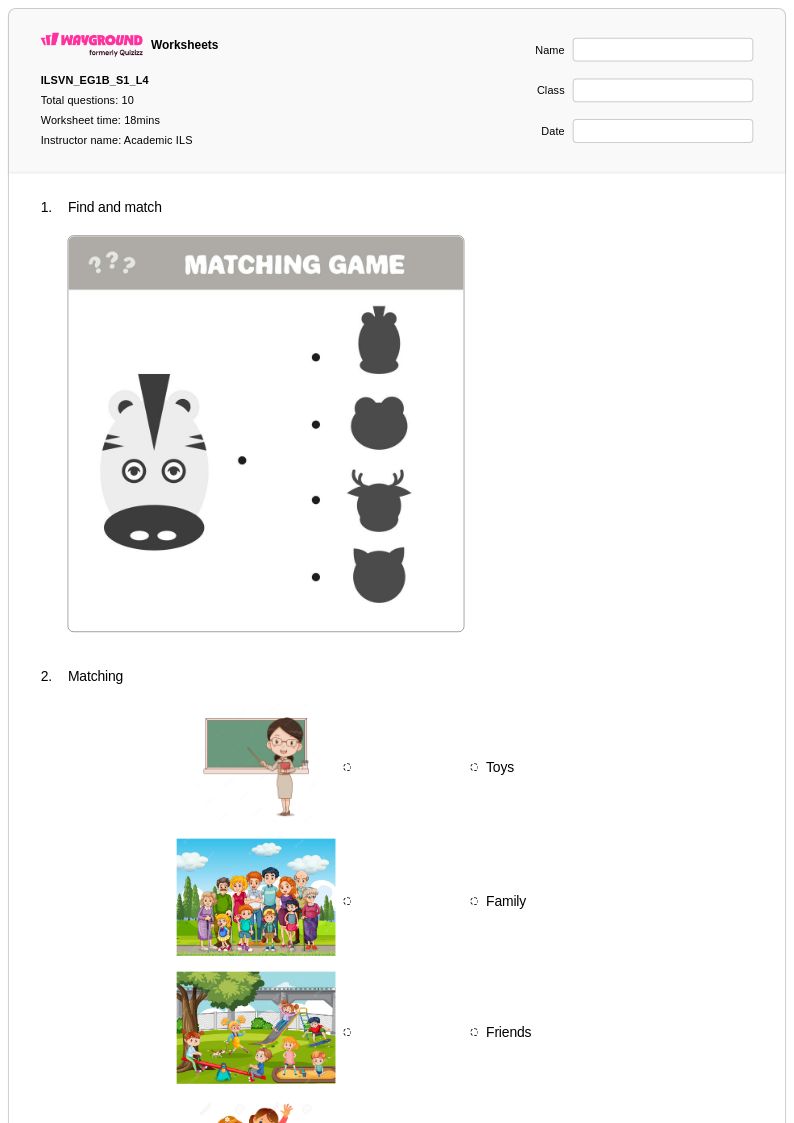
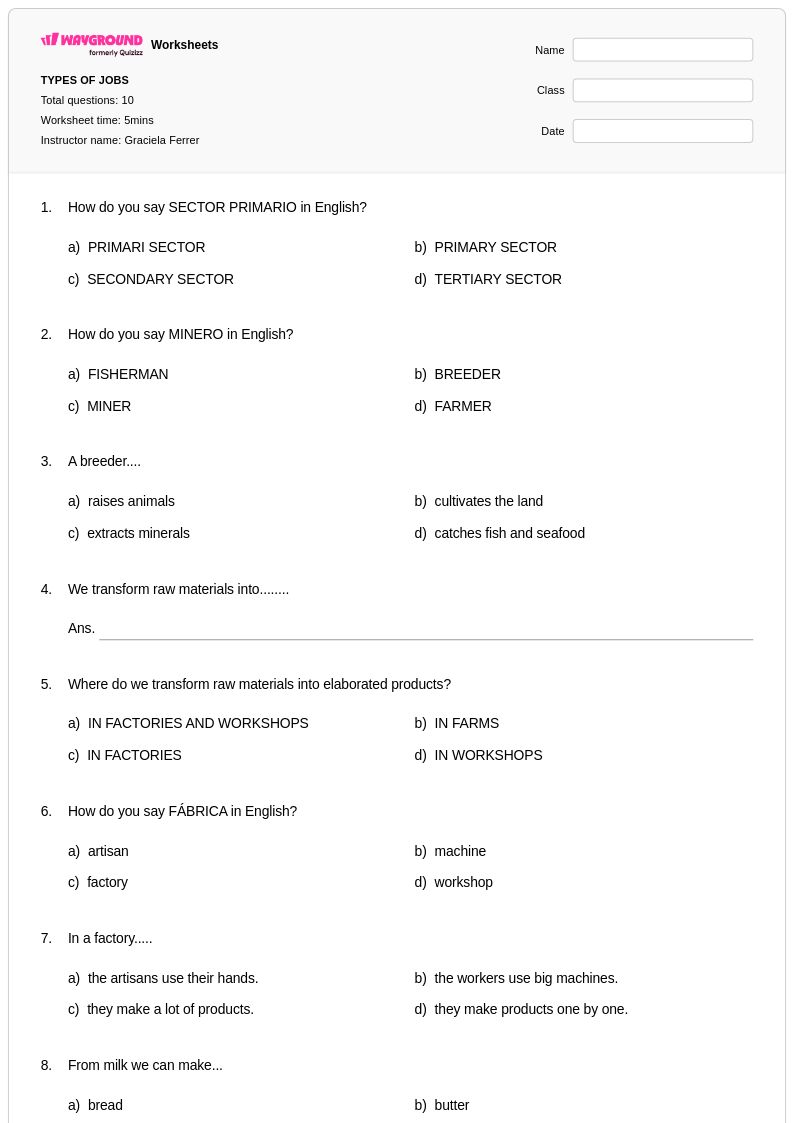
Circles of Support worksheets for Year 2 students available through Wayground (formerly Quizizz) help young learners identify and understand the different people in their lives who provide care, guidance, and assistance. These educational resources focus on developing essential social awareness skills by teaching children to recognize family members, friends, teachers, and community helpers who form their personal support networks. The worksheets incorporate engaging activities where students map their circles of support, distinguish between different types of relationships, and practice expressing gratitude for the people who help them. Each comprehensive worksheet collection includes detailed answer keys and practice problems that reinforce concepts about trust, safety, and healthy relationships, while printable pdf formats ensure easy classroom distribution and take-home assignments.
Wayground (formerly Quizizz) empowers educators with an extensive library of millions of teacher-created Circles of Support resources specifically designed for Year 2 social studies instruction. The platform's robust search and filtering capabilities allow teachers to quickly locate worksheets that align with specific learning standards and accommodate diverse classroom needs through built-in differentiation tools. Teachers can seamlessly customize existing materials or create new practice activities that address varying skill levels, from basic identification exercises to more complex relationship mapping assignments. The flexible format options, including both digital and printable pdf versions, support comprehensive lesson planning while providing targeted resources for remediation, enrichment, and ongoing skill practice that helps students develop stronger social awareness and emotional intelligence.
FAQs
How do I teach the Circles of Support concept to students?
Teach Circles of Support by introducing a visual diagram with concentric rings, where the innermost circle represents the closest, most trusted relationships (such as family or a best friend) and outer circles represent progressively less intimate connections like classmates, neighbors, or community helpers. Anchor the lesson in students' real lives by having them name actual people before categorizing them, which makes the abstract concept of relationship proximity concrete and personally meaningful. Discussing why different people belong in different circles helps students build awareness of emotional safety, trust, and appropriate boundaries in relationships.
What exercises help students practice mapping their personal support networks?
Structured mapping activities work well, where students write or draw the names of people in their lives into the correct concentric circle based on closeness and frequency of support. Follow-up reflection prompts, such as asking students who they would call if they felt sad or needed help with a problem, reinforce the functional purpose of each circle rather than just the categorization exercise. Scenario-based practice, where students decide which person in their network is most appropriate to approach for a specific type of support, deepens understanding of relationship roles and accessibility.
What mistakes do students commonly make when completing Circles of Support activities?
A common error is placing people in the innermost circle based on how much the student likes them rather than the actual depth of trust, mutual care, and accessibility in the relationship. Students also frequently overlook community or institutional supports, such as school counselors, coaches, or community organizations, and may leave outer circles nearly empty. Some students struggle to distinguish between someone who is fun to spend time with and someone who provides genuine emotional or practical support, which is a key distinction worth addressing explicitly during instruction.
How can I use Circles of Support worksheets to support students with social-emotional learning needs?
Circles of Support worksheets provide a structured, low-pressure format for students to reflect on their relationships, which is particularly valuable for students who struggle with social awareness or have limited trusted connections. The visual nature of the diagram makes relationship concepts accessible to students who benefit from concrete representations. On Wayground, teachers can enable accommodations such as Read Aloud for students who need audio support, reduced answer choices to lower cognitive load, and adjustable font sizes through Reading Mode, ensuring the activity is accessible to diverse learners.
How do I use Circles of Support worksheets in my classroom?
Circles of Support worksheets on Wayground are available as printable PDFs for traditional classroom use and in digital formats for technology-integrated learning environments, and teachers can also host them as a quiz directly on the Wayground platform. For whole-class instruction, the worksheets can anchor a guided discussion before students complete their own maps independently. The included answer keys help teachers facilitate debrief conversations and identify students who may need additional support in recognizing healthy, accessible relationships in their lives.
How do Circles of Support activities connect to broader SEL standards?
Circles of Support activities directly address core social-emotional learning competencies including self-awareness, relationship skills, and responsible decision-making, which are central to frameworks such as CASEL. By identifying who is in their support network and understanding what kind of help each person can offer, students develop a practical understanding of how to access support and maintain healthy connections. This makes Circles of Support a natural fit within broader SEL curricula, counseling programs, or life skills instruction at any grade level.