Free Printable Cognitive Triangle Worksheets for Year 6
Explore Wayground's free Year 6 Cognitive Triangle worksheets and printables that help students understand the connection between thoughts, feelings, and behaviors through engaging practice problems and comprehensive answer keys.
Explore printable Cognitive Triangle worksheets for Year 6
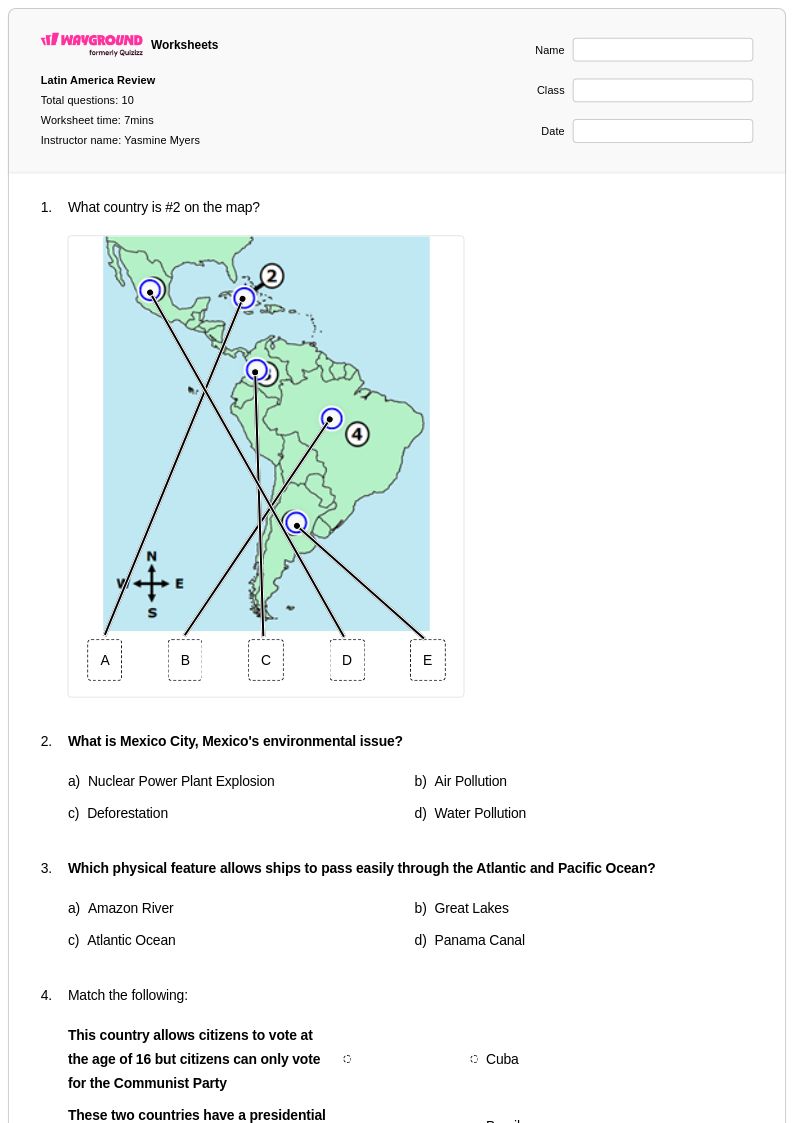
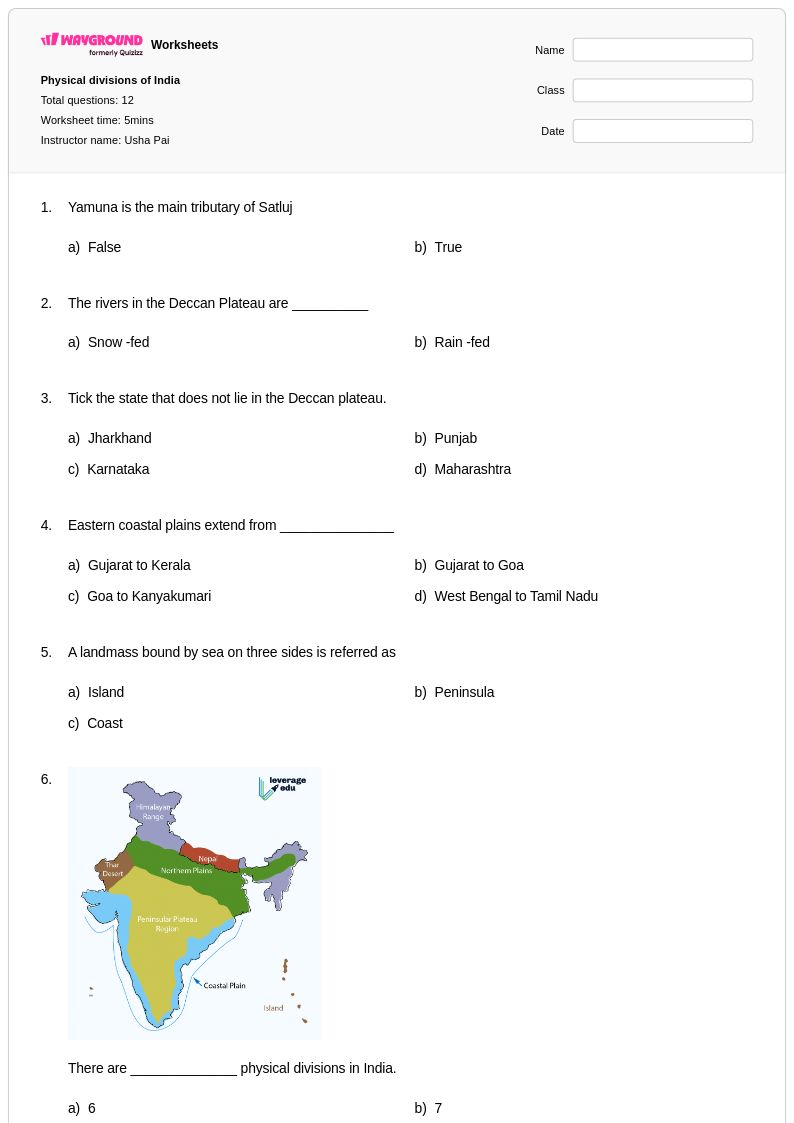
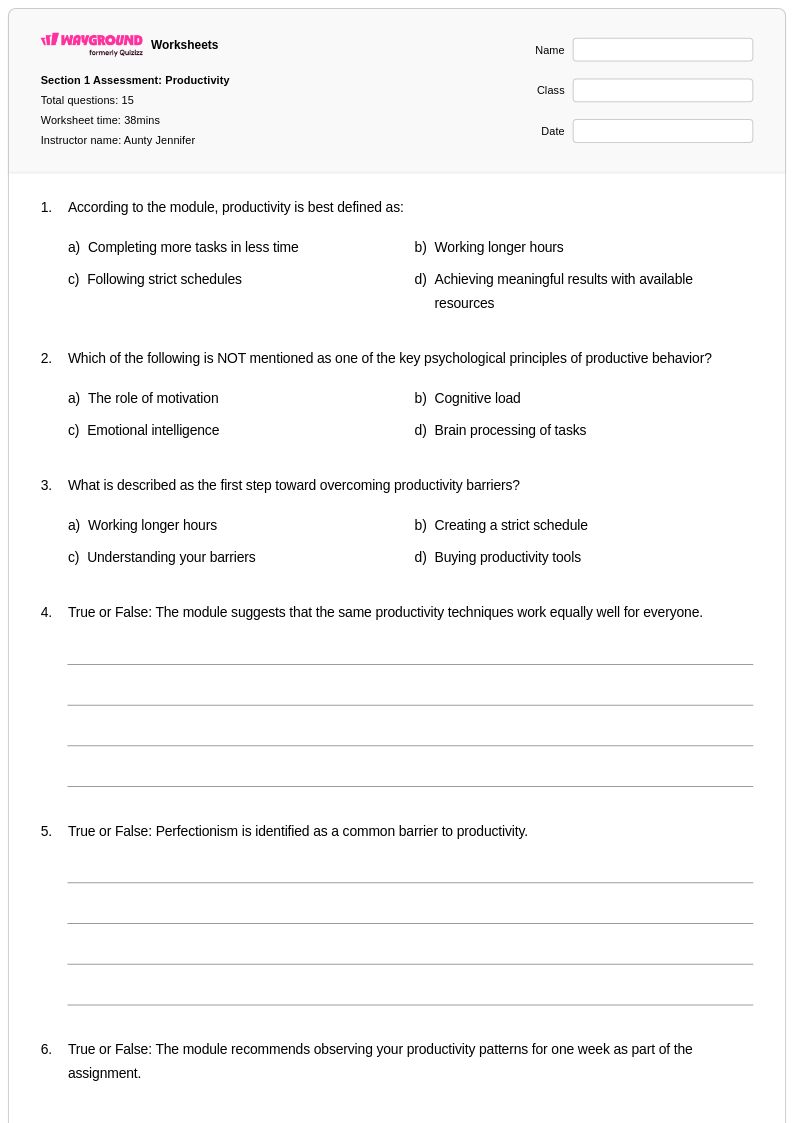
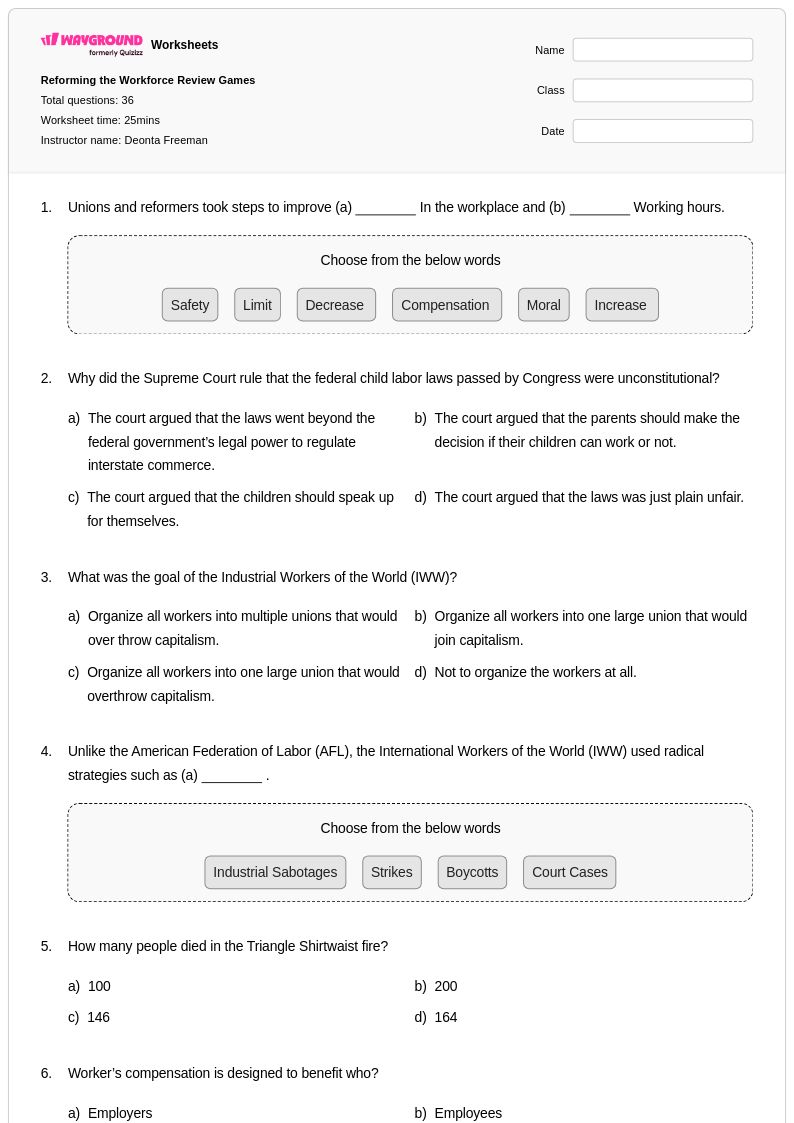
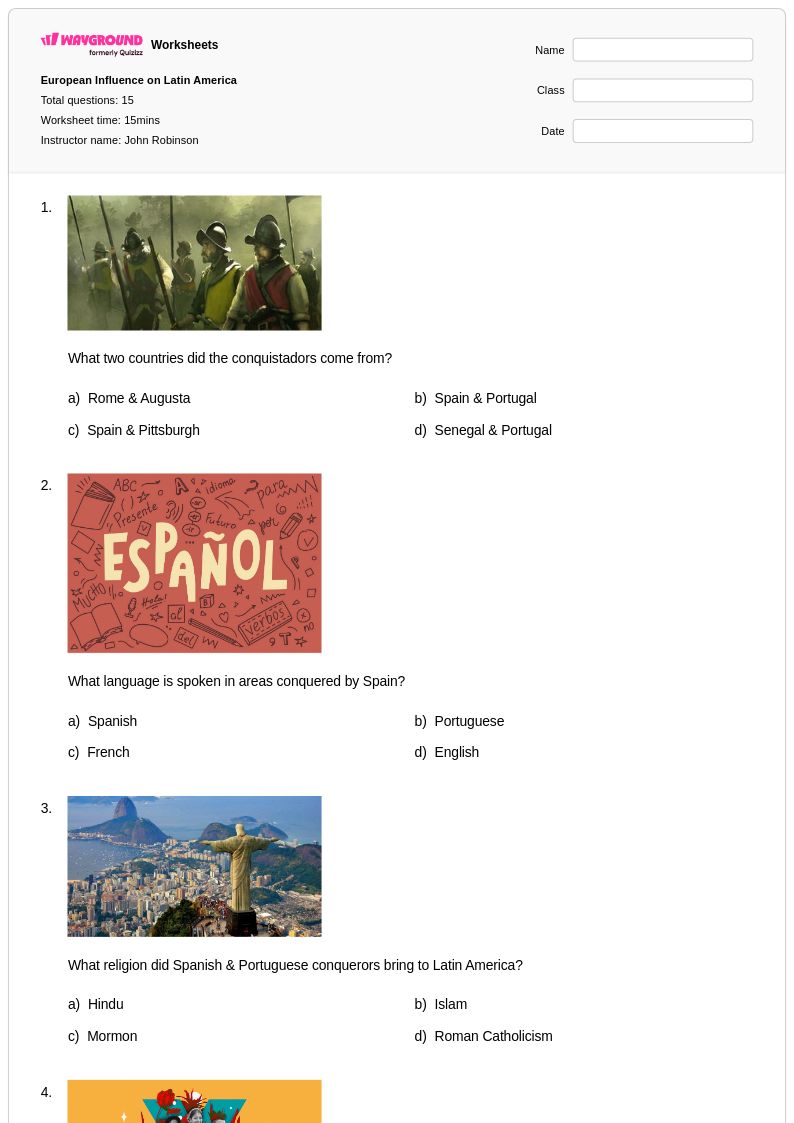
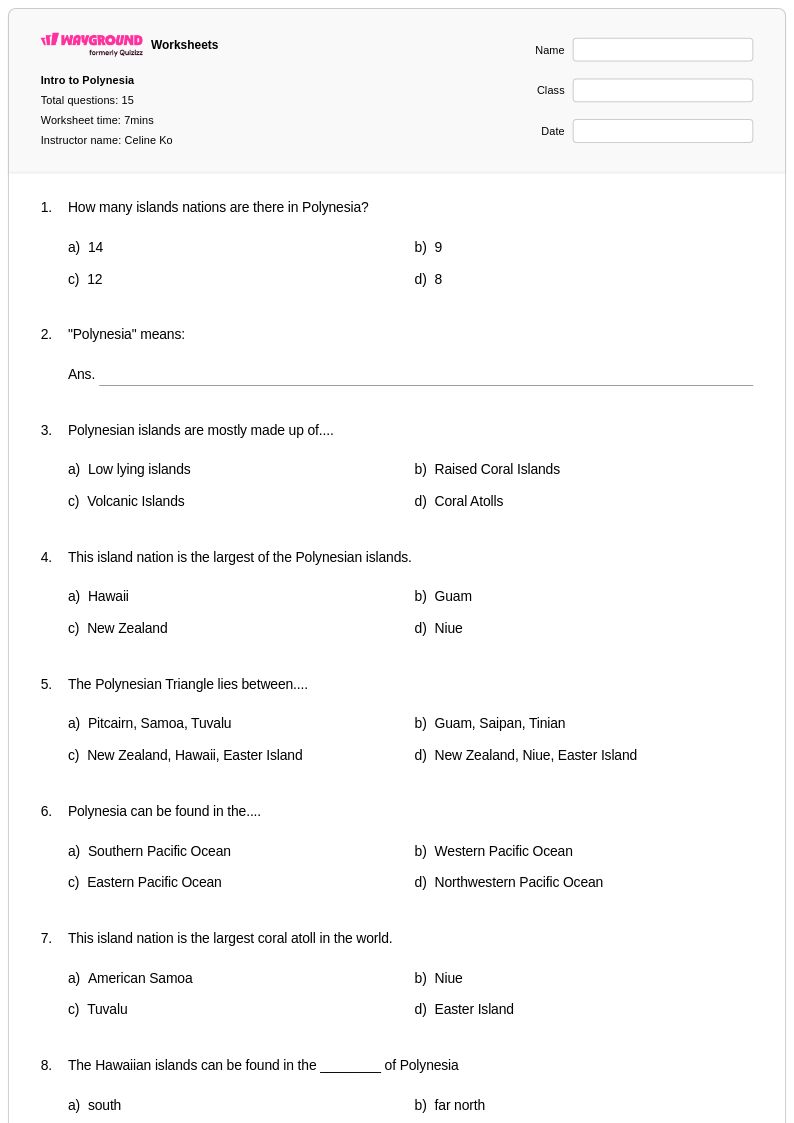
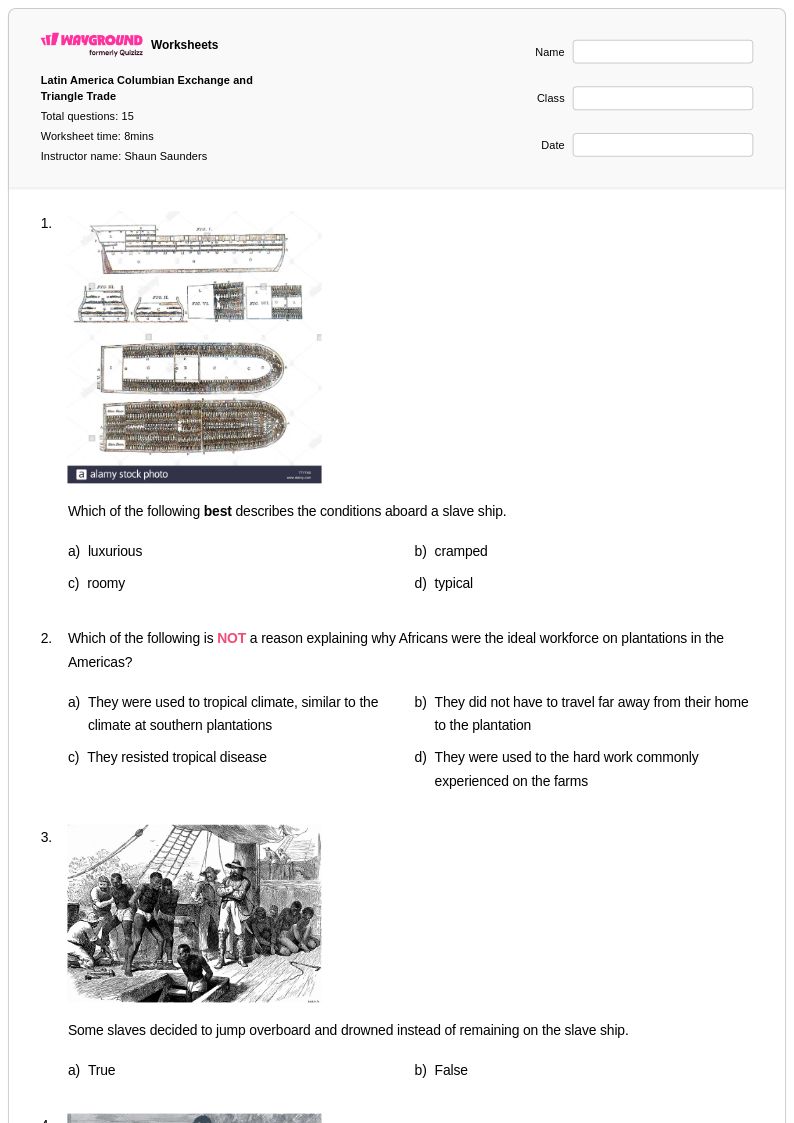
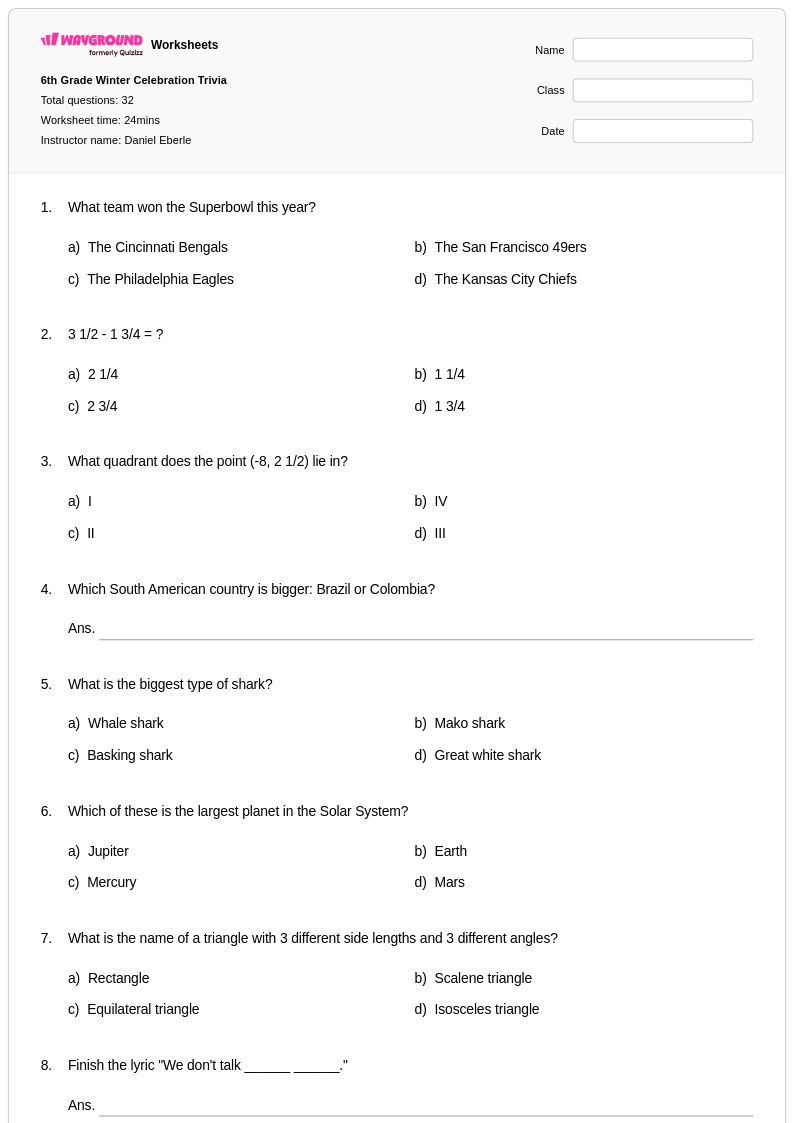
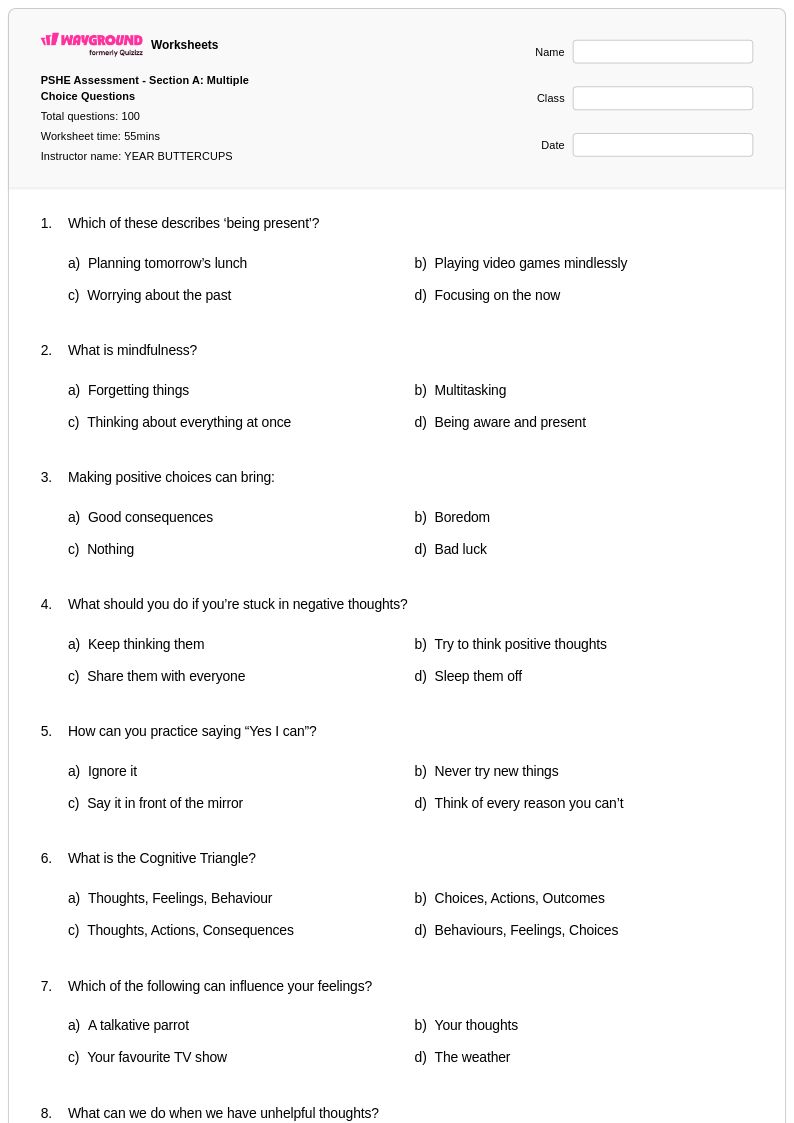
Cognitive Triangle worksheets for Year 6 students available through Wayground (formerly Quizizz) provide essential practice in understanding the interconnected relationship between thoughts, feelings, and behaviors. These comprehensive social studies resources help sixth-grade students develop critical social-emotional learning skills by exploring how their internal thought processes directly influence their emotions and subsequent actions. The worksheets feature engaging practice problems that guide students through real-world scenarios, encouraging them to identify and analyze each component of the cognitive triangle. Teachers can access these materials as free printables with accompanying answer keys, making classroom implementation seamless and providing students with immediate feedback on their understanding of this fundamental psychological concept.
Wayground (formerly Quizizz) supports educators with an extensive collection of teacher-created cognitive triangle resources, drawing from millions of high-quality materials specifically designed for middle school social studies instruction. The platform's robust search and filtering capabilities enable teachers to quickly locate worksheets that align with social-emotional learning standards and match their students' developmental needs. These differentiation tools allow educators to customize content for various learning levels, while the flexible format options include both digital assignments and downloadable pdf versions for traditional classroom use. This versatility proves invaluable for lesson planning, targeted remediation with struggling students, enrichment activities for advanced learners, and consistent skill practice that reinforces students' understanding of how thoughts, feelings, and behaviors interconnect in their daily social interactions.
FAQs
How do I teach the cognitive triangle to students?
Teaching the cognitive triangle starts with helping students see the direct, bidirectional connections between thoughts, feelings, and behaviors. Use real-world scenarios — like a student failing a test — to walk through how a thought ('I'm terrible at this') produces a feeling (shame) that drives a behavior (avoiding studying). Once students grasp the loop, they can begin to identify entry points where changing a thought can shift an emotional response and, ultimately, a behavior.
What exercises help students practice the cognitive triangle?
Scenario-based practice is the most effective method: give students a situation and ask them to map out the thought, feeling, and behavior that follow. Guided worksheets that present real-world examples and prompt students to label each component build both familiarity with the model and self-reflective habits. Repeated practice across varied contexts helps students internalize the triangle as a tool they can apply independently.
What mistakes do students commonly make when learning the cognitive triangle?
The most common error is conflating thoughts and feelings — students often write an emotion where a thought belongs, or vice versa (e.g., listing 'I feel like giving up' as a feeling rather than a thought). Students also tend to treat the three components as sequential steps rather than an interconnected, cyclical system. Explicitly contrasting thought statements ('I can't do this') with feeling words ('frustrated') helps students distinguish the two.
How does the cognitive triangle connect to social-emotional learning (SEL)?
The cognitive triangle is a foundational SEL tool because it gives students a concrete framework for understanding how internal cognitive processes drive emotional responses and outward behavior. By learning to identify and examine their own thoughts, students develop self-awareness and emotional regulation skills that support healthier interactions and decision-making. It is frequently integrated into social studies and counseling curricula as an entry point for broader emotional intelligence development.
How can I use Wayground's cognitive triangle worksheets in my classroom?
Wayground's cognitive triangle worksheets are available as printable PDFs for traditional classroom use and in digital formats for technology-integrated environments, so they work whether students are at desks or on devices. Each worksheet includes complete answer keys, making them practical for independent practice, guided group work, or homework. Teachers can also host these as a quiz directly on Wayground, allowing for interactive digital delivery and immediate feedback within the same session.
How do I differentiate cognitive triangle instruction for students at different skill levels?
For students who are newer to the concept, reduce complexity by using simple, relatable scenarios with clearly separated prompts for each triangle component. More advanced students can analyze ambiguous situations where multiple thought-feeling-behavior chains are possible. On Wayground, teachers can apply accommodations such as read aloud support for students who need questions read to them, reduced answer choices to lower cognitive load, or extended time for students who need additional processing time — all configurable per individual student without disrupting the rest of the class.