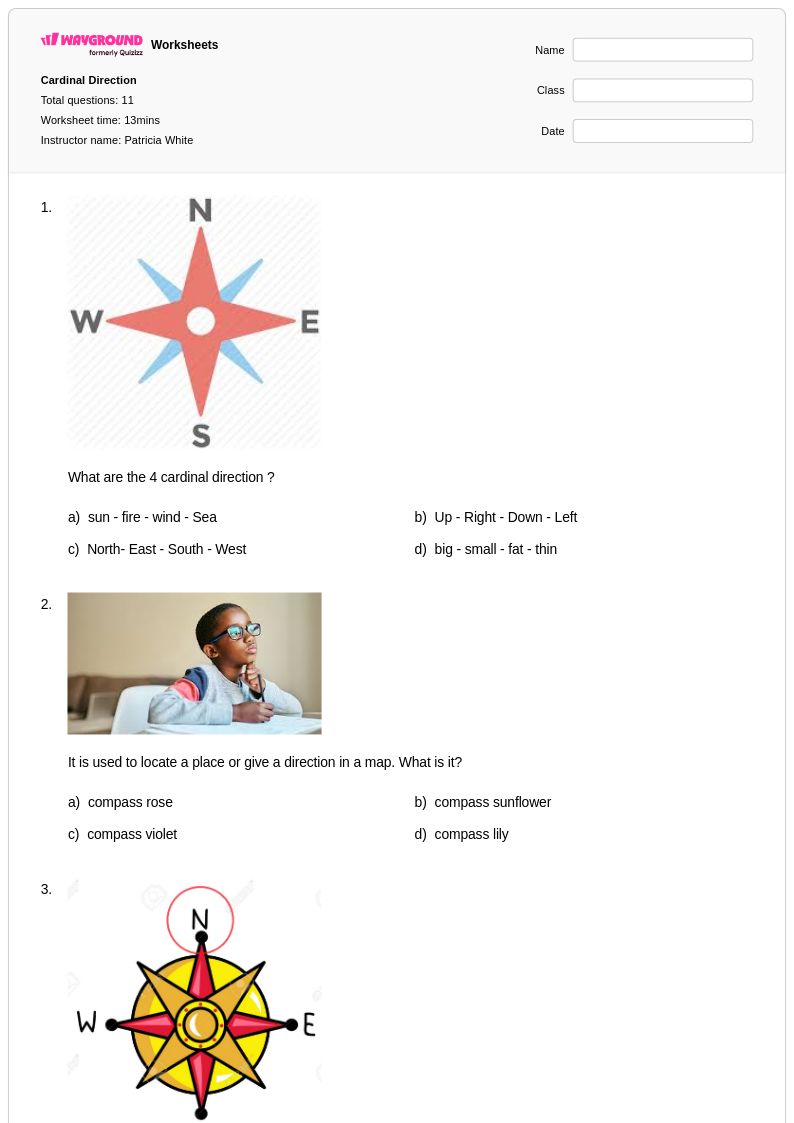
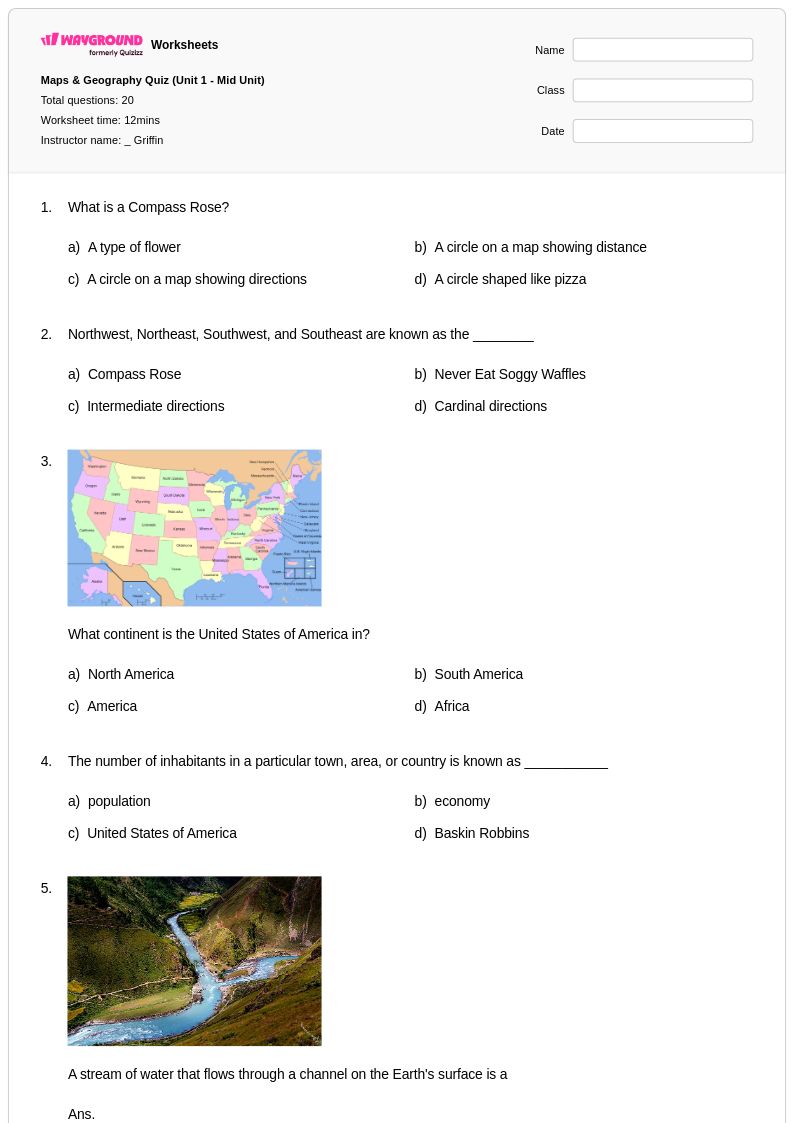
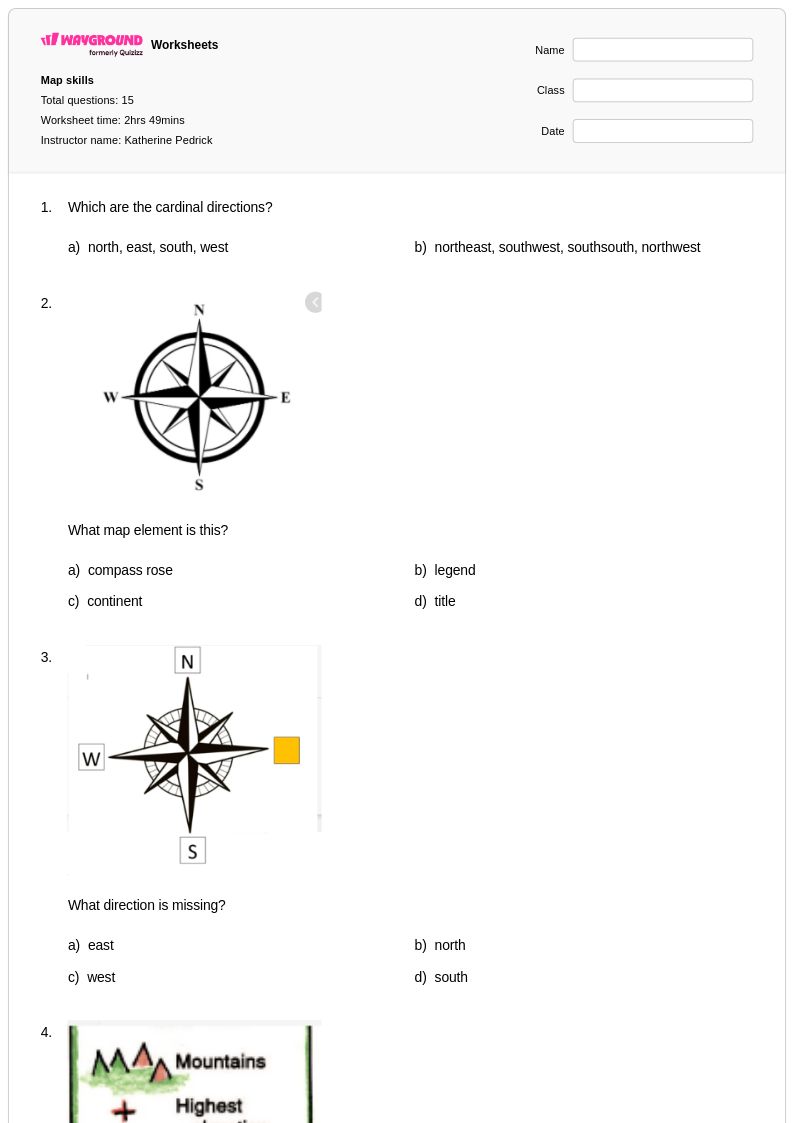
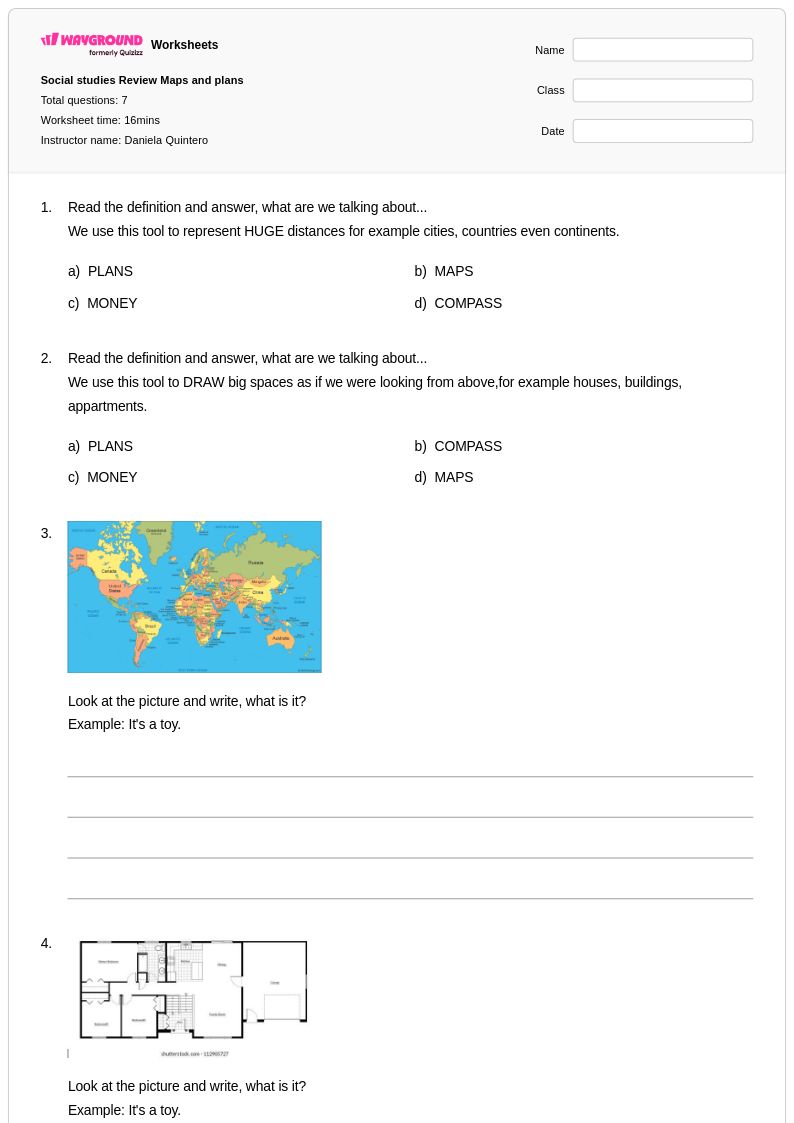
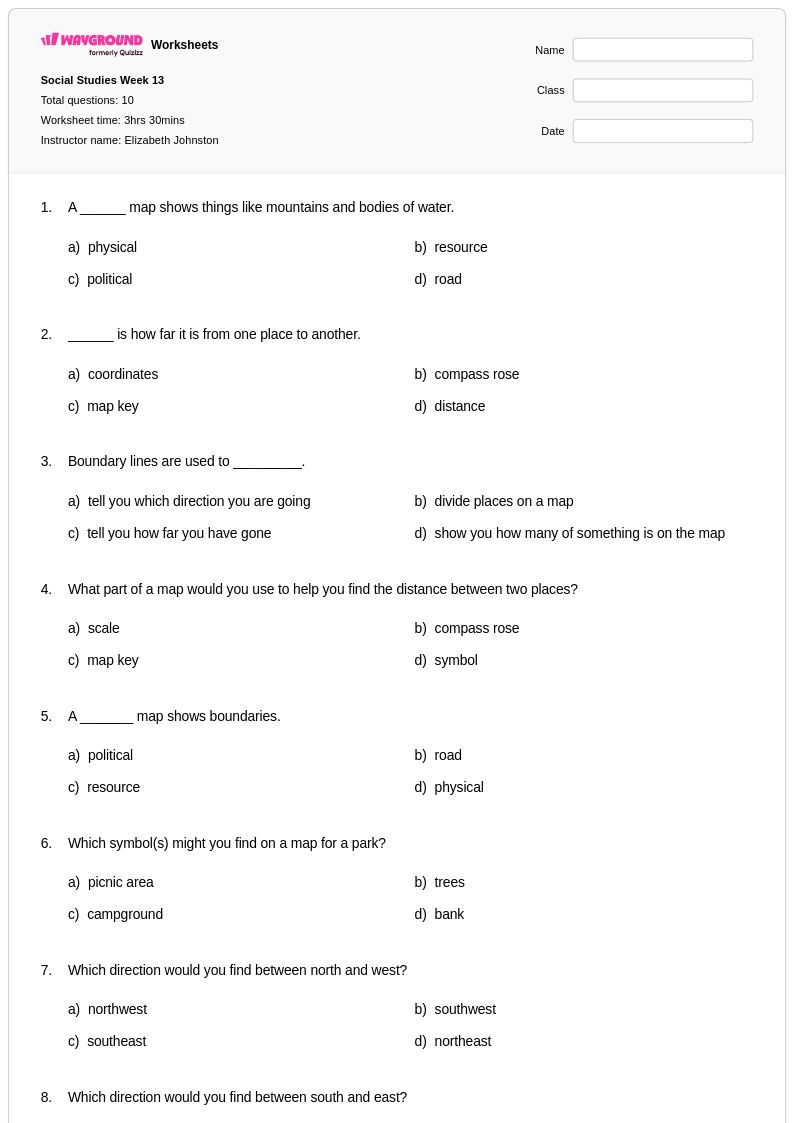
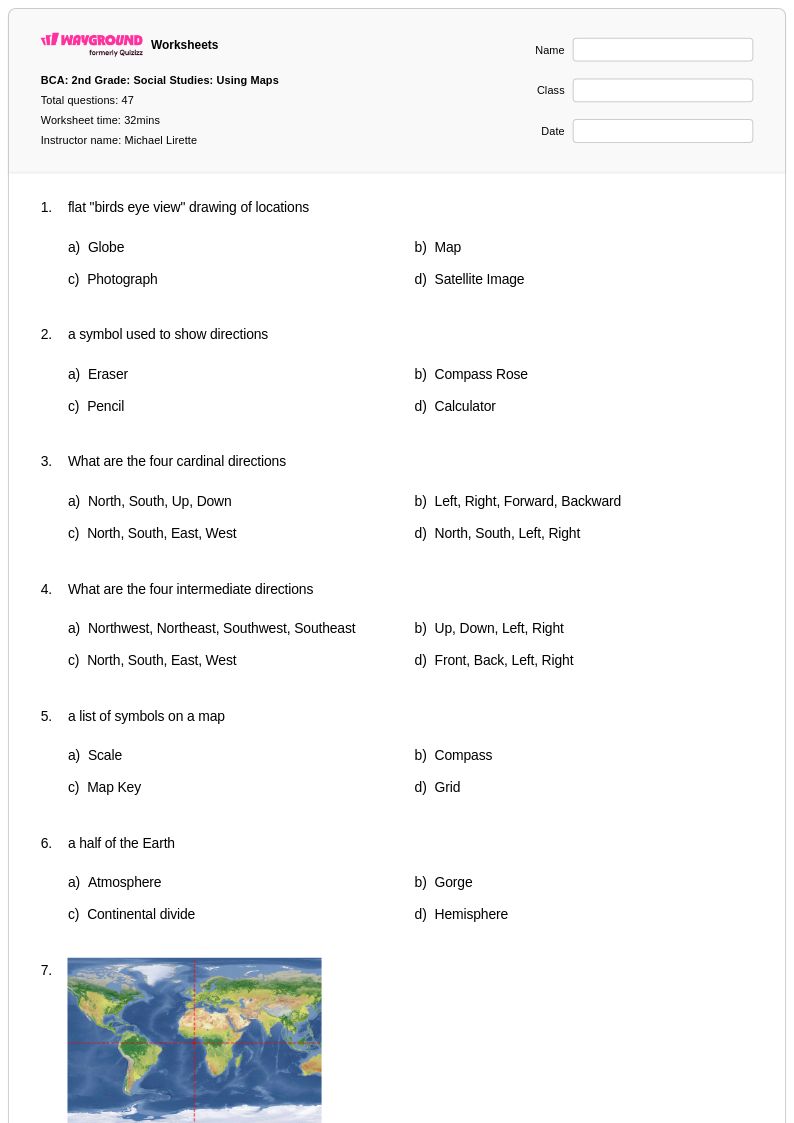
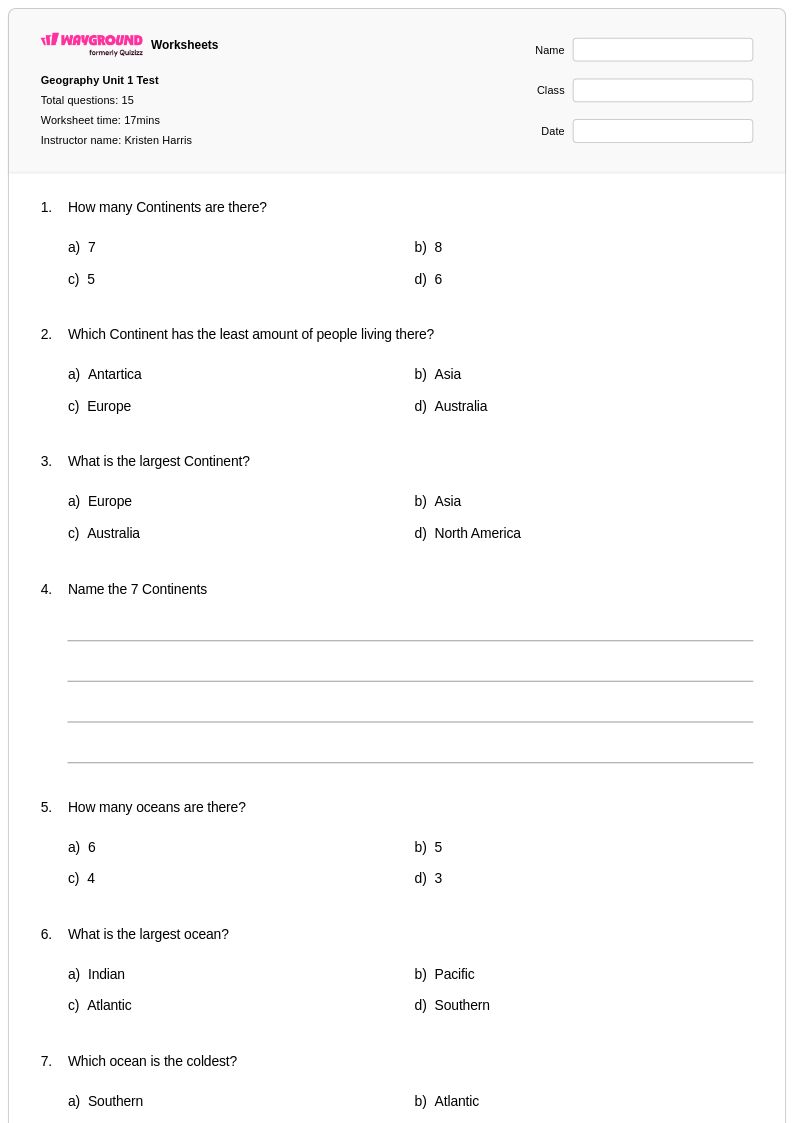
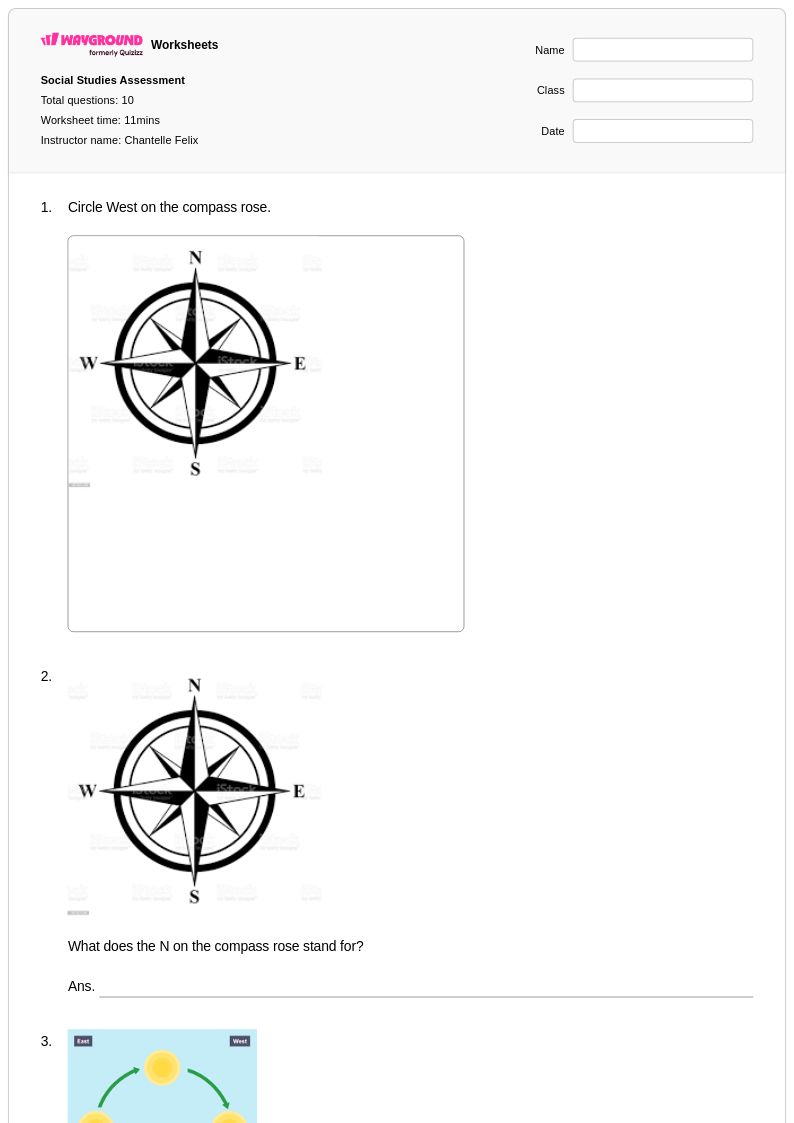
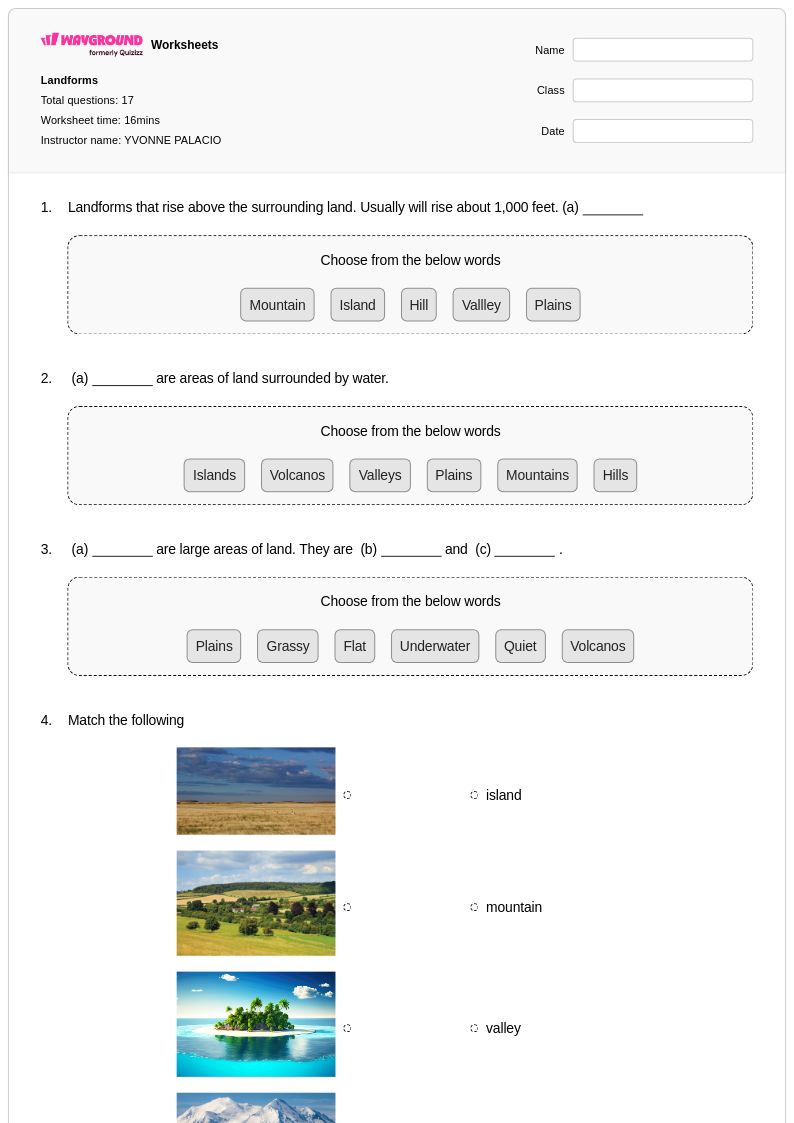
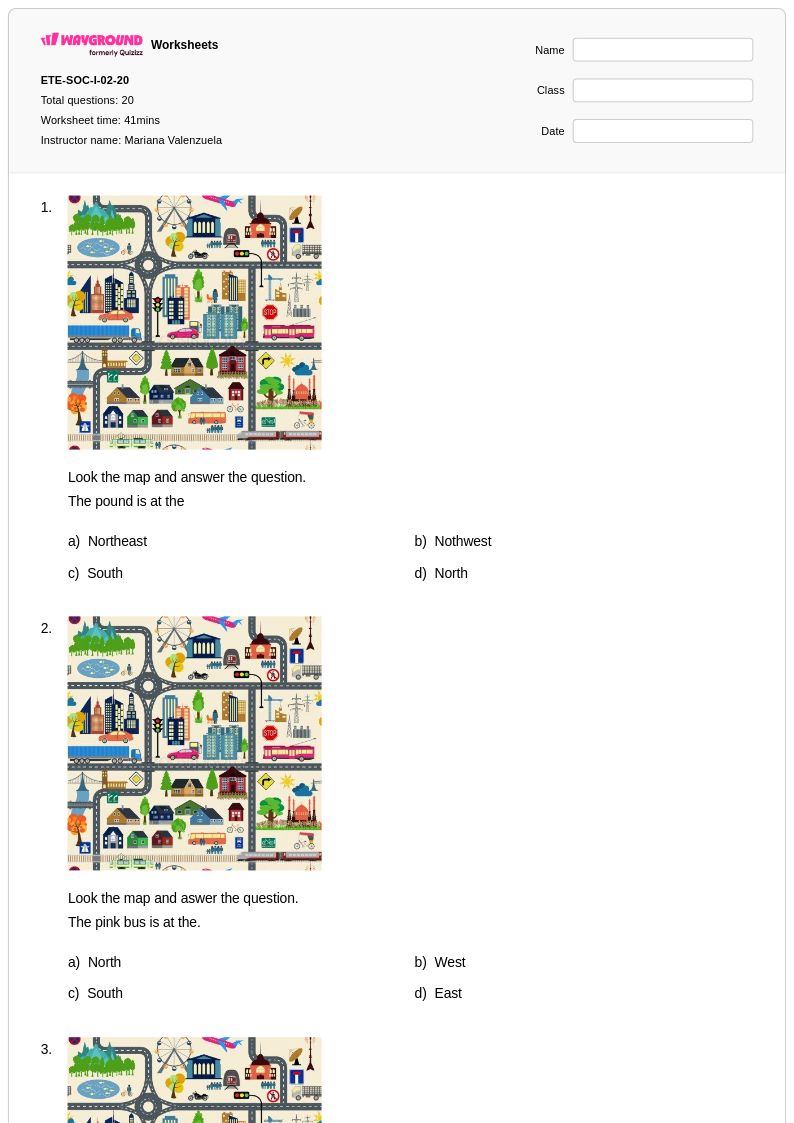
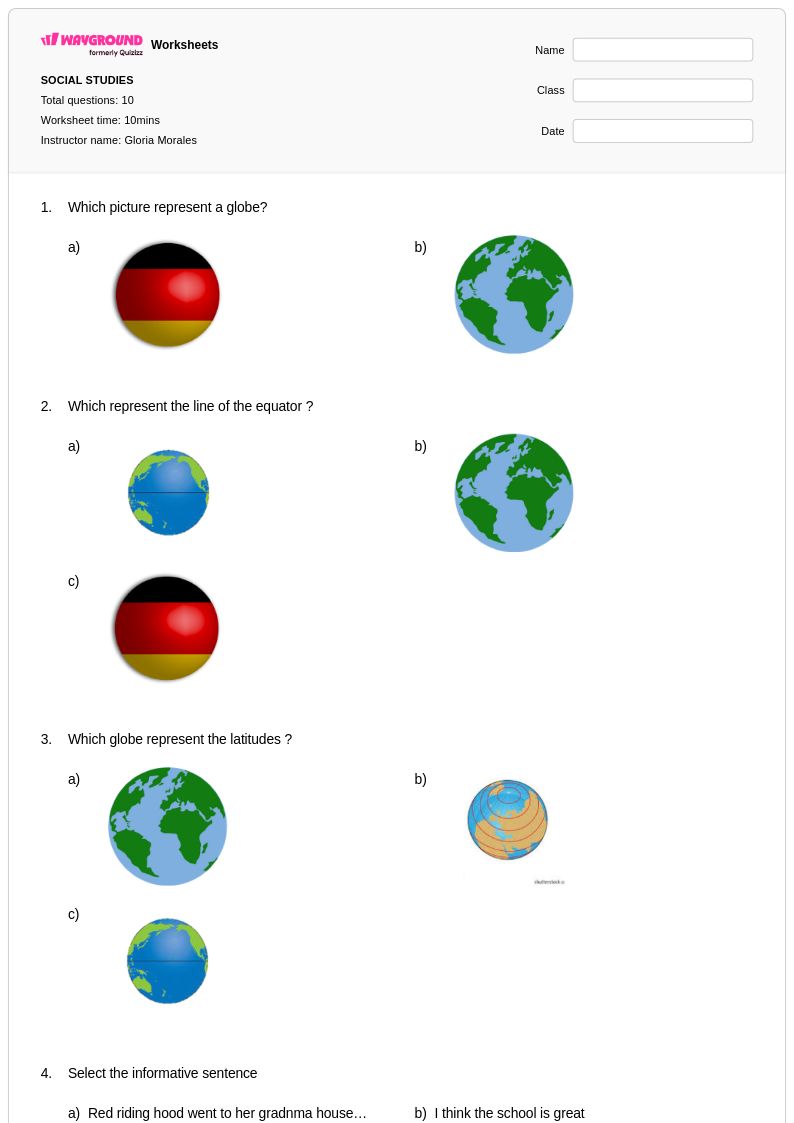
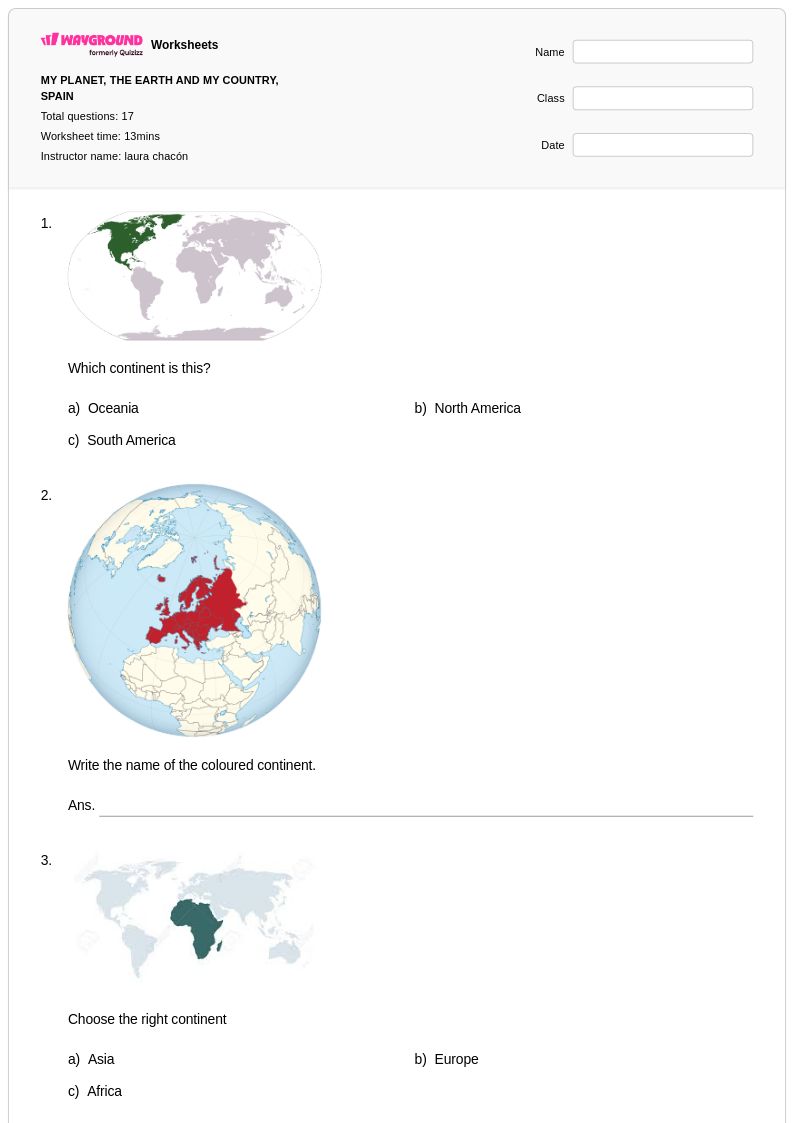
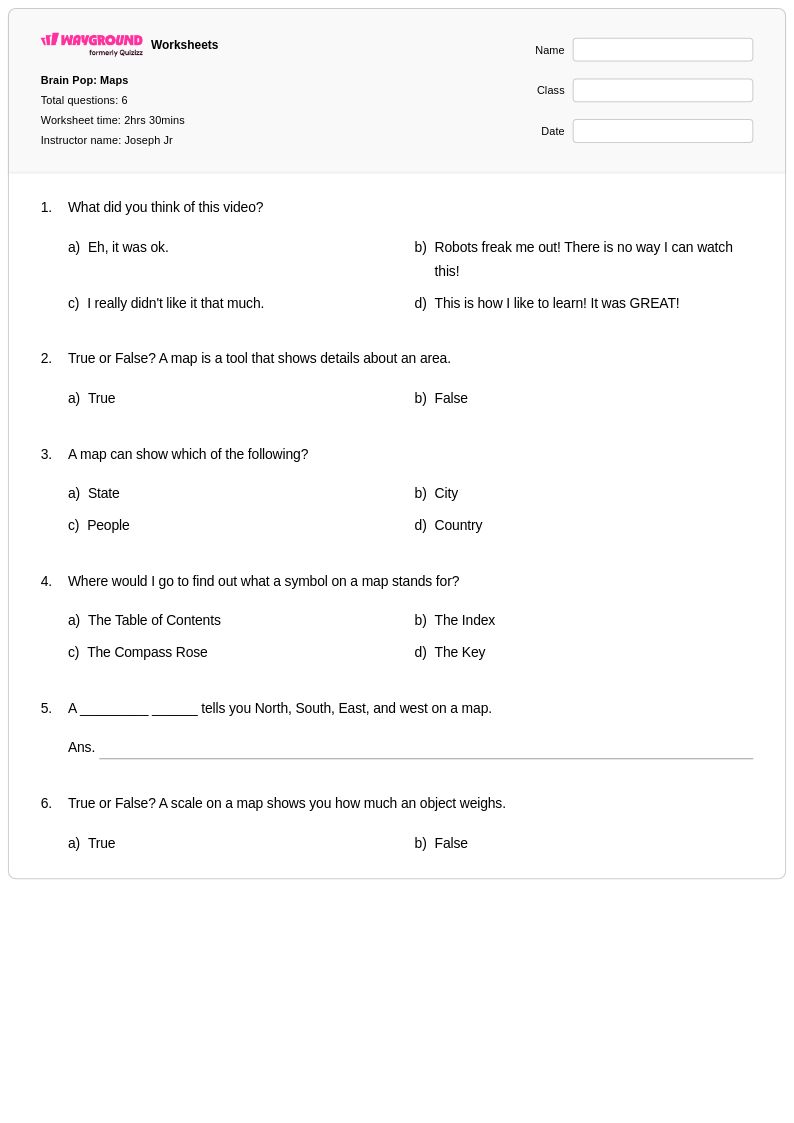
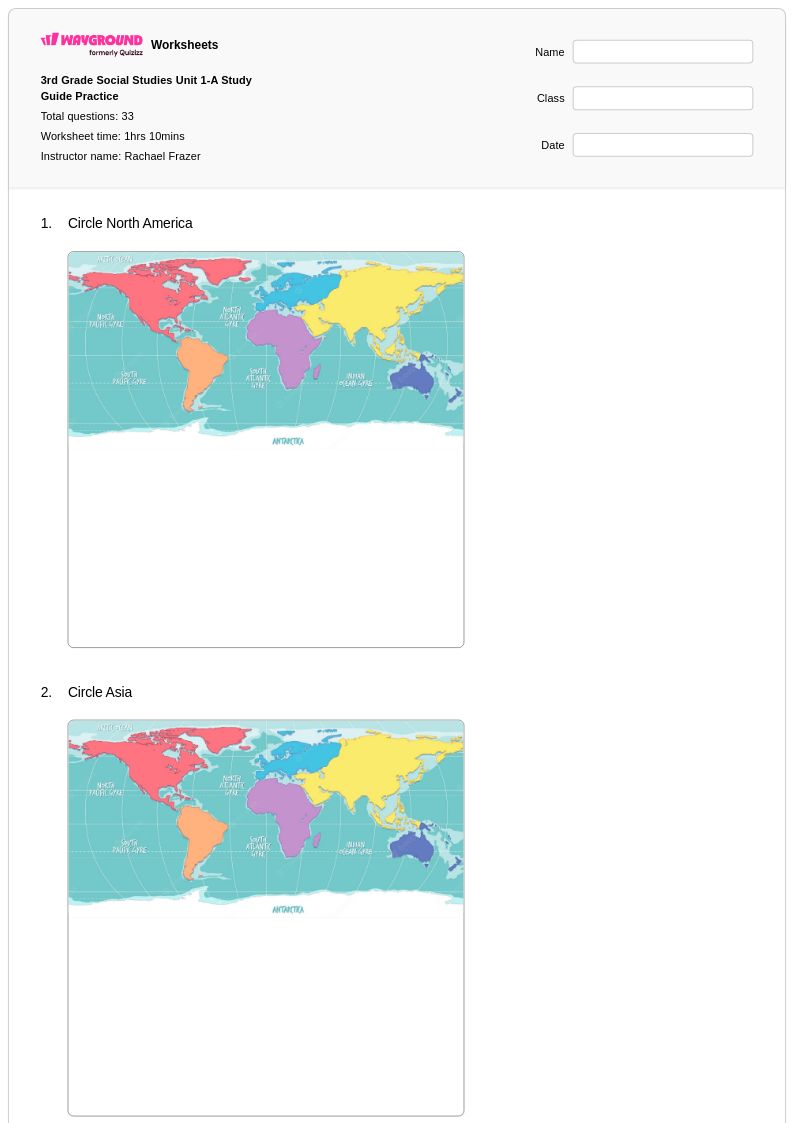
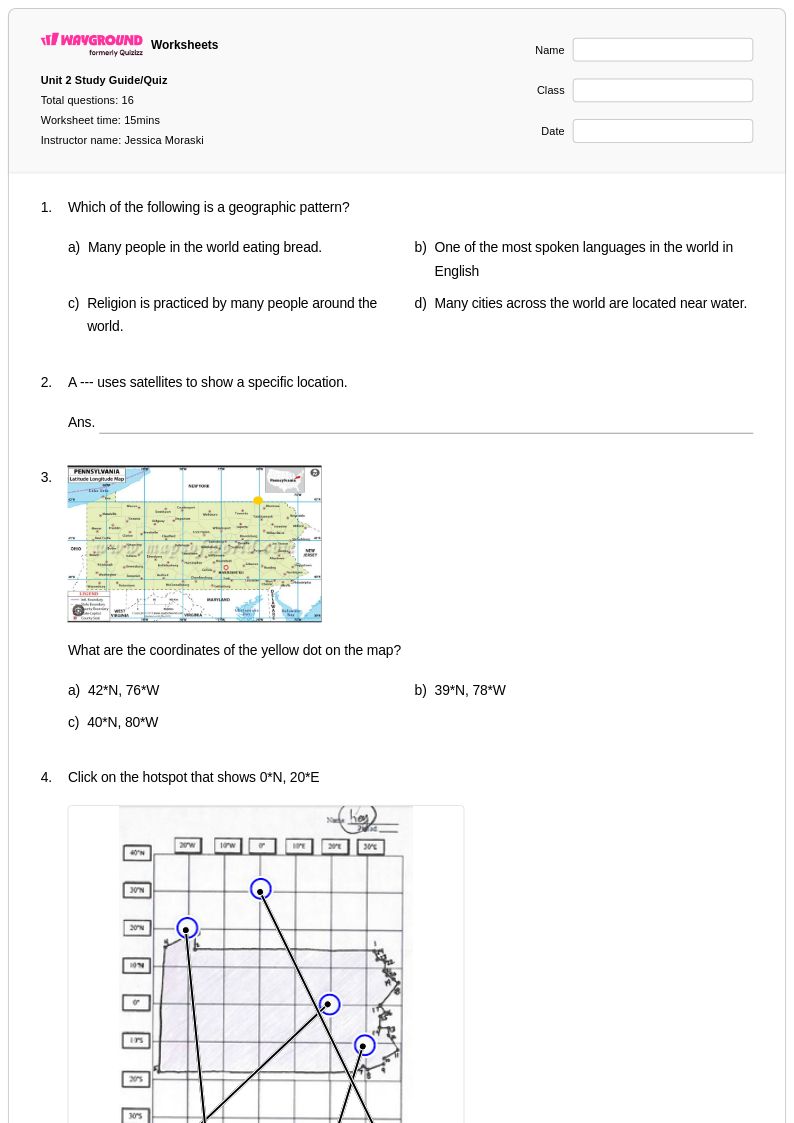
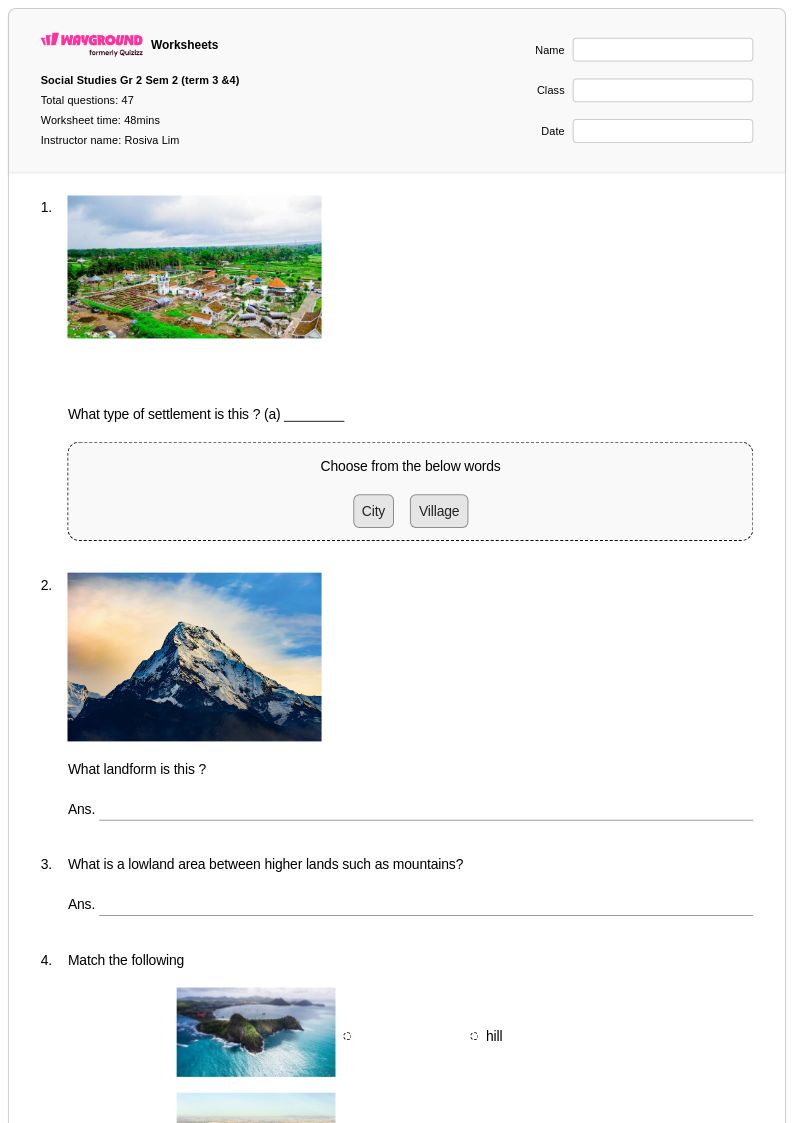
Year 2 compass rose worksheets help students master directional skills through engaging printables and practice problems, featuring free PDF resources with answer keys to strengthen geography fundamentals.
Explore printable Compass Rose worksheets for Year 2
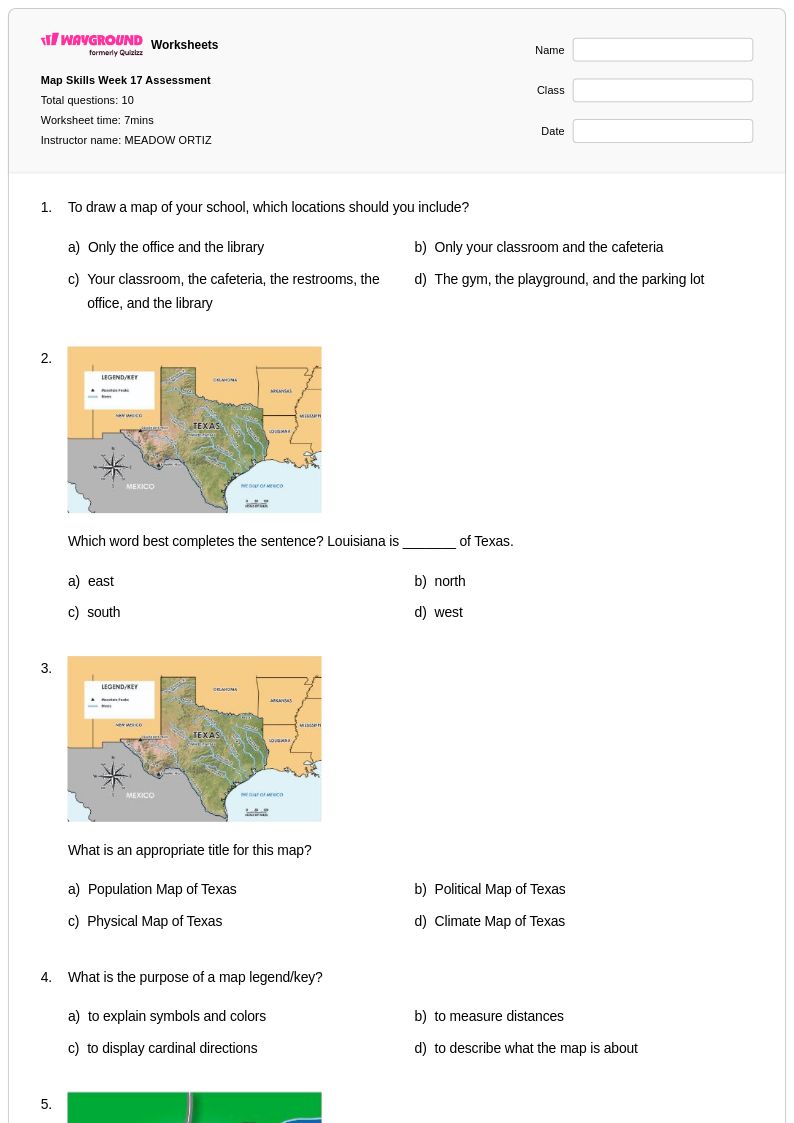
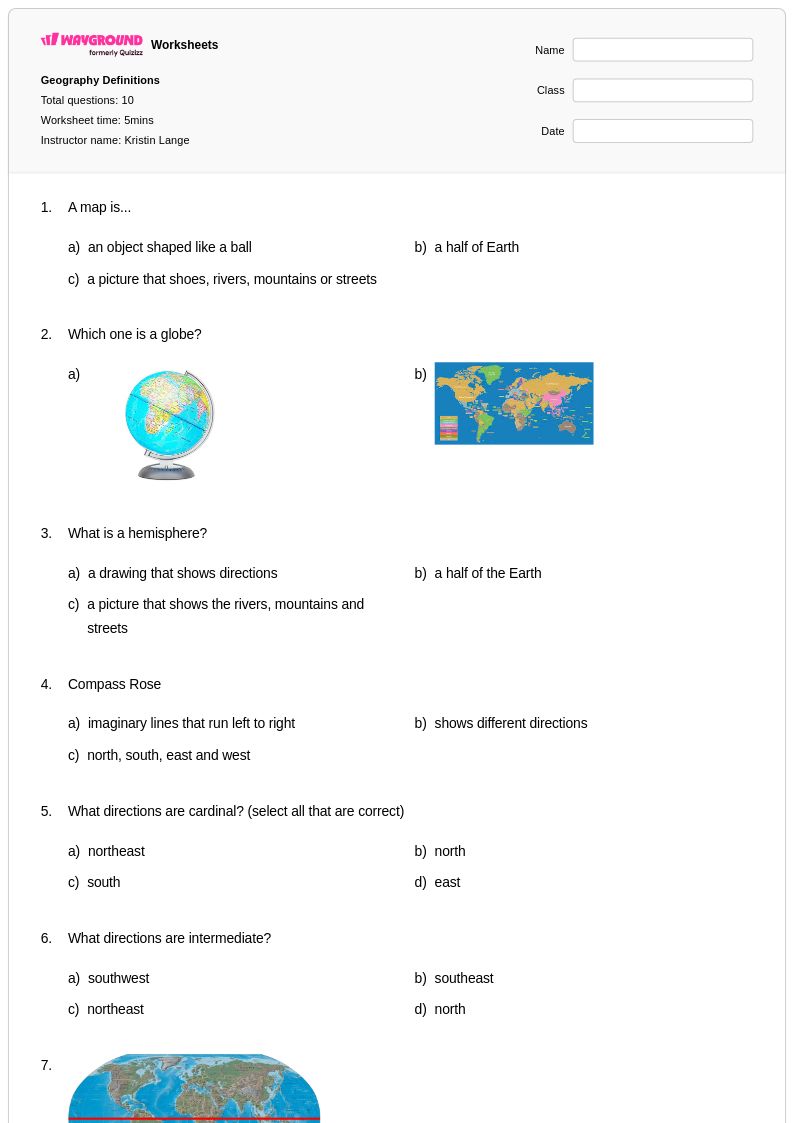
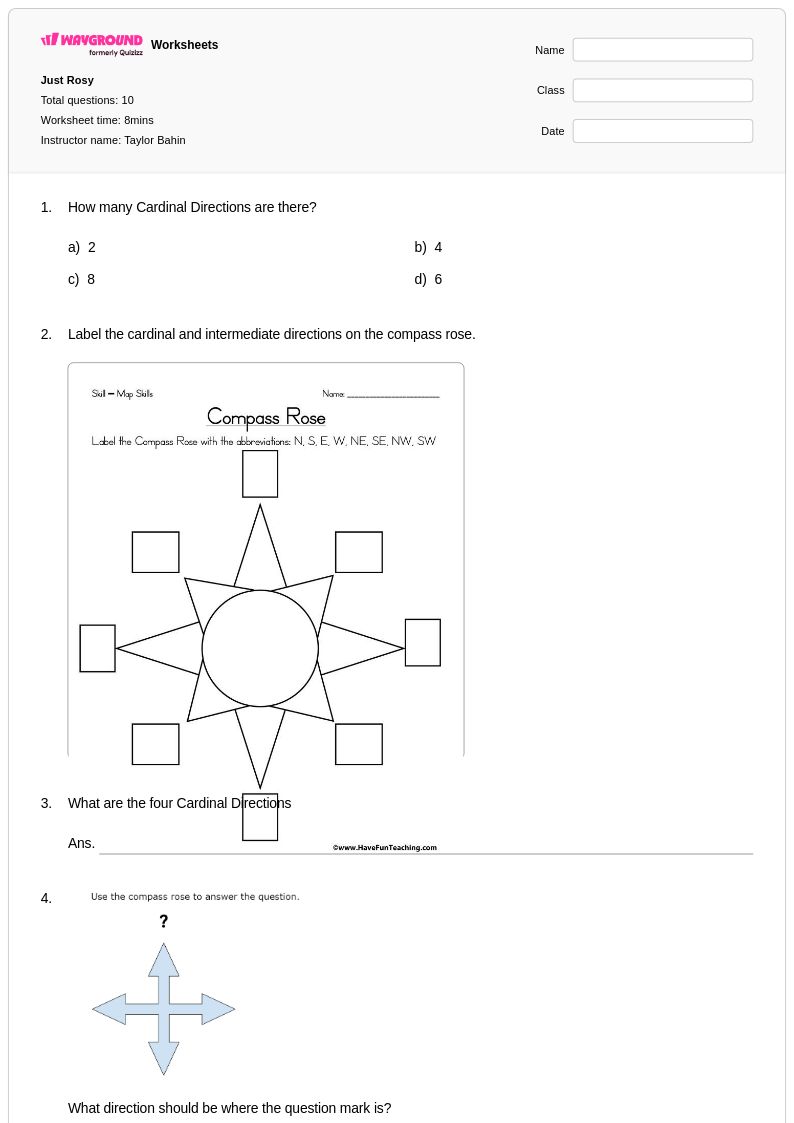
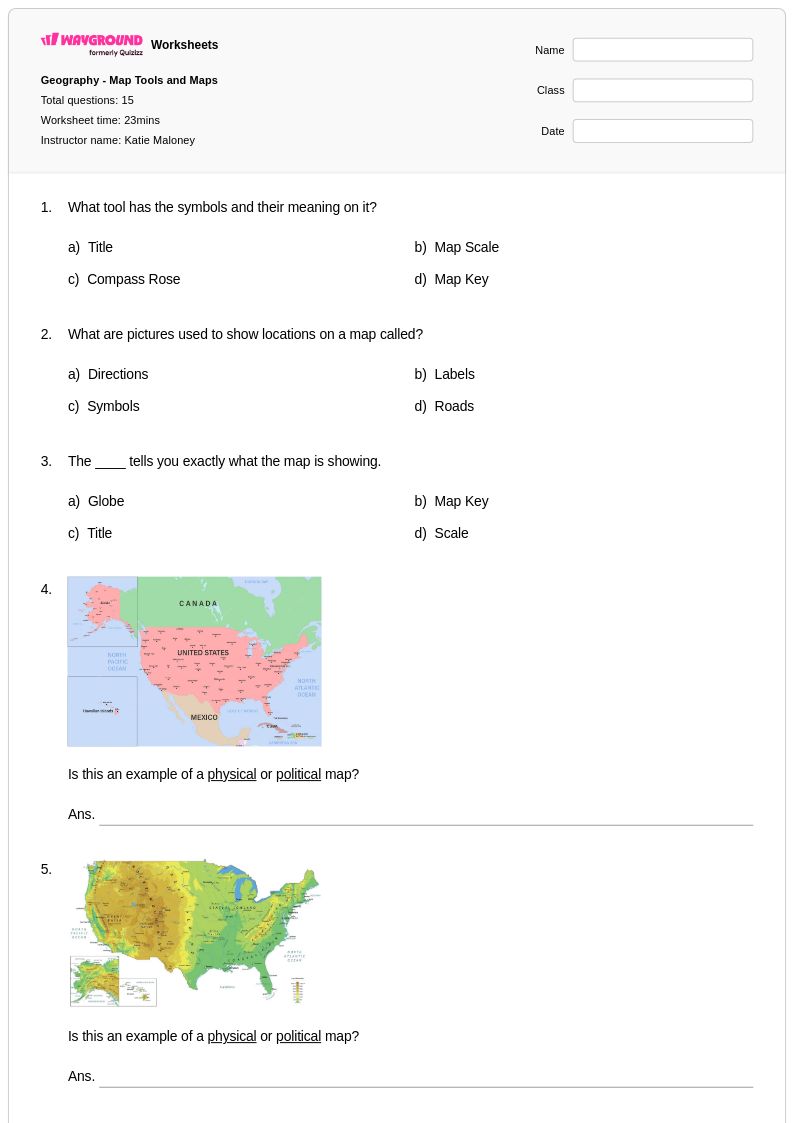
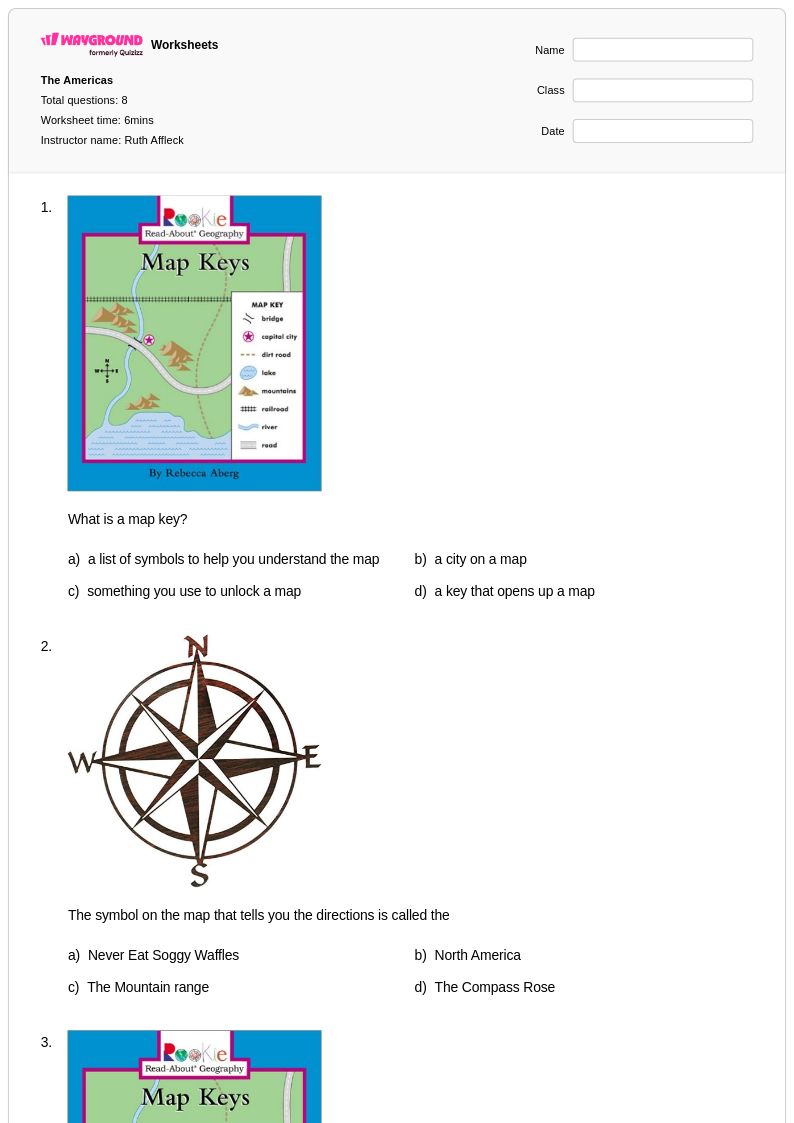
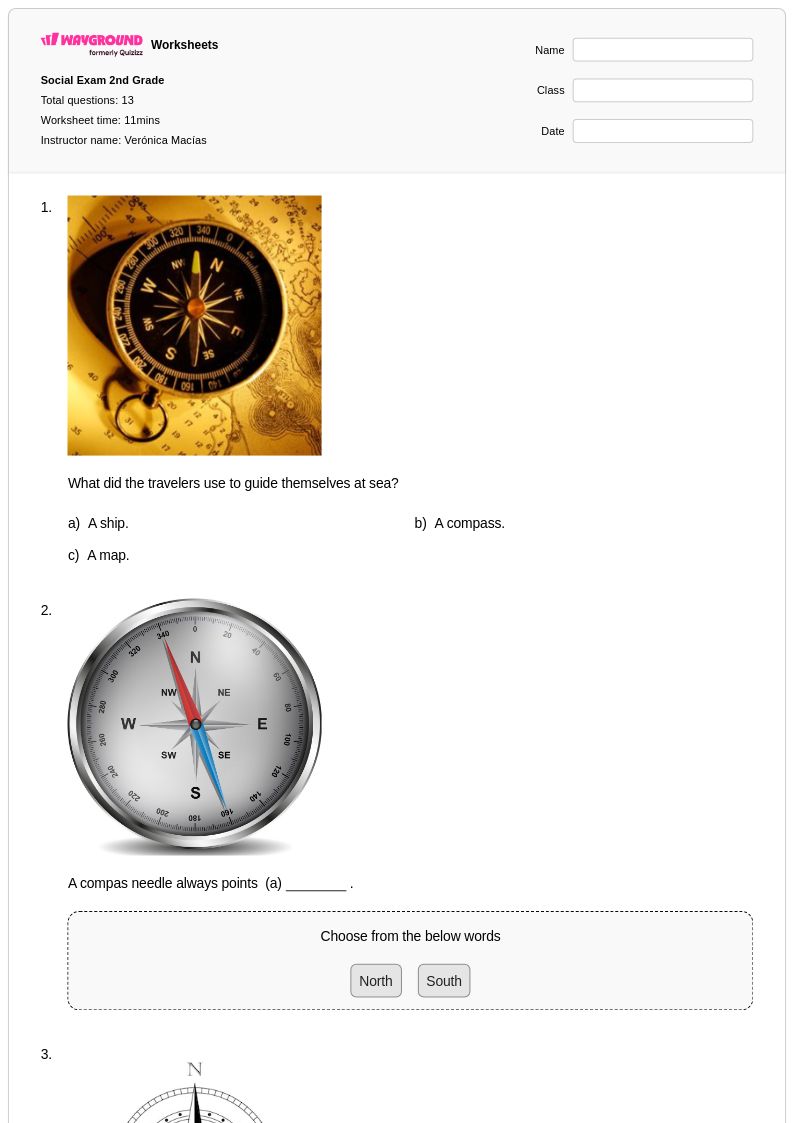
Compass rose worksheets for Year 2 students available through Wayground (formerly Quizizz) provide essential foundational practice in understanding directional concepts and basic map reading skills. These carefully designed educational resources help young learners master the four cardinal directions—north, south, east, and west—while building spatial awareness and geographic literacy that forms the cornerstone of future social studies learning. Each worksheet collection includes engaging activities such as identifying directions on simple maps, completing compass rose diagrams, and solving basic navigation problems that reinforce directional vocabulary through hands-on practice. Teachers can access comprehensive materials including student worksheets, detailed answer keys, and ready-to-use printables in convenient PDF format, all designed to support systematic skill development in geographic thinking and spatial reasoning.
Wayground (formerly Quizizz) empowers educators with an extensive collection of teacher-created compass rose resources that streamline lesson planning and enhance instructional effectiveness for Year 2 geography instruction. The platform's millions of educational materials feature robust search and filtering capabilities that allow teachers to quickly locate age-appropriate content aligned with curriculum standards and learning objectives. Advanced differentiation tools enable educators to customize worksheets for diverse learning needs, while flexible formatting options provide both printable and digital versions to accommodate various classroom environments and teaching preferences. These comprehensive features support teachers in delivering targeted skill practice, implementing effective remediation strategies, and providing enrichment opportunities that help students develop confident understanding of directional concepts and fundamental map reading abilities essential for geographic literacy.
FAQs
How do I teach compass rose and cardinal directions to elementary students?
Start by anchoring cardinal directions to something fixed in the classroom, such as pointing north toward the front board, so students build a reliable spatial reference point. From there, introduce the compass rose as a map tool that organizes those same directions visually, using diagrams students label themselves. Once cardinal directions are secure, layer in intermediate directions like northeast and southwest by showing how they fall between the four main points. Hands-on activities like turning to face a direction on command or navigating a simple classroom map help students internalize the concept before applying it to geography tasks.
What kinds of exercises help students practice using a compass rose?
Effective practice exercises include labeling blank compass rose diagrams, identifying which direction connects two locations on a map, and answering scenario-based questions like 'If you travel from the library to the school, which direction are you heading?' These activities build both recognition and application skills, which are distinct competencies. Worksheets that progress from simple labeling to multi-step directional reasoning give students structured practice that mirrors real map-reading demands.
What mistakes do students commonly make when learning compass rose directions?
The most common error is confusing east and west, particularly when rotating a map or changing perspective. Students often apply directions relative to their own body rather than to fixed geographic orientation, which causes errors when a map is not oriented with north at the top. Intermediate directions like southeast and northwest are also frequently reversed or mislabeled because students have not yet internalized the combination logic. Targeted labeling exercises and repeated direction-identification practice on varied maps help address these specific gaps.
How do I differentiate compass rose instruction for students at different skill levels?
For students still building foundational skills, focus practice on the four cardinal directions only before introducing intermediate directions. More advanced students can work with compass roses applied to grid maps, requiring multi-step directional reasoning. On Wayground, teachers can apply accommodations such as reduced answer choices to lower cognitive load for struggling learners, or enable Read Aloud so direction-based questions are accessible to students with reading challenges, without other students being affected.
How do I use Wayground's compass rose worksheets in my classroom?
Wayground's compass rose worksheets are available as printable PDFs for traditional classroom use and in digital formats for technology-integrated instruction, giving teachers flexibility across in-person, remote, and hybrid settings. Teachers can also host the worksheets as a live quiz directly on Wayground, making them suitable for whole-class instruction, independent practice, or formative assessment. Each worksheet includes a complete answer key, which reduces grading time and makes the materials practical for both guided and independent learning contexts.