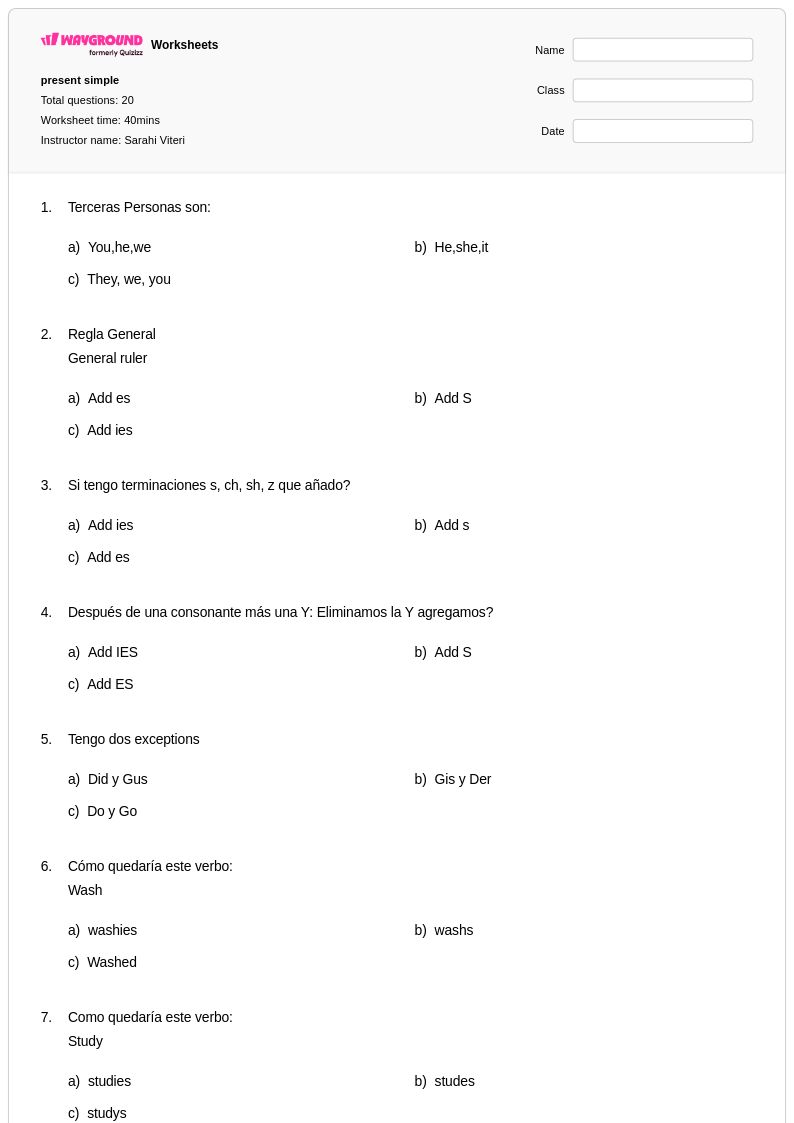
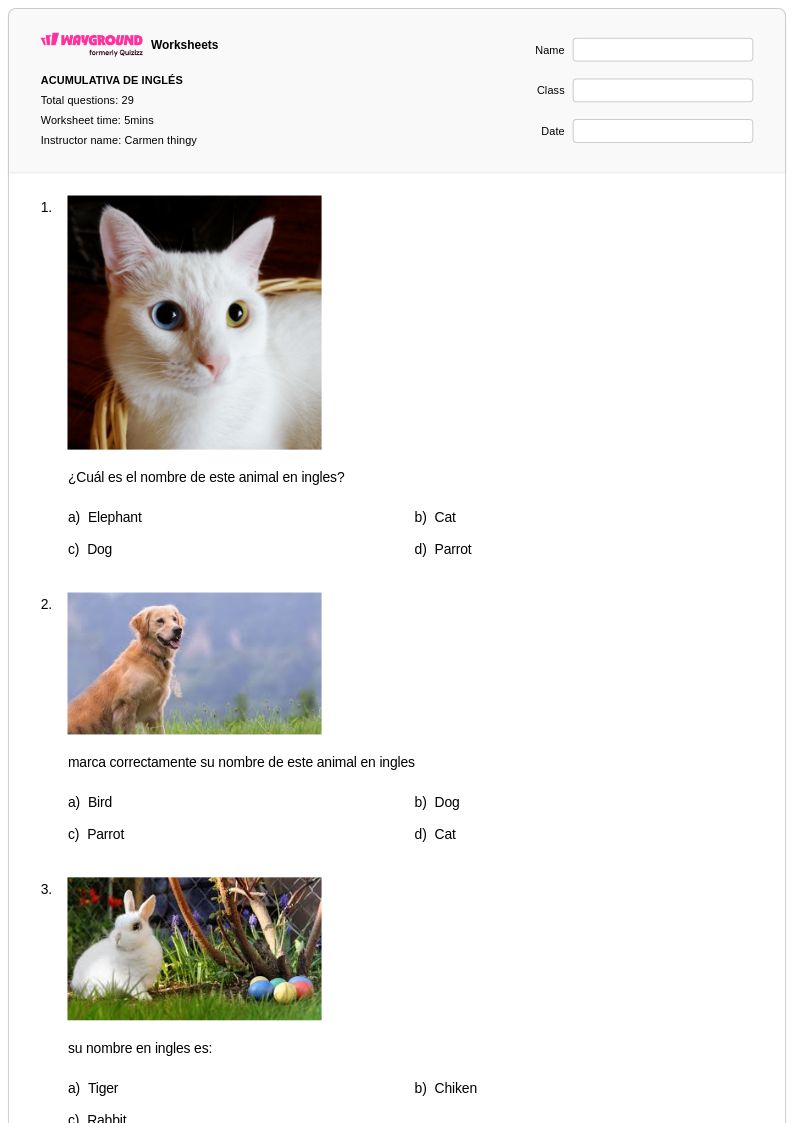
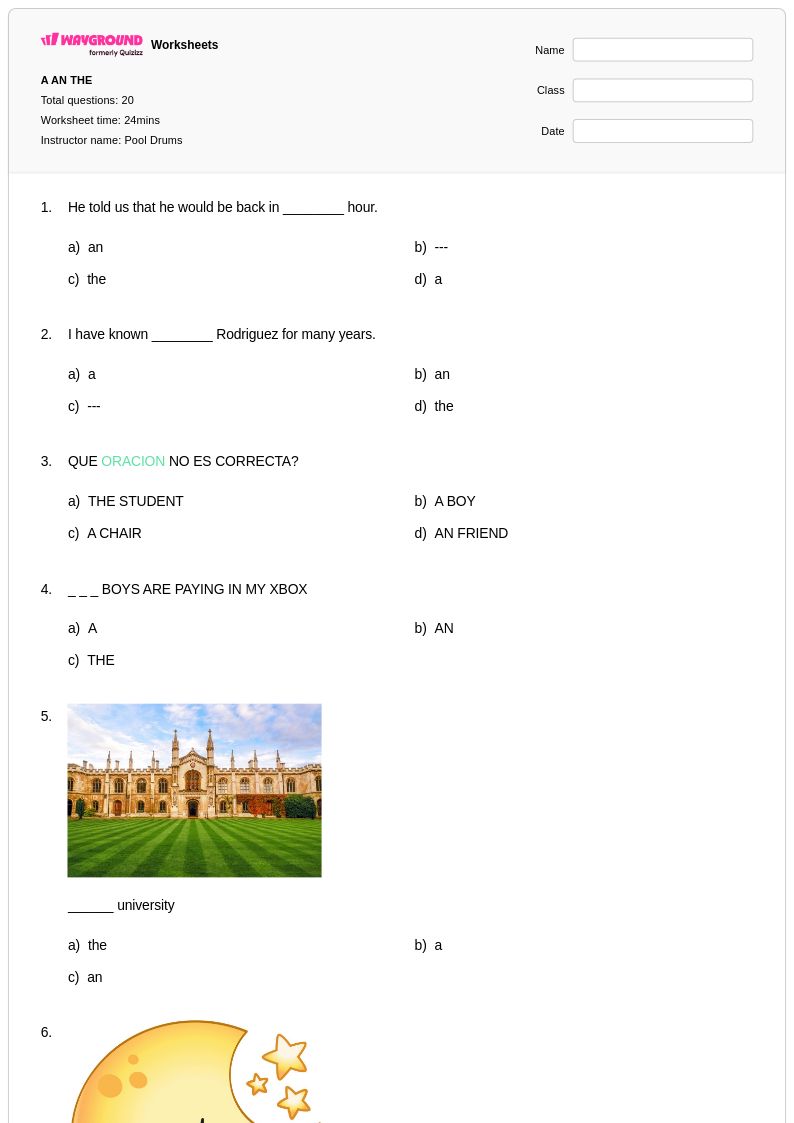
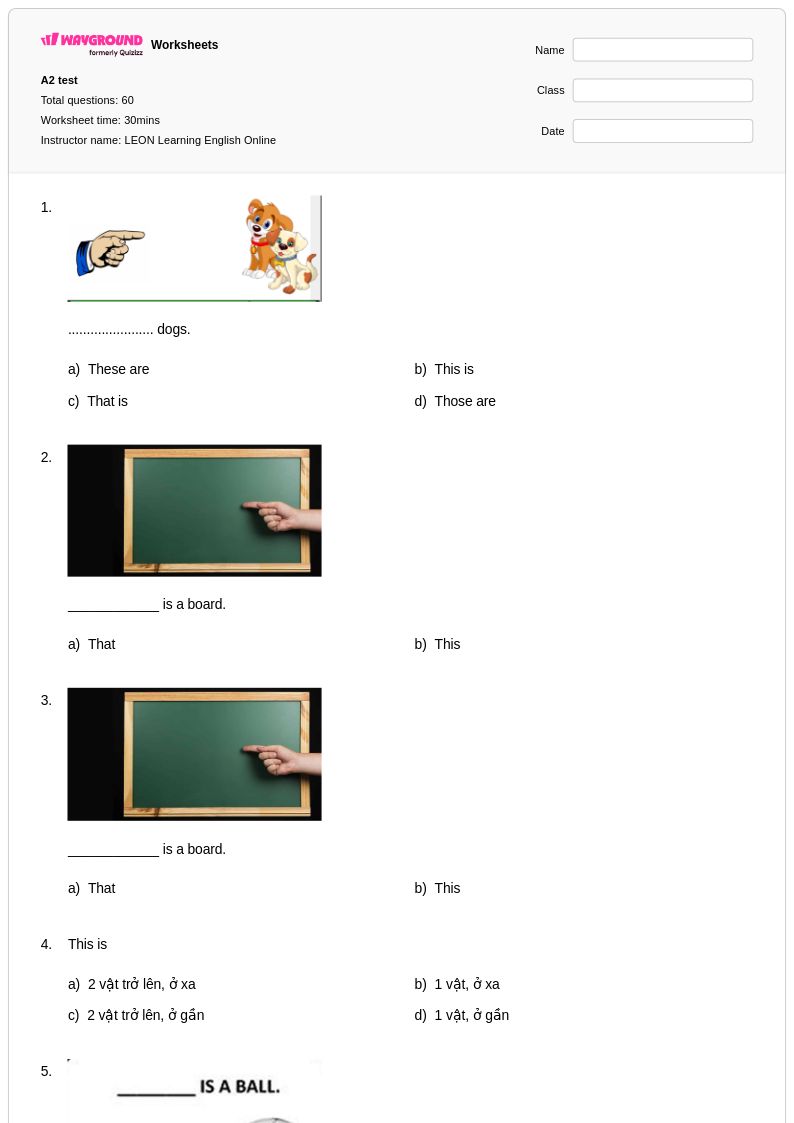
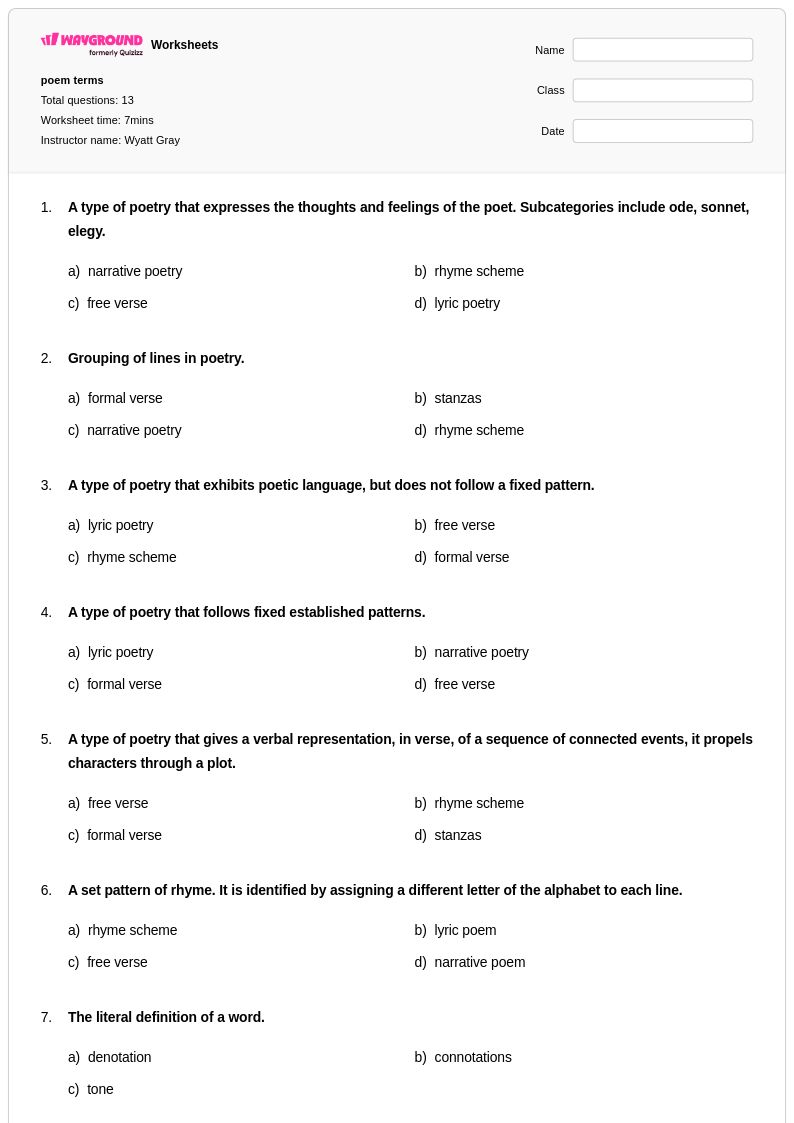
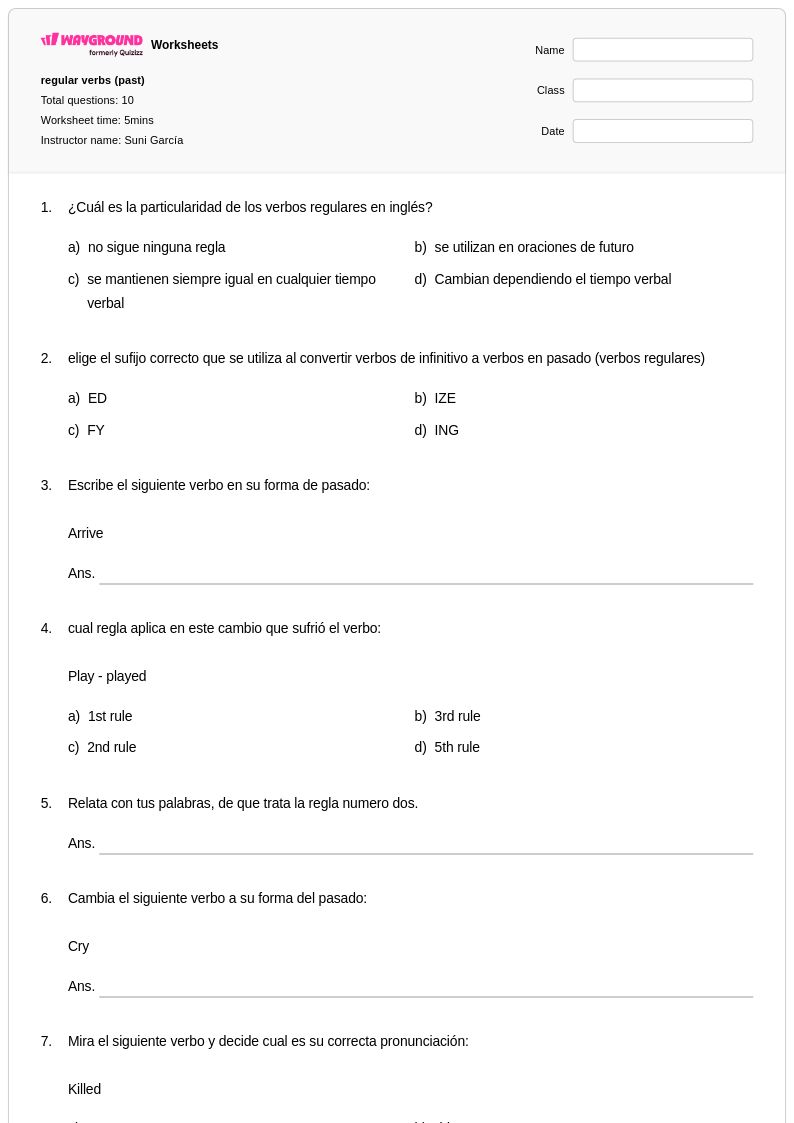
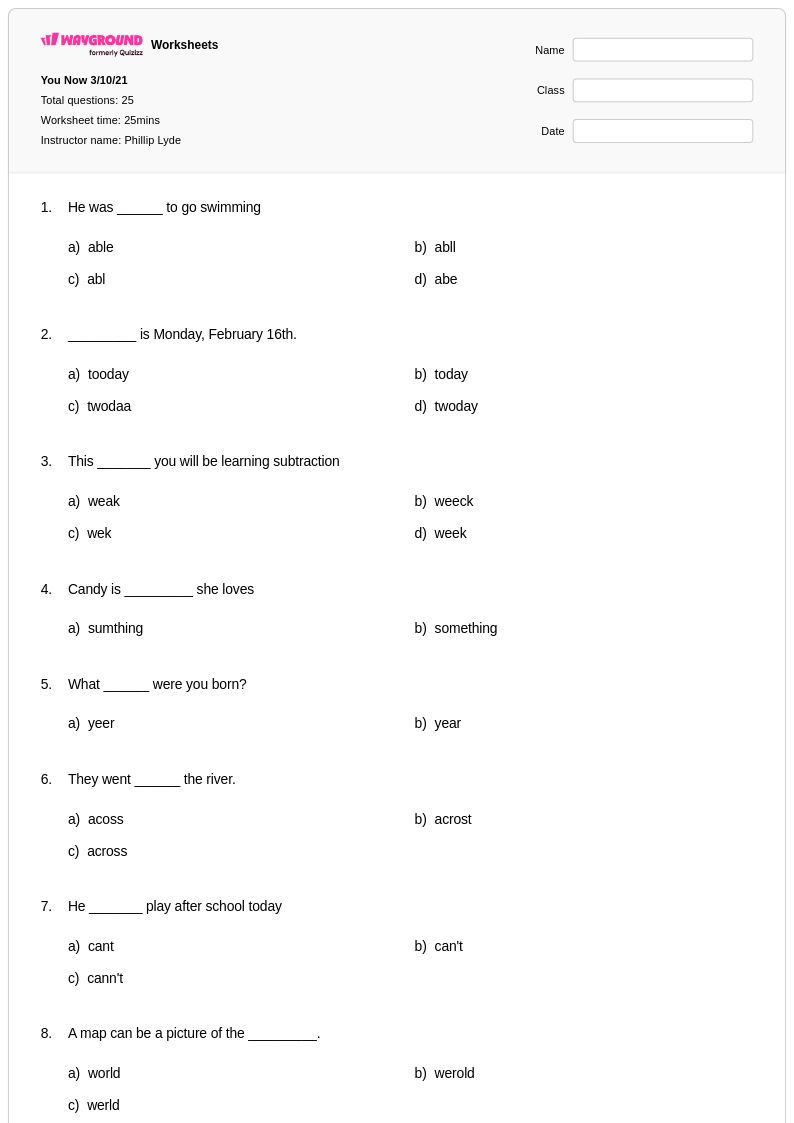
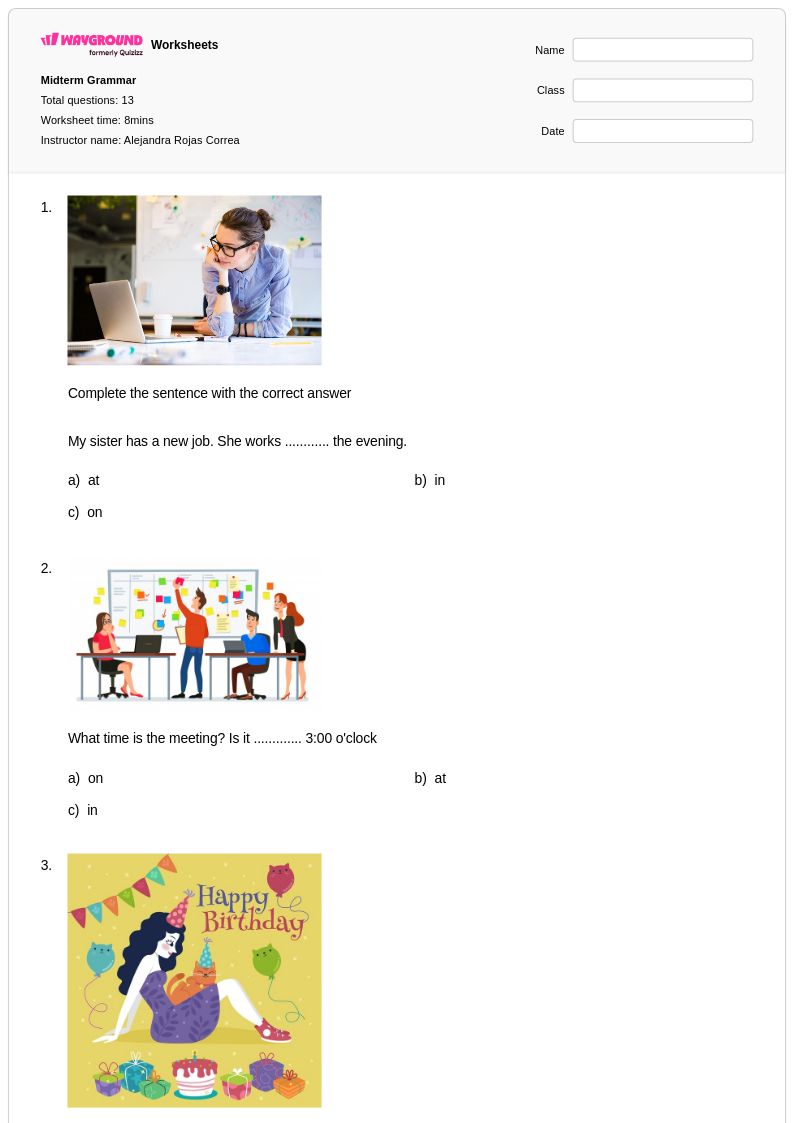
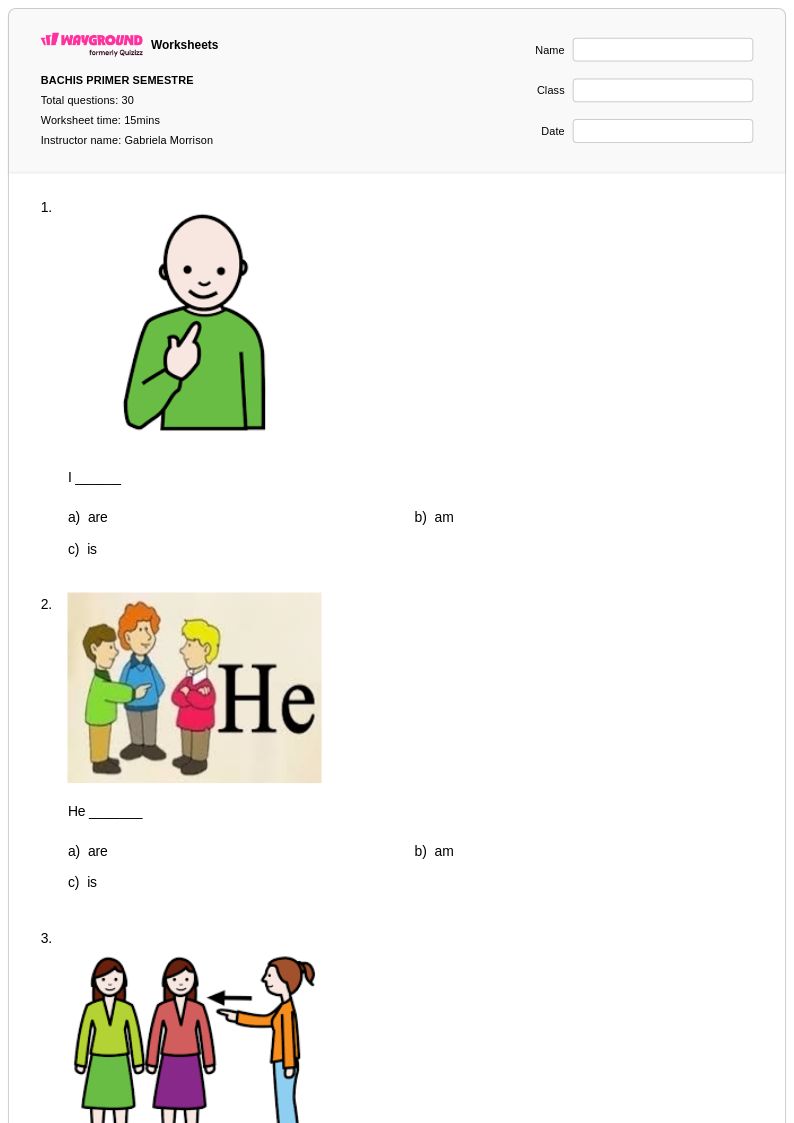
Year 1 consonance worksheets from Wayground help young learners identify and practice repetitive consonant sounds through engaging printables, free practice problems, and comprehensive answer keys in PDF format.
Explore printable Consonance worksheets for Year 1
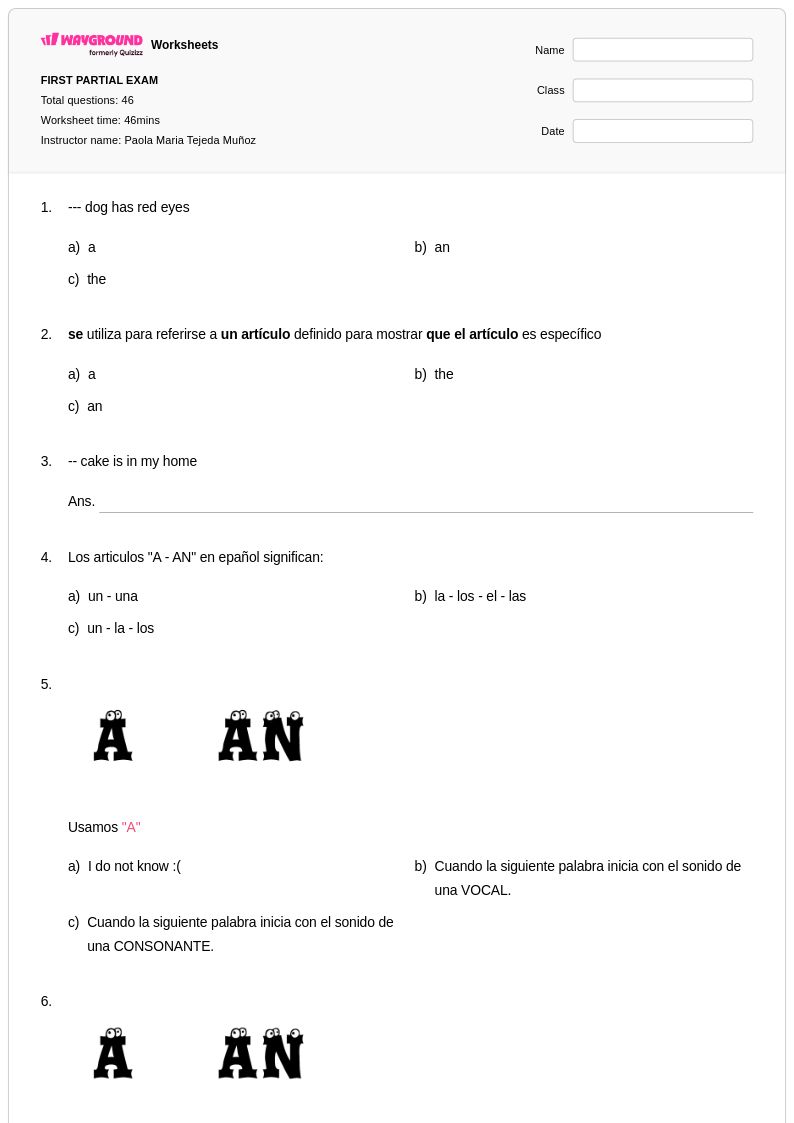
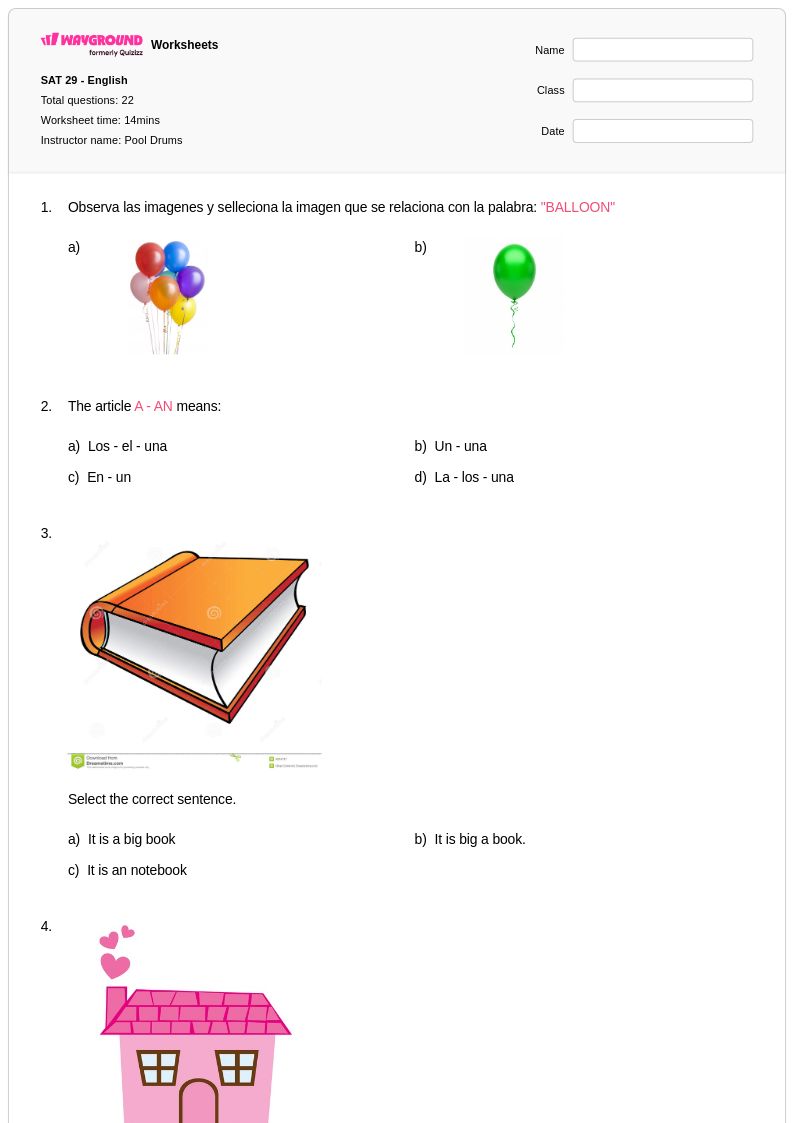
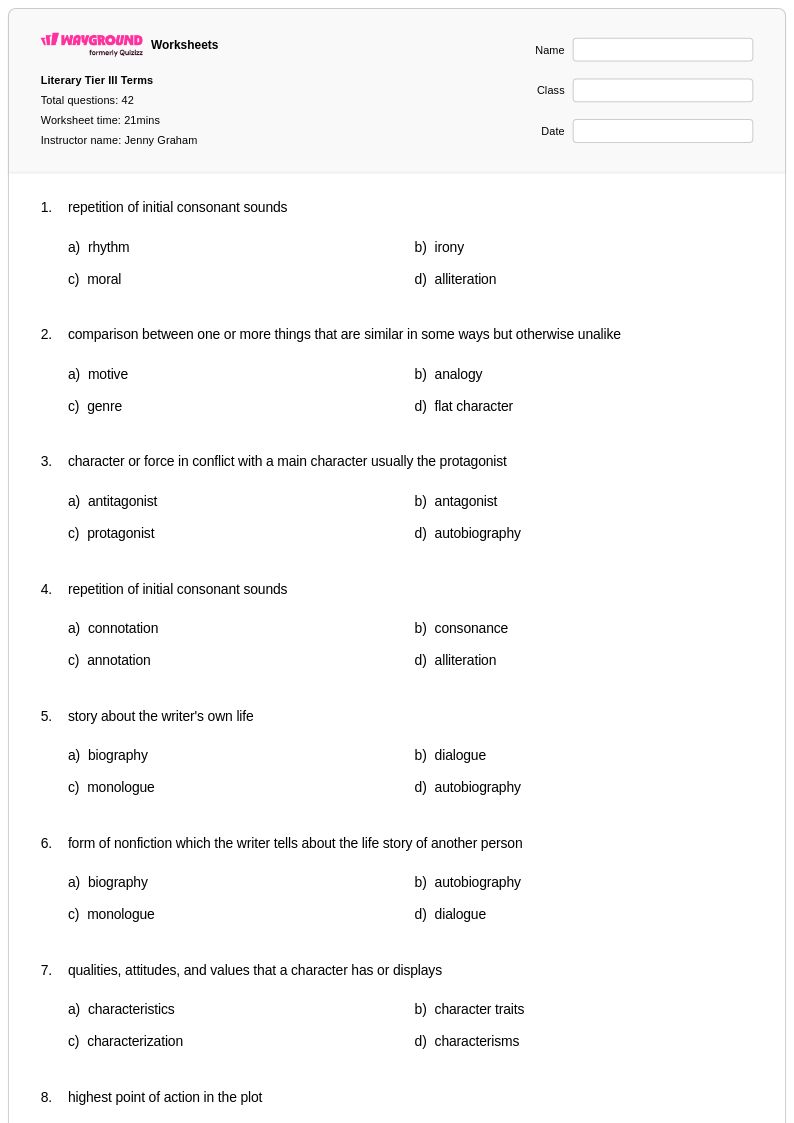
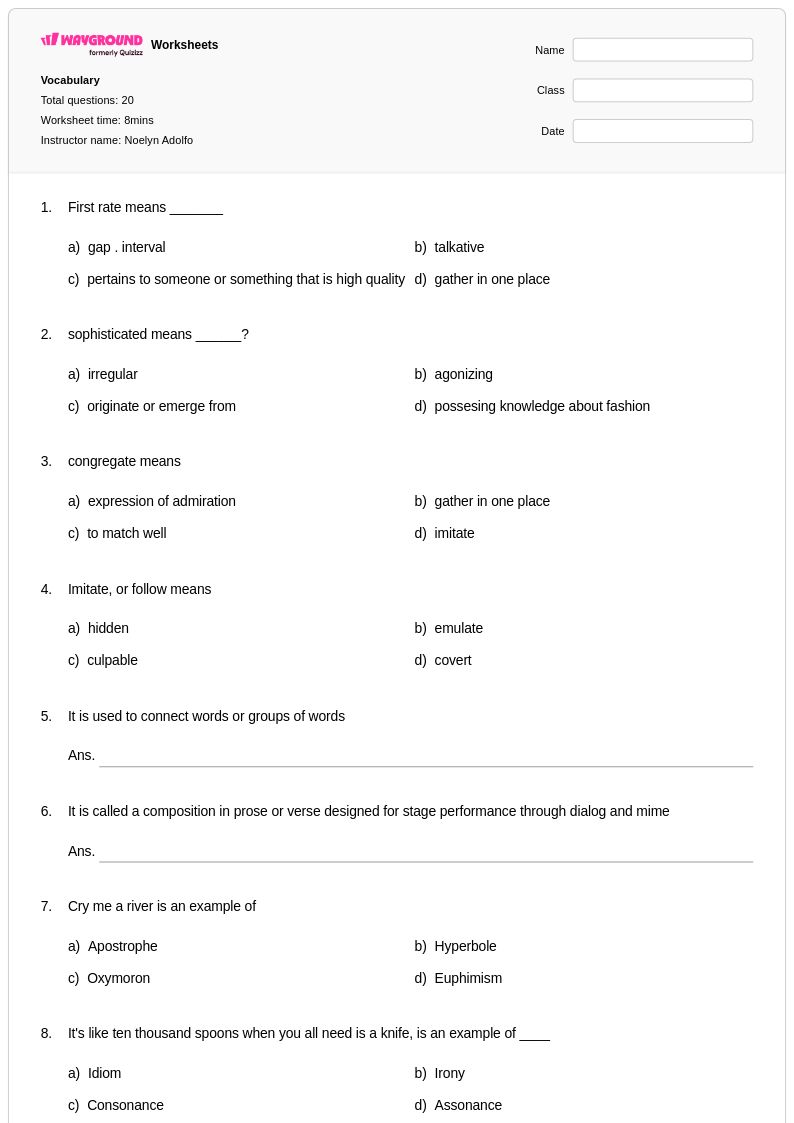
Year 1 consonance worksheets available through Wayground (formerly Quizizz) provide young learners with essential practice in recognizing and understanding this foundational element of figurative language. These carefully designed printables help first-grade students develop their phonemic awareness by identifying the repetition of consonant sounds within words and phrases, a critical skill that enhances both reading fluency and comprehension. Each worksheet features age-appropriate exercises that guide students through consonance patterns in simple words and sentences, strengthening their ability to hear and distinguish similar sounds. Teachers can access comprehensive answer keys and free pdf downloads that make it easy to implement consistent practice problems across different learning environments, whether for whole-class instruction or individual skill reinforcement.
Wayground (formerly Quizizz) empowers educators with millions of teacher-created consonance resources specifically tailored for Year 1 English instruction, offering robust search and filtering capabilities that align with early literacy standards. The platform's differentiation tools allow teachers to customize worksheets based on individual student needs, providing both remediation support for struggling learners and enrichment opportunities for advanced students ready to explore more complex sound patterns. These flexible consonance materials are available in both printable and digital formats, including convenient pdf options that streamline lesson planning and classroom management. Teachers can seamlessly integrate these resources into their figurative language curriculum to support systematic skill practice, track student progress, and ensure that every first-grader builds the phonological foundation necessary for successful reading development.
FAQs
How do I teach consonance to students?
Start by distinguishing consonance from alliteration and assonance: consonance is the repetition of consonant sounds within or at the ends of words, not just at the beginning. Use familiar examples from poetry and song lyrics to anchor the concept before moving to literary analysis. Asking students to read passages aloud helps them hear the rhythmic and melodic effects consonance creates, which makes the concept more intuitive than learning it visually on the page.
What exercises help students practice identifying consonance?
Effective practice moves from recognition to analysis. Begin with exercises where students circle or highlight repeated consonant sounds in short passages, then progress to tasks that ask them to explain the effect of those sounds on mood or tone. Comparing consonance to alliteration and assonance within the same exercise set also reinforces students' ability to distinguish between closely related sound devices.
What mistakes do students commonly make when learning consonance?
The most common error is confusing consonance with alliteration. Students often think consonance only applies to sounds at the beginning of words, when it actually applies to consonant repetition anywhere within or at the ends of words. Another frequent mistake is identifying any repeated letter rather than focusing on the repeated sound, which matters especially for words where spelling and pronunciation diverge.
How do I help students understand why authors use consonance?
Frame consonance as a deliberate craft choice rather than accidental repetition. When authors repeat consonant sounds, they create a rhythmic texture that can slow a reader down, build tension, or reinforce the emotional tone of a passage. Asking students to remove the consonant repetition from a sentence and compare how it feels is a practical way to make the effect concrete and analyzable.
How can I use Wayground's consonance worksheets in my classroom?
Wayground's consonance worksheets are available as printable PDFs for traditional classroom distribution and in digital formats for technology-integrated or blended learning environments. Teachers can also host worksheets as a quiz directly on Wayground, making them suitable for both independent practice and formative assessment. Each worksheet includes a complete answer key, so they work equally well for guided instruction, independent study, or homework assignments.
How do I differentiate consonance instruction for students at different skill levels?
For students who are still building foundational skills, start with basic identification tasks using short, simple passages where the consonant repetition is obvious. More advanced students can work with complex literary texts and be asked to analyze how consonance interacts with other sound devices to shape meaning. On Wayground, teachers can apply accommodations such as read-aloud support or reduced answer choices for individual students, allowing the same worksheet set to serve a range of learners without singling anyone out.