
12 Q
5th - Uni
13 Q
9th - 12th
22 Q
6th - Uni
15 Q
6th - Uni
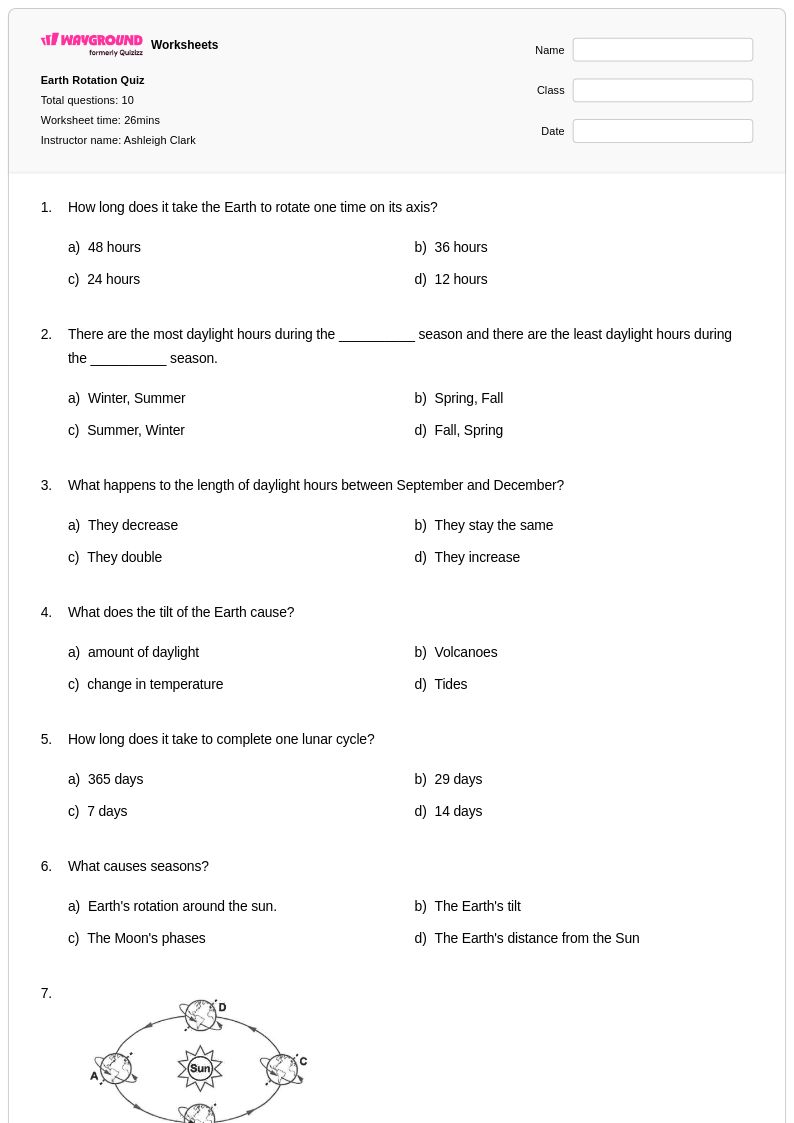
10 Q
4th - Uni
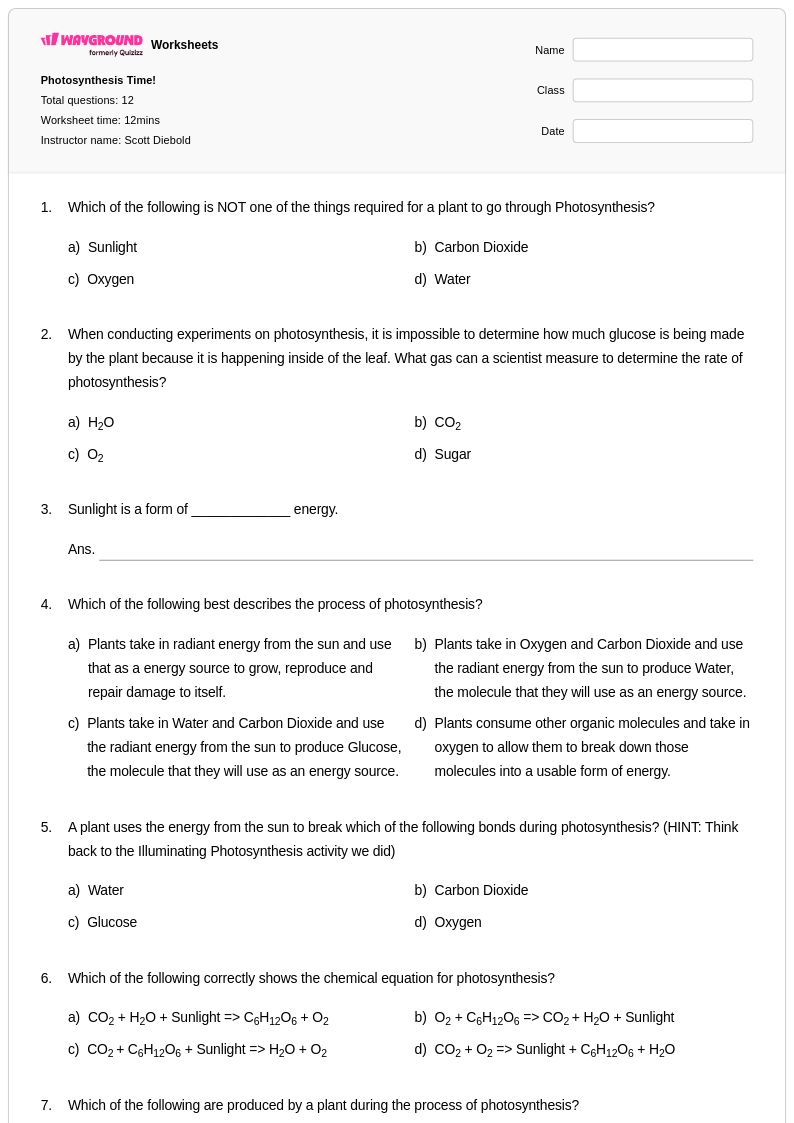
12 Q
9th - 12th
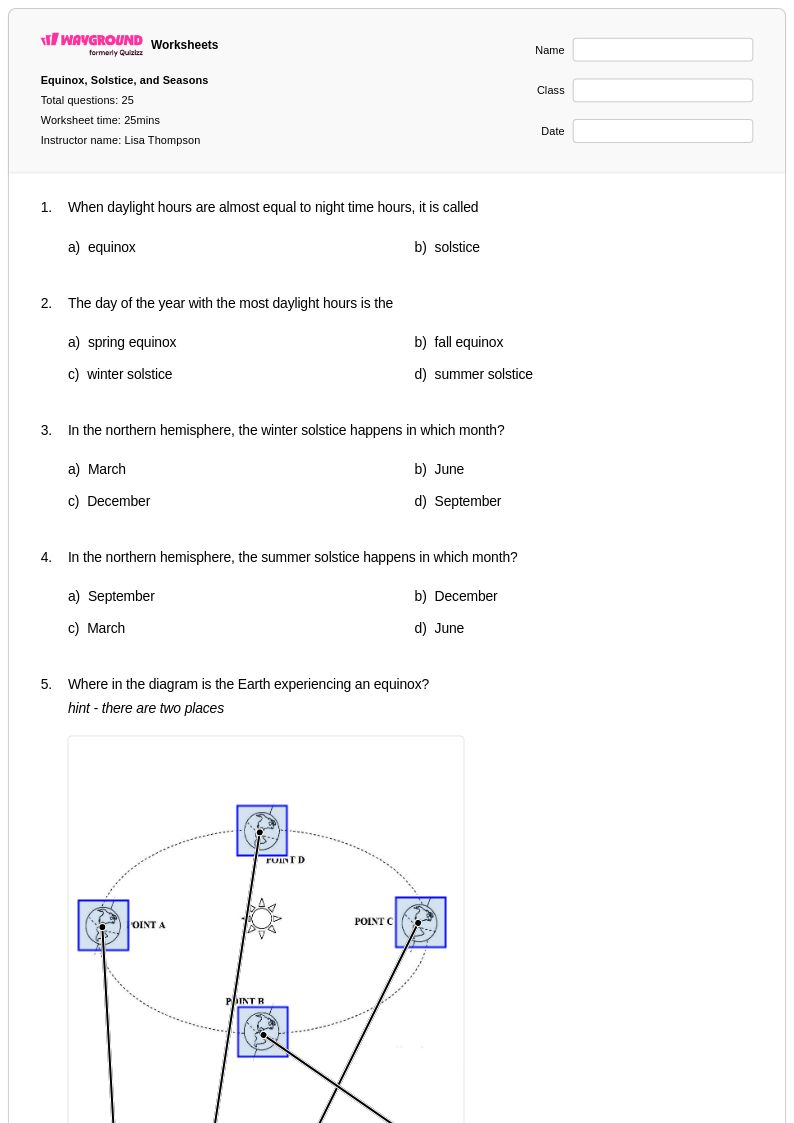
25 Q
6th - Uni
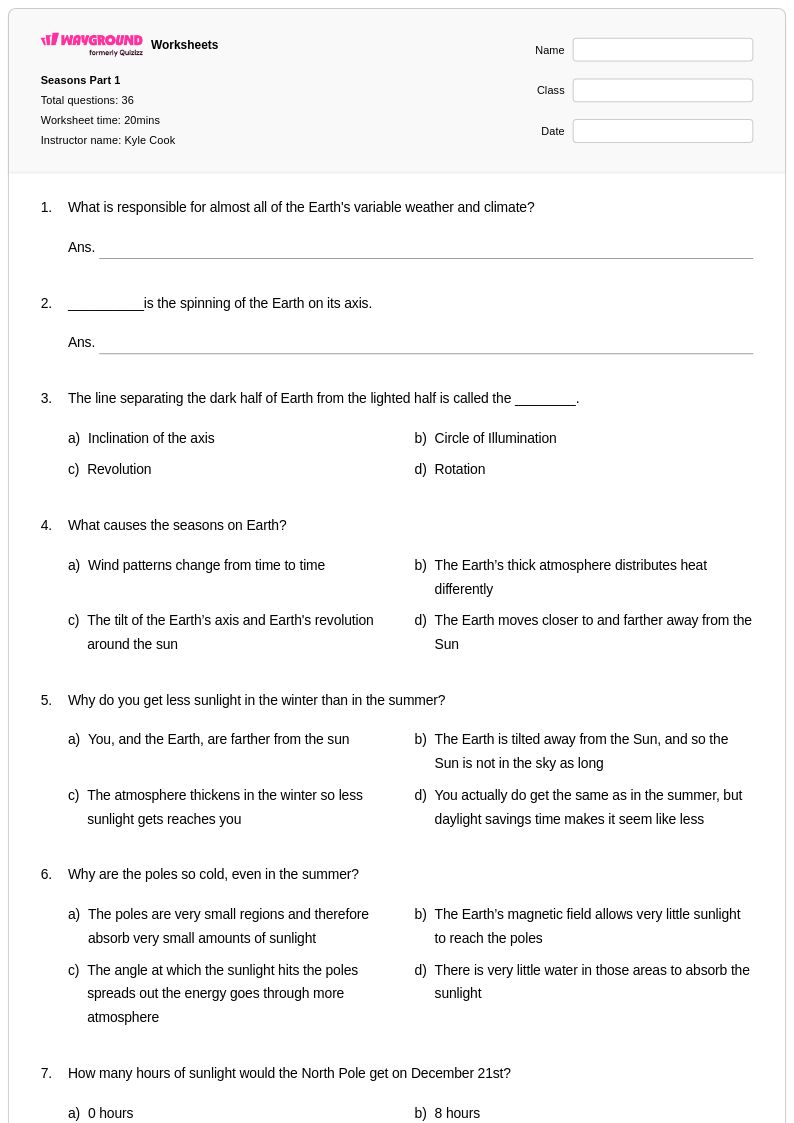
36 Q
8th - 12th
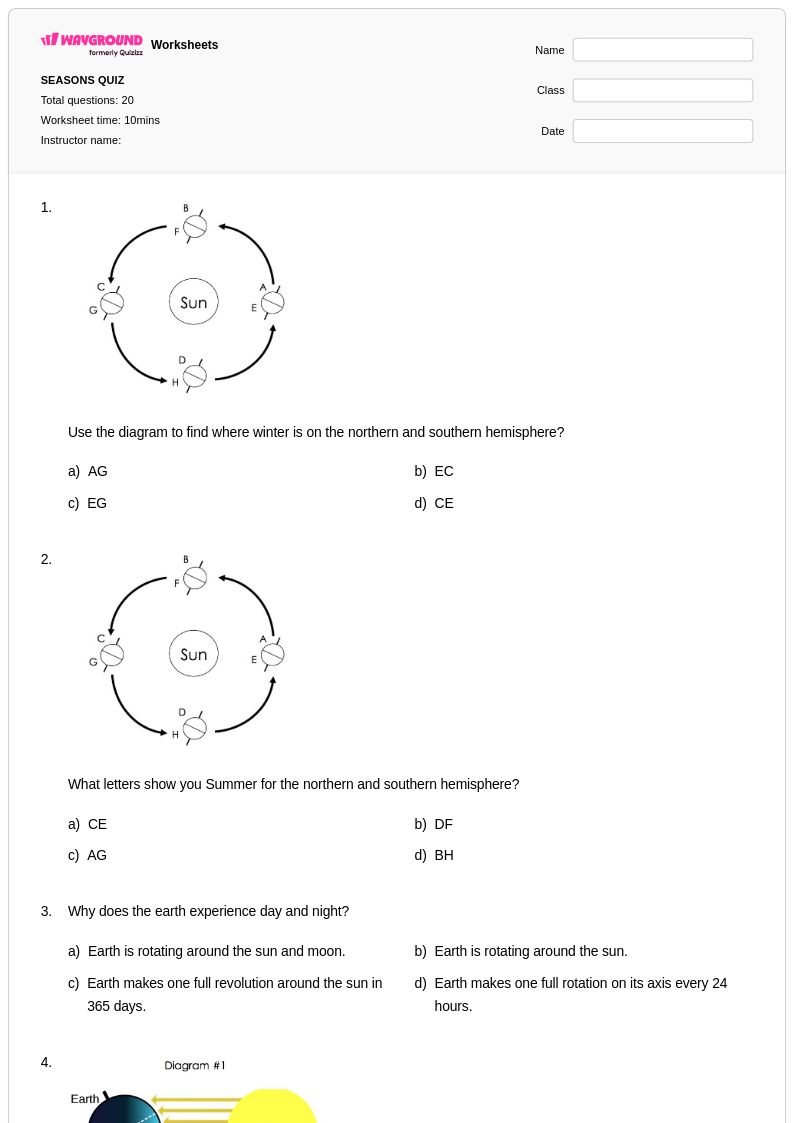
20 Q
6th - Uni
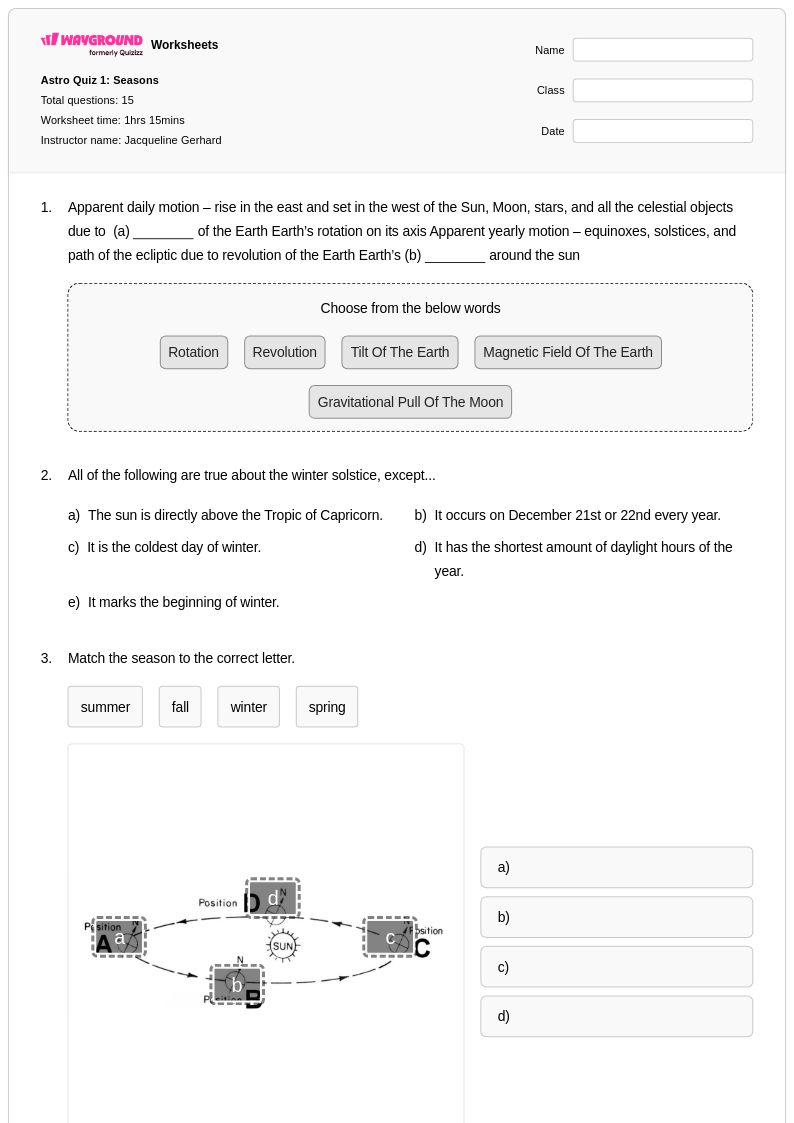
15 Q
12th
14 Q
12th - Uni
25 Q
6th - Uni
20 Q
12th
27 Q
10th - Uni
20 Q
9th - Uni
10 Q
12th
152 Q
12th
37 Q
12th
13 Q
12th
21 Q
9th - 12th
25 Q
9th - 12th
25 Q
12th
15 Q
8th - Uni
12 Q
9th - 12th
Explore Other Subject Worksheets for year 12
Explore printable Daylight Saving Time worksheets for Year 12
Daylight Saving Time worksheets for Year 12 students available through Wayground provide an advanced exploration of this complex temporal phenomenon and its far-reaching scientific implications. These comprehensive educational resources challenge high school seniors to analyze the astronomical, geographical, and societal factors that influence time zone policies worldwide. Students engage with sophisticated practice problems that examine the Earth's axial tilt, seasonal variations in daylight hours, and the mathematical calculations underlying time shifts across different latitudes. The worksheets incorporate real-world data analysis, requiring students to evaluate energy consumption patterns, circadian rhythm disruptions, and economic impacts of biannual time changes. Each printable resource includes detailed answer keys that guide students through complex reasoning processes, while free pdf formats ensure accessibility for both classroom instruction and independent study sessions.
Wayground's extensive collection of teacher-created Daylight Saving Time resources supports educators in delivering nuanced Earth and Space Science instruction that meets rigorous Year 12 academic standards. The platform's millions of educational materials include customizable worksheets that can be differentiated to accommodate varying student readiness levels, from foundational time zone concepts to advanced analysis of global timekeeping systems. Teachers benefit from robust search and filtering capabilities that help identify resources aligned with specific learning objectives, whether focusing on astronomical causes, historical development, or contemporary policy debates surrounding Daylight Saving Time. The flexible digital and printable formats enable seamless integration into lesson planning, targeted remediation for students struggling with complex temporal concepts, and enrichment opportunities for advanced learners ready to explore the intersection of Earth science, human geography, and public policy through comprehensive skill practice activities.
FAQs
How do I teach Daylight Saving Time to students?
What exercises help students practice understanding Daylight Saving Time?
What misconceptions do students commonly have about Daylight Saving Time?
How can I use Daylight Saving Time worksheets in my classroom?
How does Daylight Saving Time connect to Earth and Space Science standards?
How do I differentiate Daylight Saving Time instruction for students at different readiness levels?