
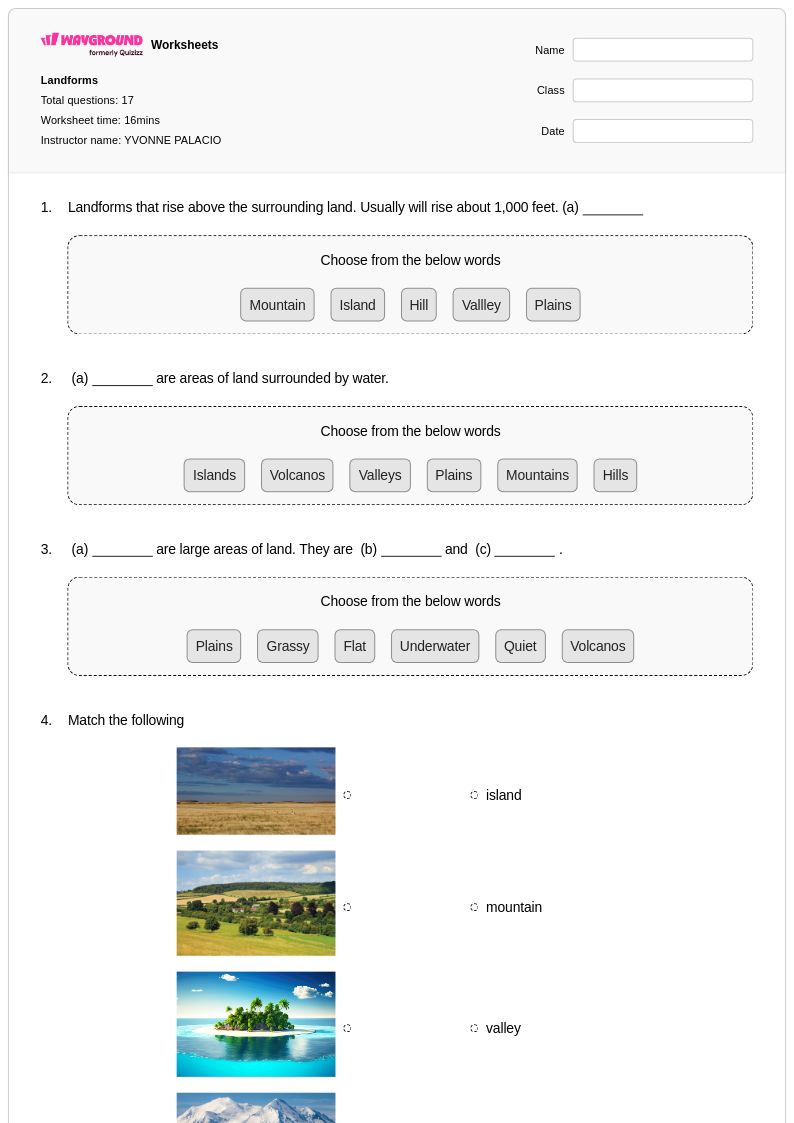
17 Q
2nd
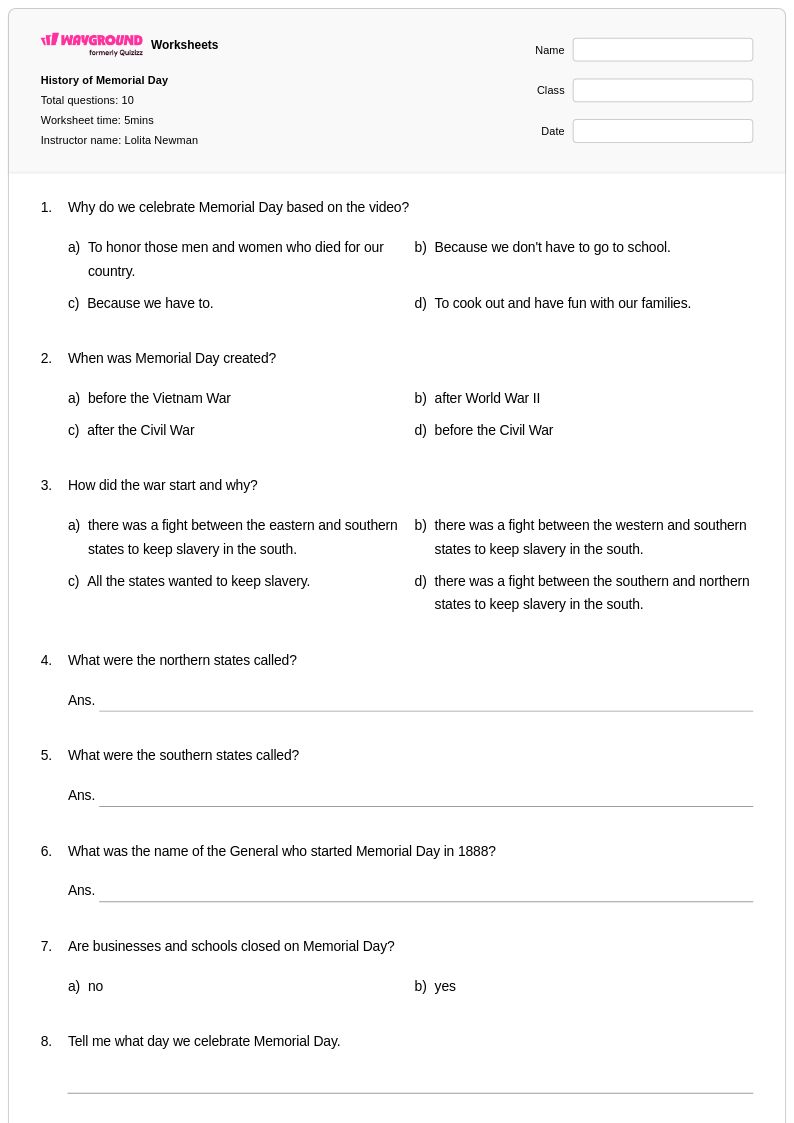
10 Q
2nd
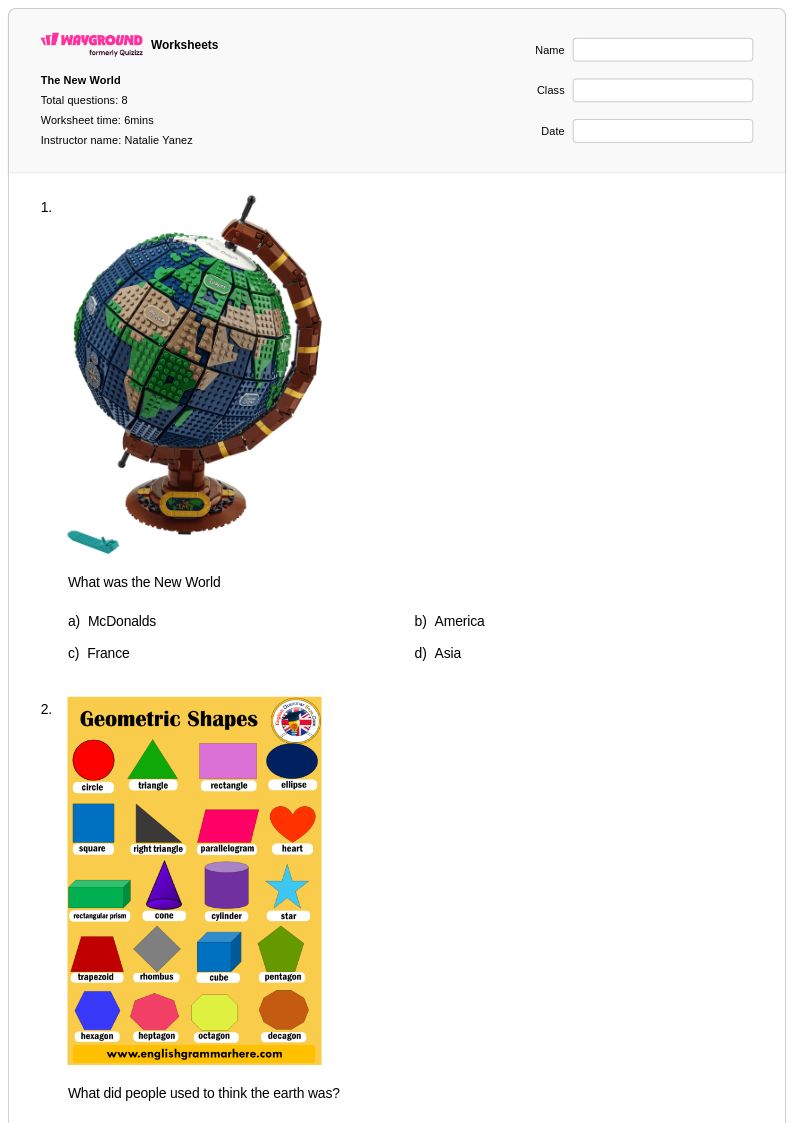
8 Q
2nd

21 Q
2nd
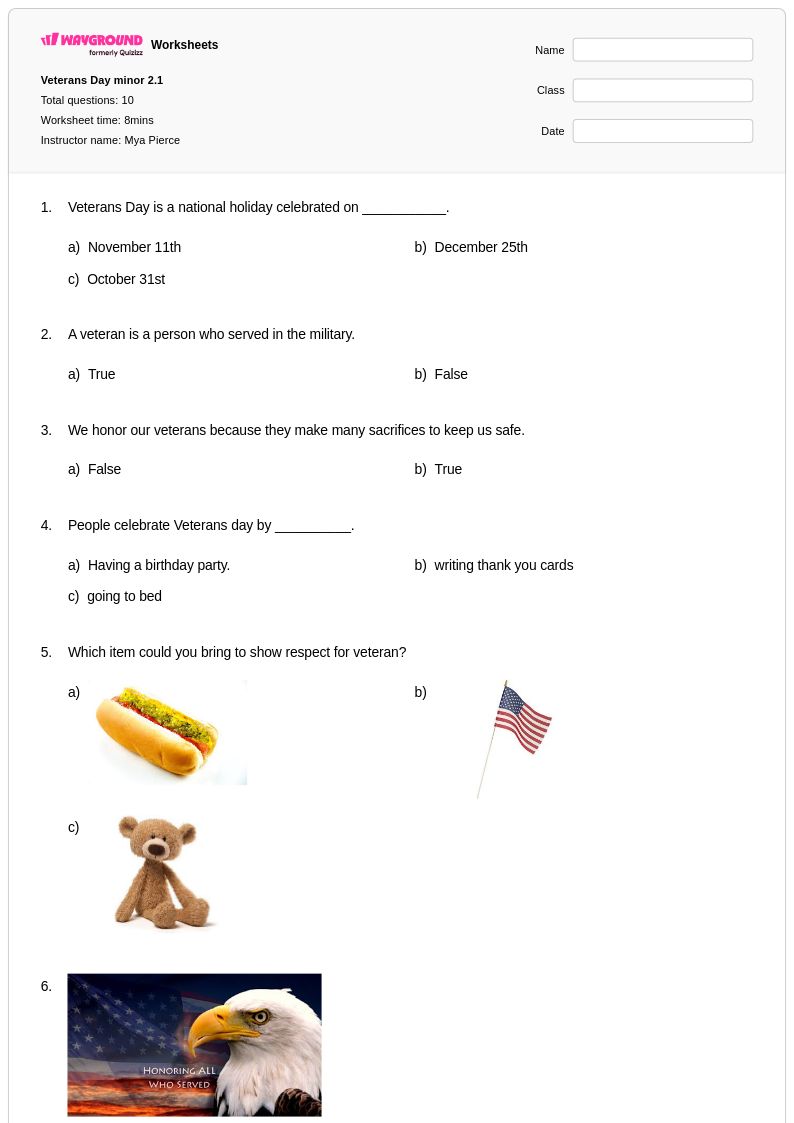
10 Q
2nd
15 Q
2nd

10 Q
2nd
15 Q
1st - 5th
10 Q
2nd - 3rd
10 Q
1st - 3rd
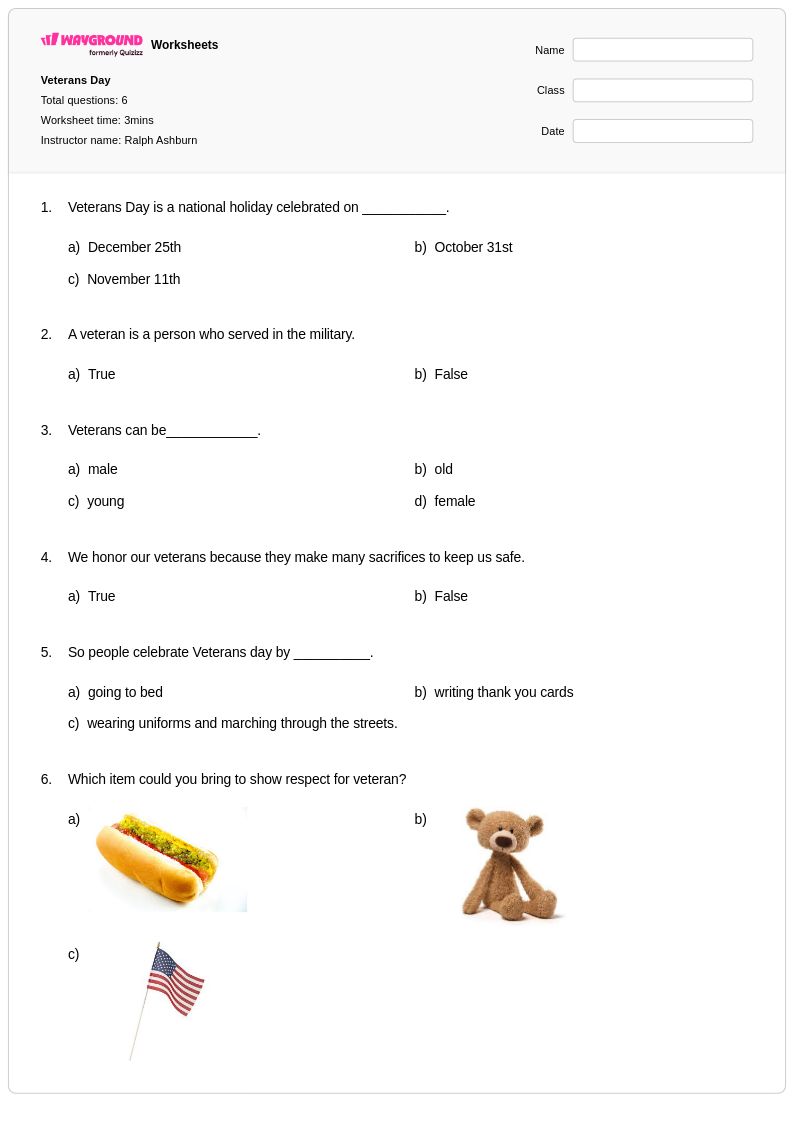
6 Q
2nd
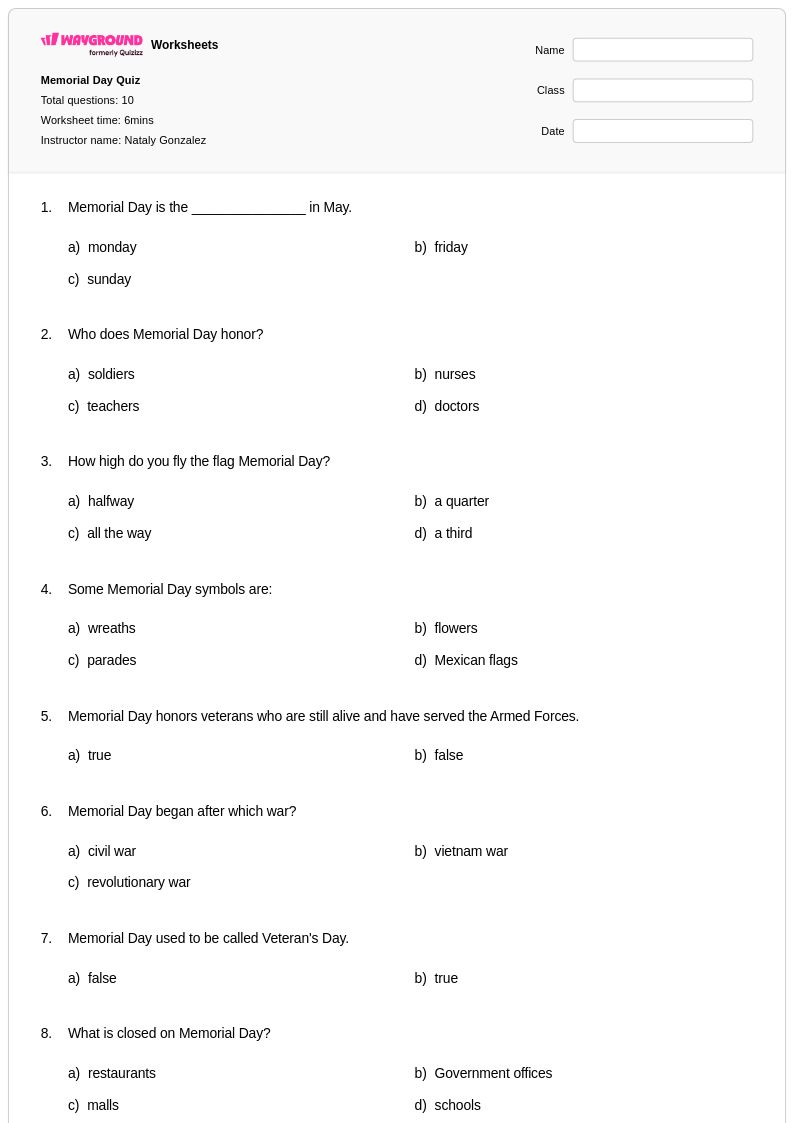
10 Q
2nd
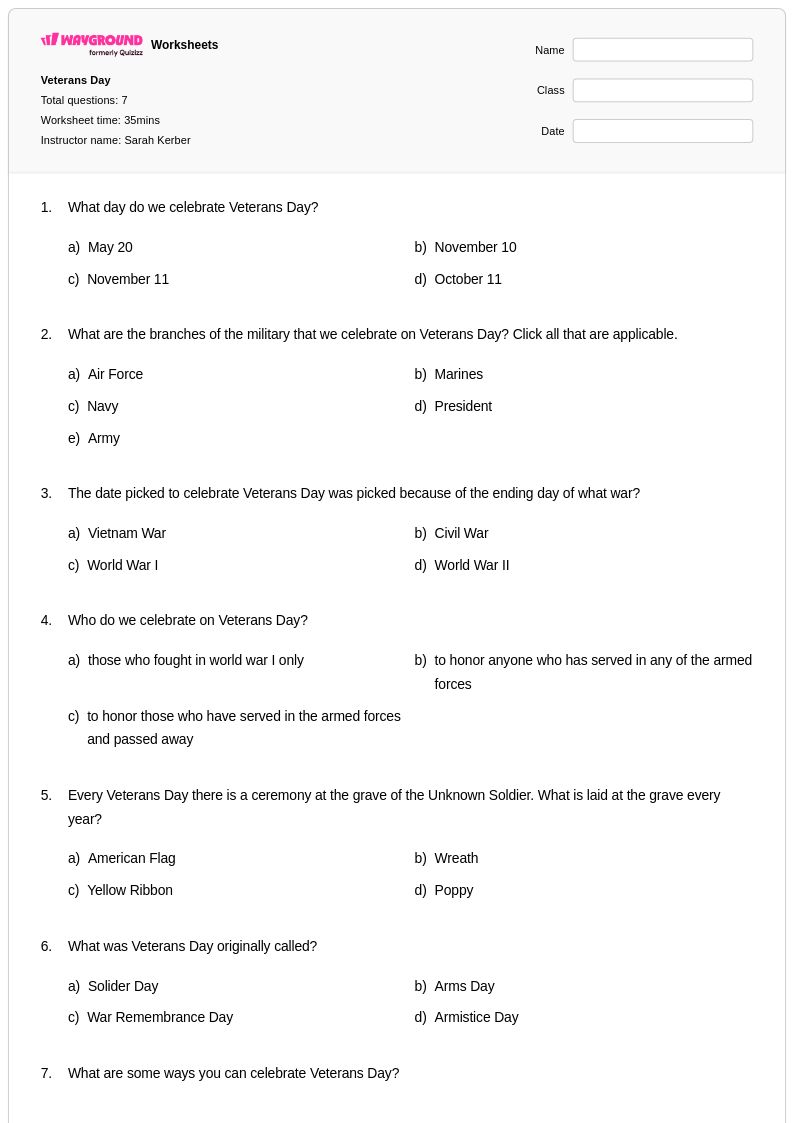
7 Q
2nd - 4th
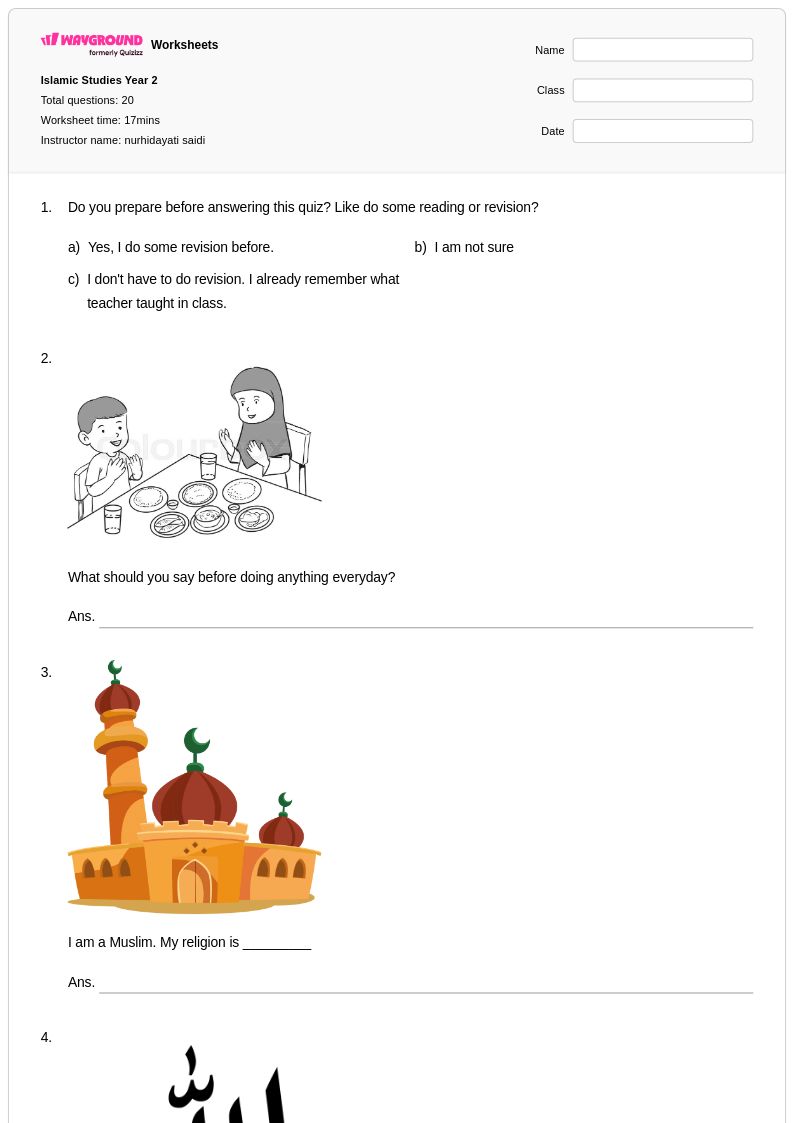
20 Q
2nd
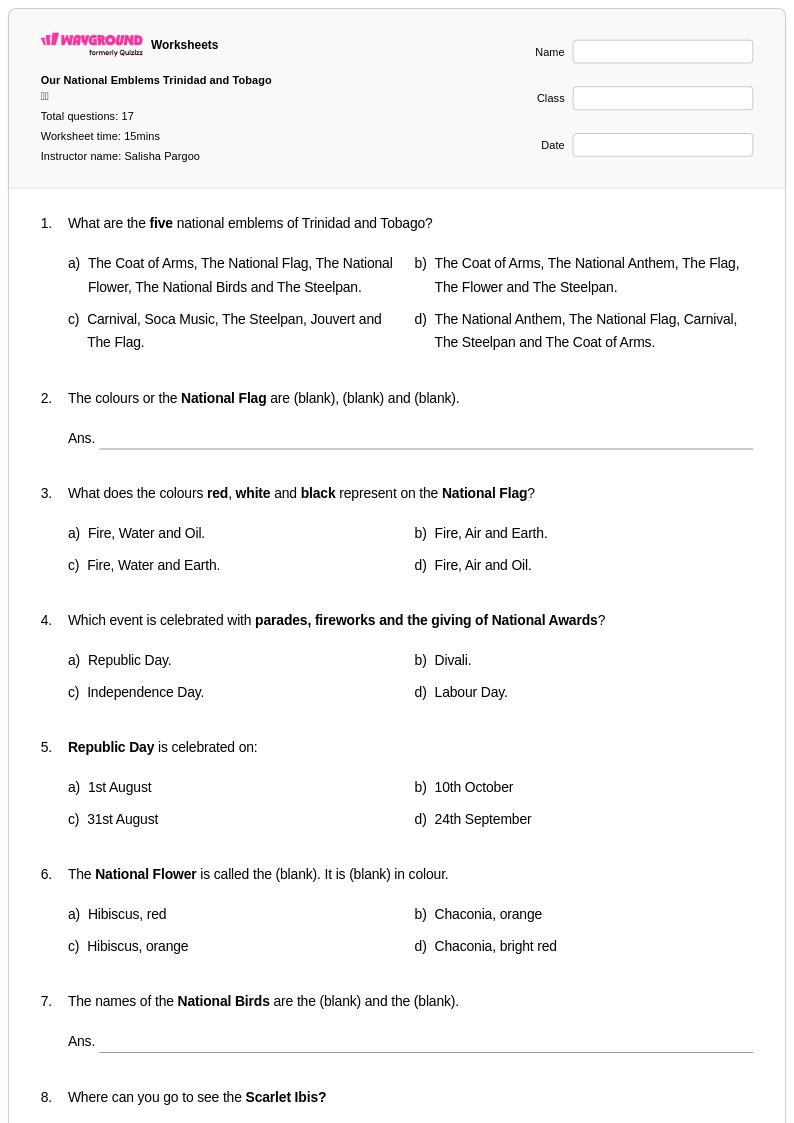
17 Q
2nd
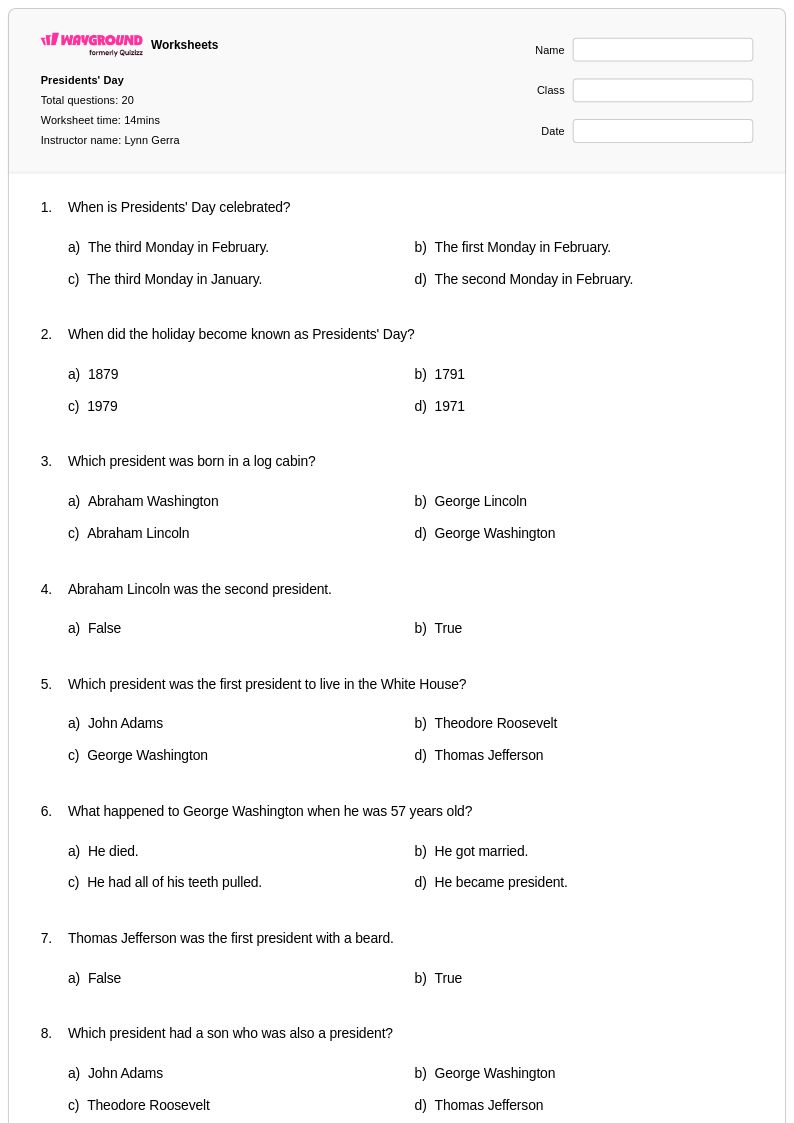
20 Q
2nd
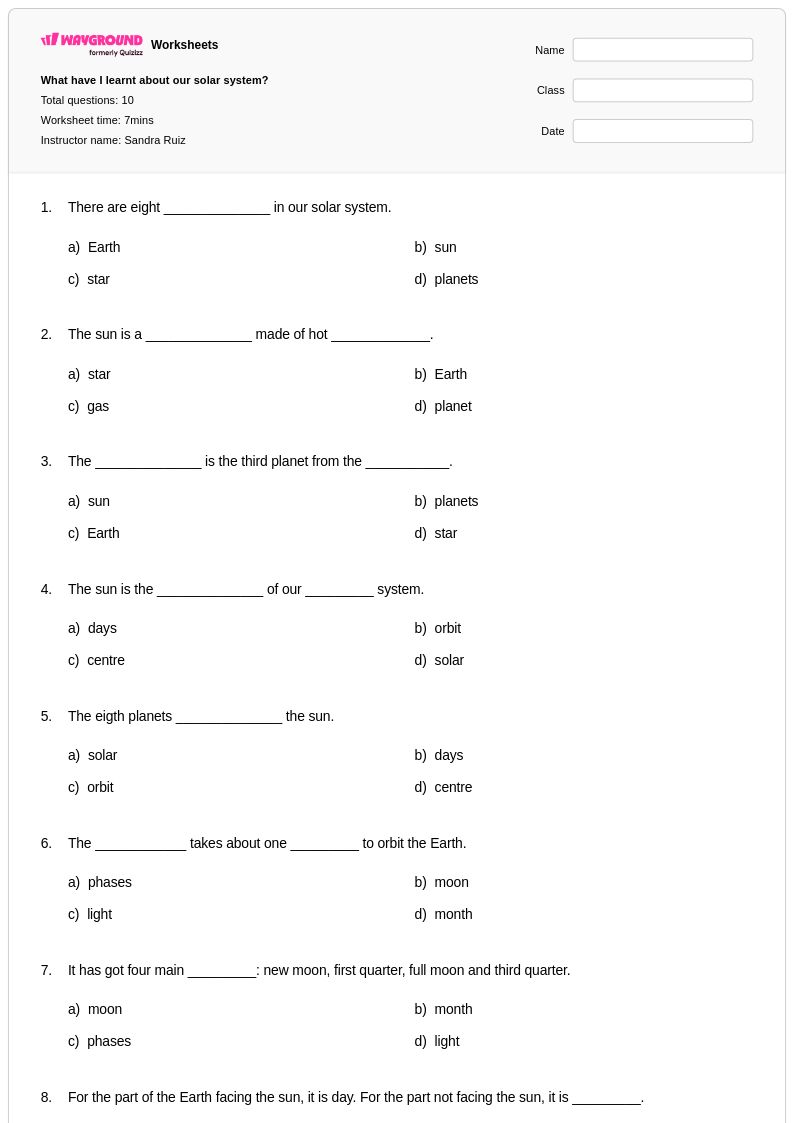
10 Q
2nd
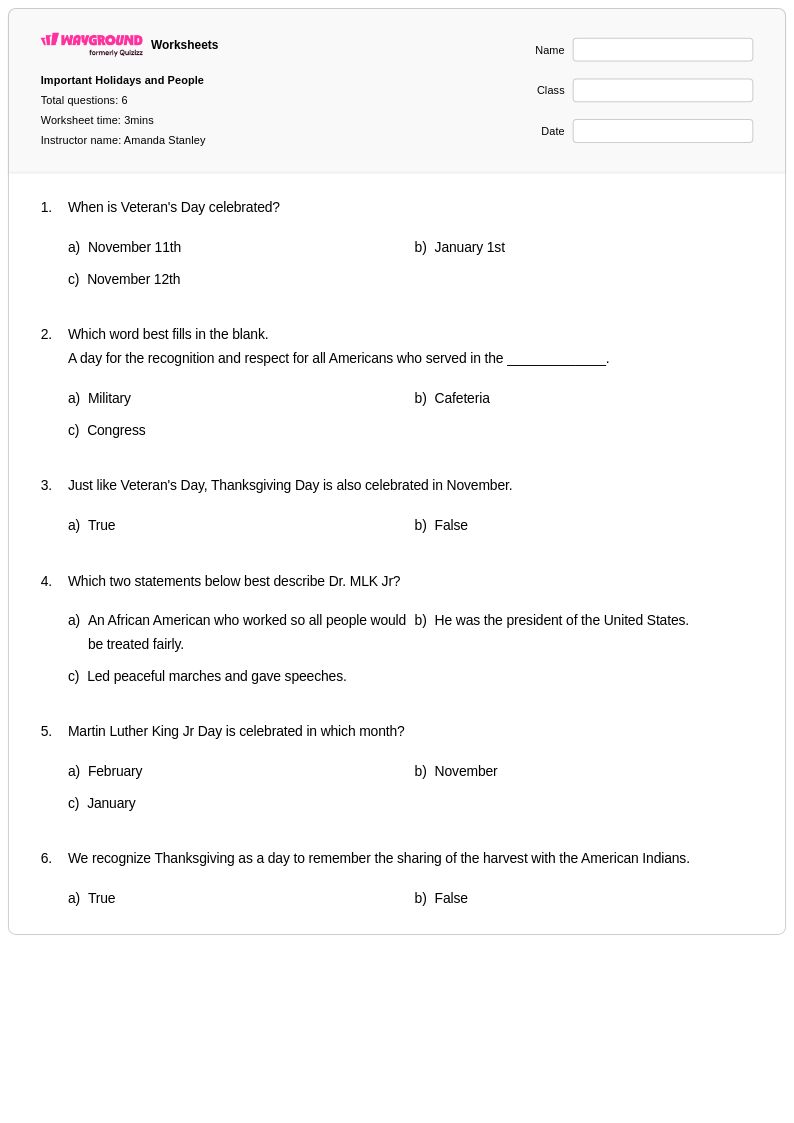
6 Q
1st - 2nd
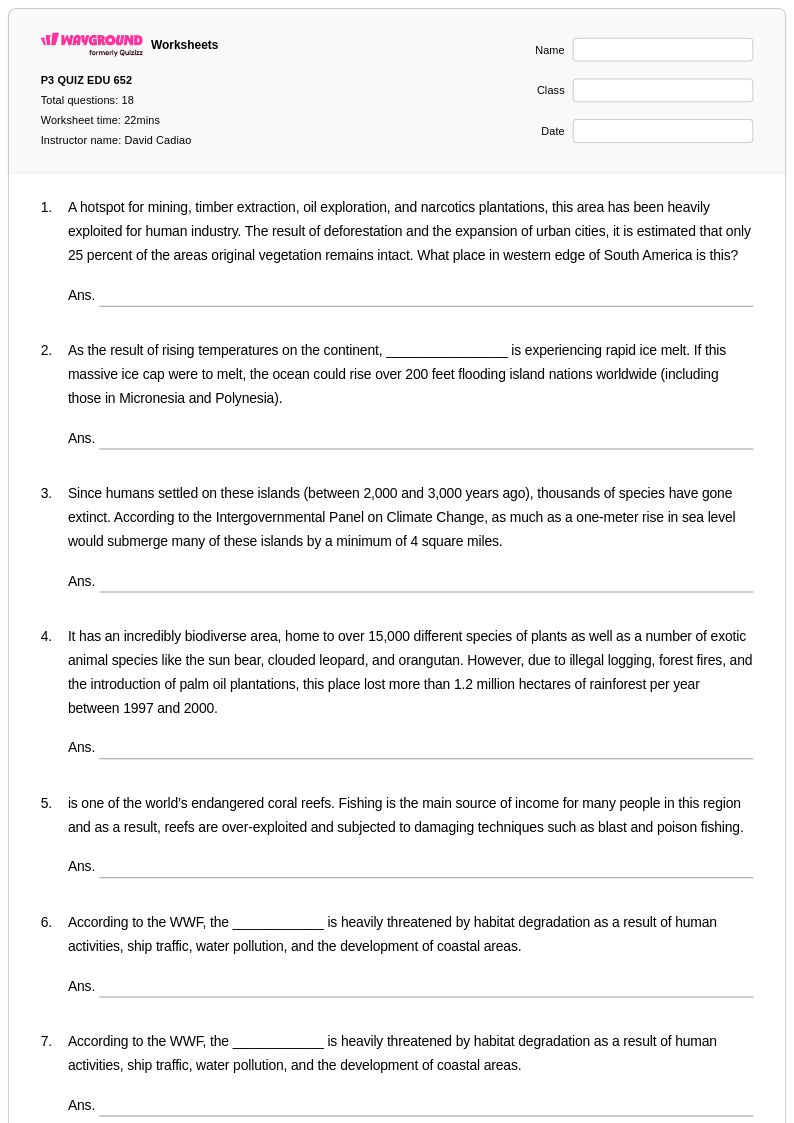
18 Q
2nd
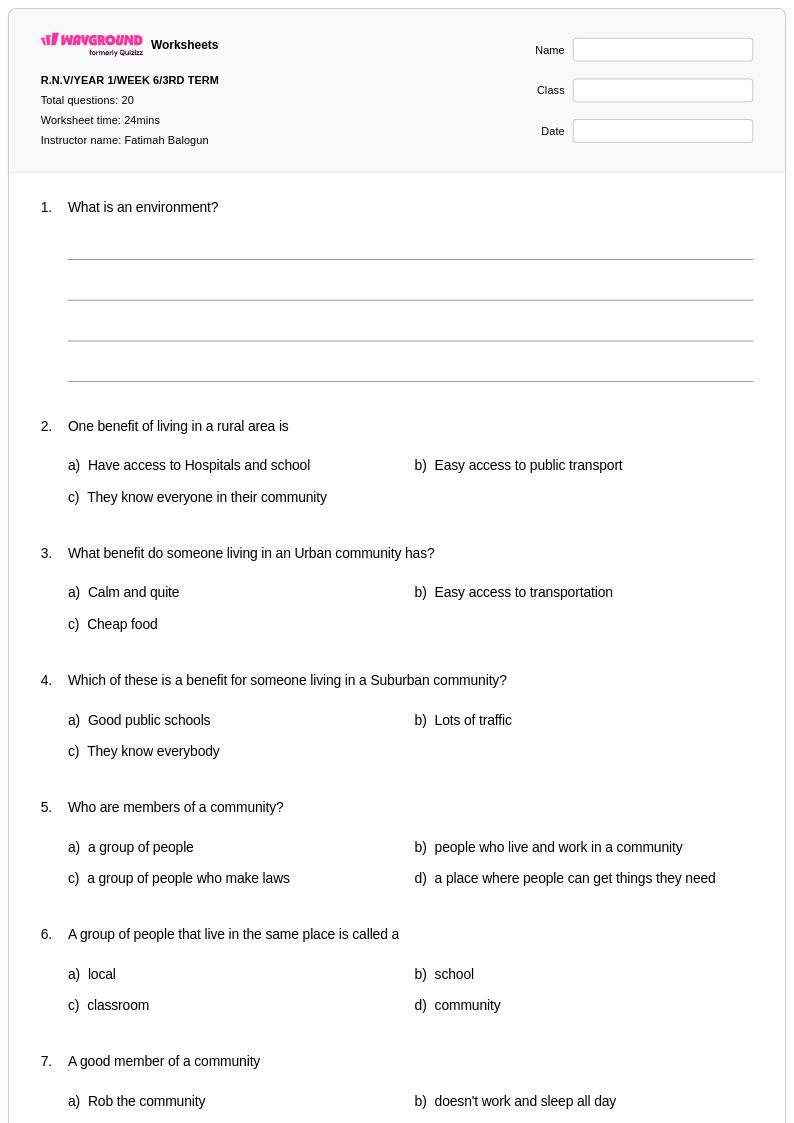
20 Q
1st - 2nd
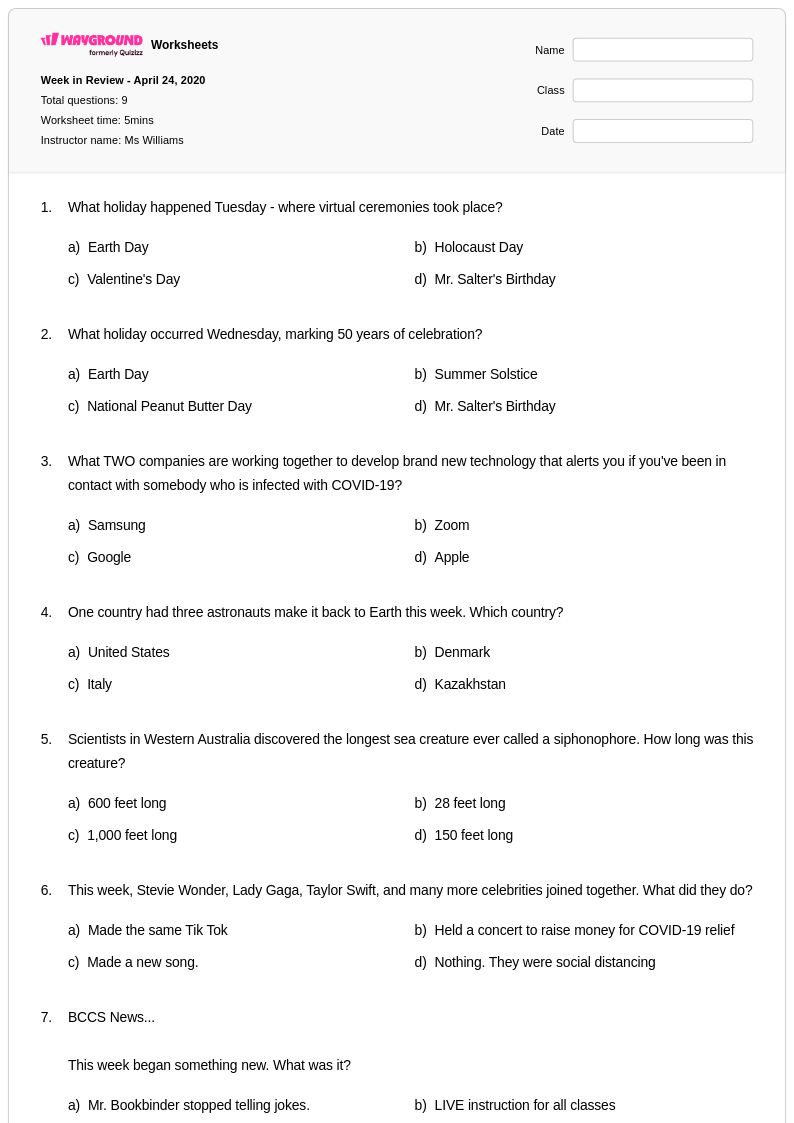
9 Q
2nd - Uni
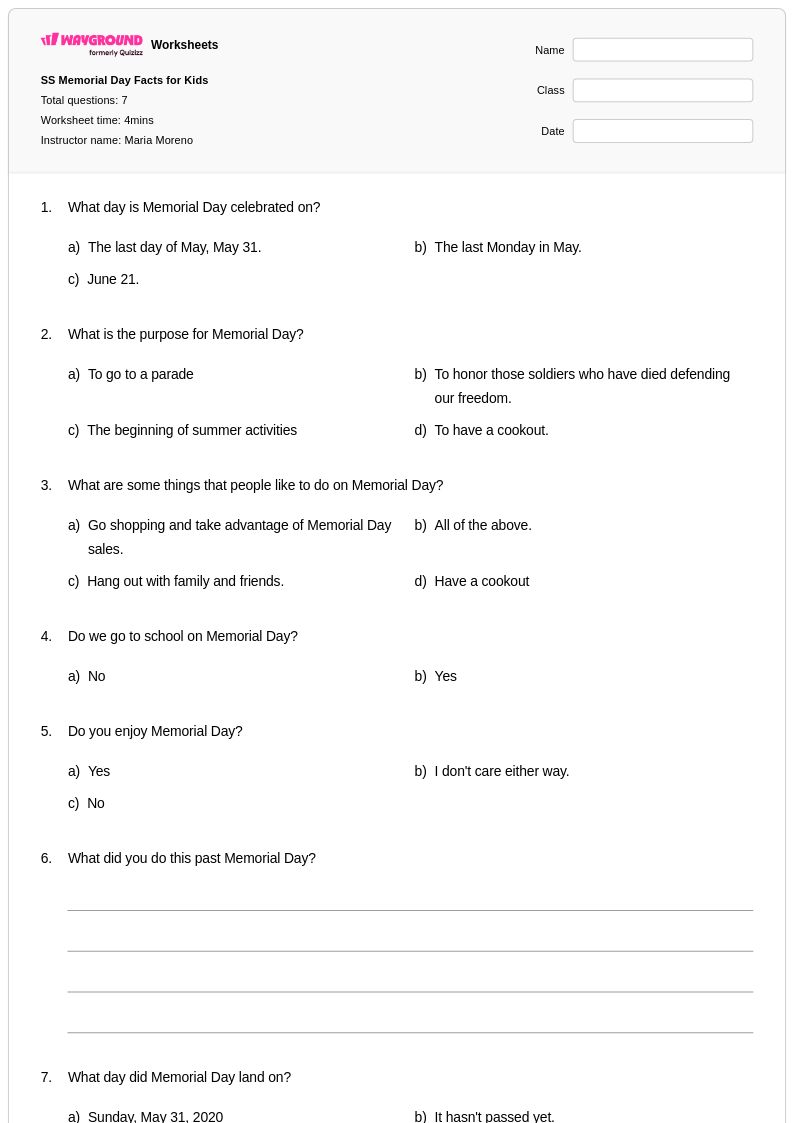
7 Q
2nd
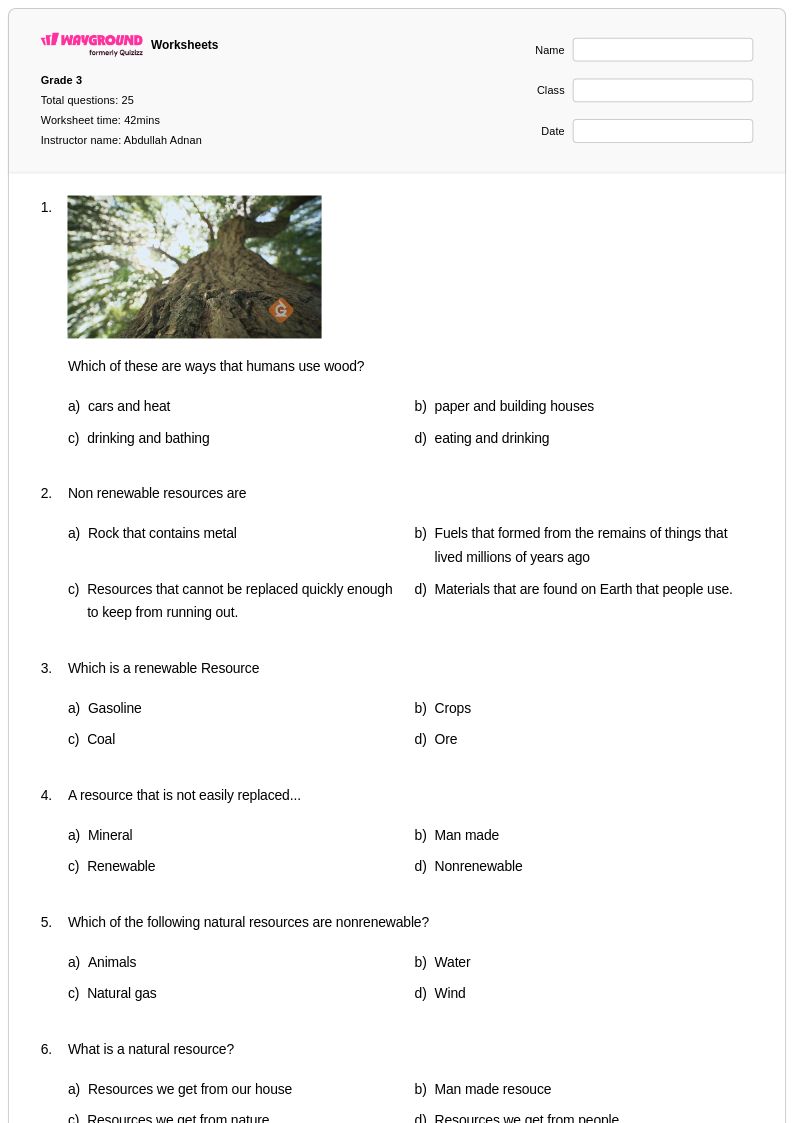
25 Q
2nd
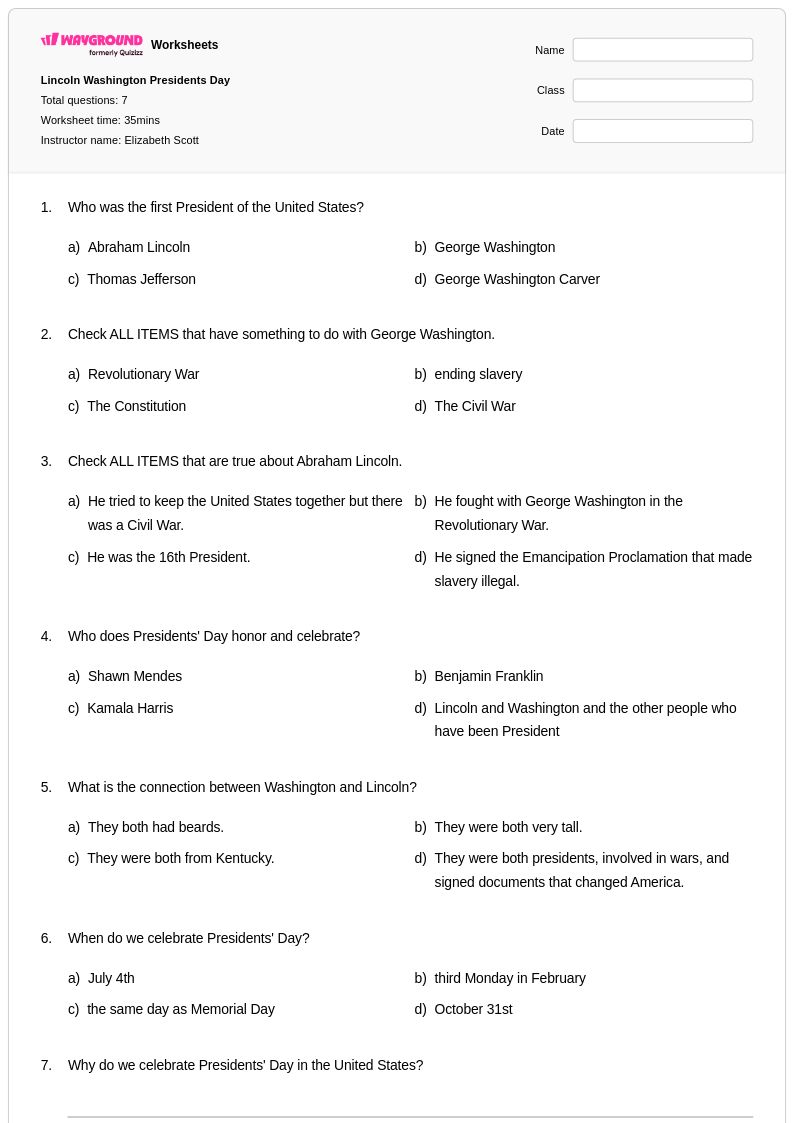
7 Q
2nd - 3rd
Explore Other Subject Worksheets for year 2
Explore printable Earth Day worksheets for Year 2
Earth Day worksheets for Year 2 students through Wayground (formerly Quizizz) provide young learners with engaging activities that connect environmental awareness to their social studies curriculum. These educational resources help second graders develop critical thinking skills about community responsibility and cultural practices surrounding environmental stewardship. Students explore concepts like recycling, conservation, and how different communities celebrate Earth Day through age-appropriate exercises that include matching activities, simple research projects, and creative expression tasks. The comprehensive collection features printable worksheets with accompanying answer keys, ensuring teachers can efficiently assess student understanding while providing meaningful practice problems that reinforce learning objectives. These free resources are designed as pdf downloads, making them easily accessible for both classroom instruction and home learning environments.
Wayground's extensive library supports educators with millions of teacher-created Earth Day resources specifically curated for Year 2 social studies instruction. The platform's robust search and filtering capabilities allow teachers to quickly locate worksheets that align with state standards and match their students' diverse learning needs. Differentiation tools enable instructors to modify content complexity, while flexible customization options help tailor activities to specific classroom requirements or cultural contexts within their communities. These resources are available in both printable and digital formats, including downloadable pdf versions, providing versatility for various teaching scenarios. Teachers utilize these materials for lesson planning, targeted skill practice, remediation support for struggling learners, and enrichment opportunities for advanced students, creating comprehensive learning experiences that foster environmental consciousness and community awareness in young social studies scholars.
FAQs
How do I teach Earth Day concepts in a meaningful way across grade levels?
What kinds of activities help students practice environmental stewardship skills?
What common misconceptions do students have about Earth Day and environmental responsibility?
How can I differentiate Earth Day worksheets for students with different learning needs?
How do I use Wayground's Earth Day worksheets in my classroom?