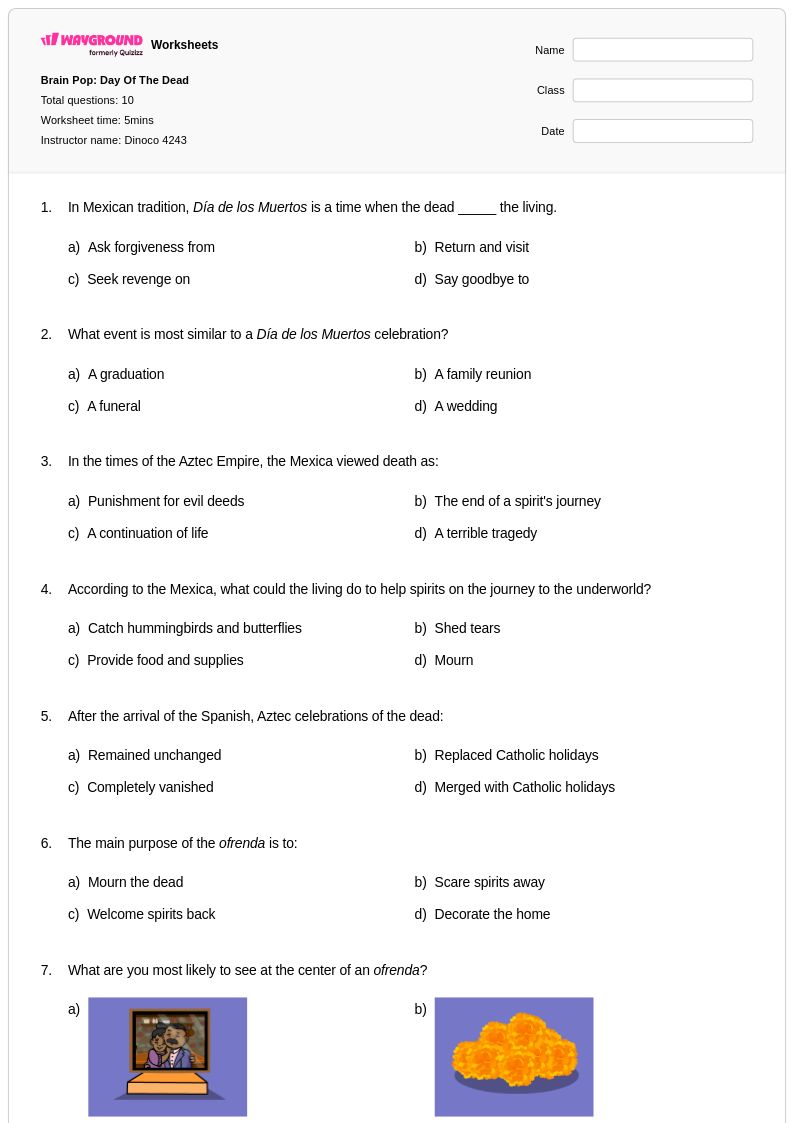
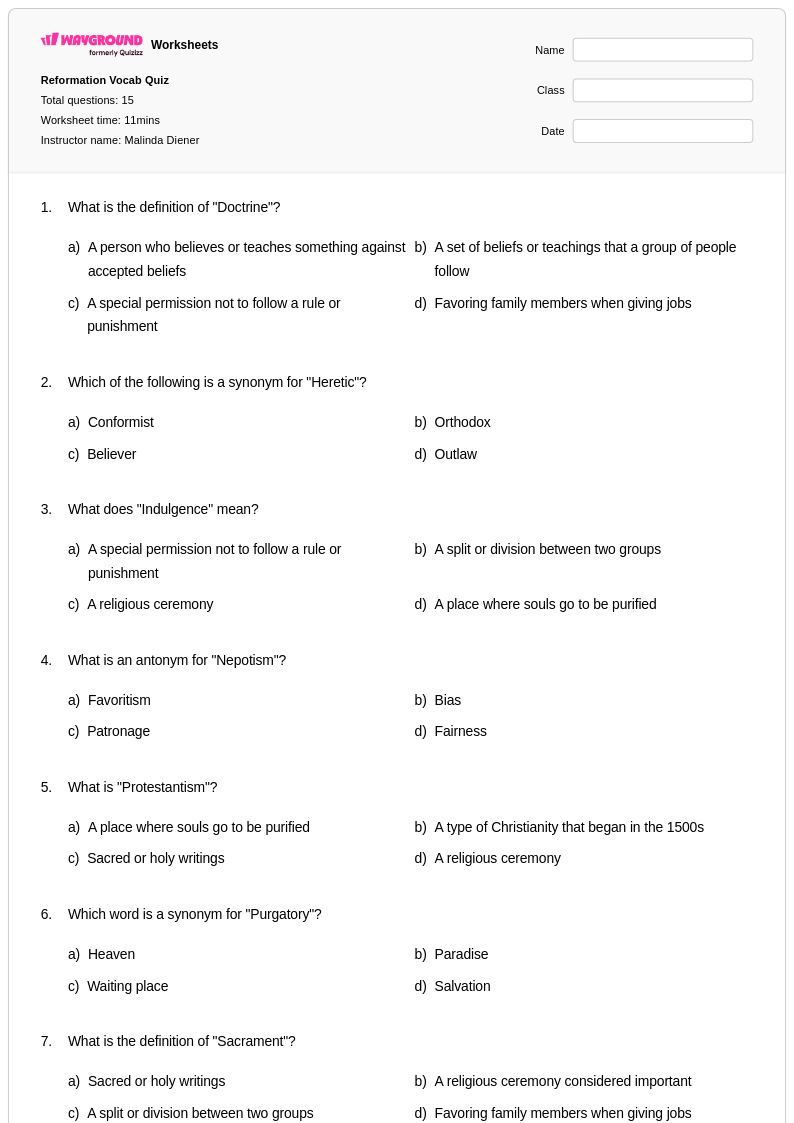
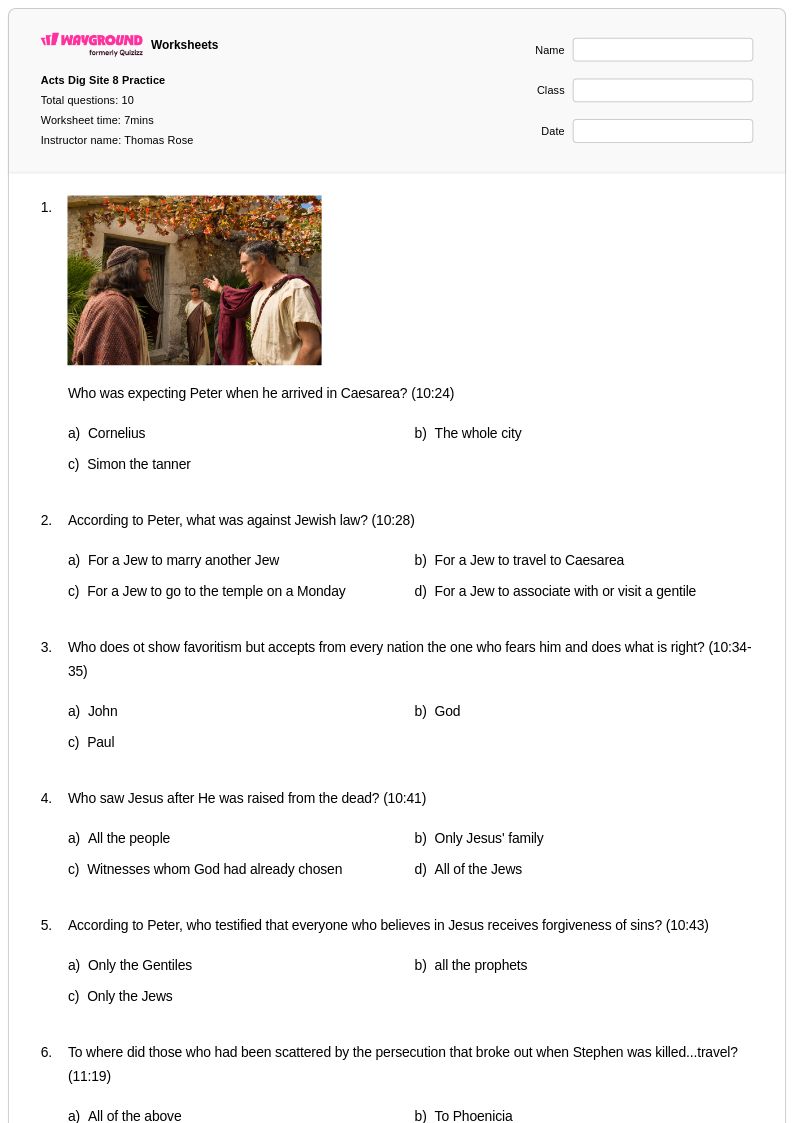
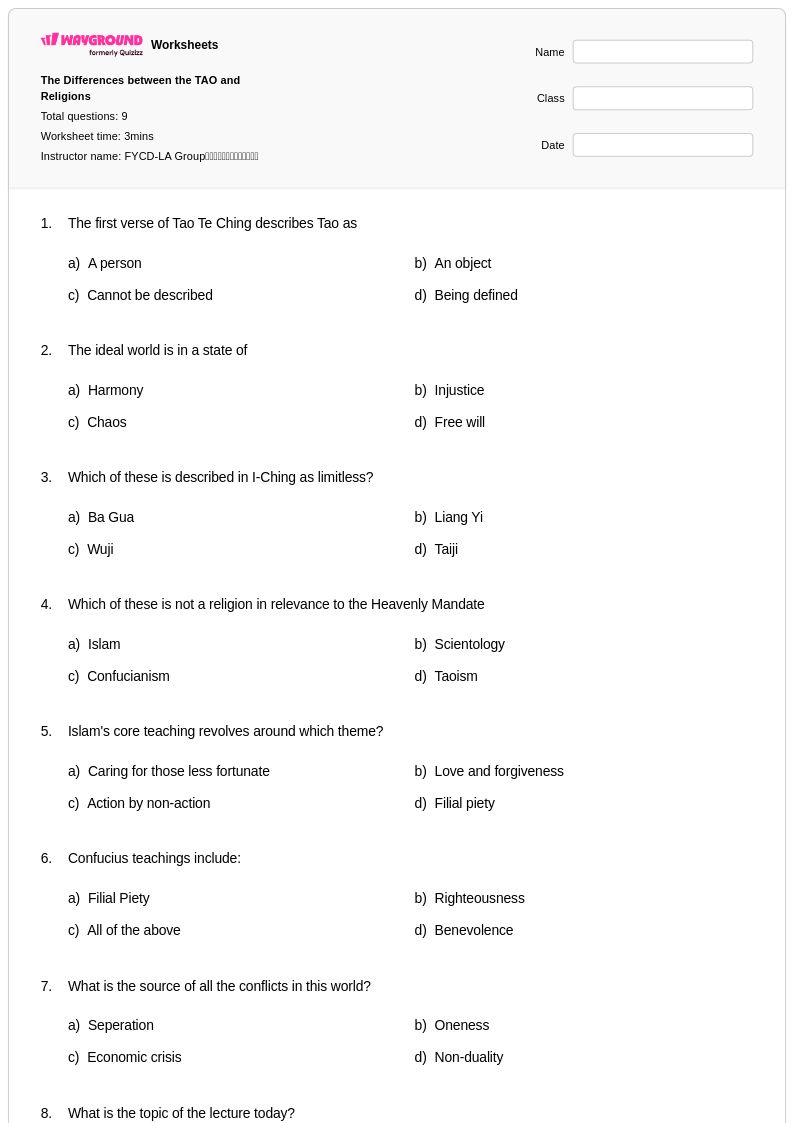
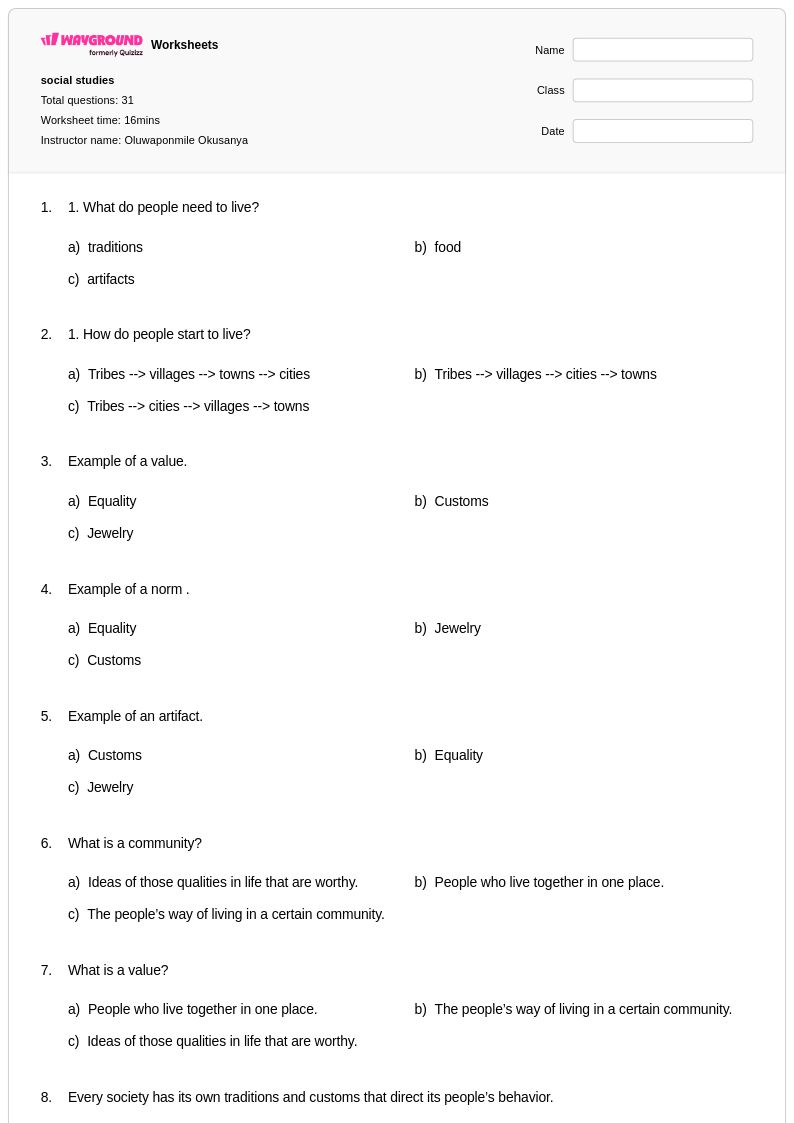
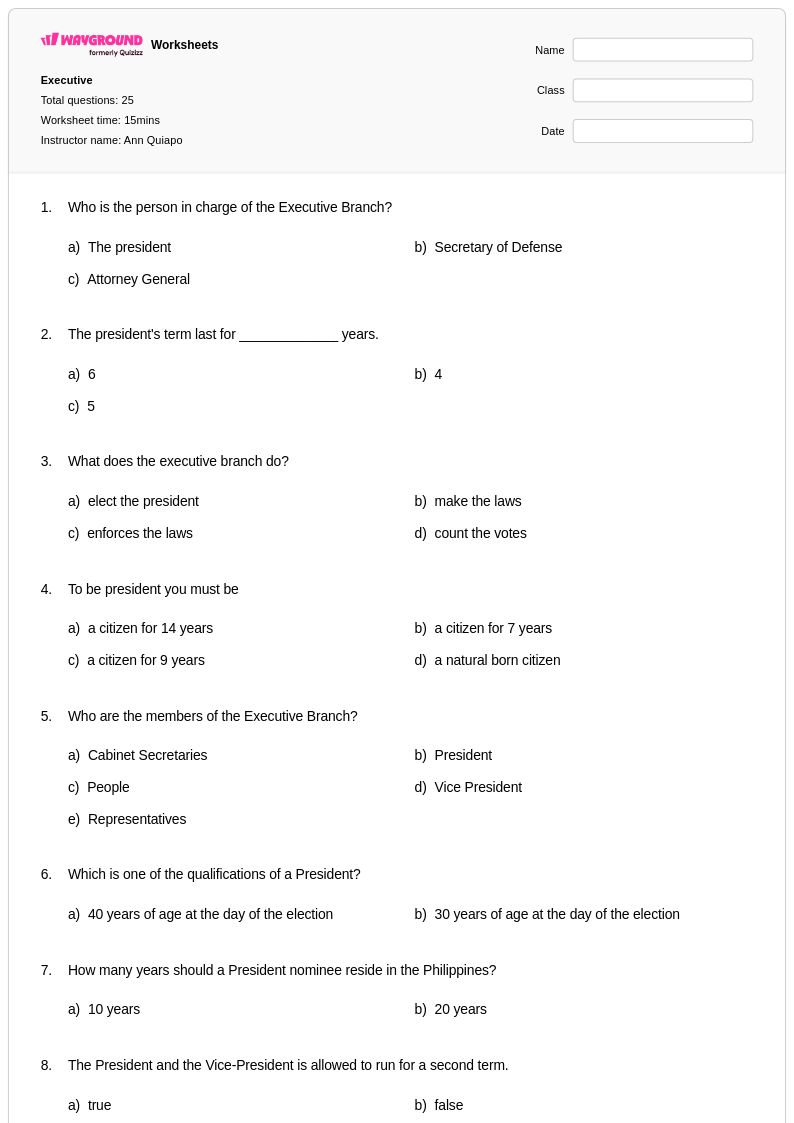
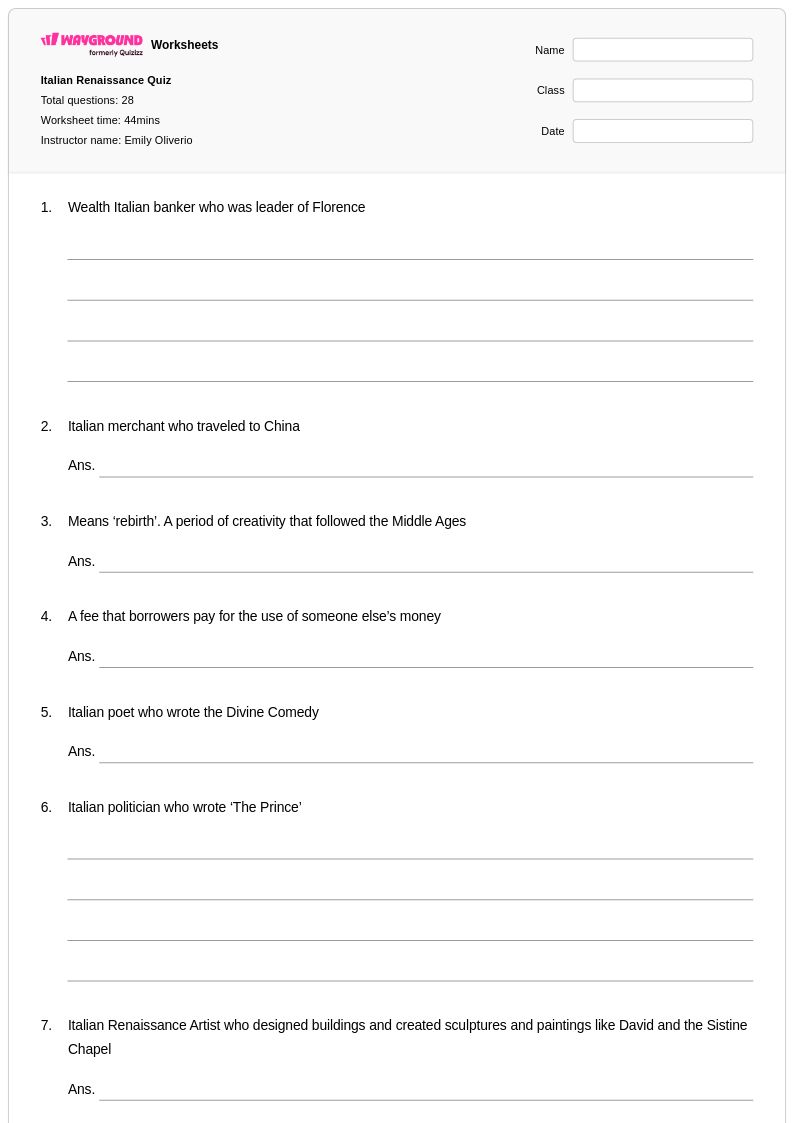
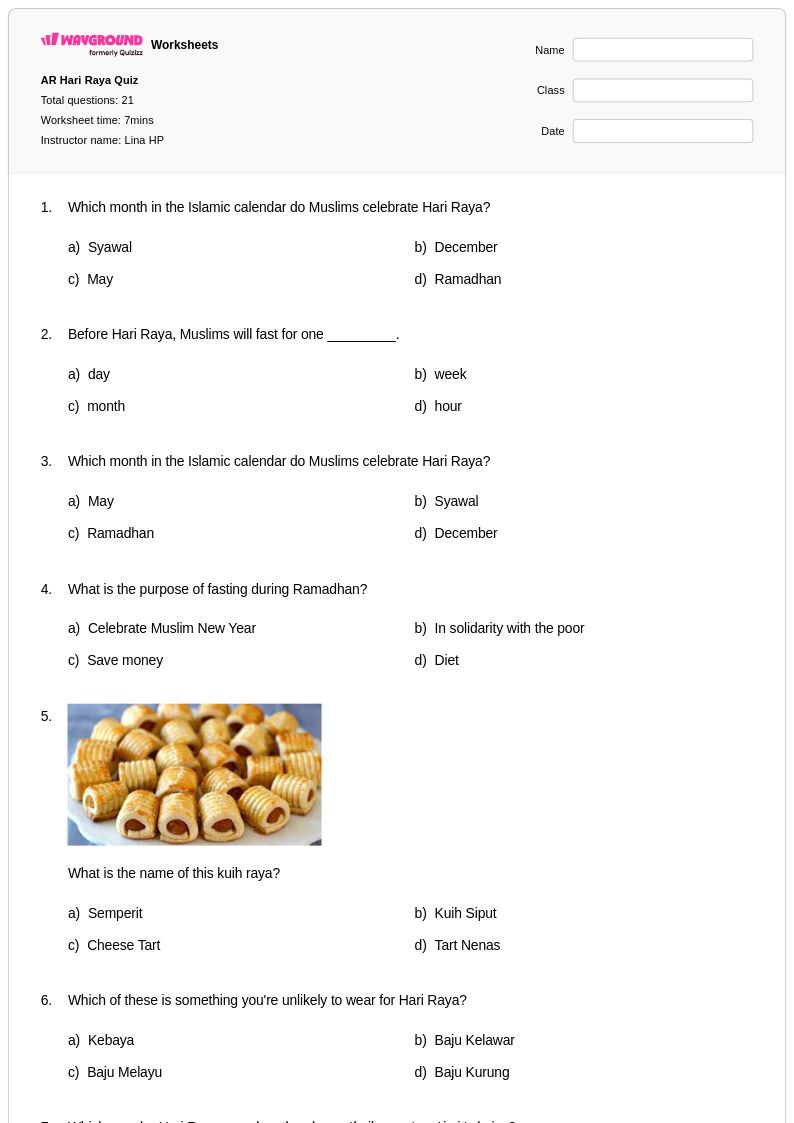
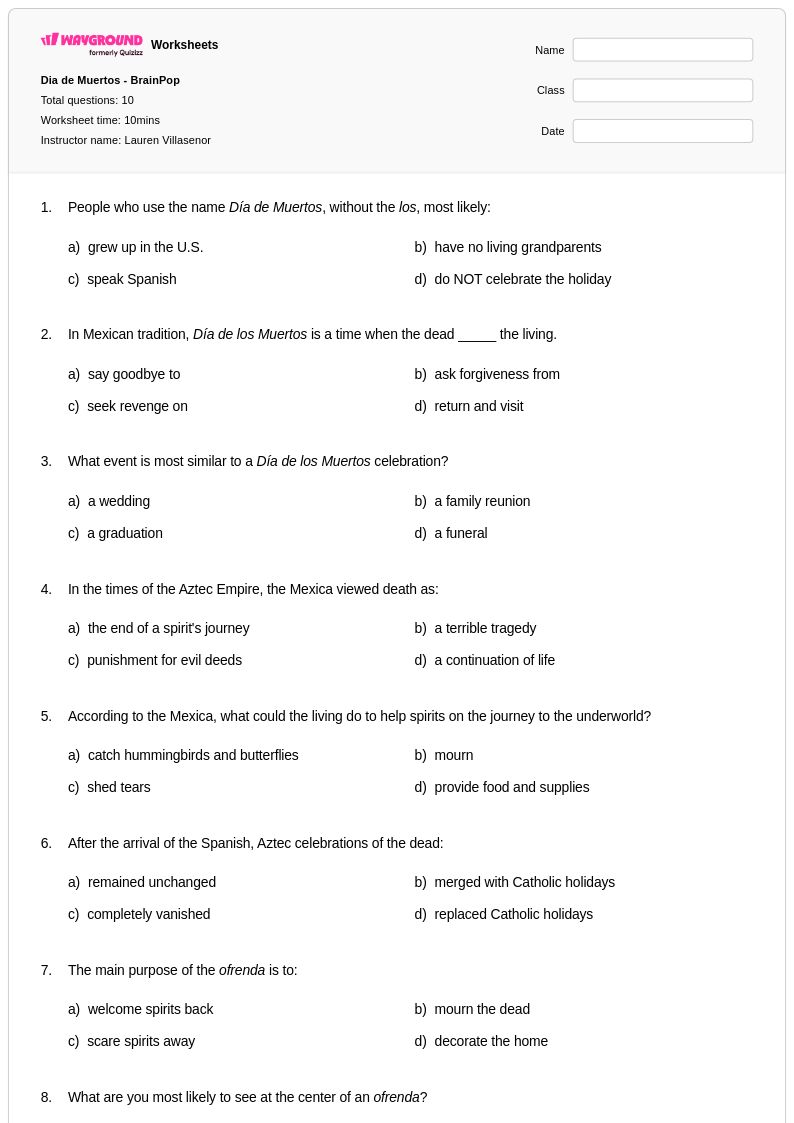
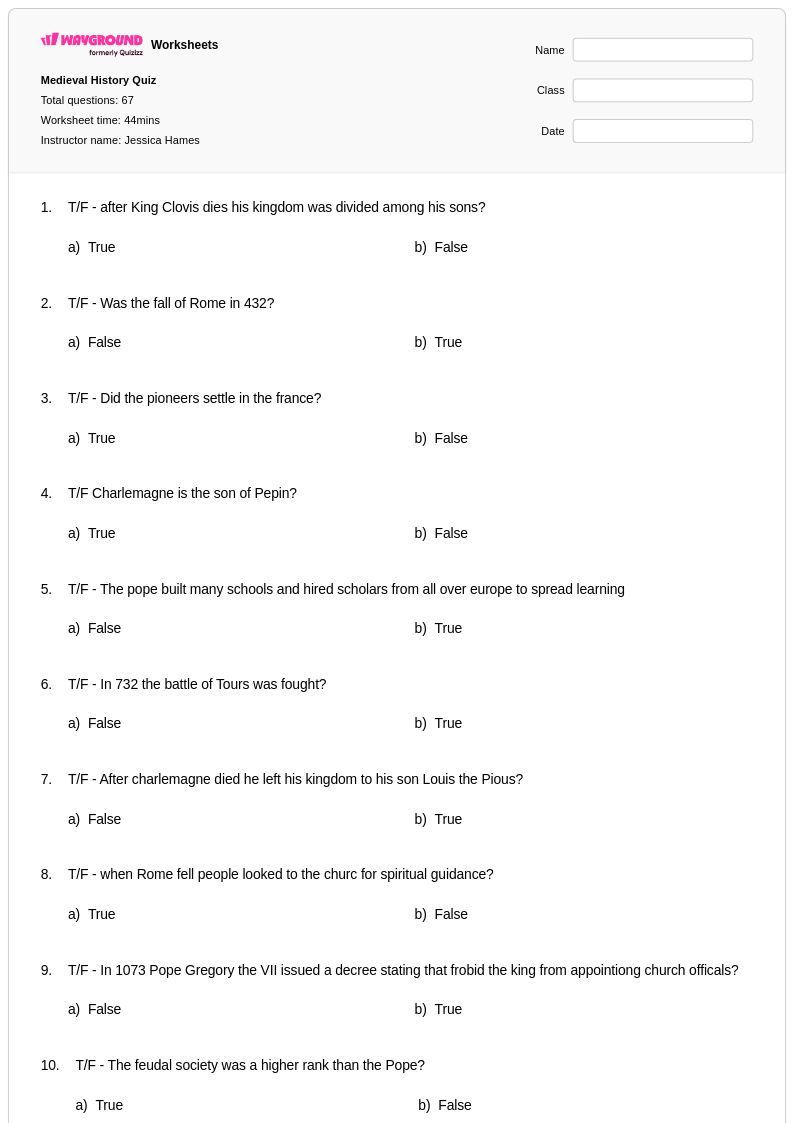
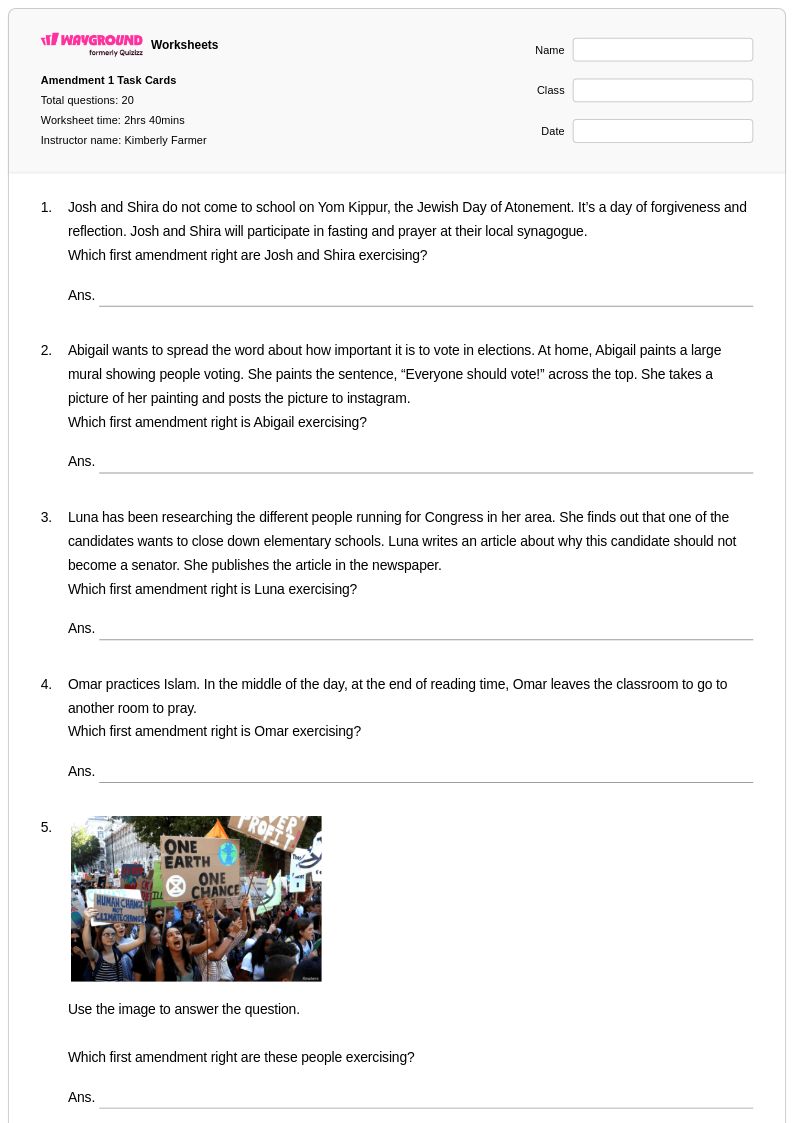
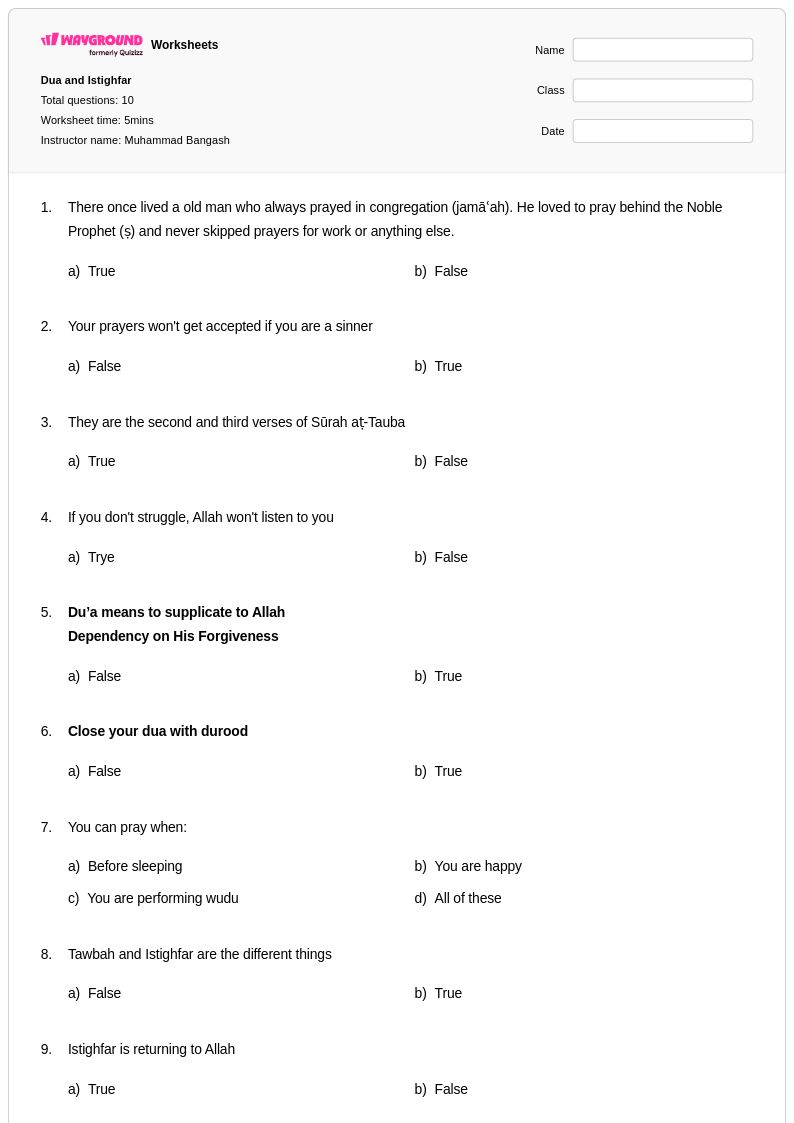
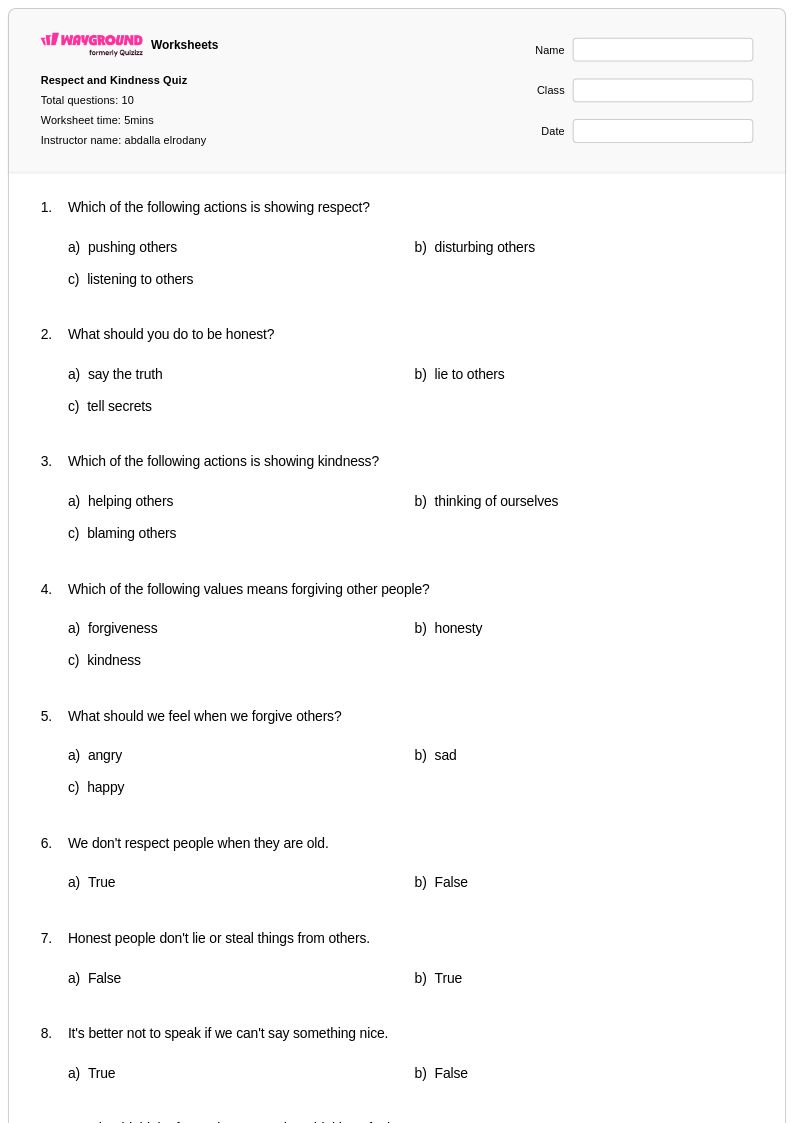
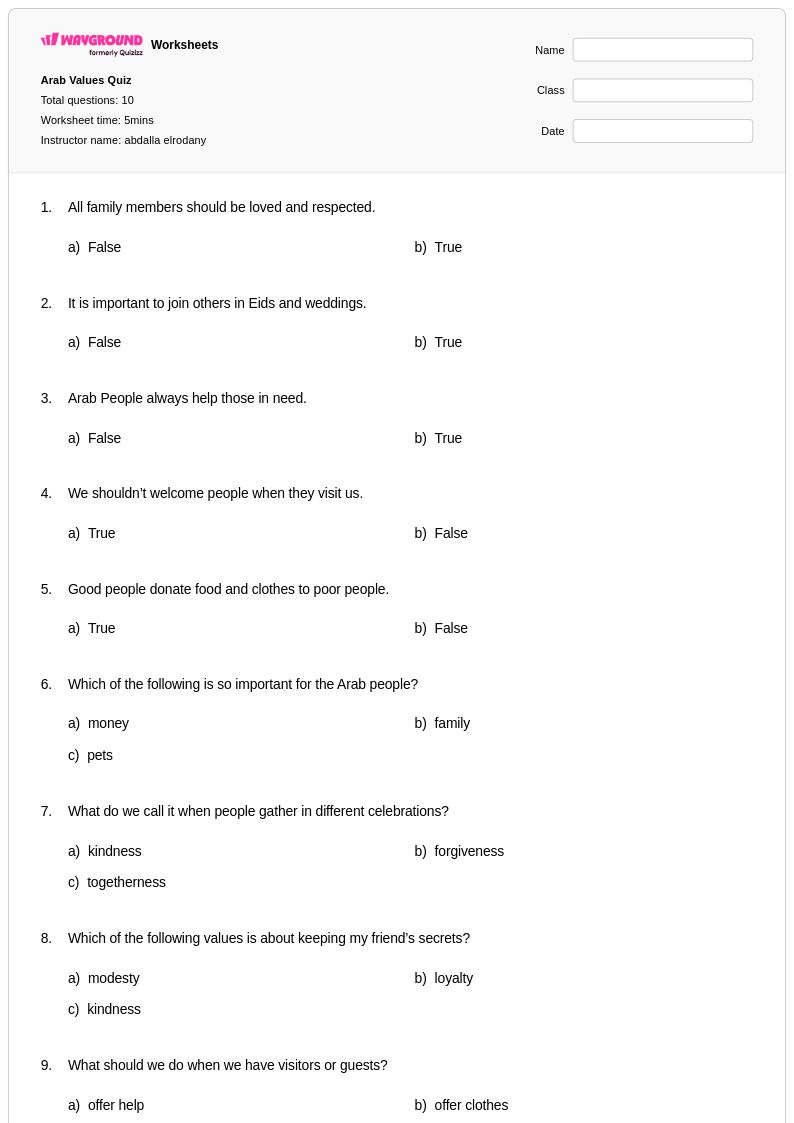
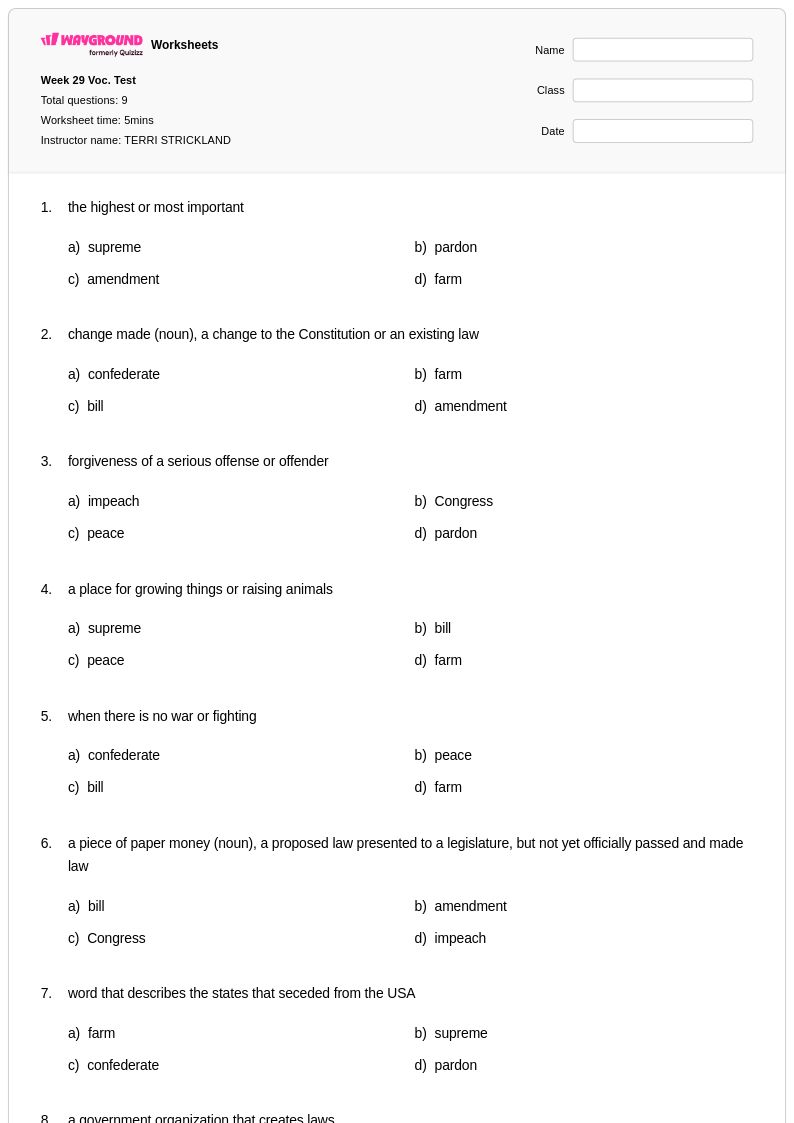
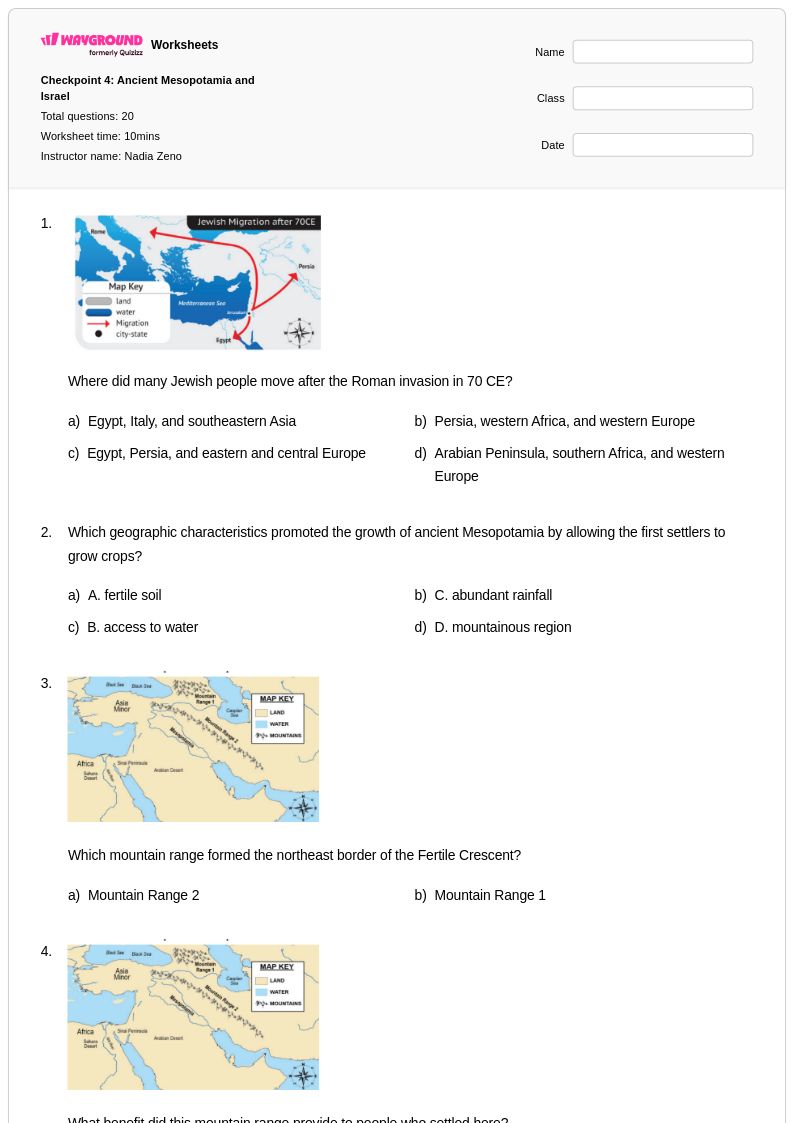
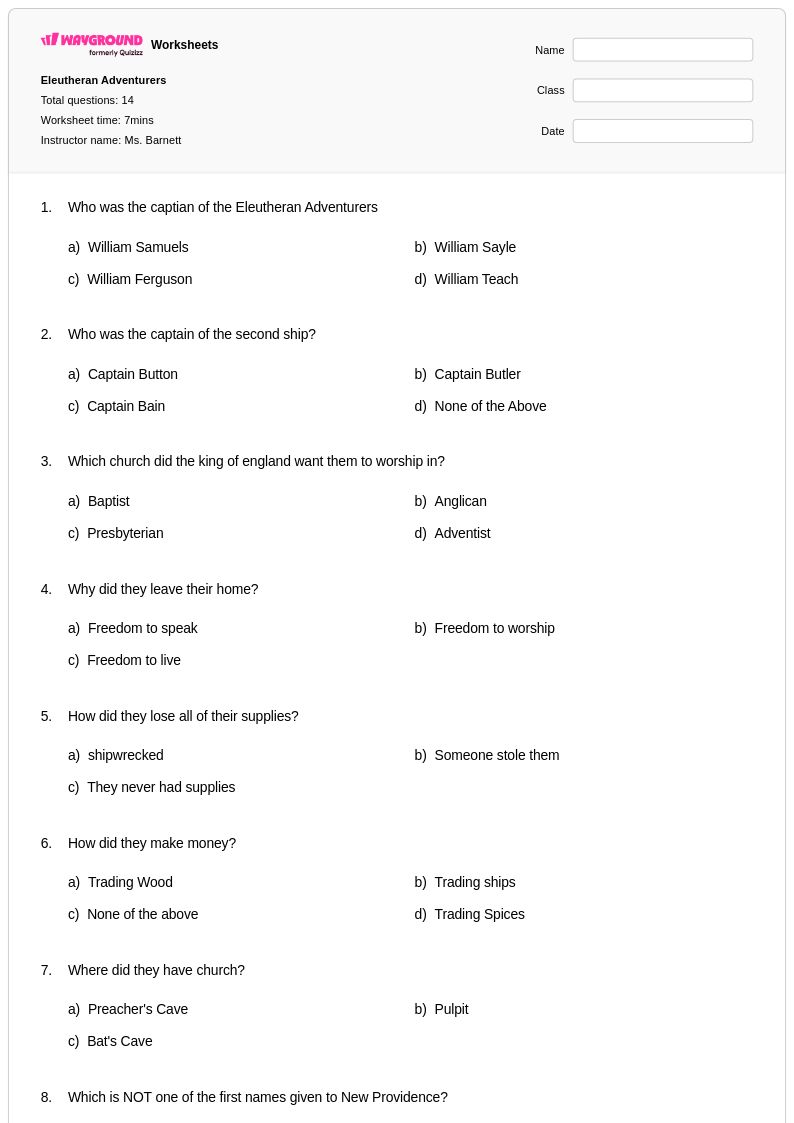
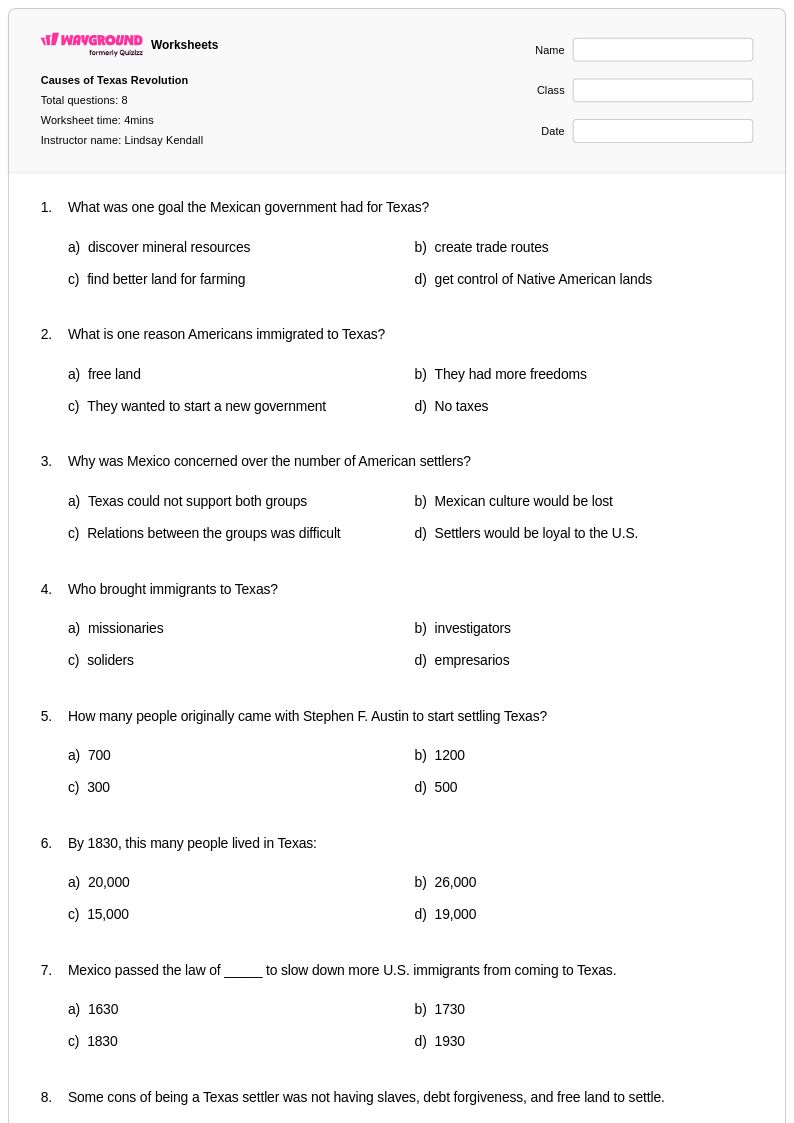
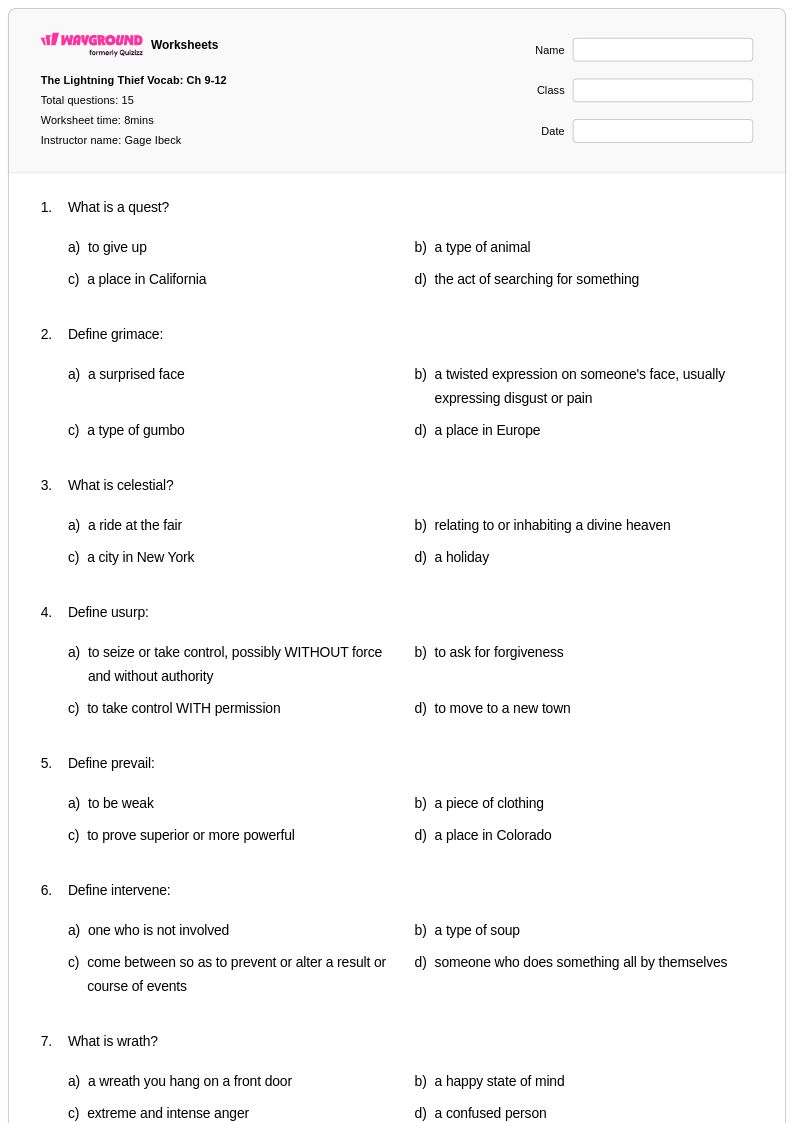
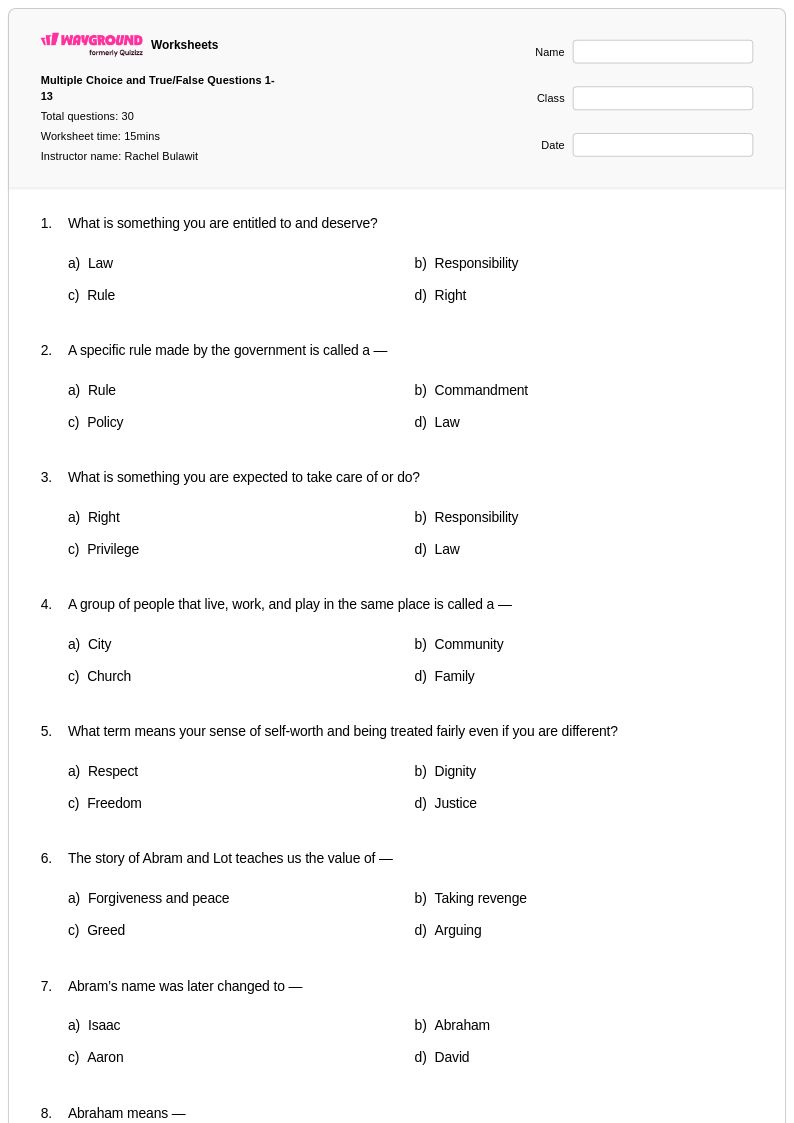
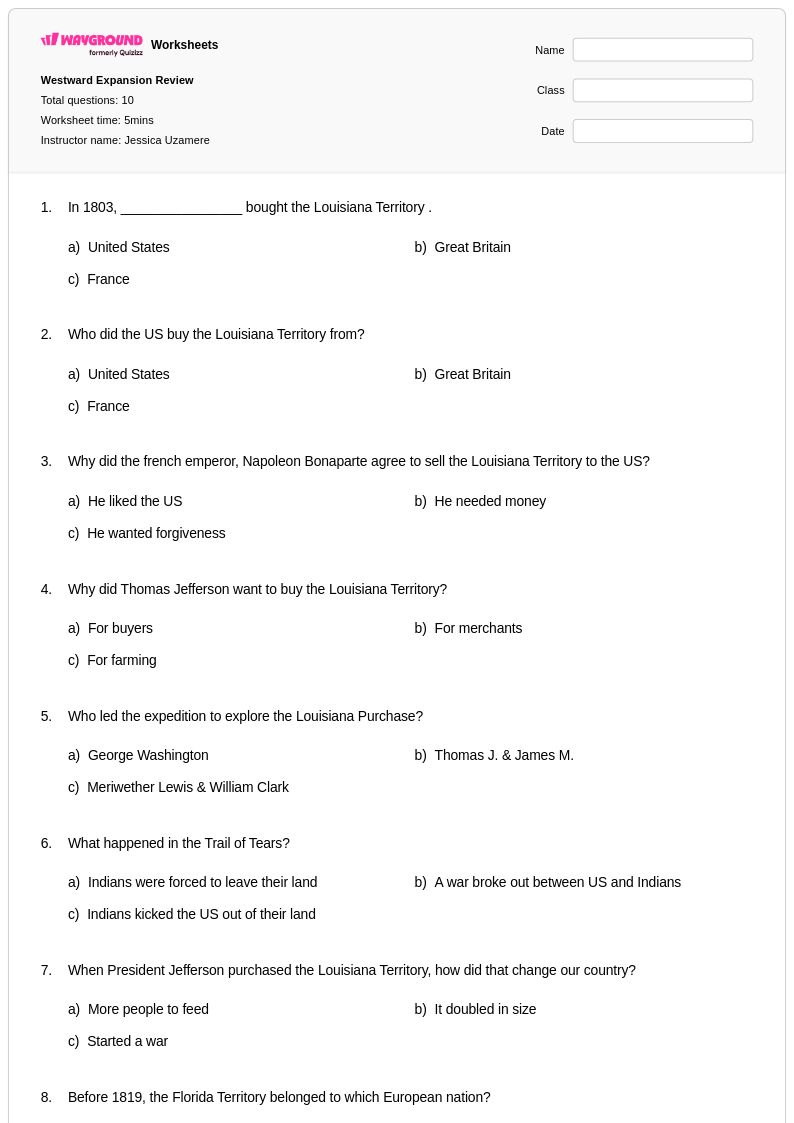
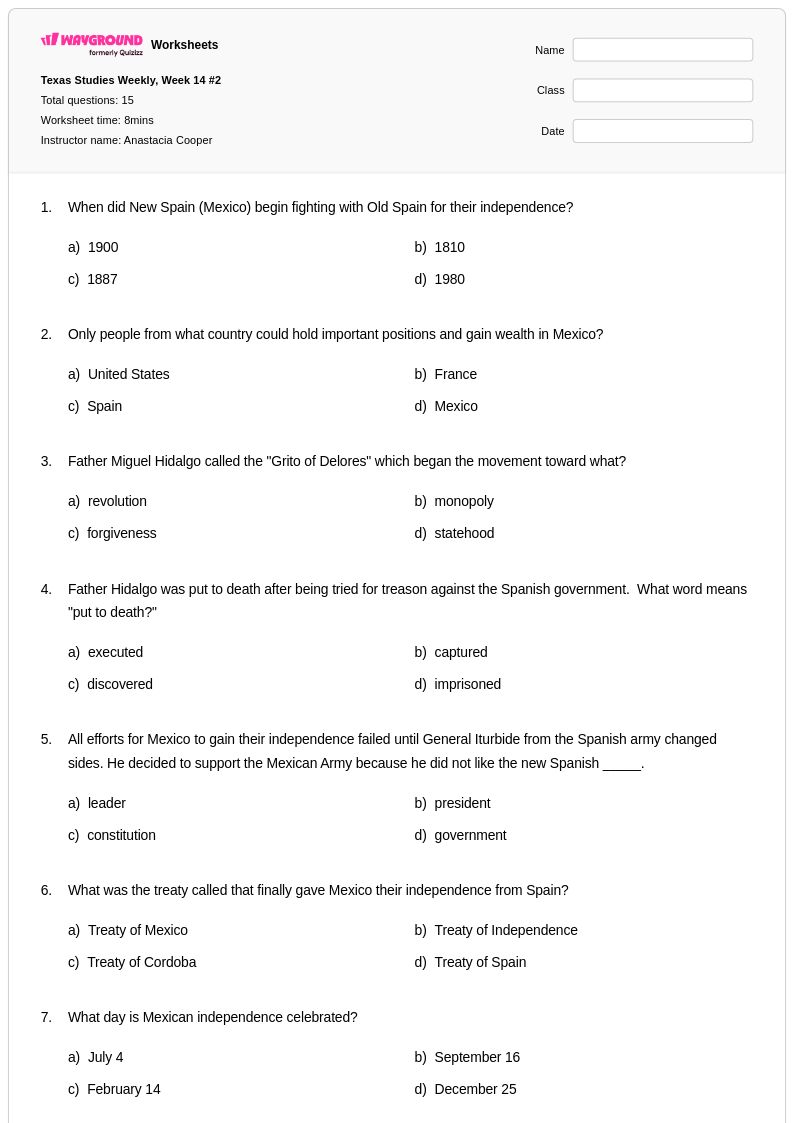
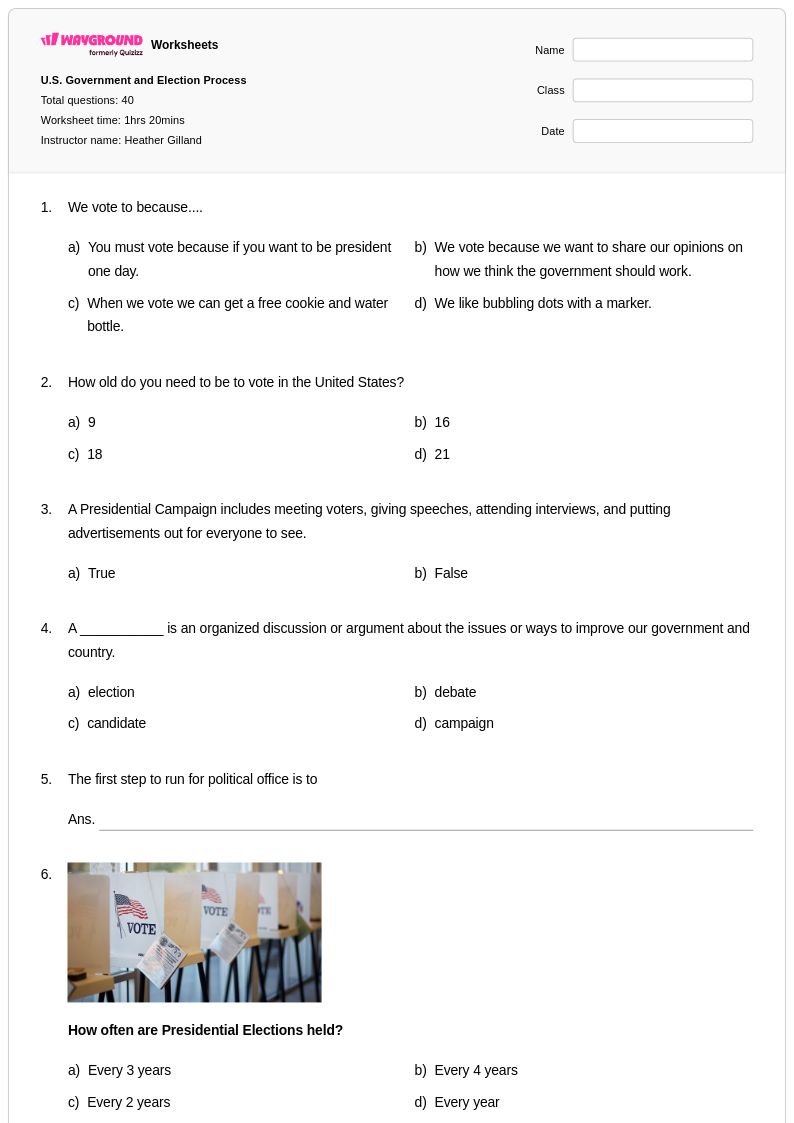
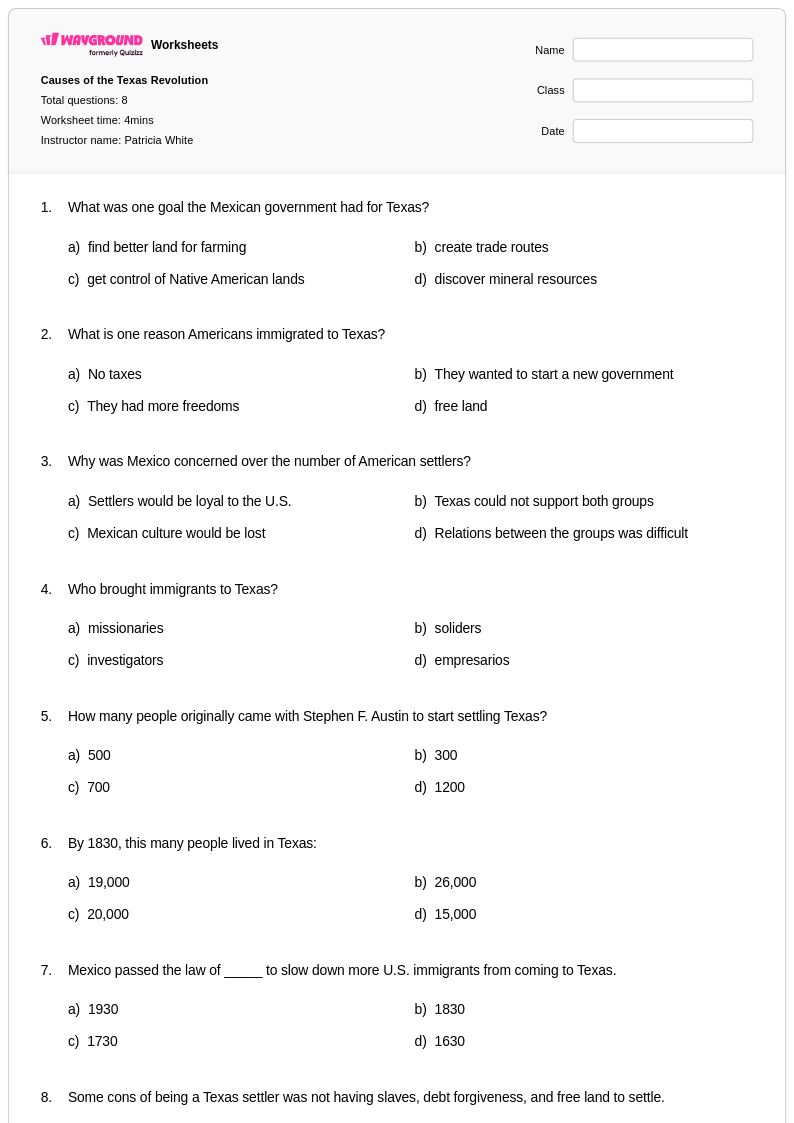
These free Year 4 forgiveness worksheets and printables help students develop essential social skills through engaging practice problems that teach empathy, conflict resolution, and relationship building, complete with answer keys for easy assessment.
Explore printable Forgiveness worksheets for Year 4
Forgiveness worksheets for Year 4 students available through Wayground (formerly Quizizz) provide essential resources for developing emotional intelligence and conflict resolution skills in elementary social studies education. These carefully designed materials help fourth-grade students understand the complex concept of forgiveness through age-appropriate scenarios, reflection activities, and guided practice problems that encourage empathy and personal growth. The comprehensive worksheet collection includes answer key materials and free printables that support both independent learning and classroom instruction, allowing students to explore forgiveness in relationships, community settings, and personal experiences while building critical social-emotional competencies.
Wayground (formerly Quizizz) empowers educators with millions of teacher-created resources specifically designed to support Year 4 social skills instruction, including extensive forgiveness-focused materials that align with social studies standards for character development and interpersonal relationships. The platform's robust search and filtering capabilities enable teachers to quickly locate differentiated worksheets that match their students' diverse learning needs, while flexible customization tools allow for seamless adaptation of content for remediation or enrichment purposes. Available in both printable pdf formats and interactive digital versions, these resources streamline lesson planning and provide teachers with ready-to-use materials for skill practice, assessment, and meaningful classroom discussions about forgiveness, accountability, and building positive relationships with others.
FAQs
How do I teach forgiveness to students in a classroom setting?
Teaching forgiveness effectively begins with helping students distinguish between forgiving someone and excusing harmful behavior — a distinction many students conflate. Start with guided discussions using relatable scenarios, then move into reflective writing prompts that ask students to identify their emotions, consider the other person's perspective, and articulate what a healthy response might look like. Structured activities that build empathy and emotional regulation alongside forgiveness create a more lasting skill foundation than one-off lessons.
What exercises help students practice forgiveness skills?
Reflective writing prompts, perspective-taking scenarios, and conflict resolution role-plays are among the most effective exercises for building forgiveness as a practiced skill. Worksheets that walk students through a step-by-step process — identifying the hurt, naming the emotions involved, and considering healthy responses — give students a repeatable framework they can apply independently. Pairing written reflection with small-group discussion reinforces the social dimension of forgiveness and helps students connect the concept to their real relationships.
What misconceptions do students commonly have about forgiveness?
The most common misconception is that forgiving someone means the behavior was acceptable or that the relationship must be fully restored. Students also frequently confuse forgiveness with reconciliation, assuming they must re-enter a harmful relationship to truly forgive. A third error is the belief that forgiveness is a one-time event rather than an ongoing emotional process, which can lead students to feel they have failed when negative feelings resurface after they thought they had moved on.
How can forgiveness worksheets support social-emotional learning goals?
Forgiveness directly intersects with core SEL competencies including empathy, emotional regulation, perspective-taking, and conflict resolution, which makes forgiveness worksheets a natural fit for SEL programming. Structured activities that ask students to name emotions, identify triggers, and explore multiple viewpoints build these competencies in a concrete, applied context rather than in the abstract. Teachers can use these worksheets within dedicated SEL blocks, character education programs, or as targeted intervention tools for students navigating peer conflict.
How do I use Wayground's forgiveness worksheets in my classroom?
Wayground's forgiveness worksheets are available as printable PDFs for traditional classroom use and in digital formats for technology-integrated or remote learning environments, giving teachers flexibility in how they deploy the materials. Teachers can also host worksheets as a digital quiz directly on Wayground, which makes it easy to assign reflective exercises for independent practice and review student responses in one place. All worksheets include complete answer keys, supporting both efficient grading and consistent instruction across a team or department.
How do I differentiate forgiveness instruction for students at different readiness levels?
Differentiation for forgiveness instruction often involves adjusting the complexity of scenarios presented and the degree of scaffolding in reflective prompts — students with lower social-emotional readiness may need more structured sentence starters and simpler conflict situations, while more advanced students can engage with nuanced or multi-party scenarios. On Wayground, teachers can apply student-level accommodations such as read aloud support for students who need audio access to content, reduced answer choices to lower cognitive load for selected students, and adjustable reading modes with modified font sizes and themes. These settings are saved per student and can be applied without notifying other students, preserving a low-barrier experience for the whole class.