
Recommended Topics for you
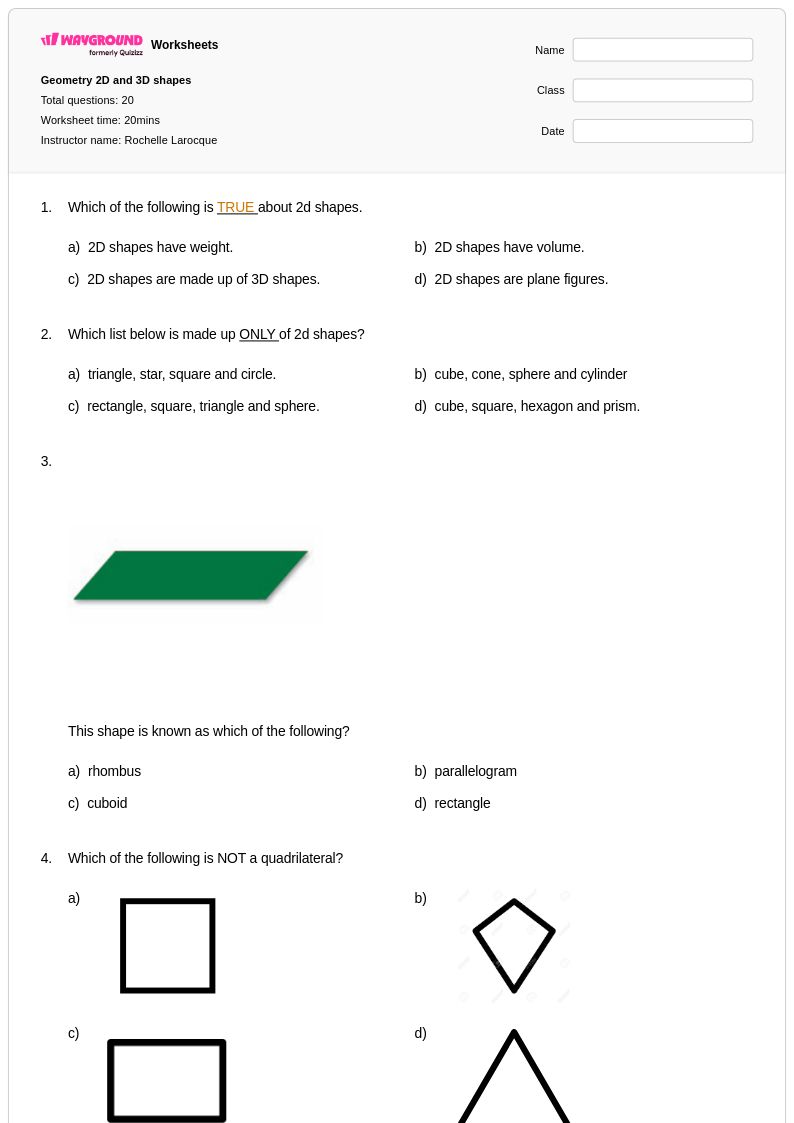
20 Q
5th
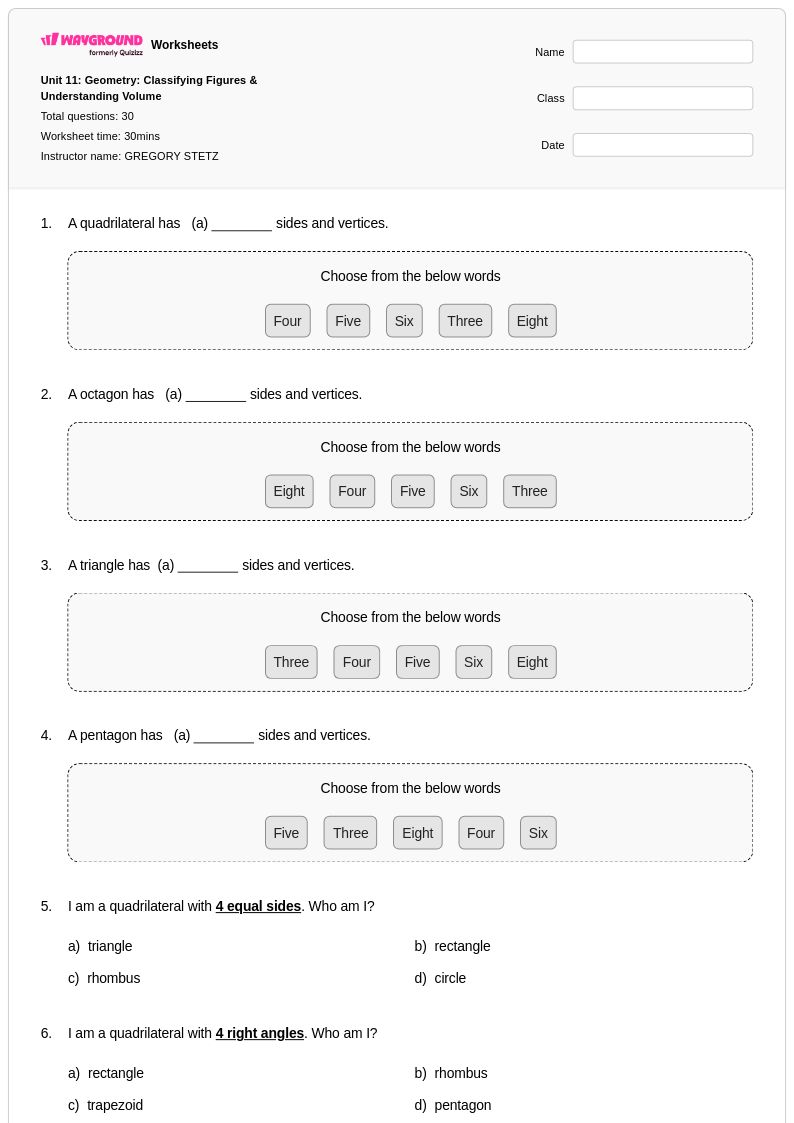
30 Q
5th
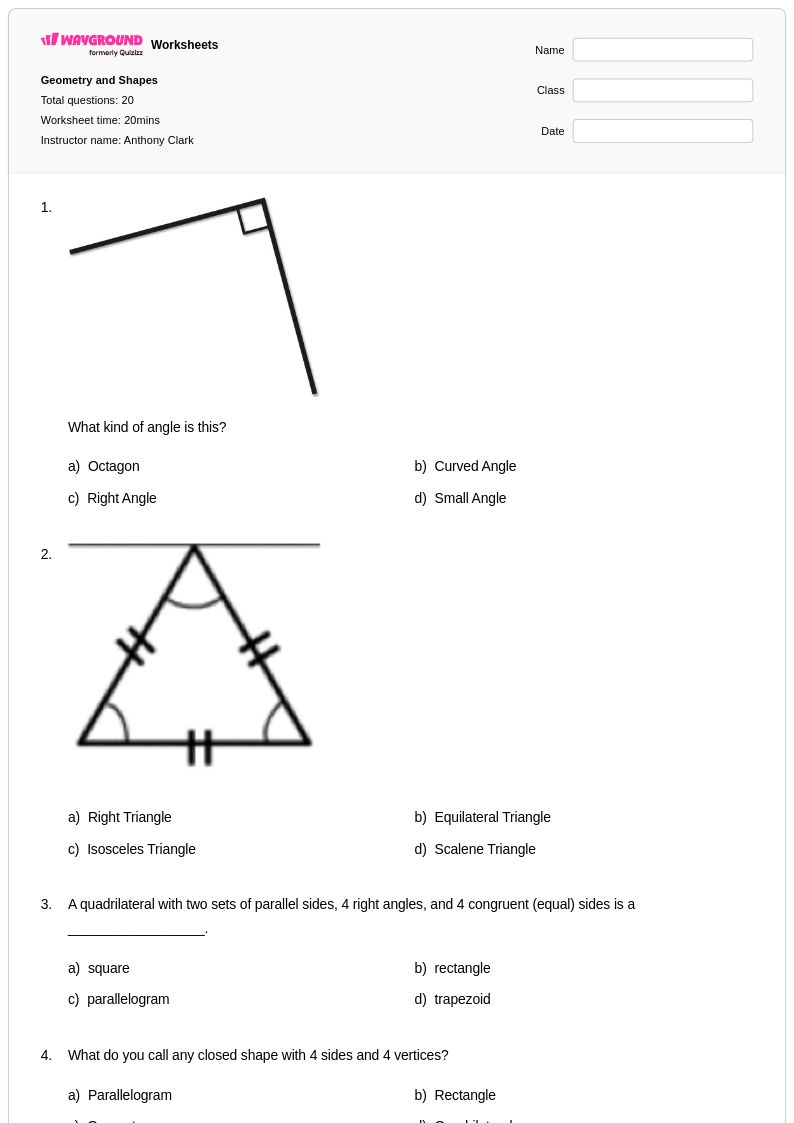
20 Q
5th - Uni
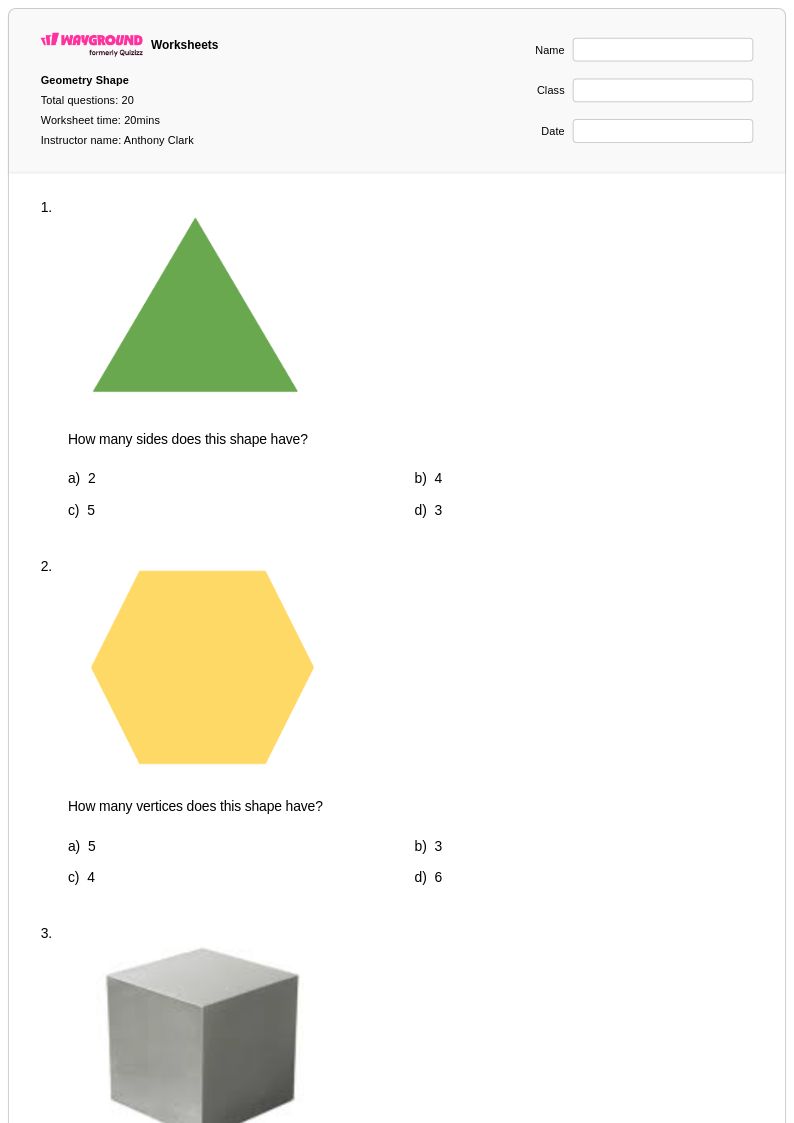
20 Q
5th - Uni
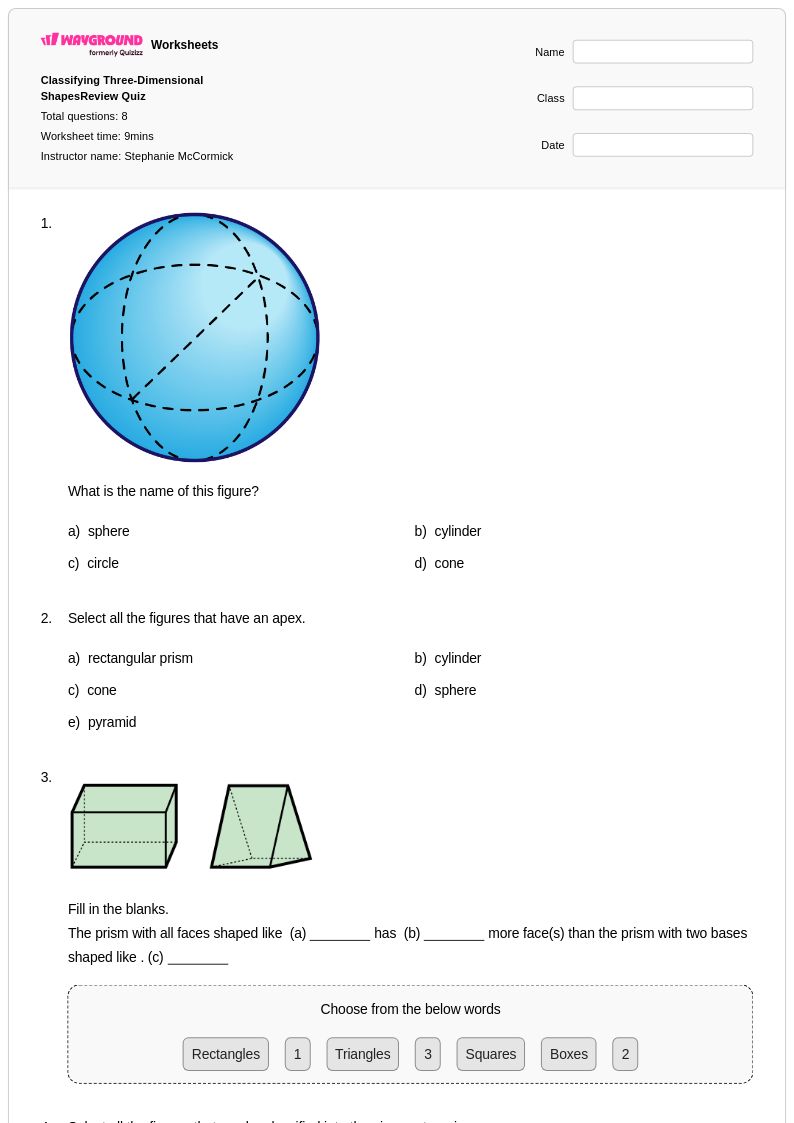
8 Q
5th
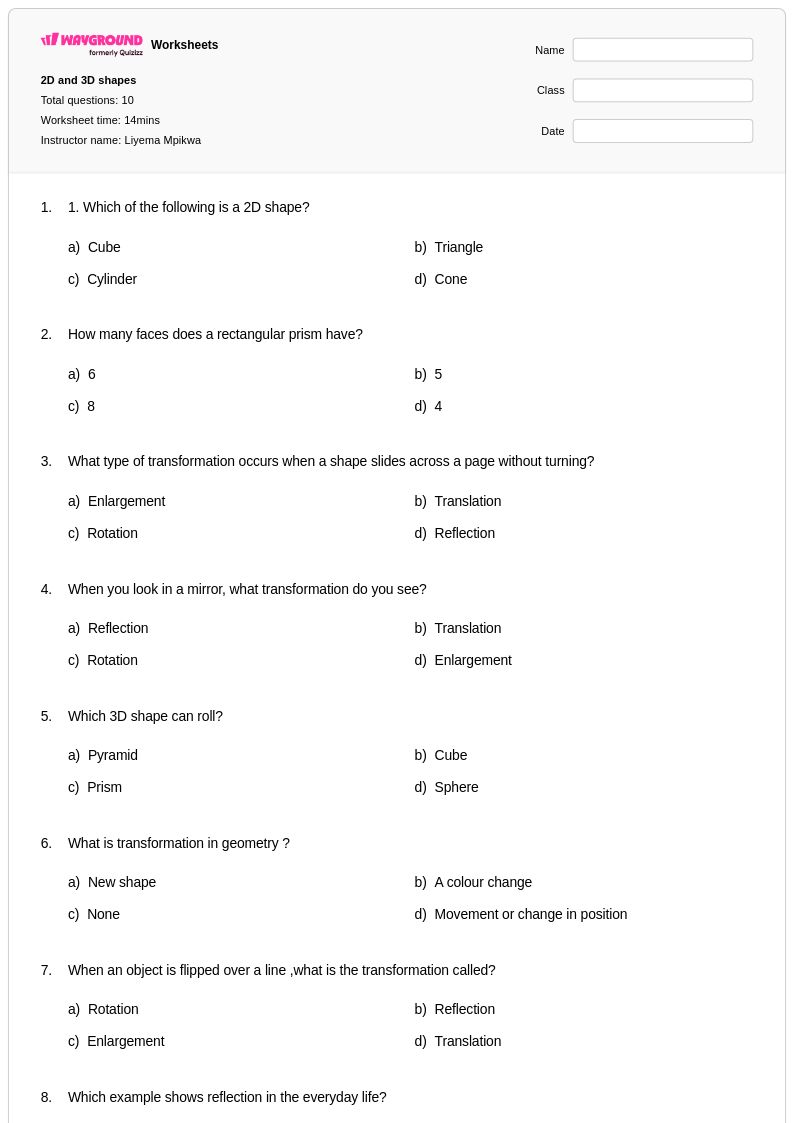
10 Q
5th
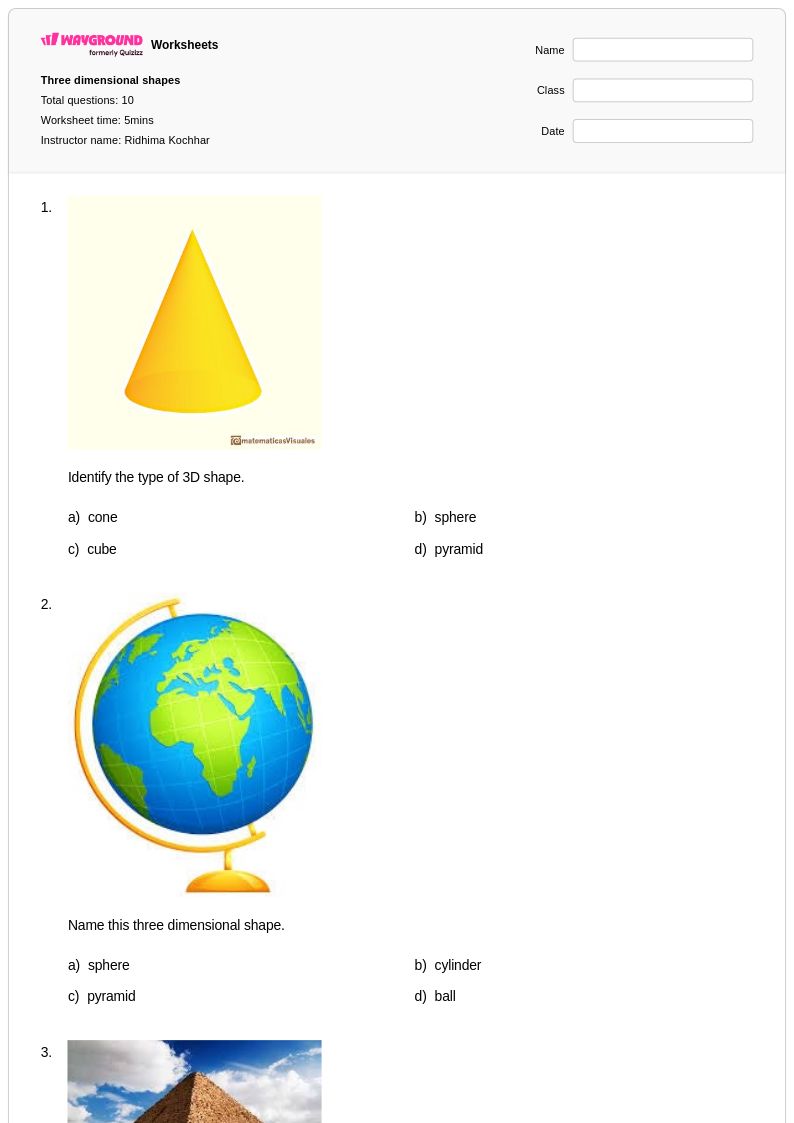
10 Q
5th - 6th
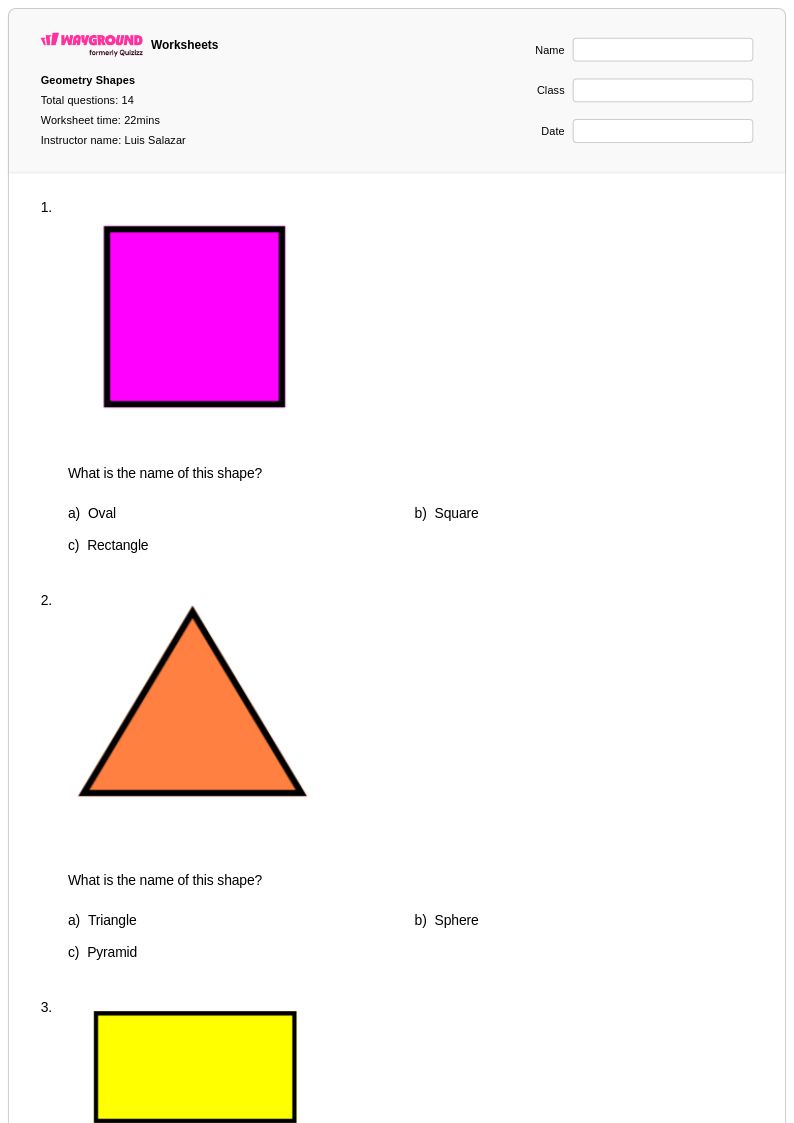
14 Q
1st - 5th
10 Q
3rd - 5th
22 Q
5th
20 Q
3rd - 5th
12 Q
5th
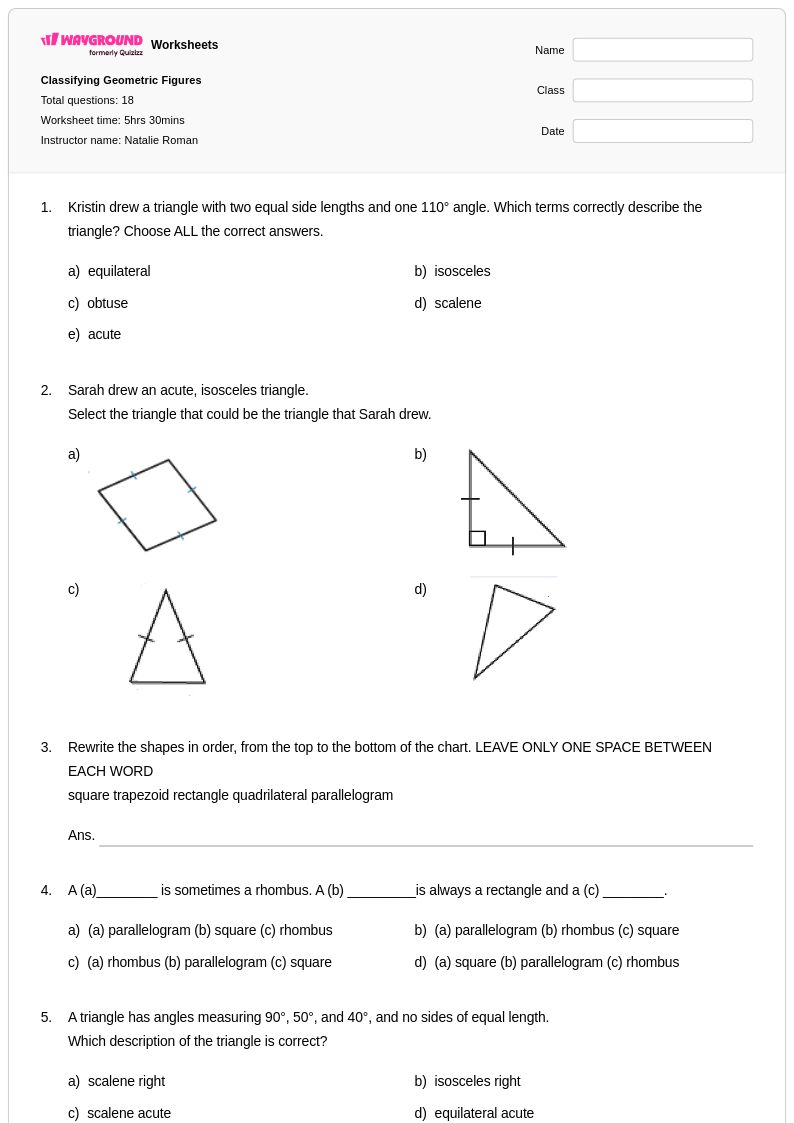
18 Q
5th
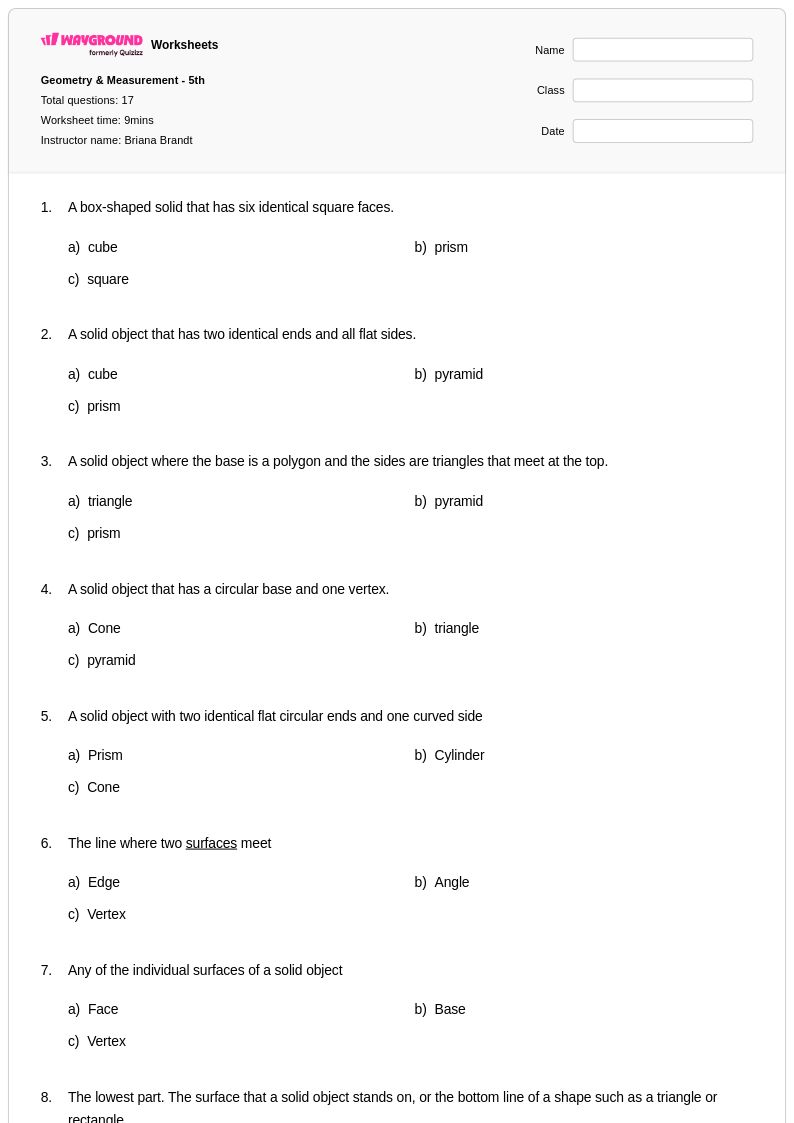
17 Q
5th
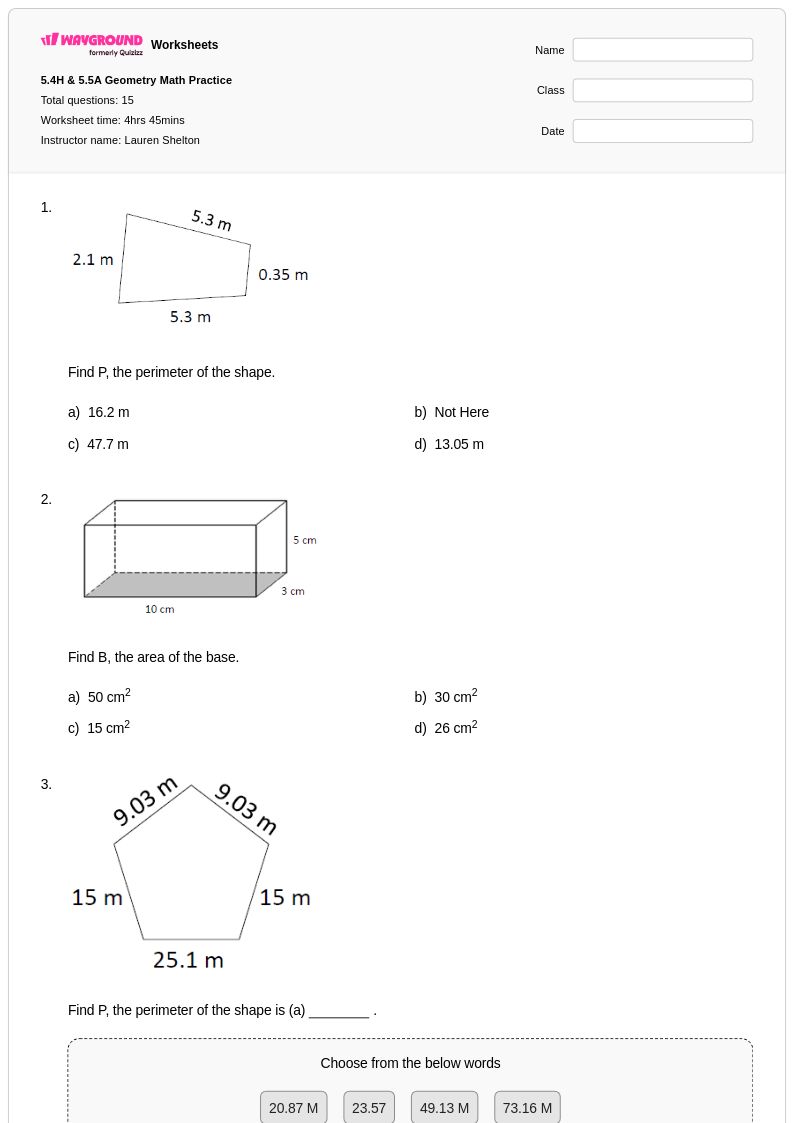
15 Q
5th
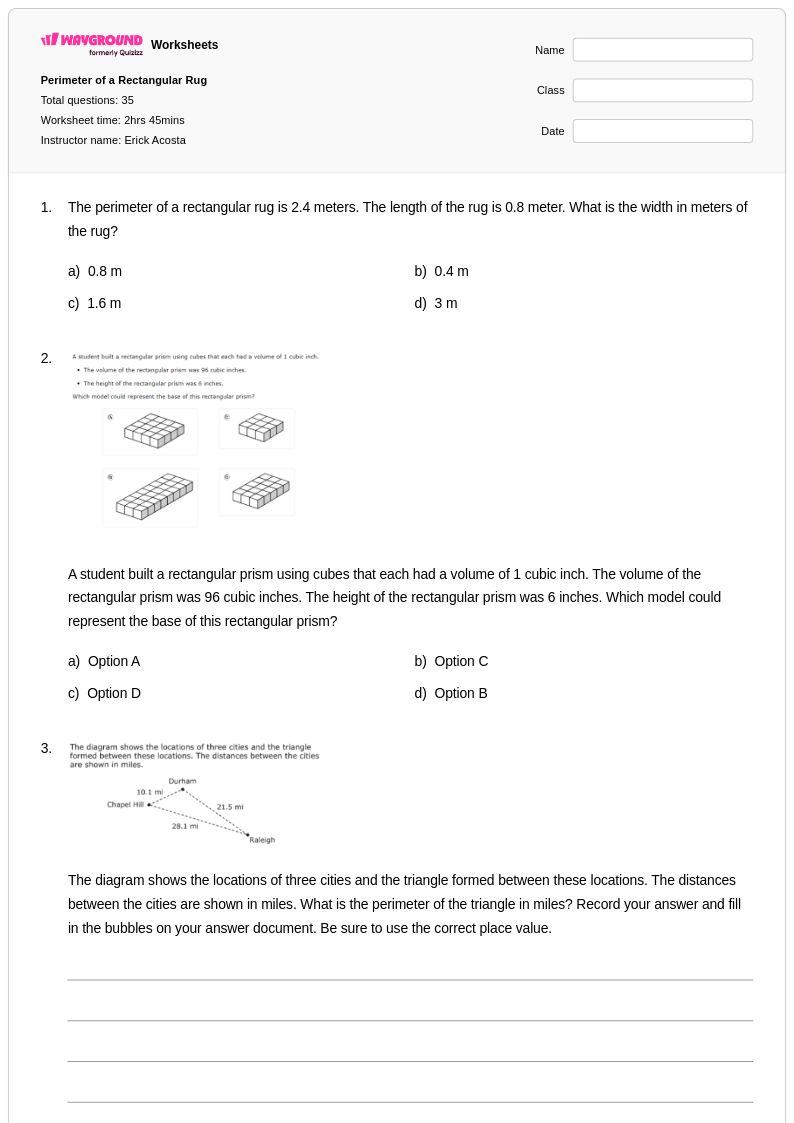
35 Q
5th
13 Q
5th
17 Q
5th - 6th
9 Q
5th
10 Q
5th
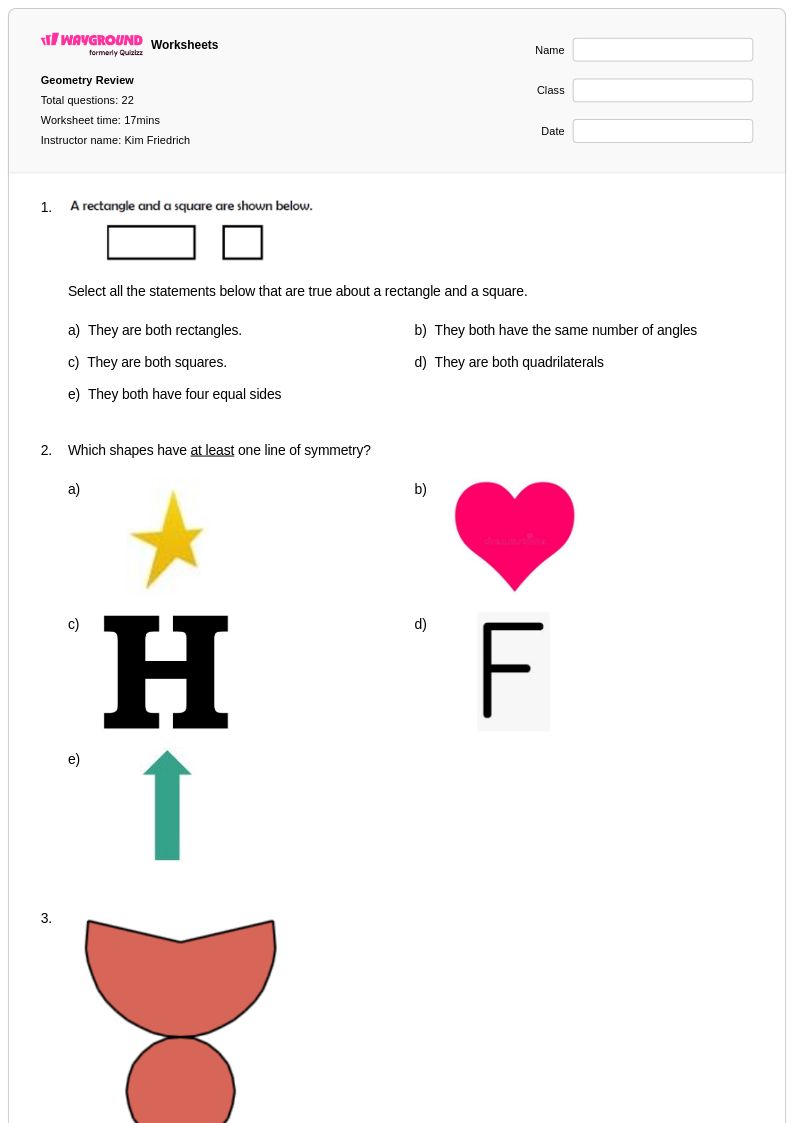
22 Q
5th
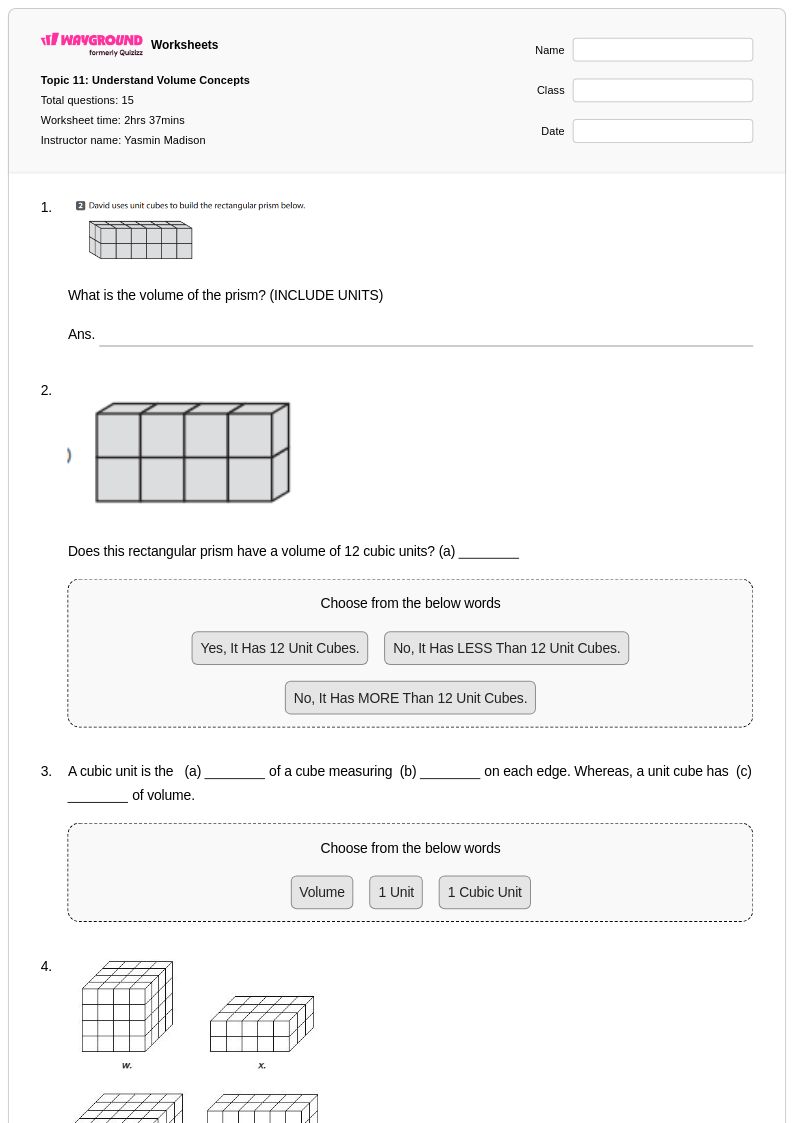
15 Q
5th
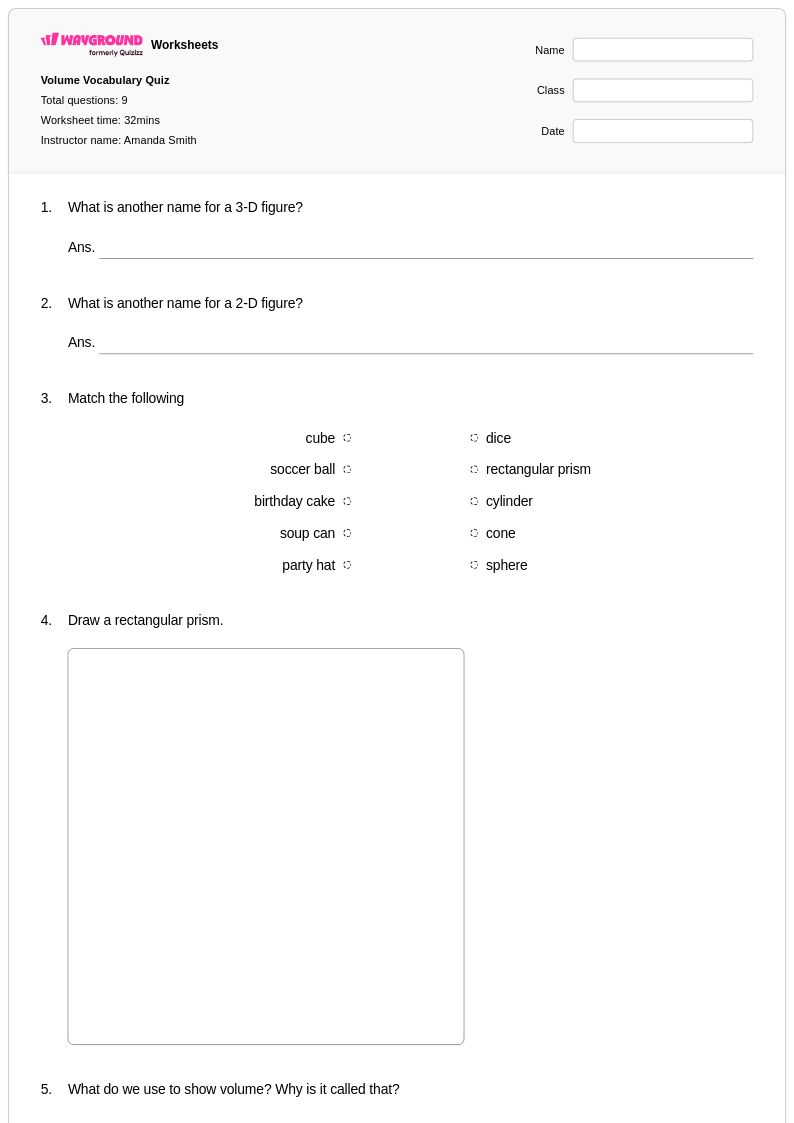
9 Q
5th
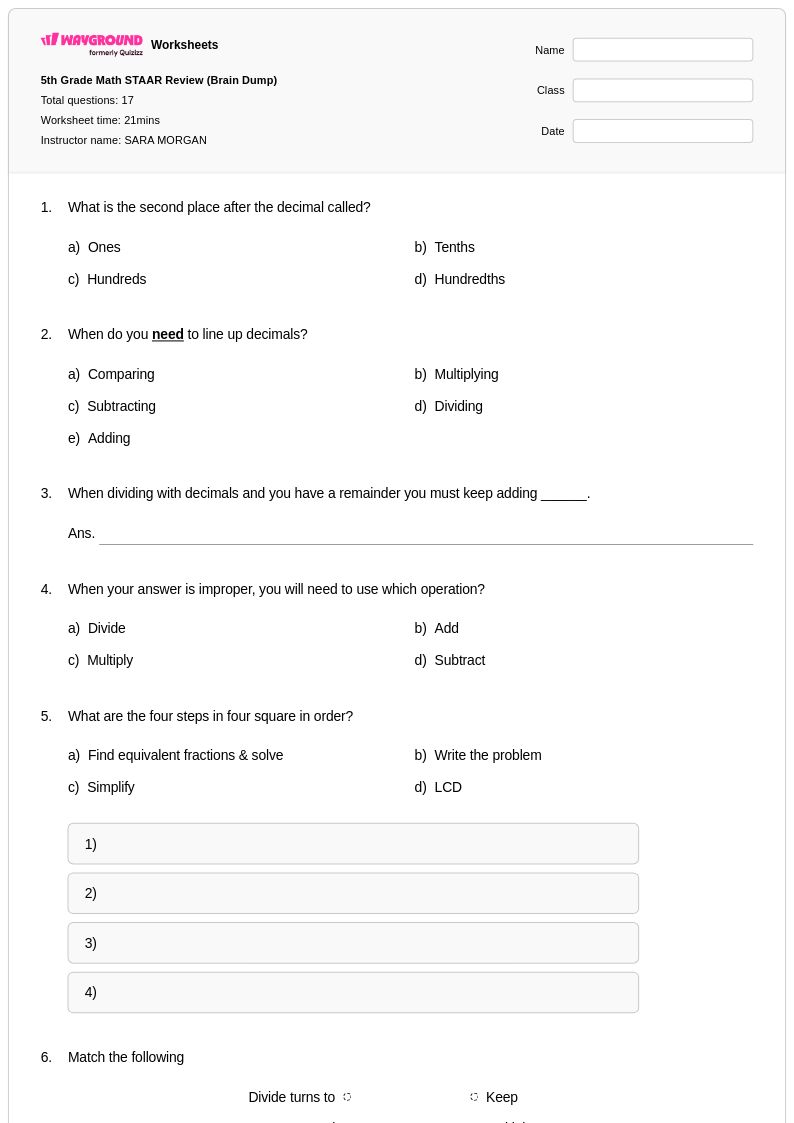
17 Q
5th
Explore Geometry 3D Shapes Worksheets by Grades
Explore Geometry 3D Shapes Worksheets for year 5 by Topic
Explore Other Subject Worksheets for year 5
Explore printable Geometry 3D Shapes worksheets for Year 5
Year 5 geometry 3D shapes worksheets available through Wayground (formerly Quizizz) provide comprehensive practice opportunities for students developing spatial reasoning and three-dimensional geometric understanding. These carefully designed worksheets strengthen essential skills including identifying and classifying 3D shapes such as cubes, spheres, cylinders, pyramids, and prisms, while building vocabulary related to faces, edges, vertices, and geometric properties. Students engage with practice problems that challenge them to recognize 3D shapes in real-world contexts, calculate surface area and volume using age-appropriate methods, and understand the relationship between 2D faces and 3D solids. Each worksheet collection includes a complete answer key and is available as free printable pdf resources, making them accessible for both classroom instruction and independent practice at home.
Wayground (formerly Quizizz) empowers teachers with millions of educator-created 3D shapes worksheet resources that support differentiated instruction and flexible lesson planning. The platform's robust search and filtering capabilities allow teachers to quickly locate materials aligned with specific curriculum standards and learning objectives, while customization tools enable educators to modify existing worksheets or create targeted practice sets for remediation and enrichment. These geometry resources are available in both printable pdf format and interactive digital versions, accommodating diverse classroom environments and individual student needs. Teachers can efficiently organize skill-building activities that progress from basic shape identification to more complex geometric reasoning, ensuring students develop a solid foundation in three-dimensional geometry concepts that will support their mathematical growth in higher grade levels.
FAQs
How do I teach 3D shapes in Grade 5?
What exercises help fifth graders practice 3D shapes?
What mistakes do Grade 5 students make with 3D geometry?
How do I assign a Grade 5 3D shapes worksheet on Wayground?
How does Grade 5 work with 3D shapes support Common Core math?
How can I support fifth graders who struggle to visualize 3D shapes?
What 3D geometry skills are appropriate for Grade 5?