Free Printable Gerrymandering Worksheets for Year 8
Explore Wayground's free Year 8 gerrymandering worksheets and printables that help students understand electoral district manipulation, featuring engaging practice problems and comprehensive answer keys to master this essential civics concept.
Explore printable Gerrymandering worksheets for Year 8
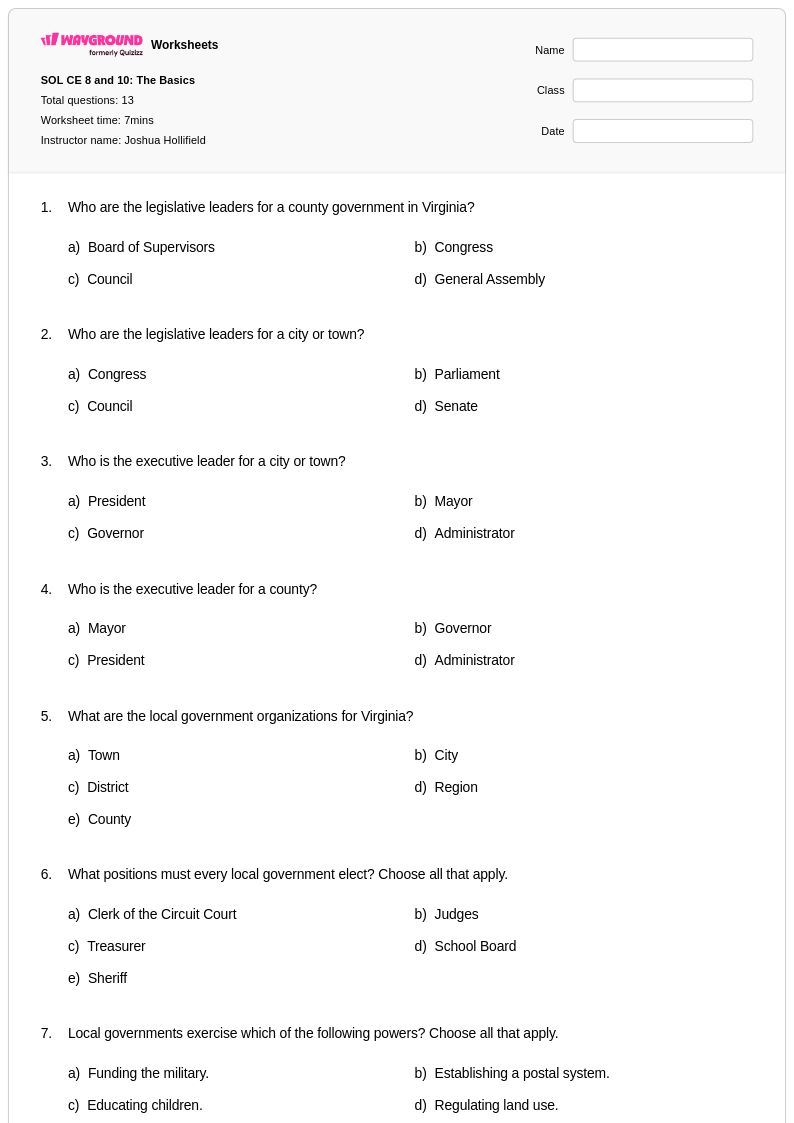
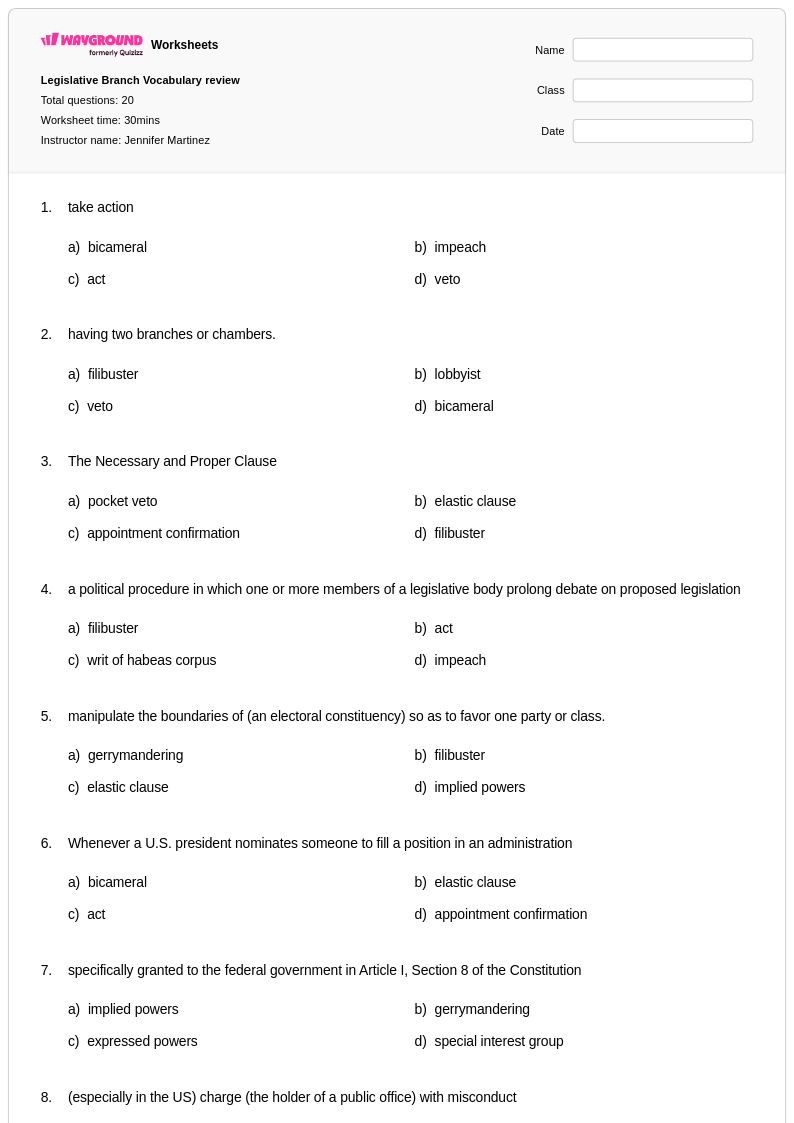
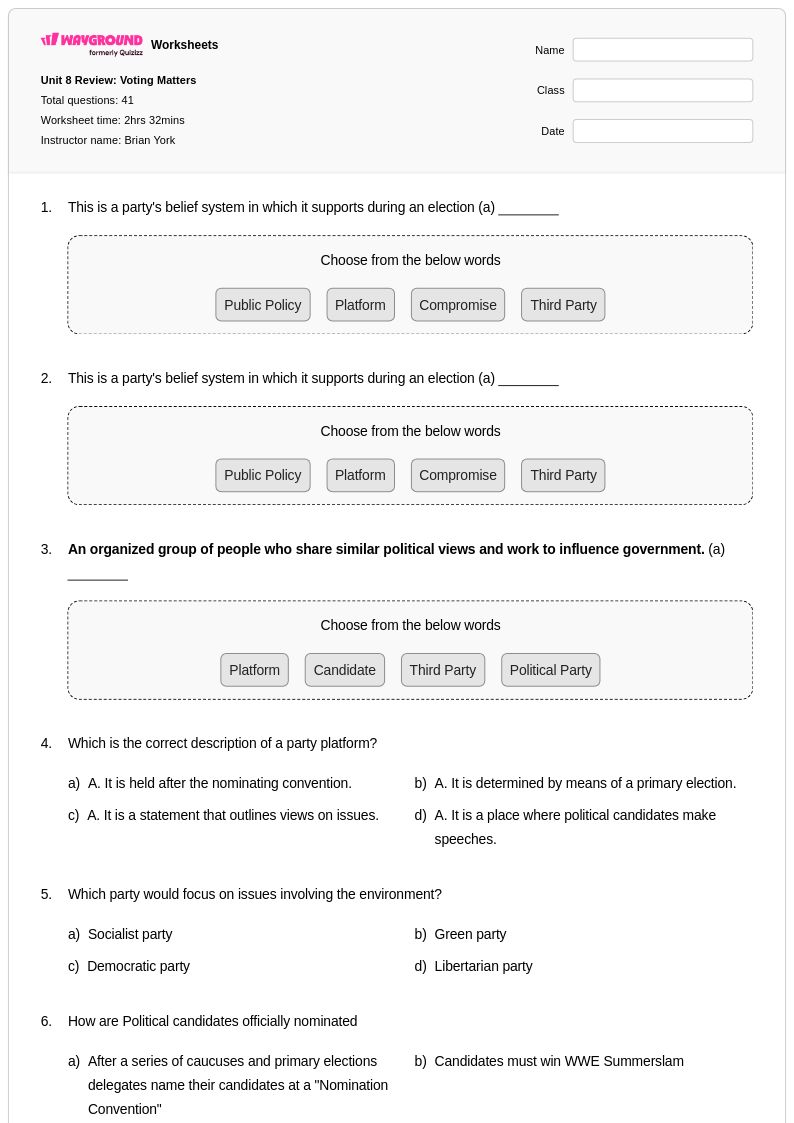
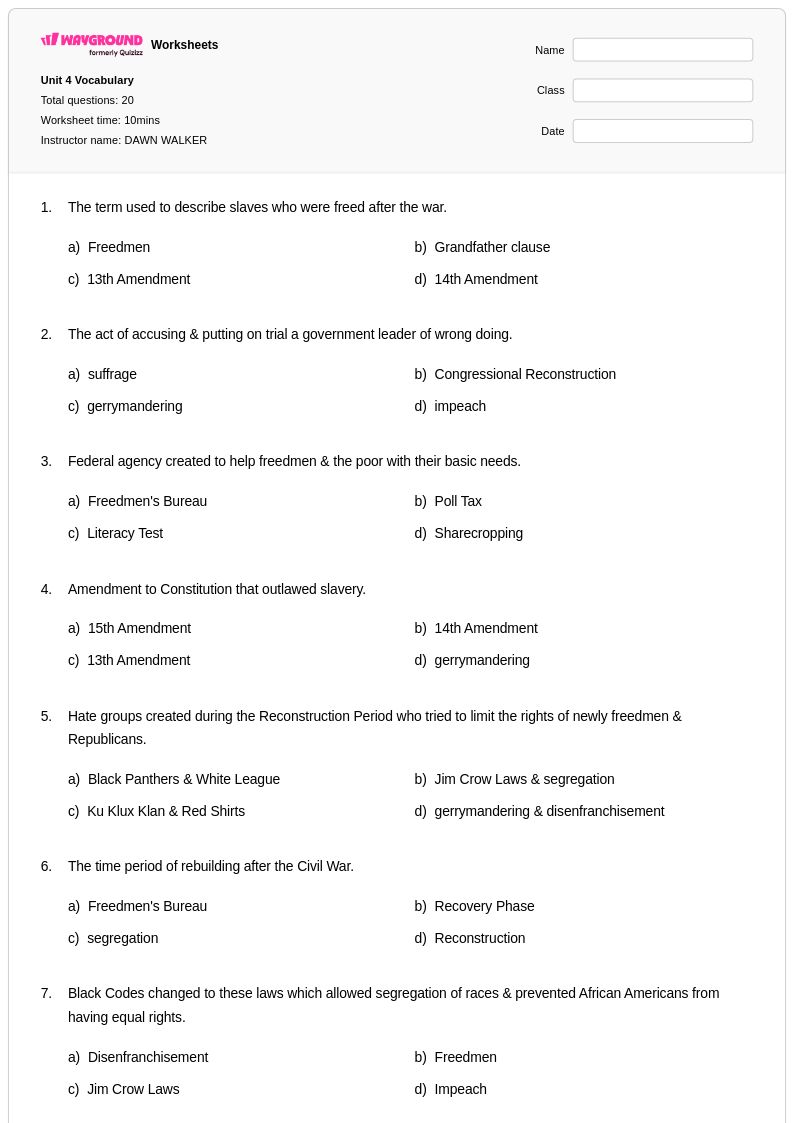
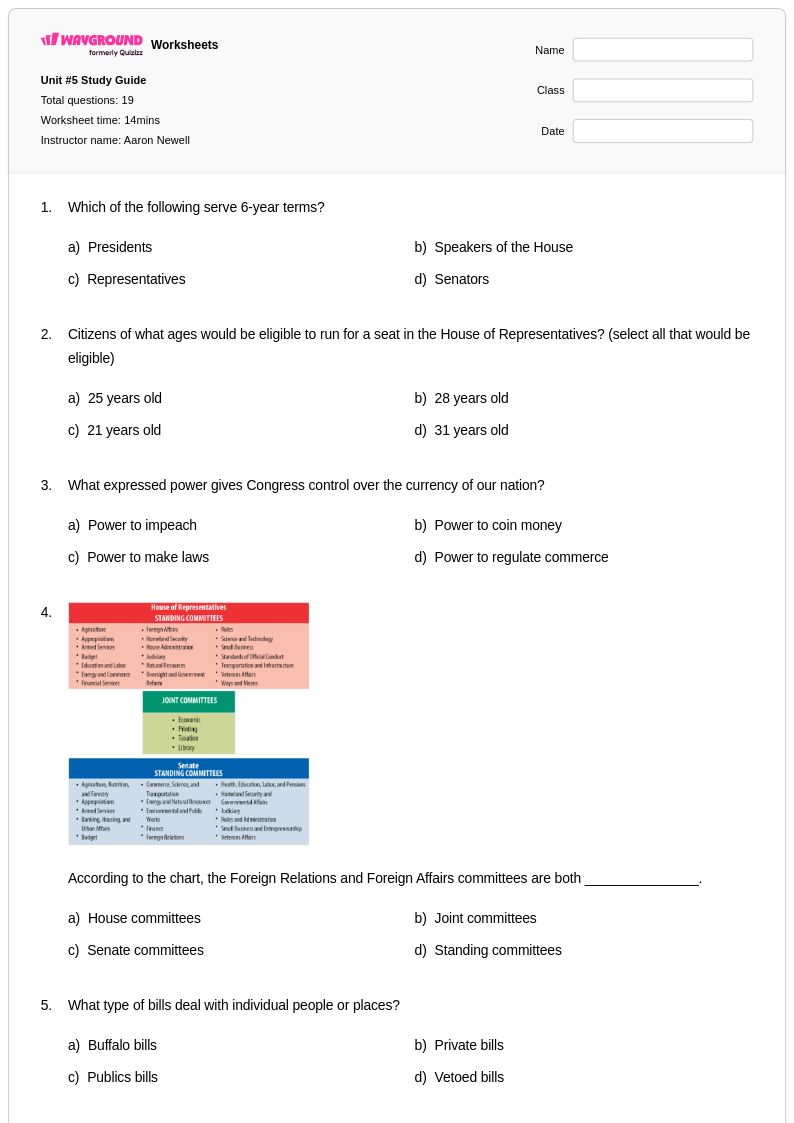
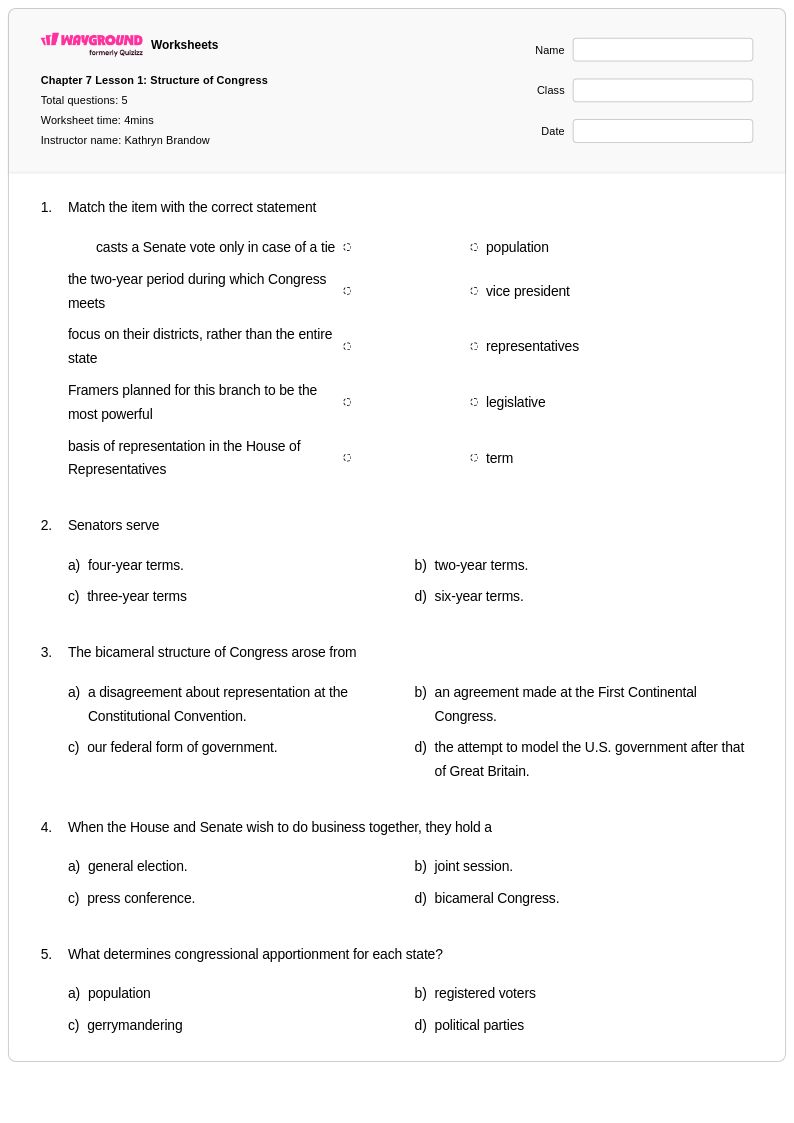
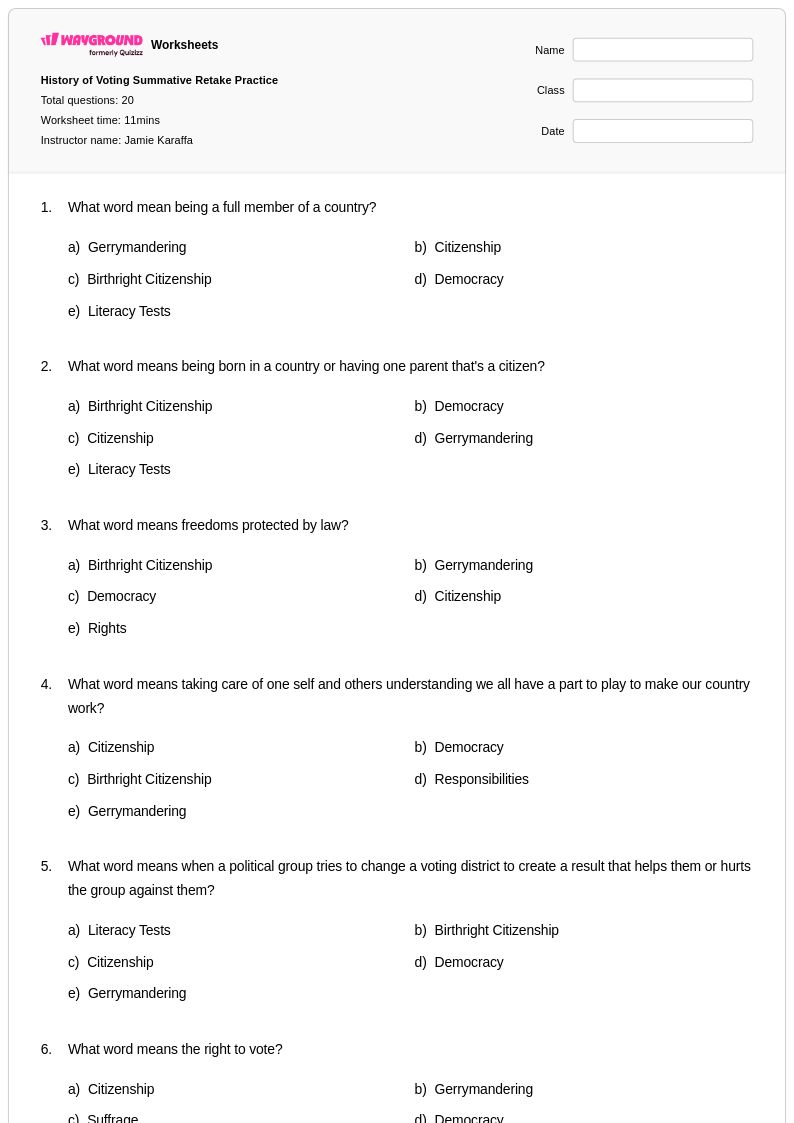
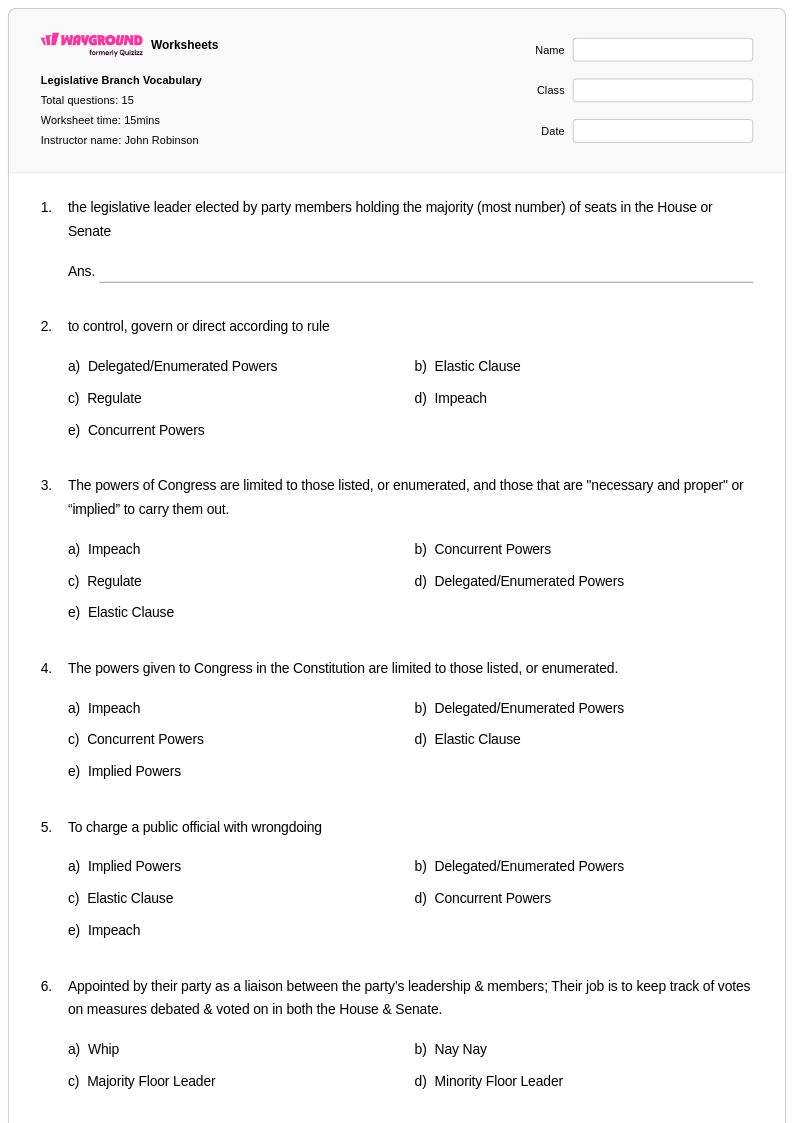
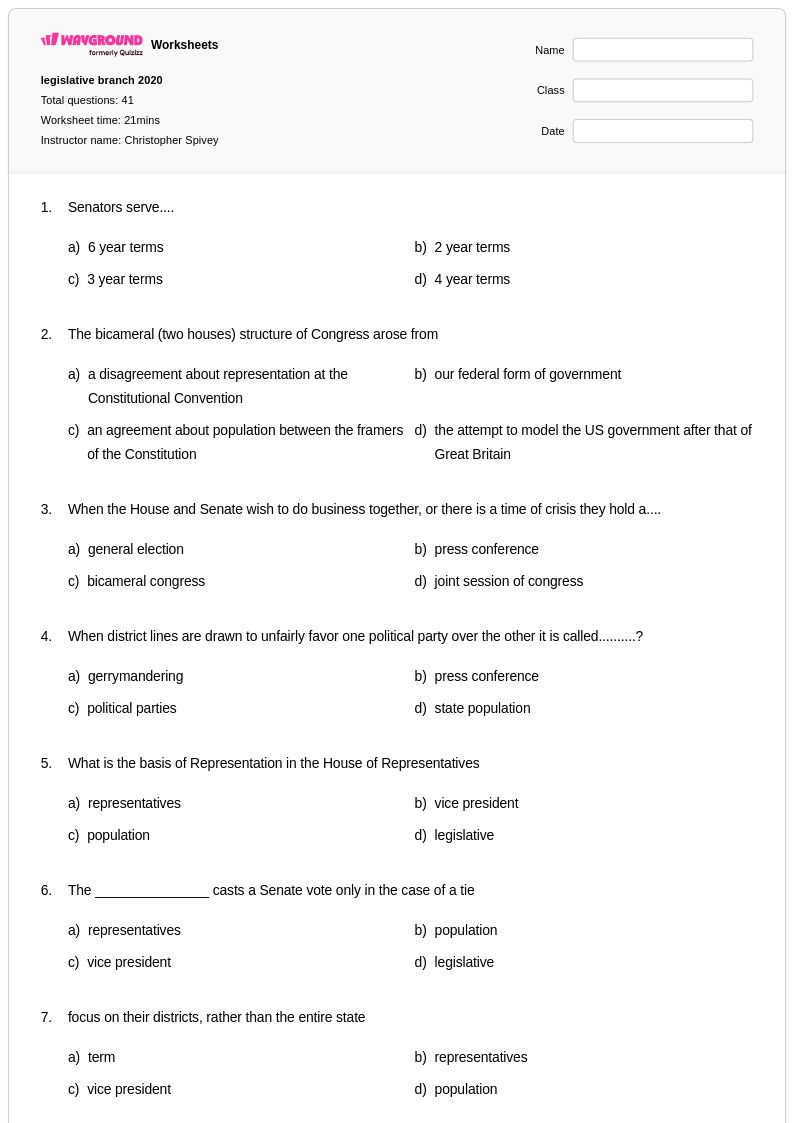
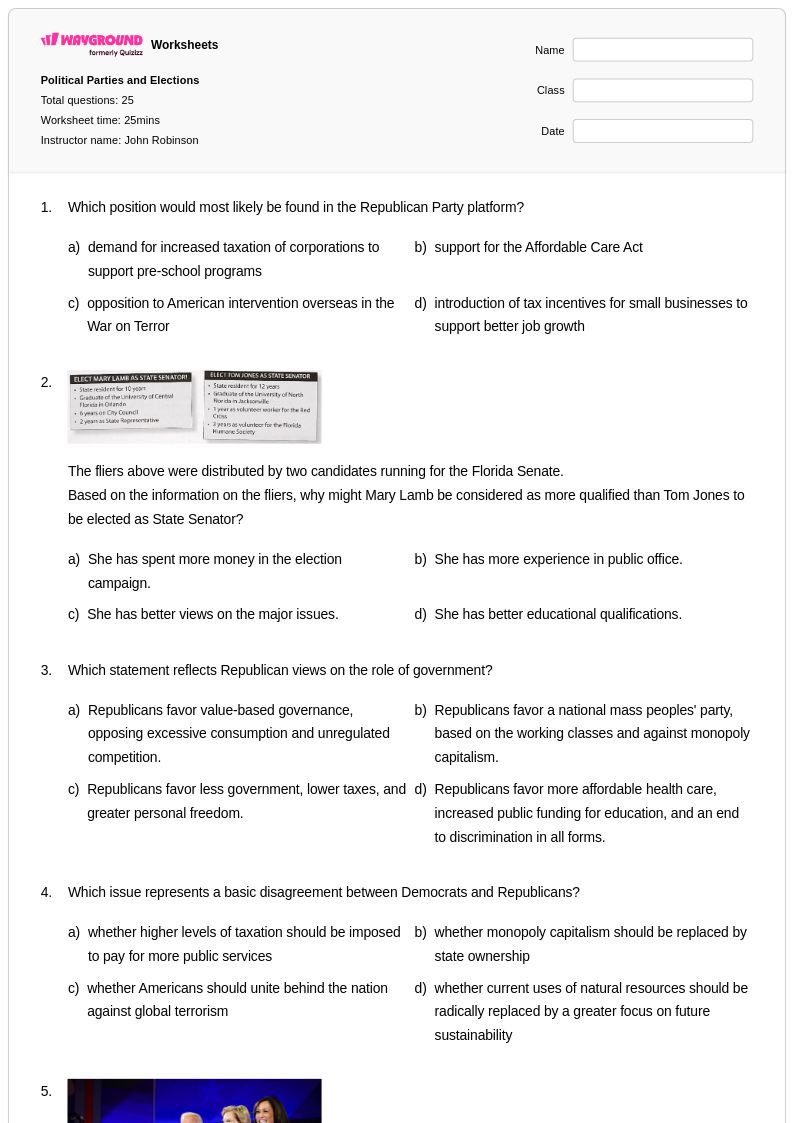
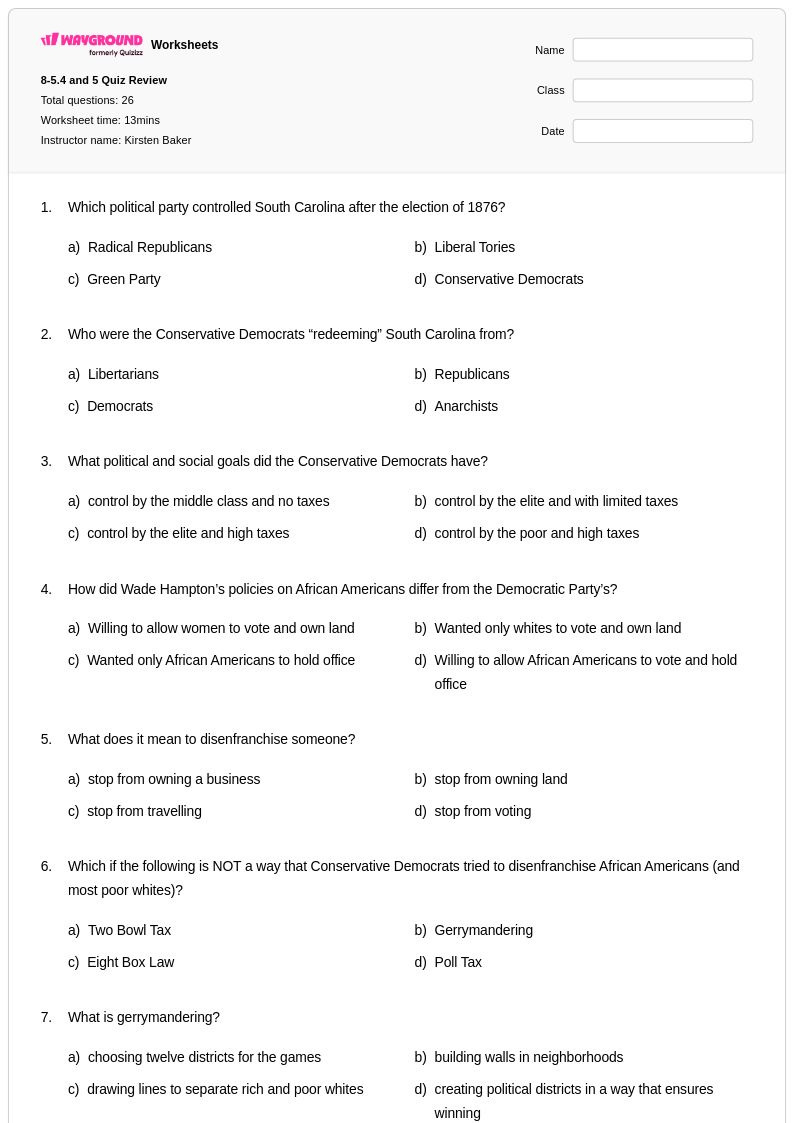
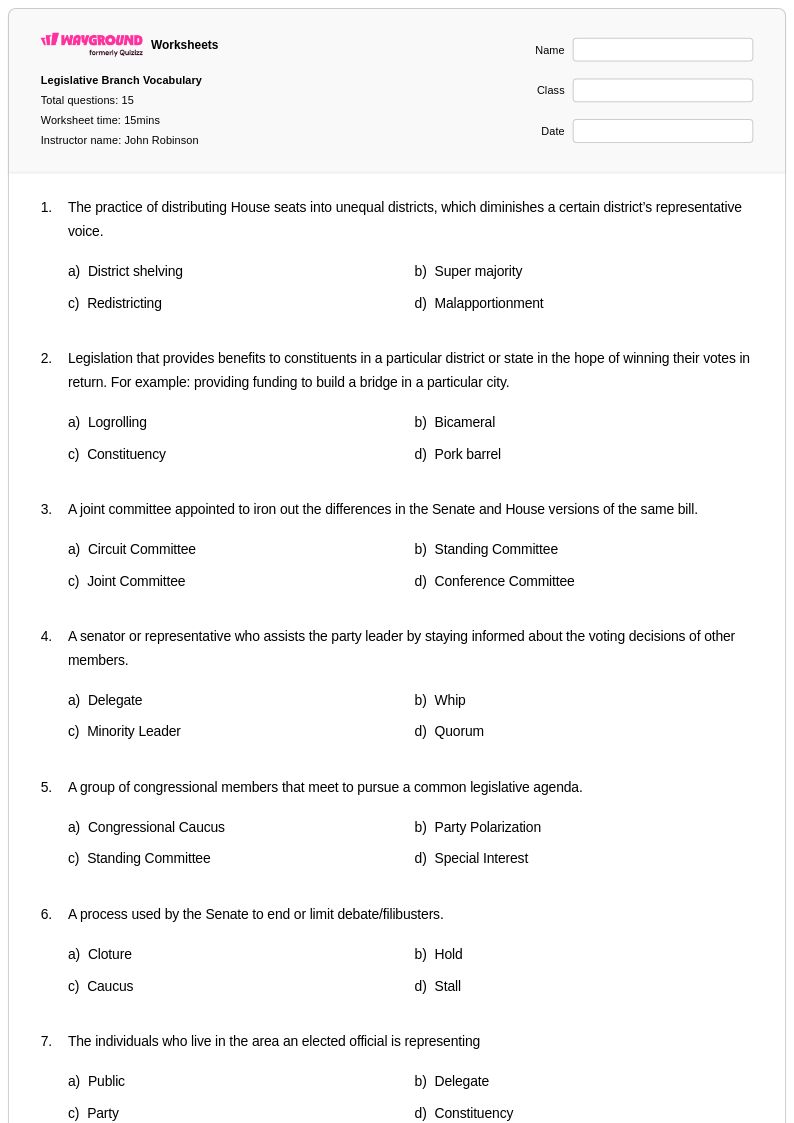
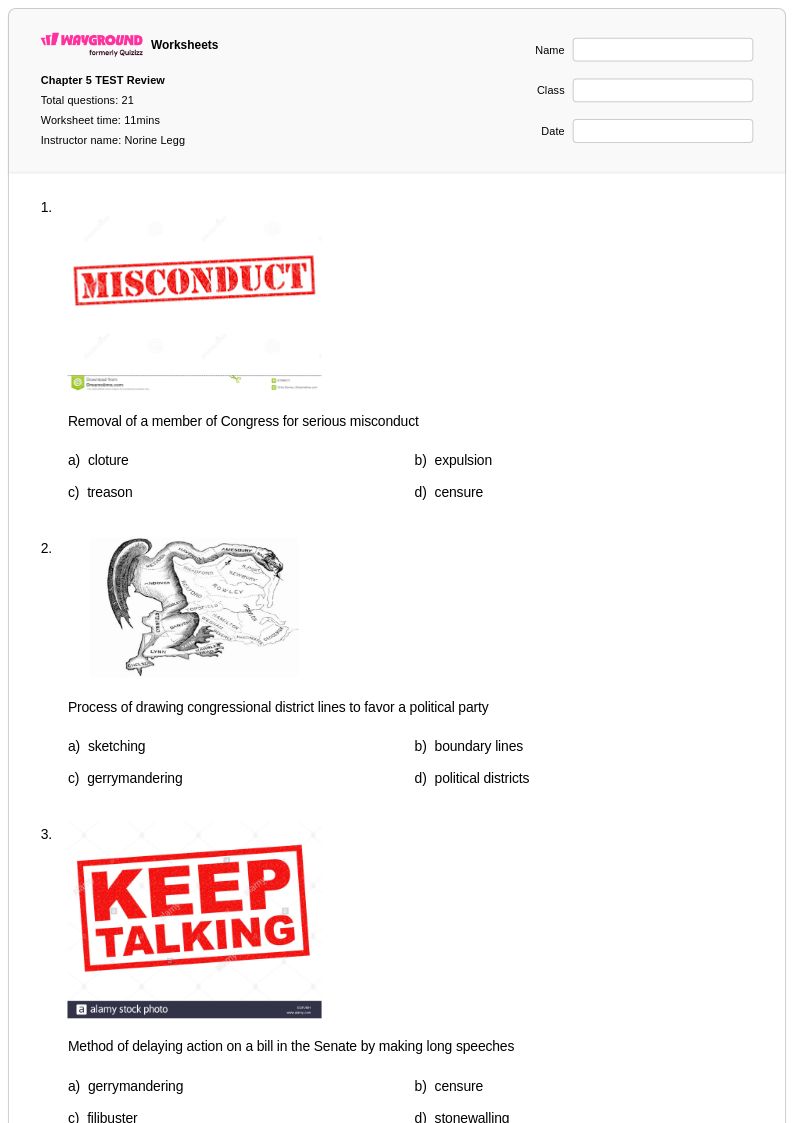
Gerrymandering worksheets for Year 8 students available through Wayground provide comprehensive exploration of this critical democratic process and its impact on electoral representation. These educational resources help students understand how congressional and state legislative districts are drawn, redrawn, and sometimes manipulated to favor particular political parties or groups. Students develop analytical skills by examining real-world examples of district maps, identifying potential gerrymandering patterns, and evaluating the fairness of electoral boundaries. The worksheets include practice problems that challenge learners to interpret demographic data, analyze voting patterns, and assess the constitutional and ethical implications of redistricting decisions. Free printable materials feature detailed answer keys that support independent learning, while pdf formats ensure easy classroom distribution and homework assignments that reinforce understanding of this complex civic concept.
Wayground's extensive collection of teacher-created gerrymandering resources empowers educators to address this sophisticated Year 8 civics topic with confidence and depth. The platform's millions of educational materials include standards-aligned worksheets that can be easily located through robust search and filtering capabilities, allowing teachers to find content that matches their specific curriculum requirements and state standards. Differentiation tools enable educators to modify difficulty levels and customize assignments to meet diverse learning needs, supporting both remediation for struggling students and enrichment opportunities for advanced learners. Available in both printable and digital formats including downloadable pdfs, these resources facilitate flexible lesson planning whether for traditional classroom instruction, hybrid learning environments, or independent study. Teachers can seamlessly integrate these materials into broader units on democratic participation, constitutional principles, and electoral systems while providing students with essential practice in critical thinking about contemporary political processes.
FAQs
How do I teach gerrymandering to students?
Effective gerrymandering instruction typically begins with helping students understand how electoral districts are drawn and why boundaries matter for political representation. Teachers often use real district map examples to show how oddly shaped districts can concentrate or dilute the voting power of specific communities. Pairing map analysis with demographic data gives students a concrete, visual way to grasp both partisan and racial gerrymandering before moving into broader debates about fairness and democratic accountability.
What activities help students practice understanding gerrymandering?
Practice activities that work well include having students interpret demographic maps, compare district shapes across different election cycles, and evaluate whether a given redistricting plan appears fair or manipulative. Worksheets that ask students to analyze real-world district boundaries and assess their impact on voter representation build the civic literacy skills central to this topic. Problems that require students to weigh competing redistricting criteria, such as compactness, contiguity, and population equality, push higher-order thinking beyond simple recall.
What misconceptions do students commonly have about gerrymandering?
A frequent misconception is that gerrymandering only benefits one political party, when in practice both major parties have used redistricting strategically depending on which controls state legislatures. Students also often conflate racial gerrymandering with partisan gerrymandering, not recognizing that courts treat these as legally distinct issues with different constitutional standards. Another common error is assuming that irregular district shapes automatically indicate gerrymandering, when geographic and demographic factors can legitimately produce unusual boundaries.
How can I use gerrymandering worksheets to assess student understanding?
Gerrymandering worksheets that present unfamiliar district maps and ask students to identify manipulation, justify their reasoning, and evaluate impact on representation work well as formative or summative assessments. Because the topic requires interpreting visual data alongside civic concepts, these tasks reveal whether students can apply their knowledge rather than simply recall definitions. Look for consistent errors in how students interpret demographic composition or conflate correlation with intentional manipulation, as these signal gaps worth addressing in direct instruction.
How do I use Wayground's gerrymandering worksheets in my classroom?
Wayground's gerrymandering worksheets are available as printable PDFs for traditional classroom use and in digital formats for technology-integrated environments, giving teachers flexibility in how they assign and administer them. Teachers can also host the worksheets as a quiz directly on Wayground, making it easy to collect and review student responses in one place. Each worksheet includes a complete answer key, so they work equally well for independent student practice, guided instruction, or homework assignments.
How can I differentiate gerrymandering instruction for students at different levels?
For students who need additional support, reduce the complexity of the district maps used and provide a vocabulary scaffold covering terms like redistricting, constituency, and partisan bias before beginning analysis tasks. More advanced students can be pushed to evaluate court rulings on gerrymandering cases or propose their own redistricting criteria and defend them. On Wayground, teachers can apply accommodations such as read aloud, reduced answer choices, and extended time to individual students, allowing the same core material to be accessible across a range of skill levels without creating entirely separate assignments.