
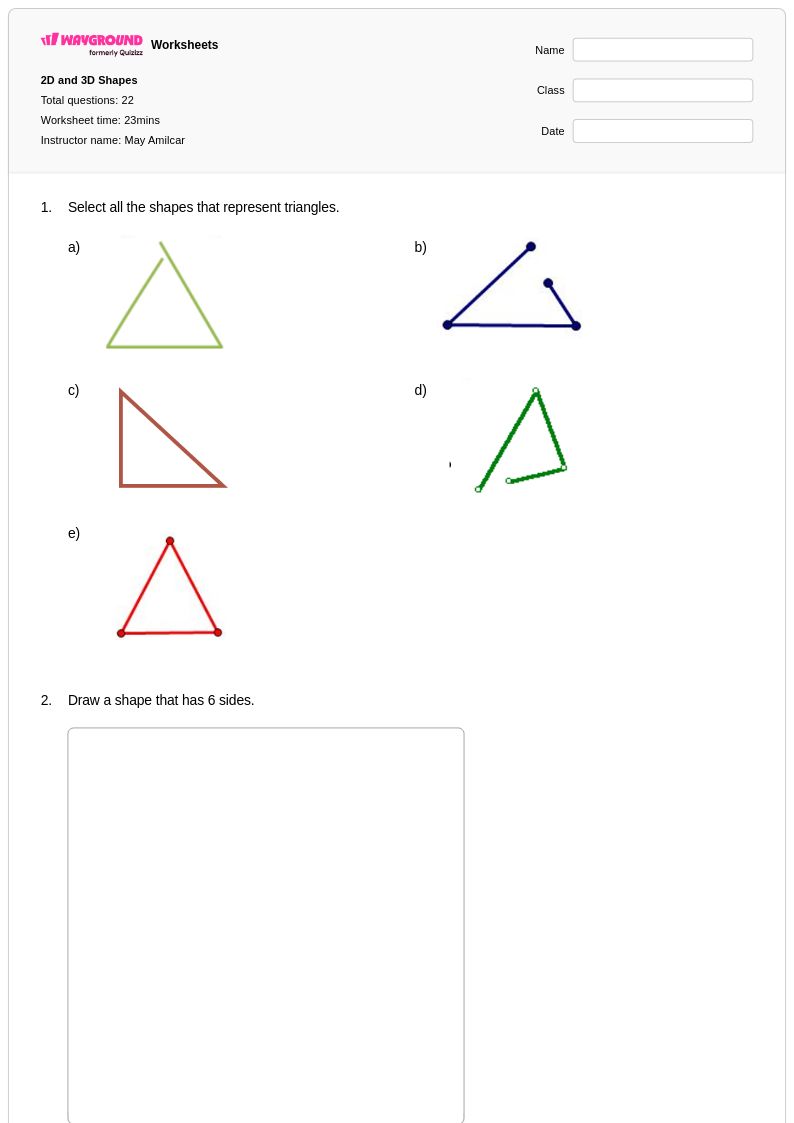
22 Q
1st
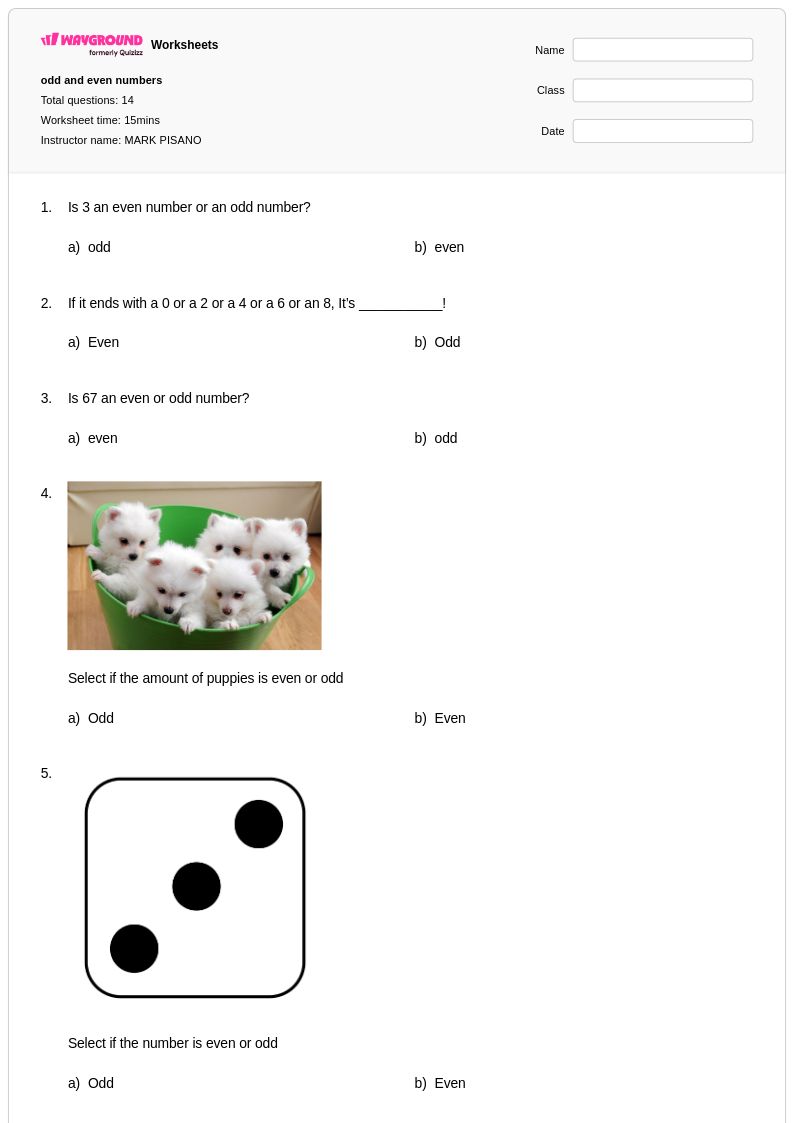
14 Q
1st
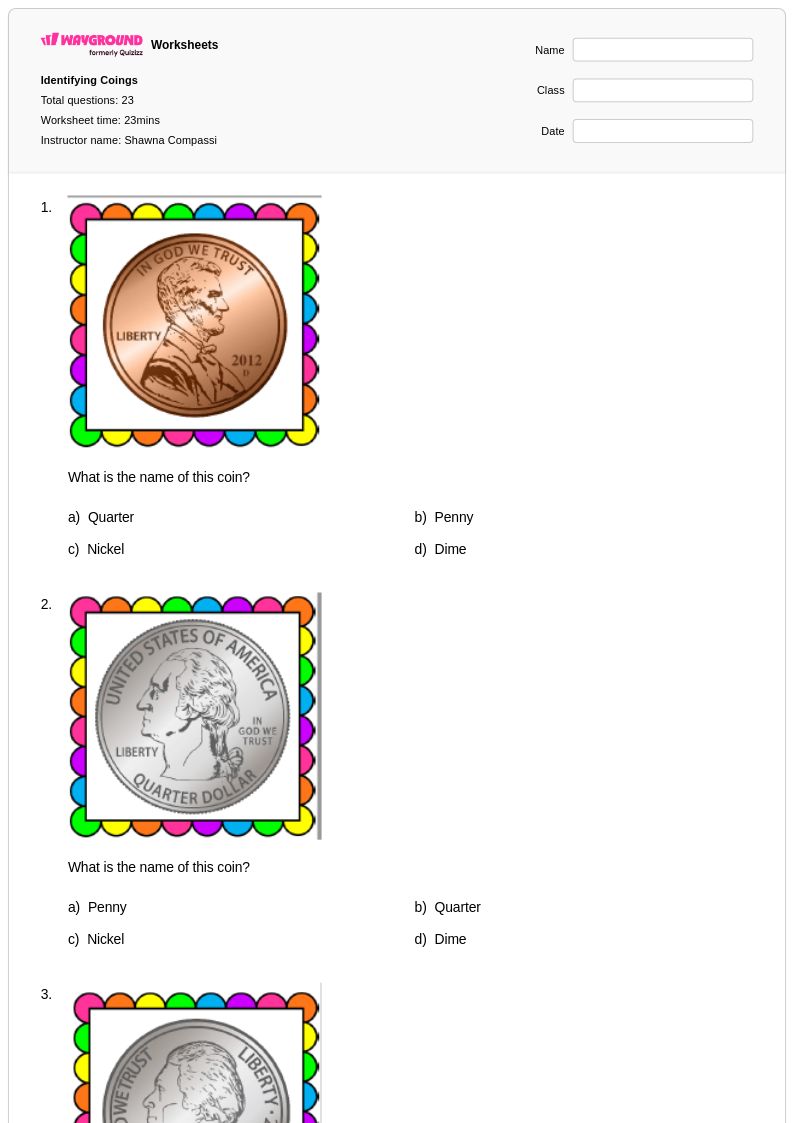
23 Q
KG - 2nd
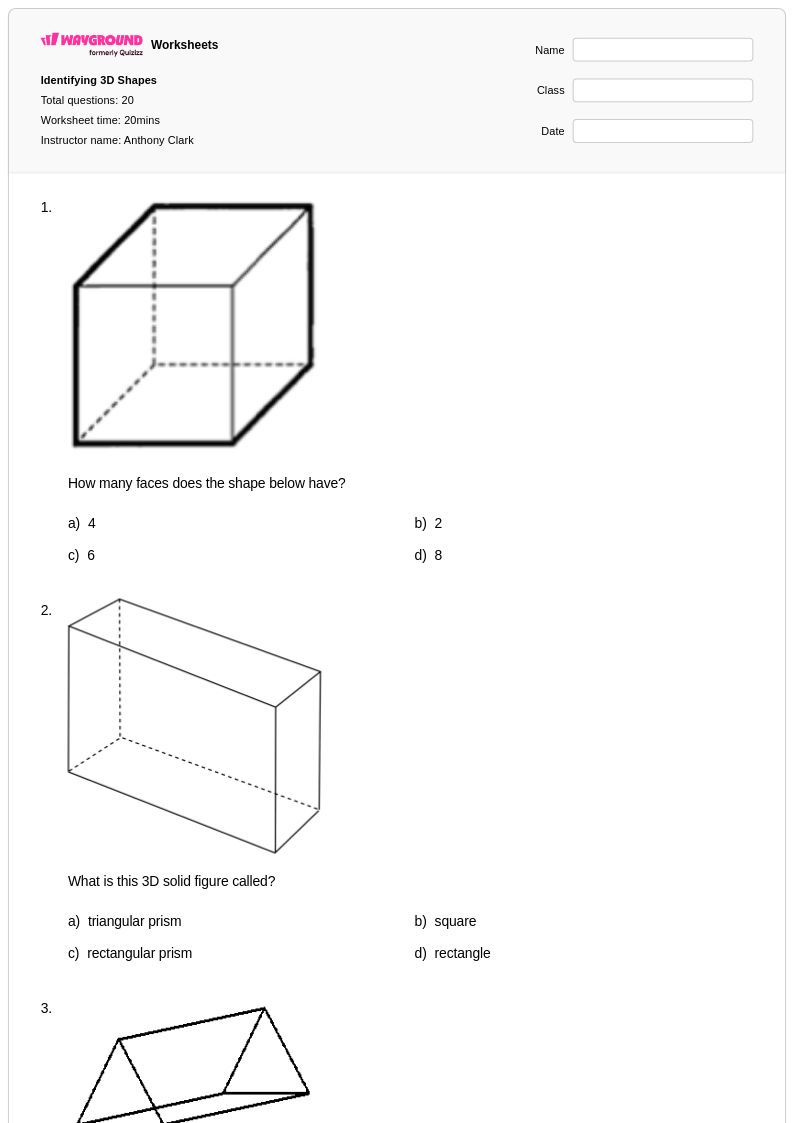
20 Q
1st - Uni
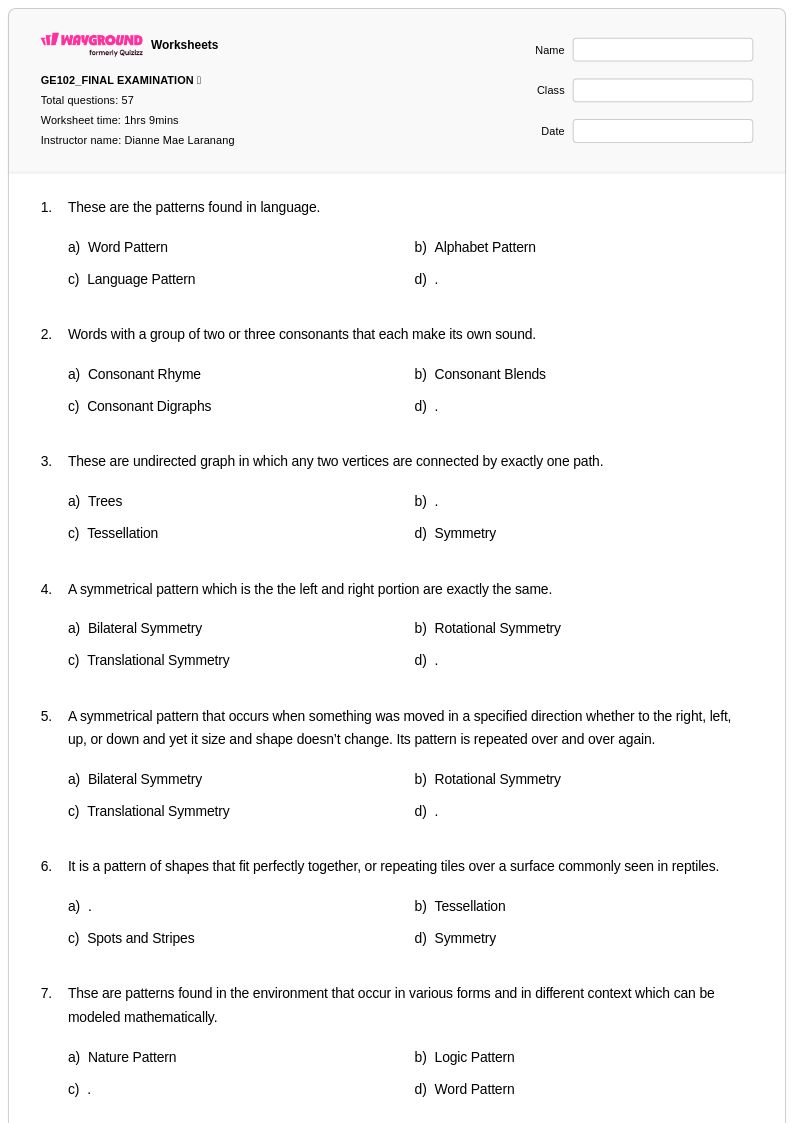
57 Q
1st - 3rd
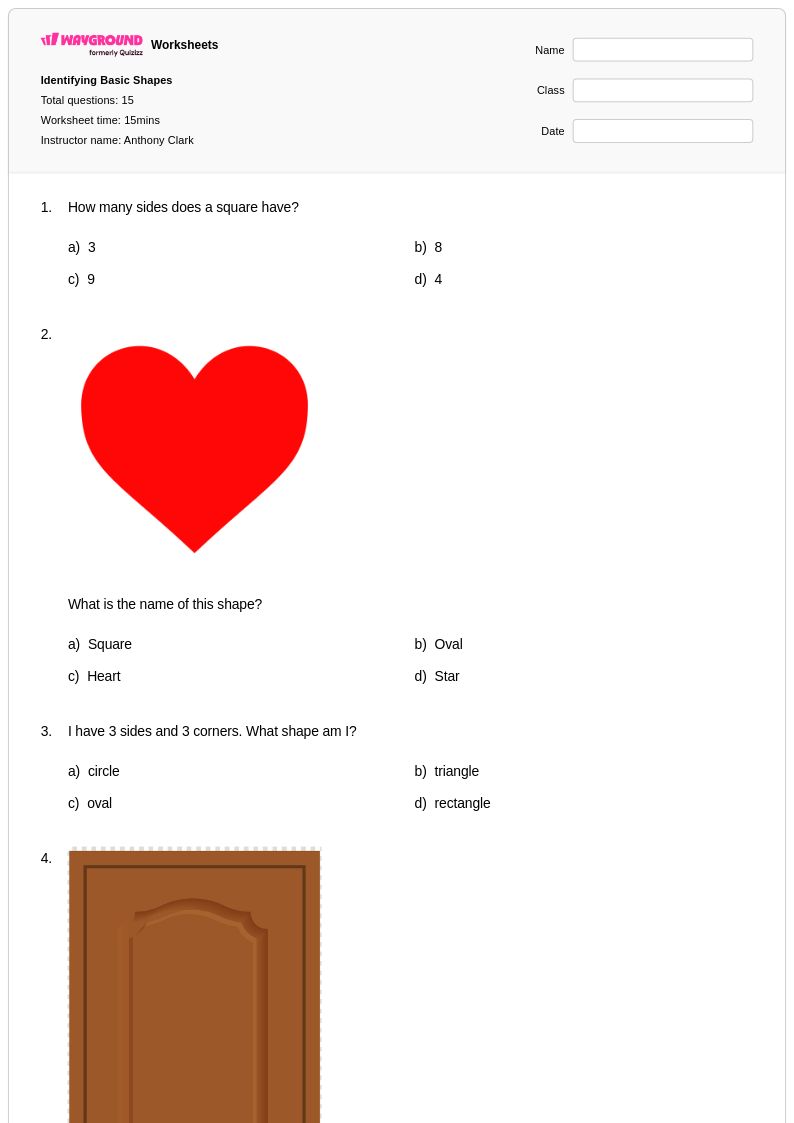
15 Q
1st - Uni
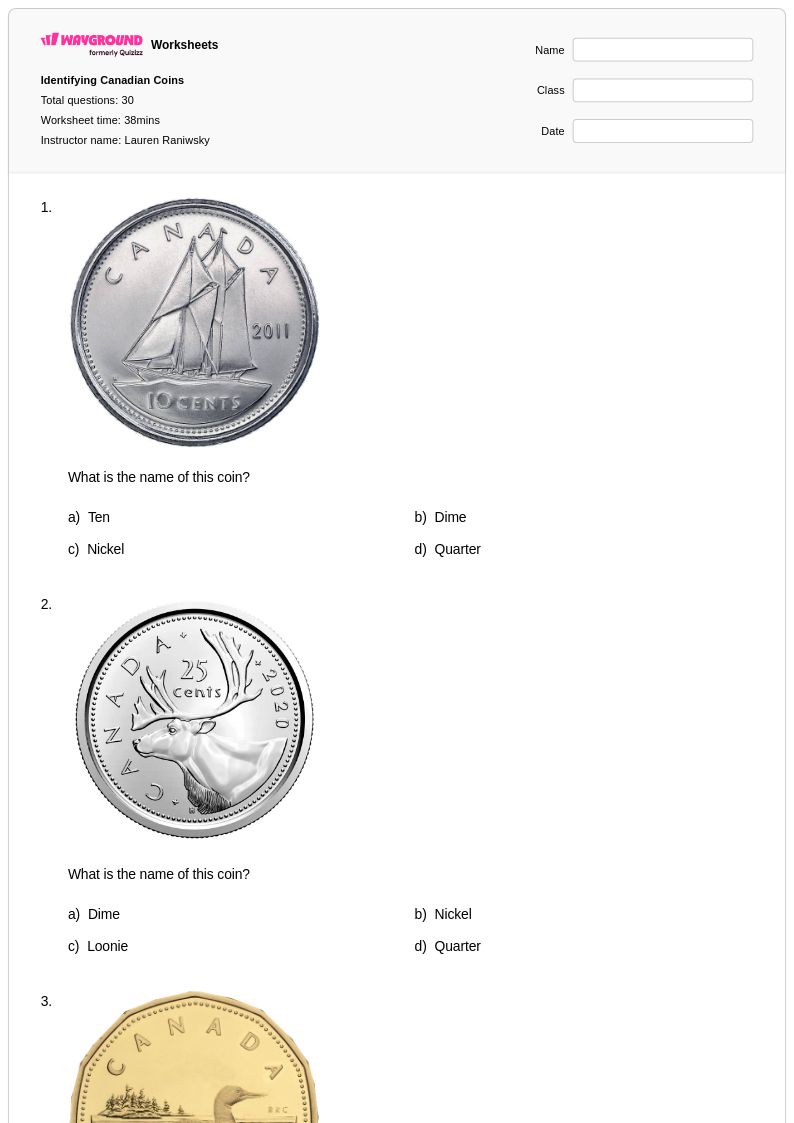
30 Q
1st - 5th
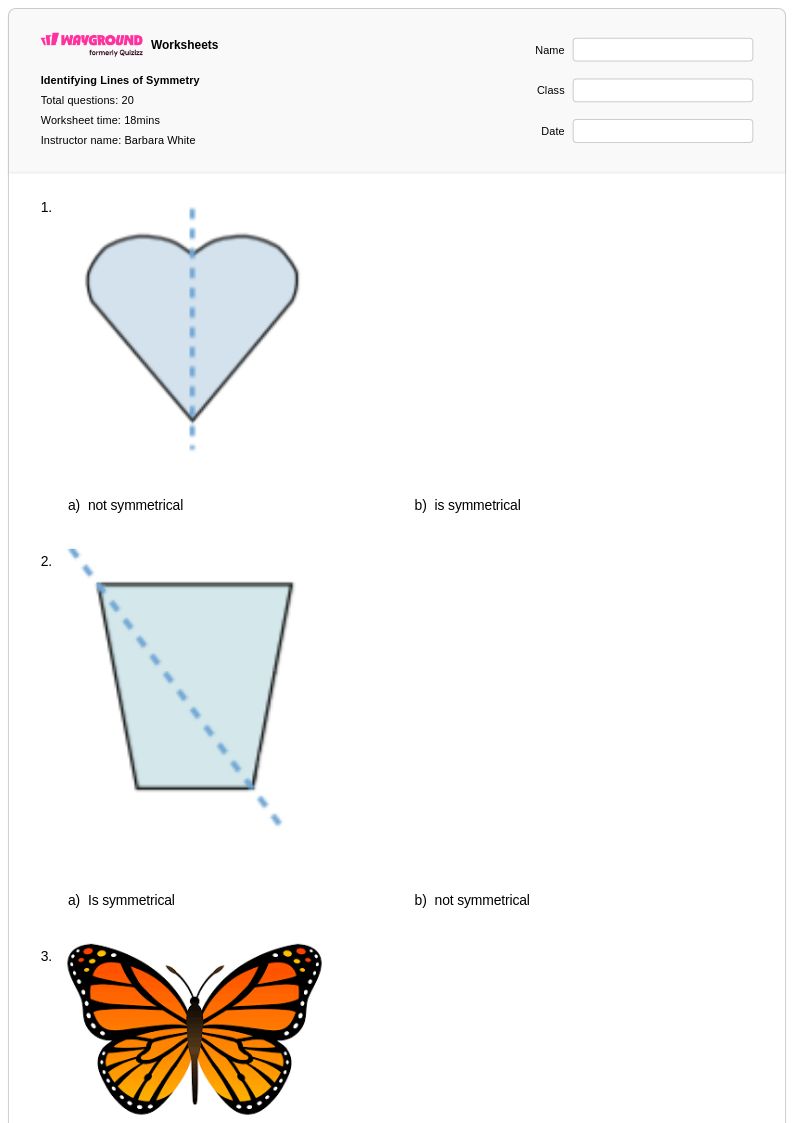
20 Q
1st - 2nd
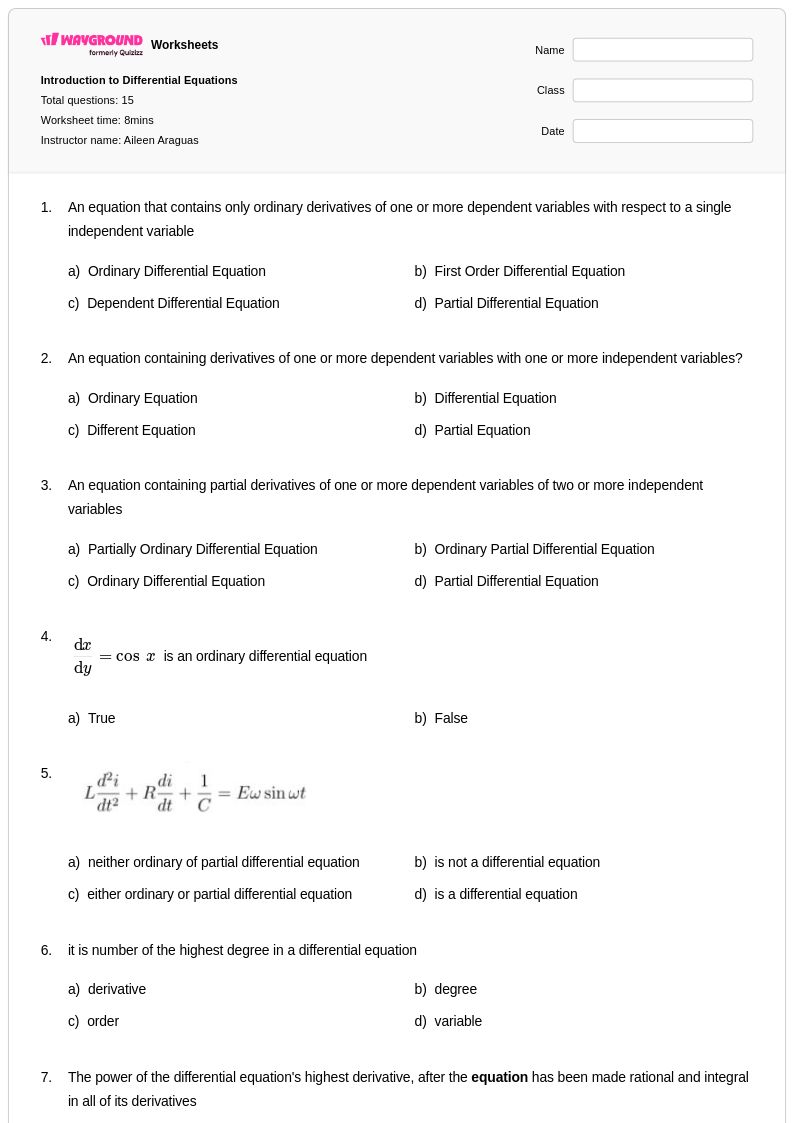
15 Q
1st - 12th
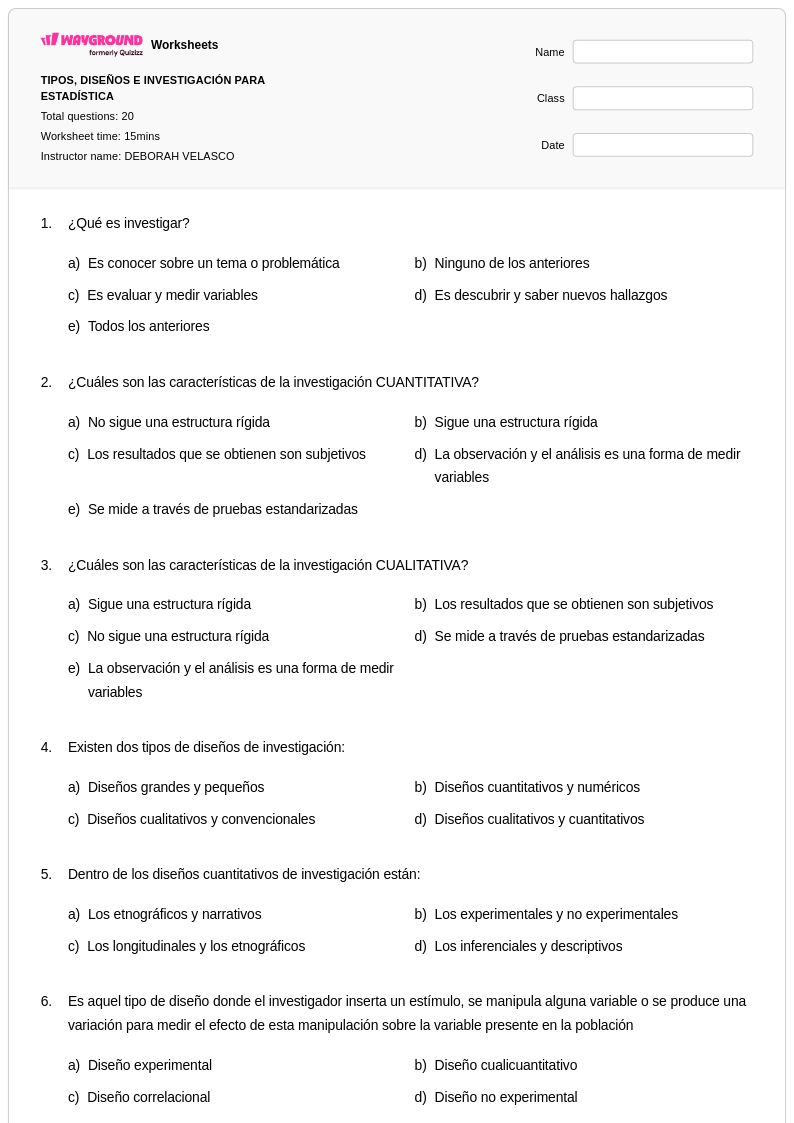
20 Q
1st
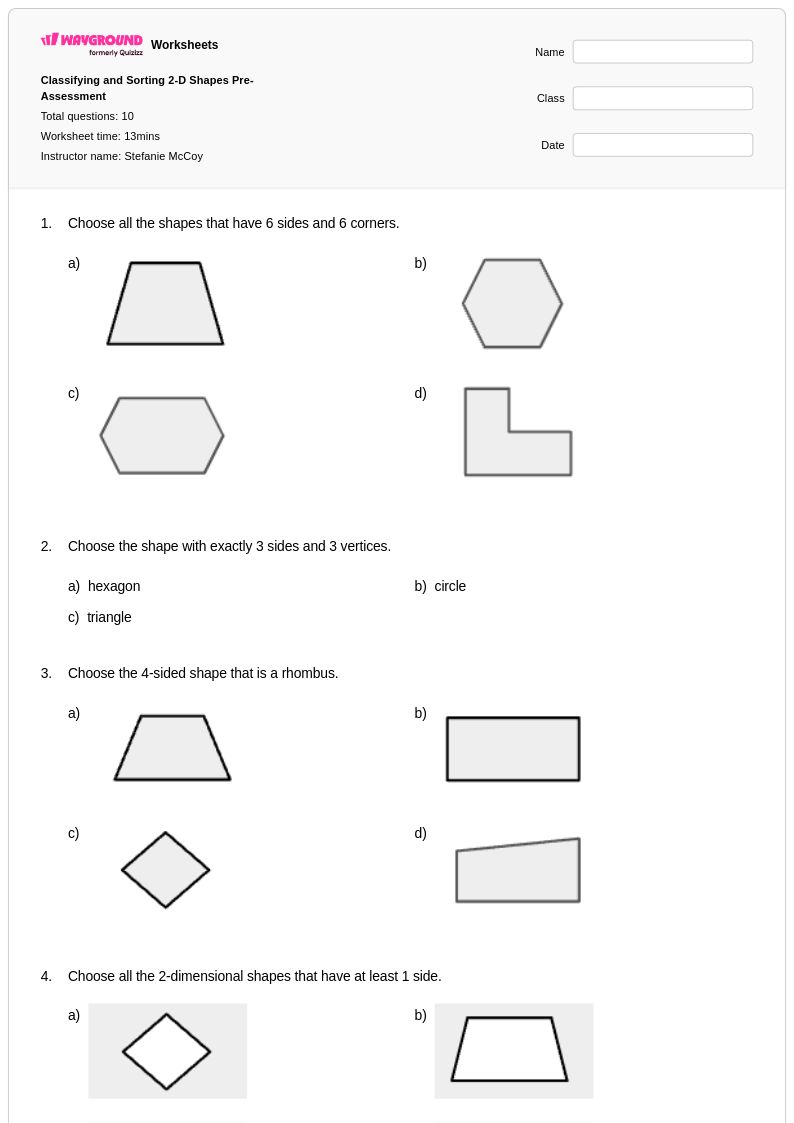
10 Q
1st
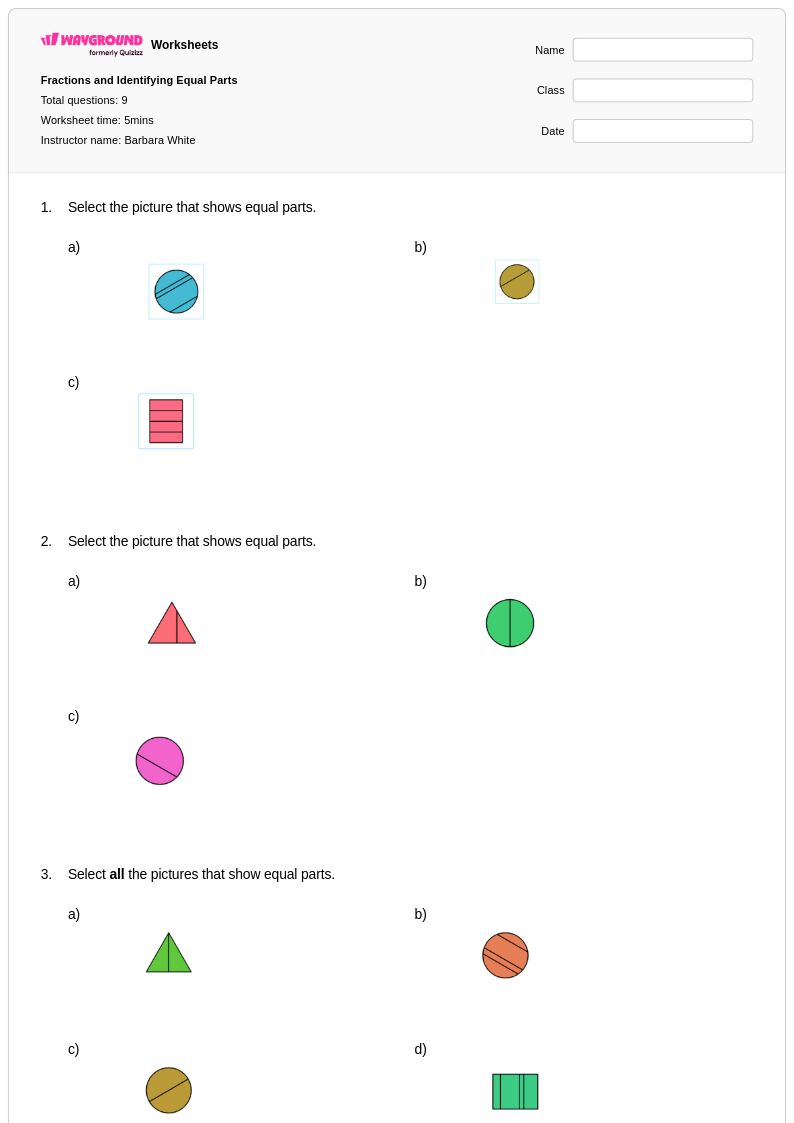
9 Q
1st
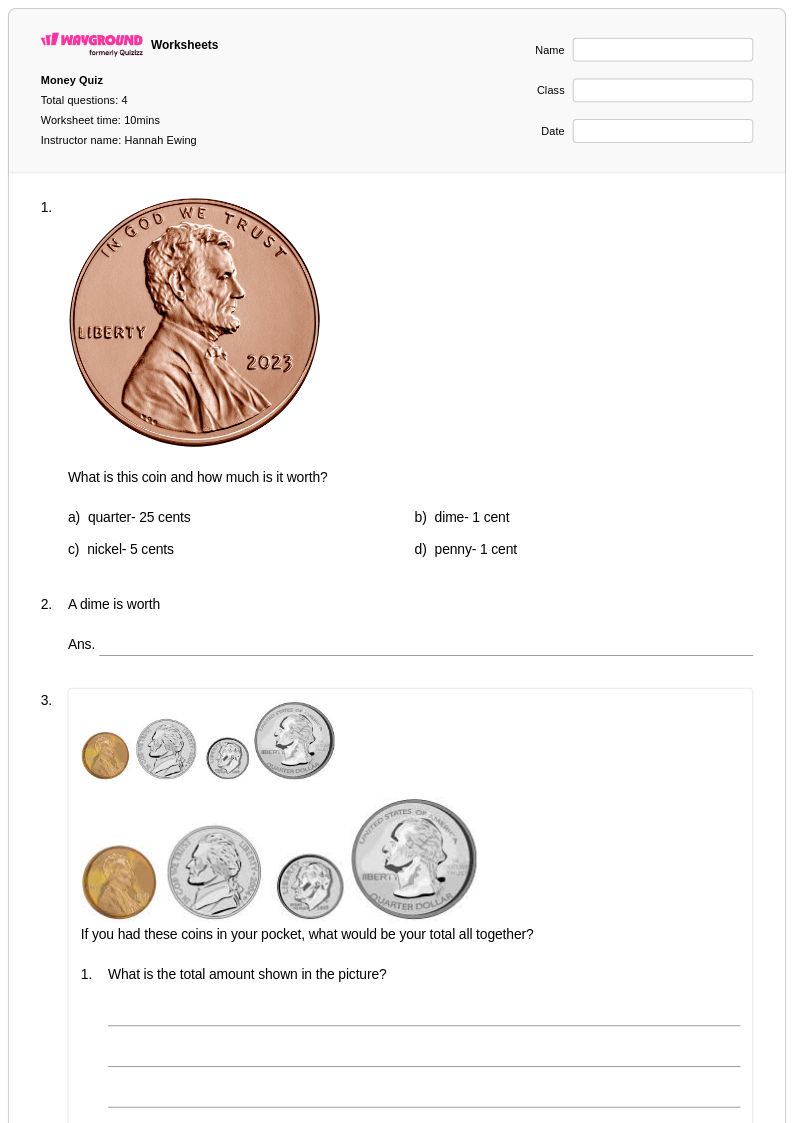
5 Q
1st
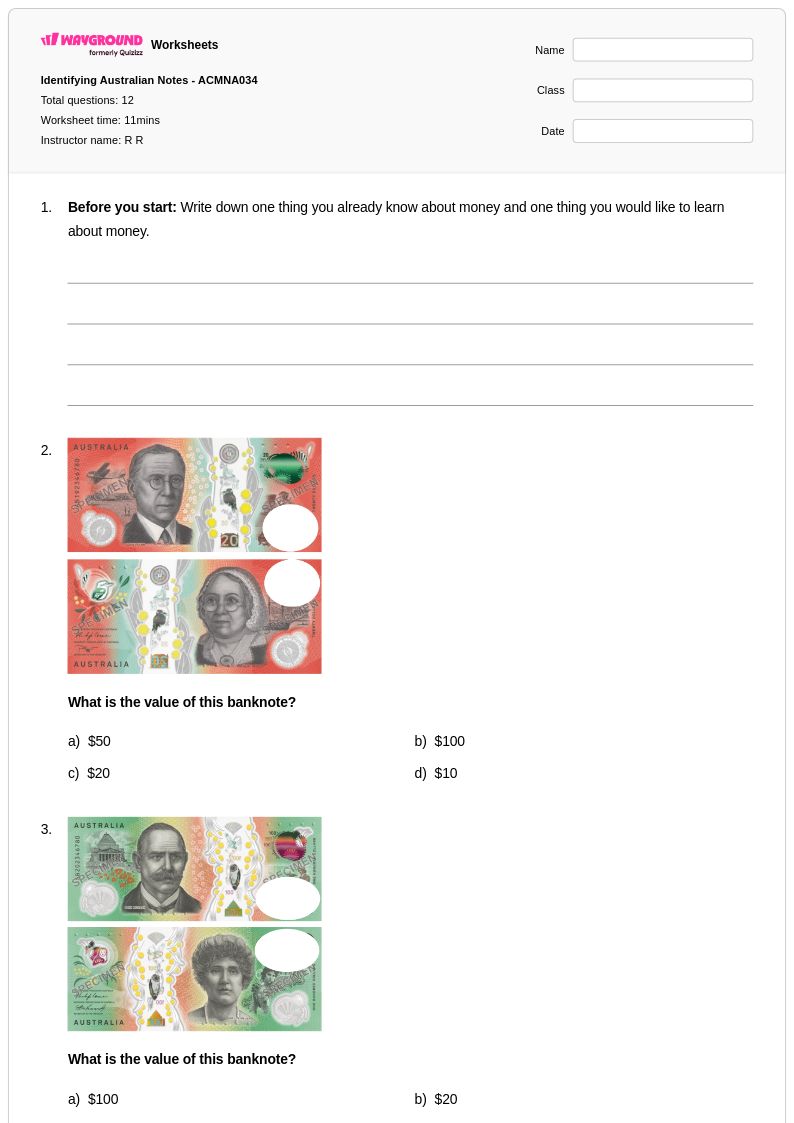
12 Q
KG - 2nd
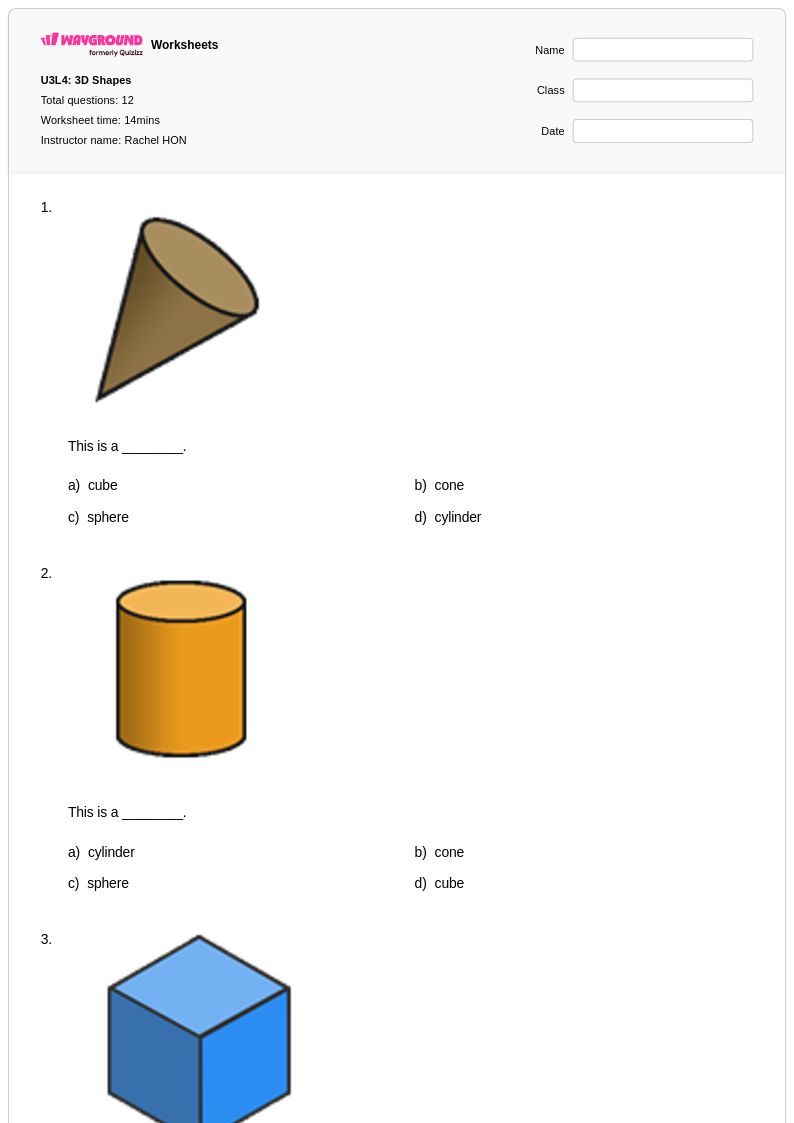
12 Q
1st
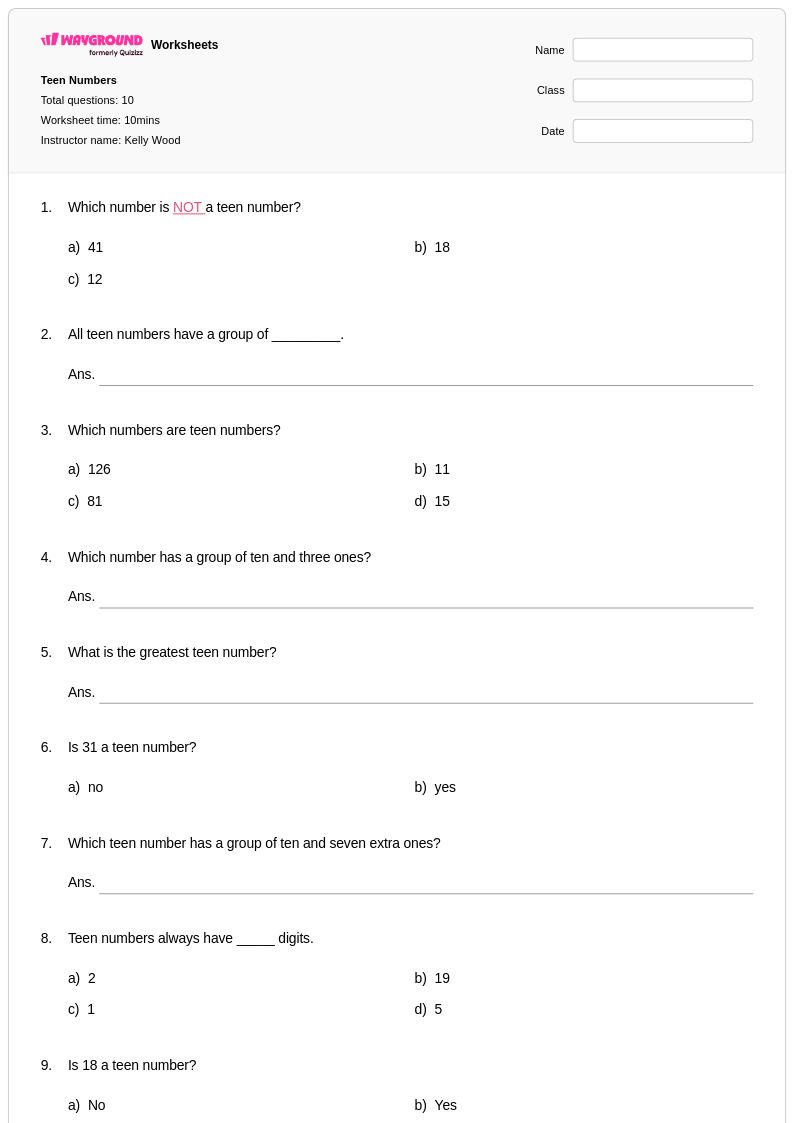
10 Q
KG - 1st
9 Q
1st
10 Q
1st
7 Q
1st - 3rd
10 Q
1st
9 Q
1st
11 Q
KG - 2nd
10 Q
KG - 1st
41 Q
1st - 5th
Explore Identifying Variables Worksheets by Grades
Explore Other Subject Worksheets for year 1
Explore printable Identifying Variables worksheets for Year 1
Identifying Variables worksheets for Year 1 through Wayground (formerly Quizizz) provide young mathematicians with foundational practice in recognizing unknown quantities represented by letters or symbols in simple mathematical expressions. These carefully crafted printables introduce students to the concept that letters can stand for numbers in basic addition and subtraction problems, helping them develop algebraic thinking skills essential for future mathematical success. Each worksheet includes clear visual examples and age-appropriate practice problems that guide first-grade students through identifying which part of an equation represents the unknown value, with comprehensive answer keys provided to support both independent learning and teacher-led instruction. The free pdf resources focus on building pattern recognition and logical thinking while maintaining an engaging format suitable for young learners.
Wayground (formerly Quizizz) empowers educators with an extensive collection of teacher-created worksheets covering variable identification concepts, drawing from millions of high-quality resources aligned to educational standards. The platform's robust search and filtering capabilities enable teachers to quickly locate materials that match their specific Year 1 curriculum requirements, while differentiation tools allow for seamless customization to meet diverse student needs within the classroom. These versatile resources are available in both printable pdf format and digital formats, making them ideal for traditional classroom instruction, homework assignments, remediation sessions, and enrichment activities. Teachers can efficiently plan lessons, assess student understanding, and provide targeted practice opportunities that strengthen students' ability to identify variables in mathematical expressions, creating a solid foundation for more advanced algebraic concepts in later grades.
FAQs
At what grade do students start using letters for variables?
How can I help 1st graders understand that a letter can represent a number?
What kinds of problems are best for 1st graders practicing with variables?
What's a common point of confusion for 1st graders with variables?
How can I use these Grade 1 variable worksheets?
How does this topic align with 1st grade math standards?