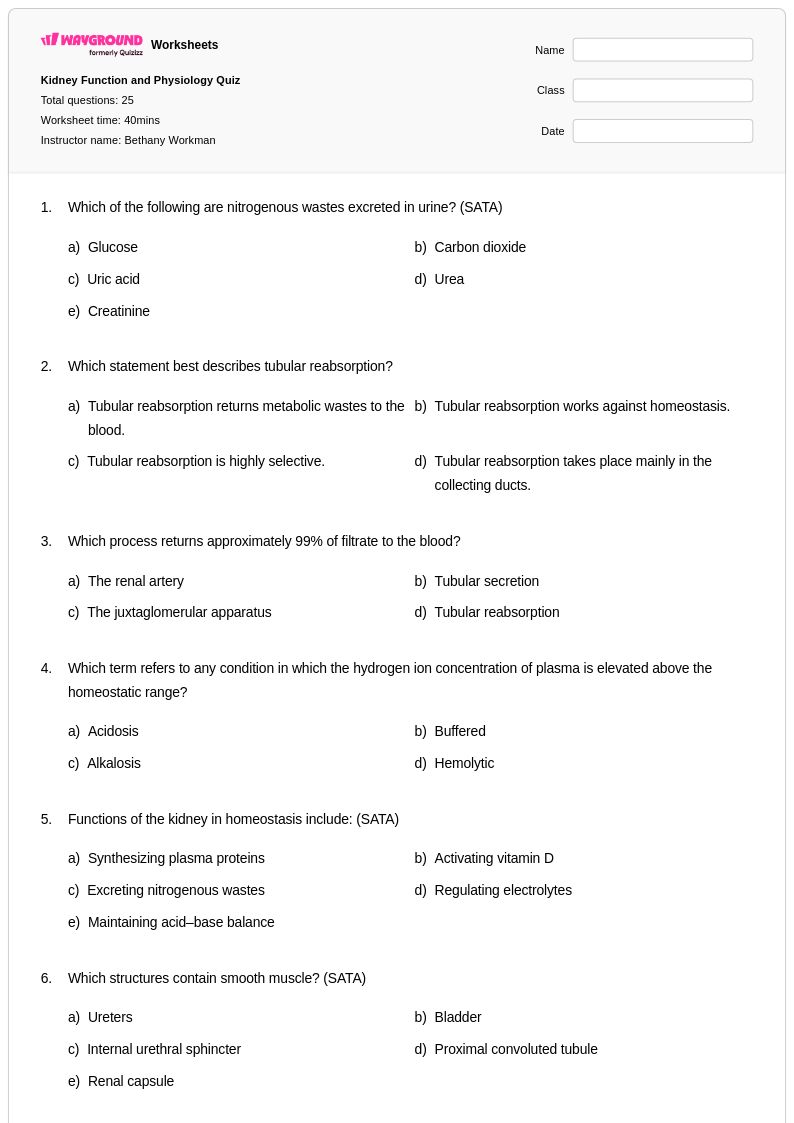
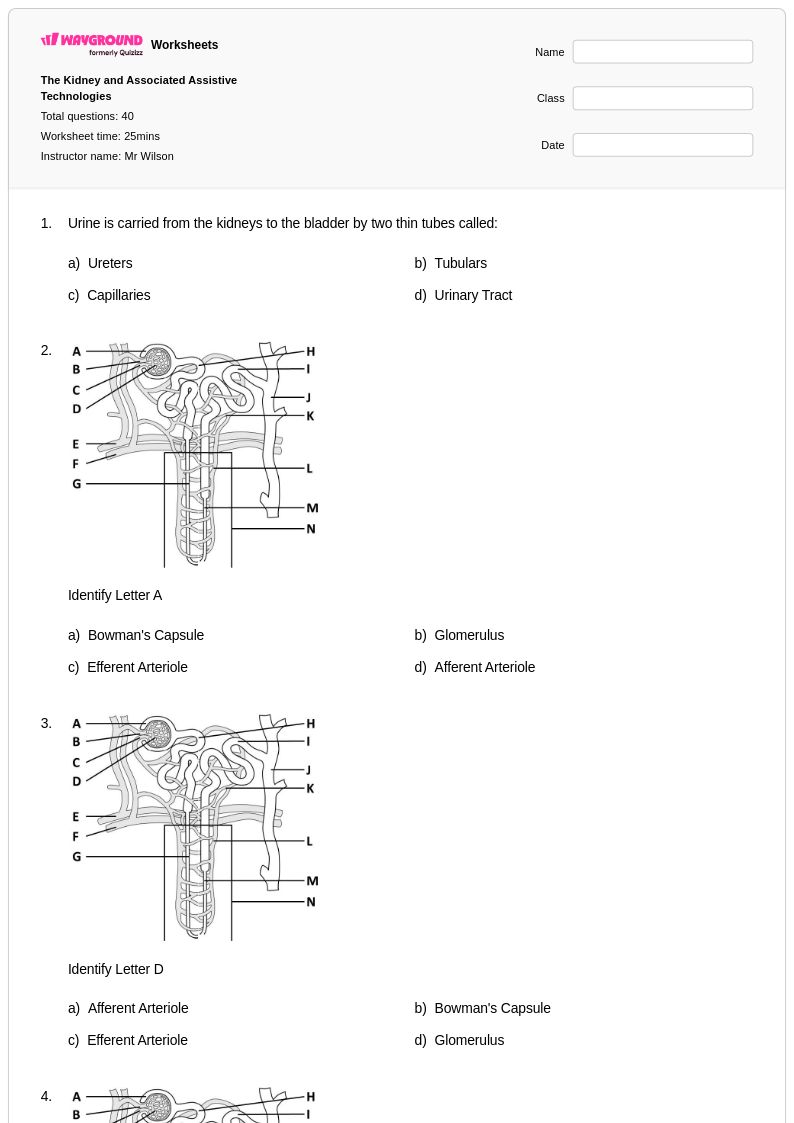
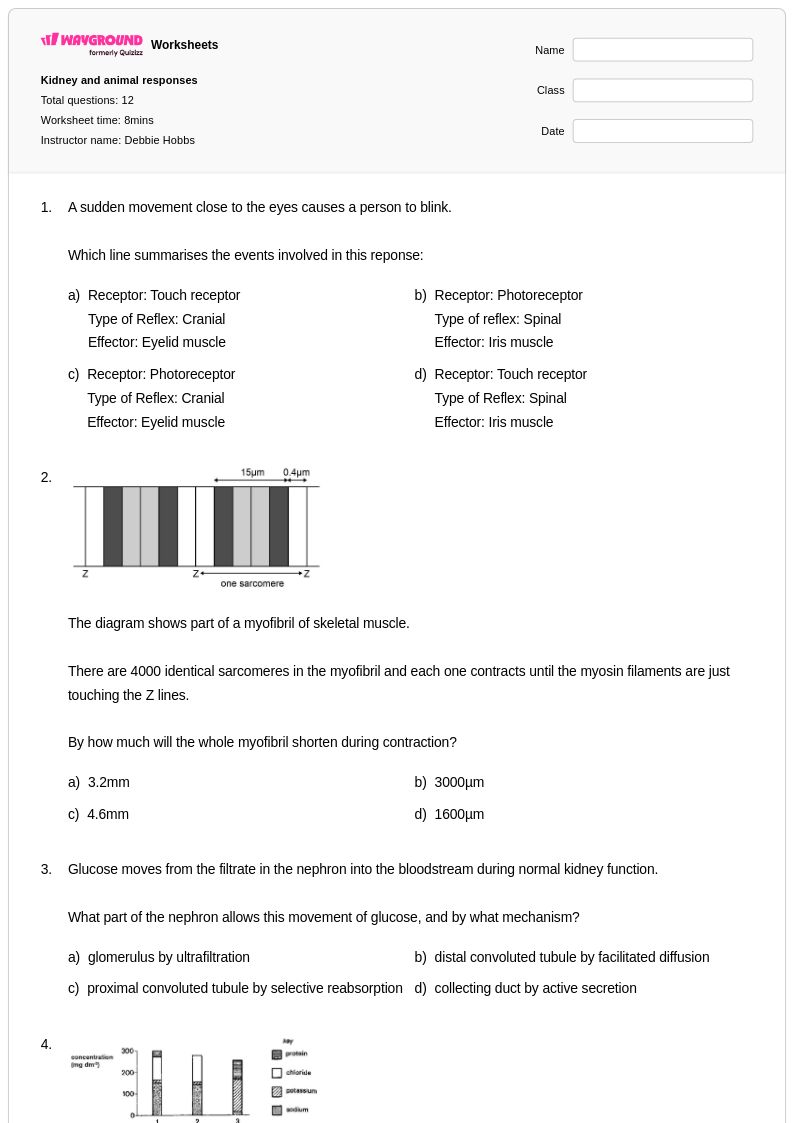
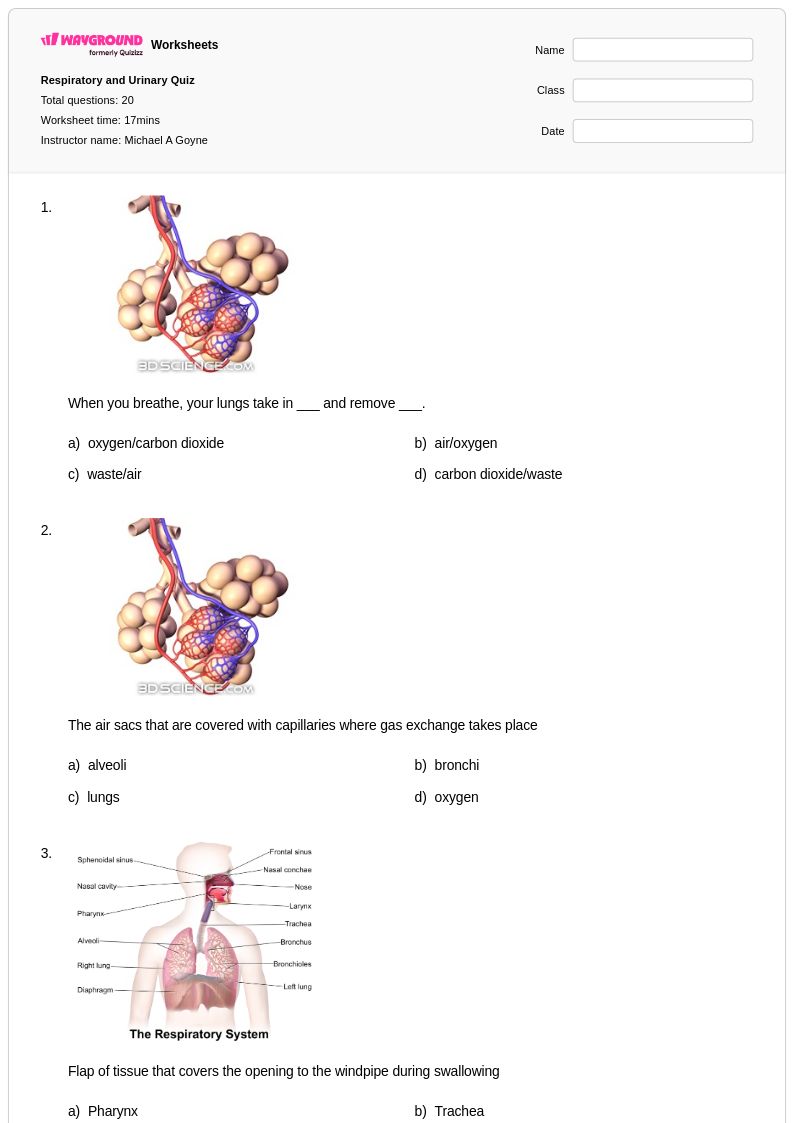
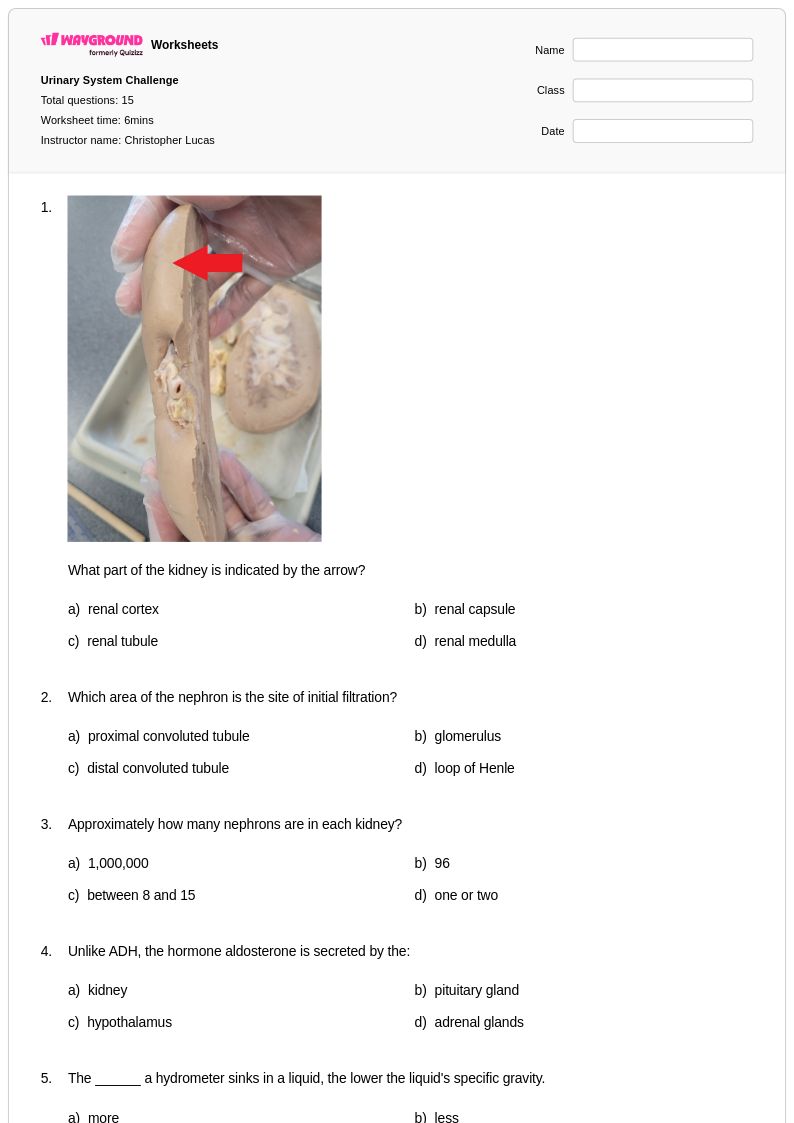
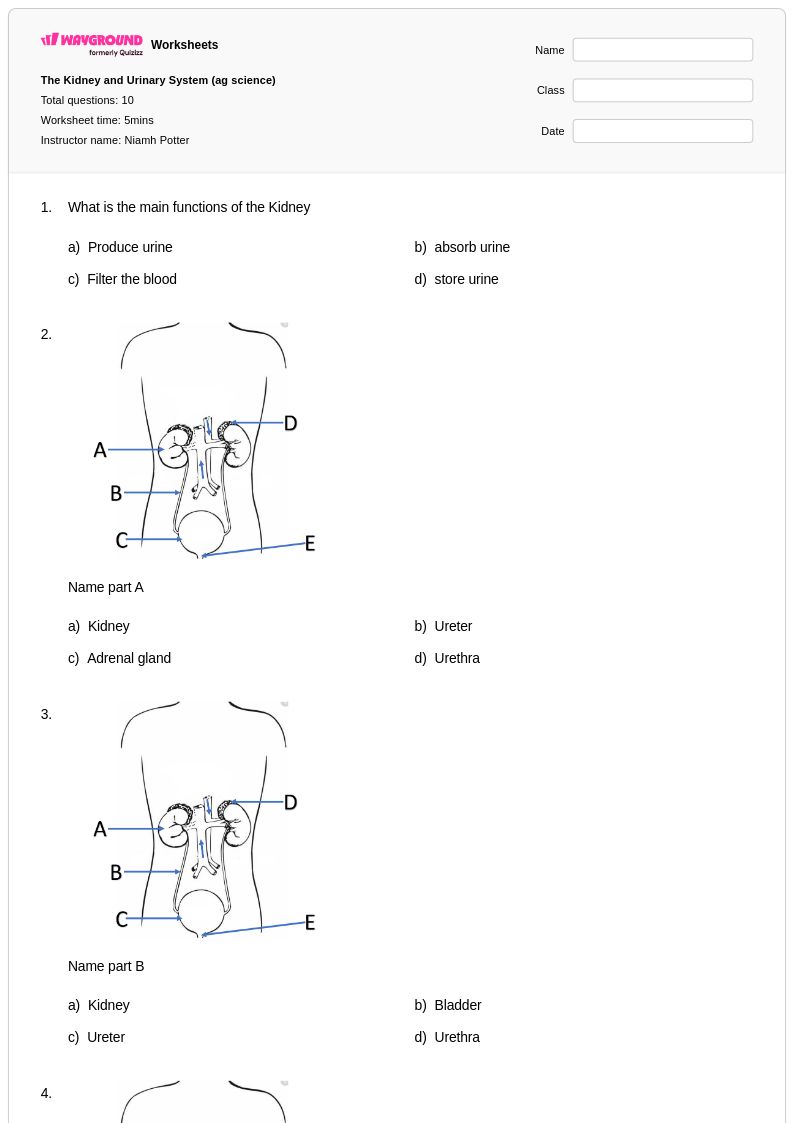
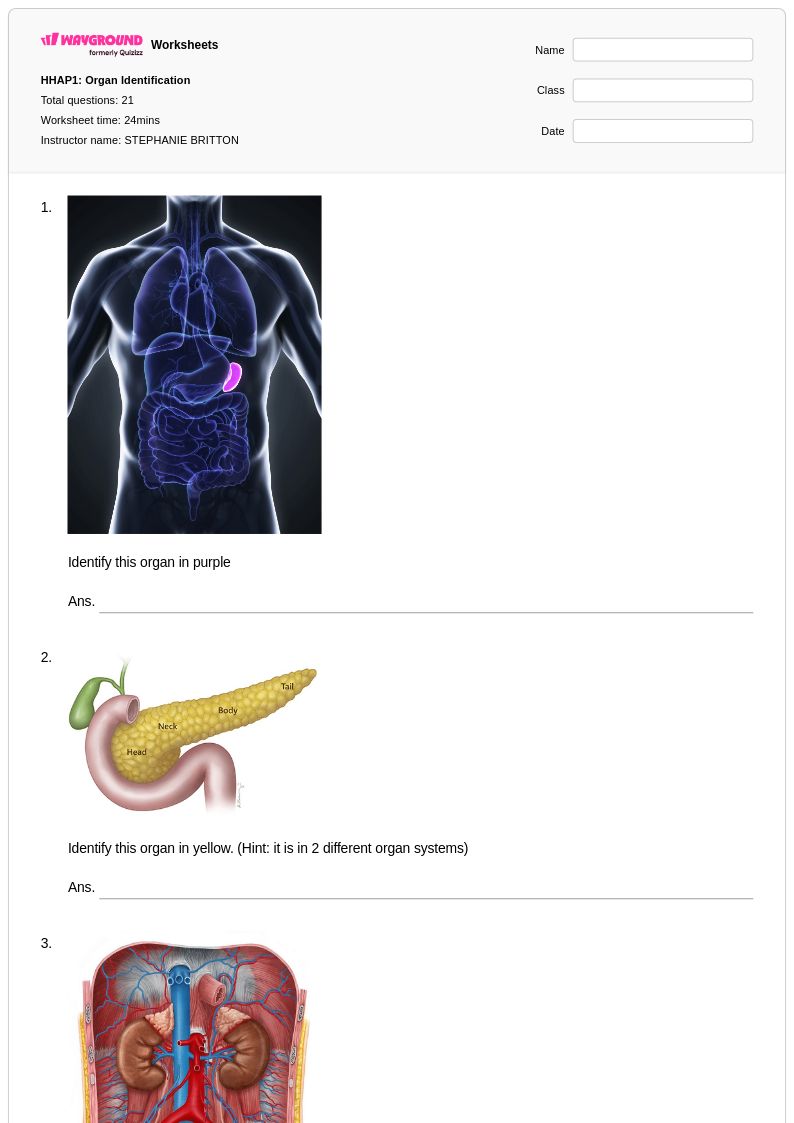
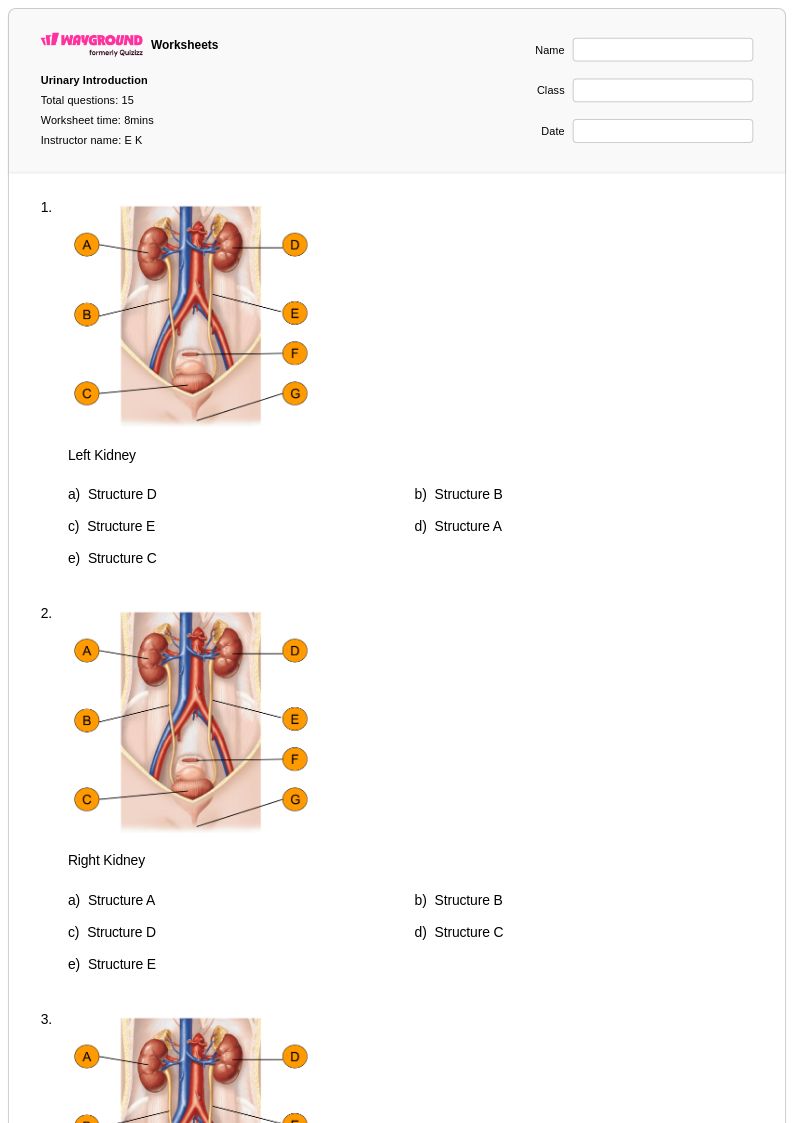
Explore Wayground's comprehensive Year 12 kidney worksheets featuring printable PDFs and practice problems that help students master renal anatomy, nephron function, and filtration processes with detailed answer keys.
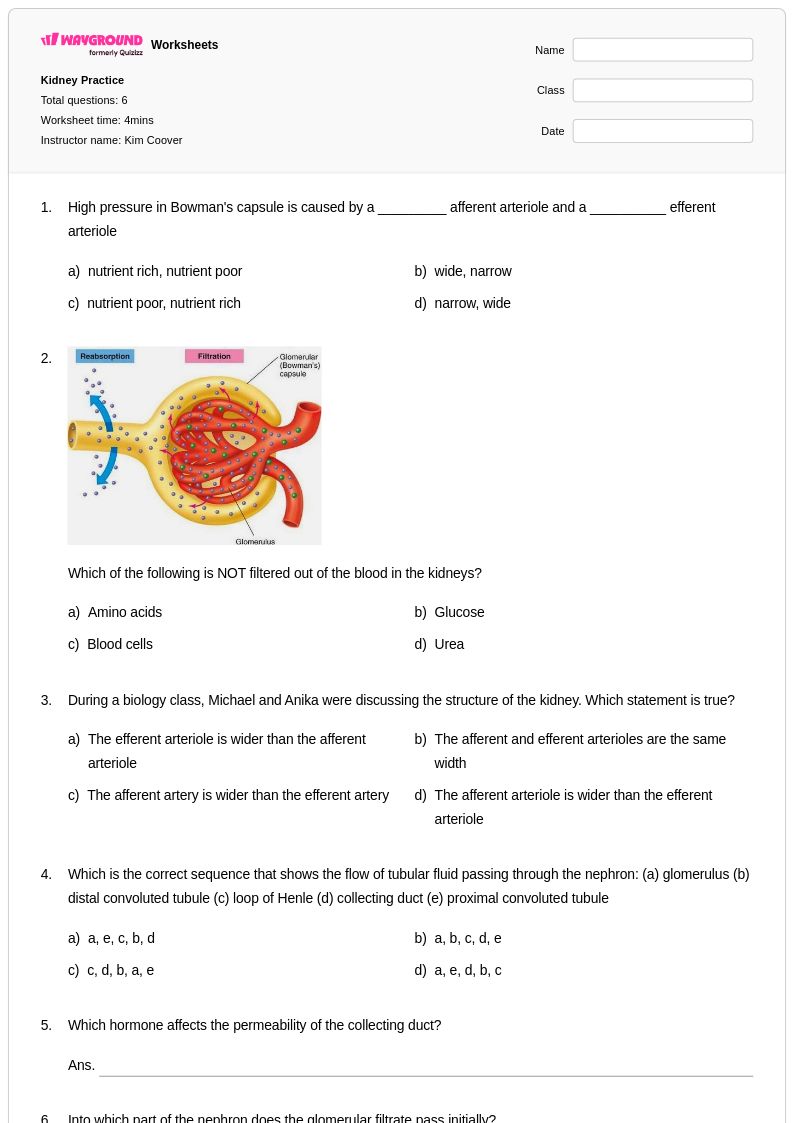
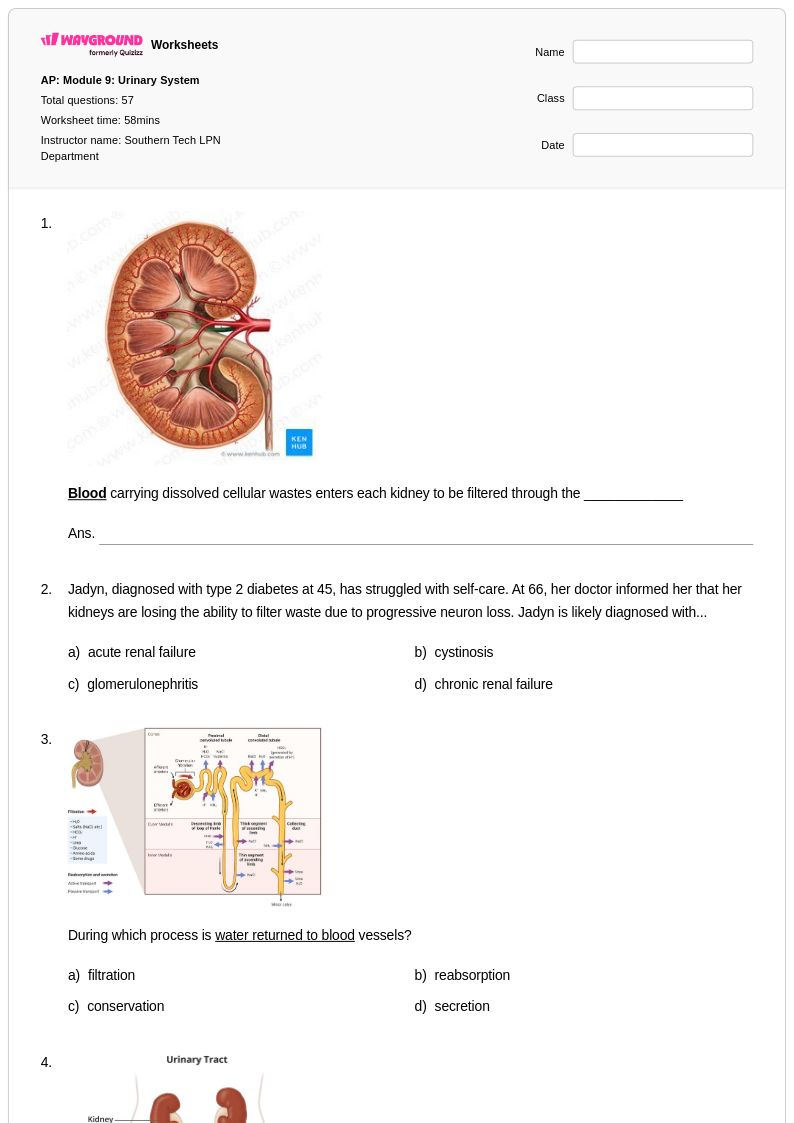
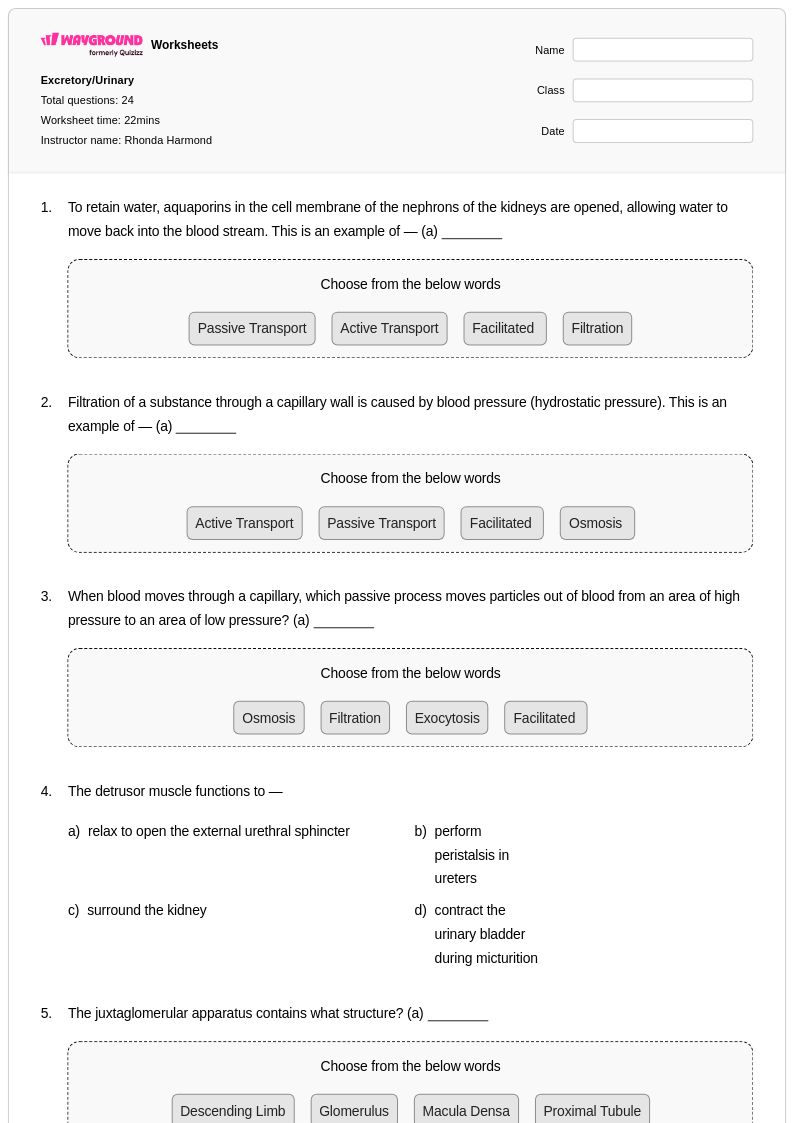
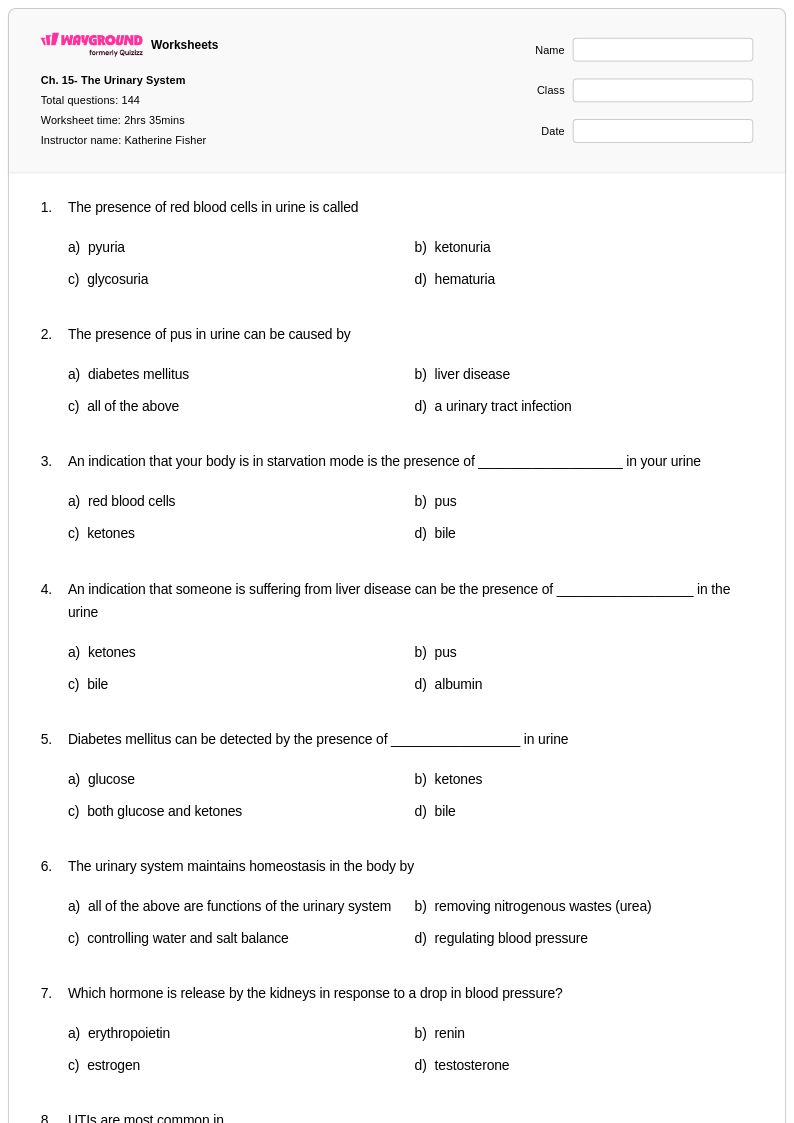
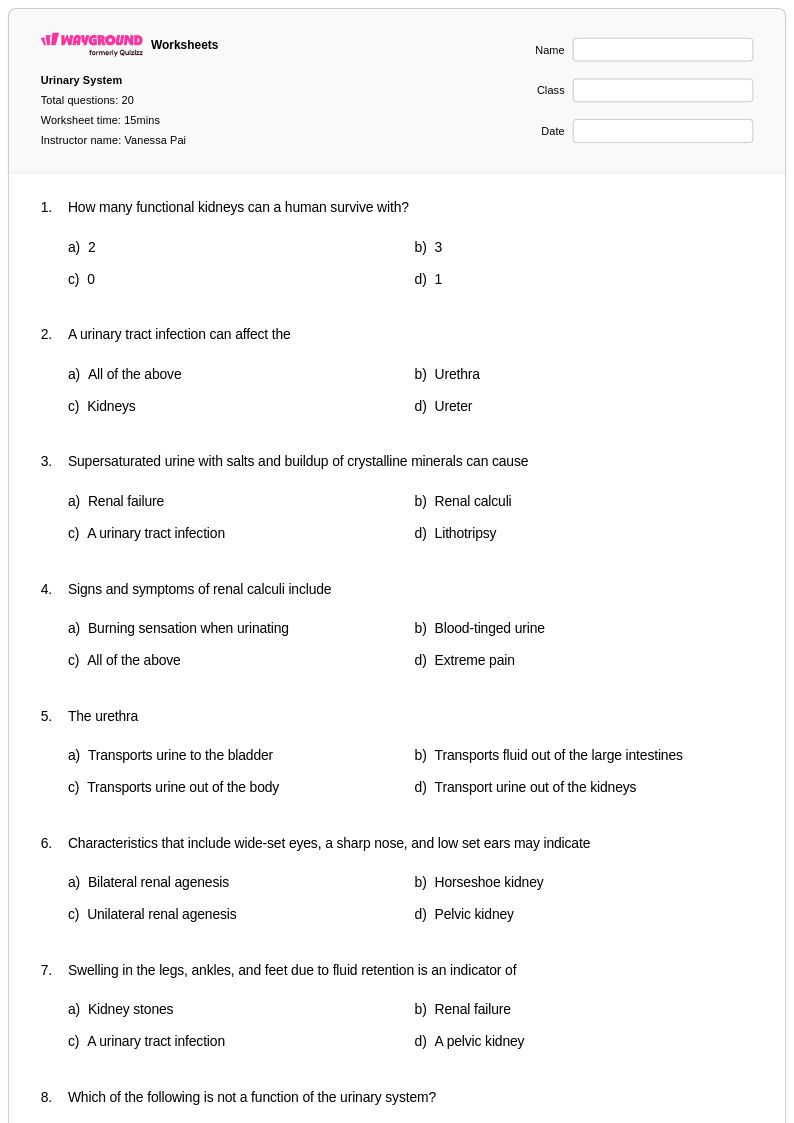
Year 12 kidney worksheets available through Wayground (formerly Quizizz) provide comprehensive coverage of renal anatomy, physiology, and pathology essential for advanced high school biology students. These expertly crafted resources strengthen critical thinking skills through detailed exploration of nephron structure, filtration mechanisms, hormone regulation, and homeostatic functions. Students engage with practice problems that challenge their understanding of glomerular filtration rate calculations, urine concentration processes, and the renin-angiotensin-aldosterone system. Each worksheet collection includes corresponding answer keys and is available as free printables in convenient PDF format, allowing educators to seamlessly integrate kidney function studies into their curriculum while providing students with valuable self-assessment opportunities.
Wayground (formerly Quizizz) empowers teachers with millions of educator-created kidney worksheet resources that feature robust search and filtering capabilities, enabling quick identification of materials aligned with specific learning standards and student needs. The platform's differentiation tools allow instructors to customize content complexity and format, supporting both remediation for struggling learners and enrichment opportunities for advanced students. These flexible worksheet collections are available in both printable PDF and interactive digital formats, facilitating diverse instructional approaches from traditional paper-based assignments to technology-enhanced learning experiences. Teachers can efficiently plan comprehensive kidney unit assessments, target specific skill gaps through focused practice sessions, and provide ongoing formative evaluation opportunities that reinforce mastery of complex renal system concepts.
FAQs
How do I teach kidney anatomy and function in a biology class?
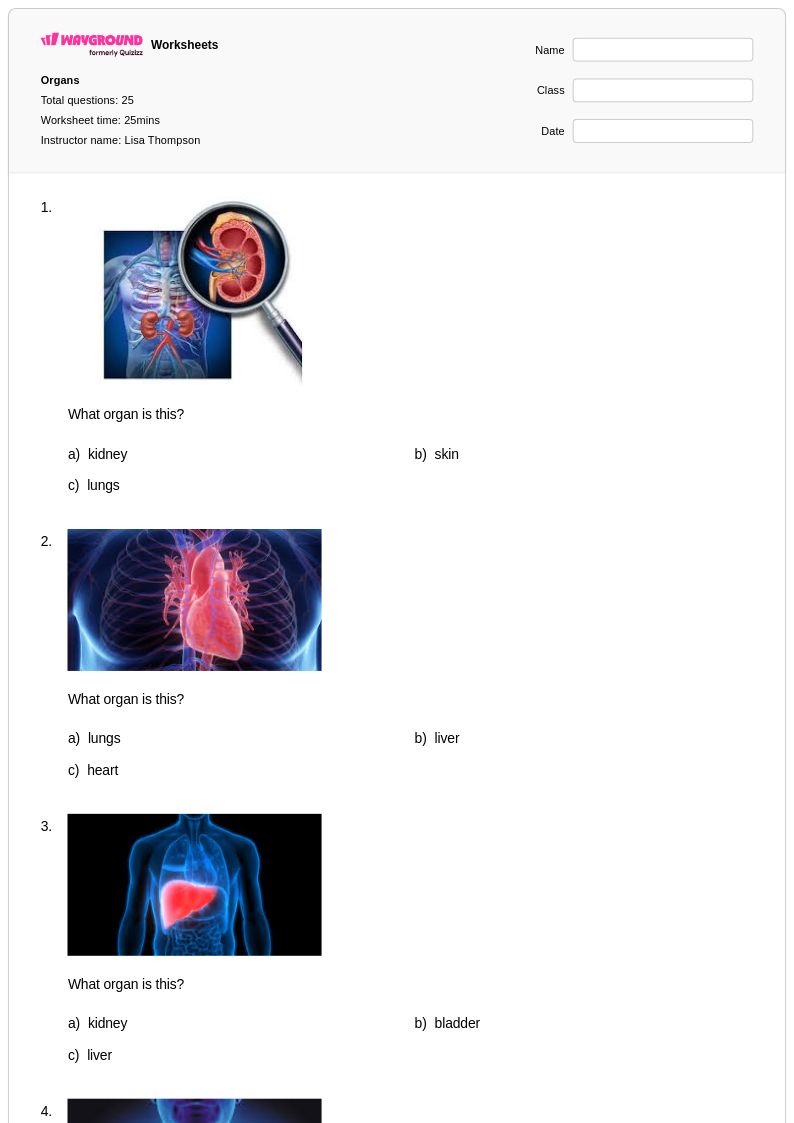
Start by grounding students in the macroscopic structure of the kidney before zooming into the nephron, the functional unit responsible for filtration, reabsorption, and secretion. Use labeled diagrams to help students connect structure to function, particularly the relationship between the glomerulus, Bowman's capsule, and the loop of Henle. Reinforce learning by having students trace the path of filtrate through the nephron and explain how each segment contributes to urine formation and homeostasis.
What exercises help students practice kidney physiology concepts?
Labeling exercises that require students to identify nephron structures and renal blood supply are effective for building anatomical fluency. Problem-solving tasks involving glomerular filtration rate calculations, acid-base balance regulation, and hormone-driven reabsorption scenarios push students toward higher-order thinking. Combining diagram-based questions with short-answer and calculation problems ensures students can apply kidney physiology across multiple contexts.
What common mistakes do students make when learning about the kidneys?
Students frequently confuse filtration with secretion and reabsorption, treating them as interchangeable when they describe distinct directional processes within the nephron. Many also struggle to distinguish the roles of ADH and aldosterone in water and electrolyte balance, often applying one hormone's function to the other. A targeted misconception check asking students to explain the direction of movement in each nephron process and identify which hormone regulates which solute can surface and correct these errors early.
How do I differentiate kidney worksheets for students at different skill levels?
For foundational learners, focus on basic anatomy identification and the general sequence of urine formation before introducing regulatory mechanisms. Advanced students can engage with glomerular filtration rate calculations, acid-base compensation scenarios, and case studies involving renal pathology such as chronic kidney disease. On Wayground, teachers can apply accommodations such as read aloud support, reduced answer choices, and extended time to individual students, allowing the same worksheet set to serve diverse learners without requiring separate materials.
How can I use Wayground kidney worksheets in my classroom?
Wayground kidney worksheets are available as printable PDFs for traditional classroom use and in digital formats for technology-integrated learning environments, giving teachers flexibility depending on their setup. Teachers can also host the worksheets as a quiz directly on Wayground, enabling real-time student responses and automatic scoring. Each worksheet includes a complete answer key, making them practical for independent practice, homework assignments, guided review sessions, or formative assessment.
How do I assess whether students understand how the kidney maintains homeostasis?
Ask students to explain how the kidney responds to dehydration, including the hormonal signals involved and the specific nephron segments that adjust water reabsorption. Scenario-based questions, such as predicting the effect of ADH deficiency on urine output, are particularly effective at distinguishing conceptual understanding from rote memorization. Reviewing student answers for accurate use of terms like osmolarity, tubular reabsorption, and negative feedback will reveal whether students have internalized the homeostatic role of the kidney rather than just recalling isolated facts.