Free Printable Labeling Worksheets for Kindergarten
Explore Wayground's free kindergarten Earth & Space Science labeling worksheets and printables that help young students practice identifying and naming objects in our solar system, weather patterns, and natural phenomena through engaging PDF activities with answer keys.
Explore printable Labeling worksheets for Kindergarten
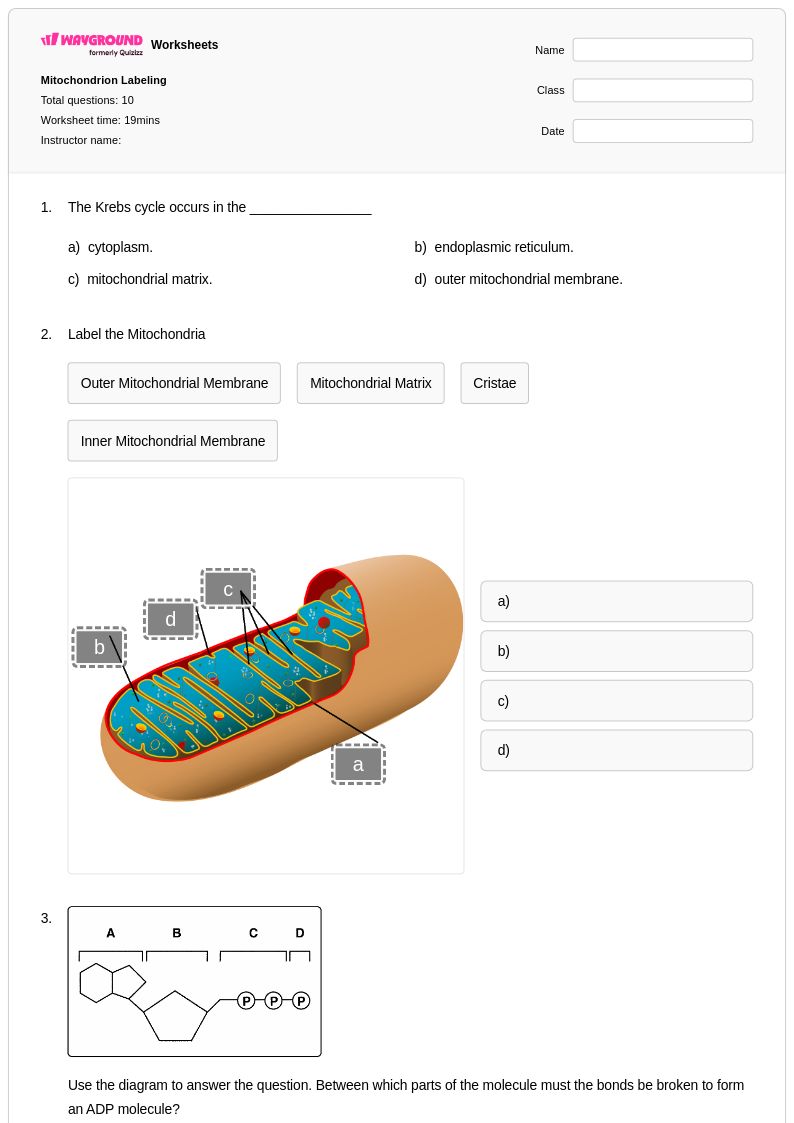
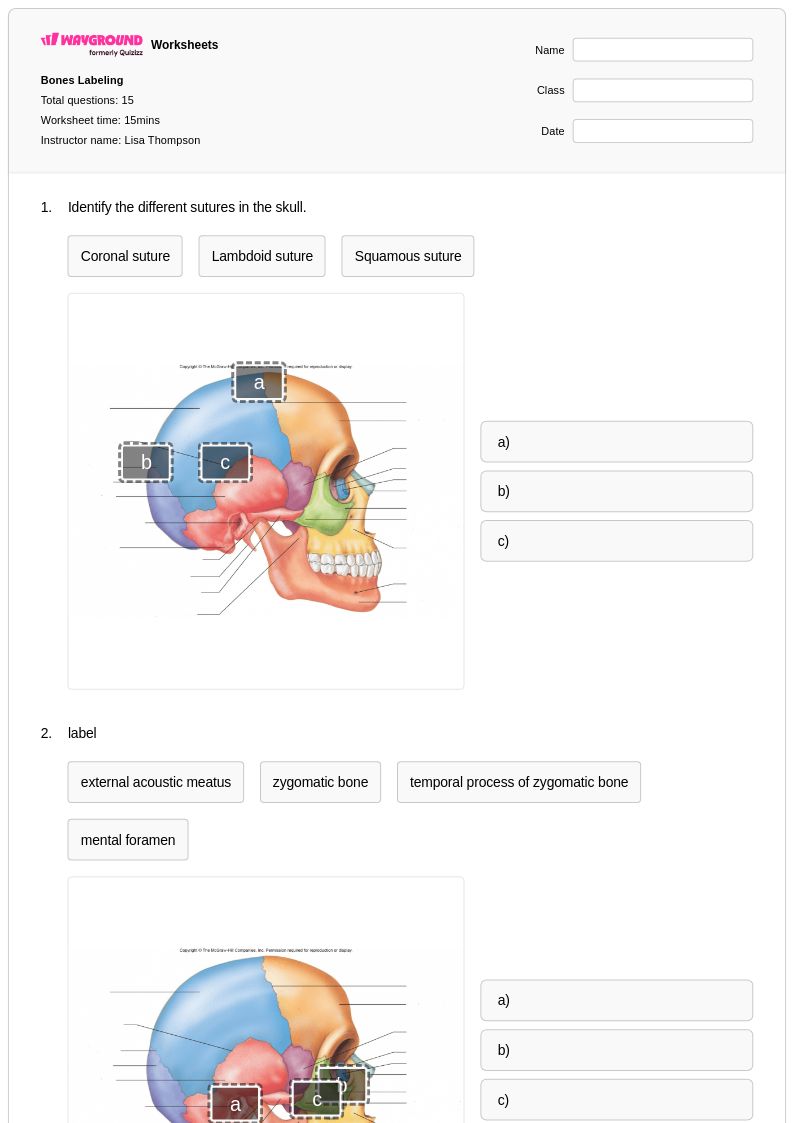
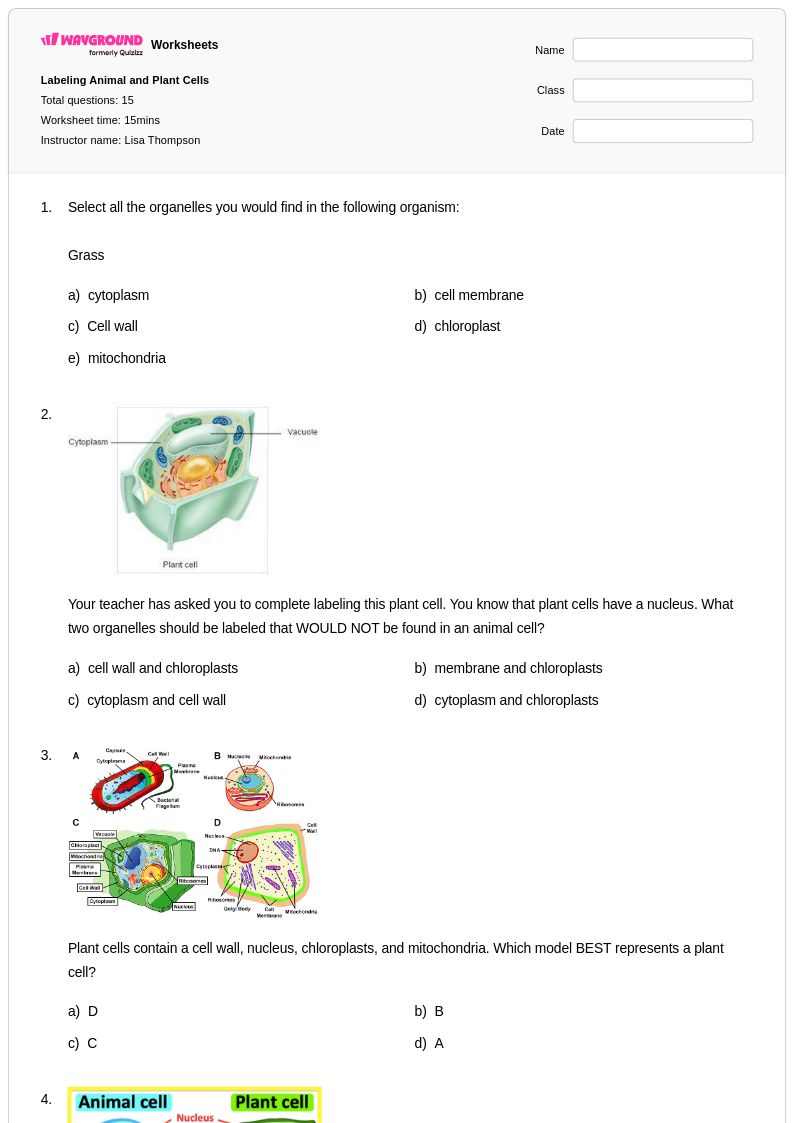
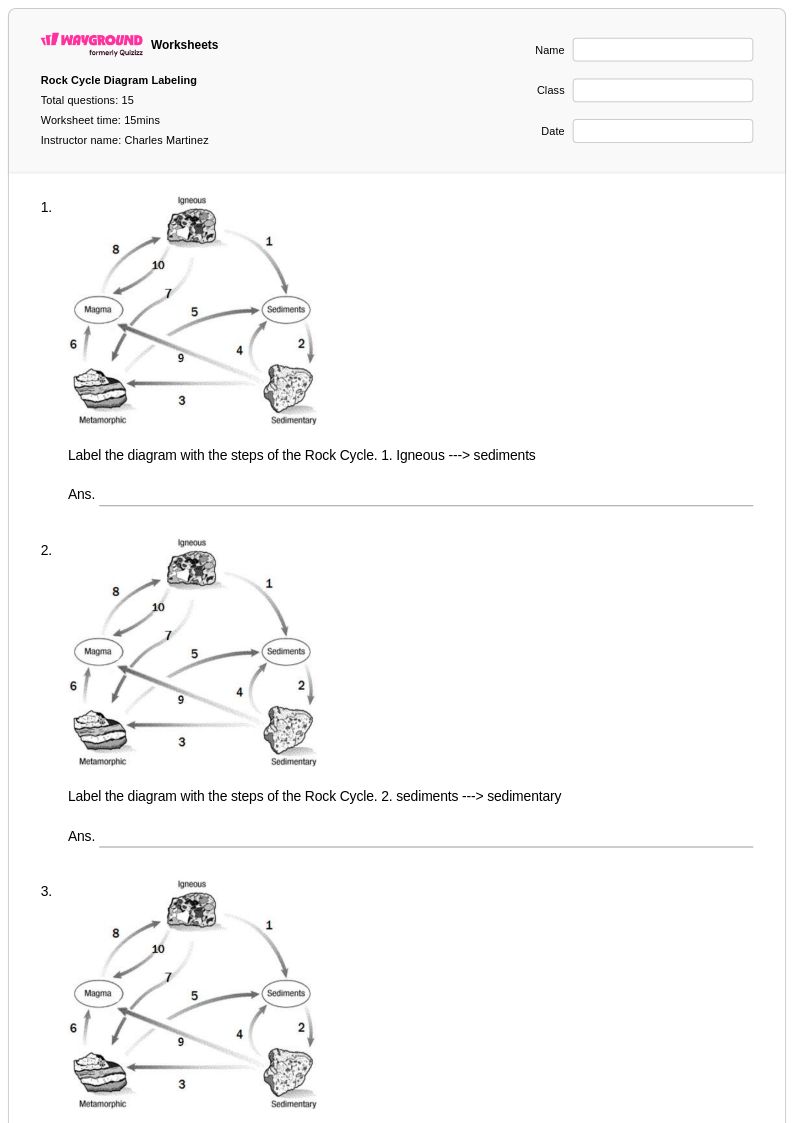
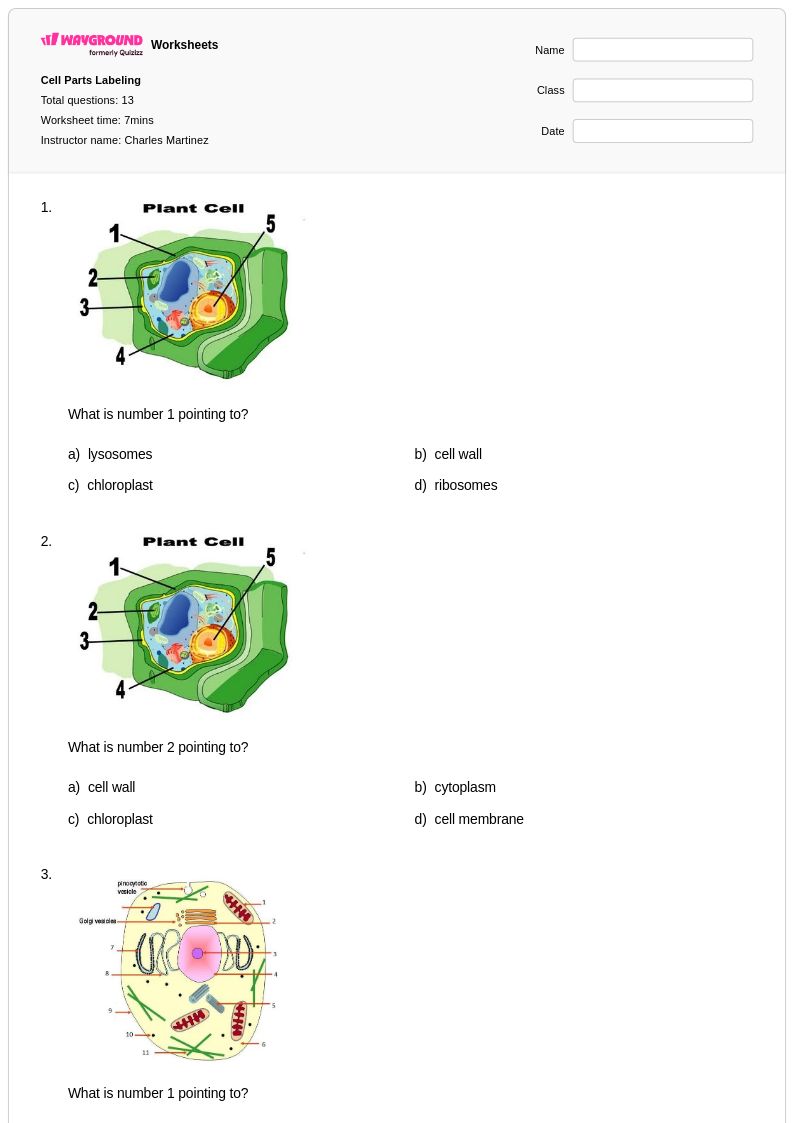
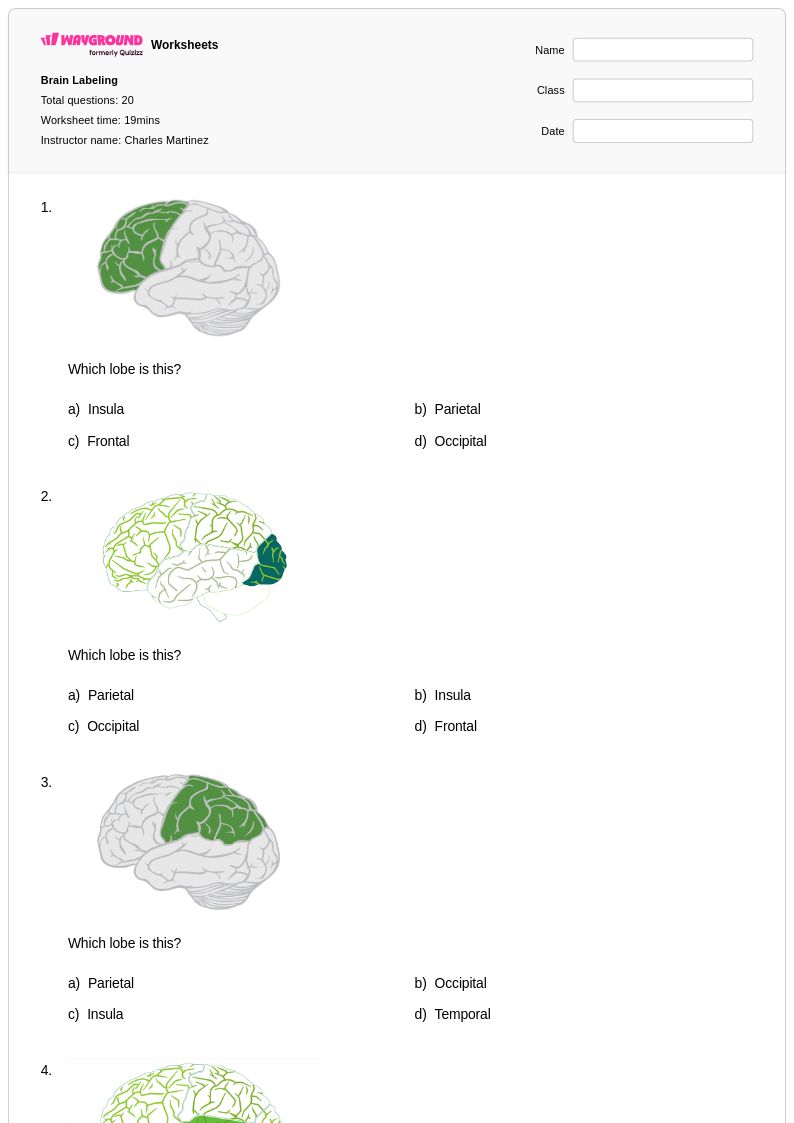
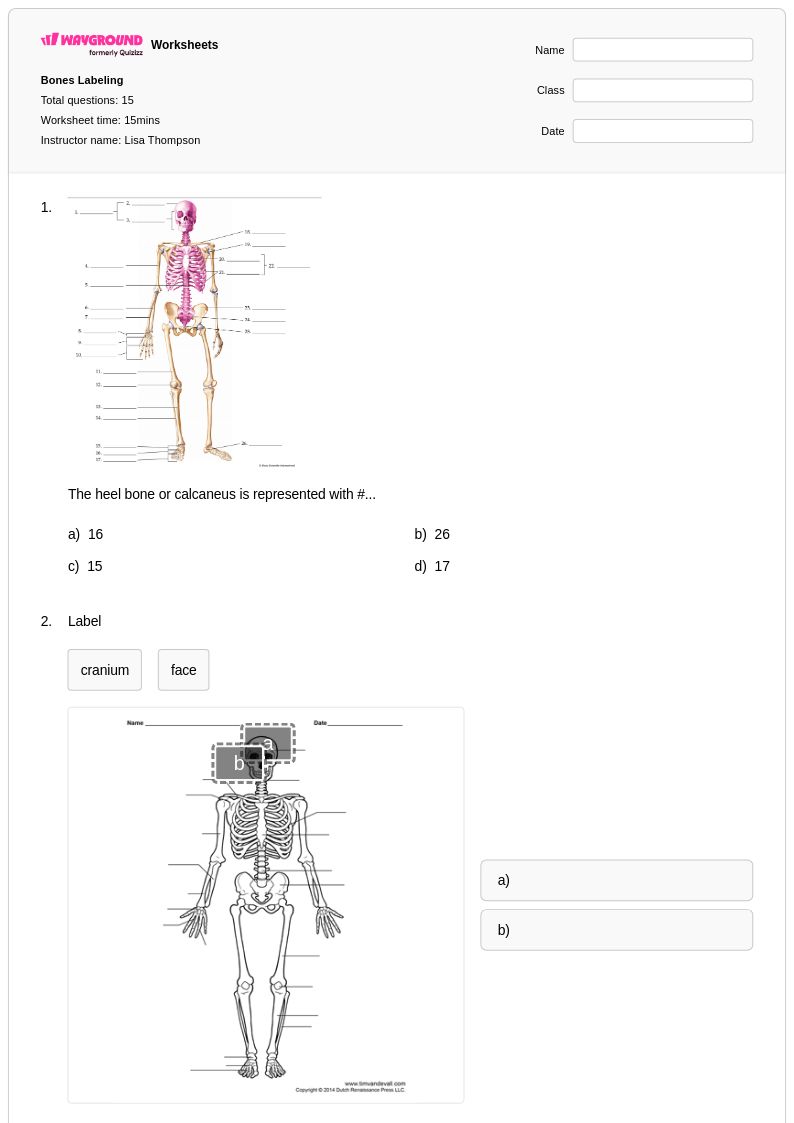
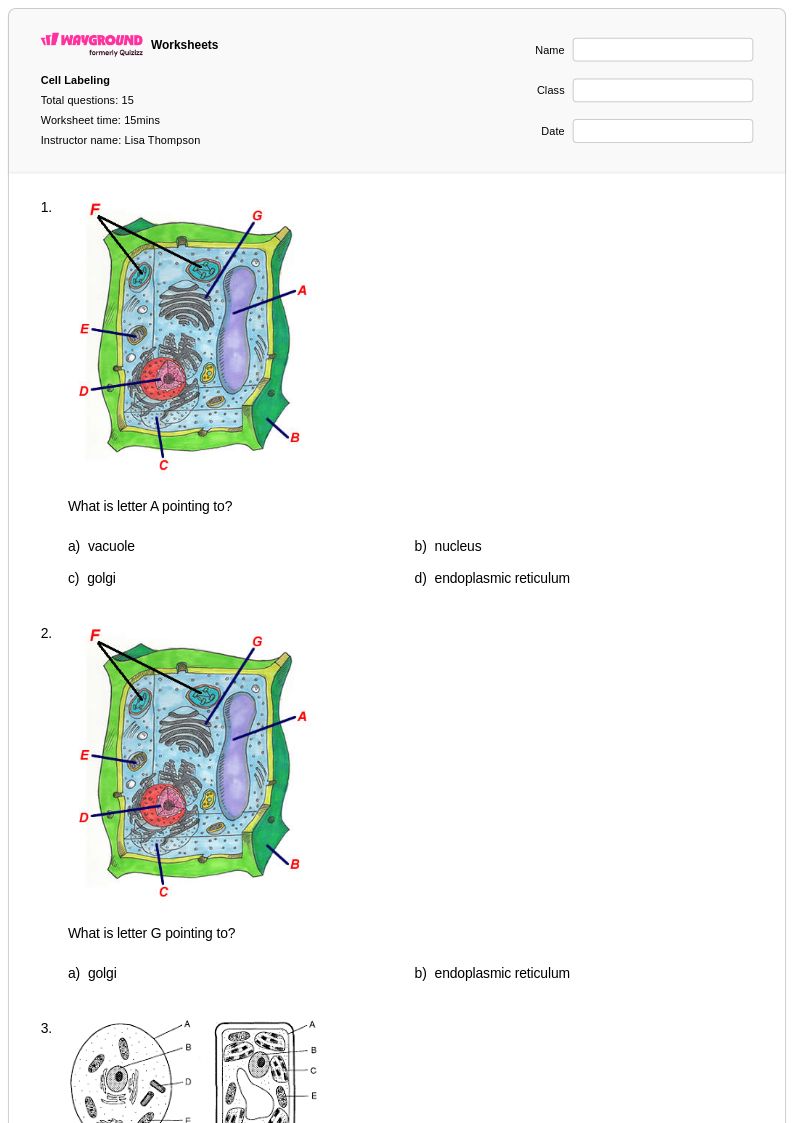
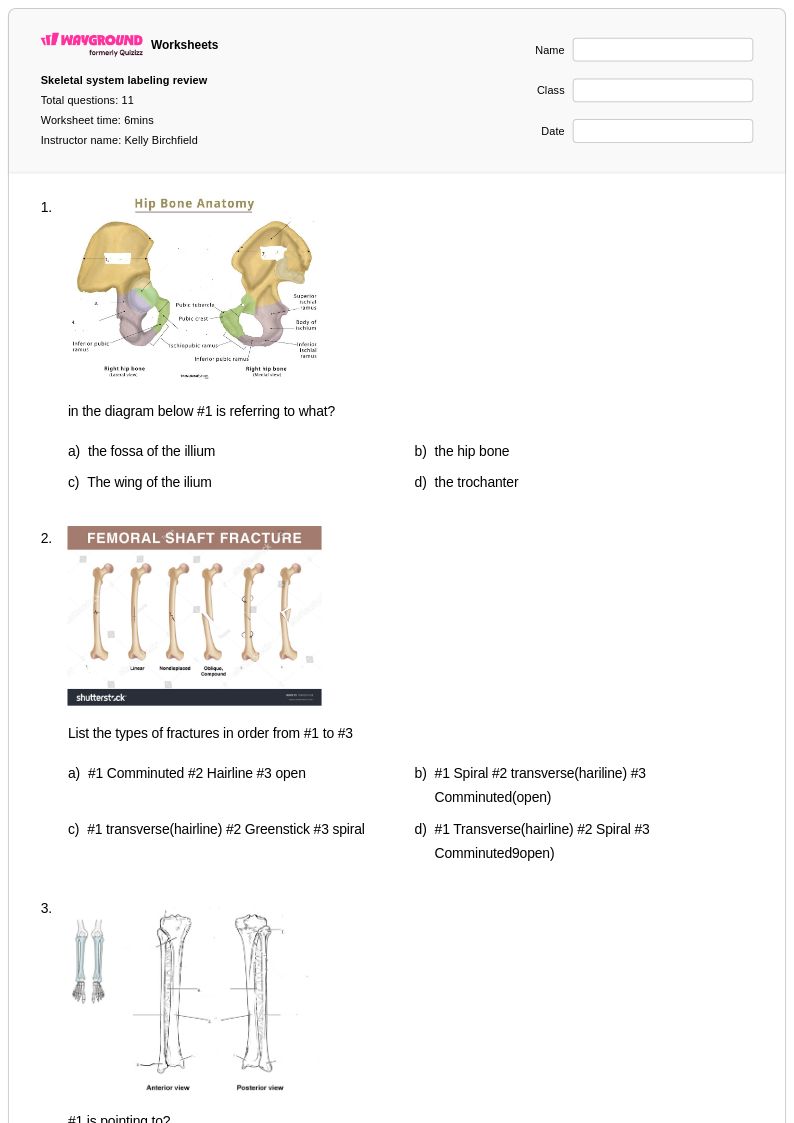
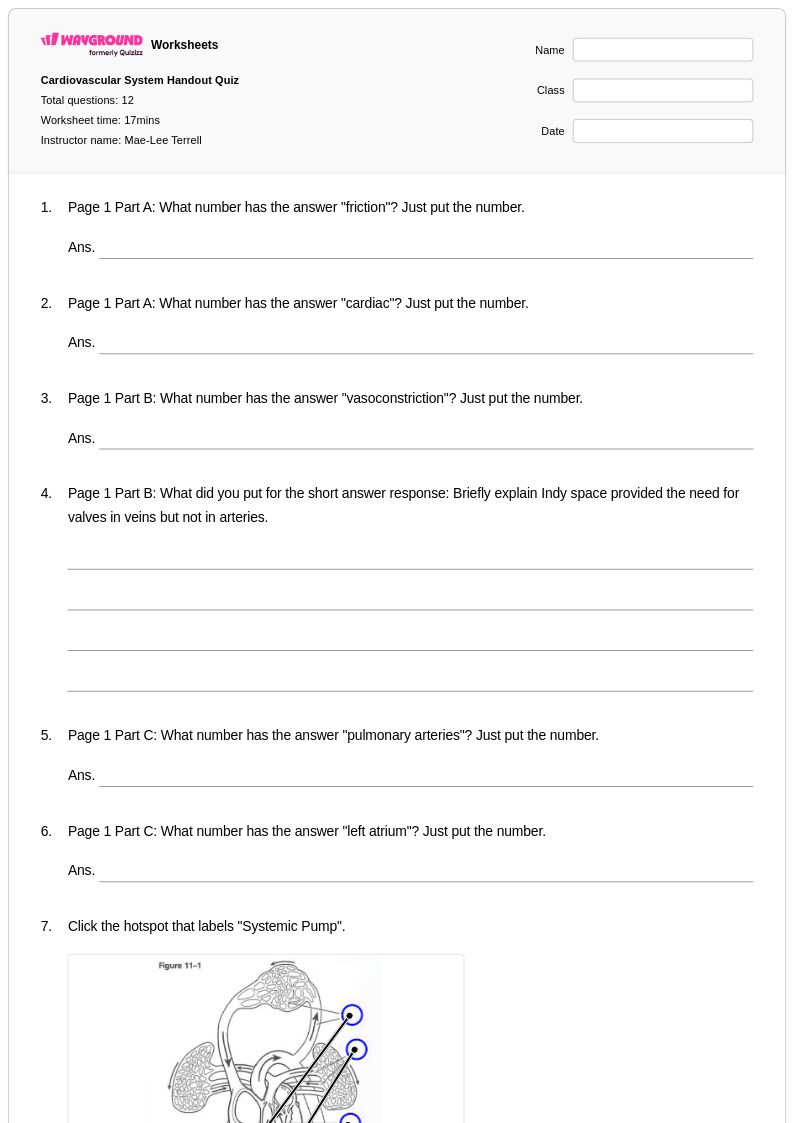
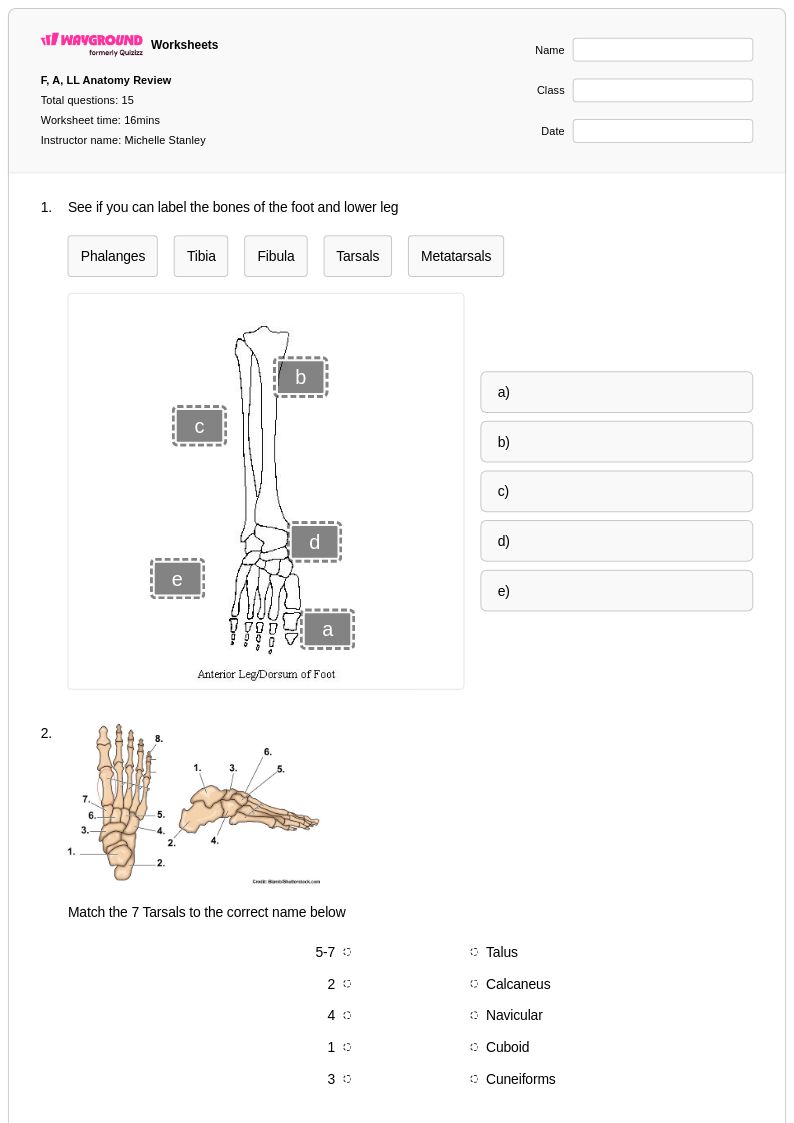
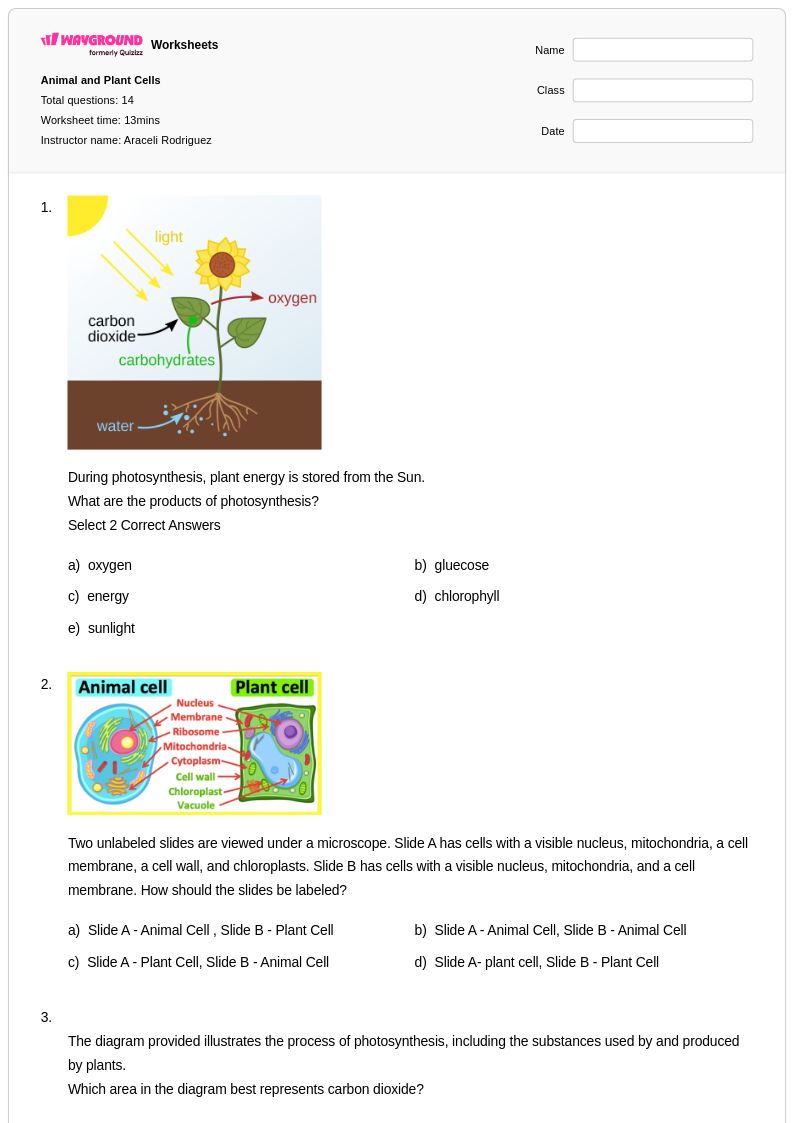
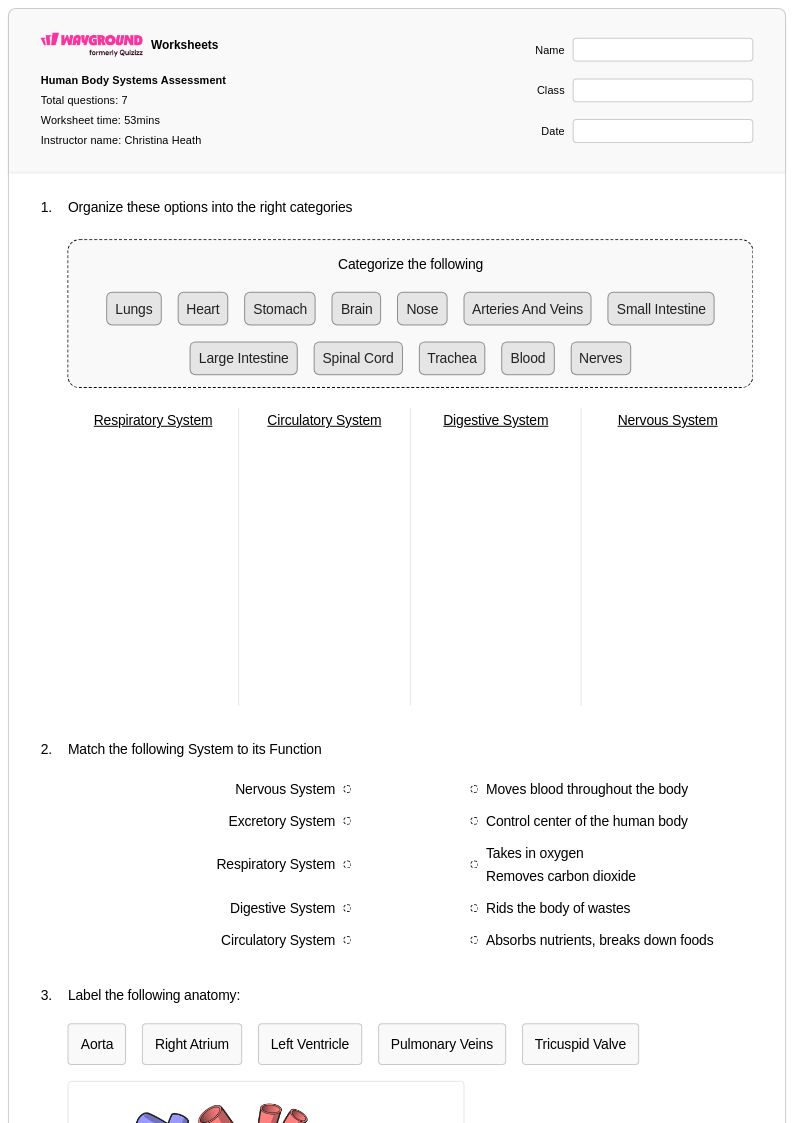
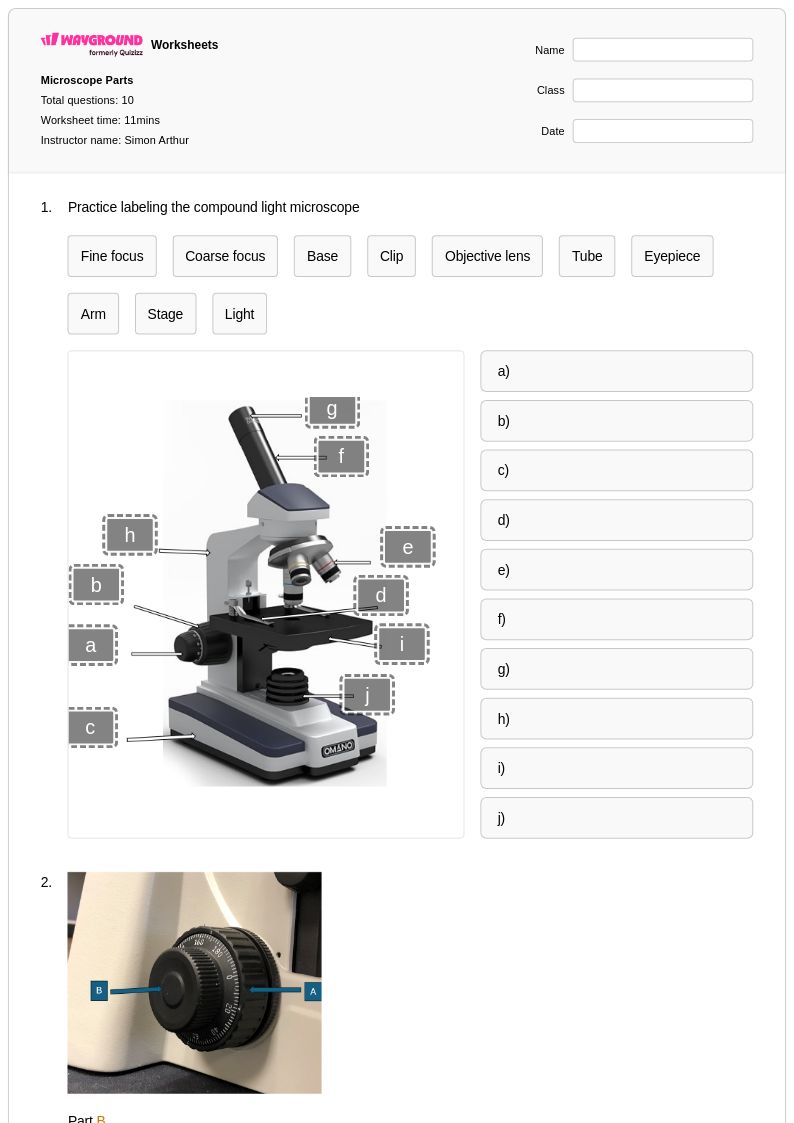
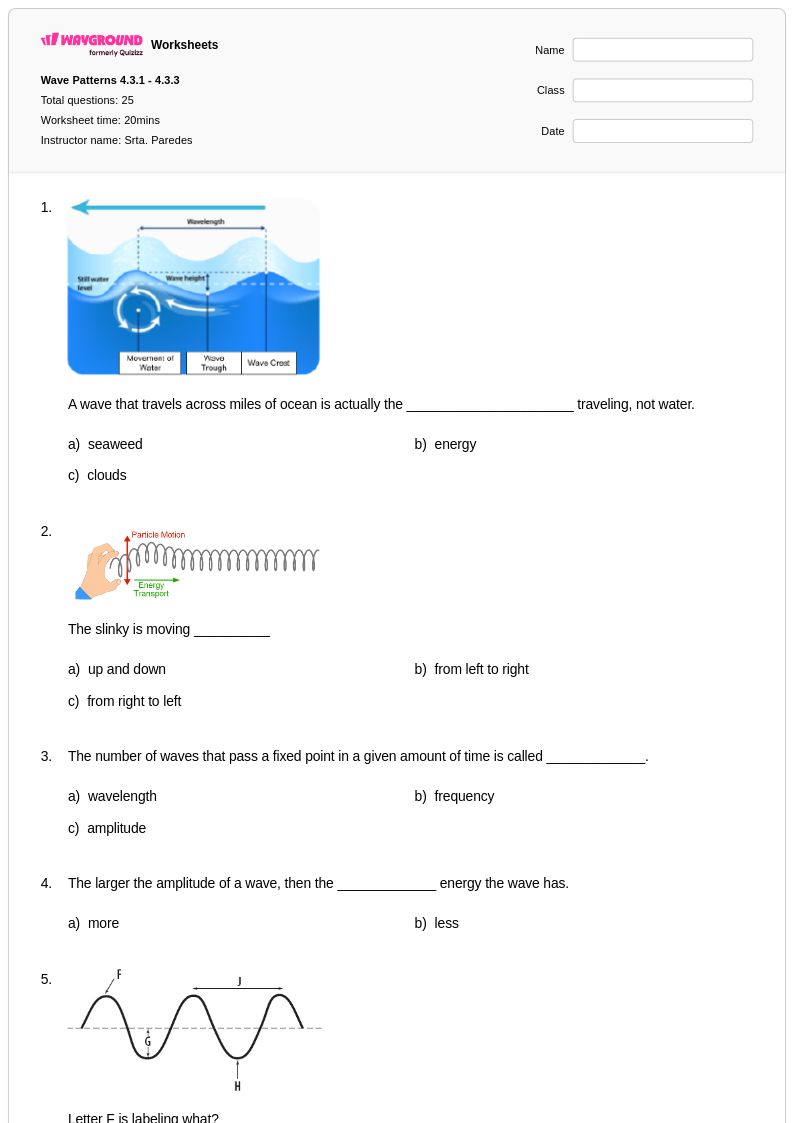
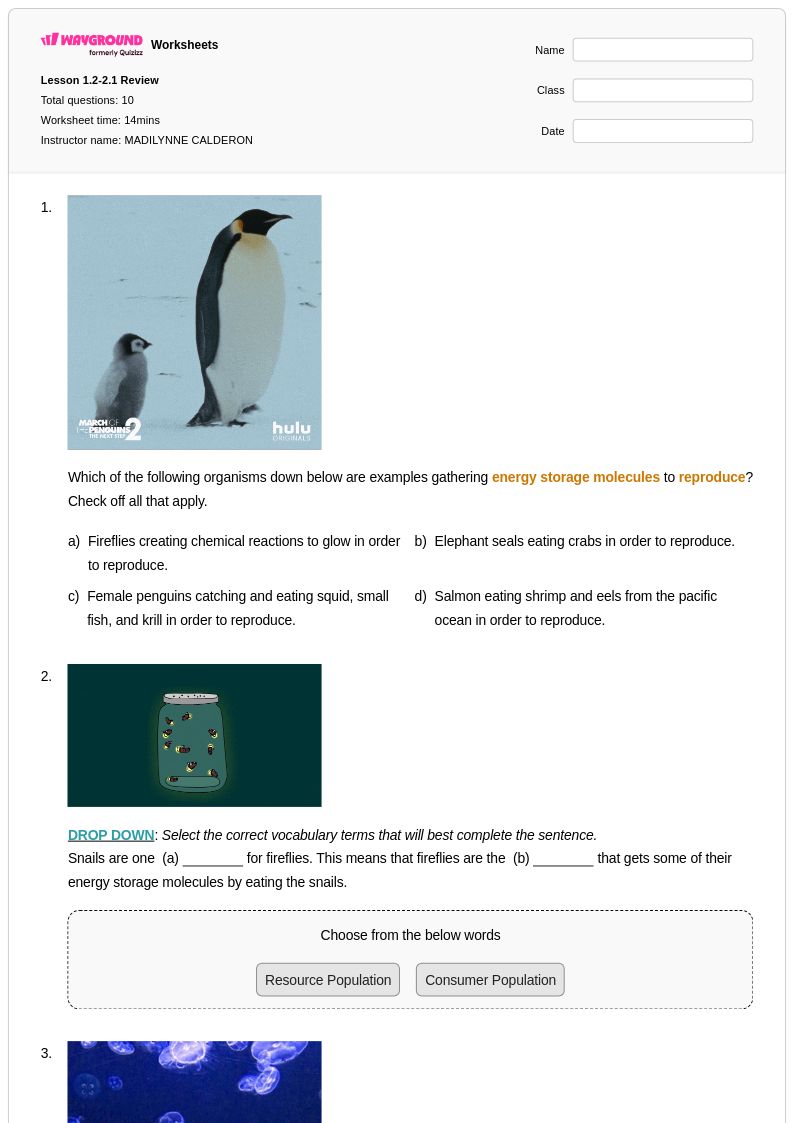
Labeling worksheets for kindergarten Earth & Space Science provide young learners with essential foundational skills in scientific observation and vocabulary development. These educational resources from Wayground (formerly Quizizz) focus specifically on helping students identify and name key components of Earth and space systems, from basic weather patterns and seasonal changes to simple celestial objects like the sun, moon, and stars. The worksheets strengthen critical pre-reading and early literacy skills while introducing scientific terminology through engaging visual exercises that require students to match words with corresponding images or diagrams. Each printable resource includes comprehensive practice problems that guide kindergarteners through the process of connecting scientific concepts with their proper labels, and many collections feature answer keys that support both independent learning and teacher-guided instruction in pdf format.
Wayground (formerly Quizizz) empowers educators with access to millions of teacher-created labeling resources specifically designed for kindergarten Earth & Space Science instruction. The platform's robust search and filtering capabilities allow teachers to quickly locate worksheets that align with specific learning standards and curricular requirements, while built-in differentiation tools enable customization based on individual student needs and reading levels. These comprehensive collections are available in both printable and digital formats, including downloadable pdf versions that facilitate seamless integration into existing lesson plans for skill practice, remediation, and enrichment activities. Teachers benefit from the flexibility to modify labeling exercises, create personalized worksheet sets, and access detailed alignment information that supports strategic instructional planning across diverse learning environments and helps ensure that young scientists develop strong foundational knowledge in Earth and space science concepts.
FAQs
How do I teach students to label scientific diagrams effectively?
Start by building vocabulary explicitly before presenting any diagram — students cannot label what they cannot name. Use guided practice where the class labels a diagram together before students attempt one independently. In Earth and Space Science, connecting each label to a function (e.g., not just 'mantle' but what the mantle does) deepens retention and reduces rote memorization.
What types of diagrams should students practice labeling in Earth and Space Science?
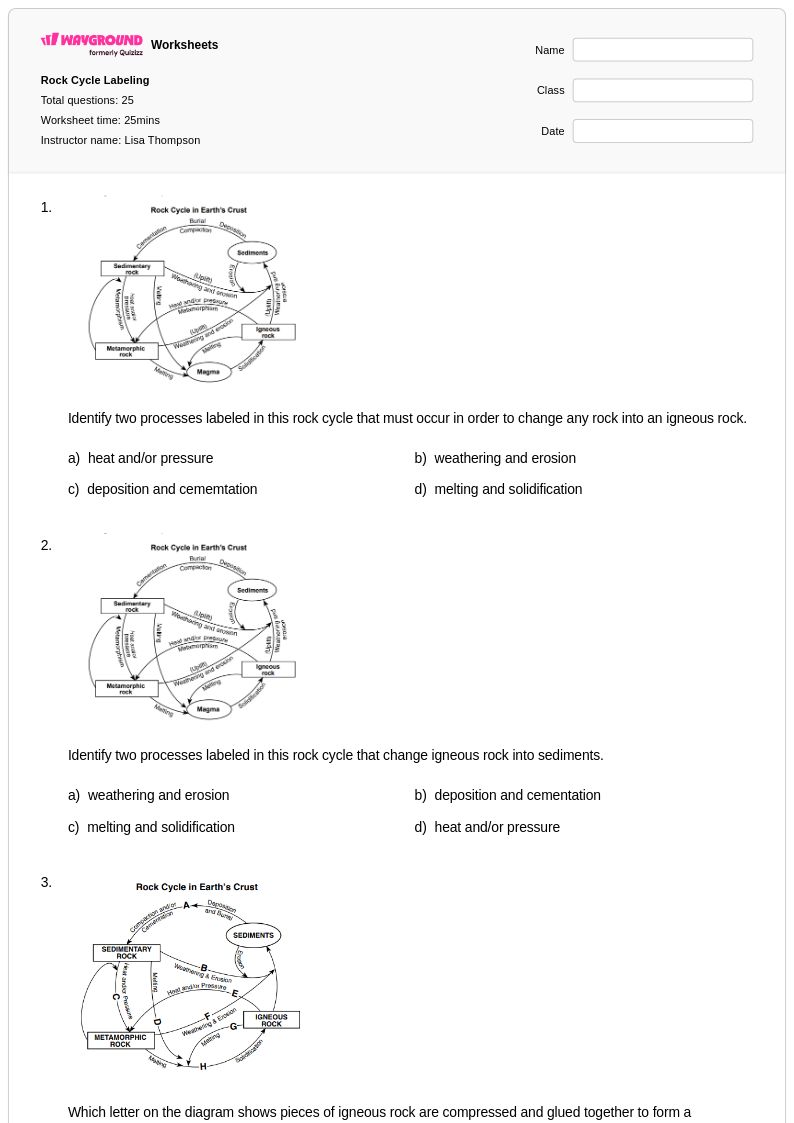
Key diagram types in Earth and Space Science include geological cross-sections (layers of the Earth, rock strata), atmospheric layers, ocean zones, solar system layouts, the water cycle, and lunar phases. Labeling these diagrams helps students develop spatial reasoning alongside scientific vocabulary, which are both assessed on standardized science exams.
What mistakes do students commonly make when labeling scientific diagrams?
The most frequent error is confusing visually similar structures — for example, students often mislabel the crust and mantle, or mix up stratosphere and mesosphere, because they rely on position rather than understanding function. Another common mistake is using informal or incomplete terminology, such as writing 'space layer' instead of 'exosphere.' Teaching students to cross-reference labels with definitions before finalizing answers significantly reduces these errors.
How can labeling worksheets be used to assess student understanding of scientific diagrams?
Labeling worksheets are an efficient formative assessment tool because they reveal gaps in both vocabulary and conceptual understanding simultaneously. A student who can define 'troposphere' in isolation but cannot place it correctly on a diagram likely lacks the spatial understanding needed for deeper learning. Using blank-diagram labeling tasks as exit tickets or low-stakes quizzes helps teachers identify these gaps before moving to more complex content.
How do I use Wayground's labeling worksheets in my classroom?
Wayground's labeling worksheets are available as printable PDFs for traditional classroom use and in digital formats for technology-integrated or remote learning environments. Teachers can also host them as a quiz directly on Wayground, enabling real-time student responses and built-in answer key feedback. The platform supports accommodations such as read aloud, extended time, and reduced answer choices, which can be assigned to individual students so diverse learners engage with the same diagram practice at an appropriate level.
How can I differentiate labeling activities for students who are struggling versus those who are advanced?
For struggling students, provide a word bank alongside the diagram to reduce retrieval load and let them focus on spatial placement and matching. For advanced learners, remove the word bank and require students to add brief functional descriptions next to each label. On Wayground, teachers can apply reduced answer choices for students who need additional support, while other students receive the standard version — all within the same assignment.