
30 Q
12th
15 Q
5th - Uni
20 Q
9th - 12th

11 Q
12th

11 Q
12th
23 Q
12th
15 Q
12th

16 Q
12th
12 Q
8th - 12th
59 Q
12th
35 Q
12th
20 Q
6th - Uni
22 Q
12th
14 Q
5th - Uni
15 Q
8th - Uni
23 Q
12th
23 Q
12th
6 Q
12th
30 Q
8th - Uni
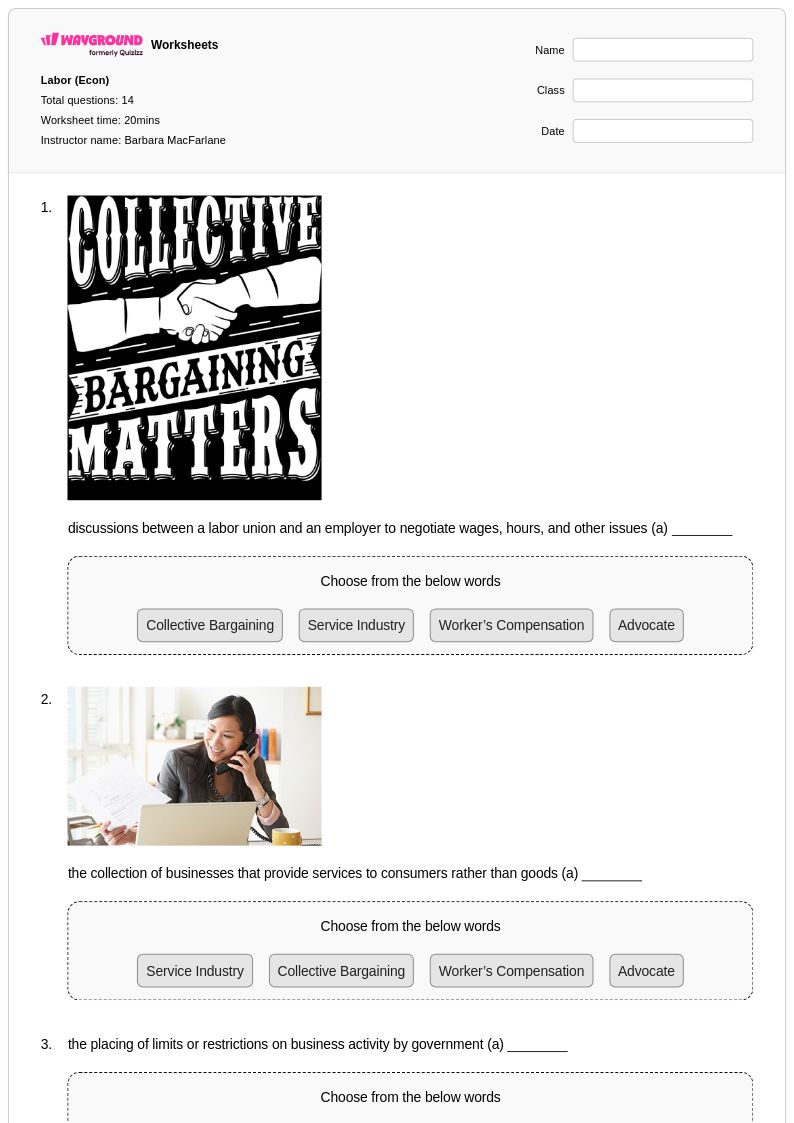
14 Q
12th
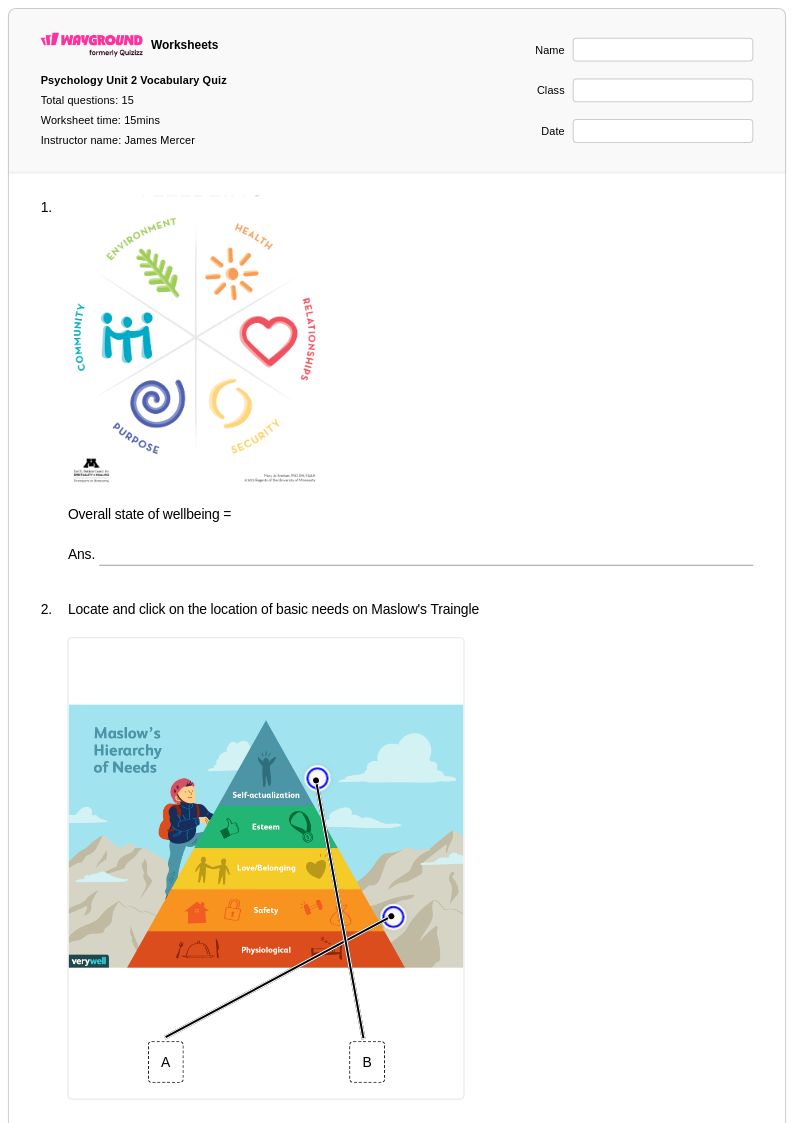
15 Q
9th - 12th
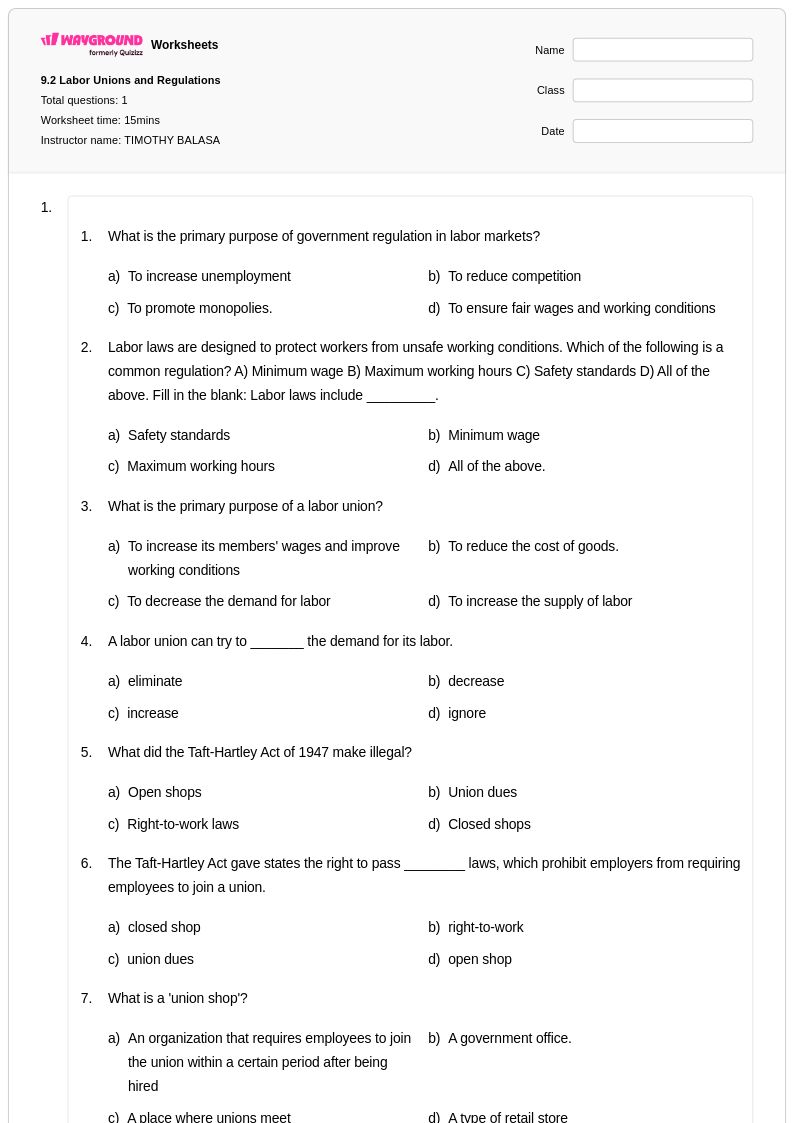
26 Q
12th - Uni
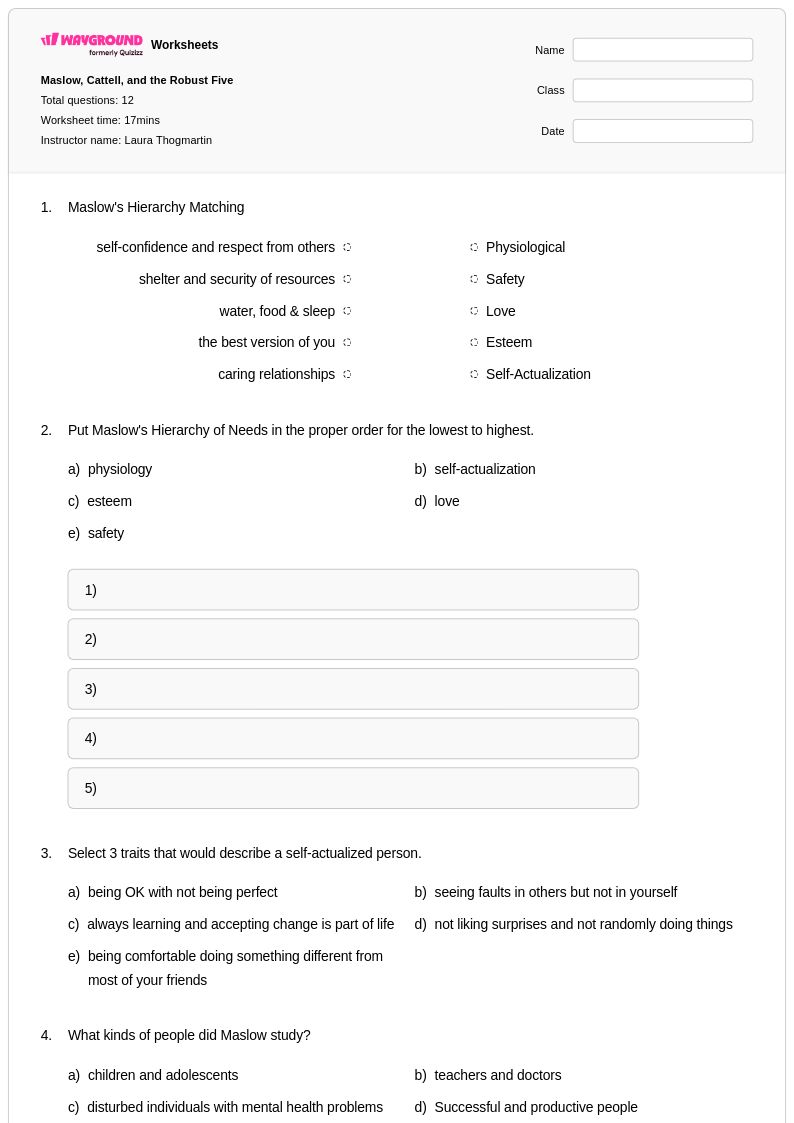
12 Q
12th
Explore Online Safety Worksheets by Grades
Explore Other Subject Worksheets for year 12
Explore printable Online Safety worksheets for Year 12
Online safety worksheets for Year 12 students through Wayground (formerly Quizizz) provide comprehensive resources that address the critical digital citizenship skills necessary for today's interconnected world. These carefully designed worksheets focus on advanced concepts such as protecting personal information across multiple platforms, recognizing sophisticated phishing attempts and social engineering tactics, understanding the long-term implications of digital footprints, and navigating complex privacy settings on social media and professional networks. Students engage with practice problems that simulate real-world scenarios, analyzing case studies of cyberbullying incidents, evaluating the credibility of online sources, and developing strategies for safe online communication. Each worksheet includes detailed answer keys that not only provide correct responses but also explain the reasoning behind safe digital practices, making these free printables valuable tools for both independent study and classroom instruction.
Wayground (formerly Quizizz) supports educators with an extensive collection of teacher-created online safety resources that can be easily accessed through robust search and filtering capabilities, allowing instructors to quickly locate materials aligned with specific curriculum standards and learning objectives. The platform's millions of worksheets offer flexible customization options that enable teachers to differentiate instruction based on individual student needs, whether providing remediation for students struggling with basic digital literacy concepts or enrichment activities for advanced learners ready to explore complex topics like digital ethics and online advocacy. Available in both printable PDF format and interactive digital versions, these resources streamline lesson planning while providing educators with versatile tools for skill practice, formative assessment, and targeted intervention, ensuring that all Year 12 students develop the sophisticated online safety knowledge required for college, career, and lifelong digital citizenship.
FAQs
How do I teach online safety to students in a meaningful way?
What topics should an online safety worksheet cover?
What exercises help students practice online safety skills?
What mistakes do students commonly make when learning about online safety?
How can I differentiate online safety instruction for students at different skill levels?
How do I use Wayground's online safety worksheets in my classroom?