
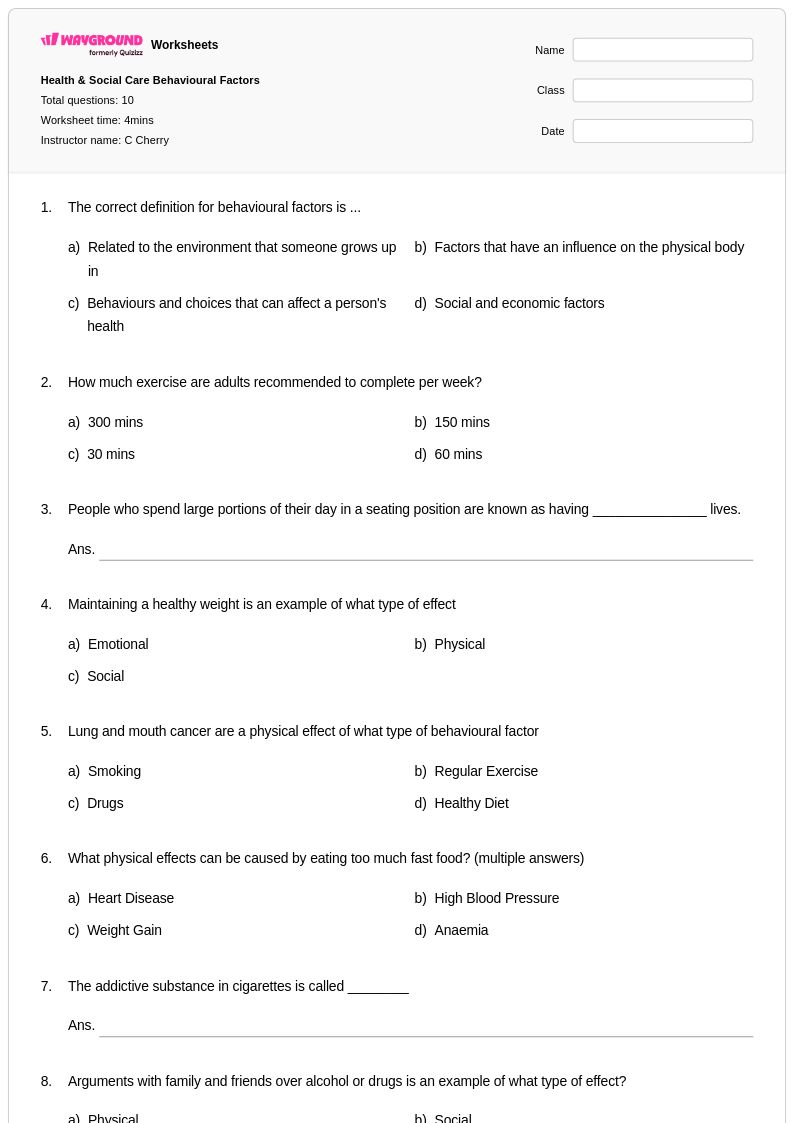
10 Q
10th - 11th

15 Q
11th
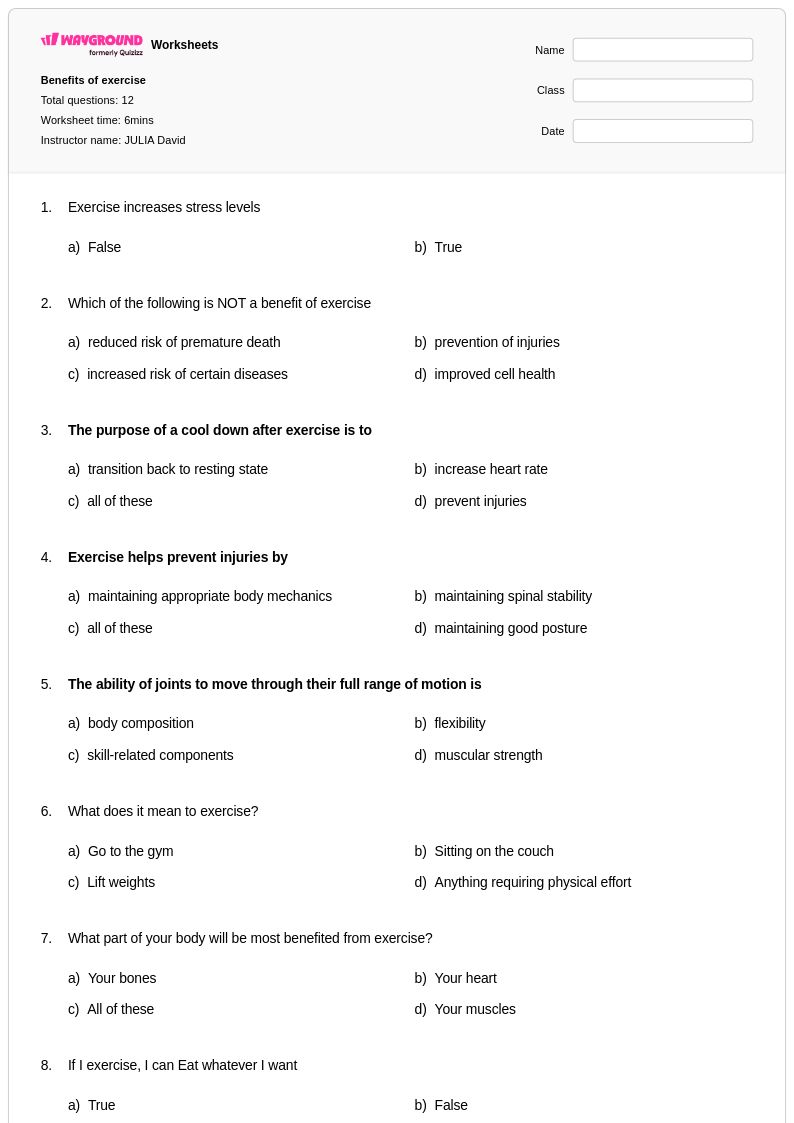
12 Q
7th - 11th
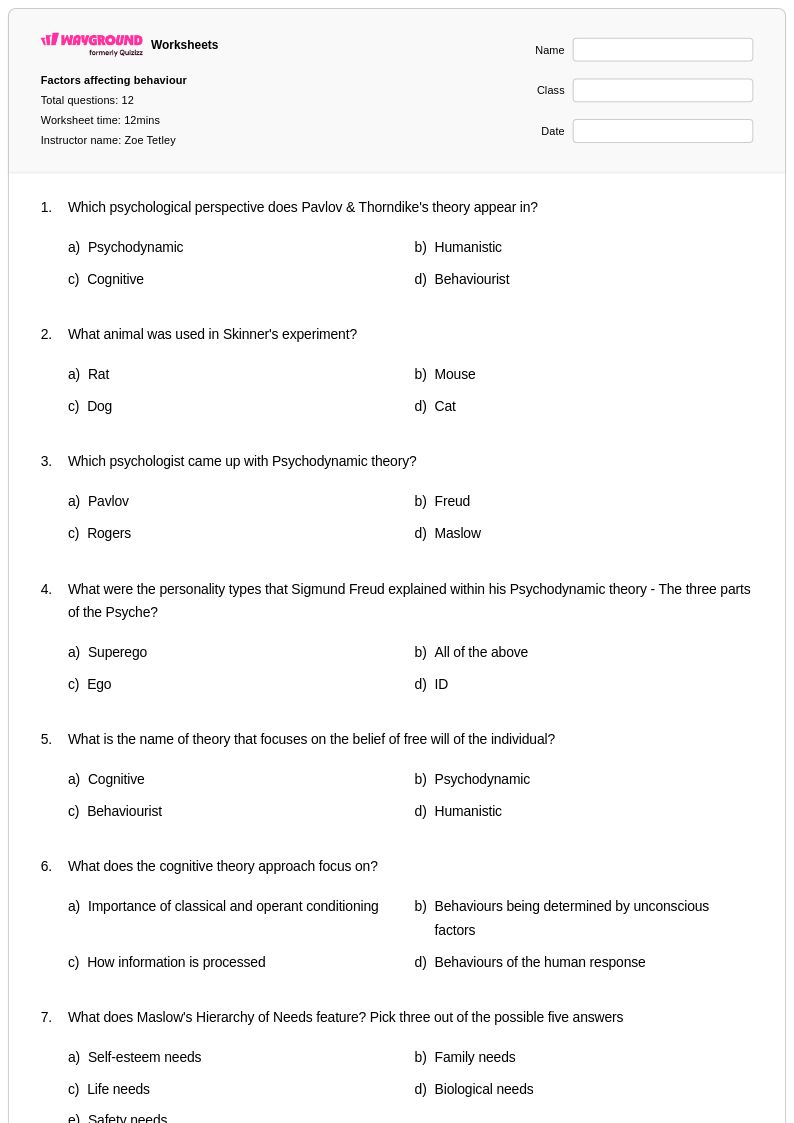
12 Q
10th - 12th
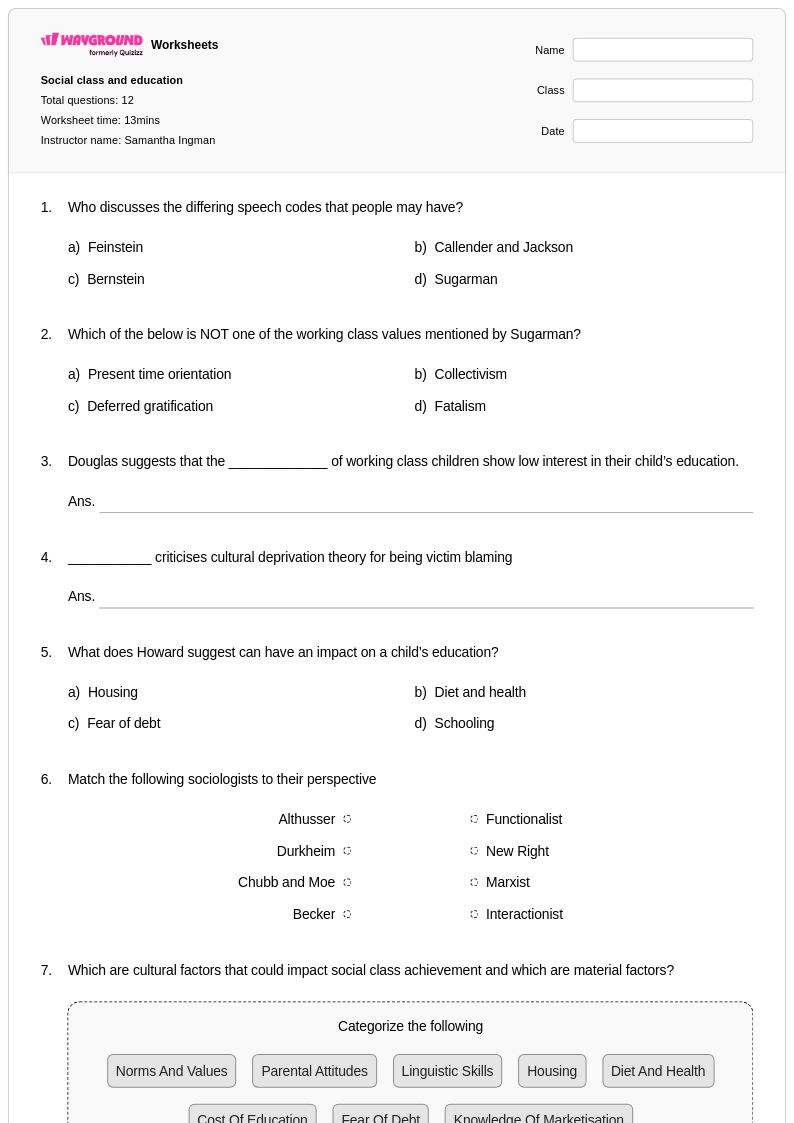
12 Q
9th - 12th
15 Q
10th - 11th
10 Q
9th - 12th
20 Q
9th - 12th
15 Q
11th
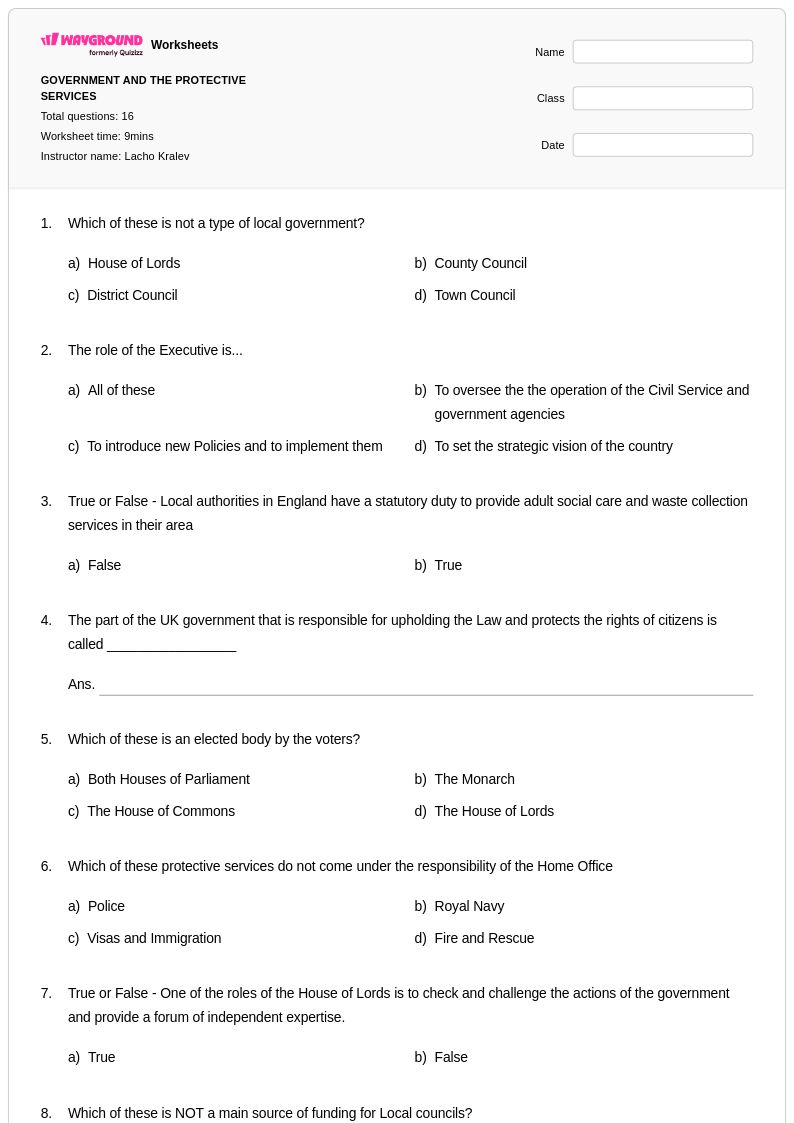
16 Q
11th - 12th
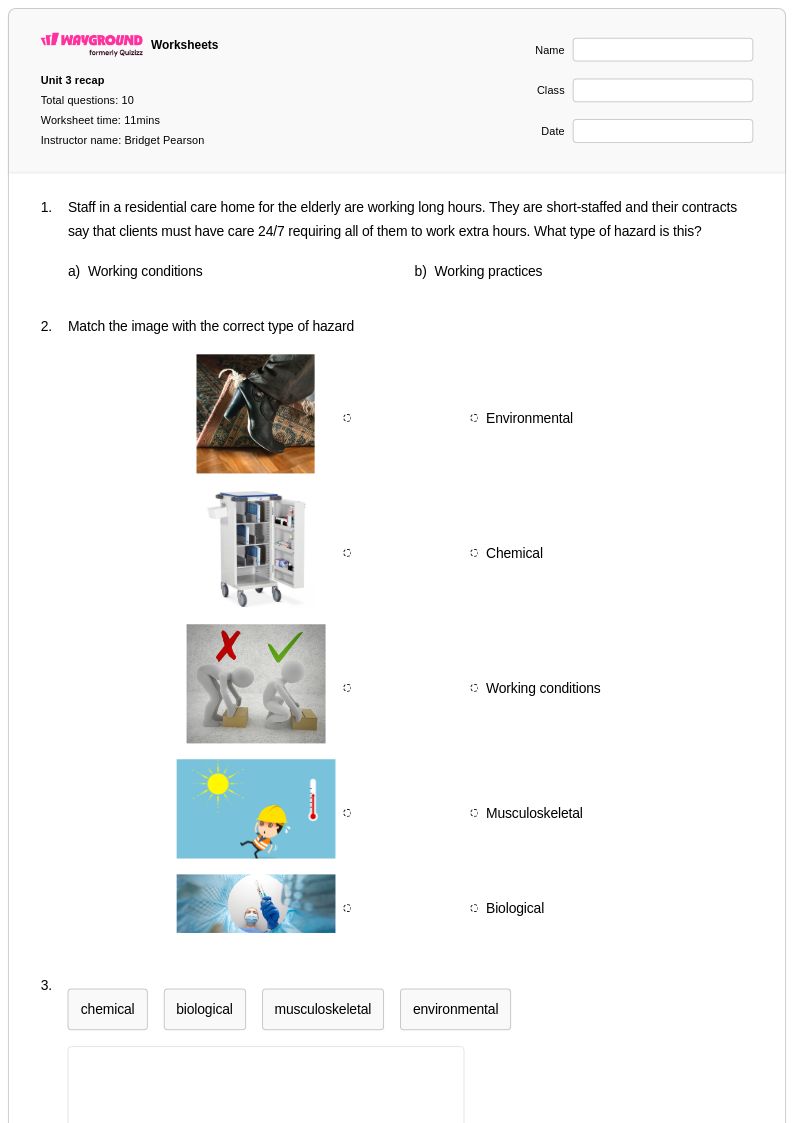
10 Q
11th
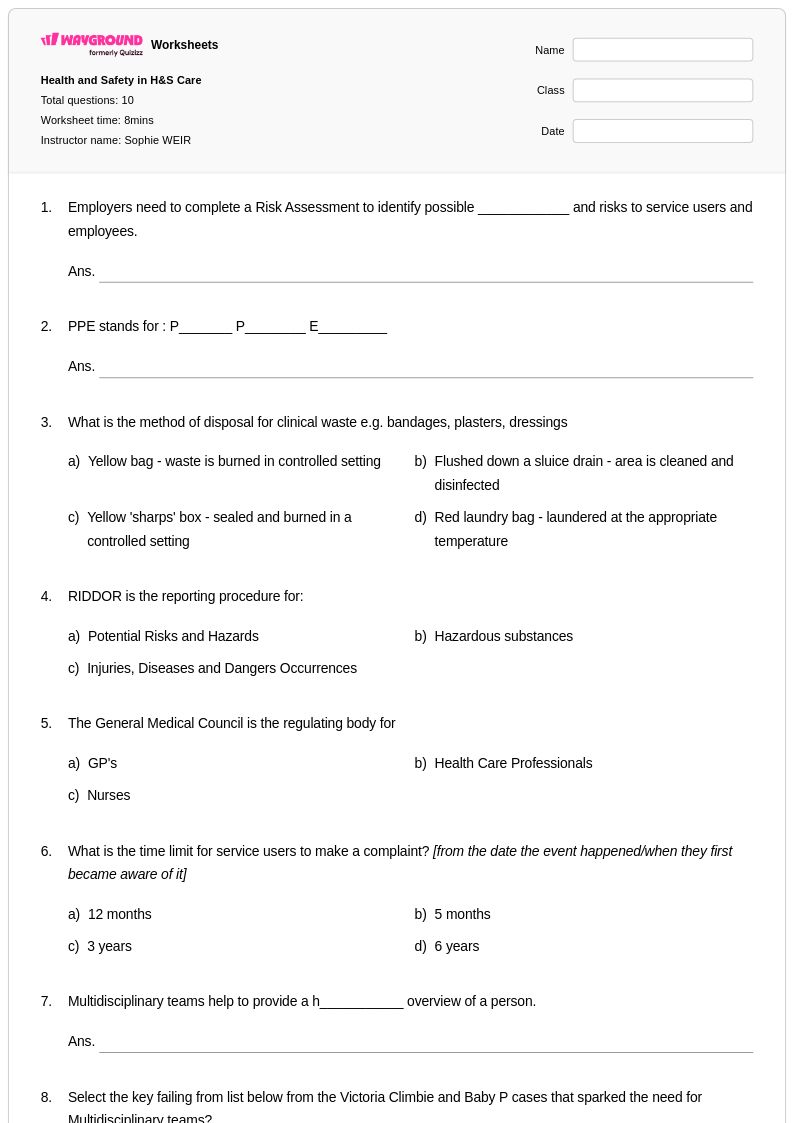
10 Q
11th - 12th
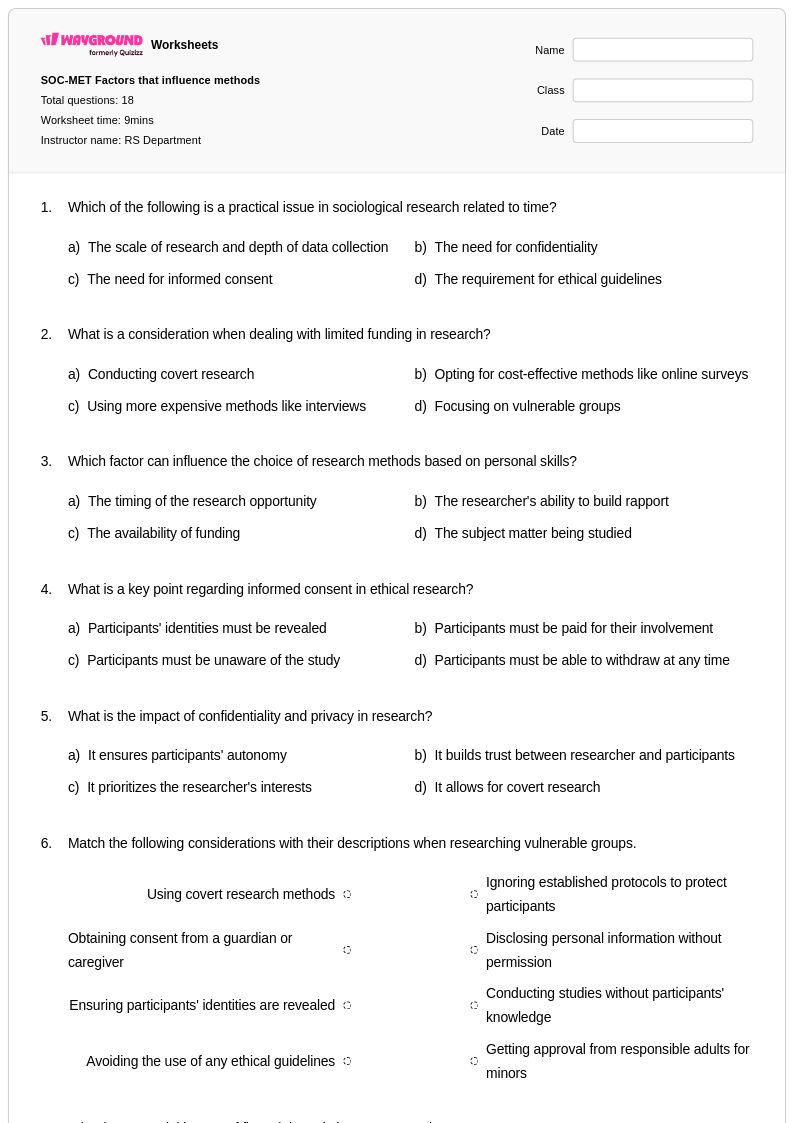
18 Q
11th - Uni
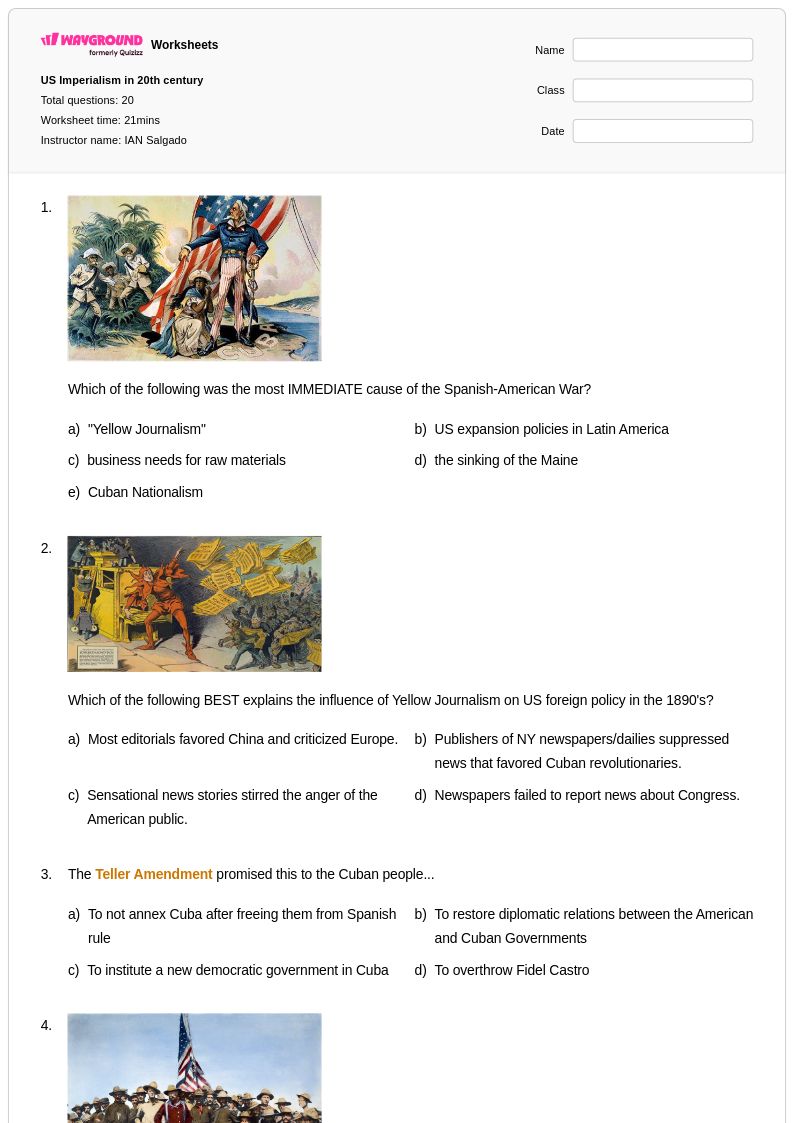
20 Q
11th
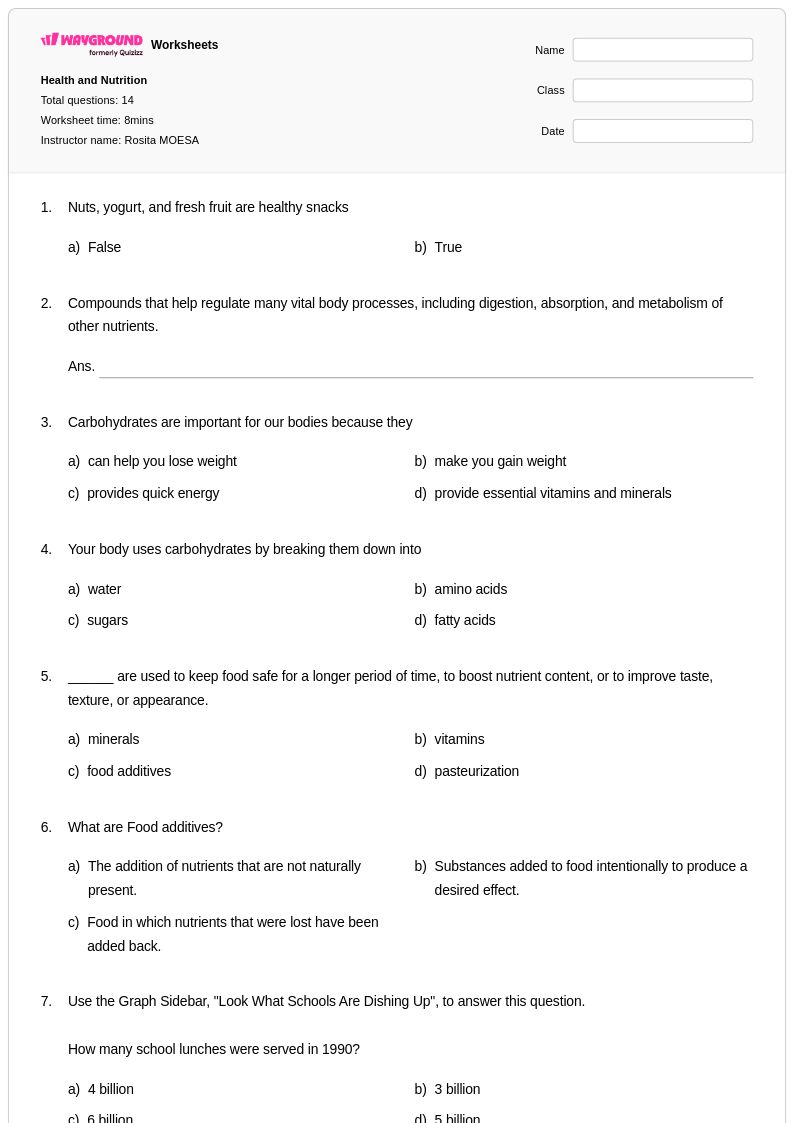
14 Q
11th
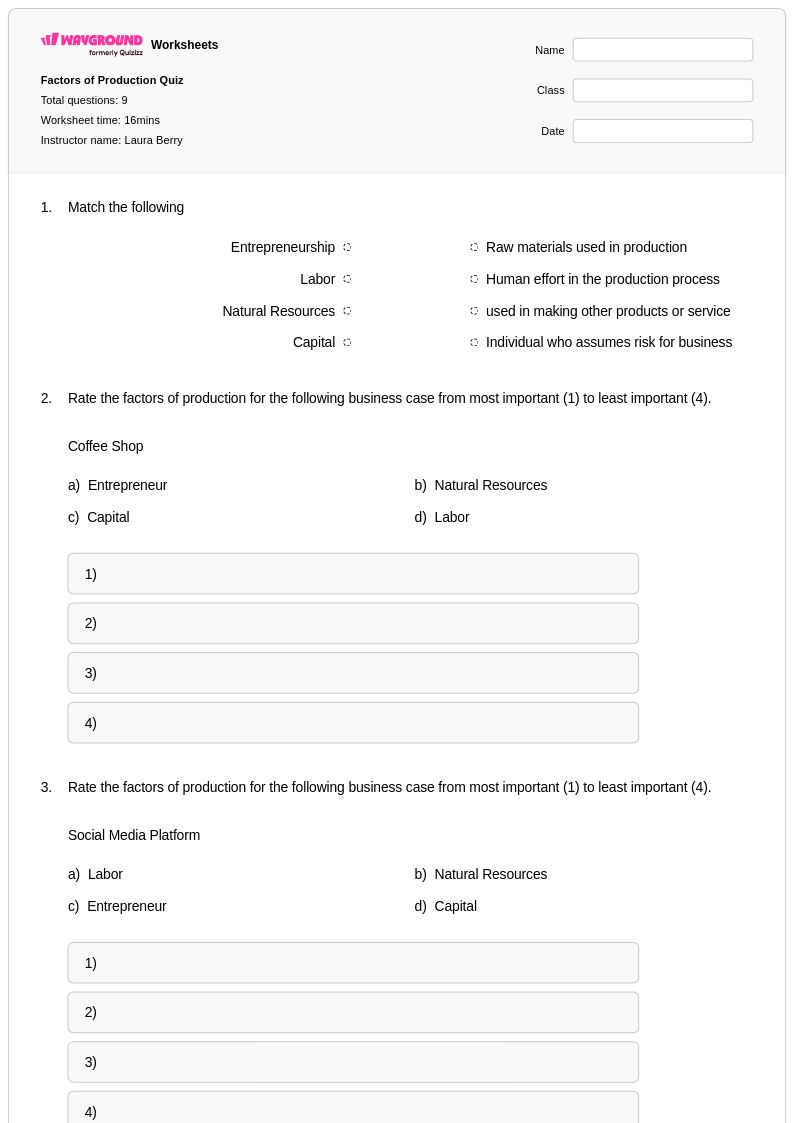
9 Q
9th - Uni
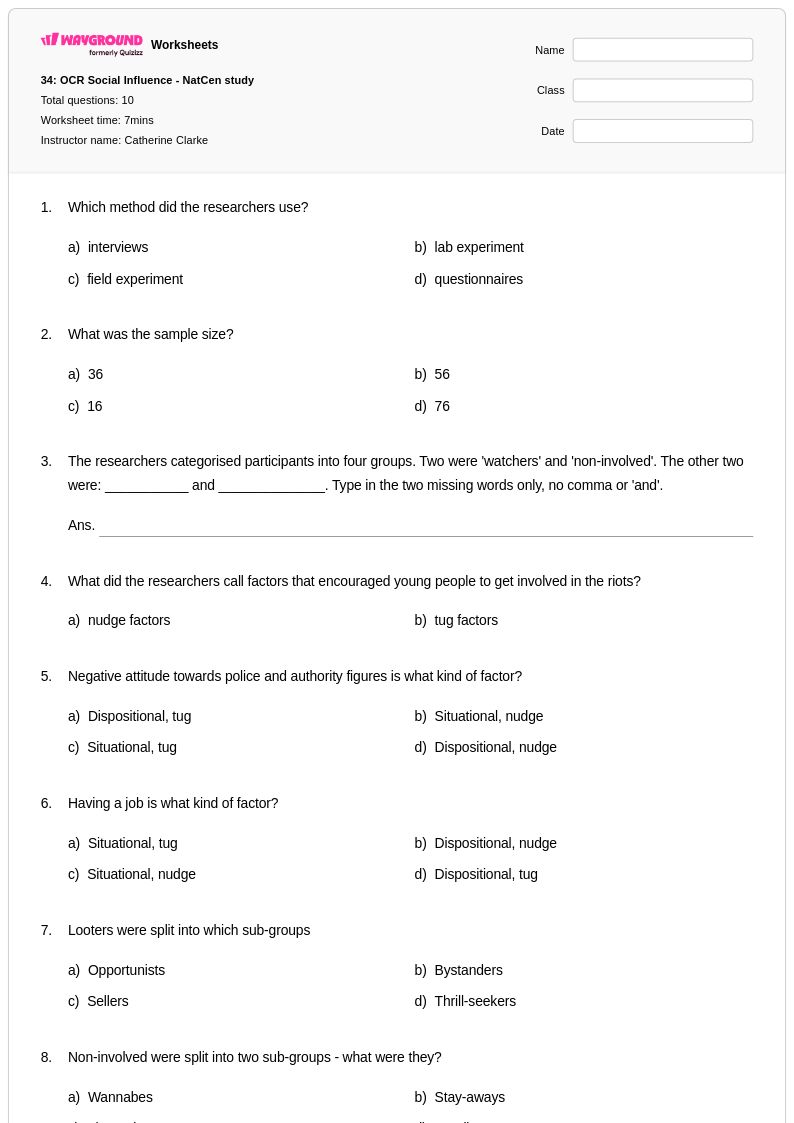
10 Q
9th - 12th
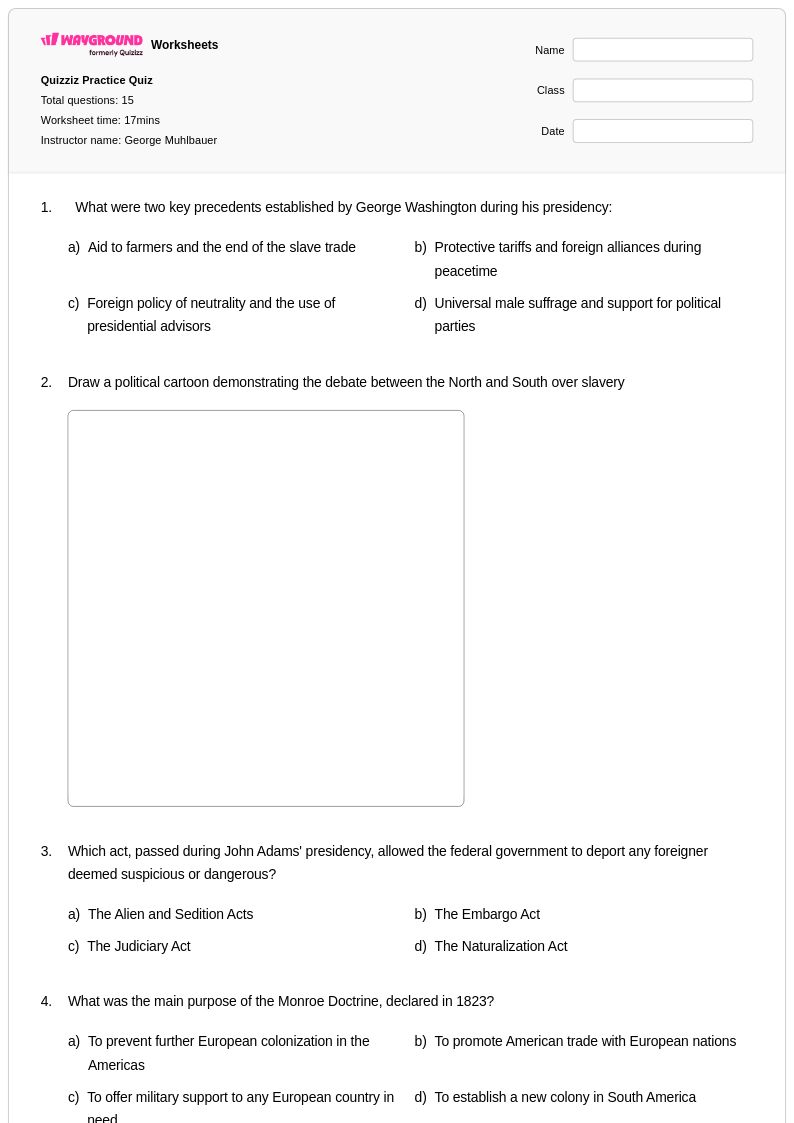
15 Q
11th
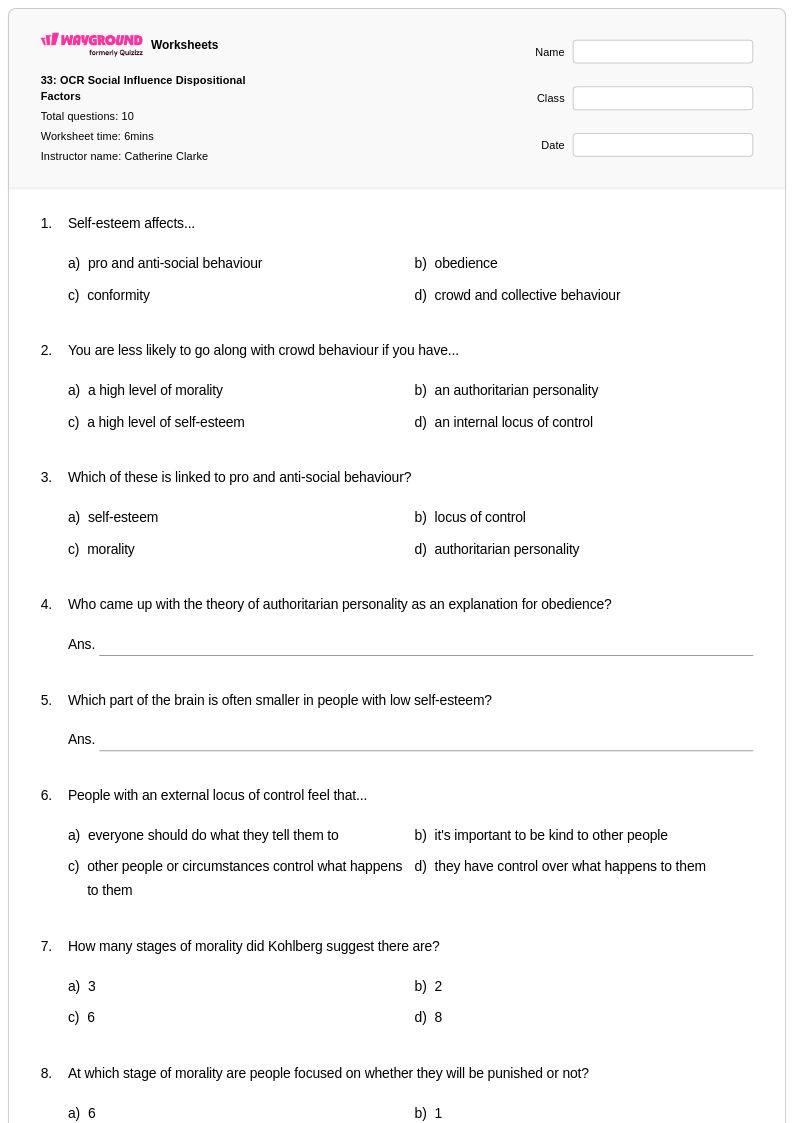
10 Q
9th - 12th
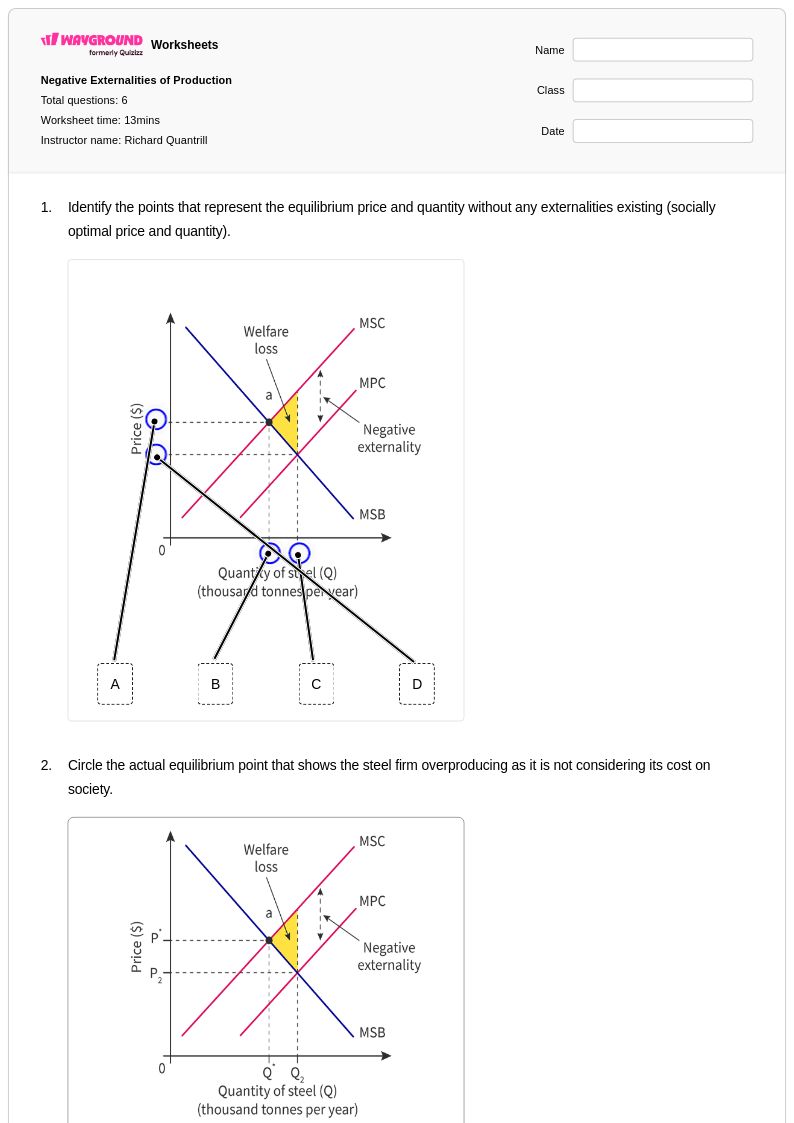
6 Q
11th
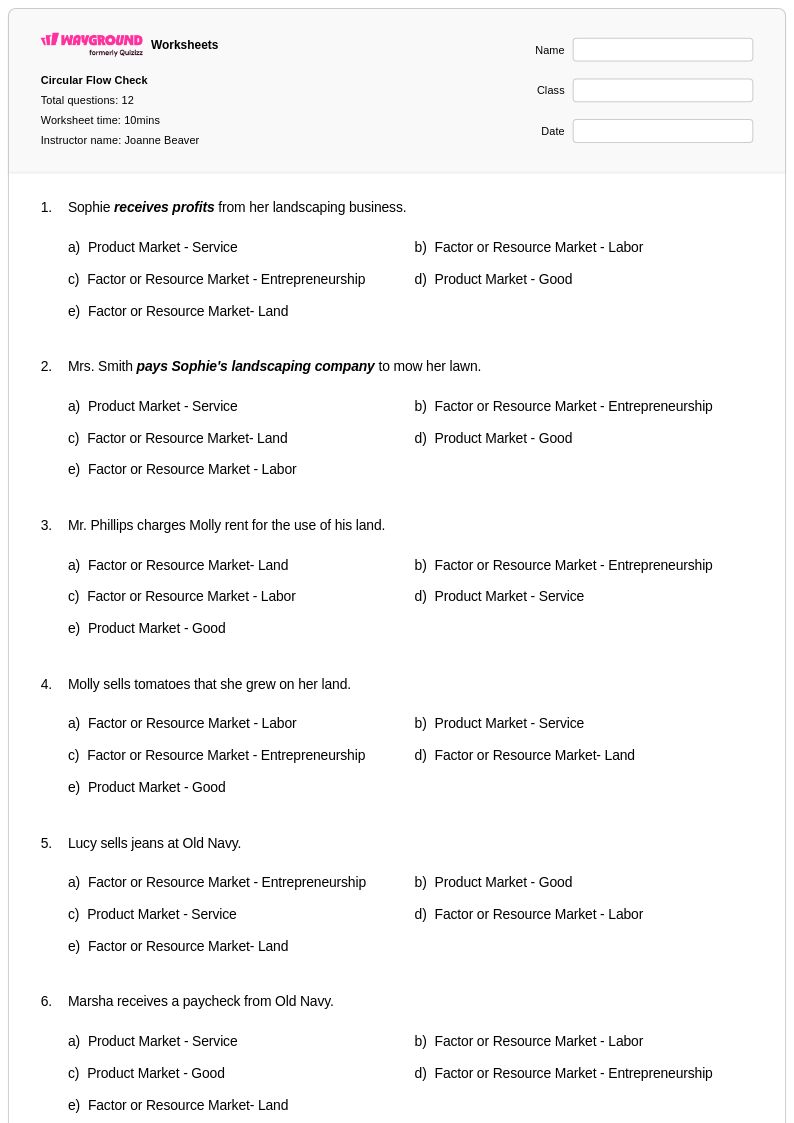
12 Q
9th - 12th
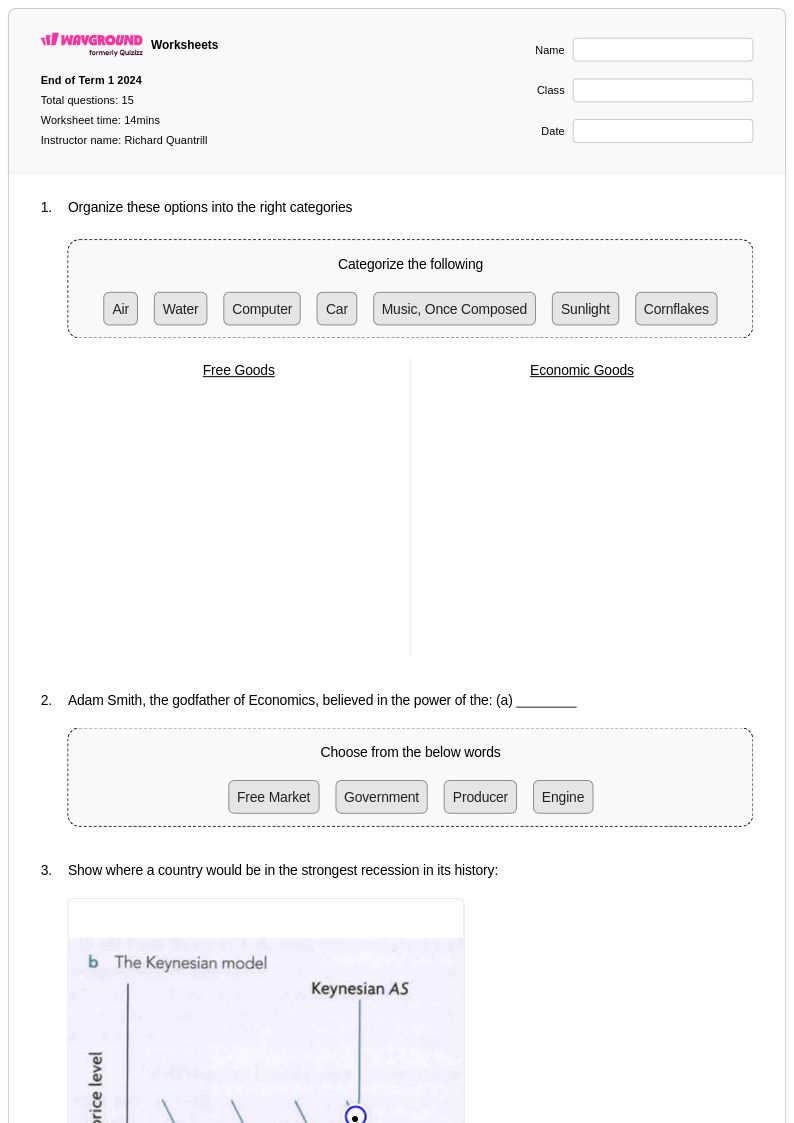
15 Q
11th
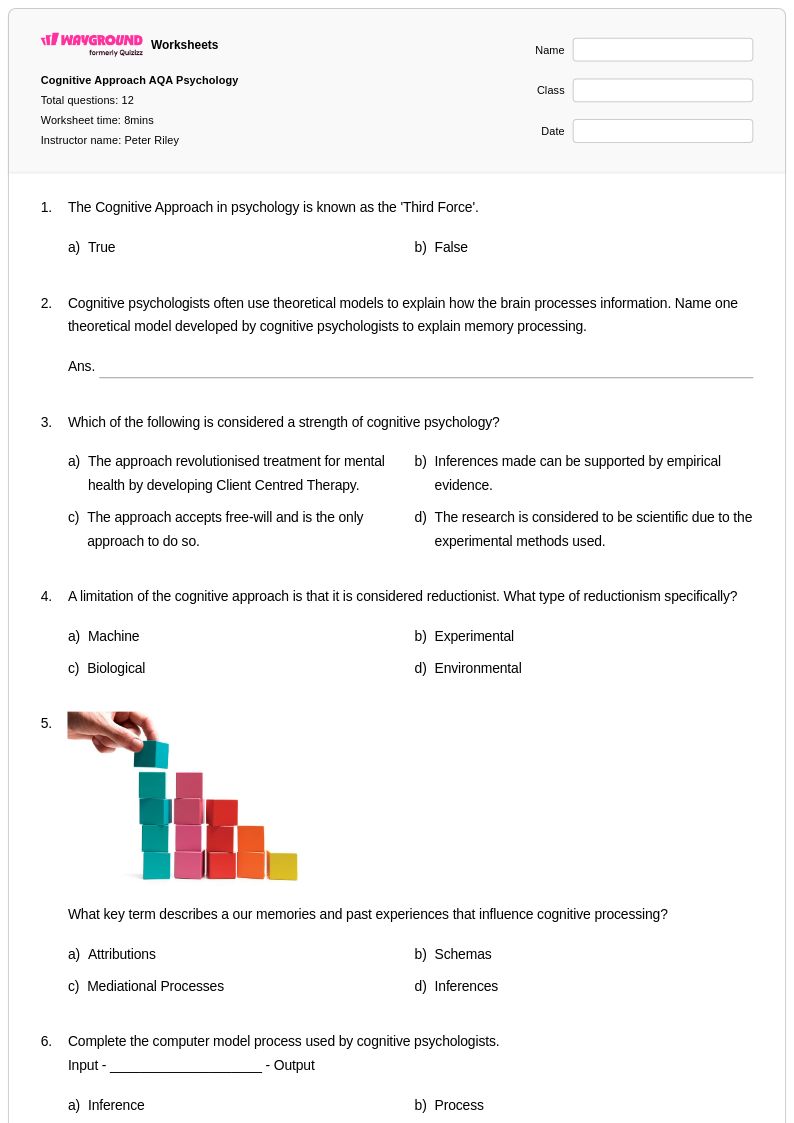
12 Q
11th - 12th
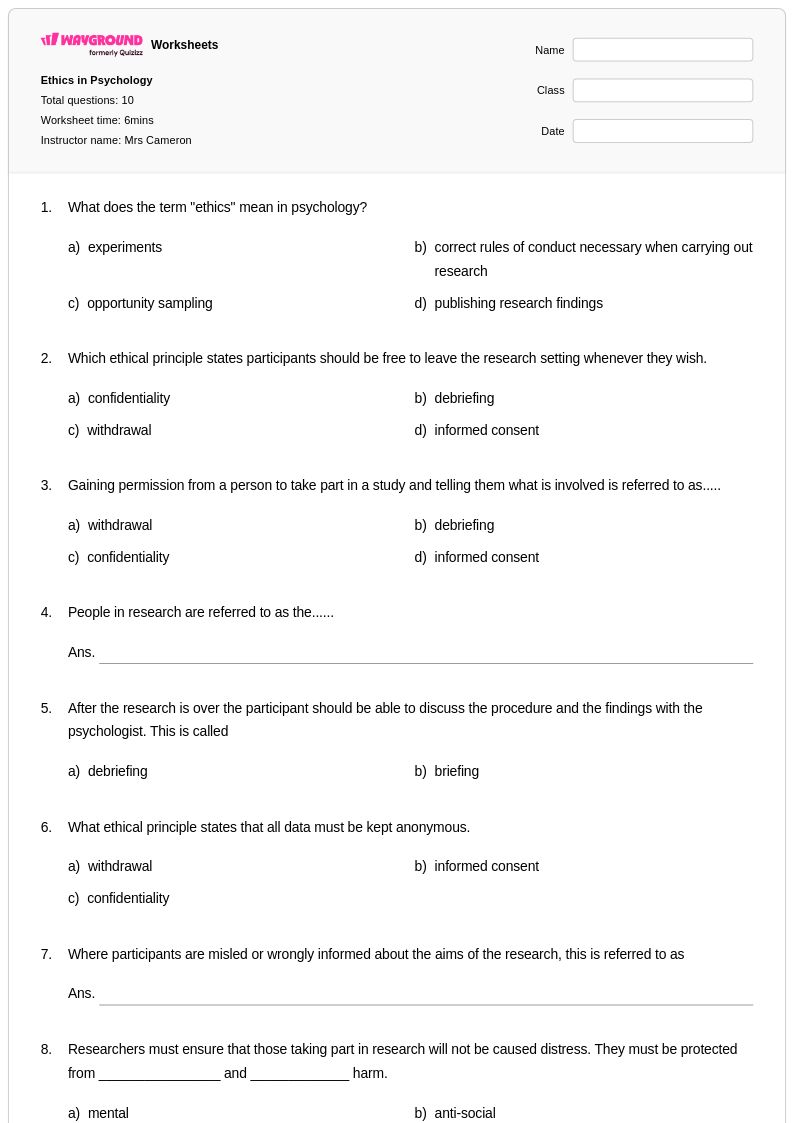
10 Q
9th - 11th
Explore Protective Factors in Health Worksheets by Grades
Explore Other Subject Worksheets for year 11
Explore printable Protective Factors in Health worksheets for Year 11
Protective factors in health worksheets available through Wayground (formerly Quizizz) provide Year 11 students with comprehensive resources to understand the social, emotional, and environmental elements that promote resilience and well-being. These expertly designed worksheets focus on helping students identify and analyze key protective factors such as strong family relationships, positive peer connections, community support systems, effective coping strategies, and access to healthcare resources. Students engage with practice problems that require them to evaluate real-world scenarios, assess risk and protective factor balance, and develop critical thinking skills about health promotion strategies. The collection includes detailed answer keys that support independent learning and self-assessment, while printable pdf formats ensure accessibility for both classroom instruction and individual study. These free educational resources strengthen students' ability to recognize protective factors in their own lives and communities while building essential social studies skills in analysis, evaluation, and application of health-related concepts.
Wayground (formerly Quizizz) empowers educators with an extensive library of millions of teacher-created worksheets specifically designed to support protective factors in health instruction for Year 11 social studies curricula. The platform's robust search and filtering capabilities enable teachers to quickly locate materials that align with specific learning standards and educational objectives, while differentiation tools allow for seamless customization to meet diverse student needs and learning styles. Teachers can access resources in both printable and digital pdf formats, providing flexibility for various instructional approaches including traditional classroom activities, remote learning assignments, and hybrid educational models. These comprehensive worksheet collections support effective lesson planning by offering structured practice opportunities, facilitate targeted remediation for students who need additional support, and provide enrichment activities for advanced learners, ultimately helping educators create engaging learning experiences that develop students' understanding of how protective factors contribute to individual and community health outcomes.
FAQs
How do I teach protective factors in health to students?
What exercises help students practice identifying protective factors in health?
What misconceptions do students commonly have about protective factors in health?
How can I use protective factors in health worksheets in my classroom?
How do protective factors in health connect to social-emotional learning?
How do I differentiate protective factors in health instruction for diverse learners?