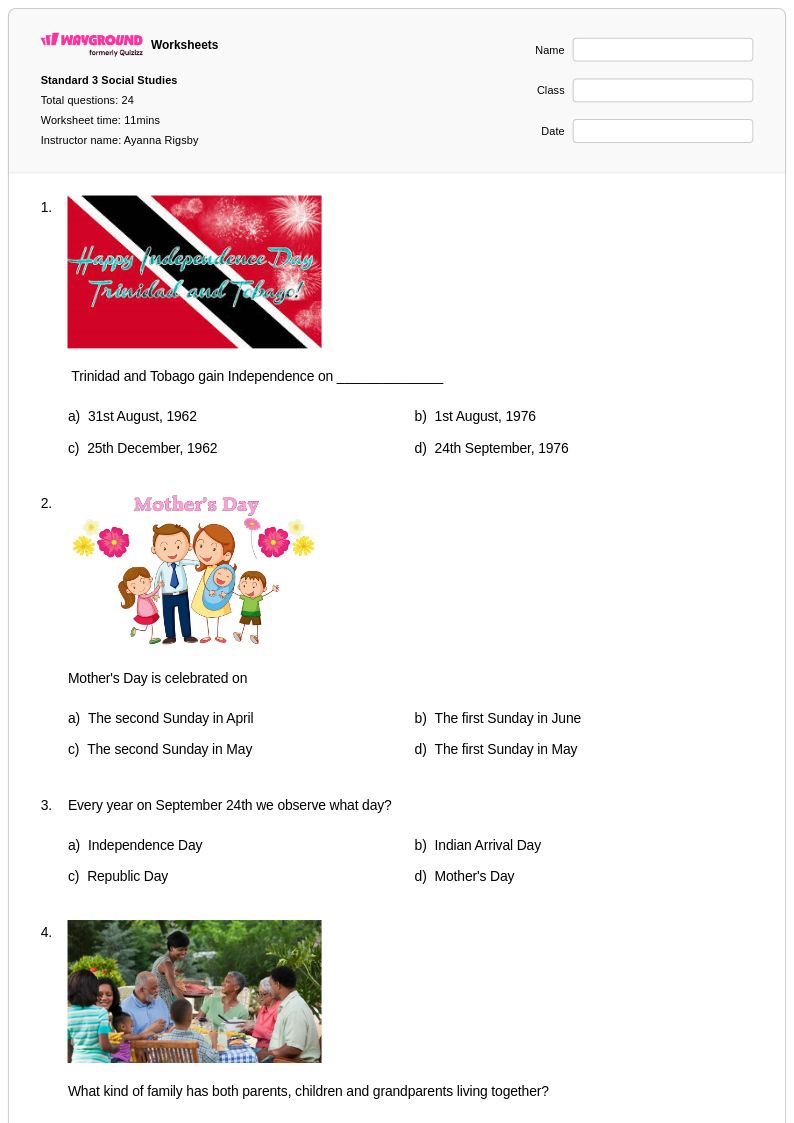
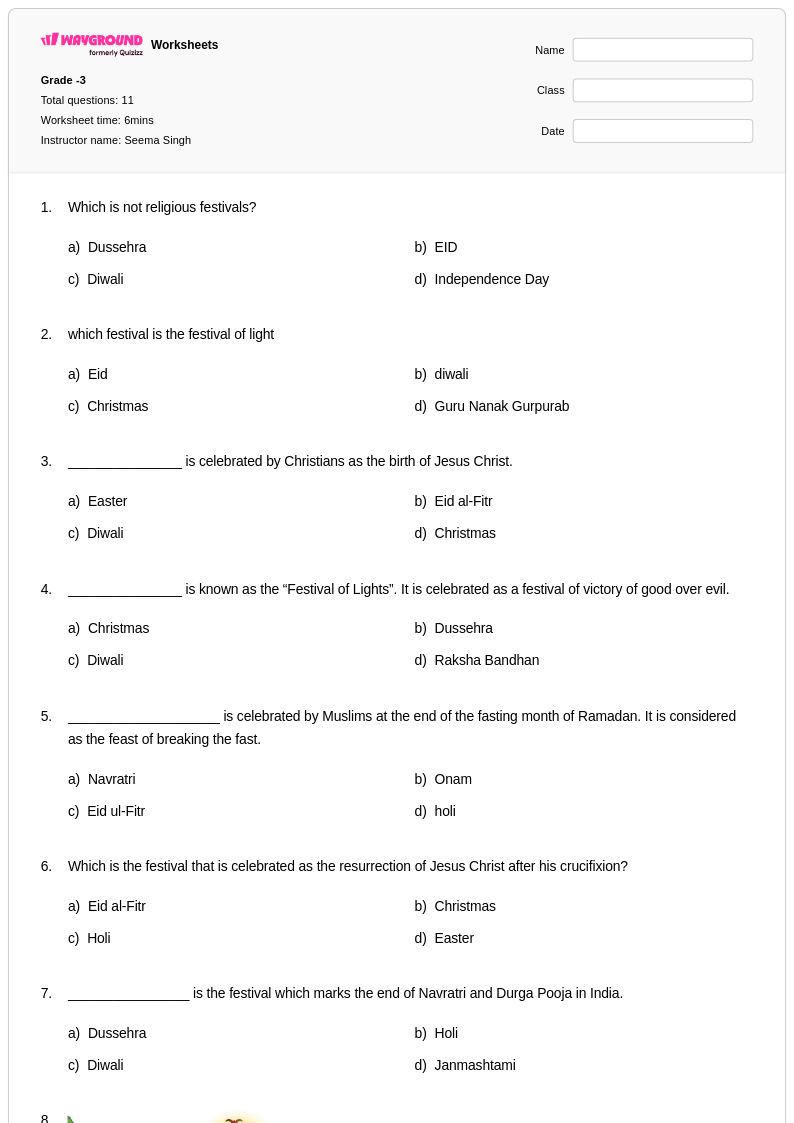
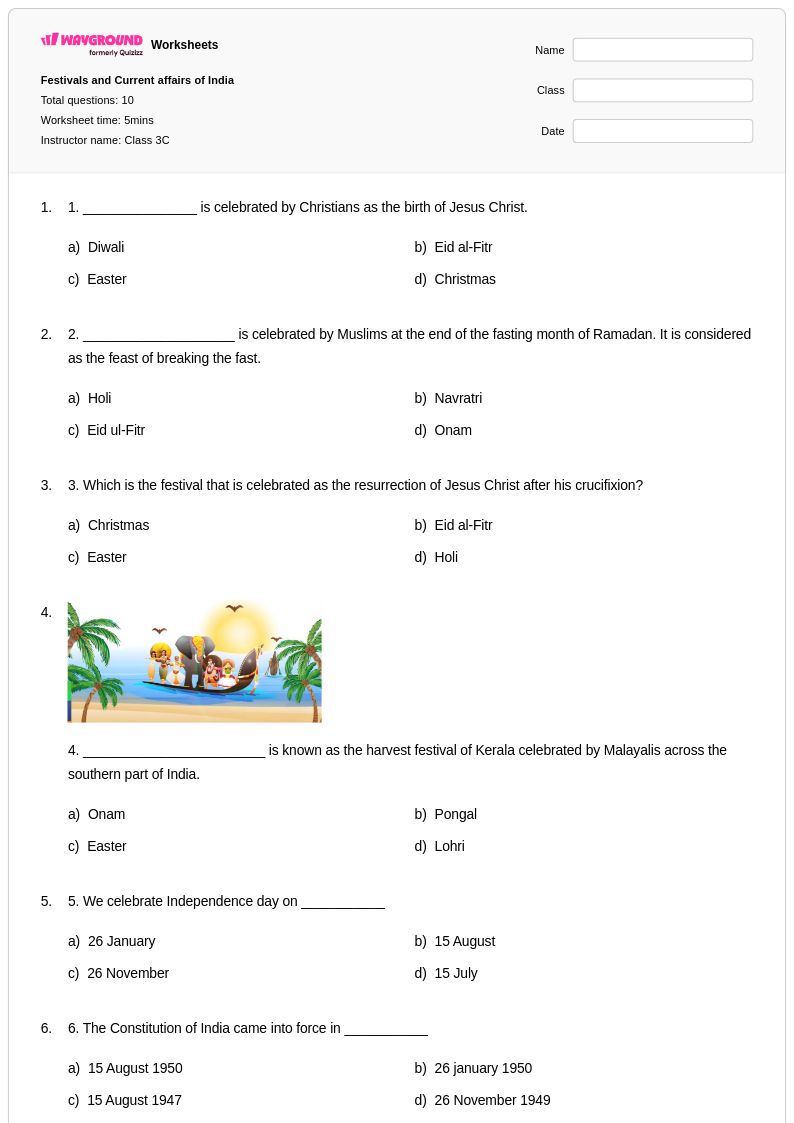
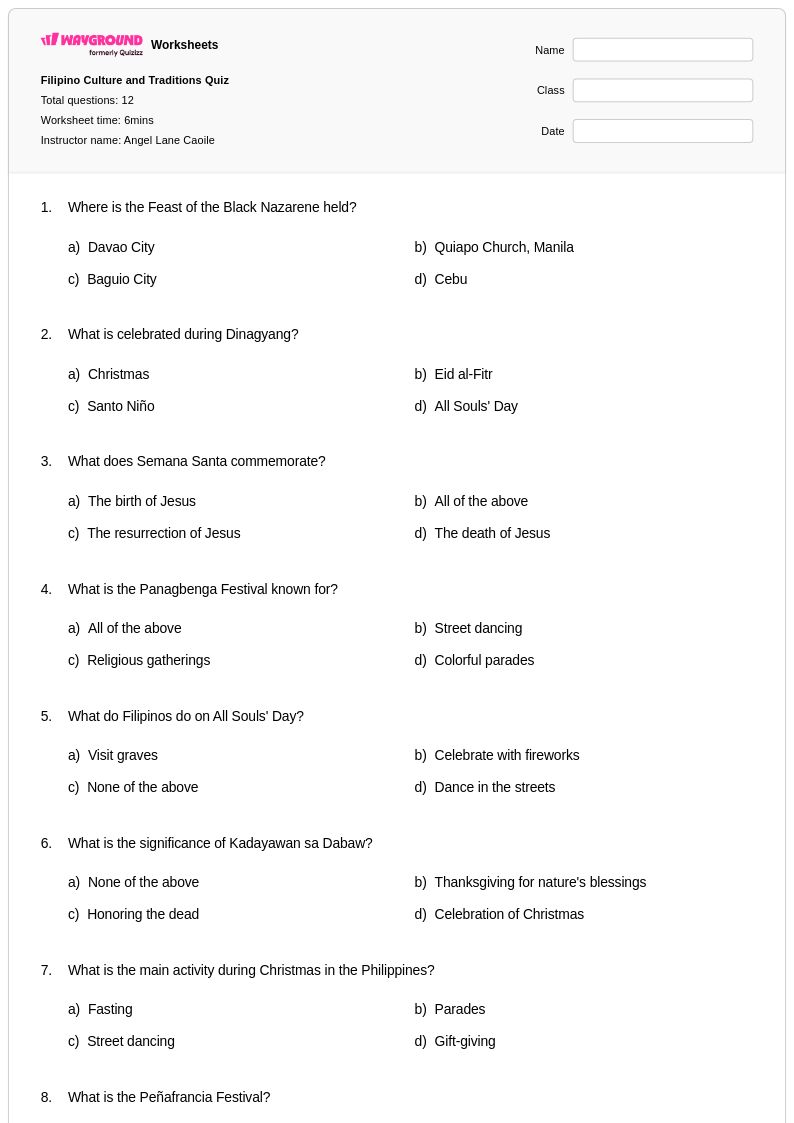
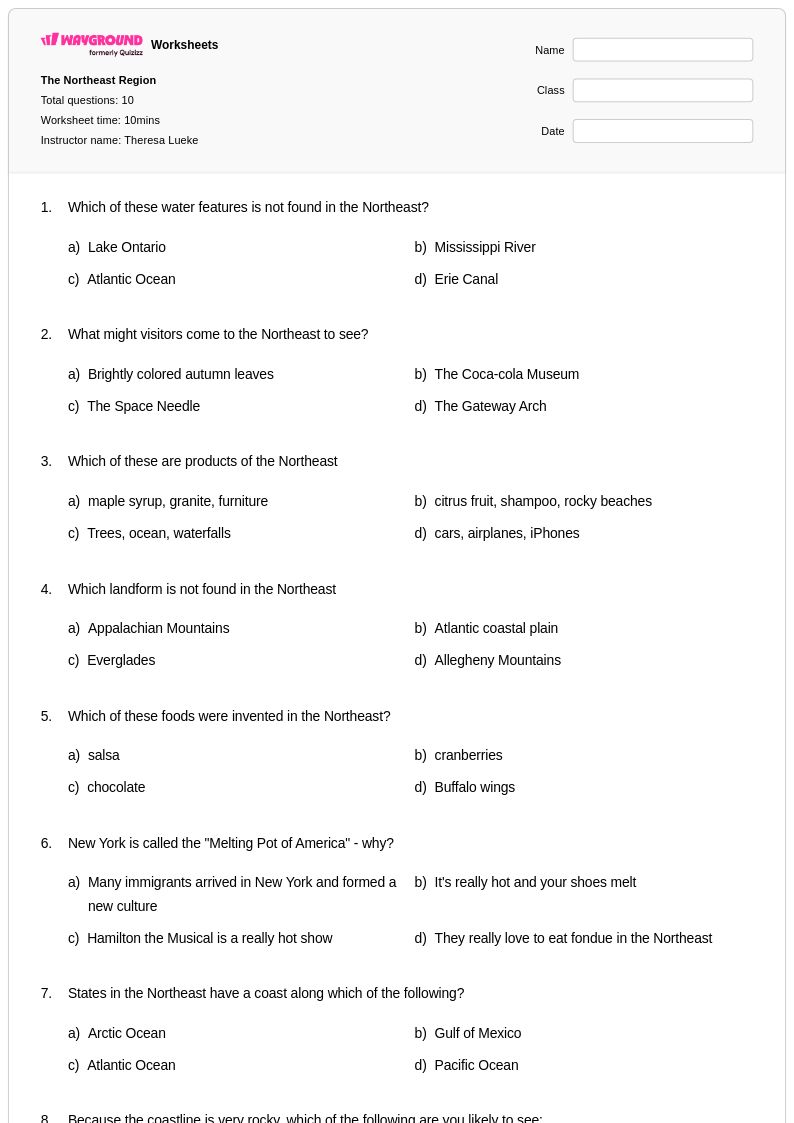
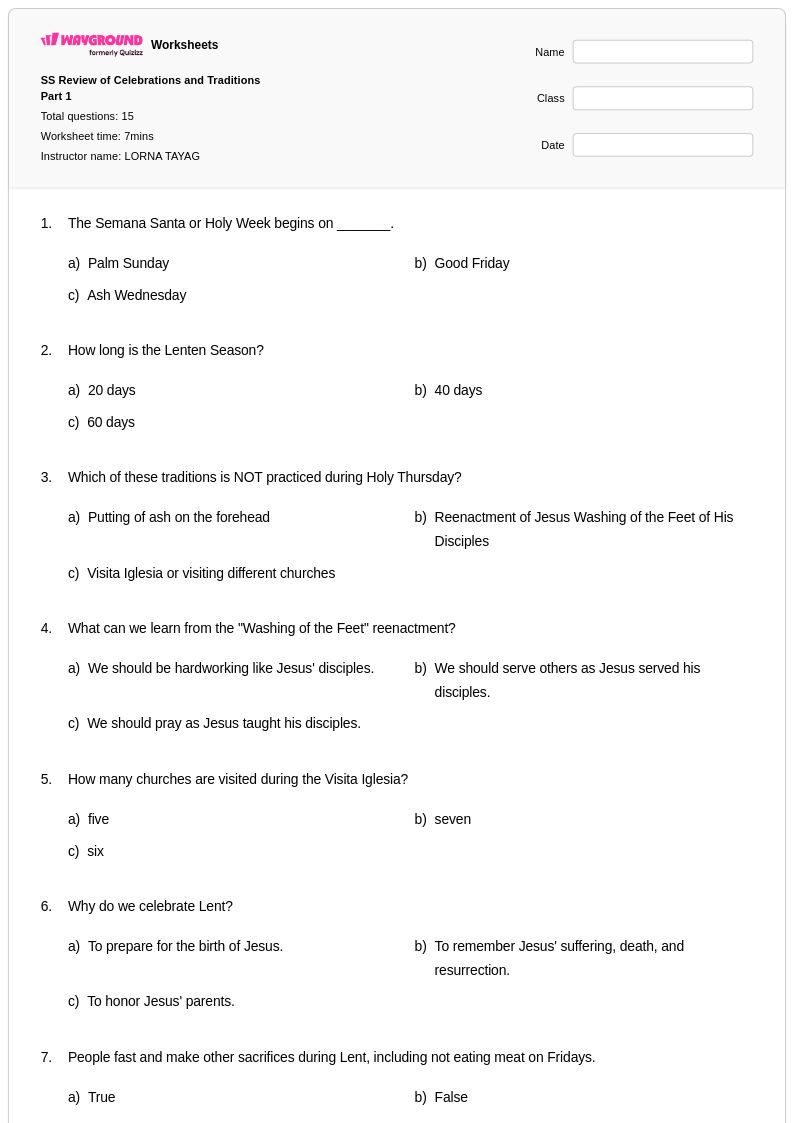
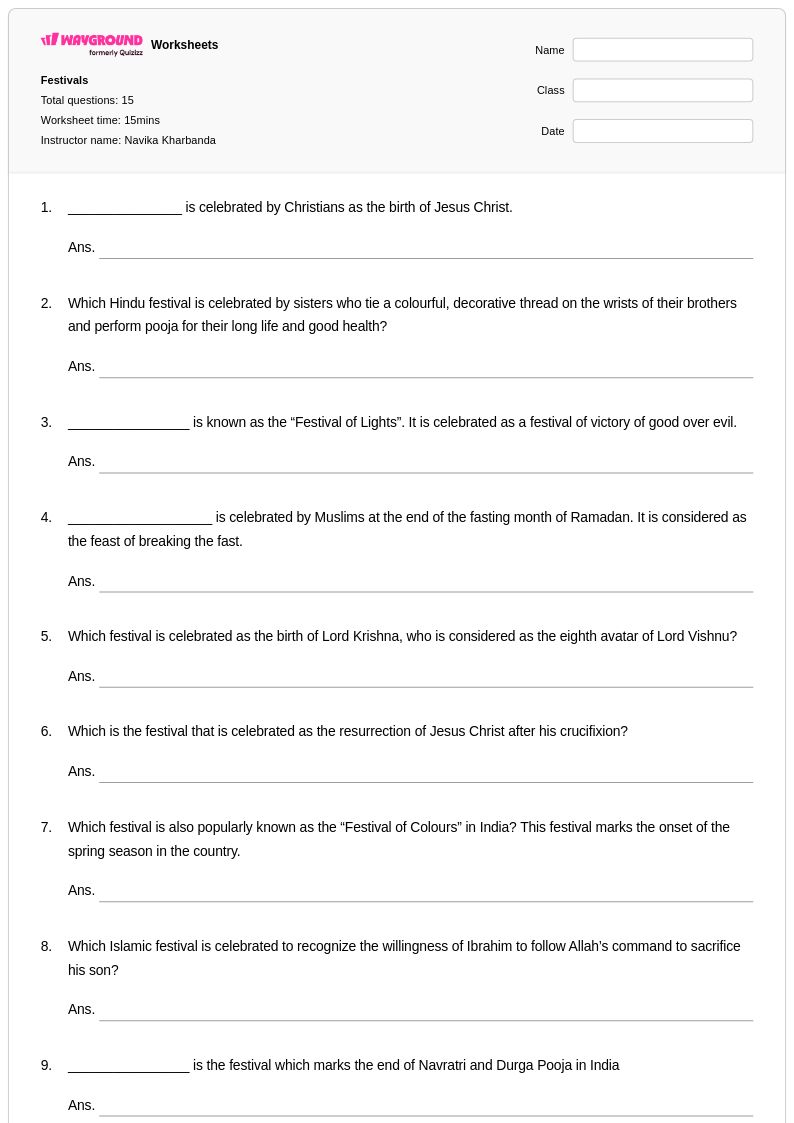
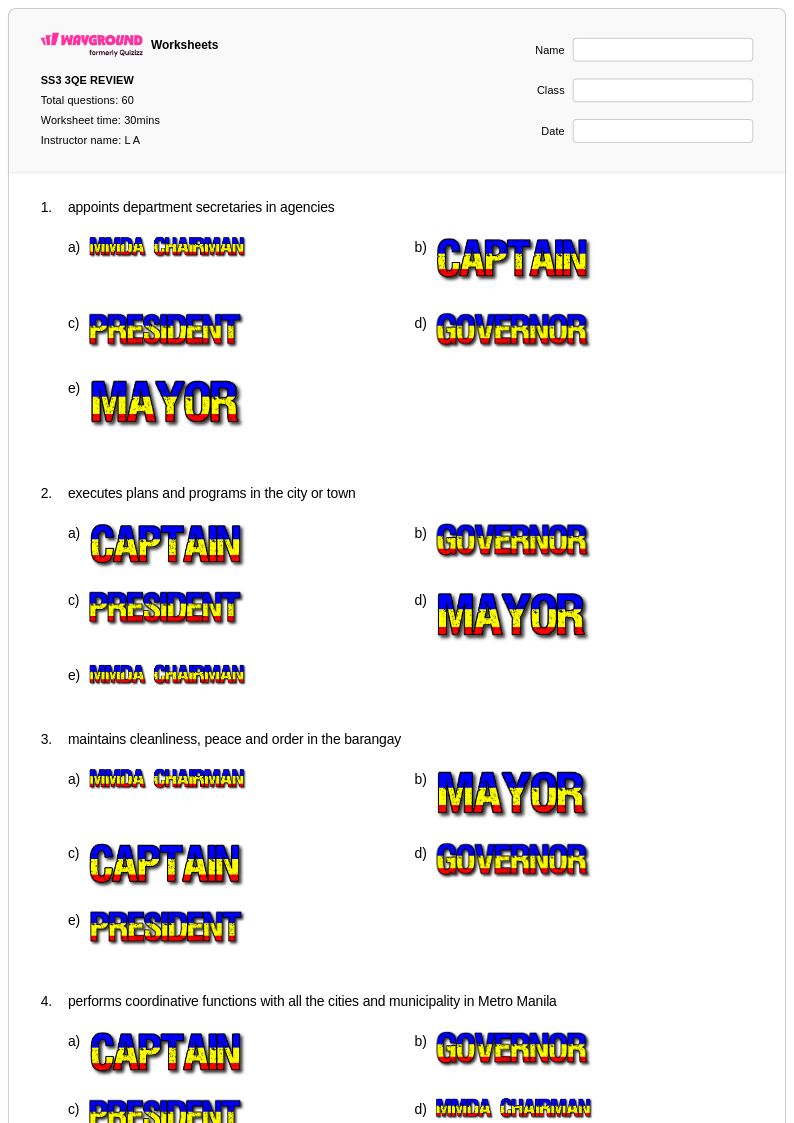
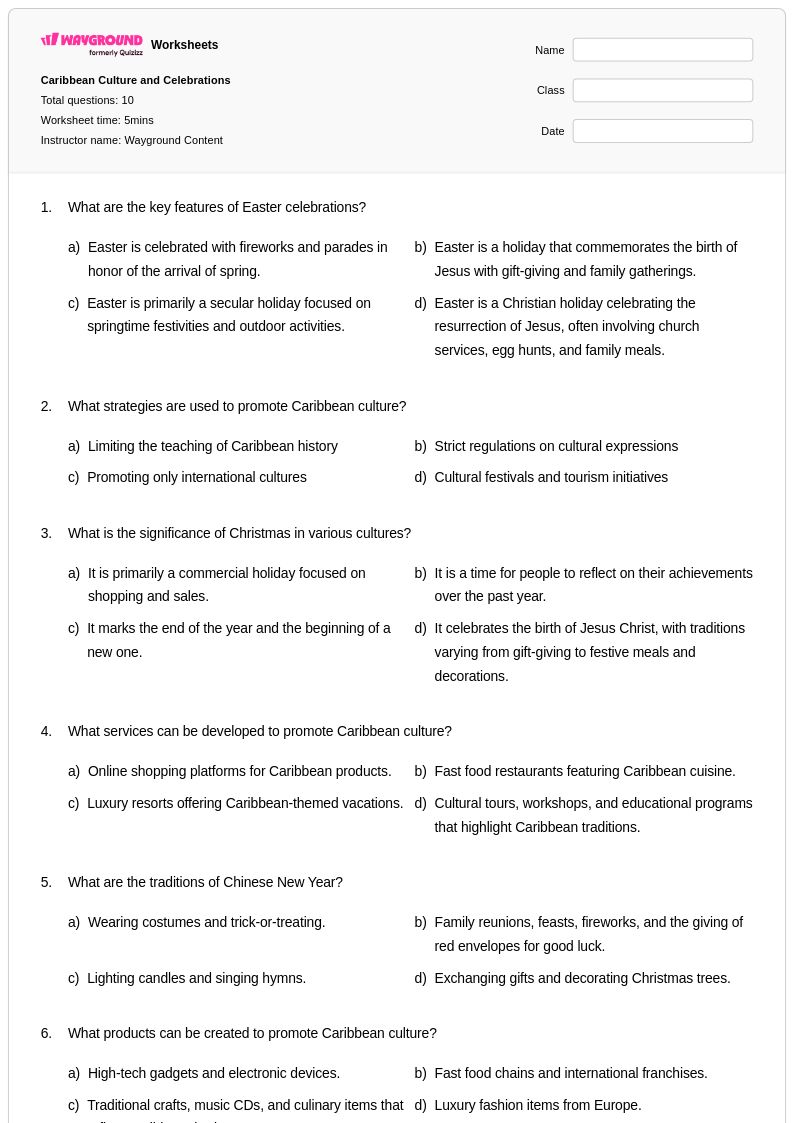
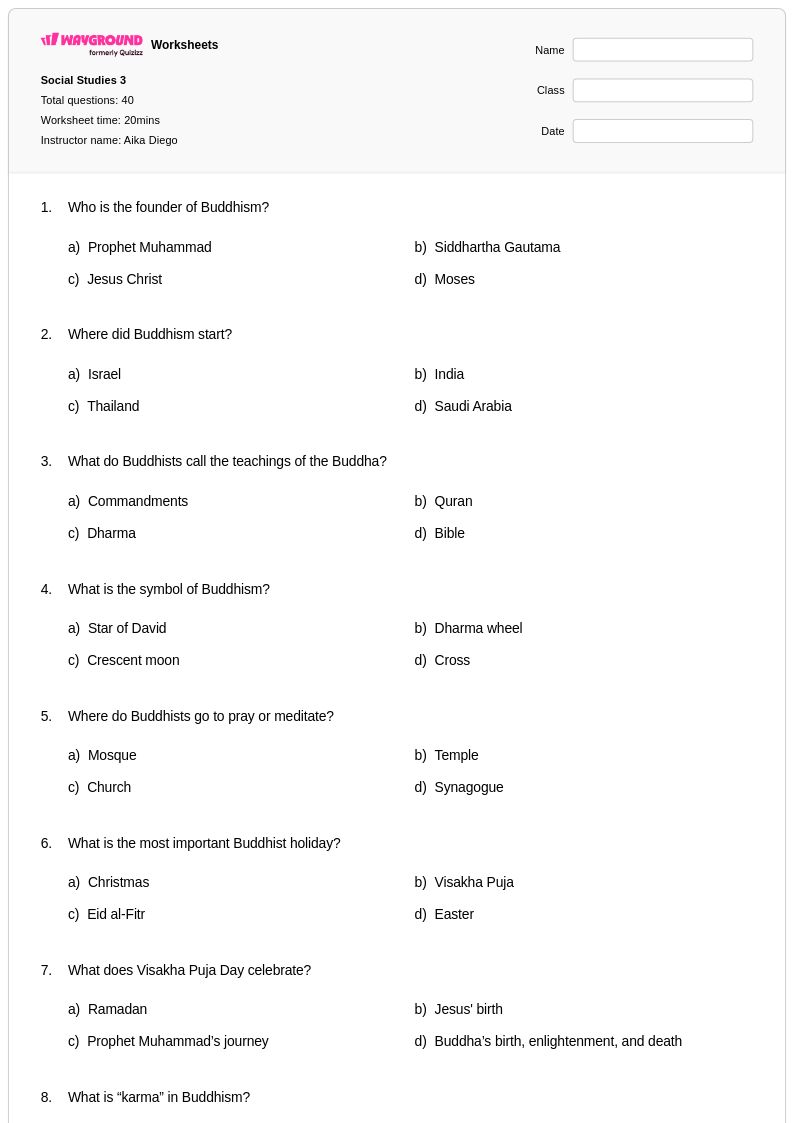
Explore Year 3 Resurrection worksheets and printables that help students understand this important cultural and religious concept through engaging practice problems, free PDF resources, and comprehensive answer keys.
Explore printable Resurrection worksheets for Year 3
Resurrection worksheets for Year 3 social studies provide students with meaningful opportunities to explore this significant cultural and religious concept within the broader context of community traditions and beliefs. These carefully crafted educational materials help young learners develop critical thinking skills while examining how different cultures and communities understand and commemorate resurrection stories throughout history. The comprehensive collection includes engaging practice problems that encourage students to compare various cultural perspectives, analyze the role of resurrection narratives in shaping community values, and connect these concepts to their own experiences. Teachers can access complete answer keys alongside each worksheet, ensuring efficient grading and instructional support, while the free printable format makes these resources readily accessible for classroom use and homework assignments.
Wayground, formerly Quizizz, empowers educators with an extensive library of millions of teacher-created resources specifically designed to support Year 3 social studies instruction on resurrection and related cultural topics. The platform's robust search and filtering capabilities enable teachers to quickly locate age-appropriate materials that align with curriculum standards and meet diverse learning needs within their classrooms. These versatile worksheet collections support effective differentiation through customizable features that allow educators to modify content difficulty, adjust question types, and personalize learning experiences for individual students. Available in both digital and printable PDF formats, these resources seamlessly integrate into lesson planning while providing flexible options for skill practice, remediation activities, and enrichment opportunities that deepen students' understanding of how resurrection concepts influence community traditions and cultural identity.
FAQs
How do I teach the concept of resurrection in a social studies or cultural studies class?
Teaching resurrection in social studies works best when framed as a cross-cultural and historical concept rather than a purely religious one. Begin by presenting resurrection narratives from multiple world traditions, such as ancient Egyptian beliefs about Osiris, Greek myths of Persephone, and various religious texts, so students can compare how different societies interpret themes of renewal and rebirth. Using primary source analysis and comparative discussion helps students develop analytical thinking rather than simply memorizing facts.
What activities help students compare resurrection beliefs across different world cultures and religions?
Structured comparison activities are highly effective for this topic. Students benefit from completing side-by-side analysis charts that place resurrection narratives from different religions and civilizations next to each other, identifying shared themes and key differences. Adding an archaeological evidence component, such as examining burial practices or artifacts, grounds the concept in historical reality and deepens critical engagement.
What common misconceptions do students have about resurrection as a cultural and historical concept?
A frequent misconception is that resurrection is exclusively a Christian concept, which prevents students from recognizing its presence across ancient Egyptian, Greek, Norse, and other world traditions. Students also sometimes conflate resurrection with reincarnation, failing to distinguish between the belief in a singular bodily return versus a cycle of rebirth across different identities. Addressing these errors explicitly through comparative worksheet activities helps build more accurate conceptual understanding.
How can resurrection worksheets be used to build critical thinking skills in community and cultural studies?
Resurrection worksheets that ask students to analyze how beliefs in renewal and transformation have shaped community traditions, rituals, and cultural identity push beyond factual recall into genuine analytical thinking. Tasks that require students to connect resurrection themes to real-world practices, such as seasonal festivals, mourning rituals, or founding myths, help them see how abstract beliefs translate into social structures. This kind of content-rich practice is particularly effective for building the comparative and evaluative skills required in social studies.
How do I use Wayground's resurrection worksheets in my classroom?
Wayground's resurrection worksheets are available as printable PDFs for traditional classroom use and in digital formats for technology-integrated learning environments, so they fit a range of instructional settings. Teachers can also host the worksheets as a live or assigned quiz directly on the Wayground platform, giving students an interactive experience while automatically tracking responses. Each worksheet includes an answer key, which makes them practical for independent practice, small group work, or whole-class instruction with minimal prep time.
How can I differentiate resurrection worksheets for students with different learning needs?
On Wayground, teachers can apply individual accommodations to students before assigning any worksheet, including read-aloud support for students who need questions read to them, reduced answer choices to lower cognitive load, and extended time settings configurable per student. These accommodations are saved and carry over to future sessions, so setup is a one-time investment. Students who receive accommodations work through the same content as their peers without any visible distinction, keeping the classroom environment equitable.