
20 Q
8th - Uni
25 Q
4th - Uni
17 Q
9th - 12th
40 Q
9th - 12th
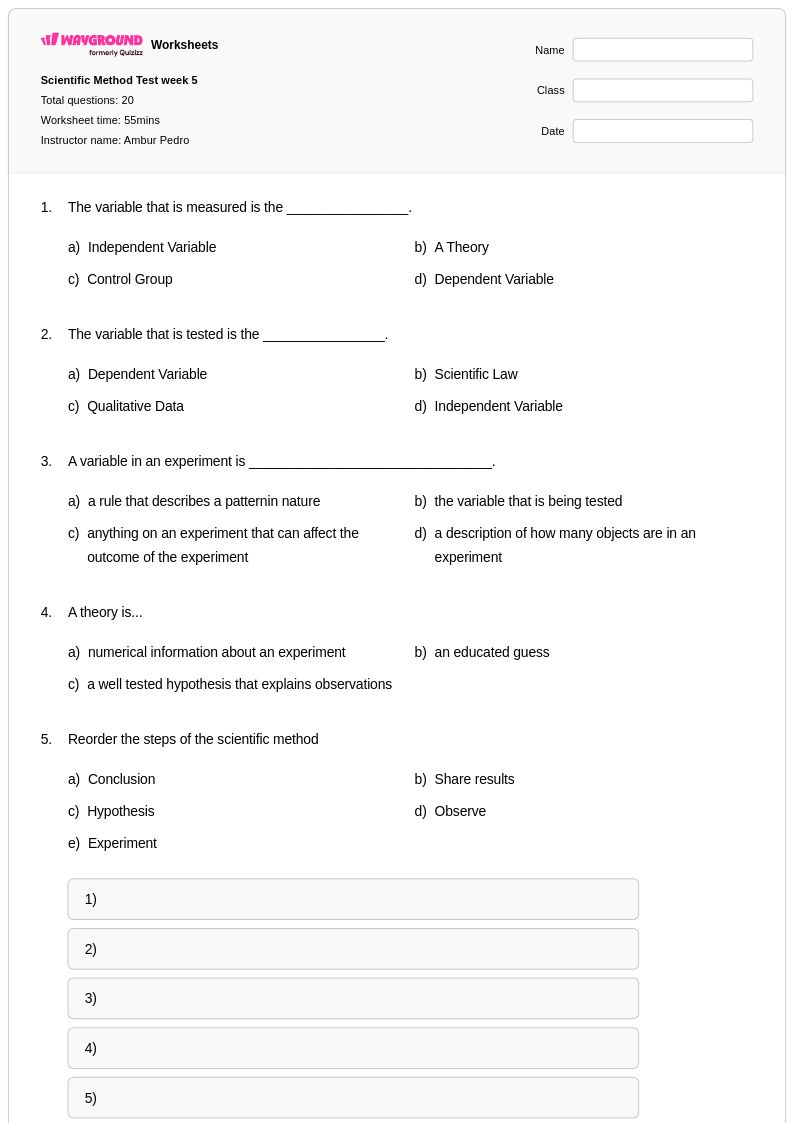
20 Q
9th - 12th
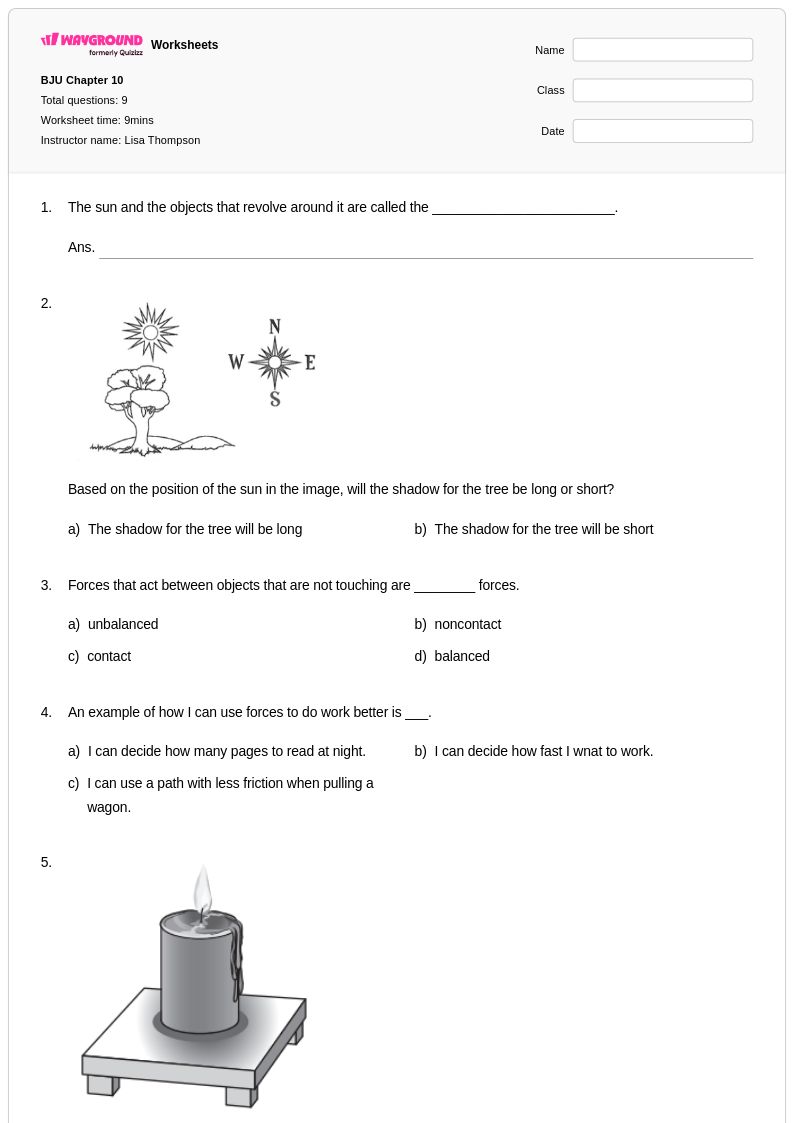
9 Q
3rd - Uni
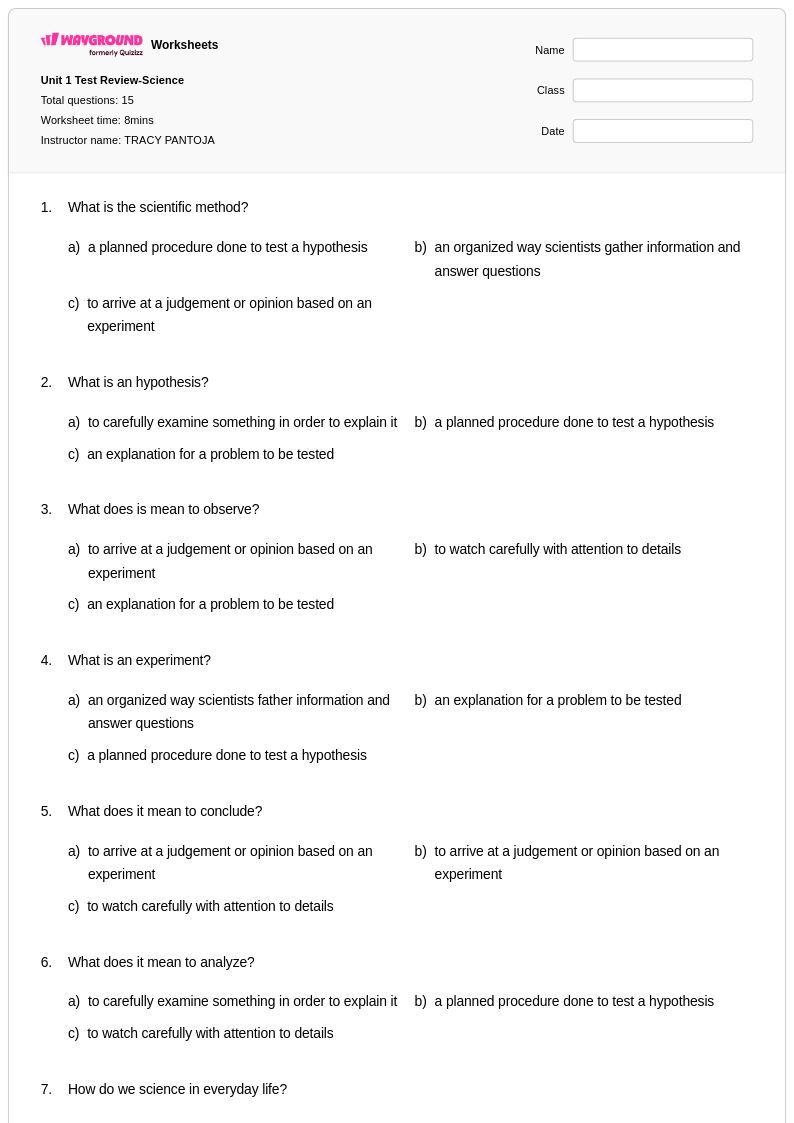
15 Q
9th - 12th
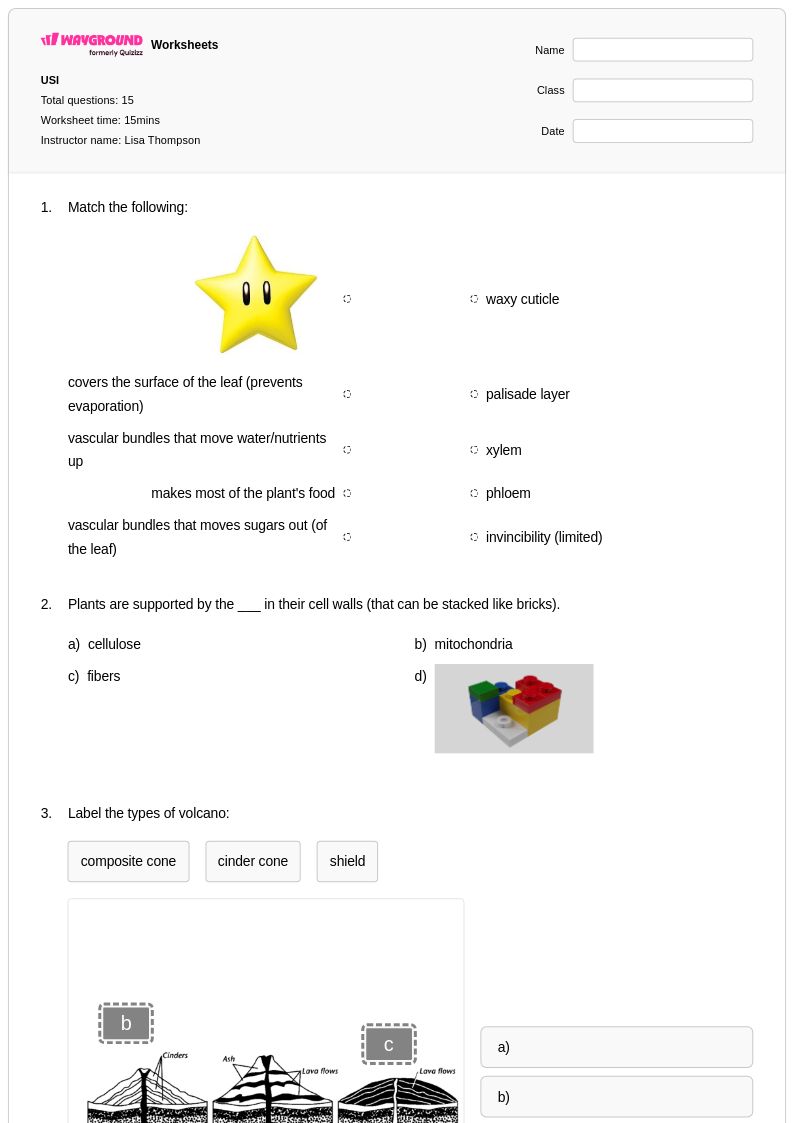
15 Q
8th - Uni
15 Q
5th - Uni
25 Q
7th - Uni
17 Q
11th
17 Q
9th - 12th
20 Q
7th - 12th
23 Q
6th - 12th
15 Q
11th
17 Q
9th - 12th
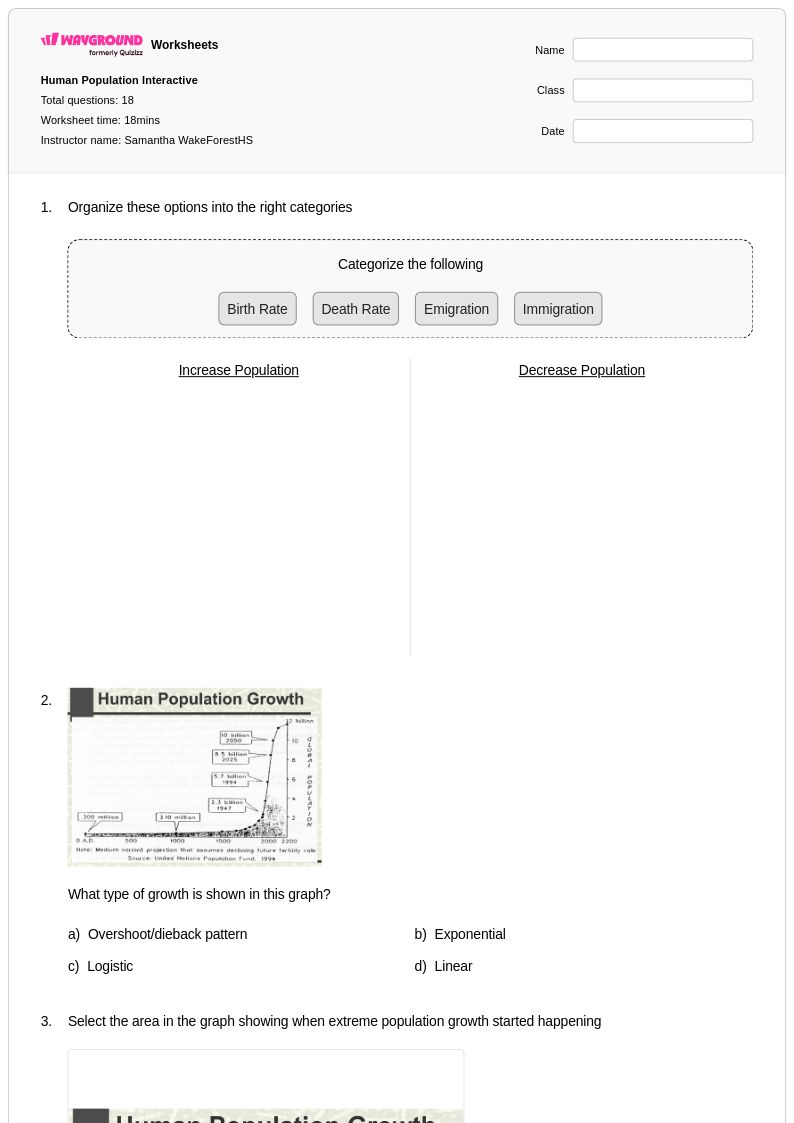
18 Q
11th

10 Q
11th - Uni
19 Q
4th - Uni
20 Q
9th - 12th
20 Q
9th - 12th
20 Q
8th - 12th
27 Q
9th - Uni
Explore Scientific Tools Worksheets by Grades
Explore Other Subject Worksheets for year 11
Explore printable Scientific Tools worksheets for Year 11
Scientific tools worksheets for Year 11 students available through Wayground (formerly Quizizz) provide comprehensive practice with the essential instruments and methodologies that form the backbone of scientific inquiry. These carefully designed resources help students master the selection, proper use, and maintenance of laboratory equipment ranging from basic measuring devices like graduated cylinders and analytical balances to sophisticated instruments such as spectrophotometers and microscopes. Each worksheet includes detailed practice problems that challenge students to identify appropriate tools for specific experimental scenarios, interpret measurement data with proper precision and accuracy, and troubleshoot common equipment issues. The accompanying answer key supports both independent study and classroom instruction, while the free printable format ensures accessibility for all learning environments. Students develop critical thinking skills as they learn to evaluate the limitations and capabilities of different scientific instruments, understand calibration procedures, and apply proper safety protocols when handling specialized equipment.
Wayground (formerly Quizizz) empowers educators with millions of teacher-created scientific tools resources that can be easily customized to meet diverse classroom needs and learning objectives. The platform's robust search and filtering capabilities allow teachers to quickly locate worksheets aligned with specific grade-level standards and differentiate instruction for students with varying skill levels. Teachers can seamlessly modify existing content or create entirely new assessments that target particular instruments or measurement techniques, then distribute materials in both digital and printable PDF formats to accommodate different learning preferences and technological access. These flexible tools prove invaluable for lesson planning, providing targeted remediation for students struggling with instrument identification or measurement concepts, offering enrichment opportunities for advanced learners ready to explore more complex analytical techniques, and delivering consistent skill practice that reinforces proper laboratory procedures and scientific methodology throughout the academic year.
FAQs
How do I teach students to use scientific tools correctly in the classroom?
What exercises help students practice reading scientific measurements accurately?
What mistakes do students commonly make when using or reading scientific tools?
How can I differentiate scientific tools instruction for students at different skill levels?
How do I use Wayground's scientific tools worksheets in my classroom?
Which scientific tools should students know how to use at the middle and high school level?